More and more hospitals are utilizing IoT technology to achieve refined management of medical equipment. So, what value can such investments create for hospitals?
In the field of hospital equipment management, the management pain points and value demands of large imaging equipment (such as CT and MRI) differ significantly from those of medium and small high-value equipment (such as ventilators and infusion pumps). The former is characterized by “high investment, high energy consumption, and high risk,” while the latter faces challenges of “large quantity, scattered distribution, and difficult supervision.” Specialized solutions based on IoT technology have been developed for these two types of equipment.
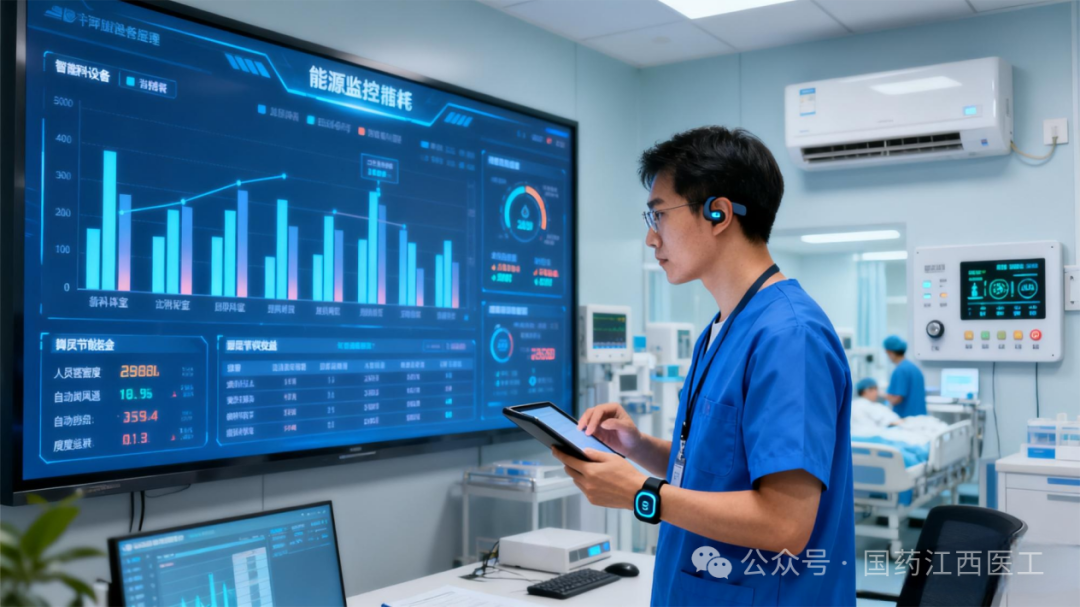

1. Large Equipment: How to Resolve the “Three Highs” Challenge?
Large imaging equipment is a core asset of hospitals and also a major energy consumer. A CT machine can consume dozens or even hundreds of kilowatt-hours of electricity daily, and its operational status directly affects the normal conduct of diagnostic and treatment services. By monitoring parameters such as current, voltage, and power in real-time, a complete energy management and risk warning mechanism can be established:
Energy Saving:A certain top-tier hospital discovered through data analysis that an MRI machine still exhibited high energy consumption while in standby mode. After adjusting the operating schedule, the annual electricity savings for a single machine exceeded 30,000 kilowatt-hours, saving approximately 25,000 yuan in electricity costs.
Risk Warning:The system identified an anomaly in the power module of a CT machine two weeks in advance through real-time analysis of current waveforms, preventing a potential major failure and saving approximately 100,000 yuan in repair costs.
Performance Evaluation:By comparing energy consumption data of the same model equipment, data support is provided for hospital equipment procurement, avoiding the repeated purchase of “high energy consumption, low efficiency” devices.

2. Medium and Small Equipment: How to Achieve Precise Supervision?
Medium and small high-value equipment is numerous and frequently moved, and traditional manual management methods are not only inefficient but often lead to issues such as equipment idleness, duplicate purchases, and loss.
Lifecycle Management:By long-term tracking of equipment usage frequency and operational status, a scientific maintenance and renewal plan can be developed, extending the equipment’s lifespan by over 15%.
Benefit Analysis:Accurate calculation of the economic benefits of individual equipment provides a basis for cost accounting in clinical departments, promoting rational resource allocation.

3. Dual Release of Economic and Social Value
The IoT monitoring system brings not only direct economic benefits—by improving equipment utilization, reducing energy consumption, and minimizing failures, hospitals can recover their investment costs within 1-2 years, but it also creates significant social value:
Improved Diagnostic Safety:Equipment failure warnings prevent potential medical accidents.
Leap in Management Efficiency:Equipment management personnel are liberated from cumbersome manual records.
Green Hospital Construction:Reduced energy consumption lowers the hospital’s carbon footprint.
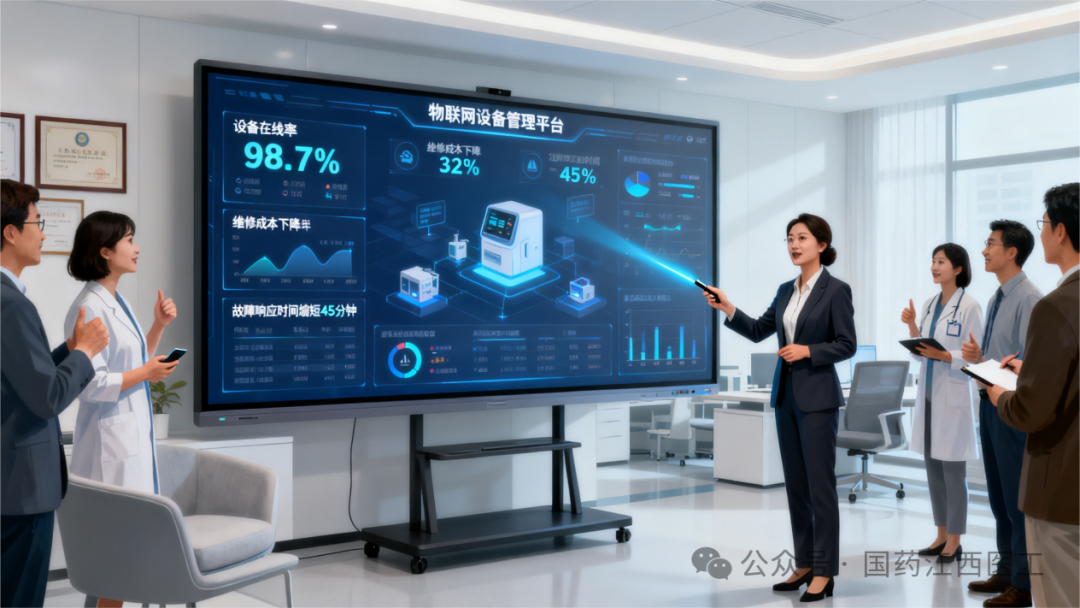
As IoT technology matures and costs decrease, the “smart management” of medical equipment has become an inevitable choice for refined management in hospitals. In the future, IoT will deeply integrate with AI and big data, shifting medical equipment management from passive monitoring to proactive fault prediction, generating customized maintenance plans. At the same time, grassroots hospitals will popularize lightweight IoT solutions to address the shortage of operational personnel with low investment. This not only supports the digital transformation of the healthcare industry and the construction of a healthy China but also comprehensively enhances the quality of diagnosis and treatment and patient experience.
Written by | Marketing Department Meng Meitong