* Author: Smart Driving Frontier
Hardware embedding is a new model adopted by automotive manufacturers under the trend of autonomous driving, which involves embedding hardware within the vehicle. Subsequently, the car can continuously upgrade its software, allowing users to enjoy a better experience while reducing the pressure on manufacturers regarding the time to market for new models. Achieving Data Closure in Just 5 StepsNI proposes a five-step method for data collection/processing to create a data closure:
- Road Testing
- Big Data Management
- Scenario Virtualization
- Data Open Loop Feedback
- Data Closure
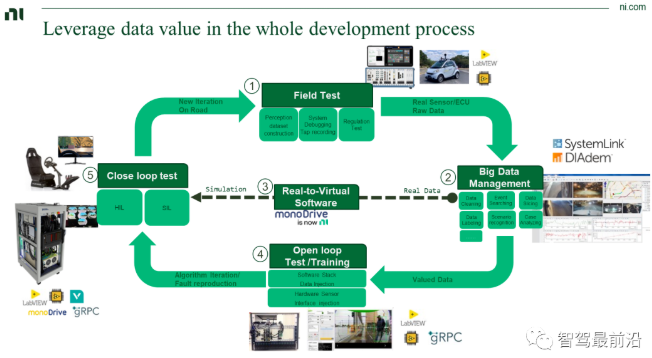
From data collection to data closure, it only takes 5 steps.Road Testing – Data Record System ADRoad testing is a crucial source for collecting real-world scenario data. Whether for vehicle-to-vehicle or vehicle-to-infrastructure communication, it requires processing large volumes of data. An automated testing system typically needs to be equipped with data collection synchronization and storage devices.
What Types of Sensors Do Autonomous Vehicles Need?
Autonomous vehicles are self-driving transportation tools that integrate perception, decision-making, and control functions. The perception system replaces the human driver’s visual, auditory, and tactile functions, merging massive traffic environment data collected from cameras, radars, and other sensors to accurately identify various traffic elements, thereby supporting the decision-making system of the autonomous vehicle.1. CamerasCameras can be categorized into two main types based on video capture methods: digital cameras and analog cameras.Generally, digital cameras are used in vehicles, which can convert the analog video signals generated by video capture devices into digital signals, allowing them to be stored in a computer.Analog cameras can only capture video signals, which must be converted into digital format through a specific video capture card and compressed before being used on a computer.
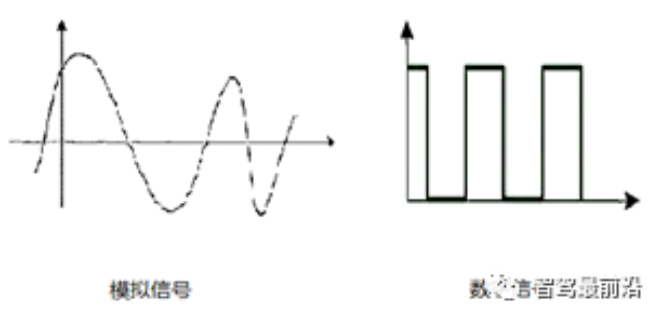
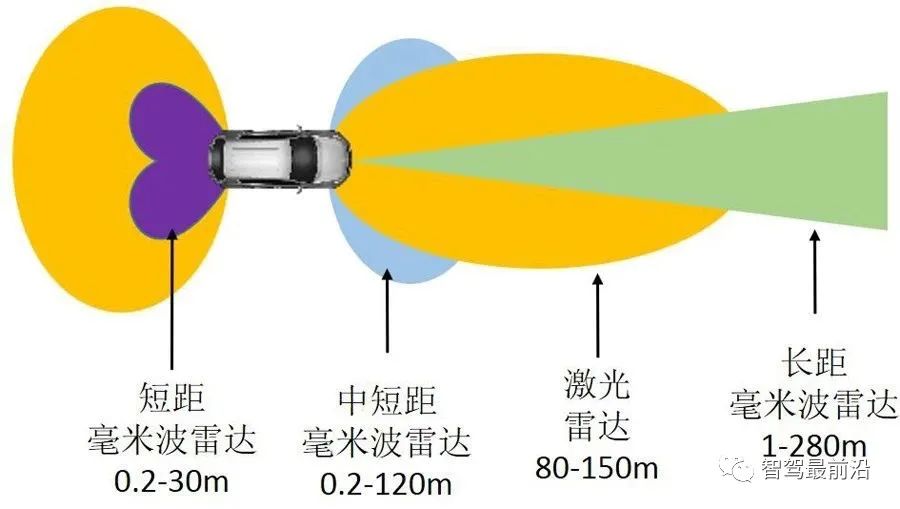
For example, a landline phone is an analog signal, which can easily produce noise (such as electrical noise or unclear audio) during calls. In contrast, our mobile phones digitize the analog signals to maintain high call quality, resulting in very clear communication between phones. Similarly, using digital cameras can effectively reduce noise in images and enhance imaging quality.In summary: Analog video signals can have an infinite number of different values within a certain time frame, while digital video signals are formed through sampling, quantization, and encoding based on analog signals. Analog signals are prone to noise and interference and are gradually being replaced by digital signals.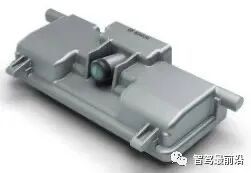 Image Source: Bosch Official Website2. RadarRadar can actively detect the surrounding environment and is less affected by external conditions than visual sensors, making it one of the essential sensors for autonomous vehicles. Radar emits electromagnetic waves towards a target and receives the echoes to obtain data on the target’s distance, orientation, and rate of distance change. Depending on the electromagnetic wave band, radar can be subdivided into three types: LiDAR, millimeter-wave radar, and ultrasonic radar.
 NI provides a modular data acquisition solution based on the PXI platform, which can meet the data collection needs of multiple cameras, in-vehicle Ethernet, CAN/CANFD, GPS, etc., and can satisfy the continuous data collection requirements at various stages. For example, the ADAS domain controller is already in the research and iteration phase, and data can be collected through data bypass methods, using NI testing equipment as middleware to collect data without disrupting the data link from the sensor to the ECU. Additionally, NI’s solution supports data storage capacities ranging from 15TB to 200TB.
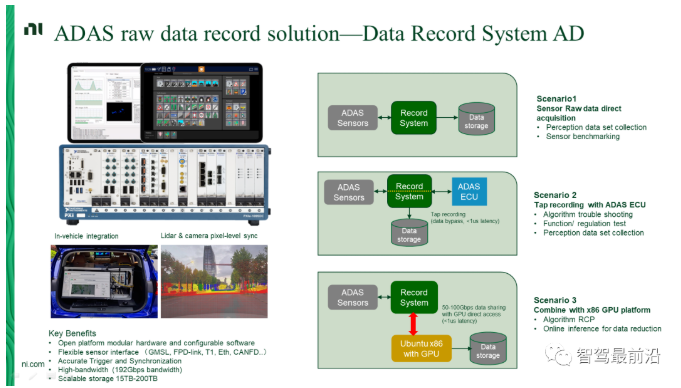
To ensure the accuracy of the collected data, the vehicles used for data recording need to be equipped with sensors and measurement technologies that meet specific levels of intelligent driving. The main types of sensors include cameras, millimeter-wave radar, and LiDAR. The core of the system is the fusion controller, which collects data from all sensors and calculates the current environmental model in real-time, which is then used to control the driving, steering, and braking systems.A high-performance data acquisition system that meets the recording needs of various sensors, ECUs, and communication data must be specifically designed for continuous operation, providing reliable RAID storage devices capable of measuring raw data from cameras, millimeter-wave radar, and LiDAR, as well as testing the fusion controller, including additional reference camera video data and data from inertial navigation systems that provide precise vehicle positioning, as well as data from various buses such as in-vehicle Ethernet, CAN, CANFD, and FlexRay.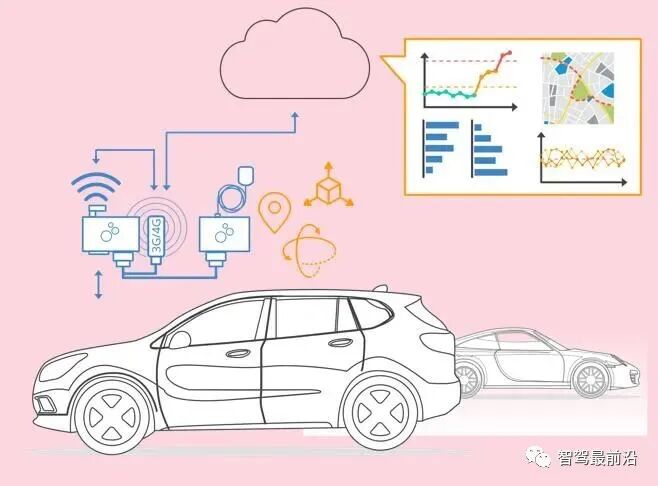 Big Data Management – DIAdemIn terms of process, big data management is divided into fleet management, data center, and terminal data usage. During the data transmission process from the vehicle to the data center, data transfer methods such as data migration are commonly used, with data volumes reaching 10-100TB per vehicle per day. Conversely, the data center can also monitor the vehicle in real-time, primarily accomplished through in-vehicle 4G or 5G networks.The amount of data that needs to be collected increases geometrically with different levels of vehicles. For example, in the currently common L3 stage, with the introduction of 4K ultra-high-definition cameras and 128-line LiDAR sensors, the data recorded by the data collection system can reach up to 30TB per day during 8 hours of data collection.The collection system needs to provide high bandwidth and high-capacity data storage while also considering how to conveniently transmit data to the data center. For instance, data can be transmitted to a PB-level data center using dedicated data upload machines.In addition to these cloud-based tools, another powerful data mining tool worth mentioning is DIAdem. It can be deployed in the cloud to achieve data visualization and mining for road test data, multi-source data images, point clouds, and various bus data. DIAdem offers over 200 data plugins and is compatible with various types of test vendors’ data formats, such as ASC, MDF4, TTL, MAT, etc.Scenario Virtualization – monoDriveAfter collecting data through road tests, the data needs to be cleaned, classified, and scenarios selected, ultimately combining real road tests with virtual simulation tests. monoDrive is such a tool that can achieve high-fidelity sensor physical modeling, scenario semantic segmentation, and also supports cloud simulation capabilities, allowing a large number of test cases to be deployed in the cloud to accelerate the simulation process. Another significant advantage of monoDrive is its capability for automatic generation of real-to-virtual scenarios.It is worth mentioning that during the process of scene reconstruction or sensor modeling, NI can label real sensor data alongside virtual sensor data.
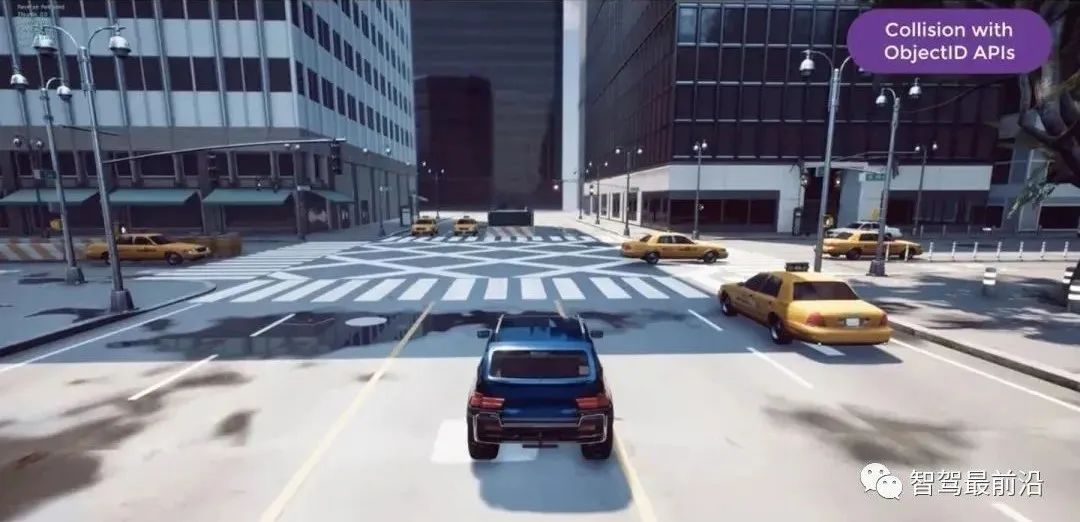
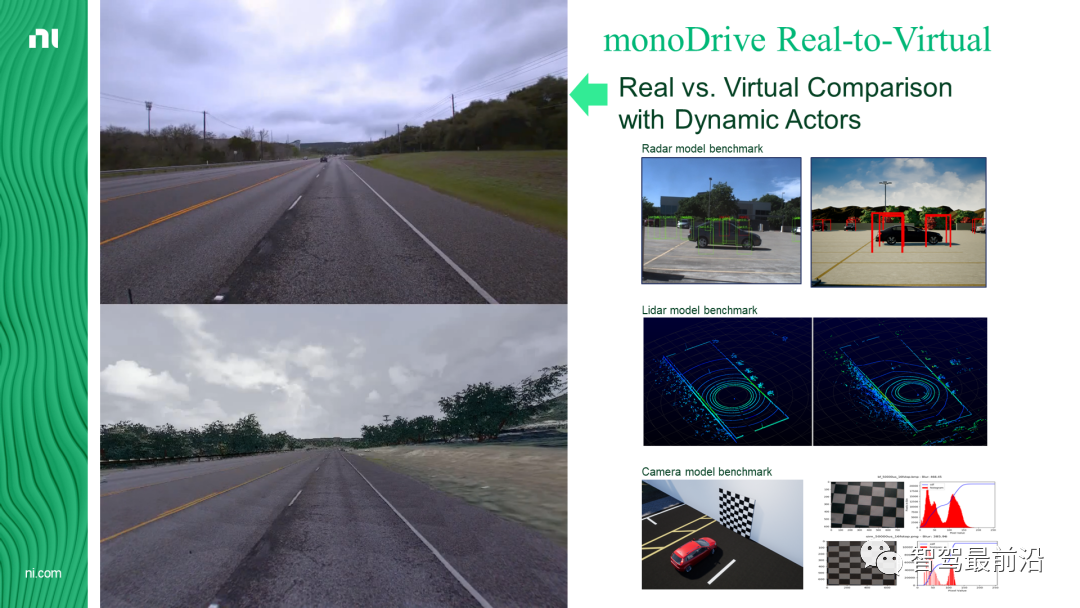 Tools that convert real vehicle data into simulation scenarios are based on a large accumulation of real vehicle data, achieving a data-driven R&D model.▲ Effect of scene conversion for collectionThe toolchain supports the arrangement and combination of massive dynamic and static data, addressing the issue of significant deviations between case design and actual conditions, making autonomous driving simulations more closely aligned with the real world.▲ Semantic scene conversion toolchainData Open Loop Feedback – System Architecture Based on PXI PlatformThis step involves feeding the raw data back into the ADAS perception software. Part of the data is directly fed back into the software stack for software feedback, mainly targeting some model testing aspects. Another part is directly fed back into the actual ECU, which can more realistically reproduce some situations discovered during road testing.The components of the NI system architecture include: user data center, Linux-based Replay PC, and NI PXI platform.To form a data closure and fully utilize the value of raw data, more and more automotive companies are building such a clustered data feedback system. Many automotive companies, when defining AEB functions, typically require that the AEB function should not produce false triggers over 100,000 or 200,000 kilometers.For example, if a road test covers 80,000 kilometers and suddenly experiences a false trigger, it is necessary to return and modify the corresponding software. After modifying the software, is it necessary to run another 100,000 kilometers? Clearly, starting over would waste a lot of time and effort.Faced with such challenges, what effective methods are available?Wang Shuai explained: “If a problem occurs after running 80,000 kilometers during the first road test, but we can ensure that the data from the previous mileage has been recorded. Once a problem is identified, we can iterate and modify the software. After modifying the software, we can use the original collected raw data to conduct regression testing to see if the software modification can operate normally on the original data. This reduces our investment in road testing and accelerates development speed.”Closed Loop Testing – SIL and HILClosed loop testing typically includes Software-in-the-Loop (SIL) and Hardware-in-the-Loop (HIL). In the SIL aspect, NI’s solution utilizes the monoDrive platform to provide an environment that can be batch deployed in the cloud. In the HIL aspect, NI’s solution leverages the PXI platform, along with NI’s advantages in cameras, in-vehicle buses, and data synchronization, to implement a closed-loop system with data injection capabilities for various types of sensors.
* Author: Smart Driving Frontier
Follow Heart on WeChat, click the top right corner of the WeChat public account “…”, set a star mark to stay updated on the latest news in smart vehicles.Welcome all angel round and A round enterprises in the automotive industry chain (including the electrification industry chain) to join the group (Friendly connections with 700 automotive investment institutions, including top-tier organizations; some quality projects will be selected for themed roadshows to existing institutions);There are communication groups for leaders of technology innovation companies, as well as groups for the entire automotive industry chain, including electric vehicles, automotive semiconductors, key components, new energy vehicles, intelligent connected vehicles, aftermarket, automotive investment, autonomous driving, vehicle networking, and dozens of other groups. Please scan the administrator’s WeChat to join the group (Please indicate your company name)