The following video is sourced from Hugging Face
Video and images courtesy of Pollen Robotics©
Besides large language models, how are AI robots quietly integrating into people’s lives?
Today’s NIO Capital Future AI + Life introduces you to an open-source desktop robot. As a companion electronic pet, it will help you learn programming and explore more possibilities of human-robot interaction through your interactions with it.
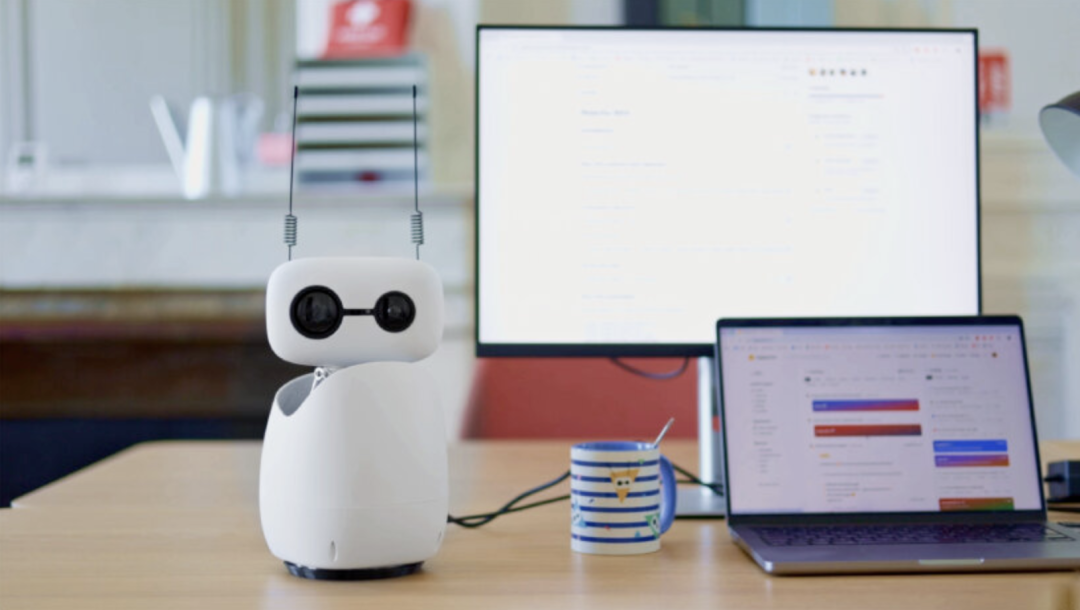
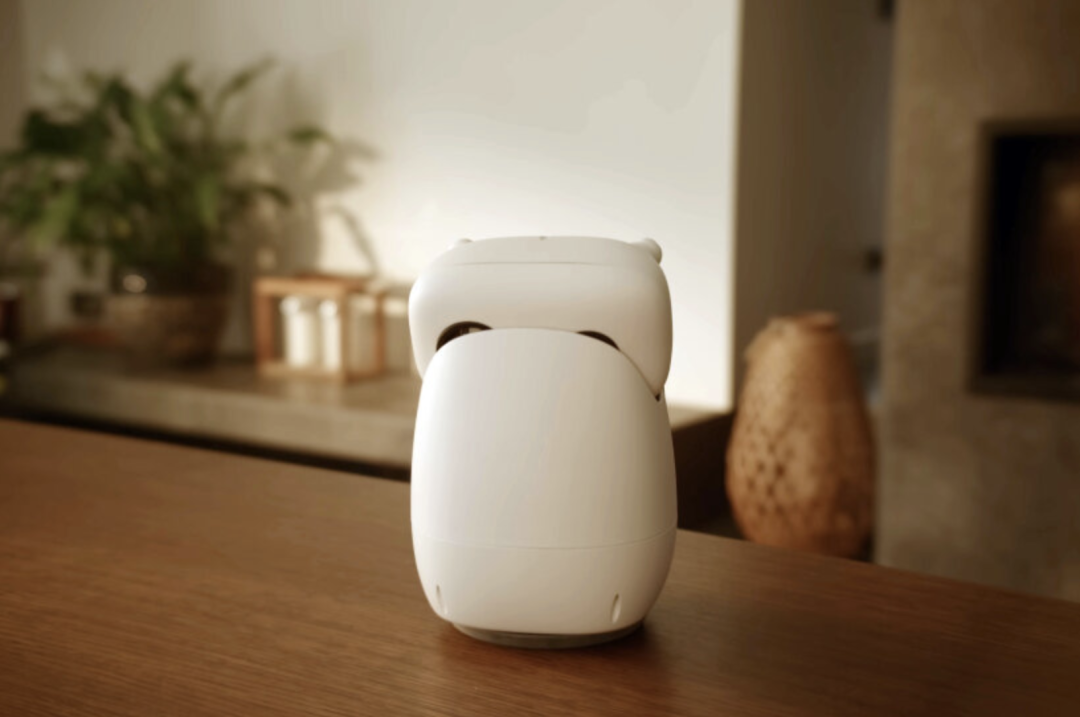
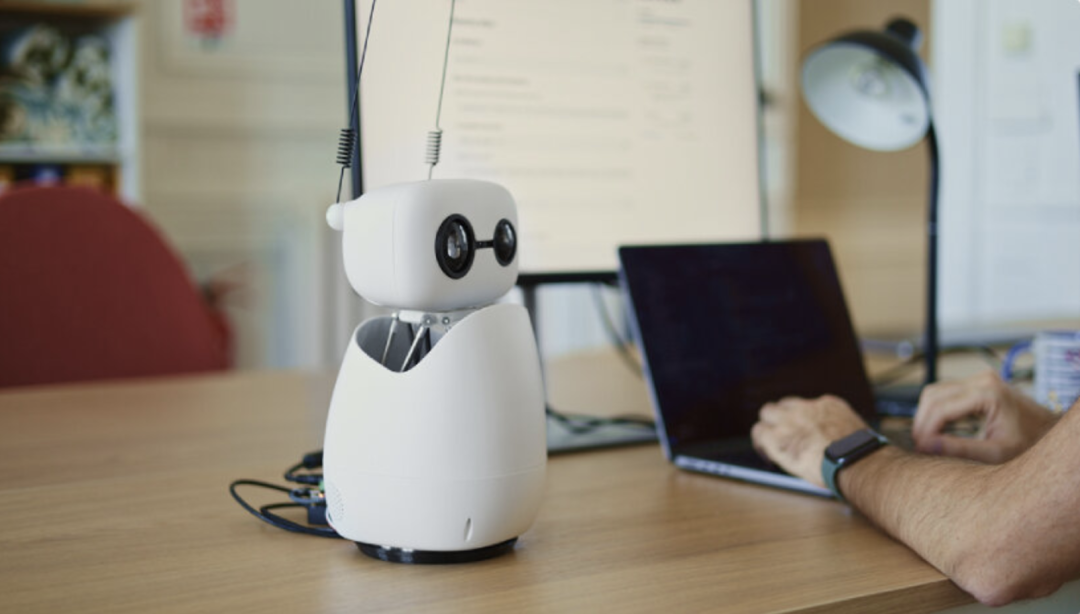
The desktop robot Reachy Mini is launched by Pollen Robotics in France, with the core mission of helping users learn and explore robotics, programming, and artificial intelligence.
How does the little robot achieve its goals? It makes building robots and learning programming as intuitive and simple as assembling LEGO.
In terms of assembly, you only need to connect a few simple parts and plug in the power to start it up. For interaction, to reduce programming difficulty, the open-source library has preset 15 demonstration behaviors—waving, nodding, turning its head, “playing hide and seek”… Each behavior can be directly called or rewritten.
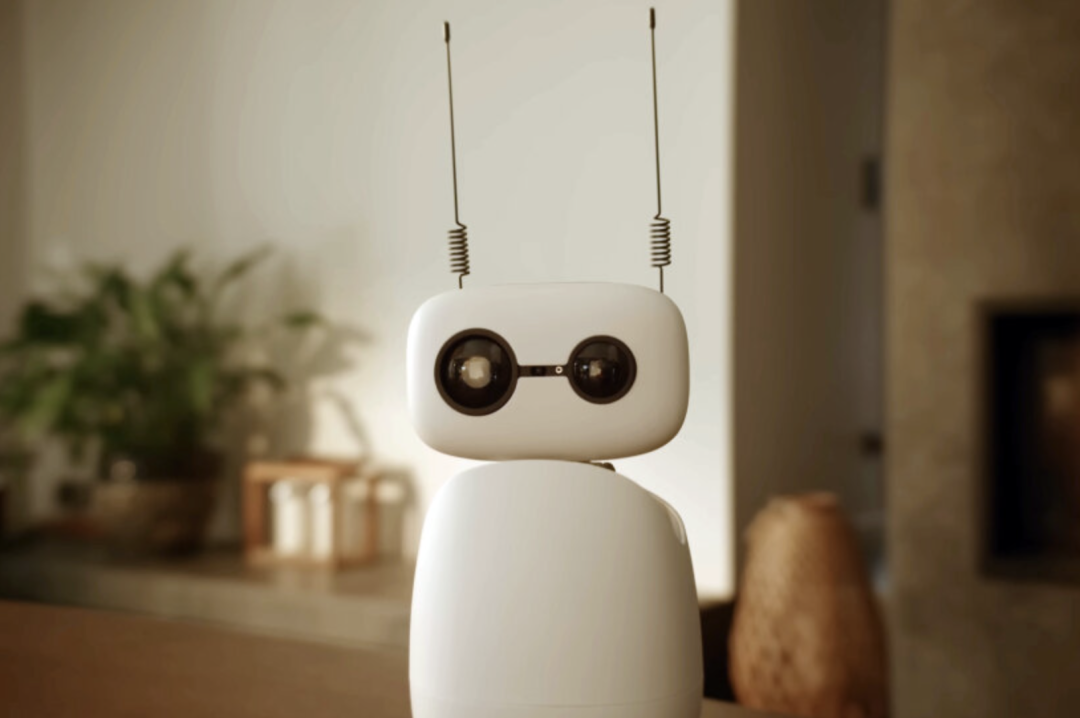
Additionally, the robot is equipped with a virtual simulation environment, allowing developers to run scripts on their computers first and then upload them to the physical machine with one click. This further reduces the cost of learning and trial-and-error.
In a community specifically developed for the robot, global players can share their written code and models. This means anyone can download, modify, and re-upload, continuously expanding the robot’s skills.
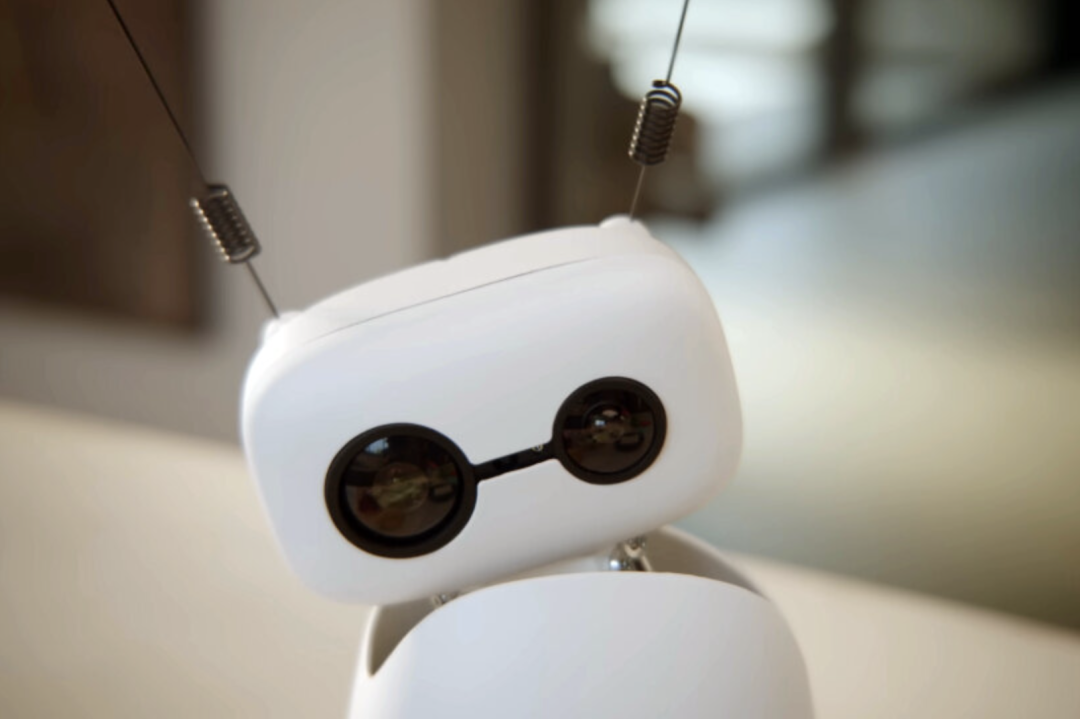
In terms of hardware, the robot is equipped with dual cameras, a microphone, and speakers to achieve visual and auditory functions, as well as natural responses through AI models. Notably, all 3D printed parts, PCB circuits, and firmware source code are hosted on GitHub, making it easy for university courses, maker labs, or individual enthusiasts to develop freely.
Although the current programming language only supports Python, the development team plans to add JavaScript and Scratch in the future, further lowering the programming barrier so that players with no background can also develop robots as easily as stacking code blocks.
Images in this article are sourced from Pixabay, Unsplash, and other online channels, with copyright belonging to the original authors. If there is any infringement, please contact us for resolution.