If we talk about which type of indoor large screen is used the most, it must be LED and LCD screens. Whether in outdoor settings or indoor environments, LED and LCD screens are widely used. So, what are the differences between the two? We will explain in detail below.
LED screens and LCD screens have four main differences: clarity, brightness, splicing effect, and installation environment.
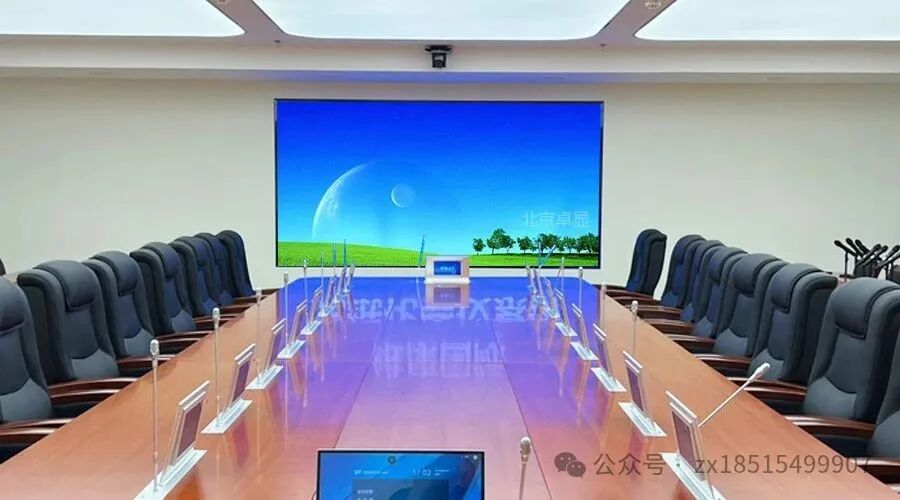
1. Clarity Difference
The resolution of an LCD screen can reach 1920*1080, which is considered high definition and has relatively high clarity.
In contrast, the resolution of an LED screen is determined by the number and spacing of the light-emitting diodes (LEDs). The smaller the LEDs, the higher the resolution. Overall, the resolution is generally lower than that of LCD screens.

2. Brightness Difference
Since the LEDs are exposed on the surface, unlike LCD screens which are backlit, their brightness is higher. In outdoor environments with strong light, LED screens do not cause reflection issues.
3. Splicing Effect Difference
The splicing effect difference refers mainly to the seams. LED screens can be spliced without any visible seams, while LCD splicing screens will have a few millimeters of physical border after splicing, creating a seam. When comparing the full-screen effect, the difference is quite obvious; LED provides a more complete full-screen effect.
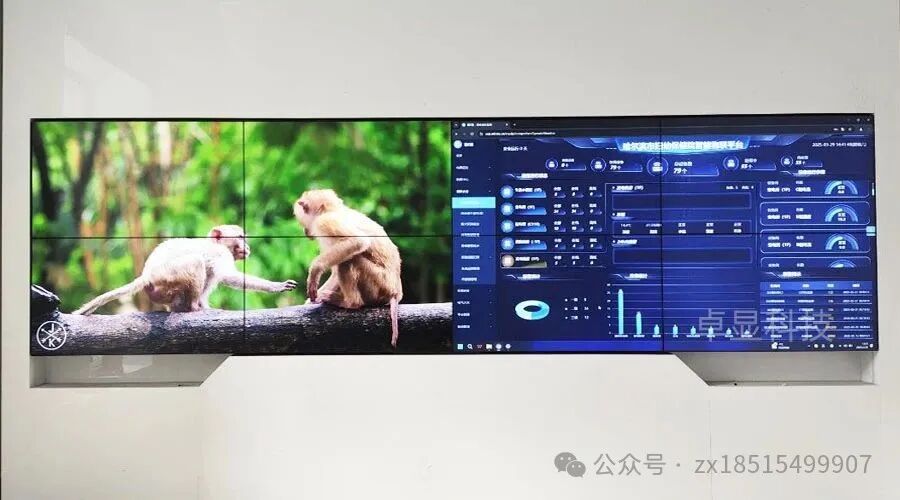
4. Application Environment Difference
LED screens can be installed both outdoors and indoors due to their advantages of being waterproof, sunlight-resistant, and having adjustable brightness, thus not limiting the installation environment. In contrast, LCD screens can only be used indoors because they do not achieve such high brightness, making them prone to reflection when used outdoors, and they are also not waterproof.
#LED Screen #LCD Screen #LED Display #LCD Splicing Screen

Professional offerings include: LED displays / splicing screens / COB / transparent screens / conference tablets/ advertising machines