1. Use Emulators
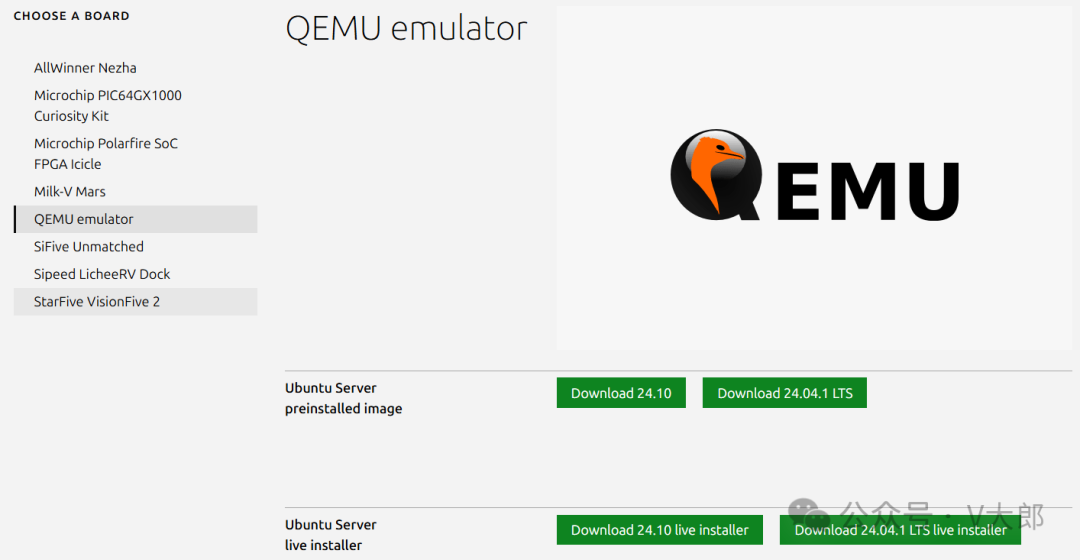
- QEMU: Supports RISC-V and can run RISC-V operating systems and programs (such as Ubuntu, Fedora, etc.).
qemu-system-riscv64 -machine virt -nographic \ -m 8192 -smp 4 -kernel /usr/lib/u-boot/qemu-riscv64_smode/uboot.elf \ -device virtio-net-device,netdev=eth0 \ -netdev user,id=eth0,hostfwd=tcp::6666-:22 \ -device virtio-rng-pci -drive \ file=./ubuntu-24.04.1-preinstalled-server-riscv64.img,format=raw,if=virtio- Spike (Official RISC-V Emulator), the official emulator provided by the RISC-V Foundation, suitable for learning instruction set architecture. It is already embedded in the riscv-gnu-toolchain.
-
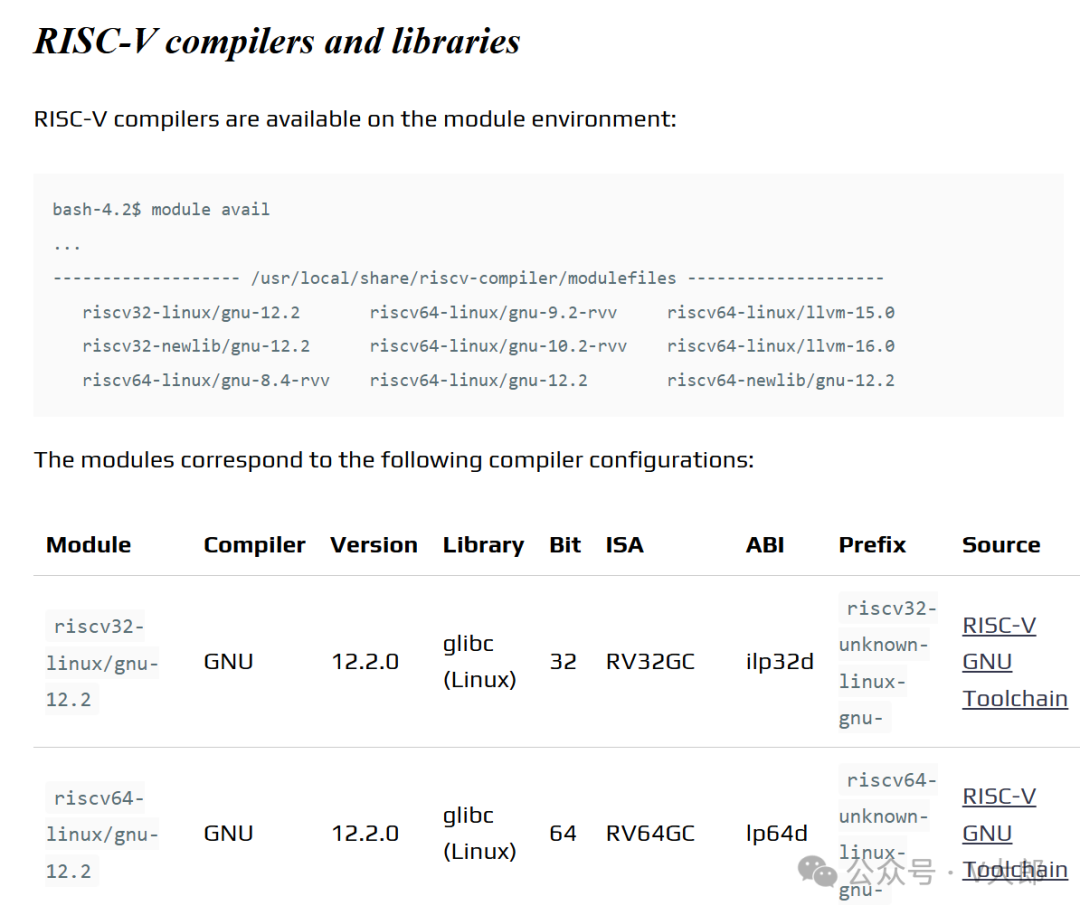
Renode is a RISC-V simulation environment suitable for embedded/bare-metal development, capable of simulating multiple devices. Note: The images are sourced from CSDN. -
xvisor is an open-source type-1 hypervisor, suitable for studying H extensions. 
Reference: https://xvisor.org
-
2. Online Experiences
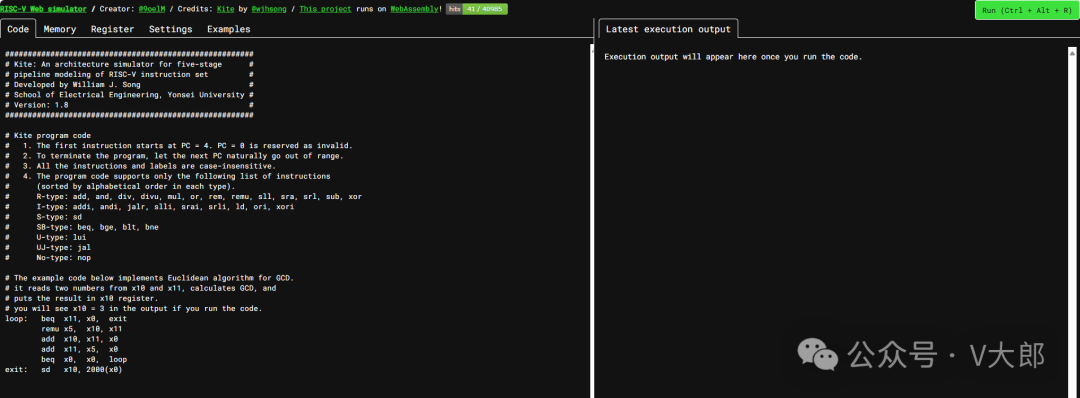
- RISC-V Official Web Emulator RISC-V International
- EdX and Coursera Courses
Some online education platforms offer web-based interactive programming environments for RISC-V. - Wokwi
An online simulation platform that can run RISC-V code (suitable for embedded development). 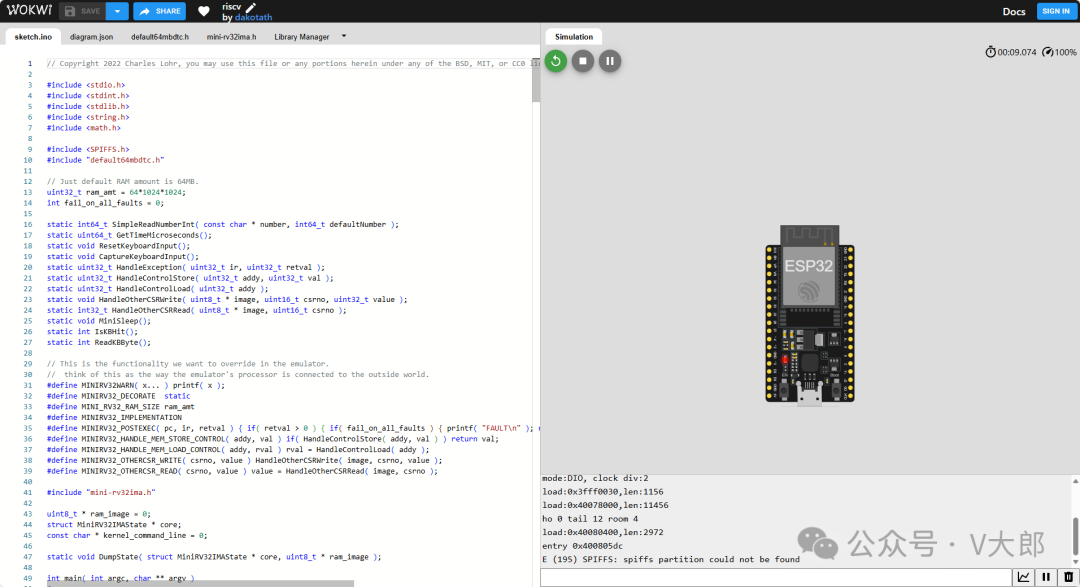
Reference: https://github.com/wokwi/riscv-tests-precompiled https://wokwi.com/projects/414281850649375745
3. PurchaseDevelopment Boards
- HiFive Series
(SiFive): such as HiFive Unleashed, HiFive1 Rev B, suitable for embedded development and running Linux. - BeagleV is a RISC-V based single-board computer that can run Linux.
- Pine64 Star64, VisionFive 2 are SBCs (similar to Raspberry Pi) that support RISC-V architecture.
- Arduino Cinque is a RISC-V based Arduino development board.
-
Development Board Drifting Program
4. Run RISC-V Linux Based on qemu-system-riscv64Experience Official Linux Distributions
- (such as Ubuntu RISC-V, Fedora RISC-V). For example:
- Learn to Build RISC-V Cross-Compilation Toolchain in qemu
such as GCC or LLVM, and write RISC-V assembly or C code. Learn to extend instructions in qemu, such as rvv, kvm, and P extensions.
5. Run RISC-V Cores on FPGA
-
**Open-source RISC-V cores (such as Rocket, BOOM, VexRiscv)** can be implemented on FPGA. - Use Xilinx or Intel FPGA to Build RISC-V Soft Cores
such as LiteX + VexRiscv.
6. Use Commercial Chips Compatible with RISC-V
-
such as Alibaba Xuantie (玄铁) C906/C910, T-Head Processors, some of which can run in development boards or simulation environments. Reference to Xuantie Cloud Laboratory: https://www.xrvm.cn/overview/cloudlab
-
such as the EPCC/SAFE laboratory located in the UK, which has deployed many RISC-V development boards that developers can access for free. Reference: https://riscv.epcc.ed.ac.uk/documentation/access/