0、Simulation Objectives
A digital simulation platform is used to implement functions such as collision interference checking, collision interference identification and dimension marking, and animation demonstration of the robotic welding process. The specific objectives are as follows:
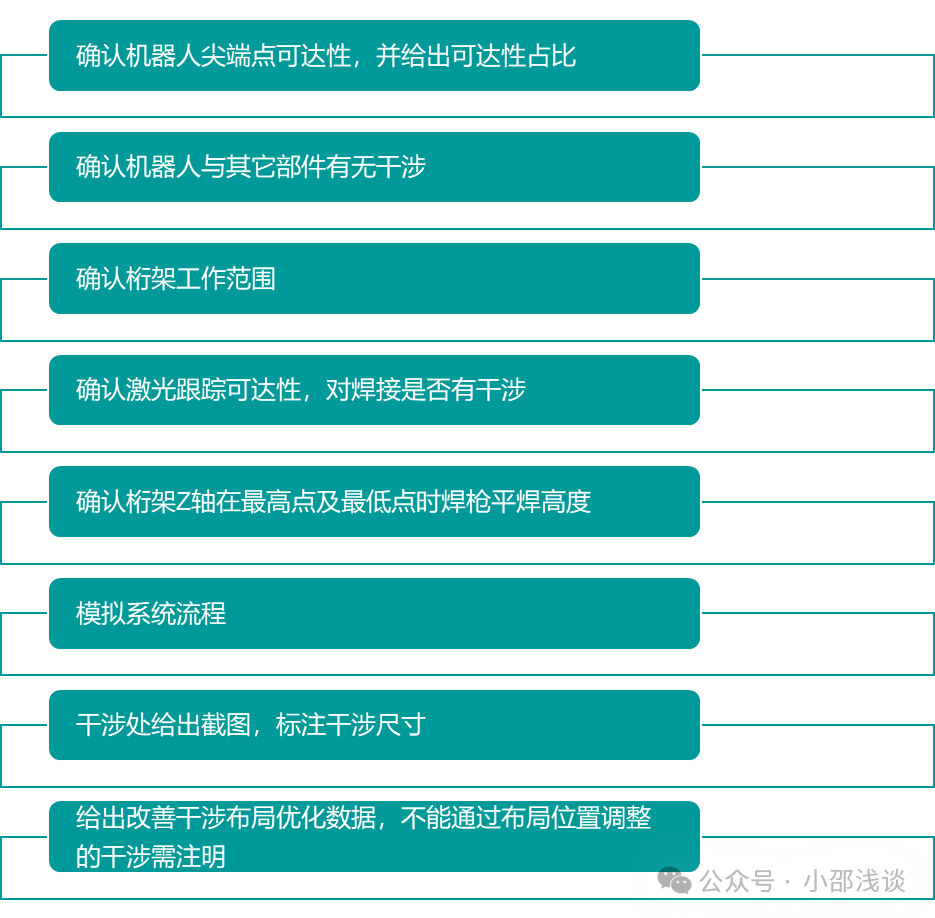 1、ImplementationTechnical Route Research
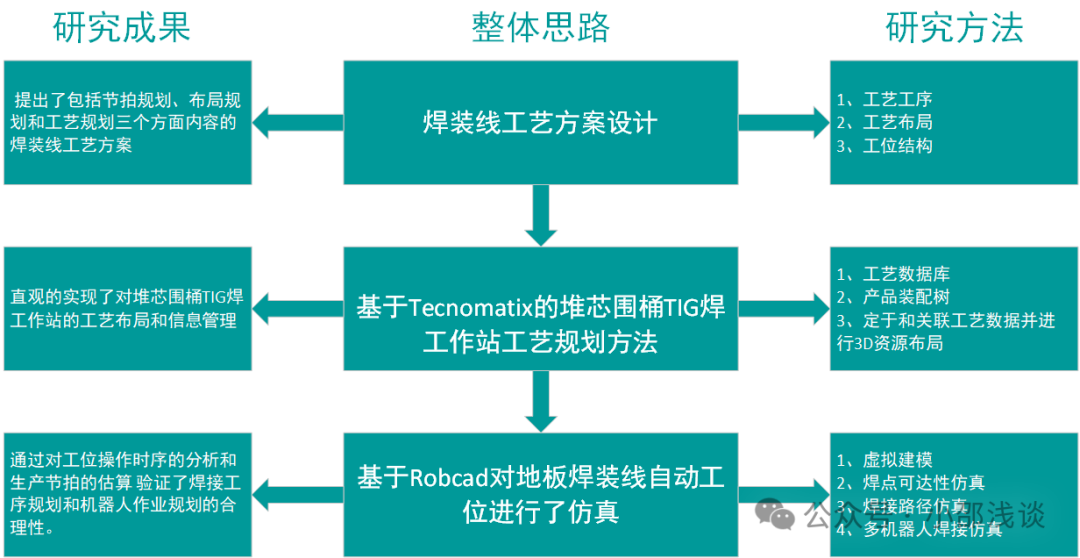 2、TIGWelding Station Process Design Ideas
By analyzing the process steps, layout, and station structure of the core barrel TIG welding station, planning proposals for the core barrel TIG welding station are presented from three aspects: cycle planning, layout planning, and process planning.
2.1Cycle Planning
The production cycle of the core barrel TIG welding station mainly consists of fixture action time, welding time, and handling time. The fixture time depends on the degree of automation of the fixture, the welding time depends on the level of welding technology, the degree of automation of the welding equipment, and the rationality of the welding gun selection. The handling time depends on the degree of automation of handling and logistics level. For a single station, the actual production cycle should be less than or equal to the theoretical cycle of the entire line.

 2.2Layout Planning
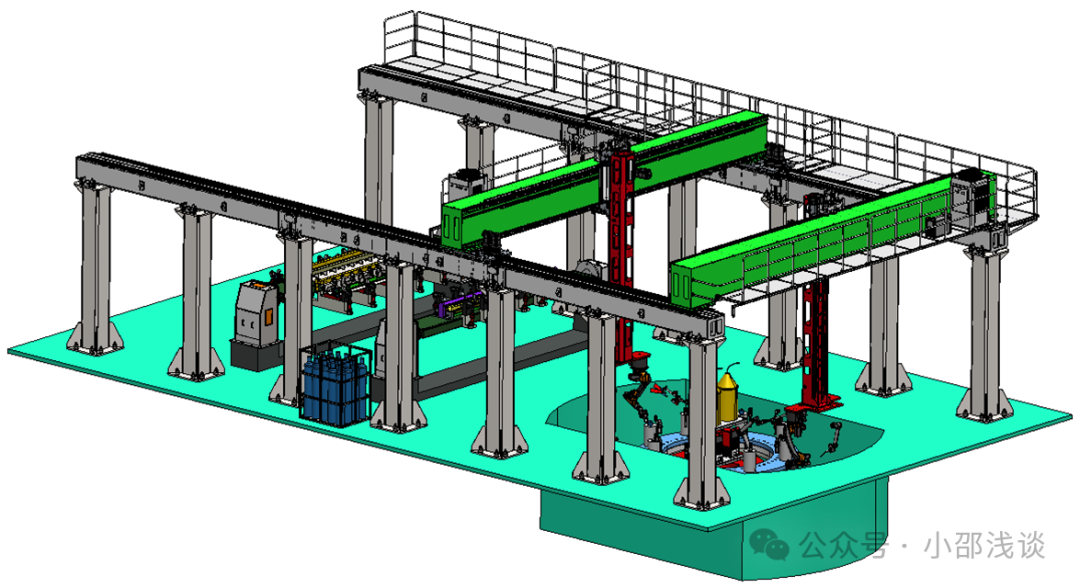
Considering the time required for welding and the production cycle’s requirements for tooling and personnel, this welding station is planned as a fully automated welding line. As shown in the figure below, the core barrel TIG welding station studied in this paper is an automated welding line.
 2.3 Process Planning Scheme
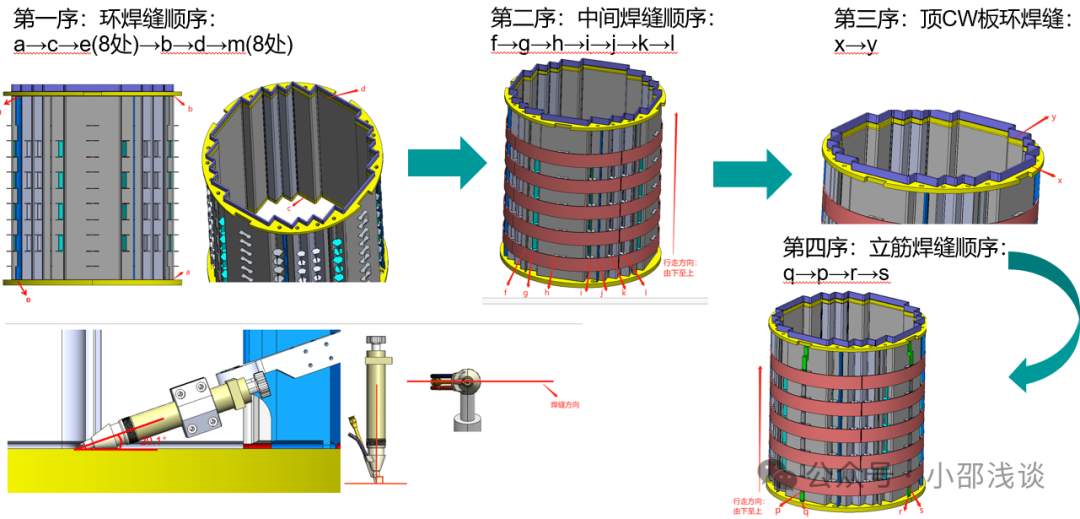
The process planning of the core barrel TIG welding station mainly involves planning detailed processing routes and content, including the determination of tooling, welding equipment, and welding parameters, logistics transportation methods for workpieces, and personnel planning. Specifically, the process route determines the assembly sequence of parts, assembly details at each station, loading and unloading operations, and the operation process of welding parts. The specific process flow is as follows:

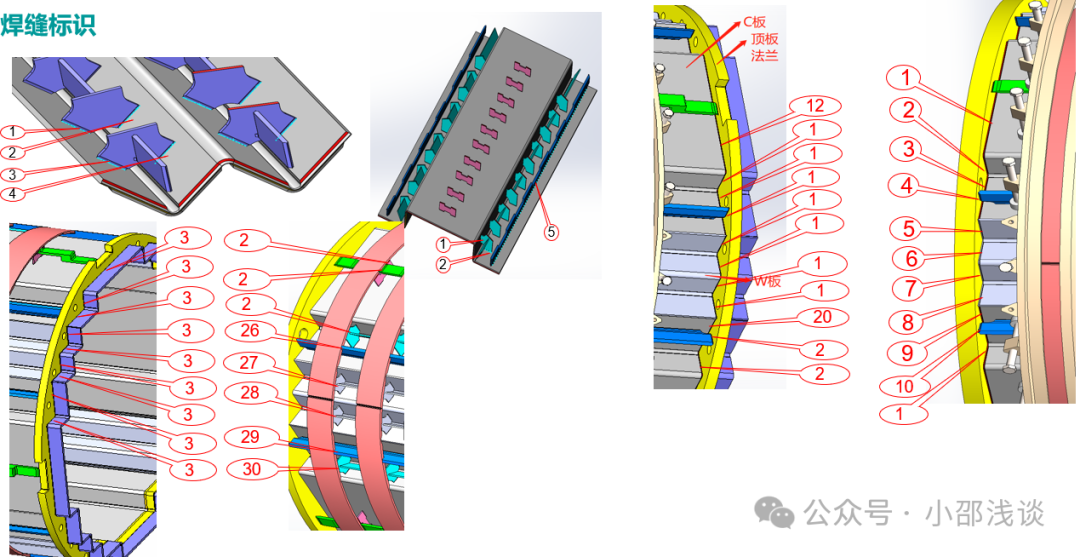 3. Process Planning Method for Core Barrel TIG Welding Station Based onTecnomatix
Digital factory technology has become an indispensable driving force in modern manufacturing. By applying digital factory software, manufacturing systems and processes can be planned and simulated during the product design phase.Tecnomatix digital manufacturing software applied to welding process planning and design is a complete digital manufacturing solution. It consists of four categories of software application tools, namely planning tools: Process Designer; simulation application tools: Robcad; operation tools and collaborative work tools. Based on project application practice, the planning process of the core barrel TIG welding station based on Tecnomatix is shown in the figure below.
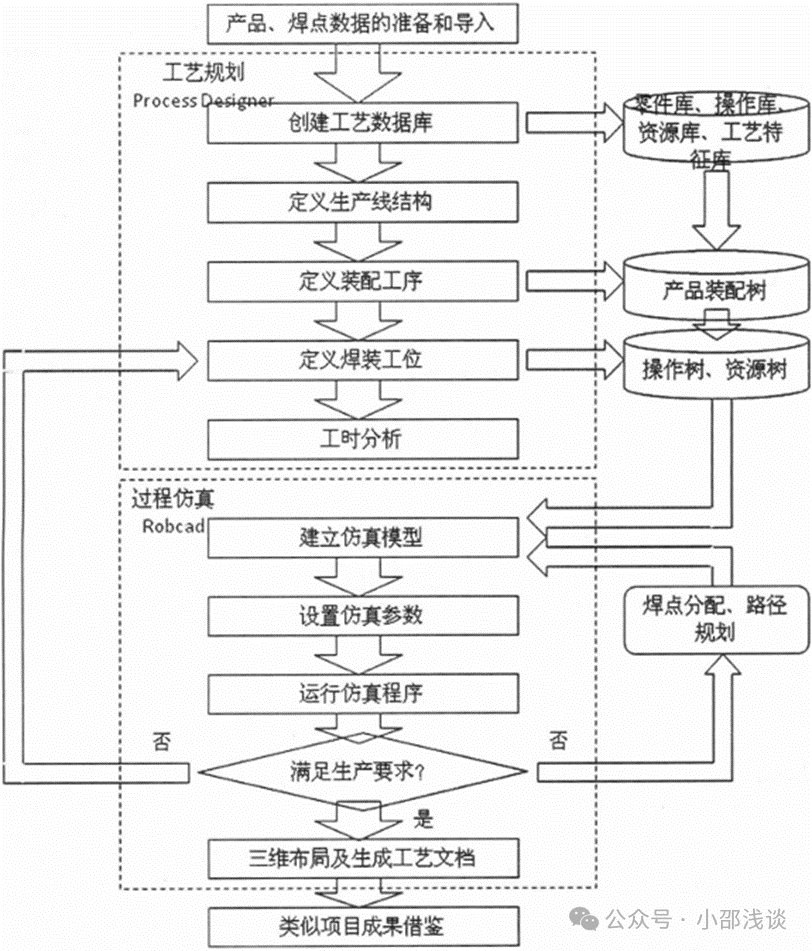
Figure 3.1 Welding Line Planning Workflow Based onTecnomatix
4、Robotic Automatic Station Welding Process Simulation Technology Scheme
Simulating the welding system typically involves three steps::(1)3D simulation model design and simulation environment establishment; (2) parameter setting and process control of the simulation model; (3) operation, verification, and analysis of the simulation model. The simulation technology scheme for the core barrel TIG welding station is shown below. Its main content includes: building the simulation environment, planning welding points and paths, running simulations, analyzing results, and outputting offline programs.
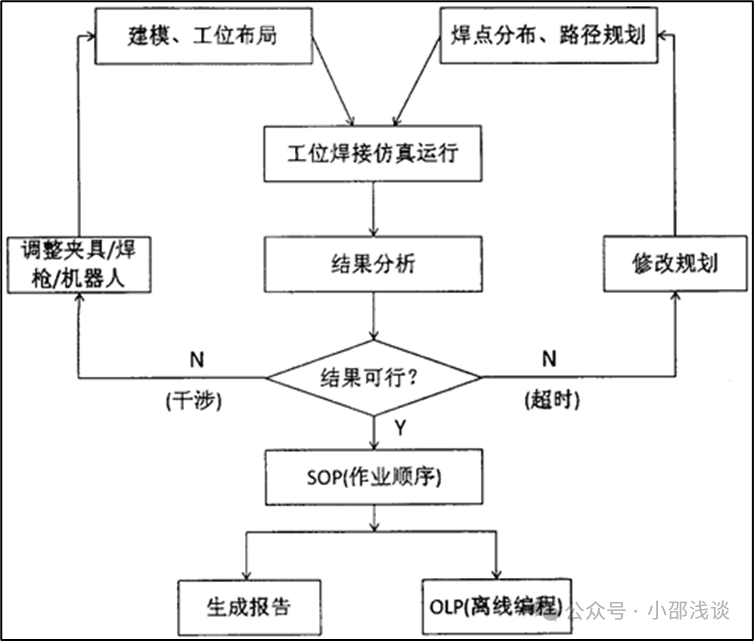
The process of automatic station welding simulation involves establishing a simulation environment based on the planned layout of various resources at the station, followed by welding point allocation and path planning for the station, and then simulating the operation sequence defined by the process planning to analyze the results to determine the feasibility of the simulation. If it is not feasible, the results will be analyzed, and the welding path will be replanned or the design scheme modified.
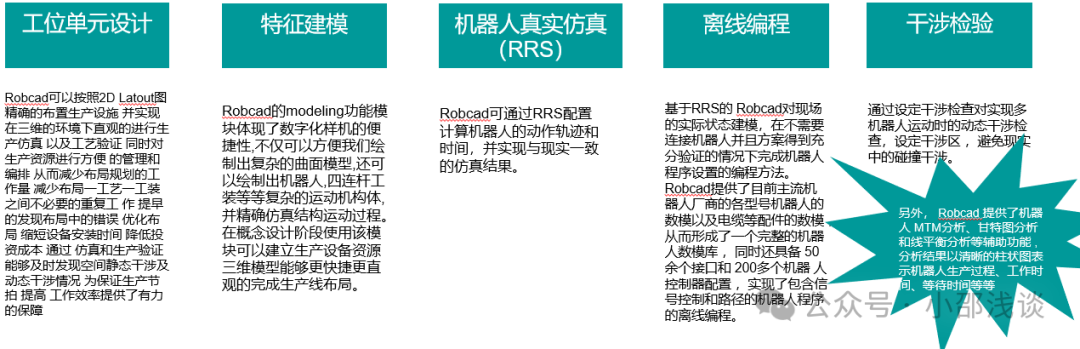
Robcad can achieve the following main functions::
Automatic station welding process simulation is based on the welding simulation platform—Robcad. Robcad is an important part of the Tecnomatix digital factory solution, characterized by seamless integration with mainstream CAD software (such as NX, CATIA, IDEAS) to achieve 3D visualization of tools, robots, and operators; manufacturing units, testing, and programming and simulation.
 4.1Virtual Modeling of Automatic Station4.2Welding Process Simulation Based onRobcad
After completing the import of products and surrounding auxiliary equipment, determining the welding path, and basically finalizing the welding gun and fixture, and completing the definition of their mechanisms and robot selection, welding point information can be imported, and the Robcad motion panel can be accessed to simulate the robot’s actions throughout the welding process. The simulation content includes: welding at each point, optimizing the initial position and walking path of actions, adjusting the robot’s operating posture, and checking for interference in the multi-robot welding process. The verification effect to be achieved is the finalization of the welding gun and fixture design scheme, elimination of interference, and rationality and optimization of the robot’s motion path, meeting the cycle requirements.

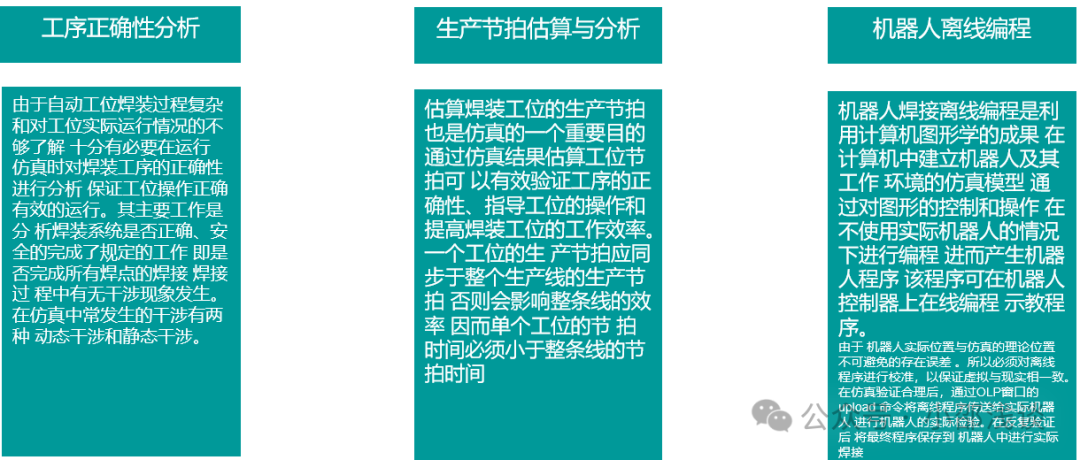
4.3Research on Simulation Result Analysis Methods
 5、Existing Deficiencies
Although offline programming technology has been applied, it has not yet been combined with simulation platforms to verify the simulation environment, resulting in significant deviations in some offline programming on-site, requiring robotic engineers to verify on-site.
Note: This article is for learning and communication purposes only. Reproduction without permission is prohibited. Thank you.