Click the blue text above to follow us

In the current era of rapid technological advancement, traditional agriculture is gradually transforming into smart agriculture, with the innovation of monitoring the four agricultural conditions (soil moisture, seedling status, pest conditions, and disaster conditions) becoming a key component. The deep integration of IoT technology allows smart devices to act as vigilant guardians, constantly protecting farmland and creating the optimal environment for crop growth, ensuring efficient and stable agricultural production.

Smart devices build a comprehensive monitoring network
01
Soil moisture monitoring station: The “stethoscope” of soil health

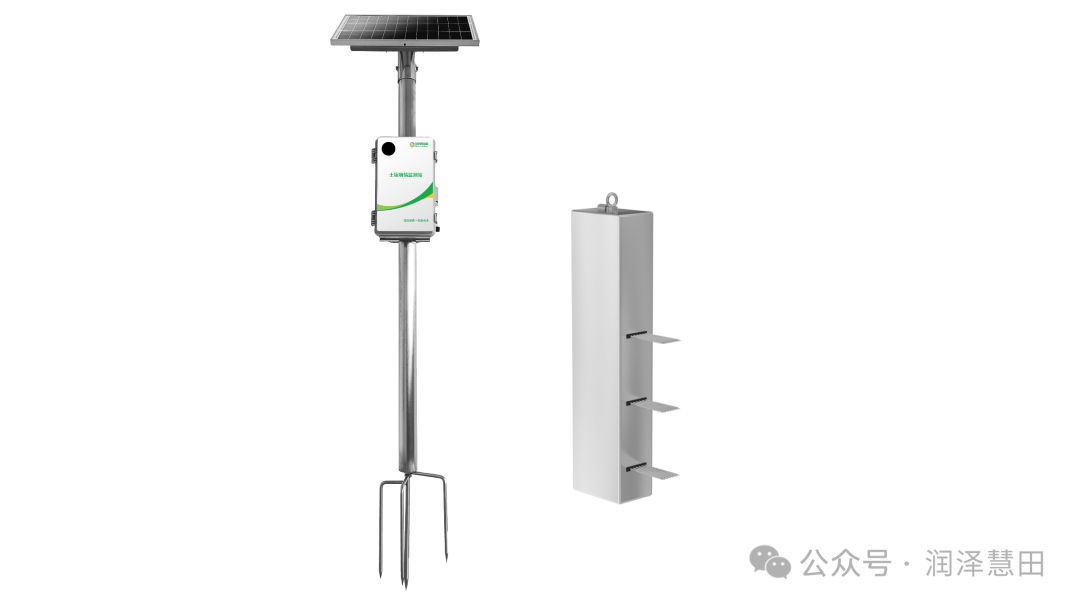
The soil moisture condition is fundamental to crop growth, and the soil moisture monitoring station is the core device for accurately sensing soil conditions. It uses sensors buried at different depths in the soil, acting like tentacles that delve into the soil, capturing key data such as soil moisture, temperature, and nutrient content in real-time. These sensors can precisely measure the percentage of moisture in the soil, down to the decimal point, allowing farmers to understand the soil’s wetness. Additionally, monitoring nutrients like nitrogen, phosphorus, and potassium provides a basis for scientific fertilization. For instance, in arid regions, when the soil moisture monitoring station reports that the soil moisture is below the suitable range for crop growth, the system immediately issues an irrigation alert, enabling farmers to irrigate accurately based on the recommendations, avoiding water waste while ensuring that crop roots thrive in suitable soil moisture, laying the foundation for a bountiful harvest.
 02
02
Seedling monitoring station: The “electronic eye” of crop growth
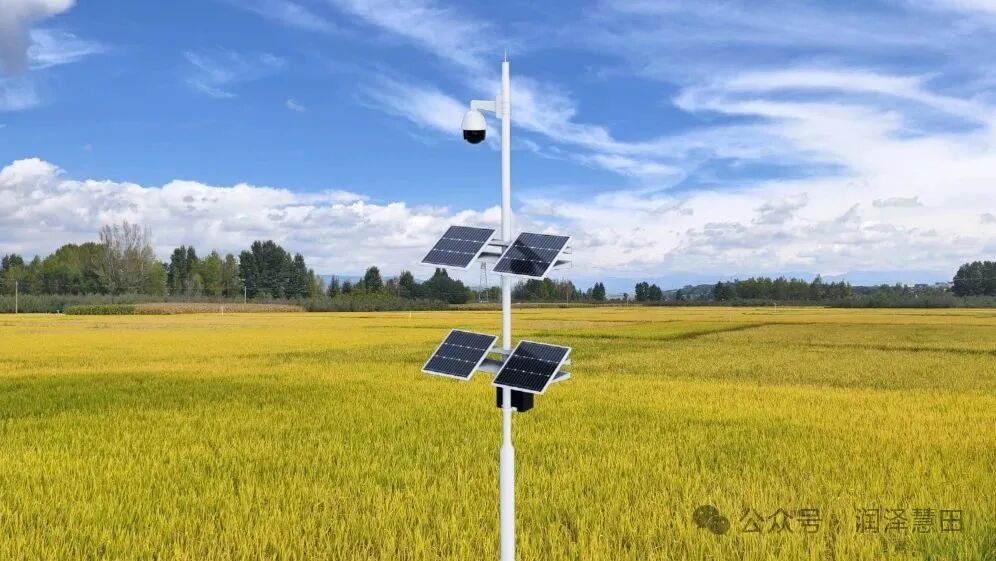
The seedling monitoring station utilizes high-definition cameras and advanced image recognition technology, acting as tireless observers that constantly monitor the growth status of crops. The cameras regularly capture high-definition images of crops, starting from the moment seedlings break through the soil, recording their growth trajectory. The image recognition technology accurately analyzes indicators such as crop height, leaf area, and growth rate, comparing them with preset growth models. If any abnormalities in crop growth are detected, such as yellowing leaves or slow growth, alerts are quickly issued. For example, in a cornfield, the seedling monitoring station analyzes images and finds that some areas have corn plants significantly shorter than normal. Further testing reveals that this is due to a local nutrient deficiency in the soil, allowing farmers to apply targeted fertilization in a timely manner, helping the corn return to normal growth and ensuring the crop’s yield potential.
 03
03
Smart insecticidal lamp: The “night hunter” for pest control
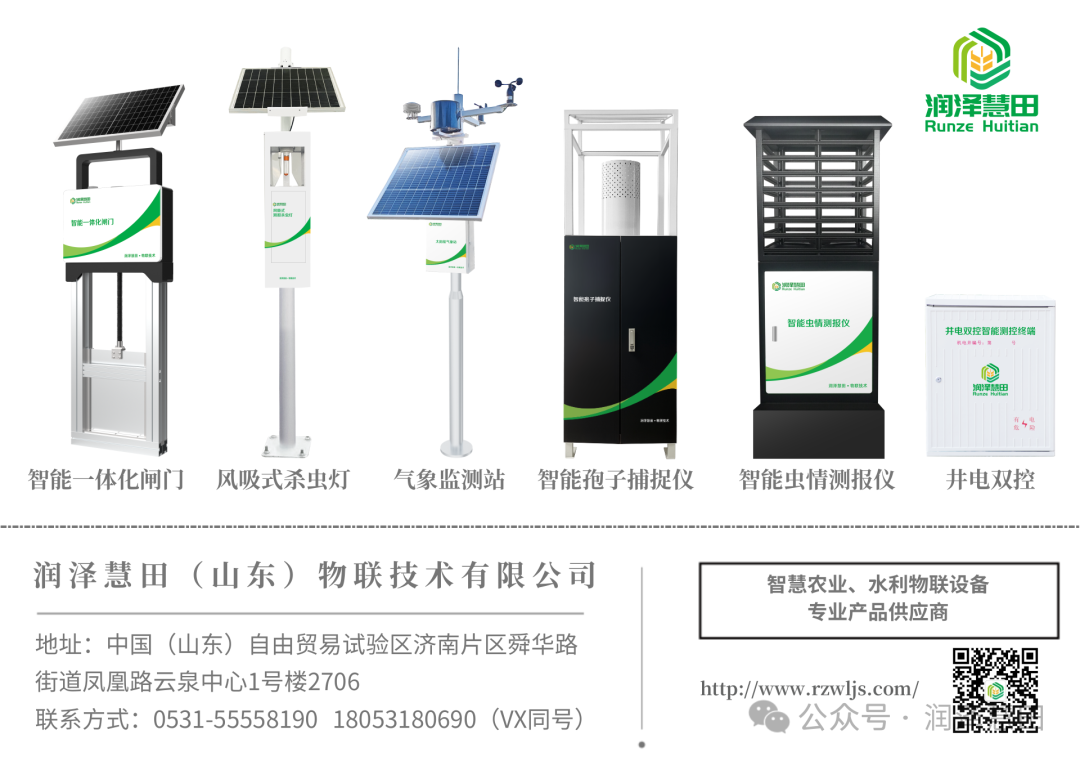
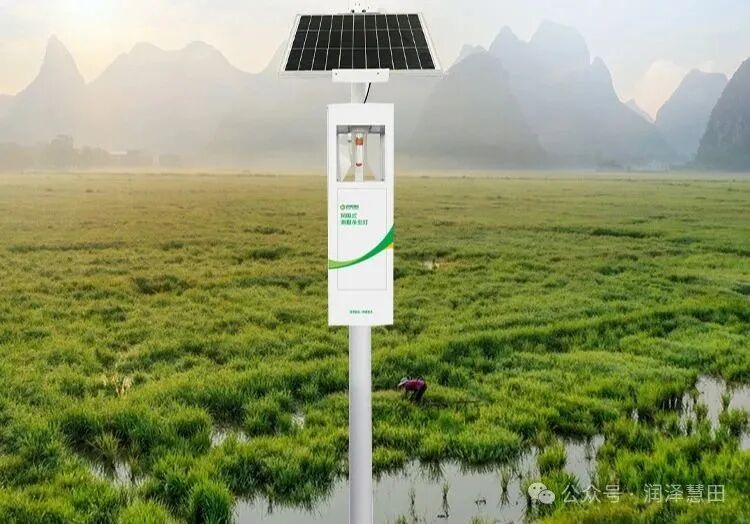
Pests have always been a major enemy of agricultural production, and the smart insecticidal lamp is a powerful weapon against them, playing a crucial role at night. It utilizes the phototropic behavior of pests, emitting specific wavelengths of light, acting like a “bait” illuminated in the dark, attracting pests to the light source. When pests approach, the built-in fan of the smart insecticidal lamp activates, creating a strong negative pressure that quickly sucks the pests into a collection box, ensuring they cannot escape. Moreover, some high-end smart insecticidal lamps are equipped with image capture and recognition systems that can photograph and automatically identify the species and quantity of captured pests, transmitting this data in real-time to farmers. In vegetable planting bases, smart insecticidal lamps effectively reduce the number of pests such as cabbage worms and aphids, decreasing the frequency of chemical pesticide use, ensuring the quality and safety of vegetables while protecting the ecological environment of farmland.
 04
04
Agricultural meteorological monitoring station: The “forecaster” of weather changes
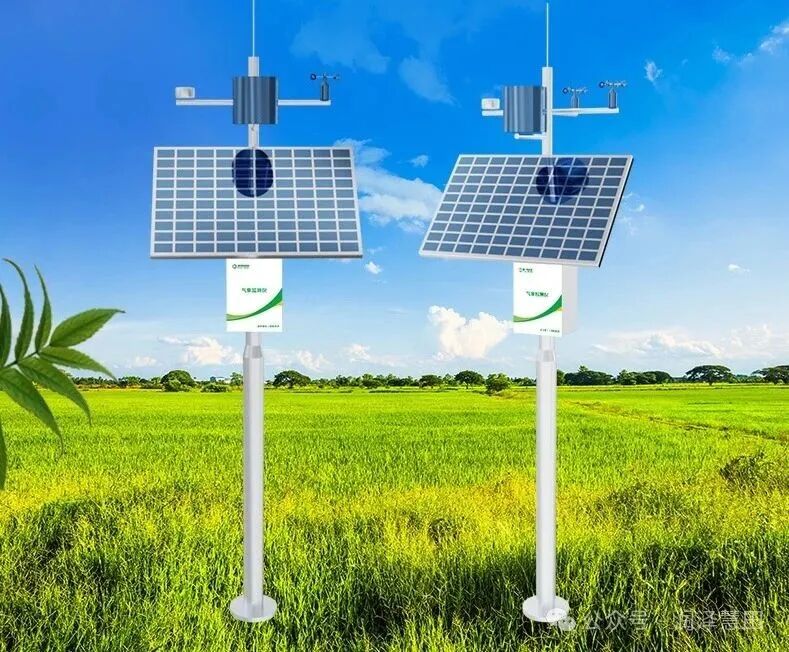
Agricultural production is highly sensitive to meteorological conditions, and the agricultural meteorological monitoring station is responsible for real-time monitoring of meteorological elements. It is equipped with various sensors that can comprehensively monitor temperature, humidity, light intensity, wind speed, wind direction, and rainfall data. Before a storm arrives, the meteorological monitoring station can sense changes in air pressure and increased wind speed, promptly issuing alerts to farmers. Farmers can then take preventive measures in advance, such as reinforcing greenhouse structures and clearing drainage channels, to avoid damage to crops from wind and rain. During critical growth periods of crops, such as flowering and grain filling, the precise meteorological data provided by the monitoring station helps farmers plan agricultural activities appropriately, such as performing artificial pollination during optimal light and temperature conditions to improve crop setting rates.
The Internet of Things brings data to life
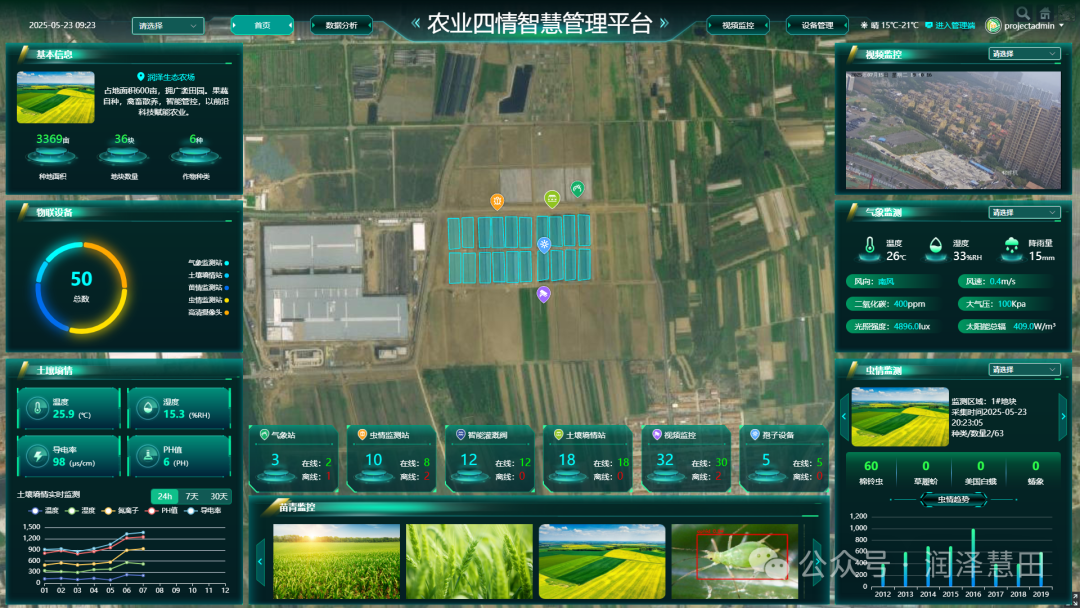
The Internet of Things technology acts as an invisible link, tightly connecting these smart devices, allowing monitoring data to be transmitted and shared in real-time and efficiently. The data collected by various smart devices is quickly uploaded to cloud servers through wireless communication modules, utilizing stable network channels provided by IoT cards. In the cloud, specialized data analysis software integrates, cleans, and deeply mines the massive data. The interrelated analysis of data from different devices can provide farmers with more comprehensive and precise agricultural production recommendations. For example, by combining soil moisture data with meteorological data, the system can intelligently adjust irrigation plans based on rainfall forecasts for the coming days, avoiding the impact of over or under-irrigation on crop growth. Farmers can simply log into a dedicated agricultural monitoring platform via their mobile phones or computers to view real-time conditions and analysis reports of their farmland anytime and anywhere, achieving remote and precise management of their fields, truly embodying the concept of “strategizing from a distance and winning from afar.”
The collaborative application of IoT and smart devices in the field of agricultural monitoring has brought revolutionary changes to agricultural production. From soil to crops, from pests to weather, comprehensive and thorough monitoring has allowed agricultural production to move away from the past’s blind and extensive practices, advancing towards a new era of precision, efficiency, and sustainability. With continuous technological advancements, these smart devices will continue to upgrade, and IoT technology will become more mature, injecting continuous momentum into the sustainable development of global agriculture, helping us harvest more hope and abundance from limited land resources.