What is HTTP?
HTTP (HyperText Transfer Protocol) is an application layer protocol used for distributed, collaborative, and hypermedia information systems.
Understanding it differently:
HTTP is the “data courier” of the internet—it securely transmits text, images, files, and any data between devices and servers using request packets (Request) and response receipts (Response).
1
A Brief History of HTTP Evolution
HTTP has continuously evolved, balancing simplicity, efficiency, and security, becoming the core medium for information exchange on the internet.
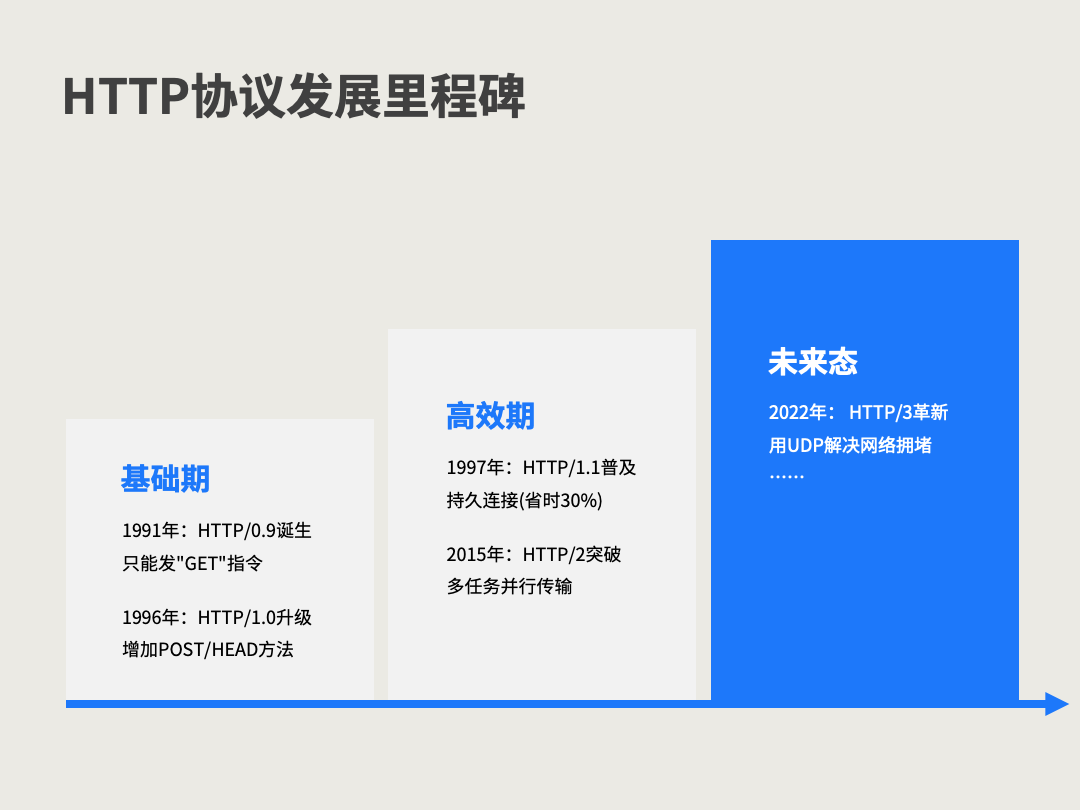
1.1 Foundation Period
1991: HTTP/0.9 was born
It could only send the “GET” command, with relatively simple functionality, mainly used for basic requests for web resources.
1996: HTTP/1.0 upgrade
Added POST and HEAD methods, enriching the types of requests and enhancing the protocol’s flexibility.
1.2 Efficiency Period
1997: HTTP/1.1 became widespread
Introduced persistent connections (also known as HTTP keep-alive), reducing the number of TCP connection establishments and disconnections, saving about 30% of time and significantly improving network transmission efficiency.
2015: HTTP/2 breakthrough
Achieved multiplexing, allowing multiple requests/responses to be sent and received simultaneously over the same TCP connection, further enhancing network resource utilization and transmission speed.
1.3 Future State
2022: HTTP/3 innovation
Adopts UDP as the transport layer, aiming to solve performance bottlenecks of TCP during network congestion. HTTP/3 also introduces the QUIC protocol, providing lower latency, better packet loss handling, and more efficient connection migration capabilities, offering stronger support for future network applications.
2
Why Do IoT Developers Love HTTP?
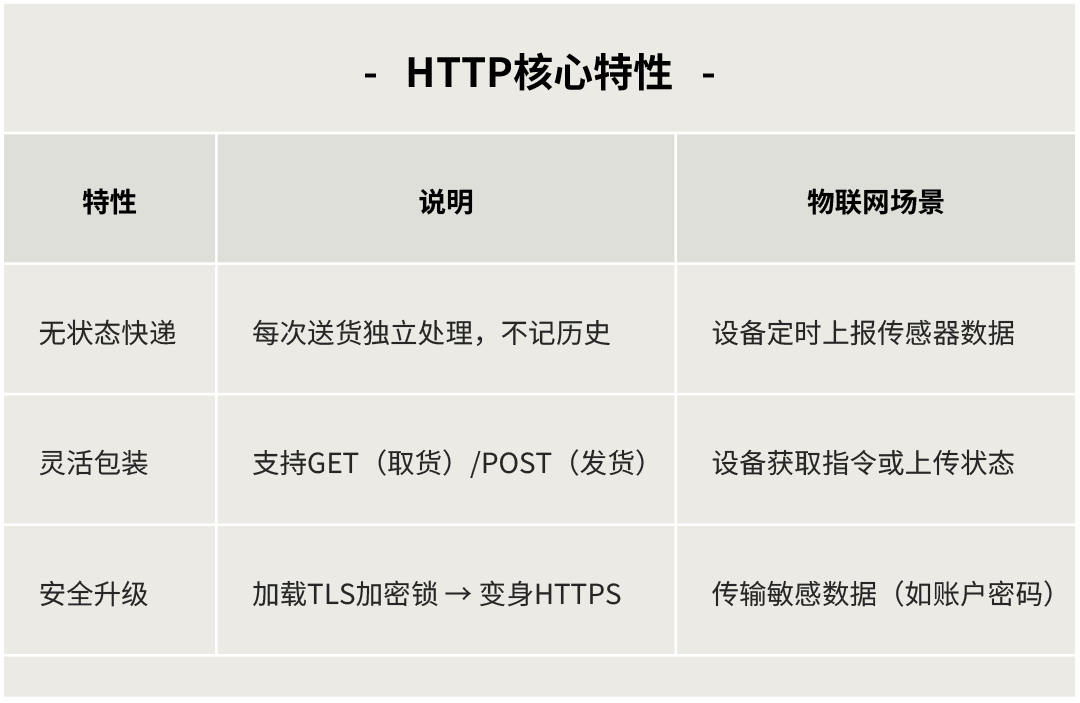
HTTP is as simple as sending a WeChat message: use GET to query data and POST to send data; it is universally applicable across platforms, from browsers to microcontrollers, providing great convenience for IoT developers.
2.1 Three Major Advantages of HTTP:
1) Seamless integration with cloud platforms
Directly call Alibaba Cloud/Huawei Cloud APIs without protocol conversion.
Device → HTTP → Cloud Service ←→ Mobile App
2) Doubled development efficiencyUsing familiar GET/POST instead of complex protocol learning costs.
3) Security assuranceHTTPS encrypted transmission prevents data theft.
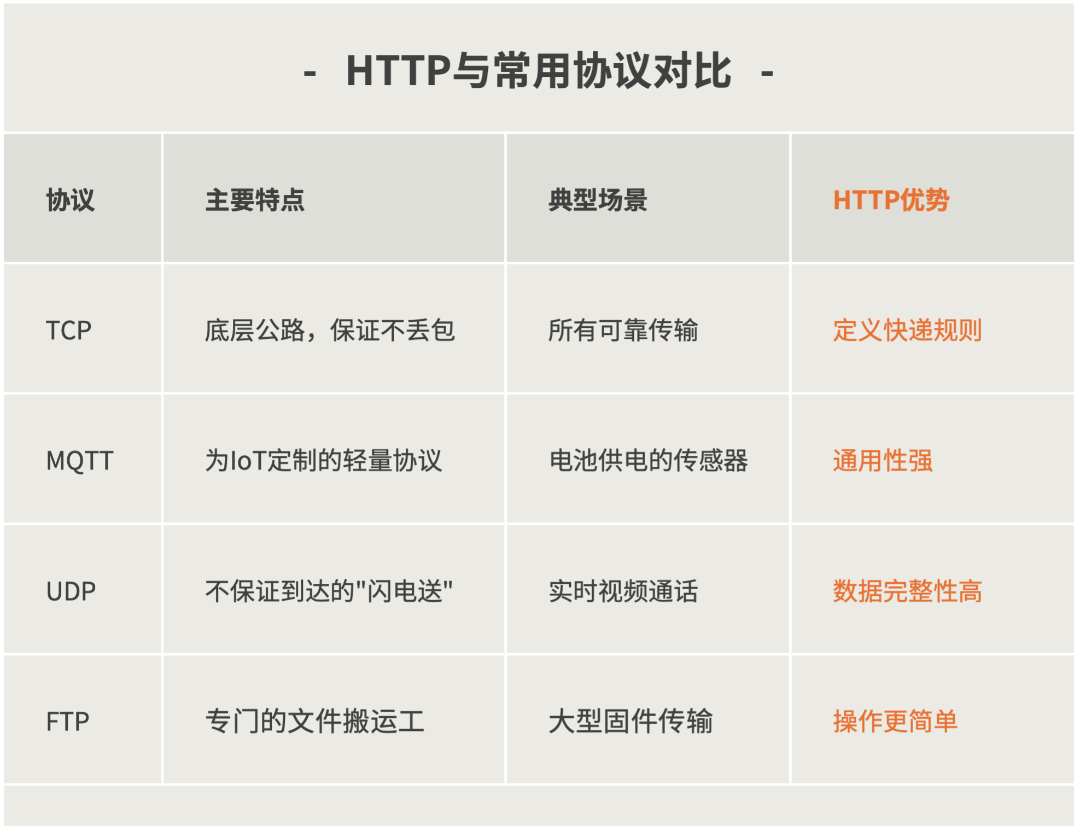
2.2 Comparison with Common Network Protocols:
3
HTTP Practical Application with 4G-Cat.1 (Hezhuo Product Case)
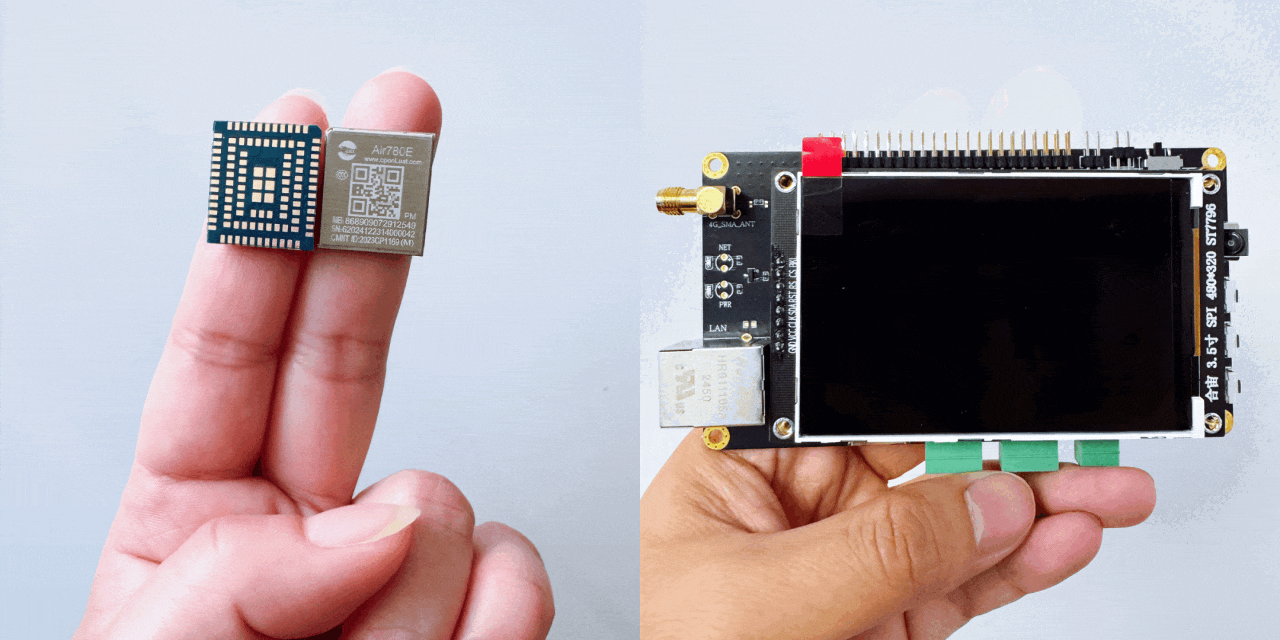
Air780EPM——Hezhuo’s 2025low-power 4G-Cat.1 moduleis one of the main models, featuring 4MB of RAM, supporting LCD, camera, Modbus, Ethernet, and CAN.It has powerful LuatOS secondary development resources and comprehensive peripheral capabilities, suitable for most 4G-Cat.1 data transmission scenarios.
Let’s look at two typical application examples:
3.1 Remote Monitoring of Medical Devices
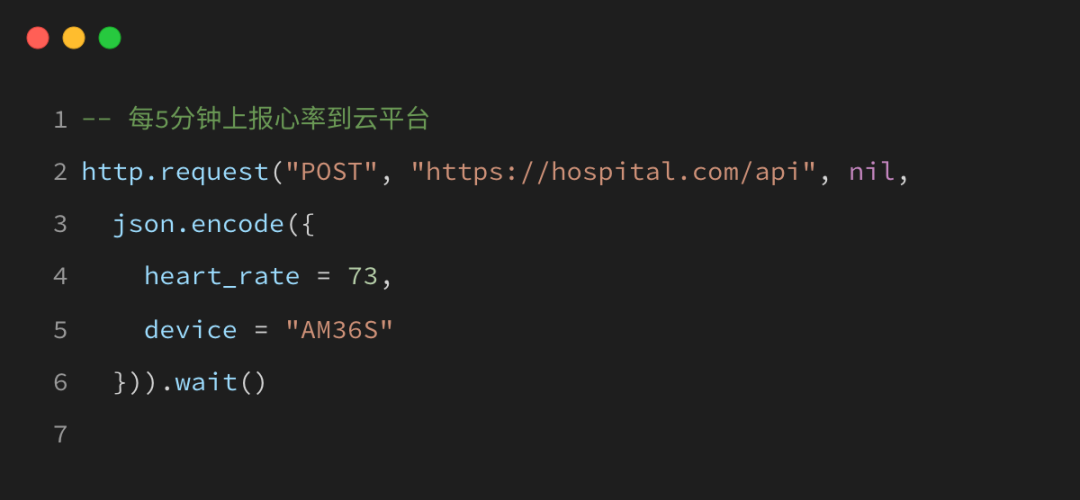
Reports heart rate data from specified devices to the cloud platform via HTTP POST requests.
3.2 Intelligent Irrigation in Farmland
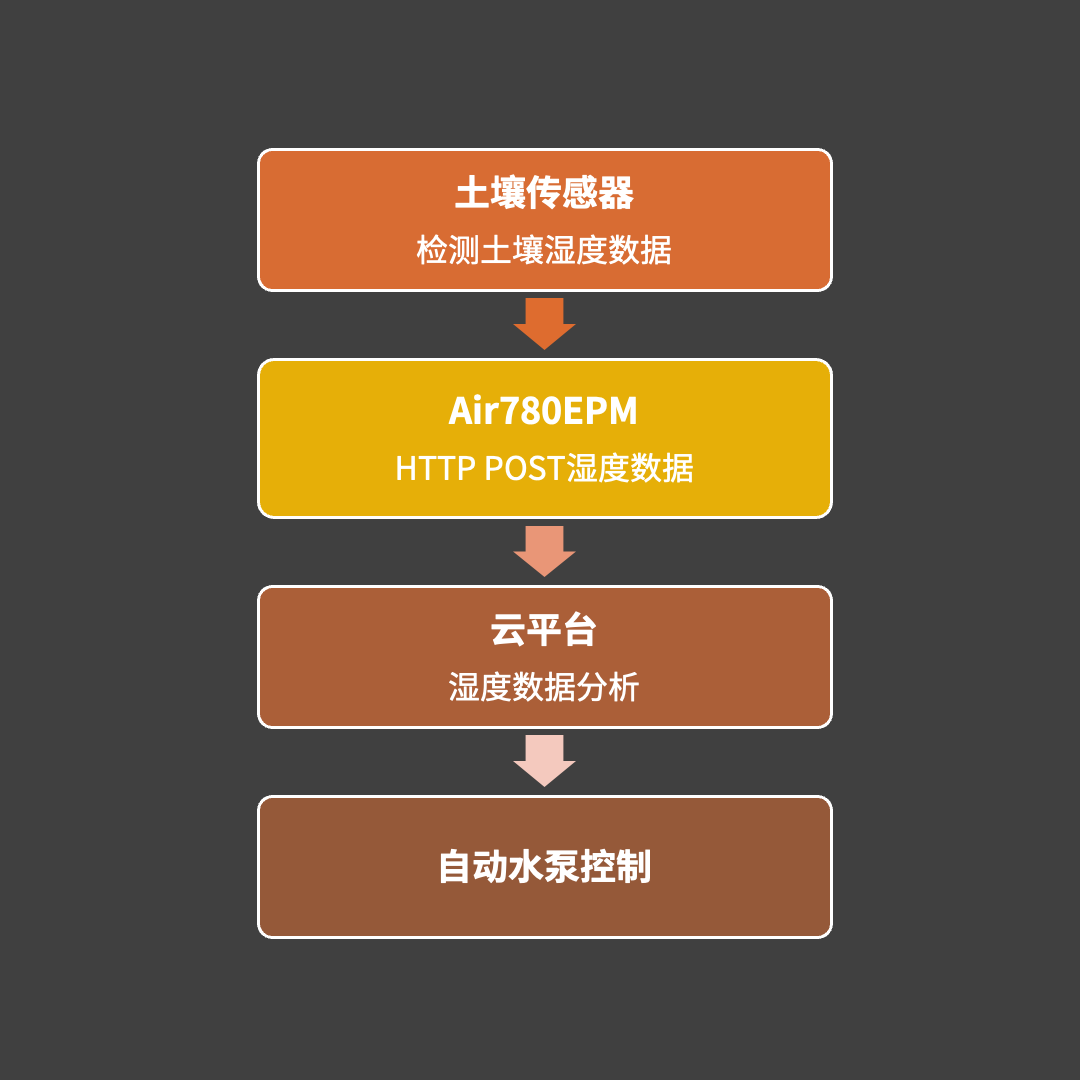
A typical IoT agricultural application scenario,an intelligent irrigation system based on soil moisture.
-
Soil Sensor:Responsible for detecting soil moisture data;
-
Air780EPM:Acts as a gateway device, receiving sensor data and uploading it to the cloud platform via HTTP POST;
-
Cloud Platform:Analyzes moisture data to determine if it has reached the dry threshold;
-
Automatic Pump Control:When the cloud platform determines the soil is dry, it triggers the pump to automatically start irrigation.
4
Mastering HTTP on Hezhuo Development Boards in 3 Minutes
In addition to the 4G-Cat.1 series modules, Hezhuo has also launched industrial engine products that support multi-network integration.
Taking the Air8000 development board as an example:
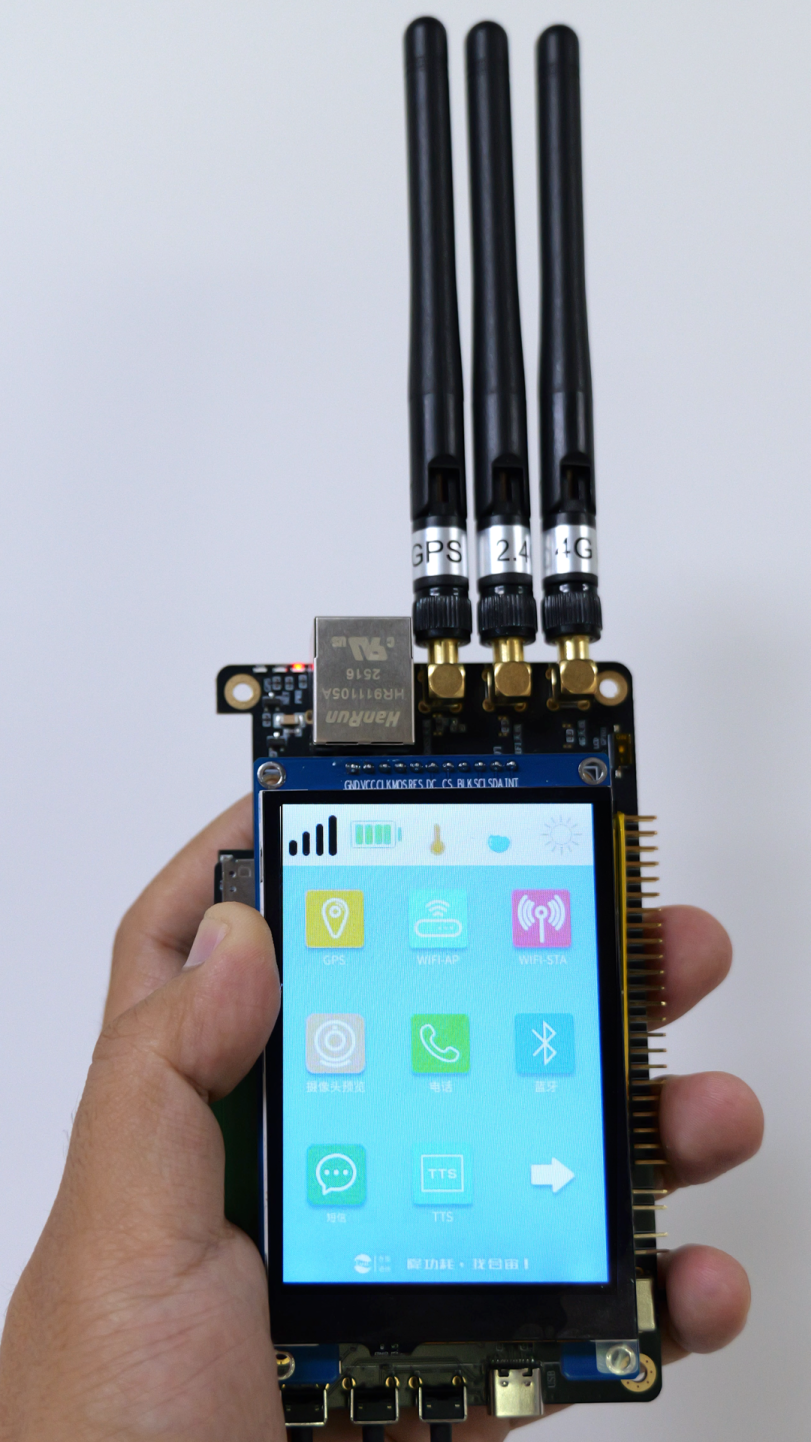
Based on the Hezhuo Air8000 industrial engine design, it supports 4G, Wi-Fi, Bluetooth, GNSS positioning, and has Ethernet (LAN/WAN) and multi-network integration capabilities, ensuring stable communication in complex environments;supports expansion of peripherals such as sensors, cameras, TF cards, audio modules, and can connect industrial devices via 485 and CAN interfaces.
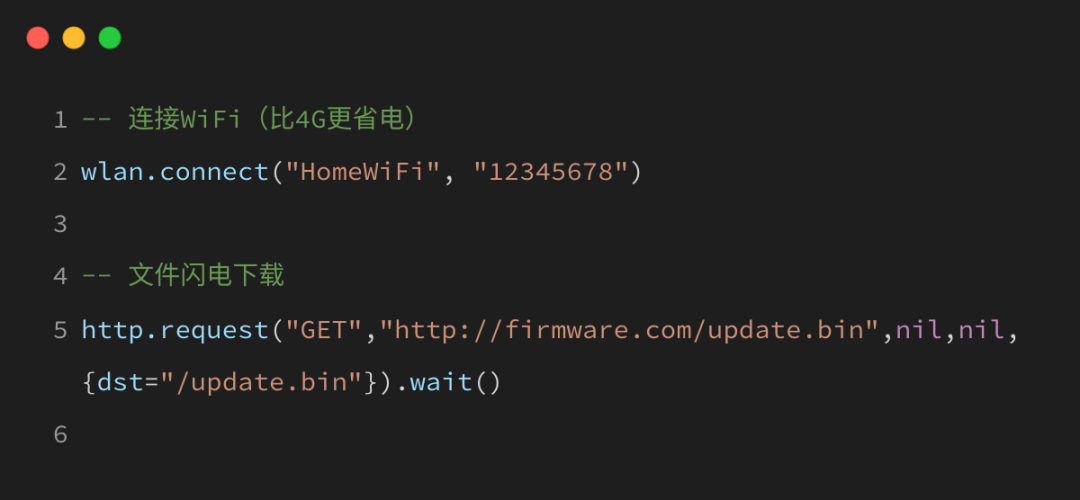
Beginner Debugging Tips:
Encountering issues? Use log.info(“HTTP”, code, body) to print raw data!

Since its inception, the HTTP protocol has brought significant performance improvements and functional expansions at each stage. The future development of the HTTP protocol will hold even more possibilities. We look forward to friends from all walks of life joining together to promote application implementation.
For more development materials, see: docs.openluat.com

▼ Learn More About Hezhuo ▼
4G + Positioning + WiFi + Bluetooth, Air8000 development boardNew Air8101 core board + accessory board
Hezhuo’s low-power 4G modules, adding 4 more hardcore new products