Why do users always complain about the poor display quality of your product, even when purchasing the same LCD screen?
The quality of a screen directly determines the user’s first impression of a product. When terminal manufacturers select LCD display modules for computer monitors and laptops, optical performance becomes the core competitive advantage for product differentiation.
Today, we will analyze eight core optical specifications to help you accurately grasp the key quality indicators among a plethora of parameters.
1. Transmittance: The Key to Energy Saving

Transmittance is the ratio of transmitted light intensity to incident light intensity, simply put, it is the backlight utilization rate. The white brightness divided by the backlight brightness gives the panel’s transmittance. The higher this value, the less power the backlight consumes at the same brightness, making the entire device more energy-efficient.
Currently, the mainstream module transmittance generally falls within the 4%-5% range, which may seem low but is actually constrained by multiple structural factors:

• Polarizers only allow single-polarized light to pass through (loss of about 50%)
• Two glass substrates (loss of about 5%)
• Liquid crystal layer transmittance (about 95%)
• Pixel aperture ratio (only 50% effective light transmission)
• Color filters (RGB three colors only transmit monochrome, with a loss of up to 73%)
Terminal selection insight: Prioritize high aperture ratio designs (such as narrow bezel solutions), low-loss polarizers, and high transmittance color films (CF). Every 1% increase in transmittance can significantly reduce backlight costs and power consumption.
2. Contrast Ratio: The Key to Image Depth
Contrast Ratio = White Brightness / Black Brightness. Since black brightness is very low (located in the denominator), controlling black brightness becomes the core to improving contrast ratio.

A high contrast ratio brings sharper images and richer grayscale details, but it must balance human eye comfort (for example, medical displays require >600:1, while ordinary devices suffice with 300:1).
Improvement paths:
• Voltage optimization: Precisely control the driving voltage to avoid ghosting
• Panel technology upgrade: VA/IPS panels outperform traditional TN screens in contrast
• Polarizer efficiency: 99% polarizers can increase negative LCD contrast by 20 times
• Orientation layer technology: Polyimide materials ensure uniform alignment of liquid crystal molecules
• Black matrix (BM): Physically blocks light leakage
3. Color Gamut and White Point: The Benchmark for Color Reproduction
Chromaticity coordinates define colors through the ratio of the three primary colors (r=R/(R+G+B), g=G/(R+G+B)).
The white point coordinates need to be calibrated according to different regional standards (e.g., D65 for Asia/Europe and America).
The color gamut coverage (NTSC/sRGB/Adobe RGB) determines the color reproduction range:
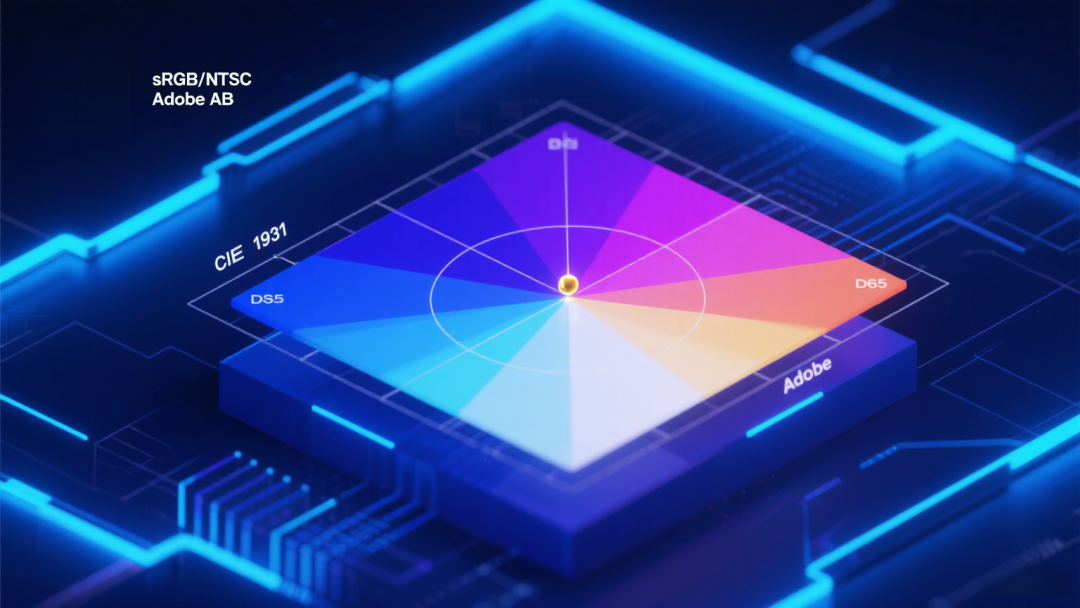
• sRGB: The universal standard for Windows systems
• Adobe RGB: For professional design needs
• NTSC: The historical standard for broadcast television
⚠️ Key misconception: 100% sRGB ≠ 72% NTSC! Tests show that NTSC does not fully cover sRGB, and the two cannot be simply converted. Terminal manufacturers need to clarify the color standards for their target markets to avoid misleading parameters.
4. Viewing Angle Brightness: Solving Color Shift and Dark Area Issues
The orientation characteristics of liquid crystal molecules cause light to concentrate and emit vertically, leading to a sharp drop in brightness when viewed from the side. Currently, the main method to meet viewing angle requirements is to increase vertical brightness, but this raises power consumption.
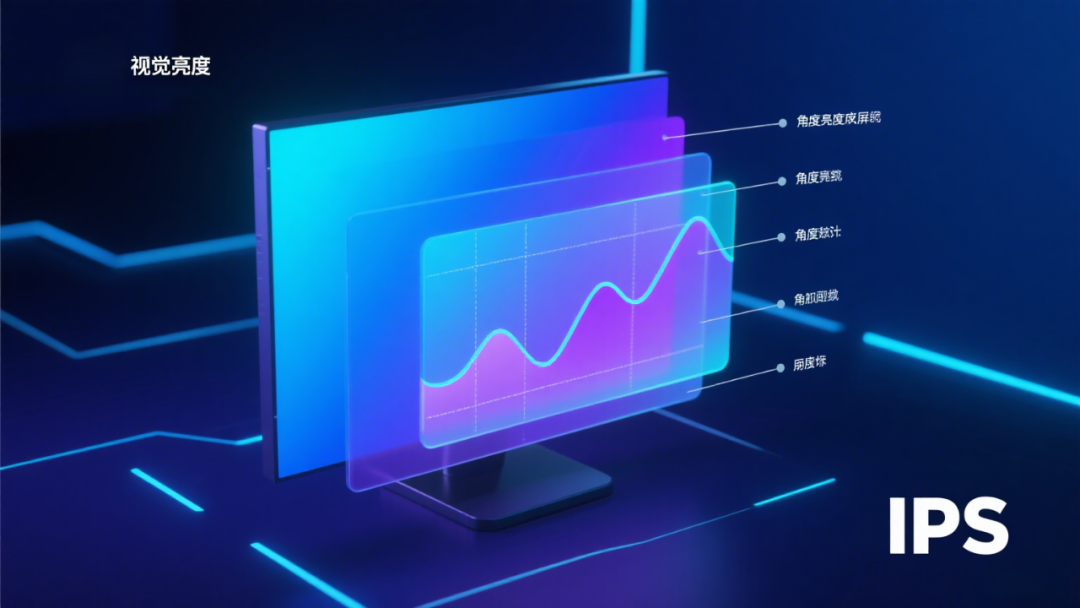
New wide viewing angle technologies (such as IPS) can alleviate this contradiction, and when purchasing, it is essential to clarify the viewing angle brightness decay curve.
5. Uniformity: The Quality Evolution from “Point” to “Surface”
Uniformity = Minimum Brightness in Area / Maximum Brightness × 100%. The traditional 9-point/25-point testing method can no longer meet high-end requirements, and surface uniformity has become the new benchmark:
• White uniformity ≥ 70% (high-end requirement > 85%)
• Black uniformity ≥ 40%. Large screens need to focus on testing edge and corner decay, and it is recommended to request a full-screen uniformity heat map report when purchasing.
6. Response Time: The Lifeline of Dynamic Images
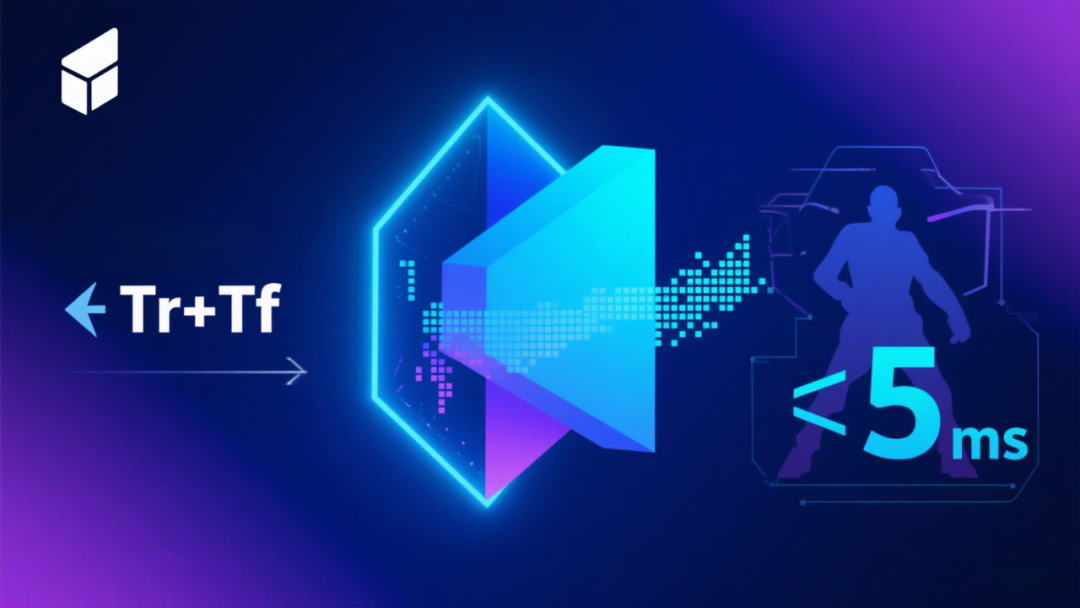
Response time (Tr+Tf) refers to the speed of pixel brightness switching (10%-90% brightness change). The human eye can accept 24 frames per second (about 40ms/frame), but high-speed scenes (e-sports/VR) require ≤ 8ms.
Core influencing factors:
• Liquid crystal rotation viscosity (higher viscosity → lower response)
• Elastic constant (higher constant → lower response). When selecting, it is necessary to consider the usage: 20ms is acceptable for office screens, while gaming laptops must be ≤ 5ms.
7. Brightness Flicker: A Hidden Visual Hazard
Brightness fluctuations caused by AC driving are referred to as Flicker. DC bias electric fields cause ion adsorption, forming an internal electric field that exacerbates flickering. Mainstream testing methods:
• CR method: Measures brightness fluctuations (AC/DC), but has a large deviation from human eye perception
• JEITA method: Frequency domain analysis (Fourier transform), accurately matching human eye sensitivity. It is necessary to specify the JEITA method during terminal acceptance, with a recommended threshold of < 5% (medical screens require < 3%).

8. Crosstalk: The Core Cause of Image Distortion
Crosstalk manifests as abnormal colors in adjacent areas against a pure color background:
• Vertical crosstalk (darkening up and down): Data line coupling with pixel capacitance / TFT leakage current ▶ Countermeasures: Increase line spacing, enhance storage capacitance (Cst)
• Horizontal crosstalk (lightening left and right): Data coupling with common electrodes / COM-ITO resistance too high ▶ Countermeasures: Optimize wiring layout, reduce ITO resistance
• Grayscale testing (e.g., 50% gray) is the easiest way to expose crosstalk defects, and it is essential to conduct specialized testing when purchasing.
Terminal Manufacturer Action Guide & Our Value Commitment
1. Prioritize transmittance: 4% is the passing line, and 5% can significantly reduce backlight costs and overall energy consumption. As a provider of LCD display modules, we at Saidar continuously break through transmittance bottlenecks through precise pixel design, high-transmittance material selection, and process optimization, helping your products win the energy efficiency competition.
2. Layered contrast: Office equipment requires 300:1, while medical/design screens need >600:1. We at Saidar provide IPS panel technology and customized solutions, ensuring your products have excellent visual depth and professional expressiveness in the target market.
3. Accurate color gamut alignment: Clearly define sRGB, DCI-P3, or NTSC coverage, and reject misleading parameters. We have advanced color calibration laboratories and rich experience to ensure that every screen accurately reproduces the color standards you define, meeting the needs of different global markets.
4. Rigorous testing for dynamic scenes: E-sports products require response times ≤5ms, and Flicker < 5%. We focus on low-viscosity liquid crystal materials and driving optimization, providing a smooth, flicker-free immersive experience for gaming laptops and high-end displays.
5. Full-screen uniformity: Require suppliers to provide surface scanning test reports. We use automated optical inspection systems, strictly controlling the surface uniformity of each module, eliminating edge dimming and corner color deviation, delivering visually consistent and perfect displays.
Choosing a screen is choosing the “first impression” and “lasting experience” of a product.
In the optical world of parameter competition, we at Saidar are not just a provider of LCD display modules, but also your optical “strategist” in overcoming display challenges. Understanding the technical logic and cost secrets behind each specification, we are committed to:
Providing “understandable” professional support: Simplifying complexity, interpreting optical parameters in terminal language to help you select accurately.
Building a “reliable” quality foundation: Strictly controlling core optical specifications to ensure that every module withstands market scrutiny.
Delivering a “calculable” competitive advantage: Through optical performance optimization, directly enhancing your product’s visual appeal, user experience, and market premium capability.
When the screen becomes the most frequently interacted interface between users and your product, its optical performance is a silent sales force. Instead of struggling to make choices in the fog of parameters, it is better to partner with those who delve into the essence of optics.
Contact us now to obtain exclusive optical specification solutions and sample test reports, making excellent visual experiences your product’s winning trump card in the market!