Water is the source of life and the “invisible blood” of industrial production. The requirements for water quality vary greatly across different scenarios—chip manufacturing requires ultra-pure water that is even purer than distilled water, medical device cleaning must eliminate microbial contamination, while the drinking water we consume daily must balance safety and taste. Today, we will break down the core logic of eight common types of water treatment equipment, helping you understand the hardcore technology behind “water purification”.
1. Semiconductor Ultra-Pure Water Equipment:
The “Ultimate Water Purification Guardian” for Chip Manufacturing
1.1 Why do chips need ultra-pure water?
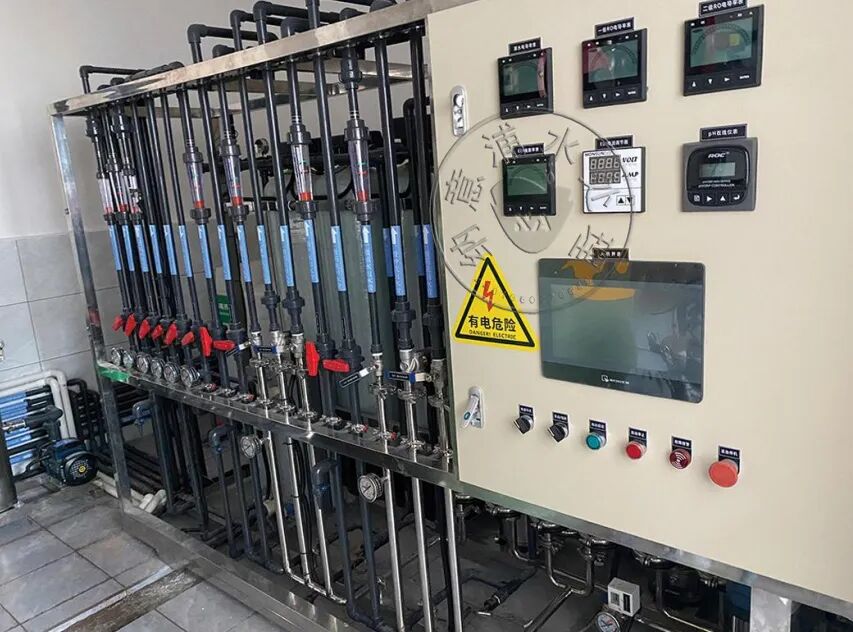
In a chip factory, a chip the size of a fingernail integrates hundreds of billions of transistors, and any micron-level particle or ionic contamination can lead to chip short-circuit failure. Therefore, the goal of semiconductor ultra-pure water equipment is to produce “ultra-pure water” (resistivity ≥ 18.2 MΩ·cm, containing almost no conductive ions).
1.2 How is ultra-pure water produced?
The core process of this type of equipment includes multiple stages of filtration:
-
Pre-treatment stage: Remove suspended solids and organic matter using quartz sand/activated carbon filters.
-
Reverse osmosis stage: Use reverse osmosis membranes (RO) to intercept over 95% of salts and microorganisms.
-
Ion exchange stage: Ion exchange resins can accurately capture residual calcium, magnesium, and other ions.
-
Electrodeionization stage: EDI modules continuously regenerate resins through electric fields, avoiding secondary contamination.
-
Final treatment: Remove bacteria and particles through UV sterilization and microfiltration membranes (below 0.1 microns).
1.3 What are the special requirements?
-
Must operate continuously for 24 hours.
-
High requirements for pipeline materials (usually PVDF or stainless steel 316L).
-
Strict surface roughness requirements (any slight scratches can become attachment points for particles).
The pure water equipment in medium-sized chip factories can process thousands of tons daily, but the water that ultimately enters the production line may only account for 10%.
2. EDI Ultra-Pure Water Equipment:
Environmental and Efficient “Ion Removal Expert”
2.1 What is EDI technology?
EDI (Electrodeionization) technology is a star process in the field of pure water preparation in recent years, perfectly solving the pain point of traditional ion exchange resins requiring frequent chemical regeneration.
2.2 Detailed Working Principle
EDI equipment acts like an “ion sieve driven by an electric field”:
-
The raw water undergoes preliminary purification through reverse osmosis.
-
Enters a module containing cation and anion exchange membranes and resins.
-
Under the action of a direct current electric field:
-
Cations (such as sodium, calcium) move towards the cathode and are intercepted by the anion exchange membrane.
-
Anions (such as chloride, sulfate) move towards the anode and are intercepted by the cation exchange membrane.
Finally, only pure water is allowed to pass through.
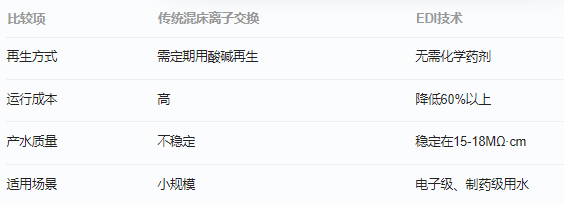
2.3 Advantages Compared to Traditional Processes
2.4 Typical Application Scenarios
-
Cleaning of photovoltaic silicon wafers.
-
Coating of optical lenses.
-
Water treatment for small and medium-sized enterprises.
3. Medical Device Ultra-Pure Water Equipment:
“Zero Tolerance for Sterility” Cleaning Assurance
3.1 Why are water requirements high for medical devices?
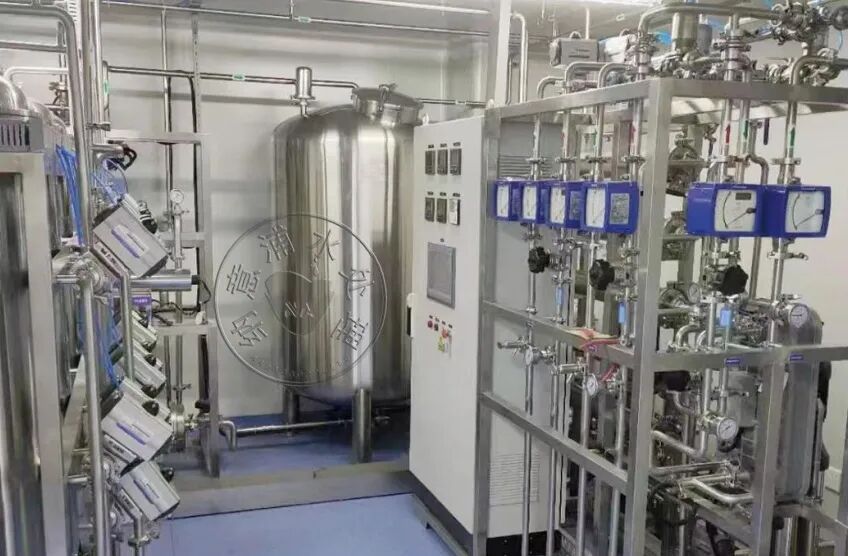
The cleaning water for surgical instruments, dialysis consumables, endoscopes, and other medical devices must meet the standards of “sterile, pyrogen-free, low organic matter” (usually referring to the purification water or injection water levels in the “Chinese Pharmacopoeia”).
3.2 Core Challenge: Bacterial Endotoxins
-
Produced by Gram-negative bacteria.
-
Even trace amounts can trigger fever reactions in patients.
-
Must be controlled to < 0.25 EU/ml (injection water standard).
3.3 Four-Step Treatment Process
-
Pre-treatment: Softening water equipment removes calcium and magnesium ions.
-
Double-stage reverse osmosis: Reduces the water conductivity to 5-10 μS/cm.
-
UV Sterilization: UV lamps with a wavelength of 254 nm inactivate bacteria.
-
Final Filtration: 0.22-micron filter membranes intercept residual microorganisms.
3.4 Special Design Highlights
-
Circulation pipeline disinfection system.
-
Automatically rinses pipelines with pure steam or hydrogen peroxide during downtime.
-
Avoids the breeding of bacteria in dead water zones.
4. Biopharmaceutical Pure Water:
“Life Water” for Cell Culture
4.1 Why is water for biopharmaceuticals special?
Biopharmaceuticals (such as vaccines, monoclonal antibodies, cell therapy products) have extremely stringent water quality requirements:
-
Completely sterile.
-
No endotoxins.
-
No protein residues, otherwise it may lead to:
-
Cell death.
-
Decreased drug efficacy.
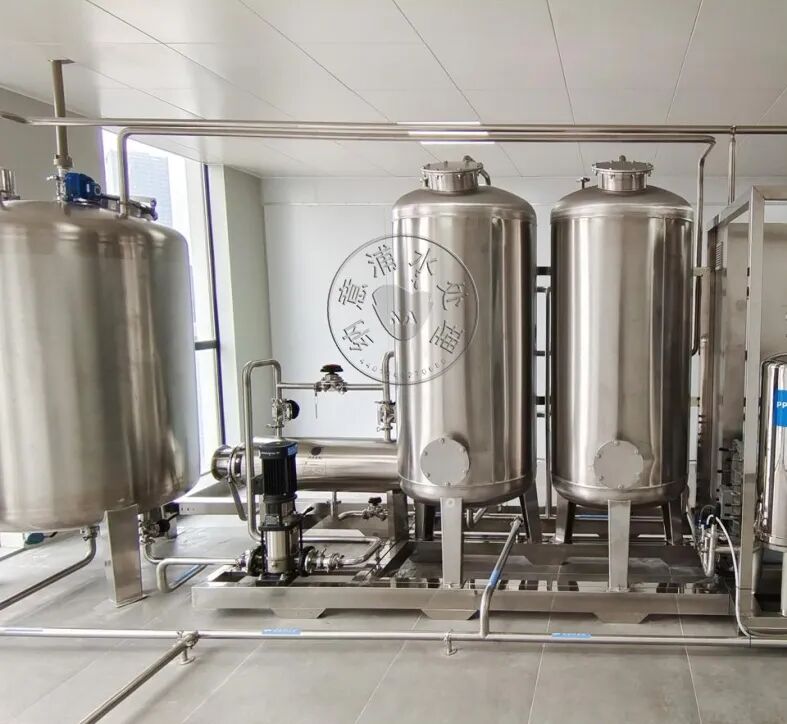
4.2 Two-Stage Treatment System
Purified Water Stage:
-
Multi-media filtration (removing particles).
-
Activated carbon adsorption (removing organic matter and residual chlorine).
-
Reverse osmosis (desalination).
-
EDI (precision ion removal).
Injection Water Stage:
-
Multi-effect distillation machine.
-
Or reverse osmosis + ultrafiltration (UF) for deep purification.
-
Maintained circulation at high temperatures (≥121℃).
4.3 Compliance Requirements
-
Must comply with GMP (Good Manufacturing Practice) certification.
-
Materials must be heat-resistant and corrosion-resistant (such as 316L stainless steel).
-
All components in contact with water must undergo regular biofilm testing.
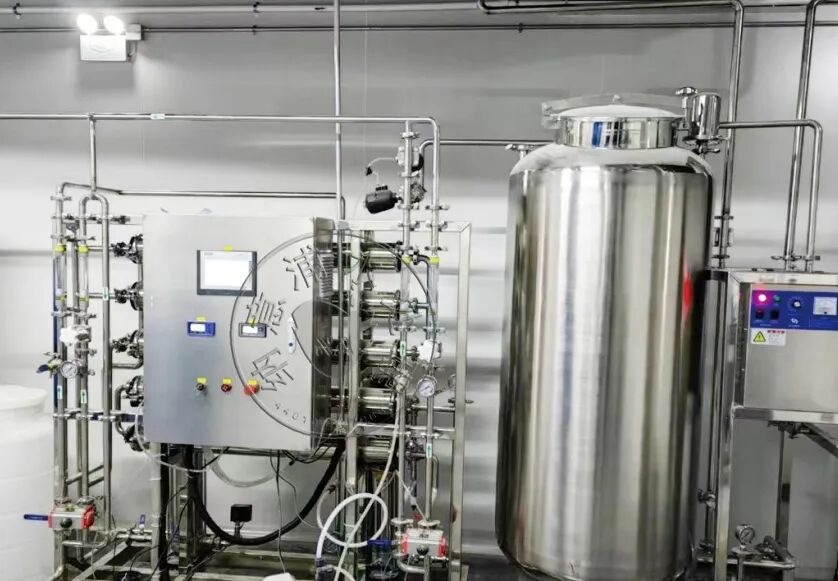
5. Direct Drinking Water Systems:
The “Healthy Faucet” for Homes and Offices
5.1 Core Indicators of Direct Drinking Water
-
Safety: Removes residual chlorine odor, heavy metals, bacteria, and viruses.
-
Taste: Retains an appropriate amount of minerals (such as calcium and magnesium).
5.2 Three-Stage Filtration System
-
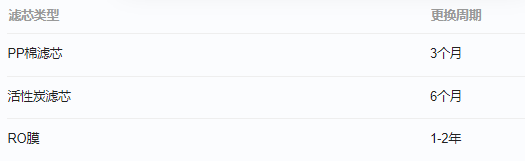
First Stage: PP cotton filter (intercepts large particles such as sand and rust).
-
Second Stage: Activated carbon filter (adsorbs residual chlorine and organic matter, improving taste).
-
Third Stage: Reverse osmosis membrane (RO membrane, pore size 0.0001 microns).
5.3 Filter Replacement Cycle
5.4 Health Tips
-
RO membranes will filter out all minerals in the water.
-
Long-term consumption of pure water may affect trace element intake.
-
It is recommended to choose models with mineralization filters.
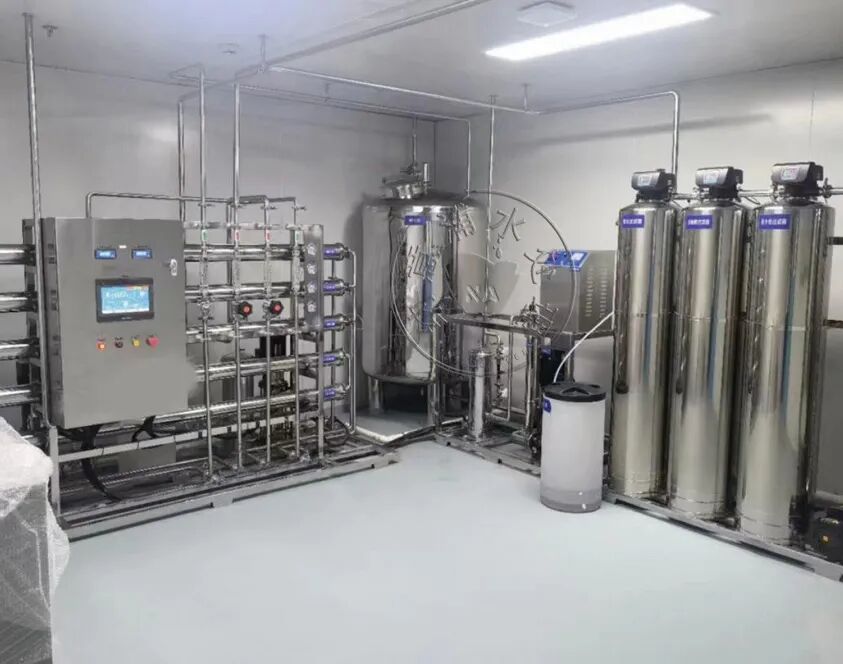
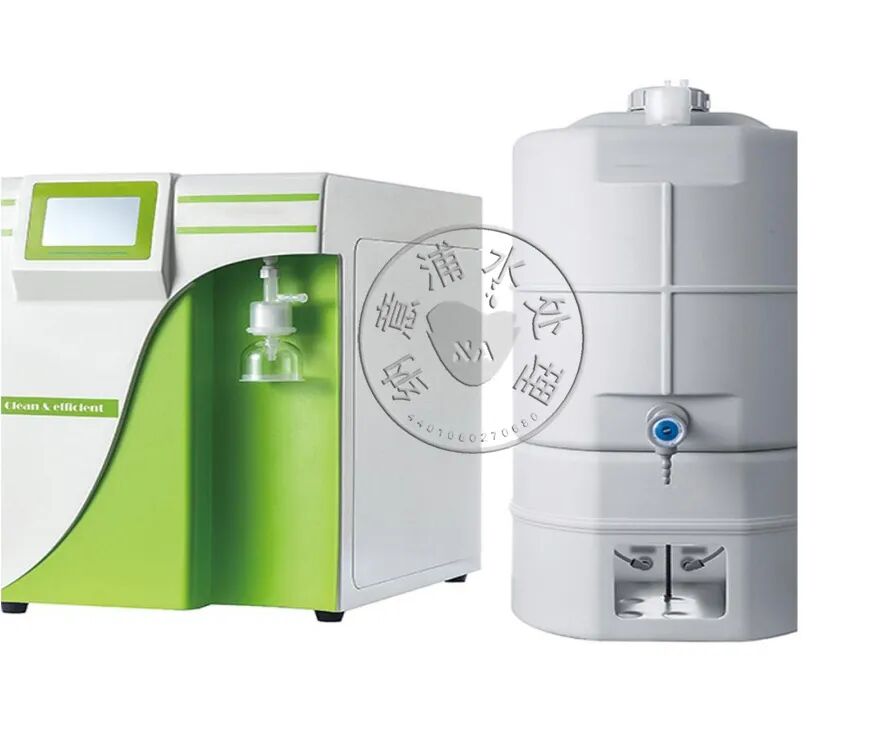
6. Laboratory Ultra-Pure Water Machines:
Precise Control of “Research-Grade” Water Quality
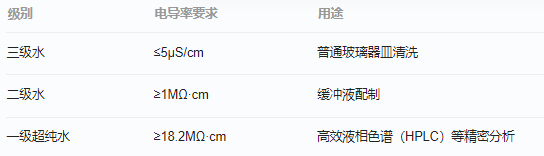
6.1 Three Levels of Laboratory Water
6.2 Ultra-Pure Water Preparation Process
-
Pre-treatment to remove particles and organic matter.
-
Reverse osmosis to reduce salt content.
-
Ion exchange resins or EDI modules for further purification.
-
Final filter membrane (0.01 micron ultrafiltration) to remove bacteria.
-
UV lamp or online TOC monitoring device to ensure organic matter content meets standards.
6.3 Common Problem Solutions
Problem: Water quality fluctuations affect experimental results. Solution:
-
Equip with real-time monitoring systems (resistivity meters, TOC analyzers).
-
Adopt “on-demand” design.
-
Avoid water quality degradation caused by storage tanks.
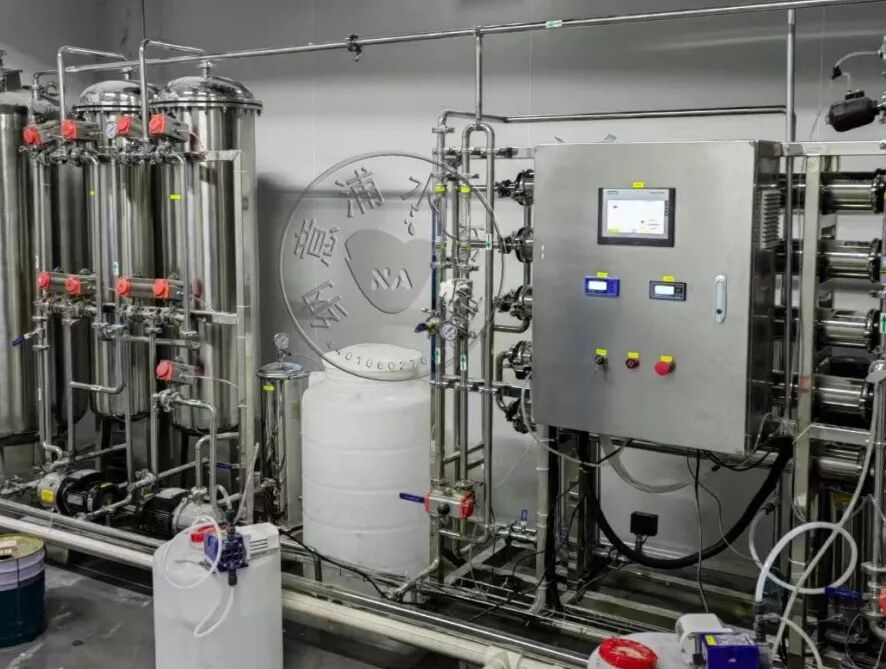
7. Food and Beverage Pure Water Systems:
The First Line of “Food Safety”
7.1 Standards for Food and Beverage Water
Must comply with the “GB 19304-2018 Hygiene Standards for the Production of Packaged Drinking Water”:
-
Remove impurities to ensure taste.
-
Retain some natural minerals (like mineral water).
7.2 Typical Treatment Processes
-
Quartz sand filtration.
-
Activated carbon adsorption.
-
Water softening.
-
Reverse osmosis.
-
Ozone sterilization.
7.3 Special Treatment for Mineral Water
-
Skip the RO membrane step.
-
Use ultrafiltration (UF) to retain calcium, magnesium, and other natural minerals.
7.4 Material Requirements for Equipment
-
Food-grade plastics.
-
304 stainless steel.
-
Pipeline design must avoid dead corners.
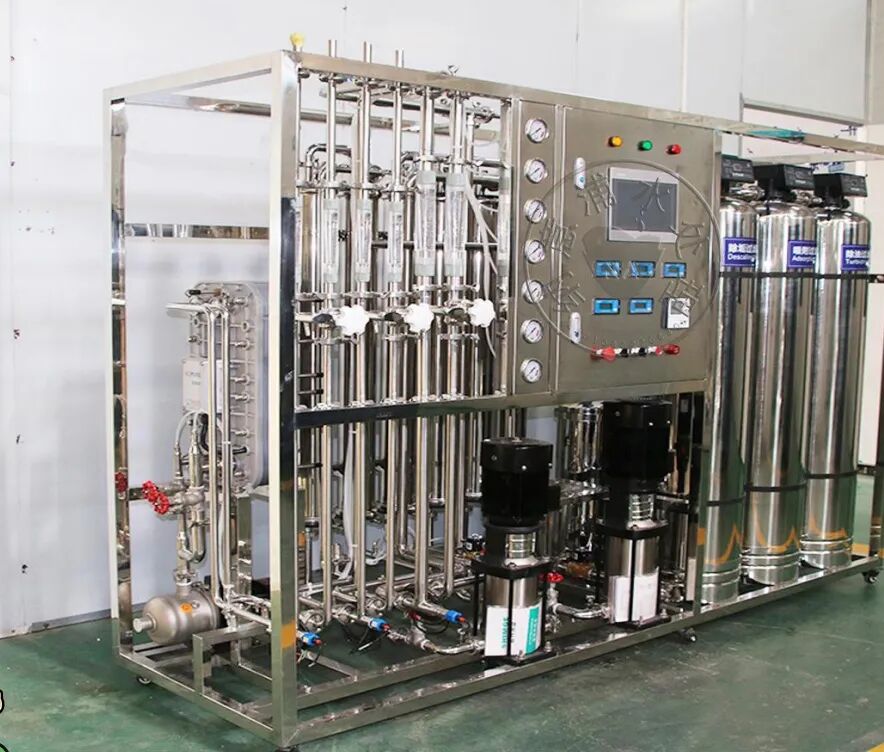
8. Pure Water Equipment for the Cosmetics Industry:
The “No Dead Angle” Gentle Formula Foundation
8.1 Standards for Water Used in Cosmetics
-
Microorganisms ≤ 100 CFU/ml.
-
No pathogenic bacteria.
-
Conductivity ≤ 10 μS/cm.
8.2 Why is skin sensitive to water quality?
-
Residual salts may cause stinging.
-
Microbial contamination can trigger allergies or spoilage.
8.3 Treatment Process
-
Multi-media filtration.
-
Activated carbon.
-
Water softening.
-
Double-stage reverse osmosis.
-
UV sterilization.
-
Final microfiltration.
8.4 Special Considerations
-
Must not contain oxidizing substances (such as residual chlorine).
-
Strengthen activated carbon filtration in the pre-treatment stage.
-
Storage tanks must be regularly protected with nitrogen.
From the nano-level chip manufacturing to the daily drinking water of thousands of households, water treatment technology is rapidly changing our lives. Behind these seemingly complex devices is humanity’s relentless pursuit of pure water sources. In semiconductor factories, ultra-pure water protects the precision circuits of chips; in hospital operating rooms, sterile water ensures the safety of medical devices; in laboratories, ultra-pure water ensures the accuracy of research data; and the direct drinking water that enters our homes makes health accessible.
The development of water treatment technology not only solves the “bottleneck” problem in industrial production but also enables the recycling of water resources. EDI technology allows ion exchange to bid farewell to chemical pollution, reverse osmosis membranes make desalination of seawater possible, and UV sterilization leaves no hiding place for microorganisms. These innovations are driving various industries towards more environmentally friendly and efficient directions.
When we turn on the tap, what flows out is not just clear water, but the crystallization of countless researchers and engineers’ wisdom. The evolution of water treatment equipment is a history of humanity’s pursuit of excellence. In the future, with breakthroughs in new materials and processes, water purification technology will surely bring us more surprises, allowing every drop of water to maximize its value.