The development of recording products has a history of over a decade since 2000. Currently, there are generally two common architectures for recording hosts on the market: PC architecture and embedded architecture.
How to choose the right recording system? Let’s first understand the differences between the two.
Appearance Comparison
 Embedded Architecture The embedded architecture recording host benefits from a fully chip-embedded structure, making the device lighter and more portable, with a height generally around 1U or even thinner.PC Architecture
The PC architecture recording host, also known as an industrial control recording host, is relatively large, with a height generally around 2U, 3U, or even larger.
Power Consumption Comparison
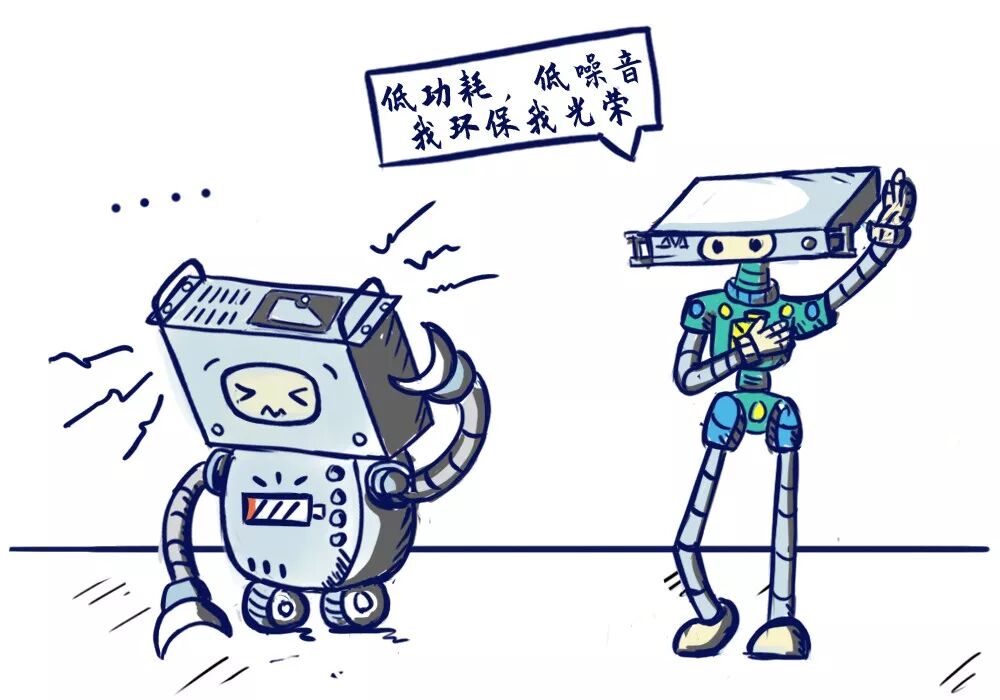 Embedded Architecture Embedded recording hosts have low power consumption and low noise.PC Architecture PC architecture recording hosts consume more power and generate more noise compared to embedded recording hosts.
Stability Comparison
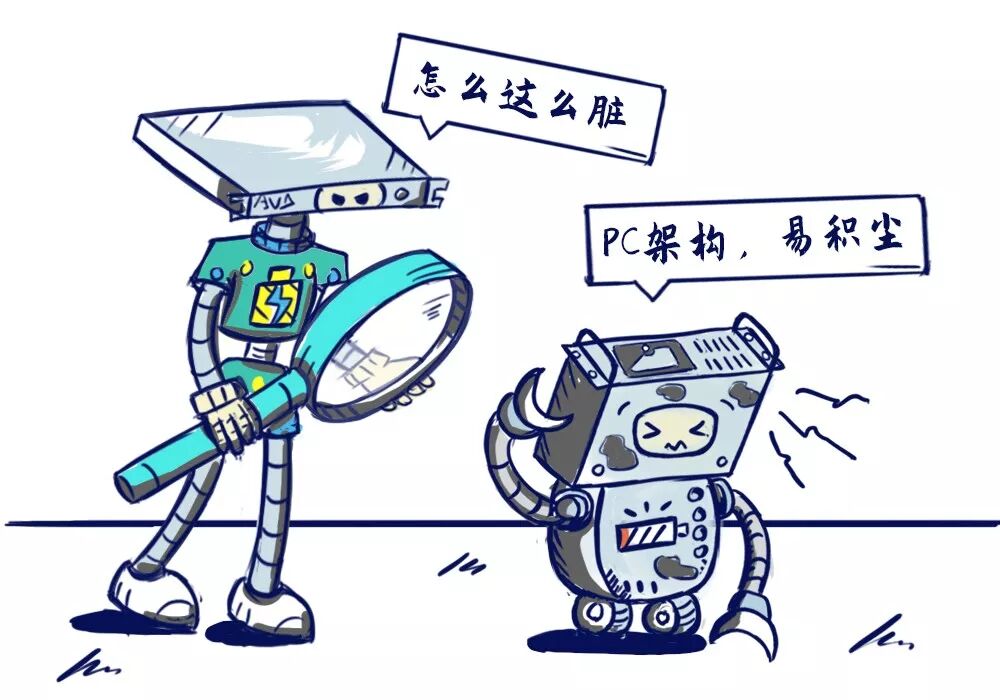
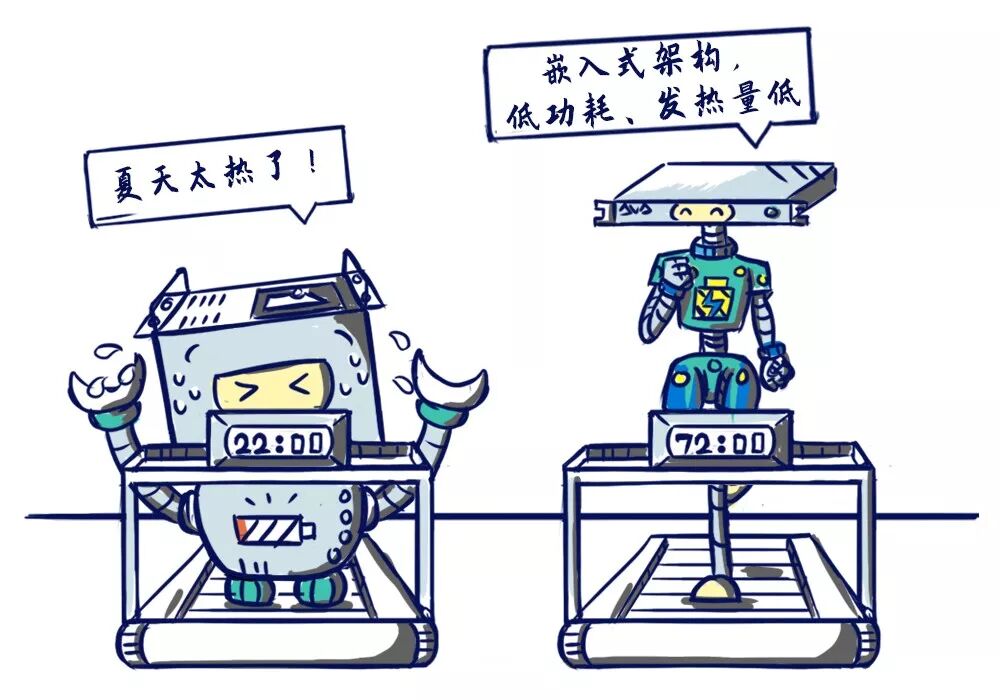 Embedded Architecture Embedded recording hosts can achieve a fanless design, generating low heat, which helps avoid unnecessary wear on components due to high temperatures, ensuring stable operation of the equipment.PC Architecture PC architecture recording hosts have many components, leading to a higher failure rate and difficulty in troubleshooting. They consume more power, which can lead to overheating, reducing the lifespan of components; they are also prone to dust accumulation, which can cause poor hardware contact, system crashes, or even complete failure to operate.Overall, PC architecture recording products have significant shortcomings in terms of size, power consumption, heat generation, and stability. As a result, many recording companies are gradually abandoning the design of PC architecture recording products in favor of developing more stable embedded recording solutions. The Aoweiya recording host adopts an embedded architecture design, fulfilling five major functions: recording, tracking, interaction, directing, and audio processing, bringing a revolutionary teaching interaction method and ushering in a new era of simplified teaching interaction.
Want to learn more about Aoweiya?
Please click the video below to explore!

Copyright Statement
All content copyright belongs to Guangzhou Aoweiya Electronic Technology Co., Ltd.
For reprints, please contact us first. Unauthorized reproduction will be pursued legally.
Editor: Wu Li; Design: Lin Hao