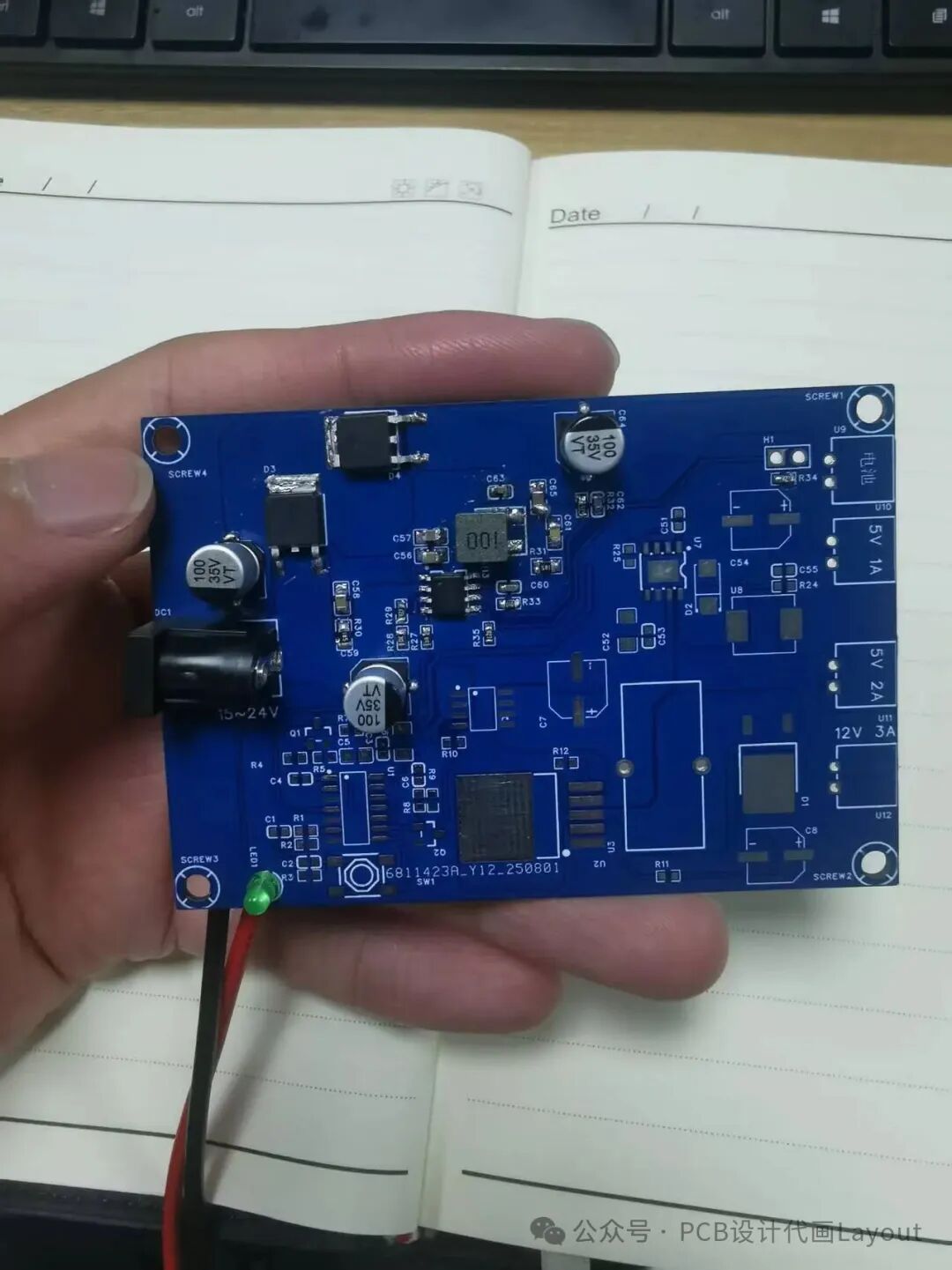
 This is the board soldered by the client, and their soldering skills are quite lacking 😔😔😔(This is the board I recently designed for the client)
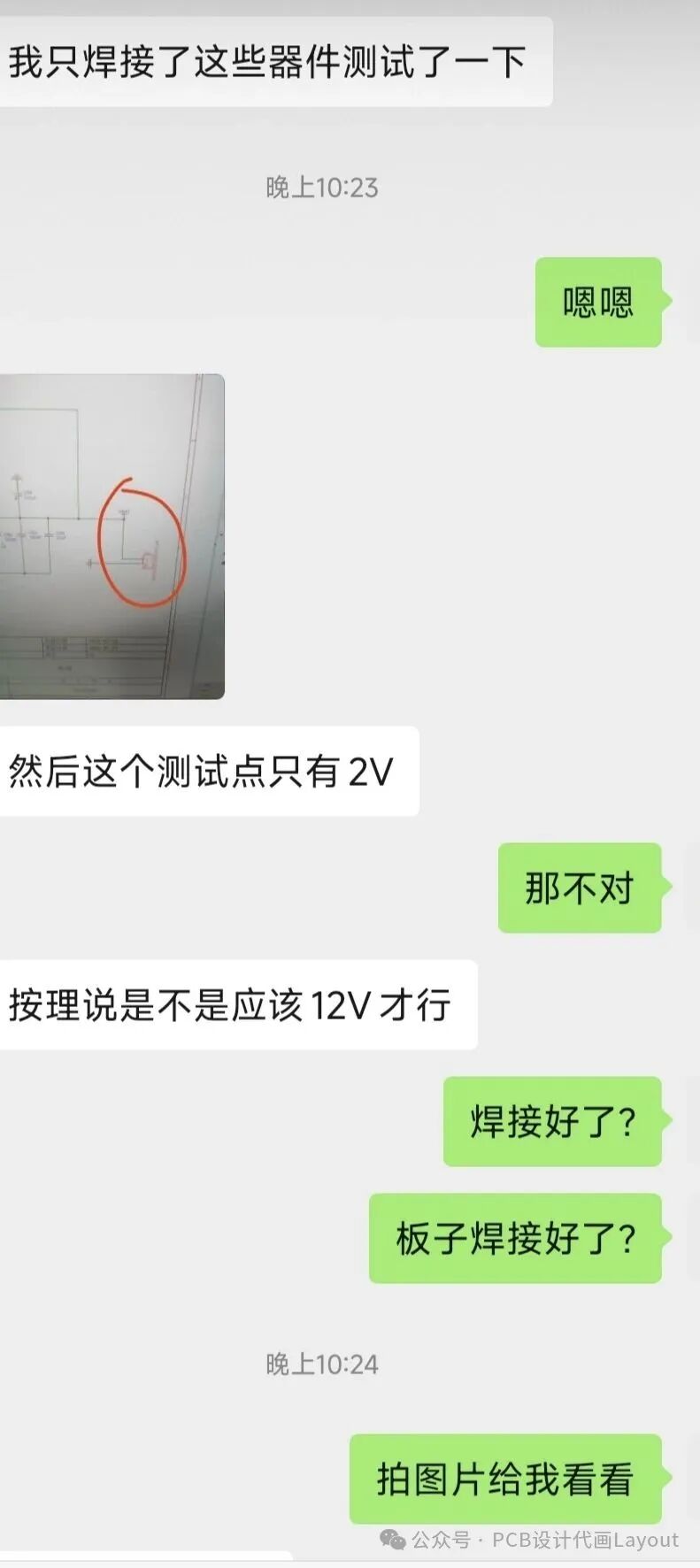 Here are the issues reported by the client 😊😊😊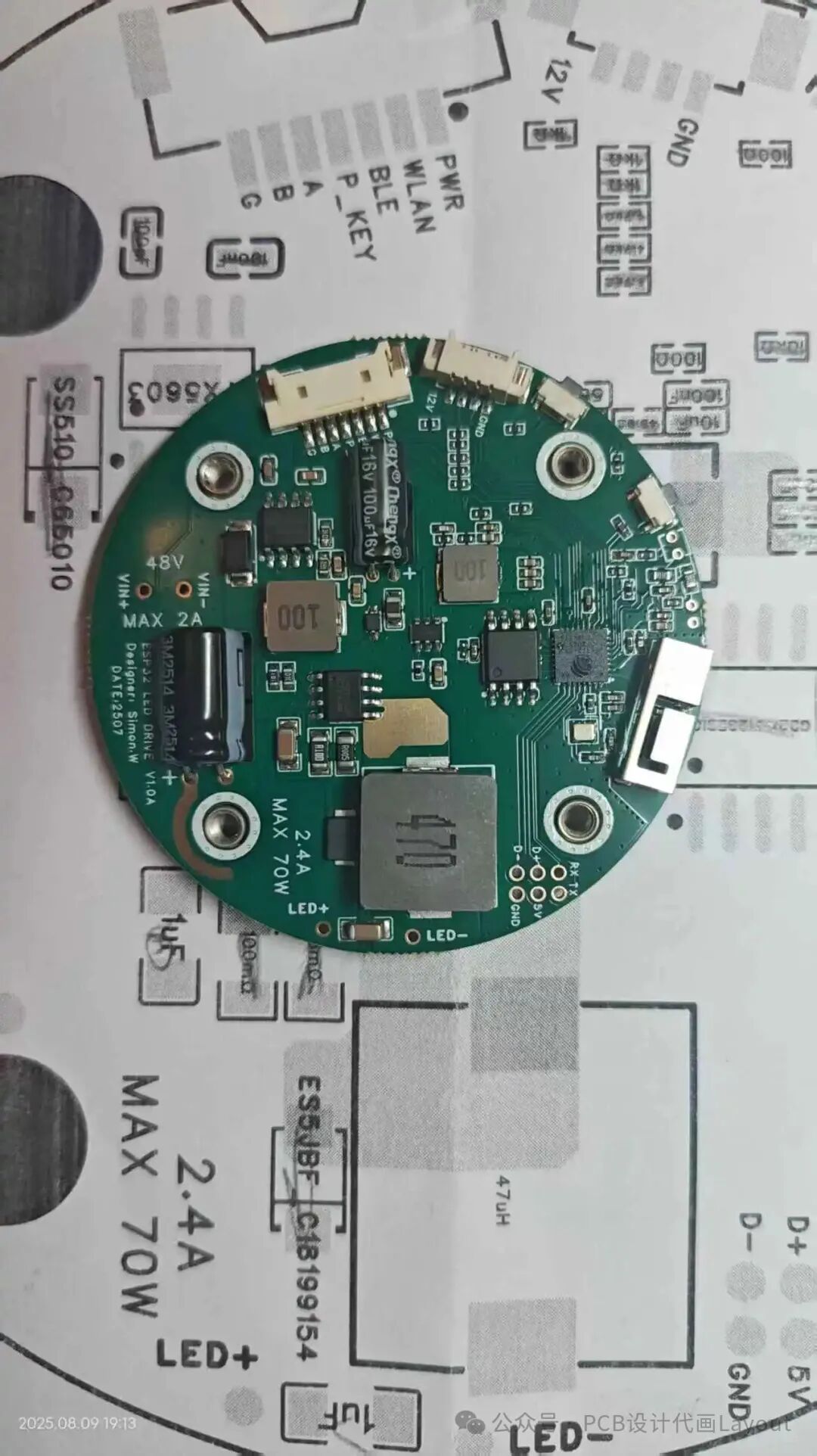
This is the board I soldered 😎😎😎
I recently designed a new board, and tonight the client contacted me saying: I only soldered some components, why is my output 2V instead of 12V? Upon checking the schematic, I realized that the load on the PCB was not soldered at all, and the board is currently open-circuit in a protection state! Hence, it shows 2V output!
The second issue is that the client’s soldering skills are truly unexpected; it’s really hard to describe. The board has 0603 package surface mount capacitors and resistors, and I was worried that the client would damage them; if the soldering time exceeds 5 seconds, they could be destroyed;
The temperature for ordinary surface mount soldering is set between 260°C±20°C, and the heating time is generally 3-5 seconds; exceeding 5 seconds can cause damage! This client lacks even basic soldering experience;
Similarly, I am also concerned that if they continue soldering like this, all five boards will definitely be ruined; this would waste the client’s money and also delay time. After seeing the board I soldered, the client recognized my soldering skills and plans to send this board to me for soldering! I said that’s fine! I will only charge a labor fee!
Generally, the temperature for surface mount materials (SMT) is: 300-320℃. Lead-free solder (such as Sn-Ag-Cu): 230-250℃.
Lead soldering temperatures are generally controlled between 280~360℃, while lead-free soldering is between 340~380℃. For special materials like optocouplers and crystals, the temperature may be as low as 270~290°C
Note: Soldering time is usually controlled between 3-5 seconds to avoid excessive temperature damage to components.