Recently, the approval of NVIDIA’s H20 chip to re-enter the Chinese market has sparked widespread attention and heated discussions. Some are celebrating, believing this is a timely boost for China’s AI industry, addressing the urgent shortage of computing power; others are worried, fearing this is a strategic move by the U.S., a “sedative” that numbs strategic thinking. So, is the approval of NVIDIA’s H20 chip a victory against restrictions or a strategic sedative?
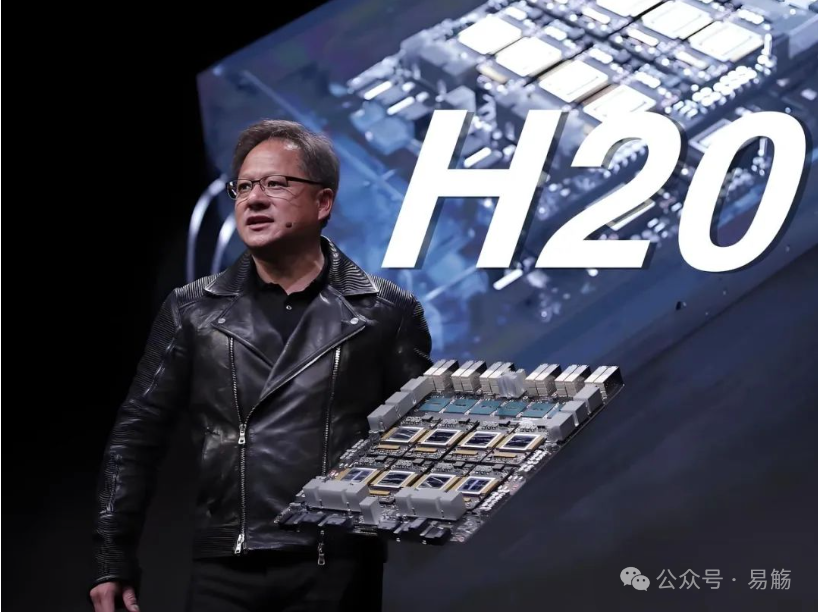
In the short term, the approval of the H20 chip is undoubtedly a “timely rain.” Currently, China’s AI industry is in a phase of rapid development, with an explosive growth in demand for computing power. However, due to long-standing U.S. export restrictions on chips, domestic AI companies are facing severe bottlenecks in computing power, with many large model training projects progressing slowly or even stagnating. The arrival of the H20 chip can quickly alleviate the computing power shortfall in domestic AI infrastructure, as it has significant advantages in high-end computing training and AI inference markets, with low power consumption and strong performance. Large model manufacturers can leverage this to accelerate product iteration, enhancing innovation capabilities and productivity. For NVIDIA itself, this is also a “lifeline,” as the Chinese market accounts for 13% of its global revenue. After the ban is lifted, NVIDIA can retain major clients like Baidu, Alibaba, and Tencent, avoiding further loss of market share. From the perspective of the industry chain, the restoration of supply for computing power chips is also beneficial for the domestic computing power chain, and NVIDIA’s authorized distributors in China will benefit from this.
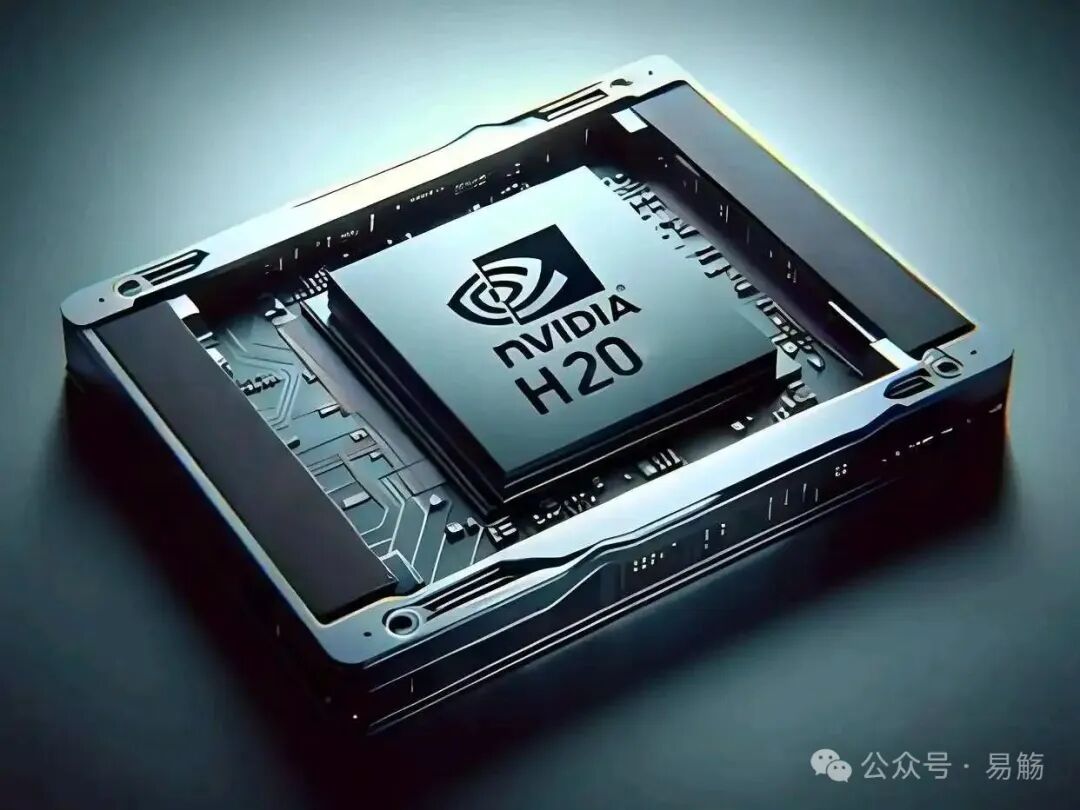
However, we must not be blinded by short-term benefits. From a long-term strategic perspective, there are many factors that warrant caution. The H20 chip is a “special version” tailored by NVIDIA for the Chinese market, based on an older architecture with significantly reduced performance. It is slightly stronger than Huawei’s Ascend 910B, but there is a huge gap compared to NVIDIA’s flagship H100, making it only suitable for small to medium models and edge AI deployments, unable to meet the training needs of trillion-level large models. The U.S. approval of the H20 chip is a move to maintain its voice in the industry chain without directly threatening its national security, weakening the urgency for China to advance self-replacement, and continuing to lock in the global AI industry’s development thresholds through its CUDA software ecosystem, development toolchain, and AI framework compatibility, solidifying its position as the standard setter in the industry. U.S. Secretary of Commerce Gina Raimondo has openly stated that the U.S. only provides “fourth-rate” chips to China, aiming to make Chinese companies “addicted” to U.S. technology.
This creates dual pressure on Chinese chip manufacturers. On the market level, domestic chip manufacturers will almost inevitably face order losses and decreased bargaining power in the short term. Customers often prefer the mature ecosystem but limited performance of the H20 over domestically controllable chips that are still catching up in terms of ecosystem. On the strategic level, it requires Chinese chip manufacturers to quickly address shortcomings in software ecosystems, toolchains, and talent. This inevitably reminds us of the lessons learned from the automotive industry’s “market for technology” approach, where it took us many years to achieve breakthroughs in engine and transmission technology. Now, if we relax our pace of independent research and development due to the supply of the H20 chip, losing the motivation and urgency to create our own “tools,” the consequences could be dire.
In this technological game, China’s AI industry must maintain clarity and strategic determination. On one hand, we should fully utilize the H20 chip to alleviate current computing power anxiety and promote rapid development of AI applications; on the other hand, we must not stop our pace of independent innovation. Domestic chip companies are continuously accelerating their pace, adopting a tiered breakthrough and cluster development strategy, targeting the performance level of the H20. There are already various domestic products capable of effectively competing. When single-chip performance cannot fully match international top levels due to objective limitations, we can compensate for single-point deficiencies through cluster computing, building large-scale computing power clusters through efficient collaboration of multiple chips, achieving breakthroughs in overall computing power output and system efficiency.
Finally, the approval of NVIDIA’s H20 chip is both an opportunity and a challenge; it is neither a simple victory nor can it be treated as a strategic sedative. We must abandon the mindset of single-point breakthroughs and cannot rely on a single project, a genius scientist, or entrepreneur to create an AI chip that surpasses NVIDIA in a short time. Instead, we should focus on the long term, building a collaborative chip industry ecosystem, leveraging the rapid development of the AI industry to transform China’s chip industry from a “pile of shortcomings” into a “pile of strengths.” On one hand, we can refer to the “Sematech” alliance established by the U.S. in the 1980s to counter Japan’s semiconductor industry, concentrating the efforts of government, industry, and research institutions to jointly tackle common “bottleneck” technologies, avoiding low-level repetitive research and development. On the other hand, the chip industry itself is highly dependent on collaborative research and development among various enterprises within the industry; working in isolation is certainly not feasible. China’s chip industry must adopt an open stance, unite forces that can be united, and actively strengthen cooperation with relevant enterprises and research institutions in Europe and other regions, using collaborative efforts to transcend geographical isolation. We believe that through this approach, even if we may not be able to produce chips that outperform NVIDIA in terms of performance in the next three to five years, we can certainly form a strong chip industry that is independent and collaborates globally, becoming an important pillar for the rise of China’s technology industry and economic development.