According to Wccftech, Apple has conducted multiple rounds of validation on its first self-developed CMOS sensor in the lab, which is expected to debut with the iPhone 18 Pro or iPhone 19 series between 2026 and 2027. This chip utilizes the LOFIC (Lateral Overflow Integration Capacitor) architecture, introducing lateral overflow integration capacitors at the pixel level. This design allows incoming photons to be “diverted” into small capacitors for temporary storage, preventing highlight overflow while enabling sufficient accumulation of photoelectric charges in darker areas. Sources indicate that its single-frame dynamic range is expected to reach 20 stops, far exceeding the current limit of 12-14 stops on the iPhone 14 Pro. This means that the phone can retain complete details in extreme scenarios, such as direct sunlight and overlapping shadows, without the need for multi-frame synthesis, laying the foundation for Apple to further reduce its reliance on Sony sensors and compress hardware costs.
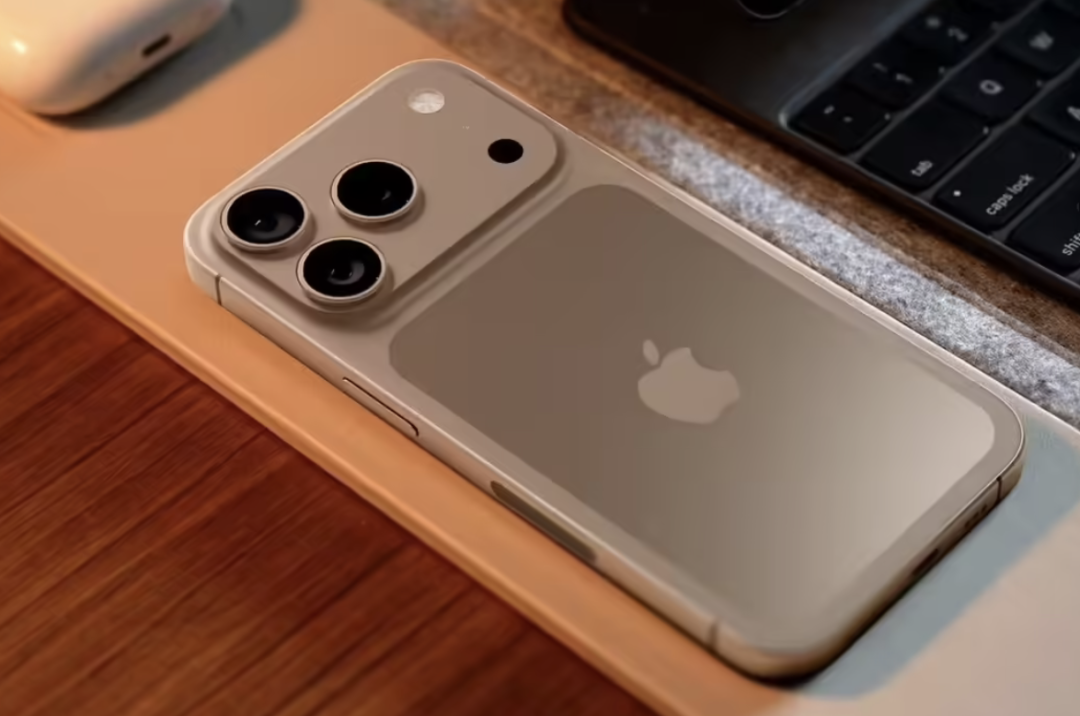
Once the technology is implemented, users can point their iPhones at backlit tunnels or night neon scenes and see a wide range of layers close to what the naked eye perceives in the viewfinder: textures deep within the tunnel and the clouds in the sky will no longer be an either-or choice, HDR artifacts will be significantly reduced, and image noise and smearing will also decrease simultaneously. The supply chain reveals that this sensor will not only dominate the main camera but will also be adapted for the Vision Pro series headsets in the future, capturing a more realistic environmental light field for mixed reality and enhancing the immersive experience of virtual and real integration. If the yield rate climbs smoothly, Apple is expected to achieve “de-Sonyization” of imaging by 2026, further deepening its moat in integrated imaging technology.