A sensor (English name: transducer/sensor) is a detection device that can sense the information being measured and convert that information into electrical signals or other required forms of information output according to certain rules, to meet the requirements for information transmission, processing, storage, display, recording, and control.
The characteristics of sensors include: miniaturization, digitization, intelligence, multifunctionality, systematization, and networking. It is the primary link for achieving automatic detection and automatic control. The existence and development of sensors have given objects tactile, taste, and olfactory senses, making them gradually come to life. Typically, sensors are classified into ten categories based on their basic sensing functions: thermal sensitive elements, light sensitive elements, gas sensitive elements, force sensitive elements, magnetic sensitive elements, humidity sensitive elements, sound sensitive elements, radiation sensitive elements, color sensitive elements, and taste sensitive elements. Today, the editor of metal processing has found 40 animated images that can help you understand the working principles of various sensors:
Warning: High energy ahead, please watch under Wi-Fi
1. Fabric Tension Measurement and Control Principle
↓↓↓
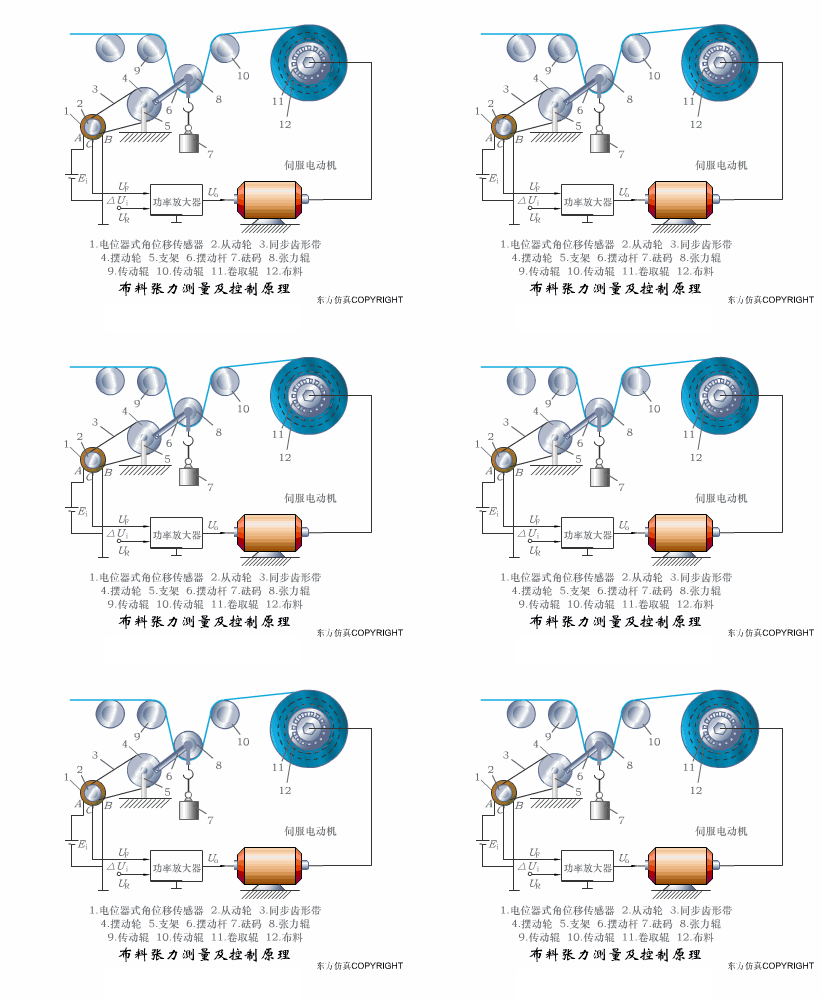
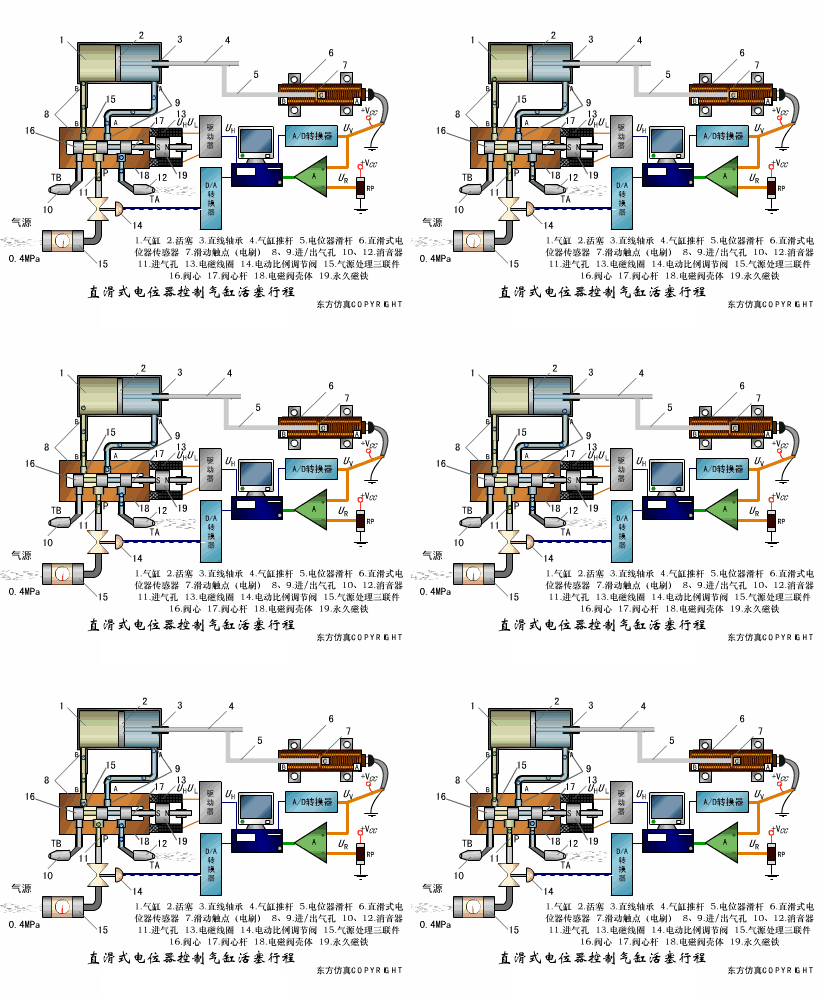
2. Linear Potentiometer Control of Cylinder Piston Stroke
↓↓↓
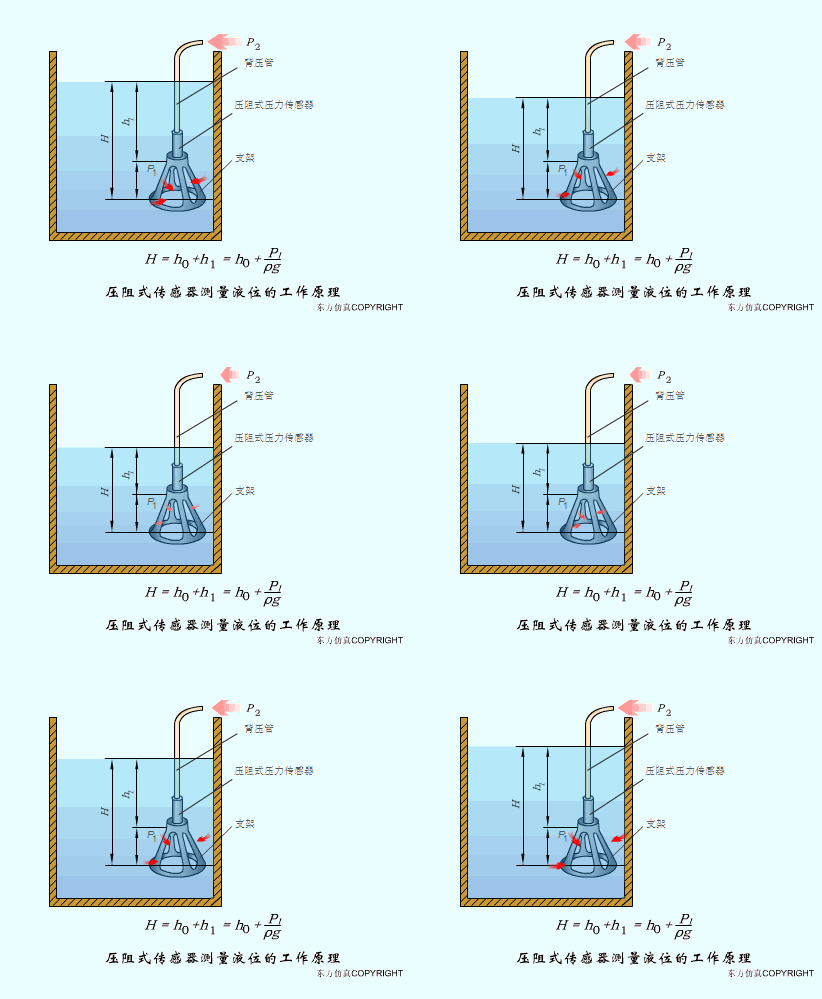
3. Working Principle of Piezoresistive Sensor for Liquid Level Measurement
↓↓↓
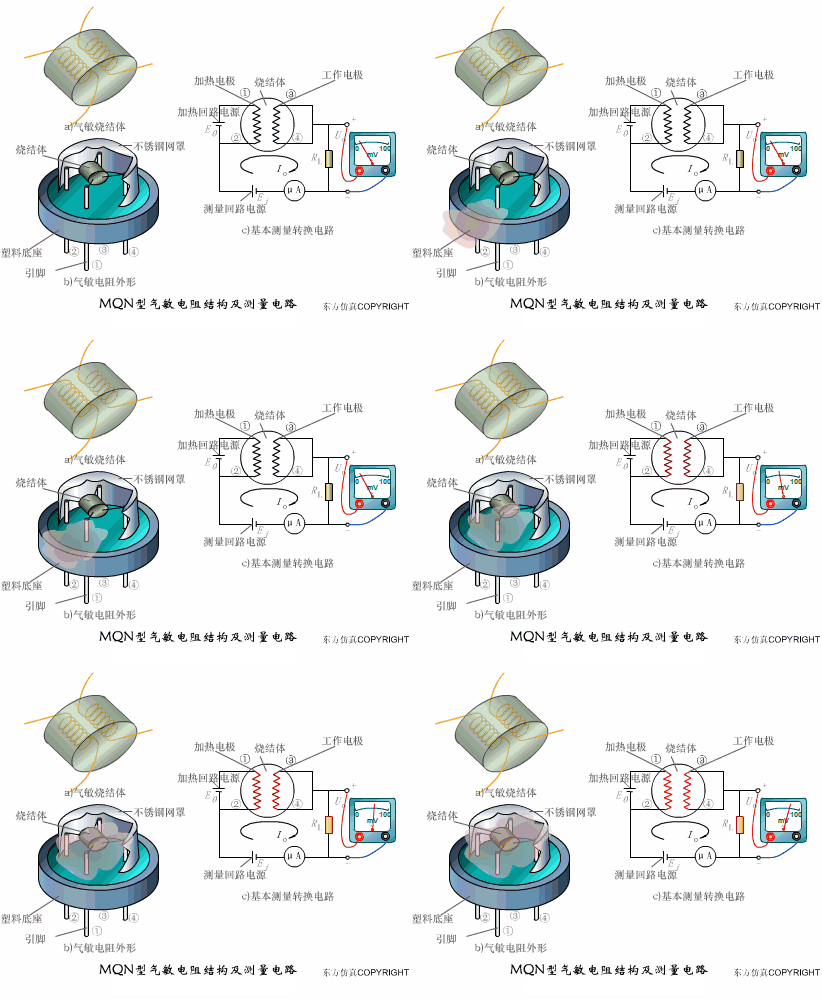
4. MQN Type Gas Sensitive Resistor Structure and Measurement Circuit
↓↓↓
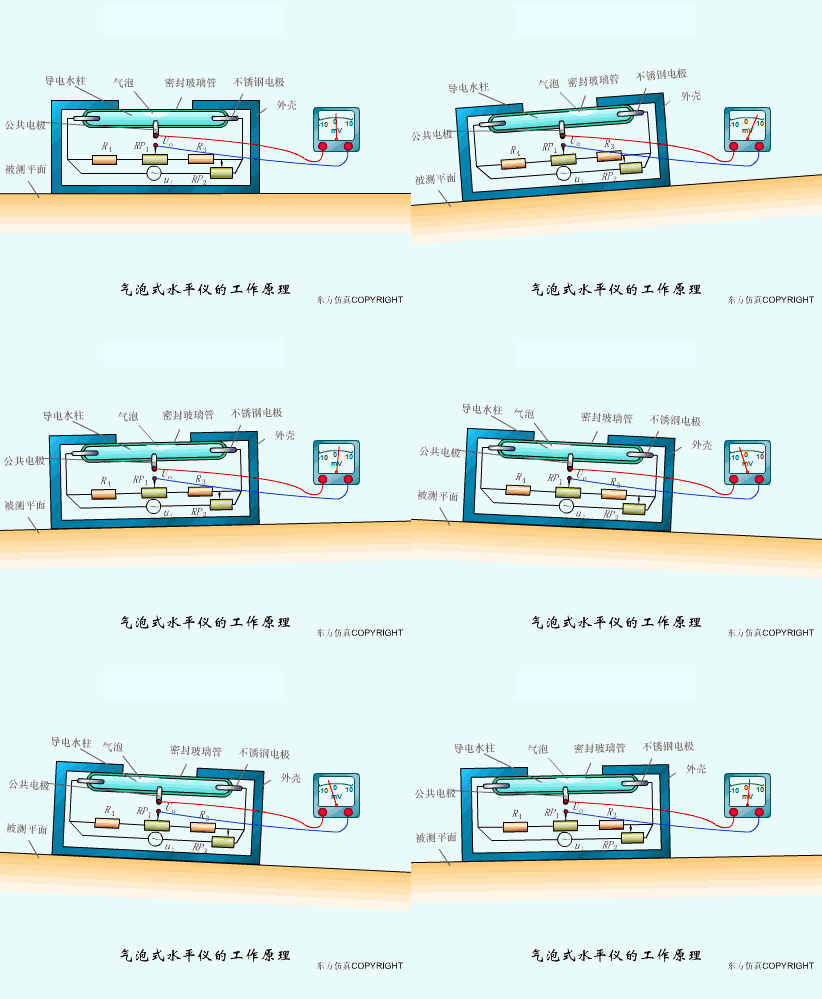
5. Working Principle of Bubble Level
↓↓↓
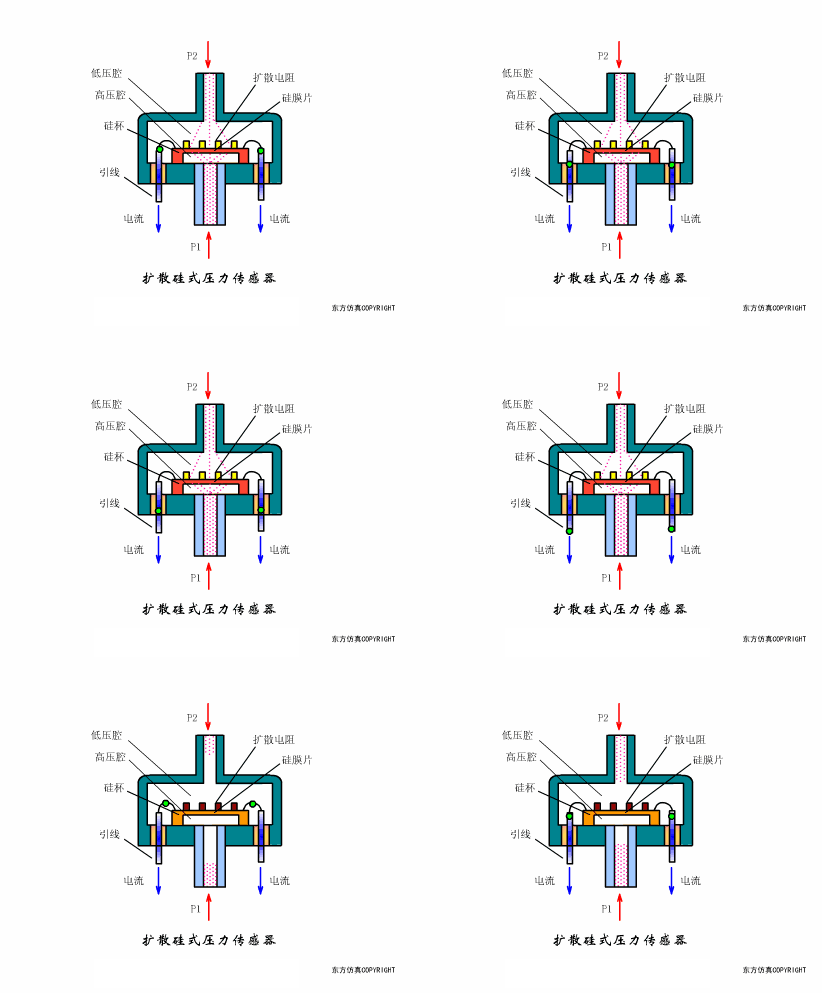
6. Diffused Silicon Pressure Sensor
↓↓↓
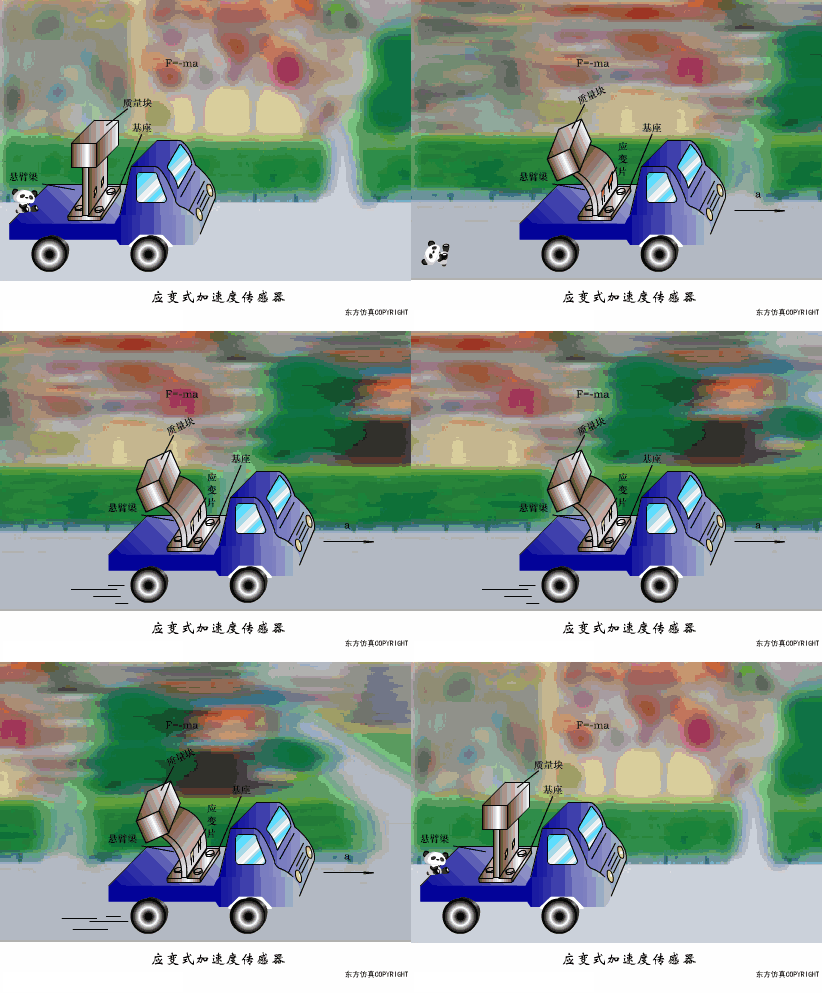
7. Strain Accelerometer
↓↓↓
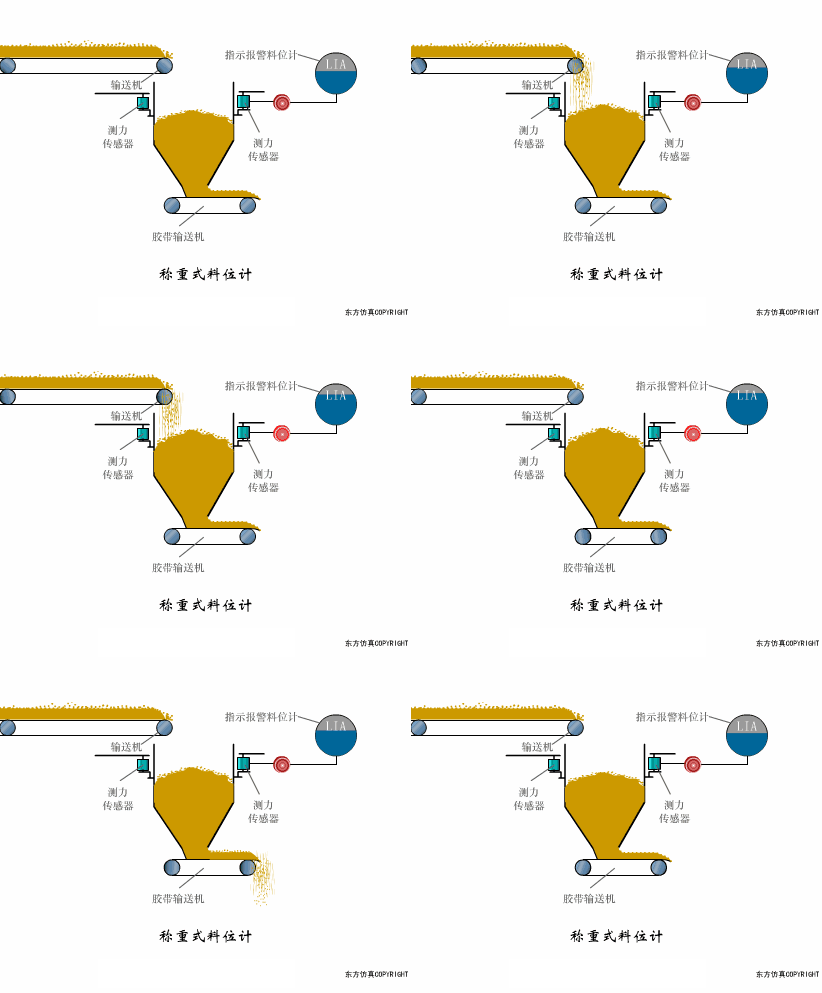
8. Weighing Level Meter
↓↓↓
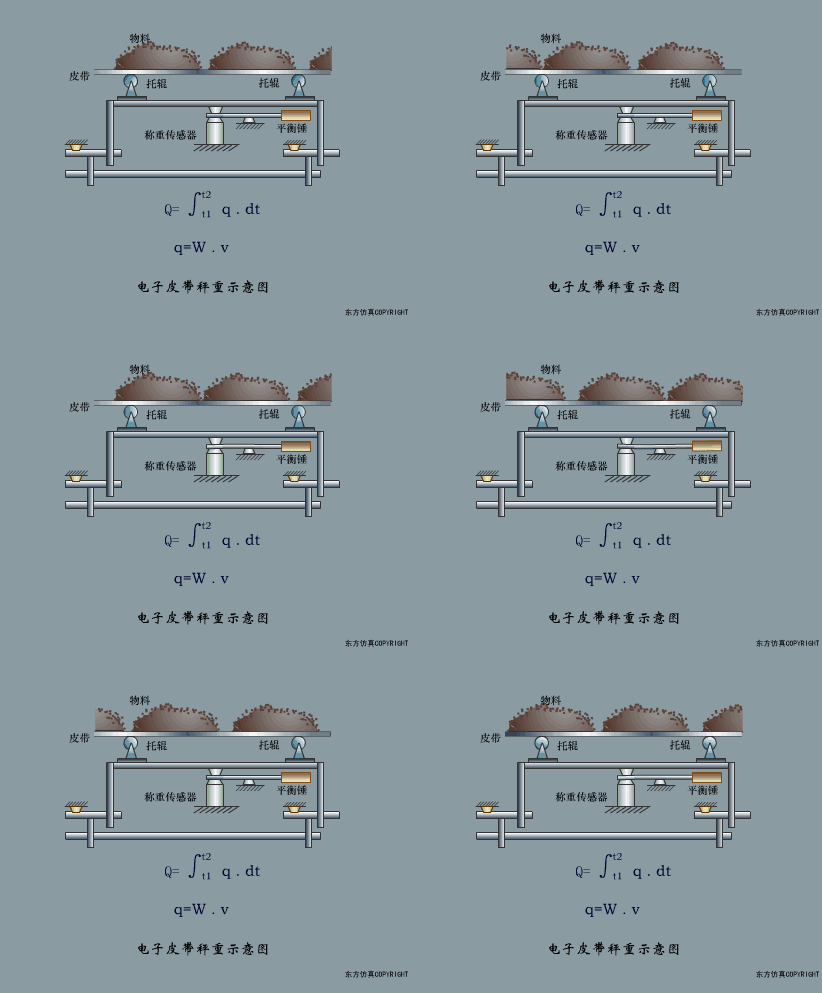
9. Electronic Belt Scale Weight Diagram
↓↓↓
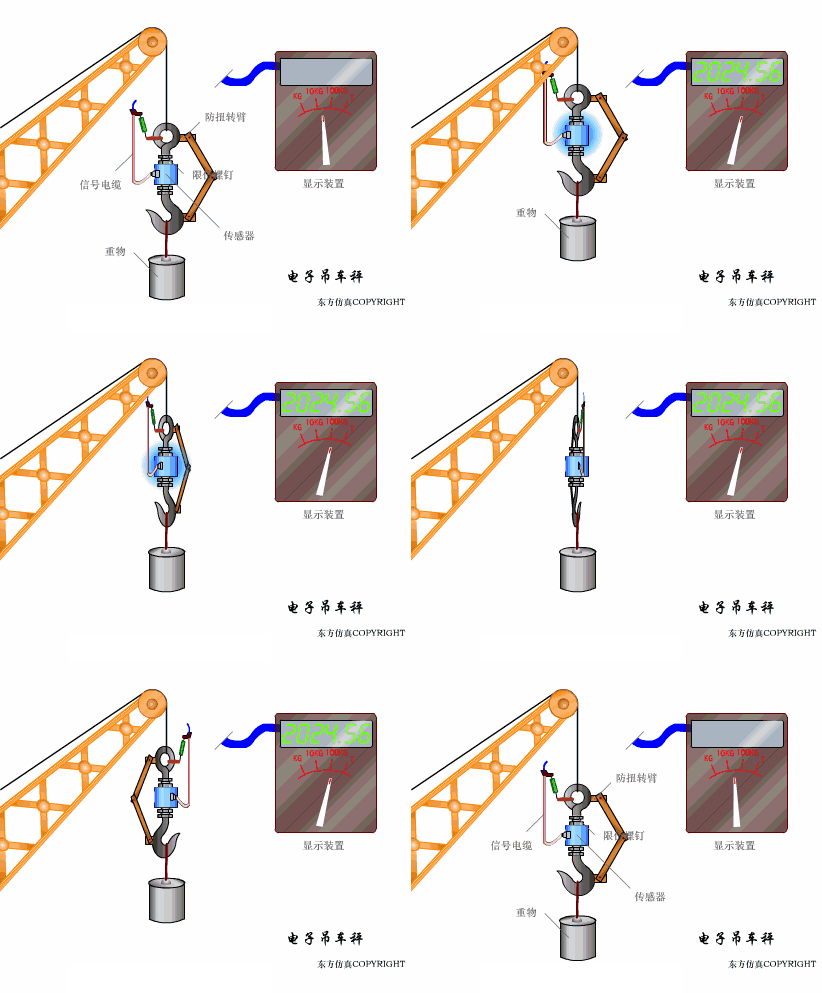
10. Electronic Crane Scale
↓↓↓
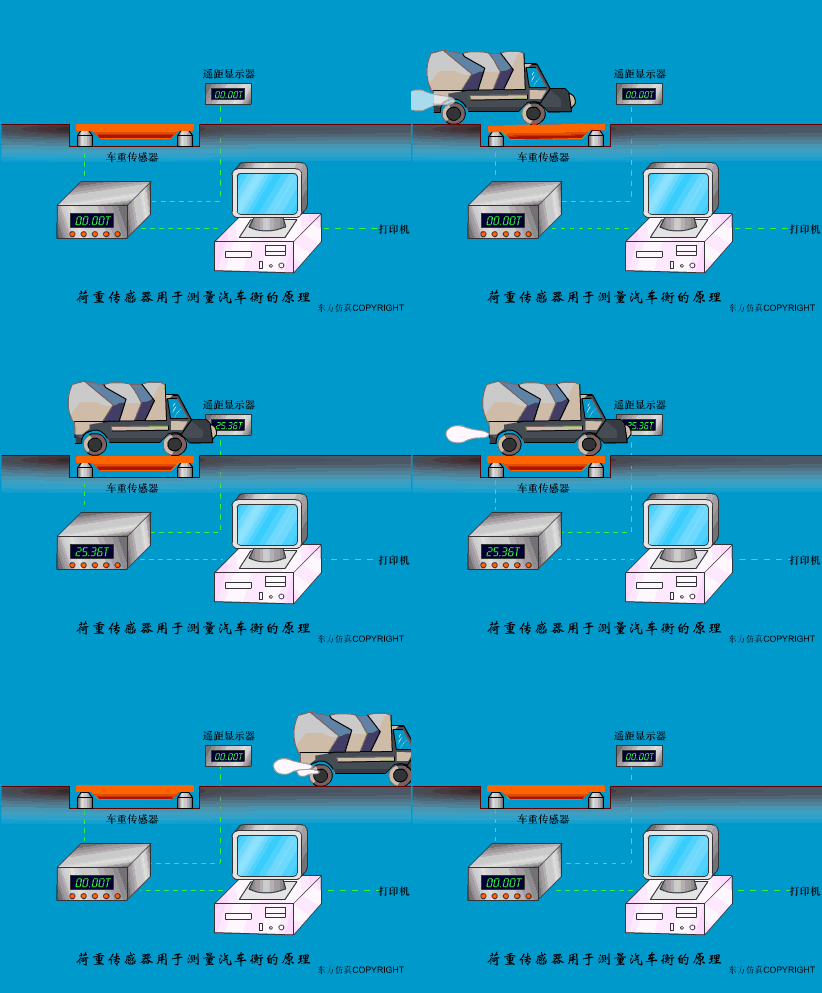
11. Principle of Load Sensor for Measuring Truck Scales
↓↓↓
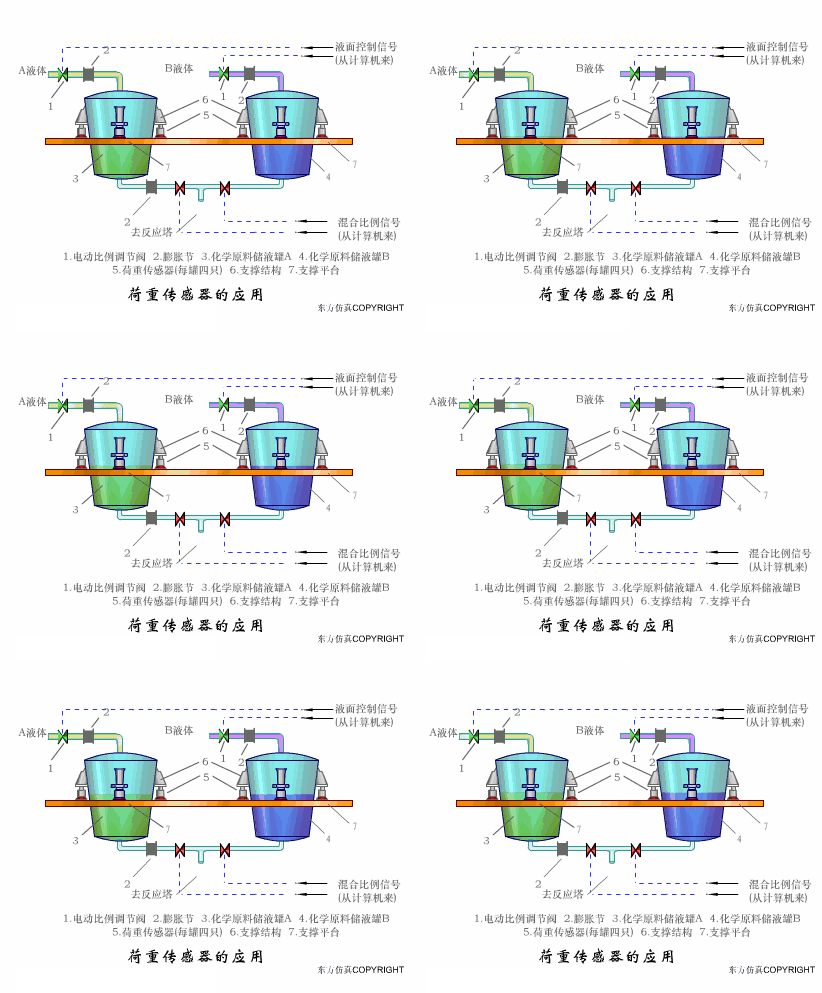
12. Applications of Load Sensors
↓↓↓
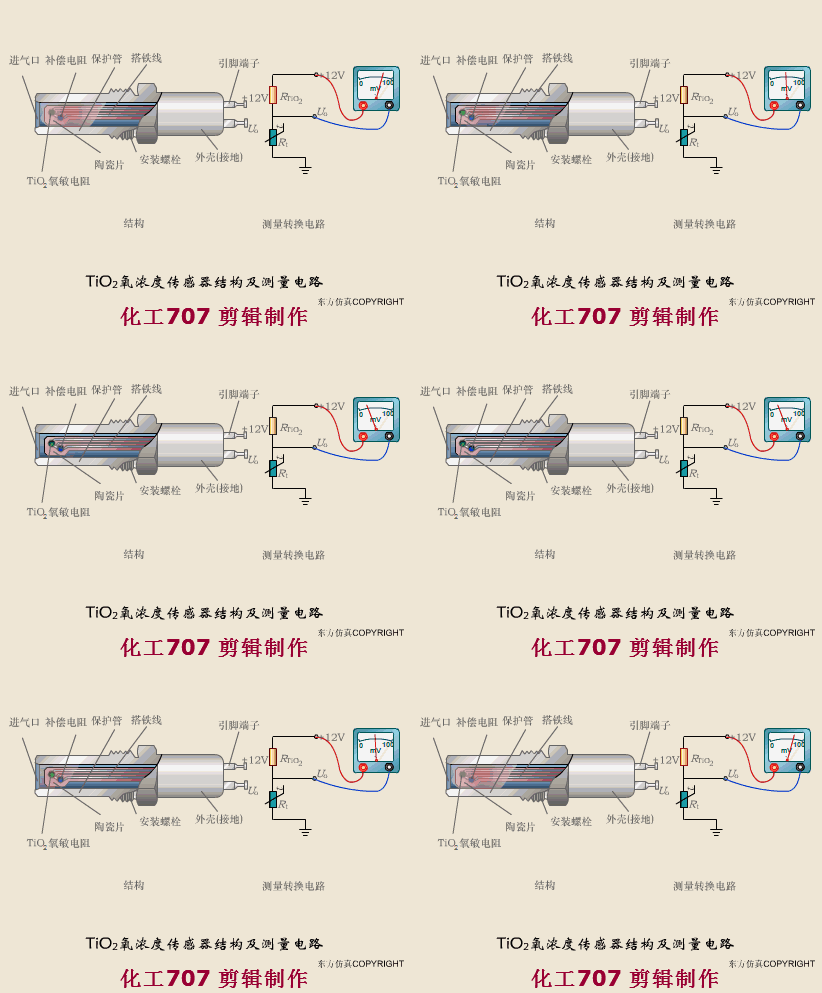
13. TiO2 Oxygen Concentration Sensor Structure and Measurement Circuit
↓↓↓
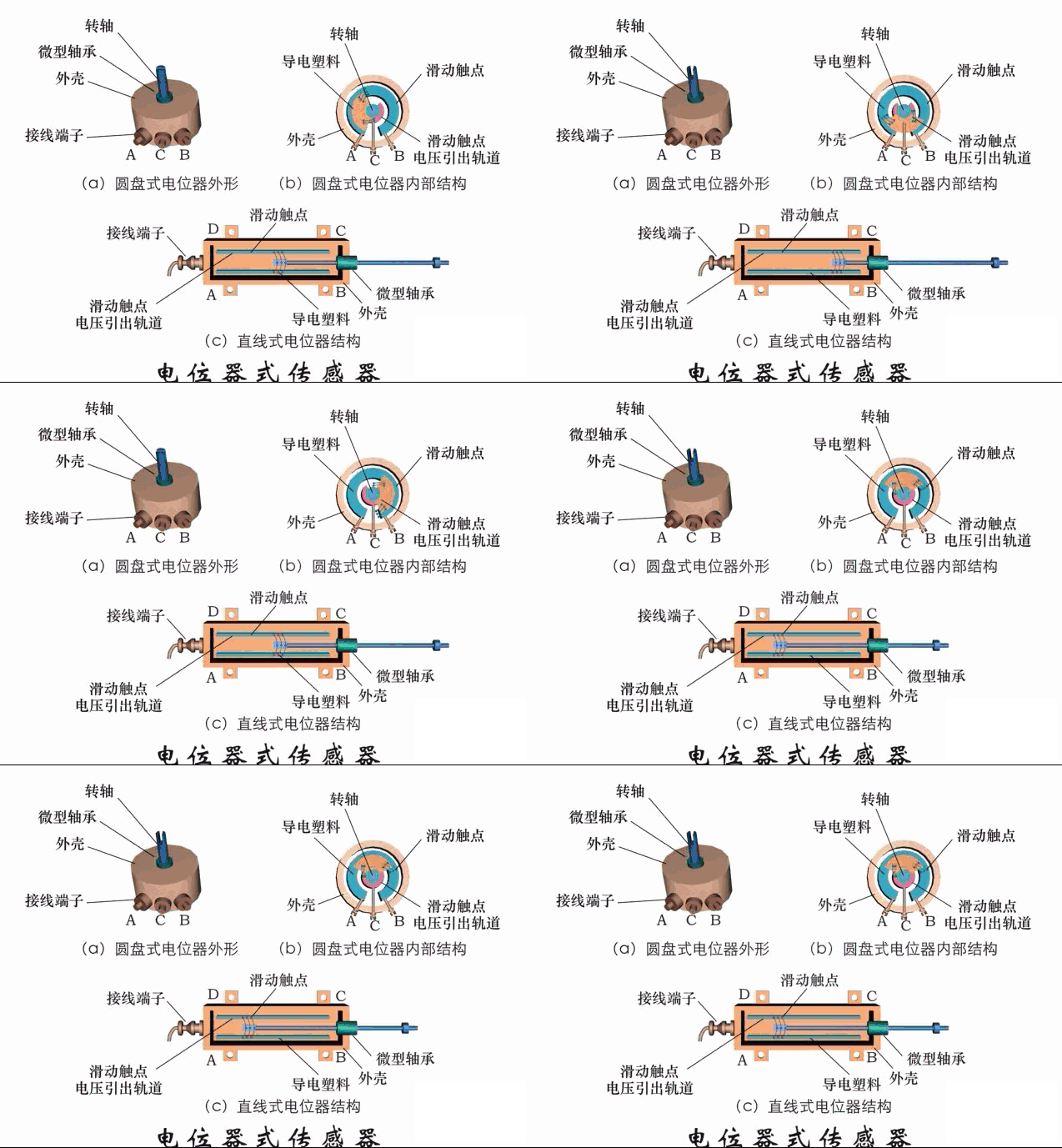
14. Potentiometer Type Sensor
↓↓↓
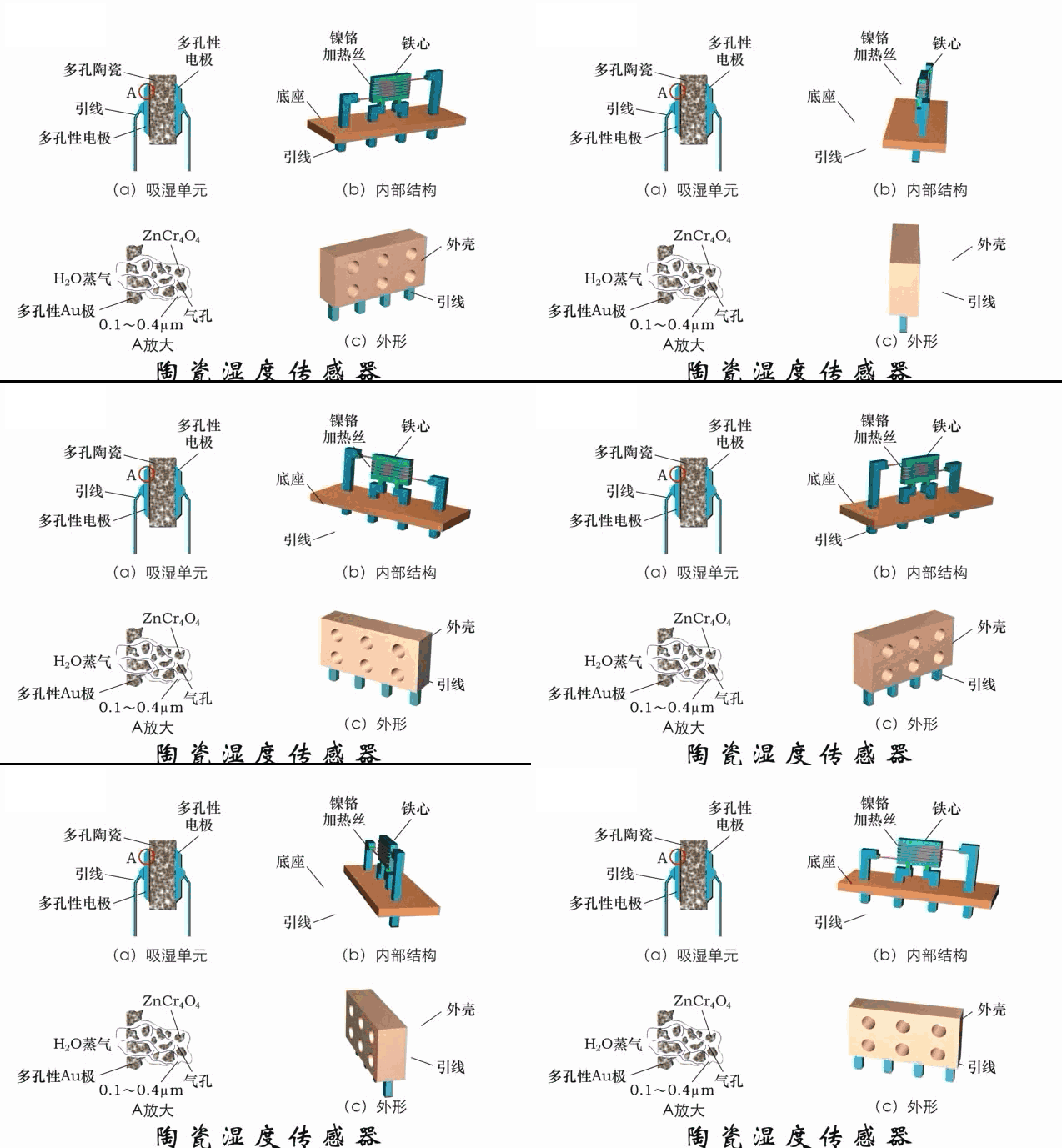
15. Ceramic Humidity Sensor
↓↓↓
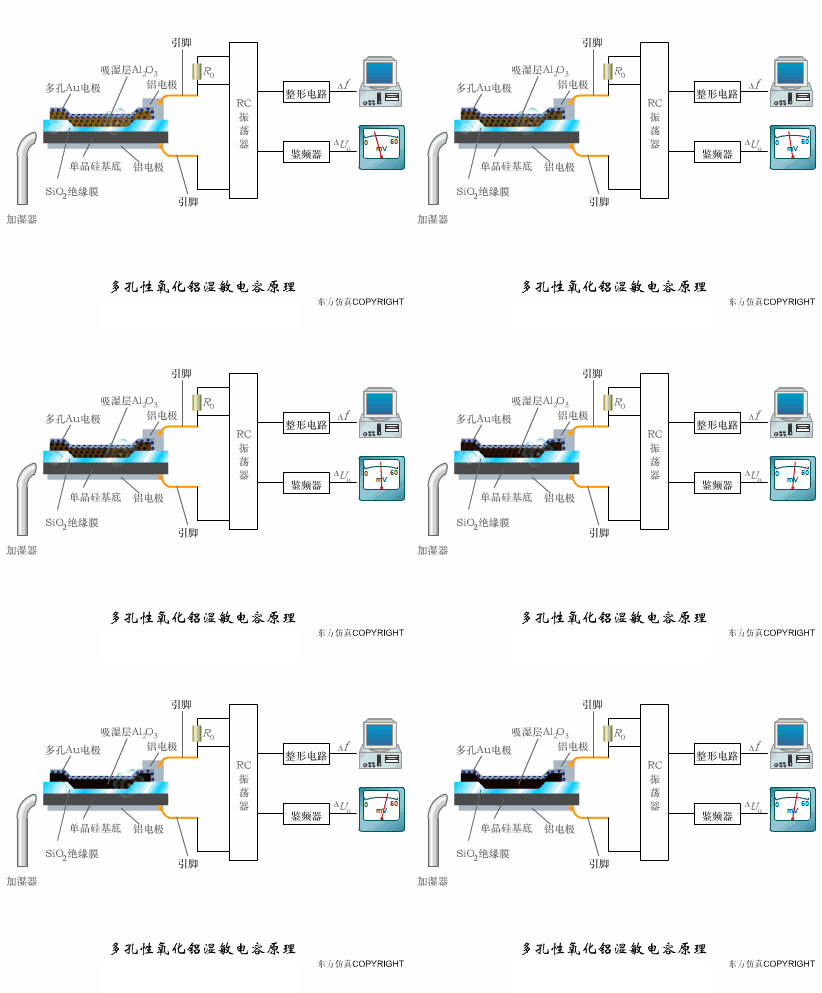
16. Porous Alumina Humidity Capacitor Principle
↓↓↓
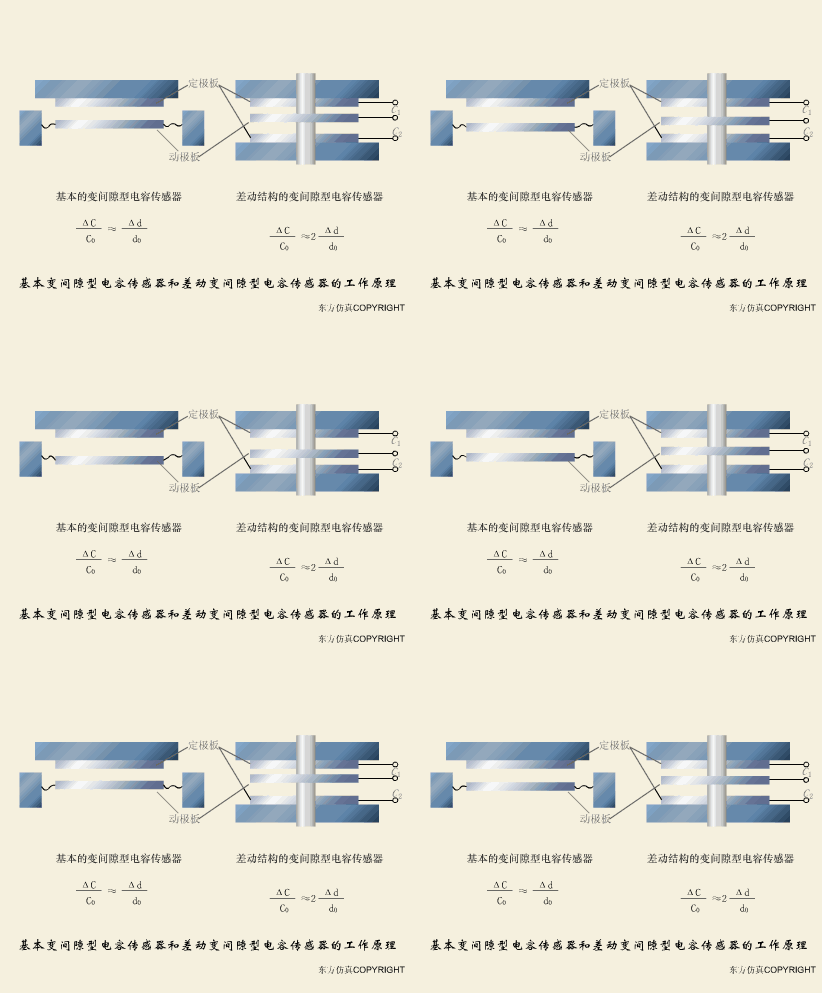
17. Basic Variable Gap Capacitive Sensorand
the Working Principle of Differential Variable Gap Capacitive Sensor
↓↓↓
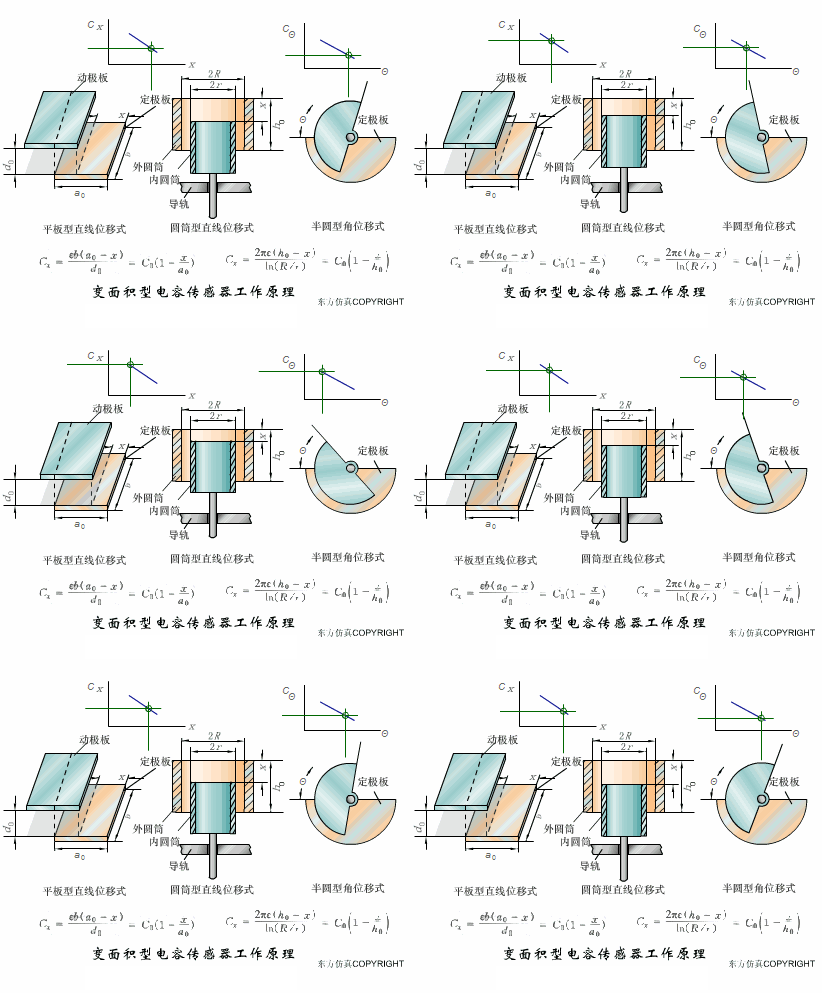
18. Working Principle of Variable Area Capacitive Sensor
↓↓↓
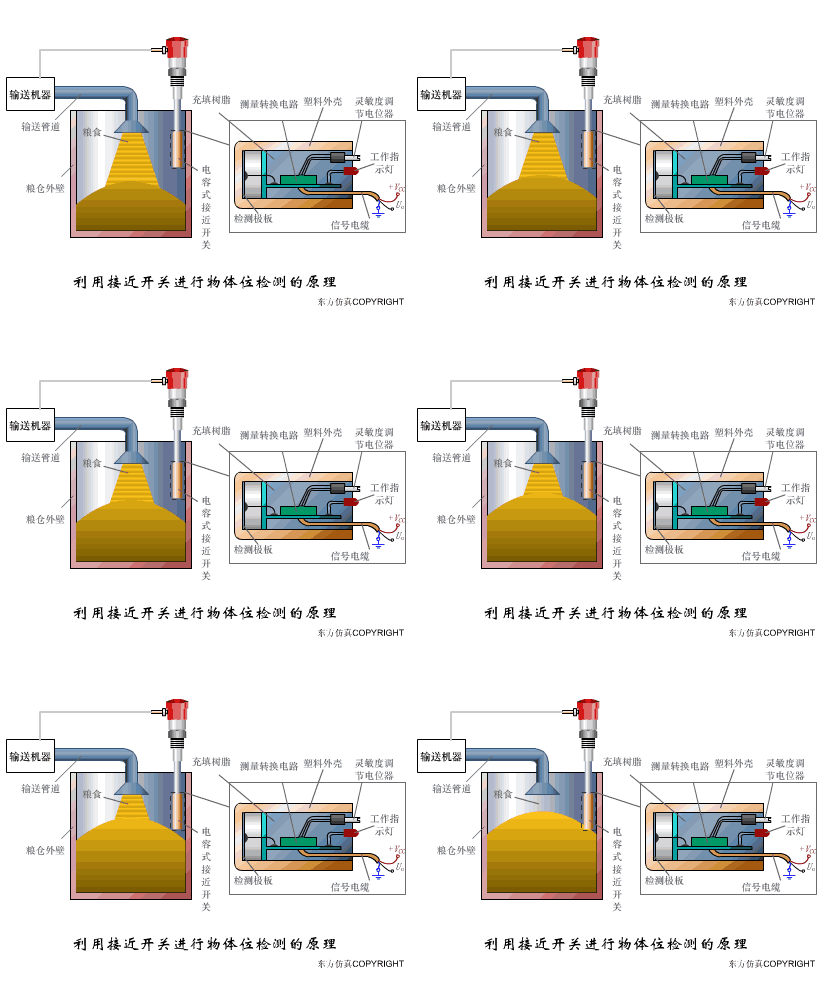
19. Principle of Object Position Detection Using Proximity Switch
↓↓↓
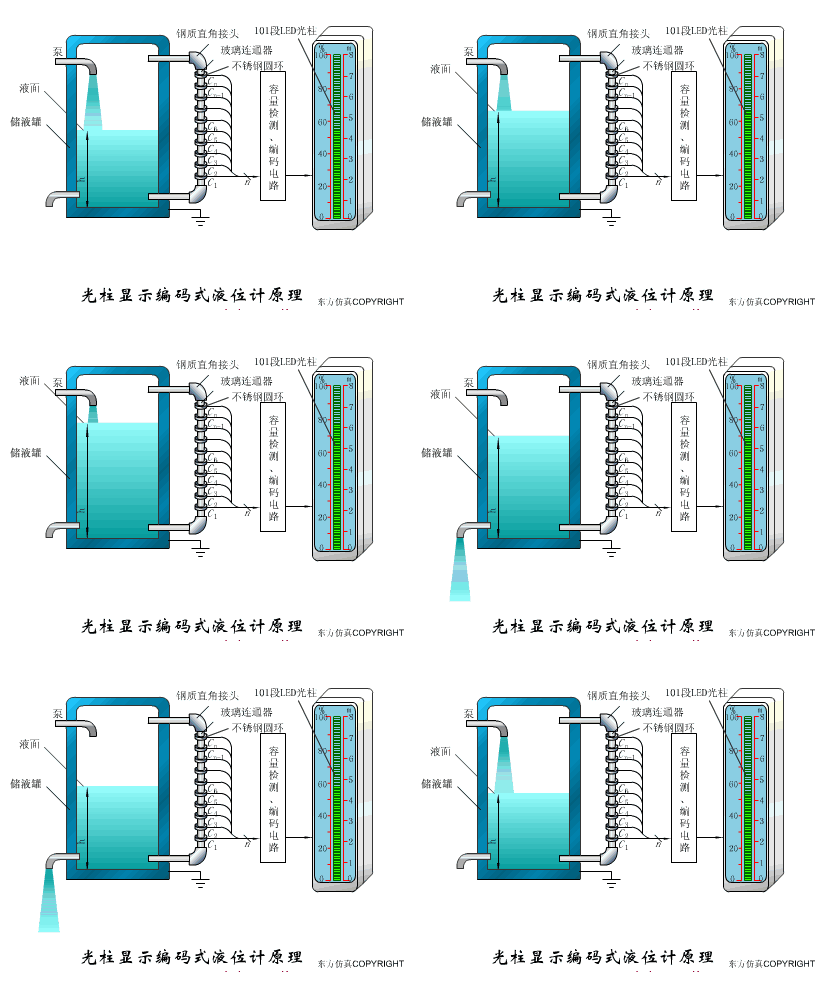
20. Principle of Optical Column Display Encoded Level Meter
↓↓↓
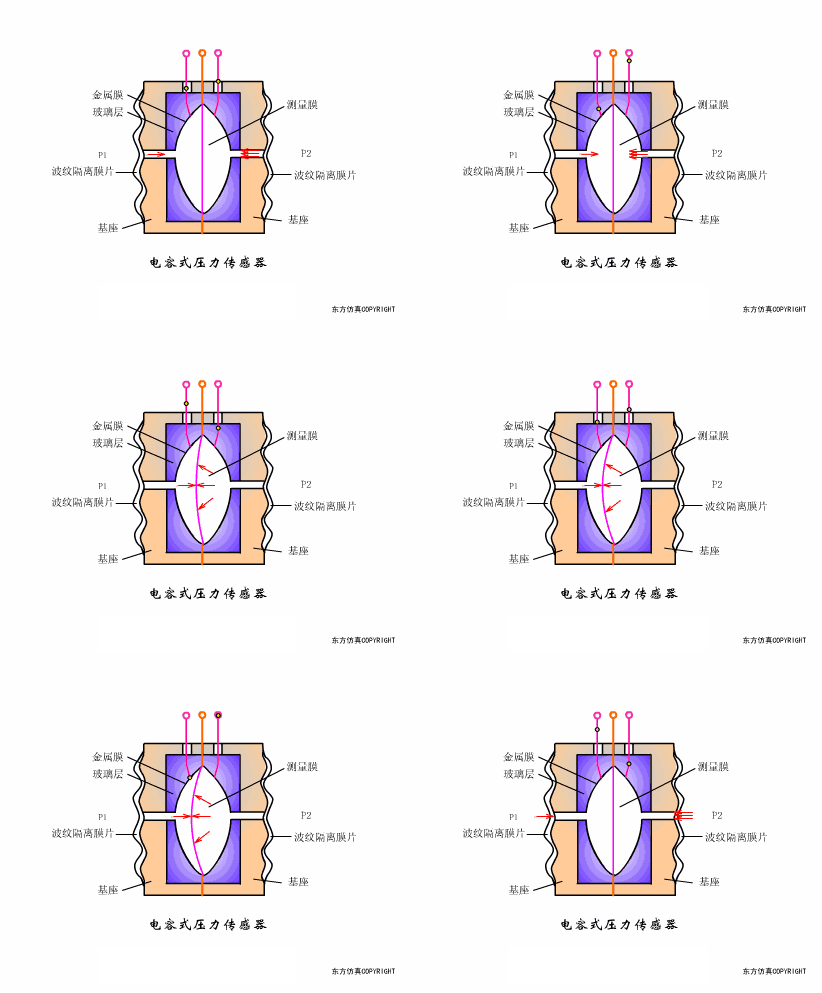
21. Capacitive Pressure Sensor
↓↓↓
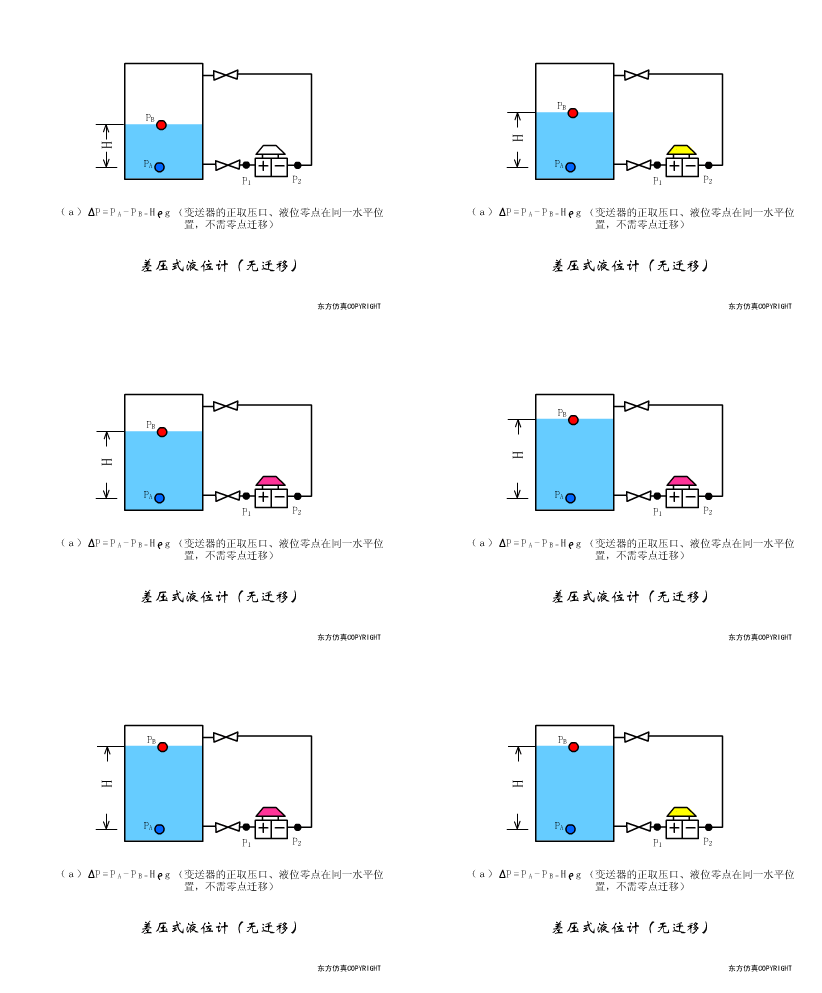
22. Differential Pressure Level Meter a
↓↓↓
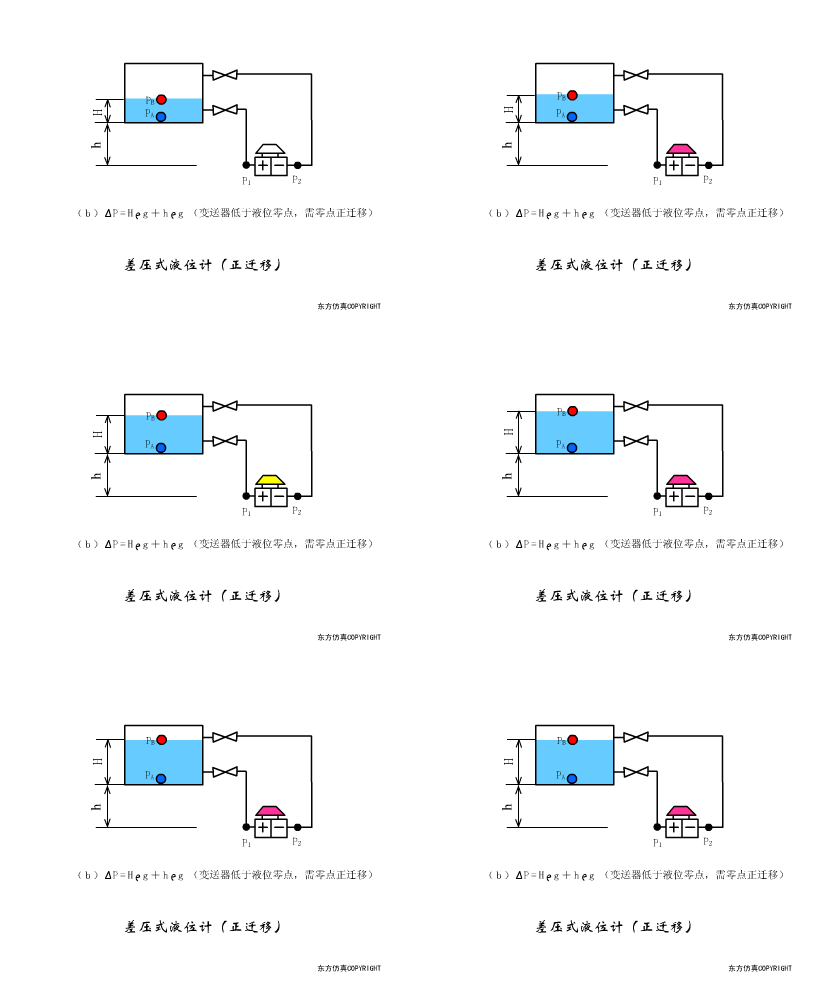
23. Differential Pressure Level Meter b
↓↓↓
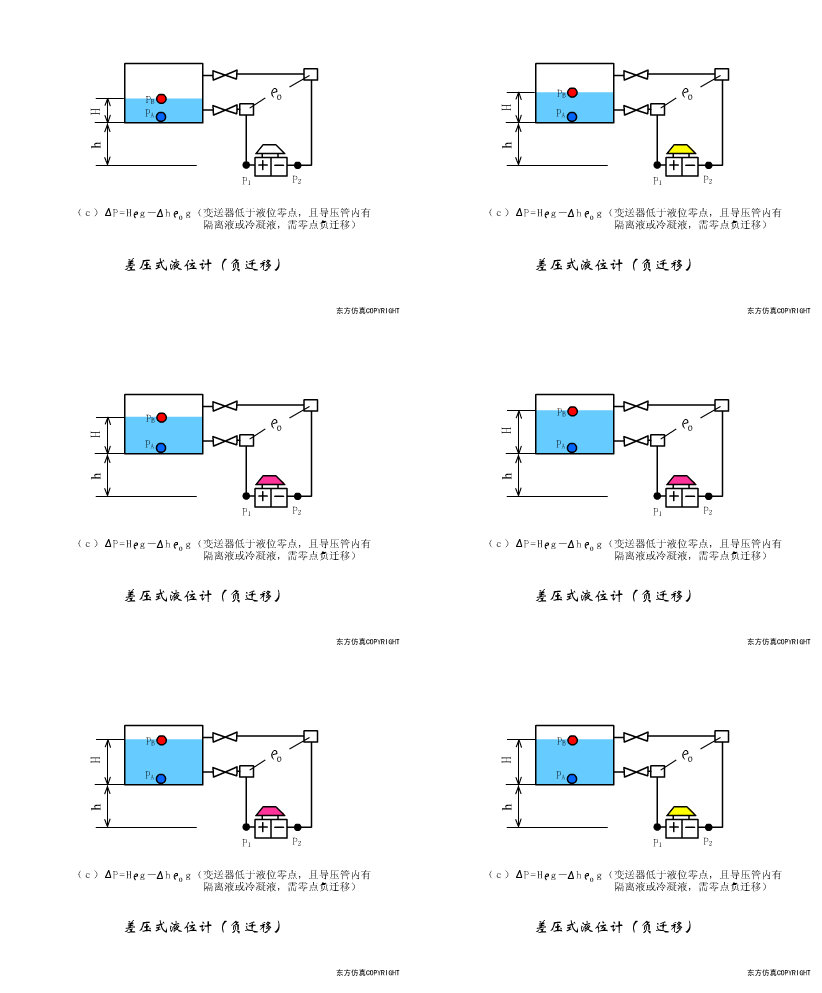
24. Differential Pressure Level Meter c
↓↓↓
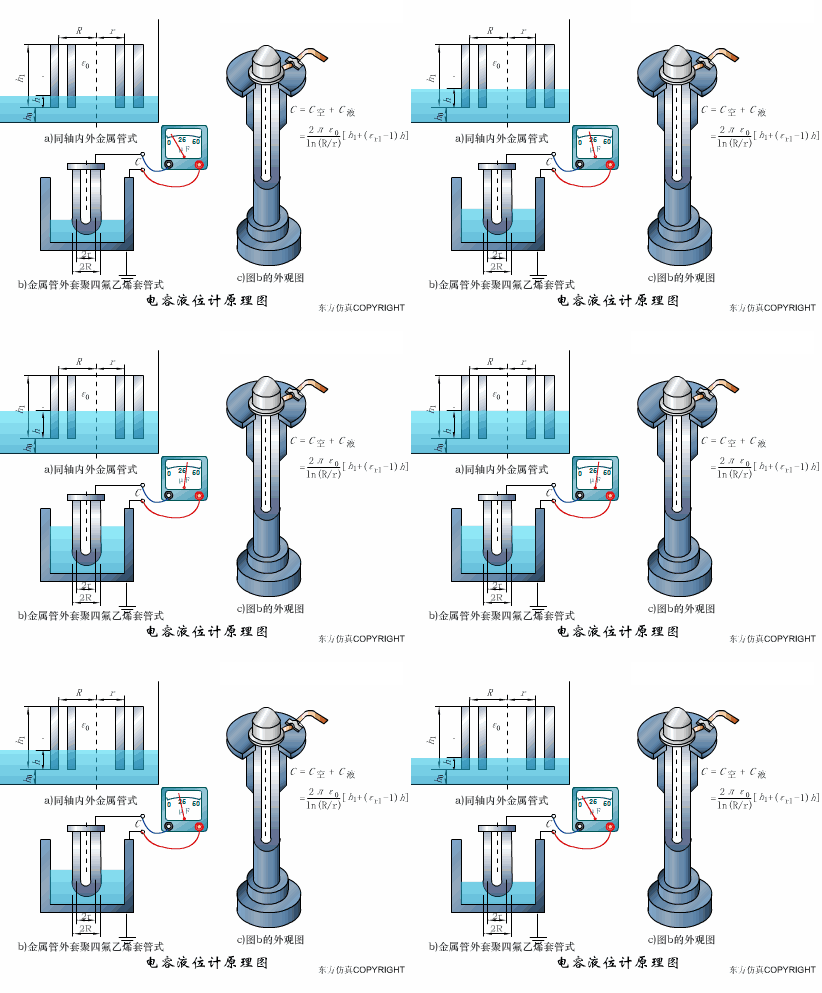
25. Capacitive Level Meter Schematic
↓↓↓
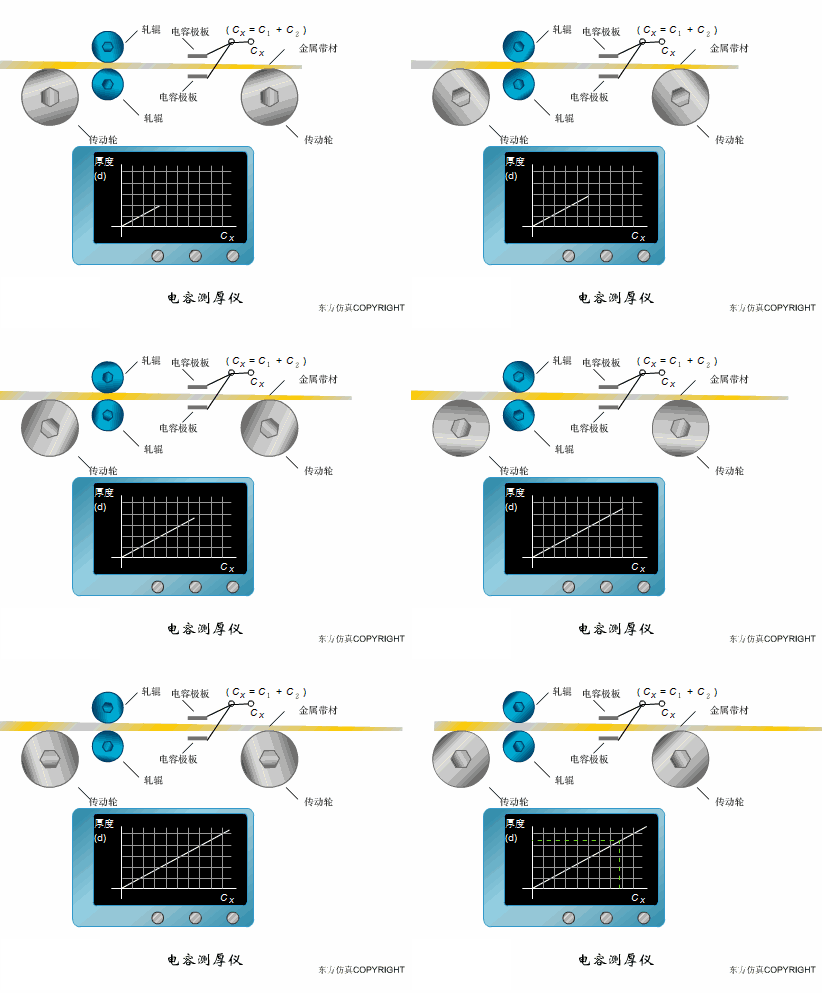
26. Capacitive Thickness Gauge
↓↓↓
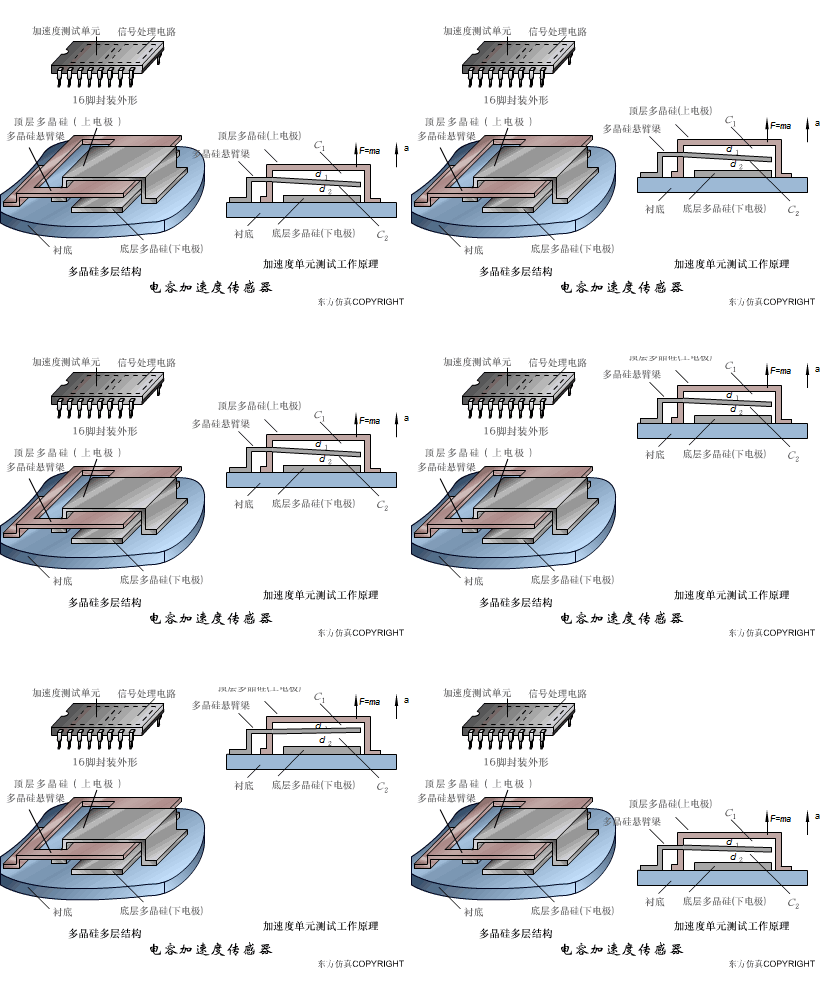
27. Capacitive Accelerometer
↓↓↓
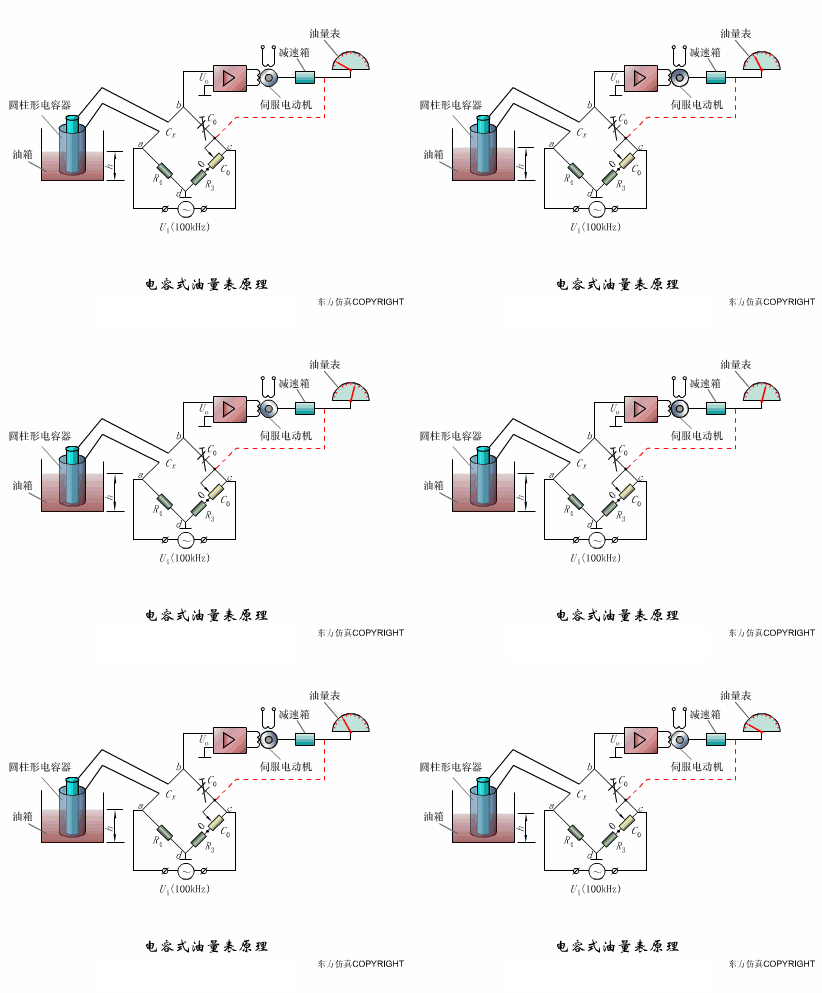
28. Capacitive Fuel Gauge Principle
↓↓↓
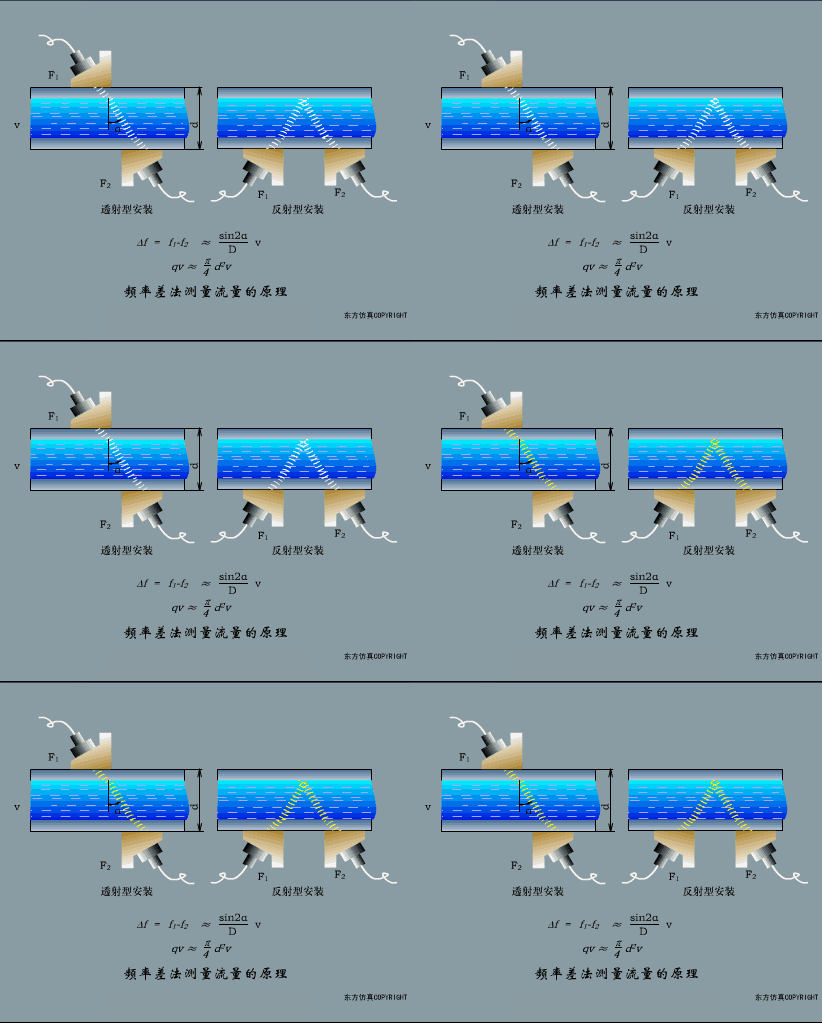
29. Frequency Difference Method for Measuring Flow
↓↓↓
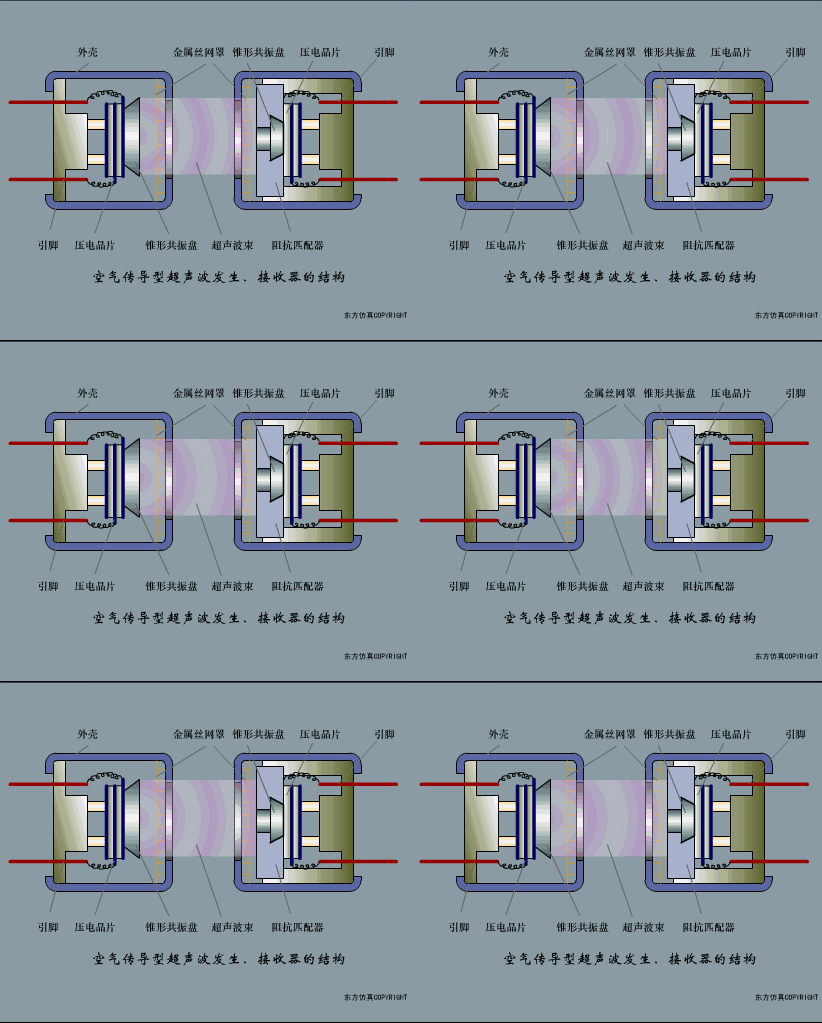
30. Structure of Air-Conducting Ultrasonic Emitter and Receiver
↓↓↓
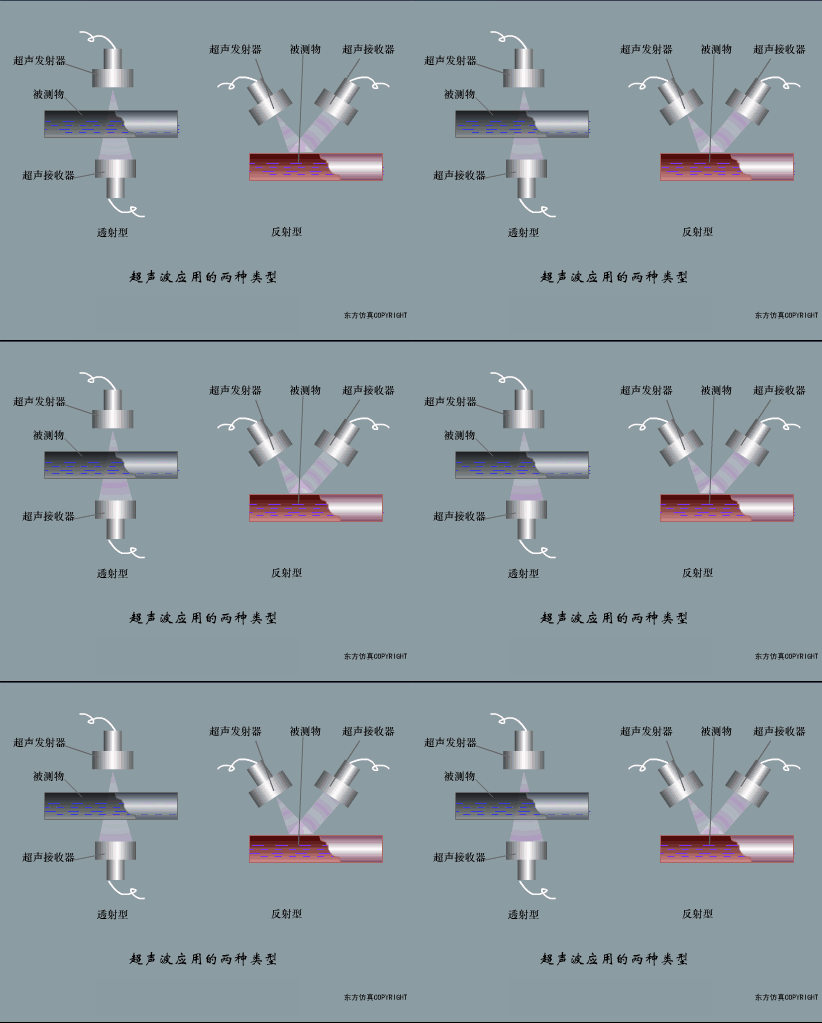
31. Two Types of Ultrasonic Applications
↓↓↓
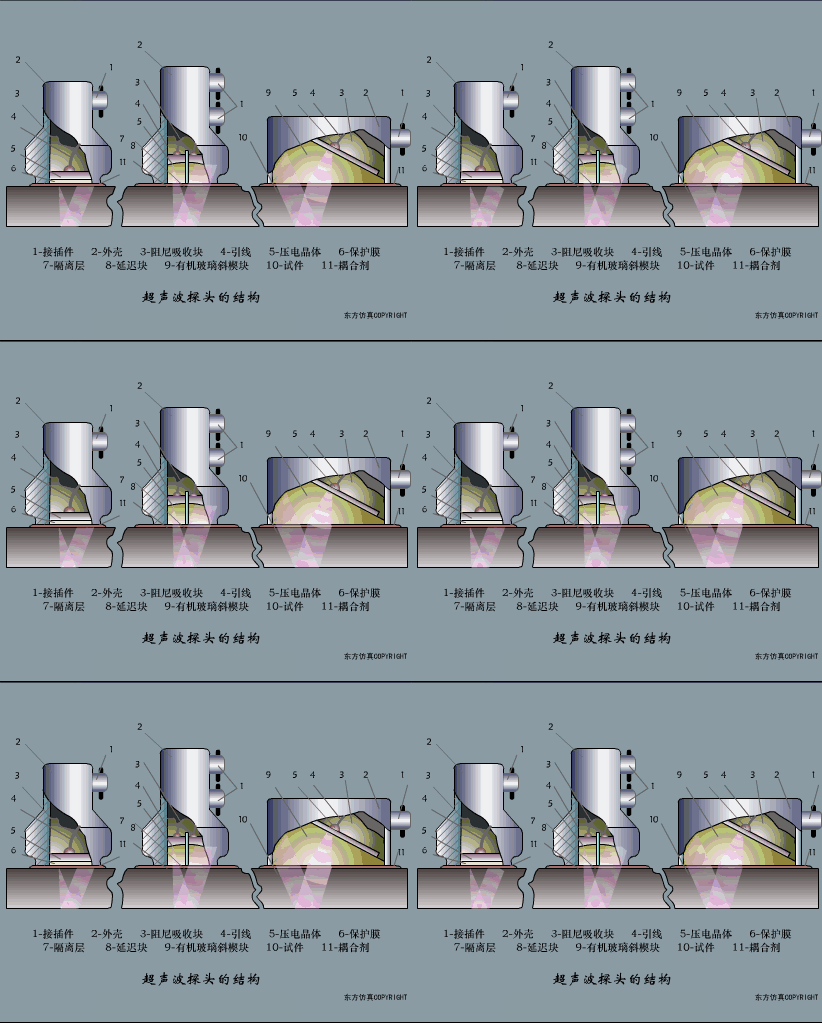
32. Structure of Ultrasonic Probe
↓↓↓
33. Principle of Ultrasonic Flow Meter
↓↓↓
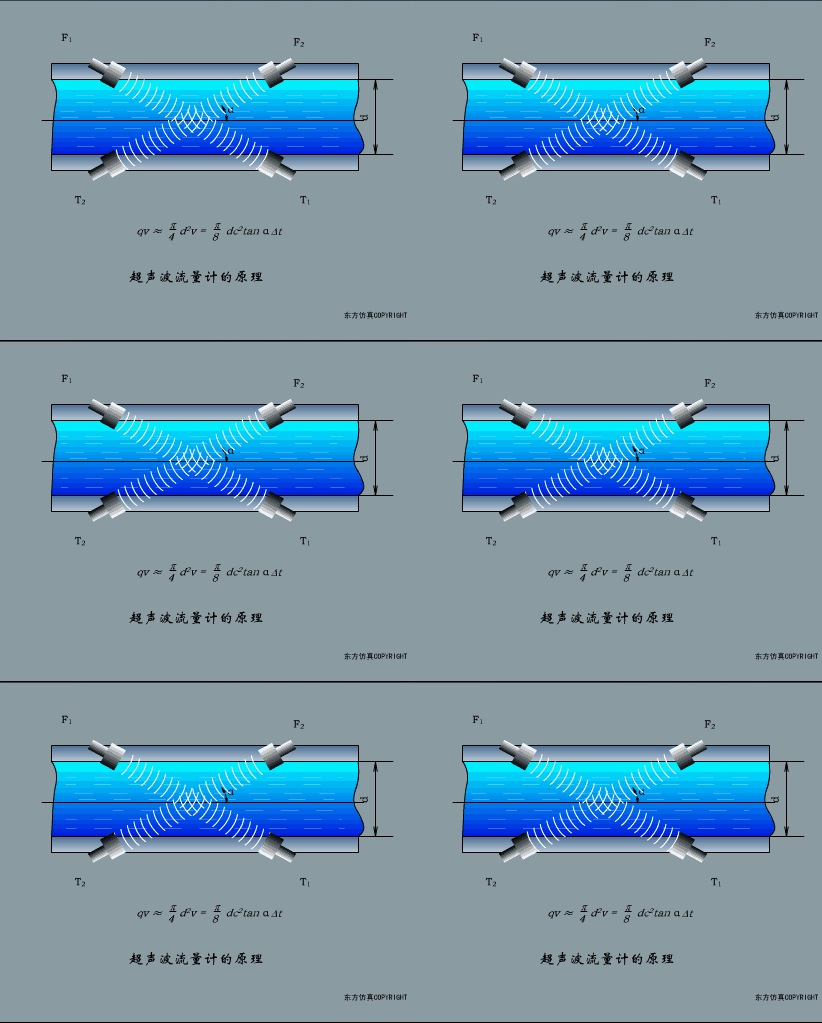
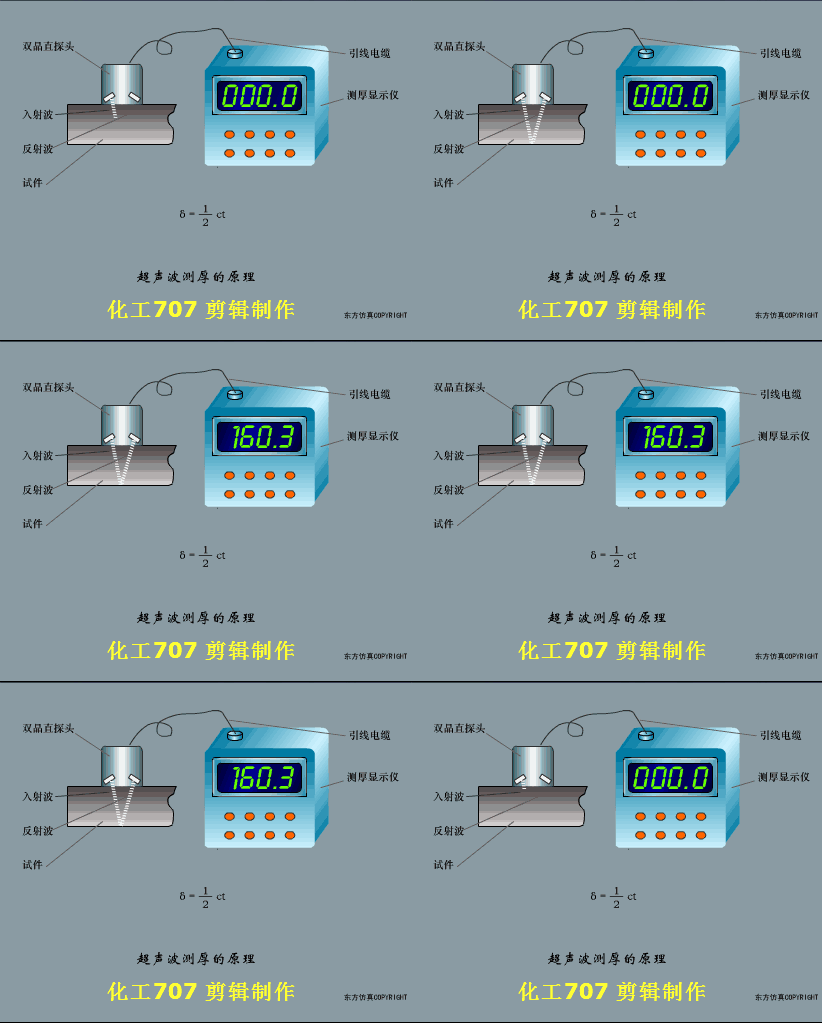
34. Principle of Ultrasonic Thickness Measurement
↓↓↓
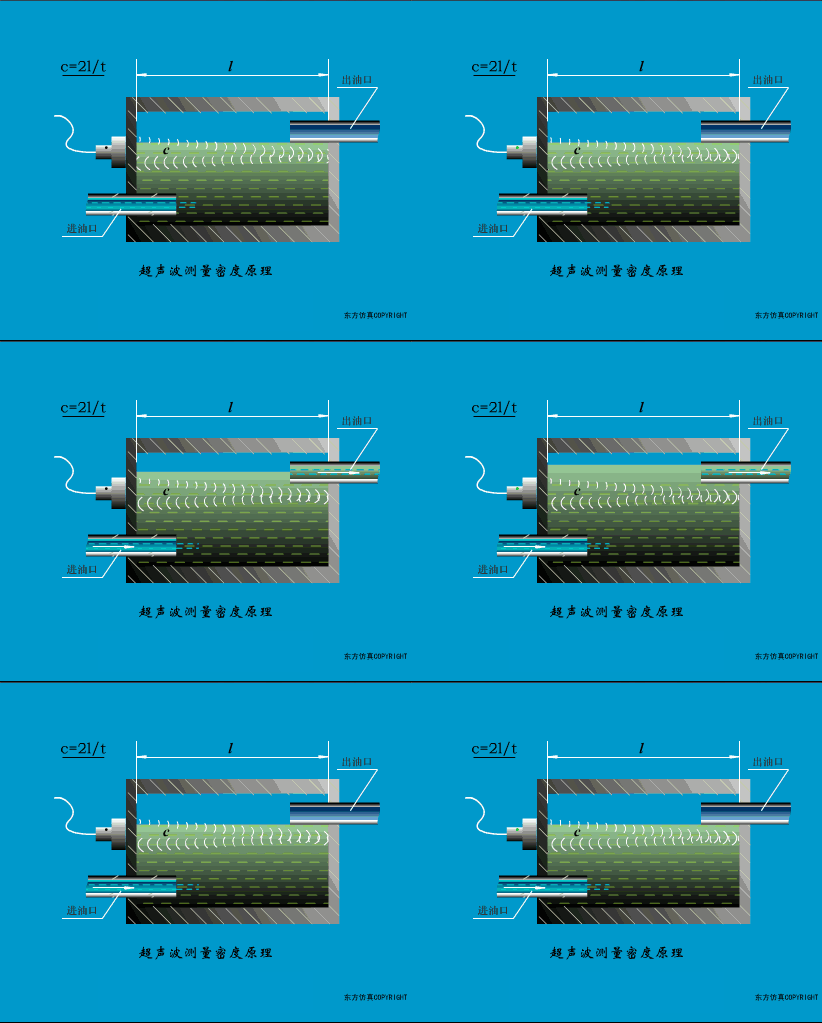
35. Principle of Ultrasonic Density Measurement
↓↓↓
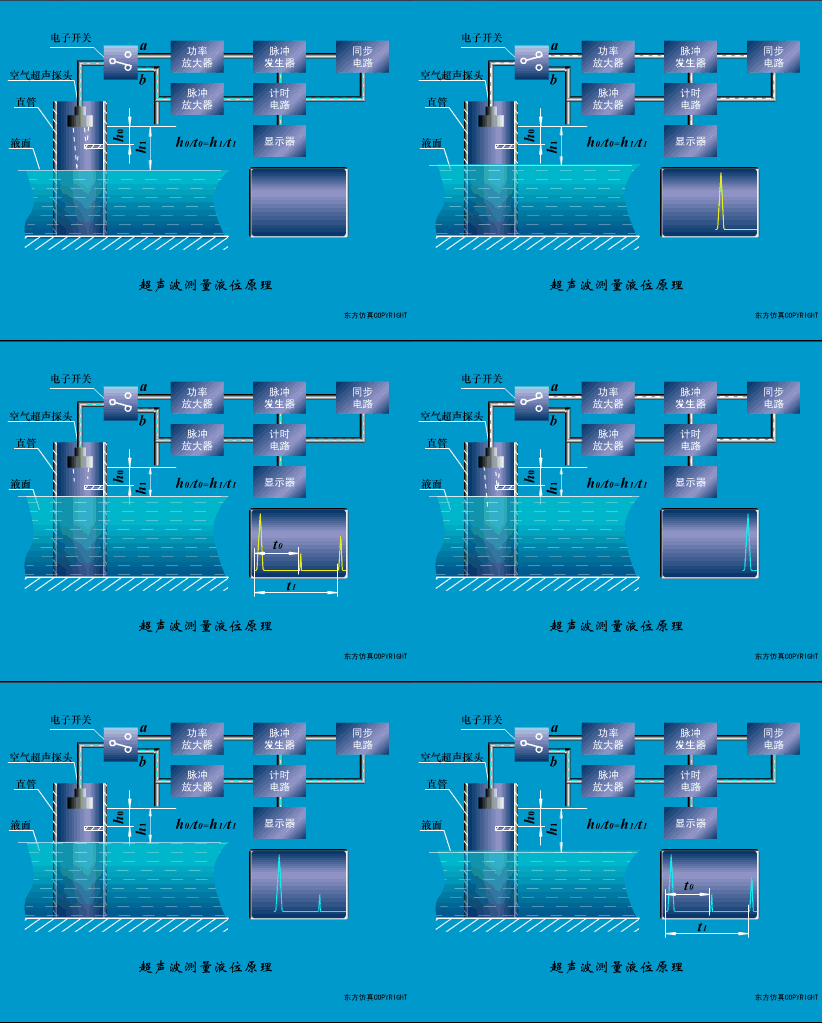
36. Principle of Ultrasonic Level Measurement
↓↓↓
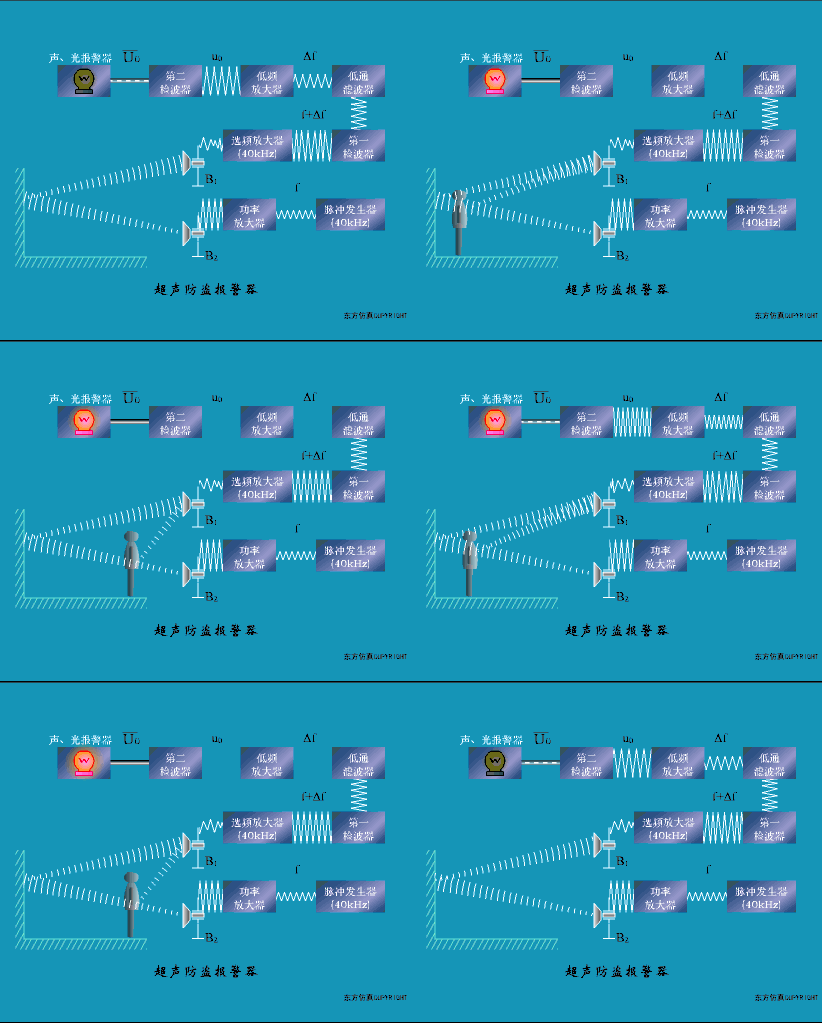
37. Ultrasonic Anti-Theft Alarm
↓↓↓
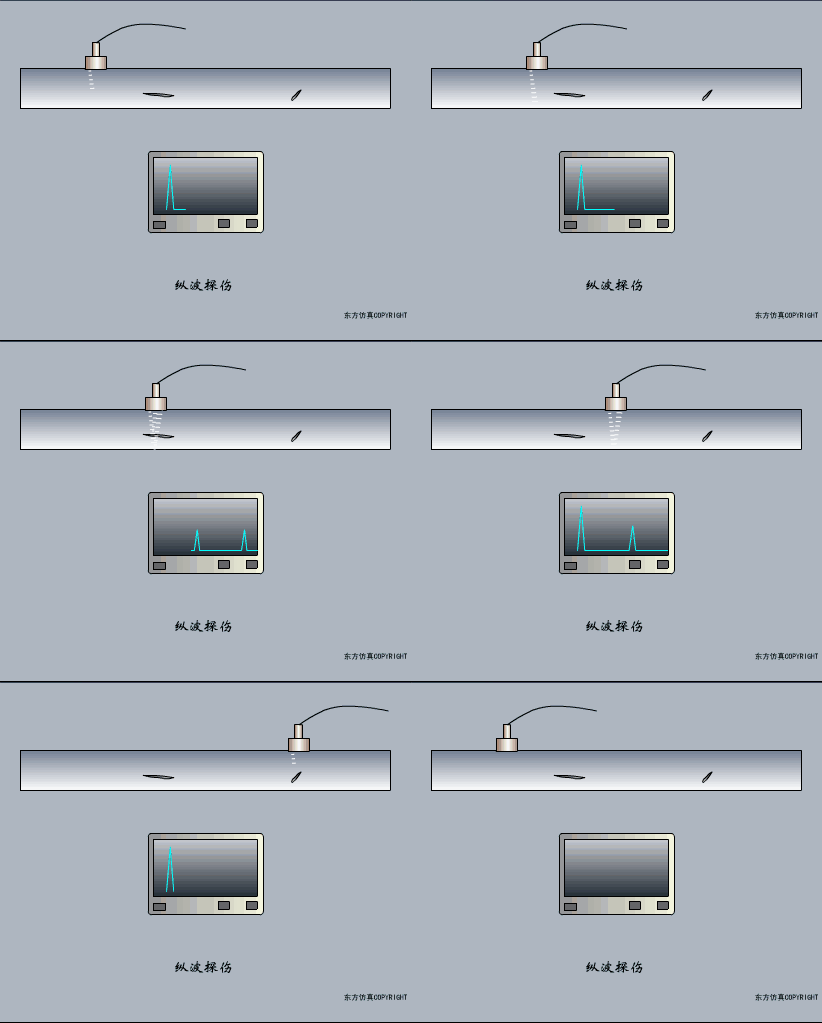
38. Longitudinal Wave Testing
↓↓↓
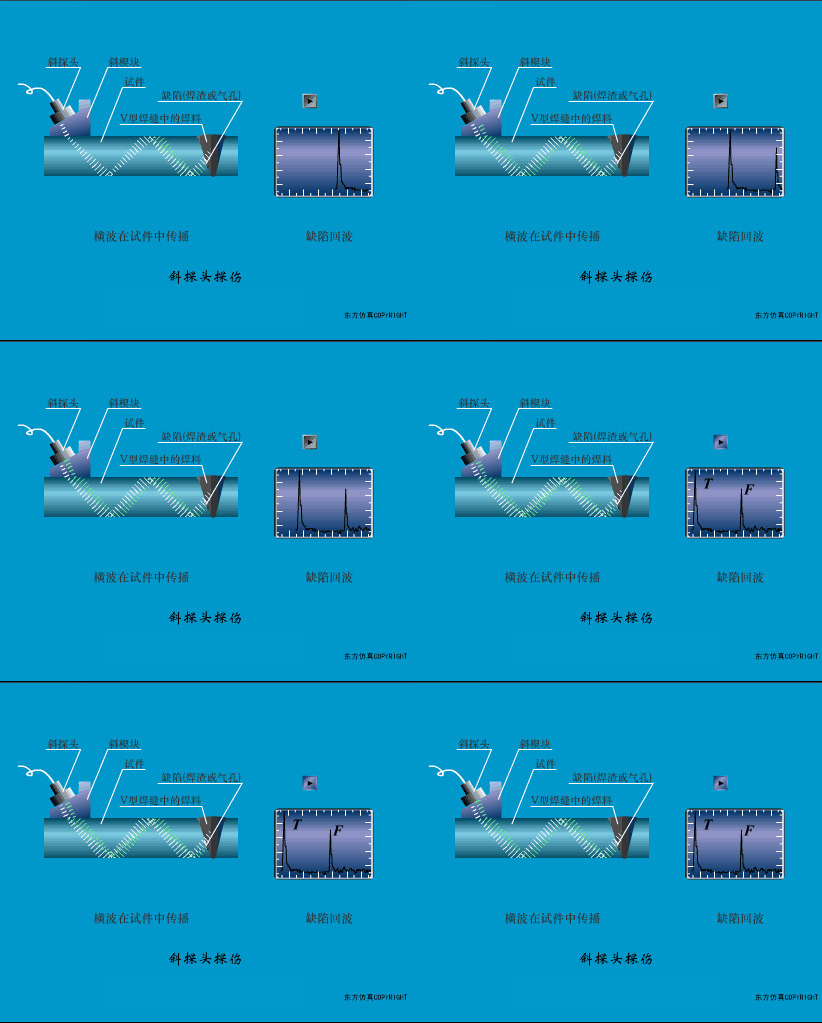
39. Transverse Wave Testing
↓↓↓
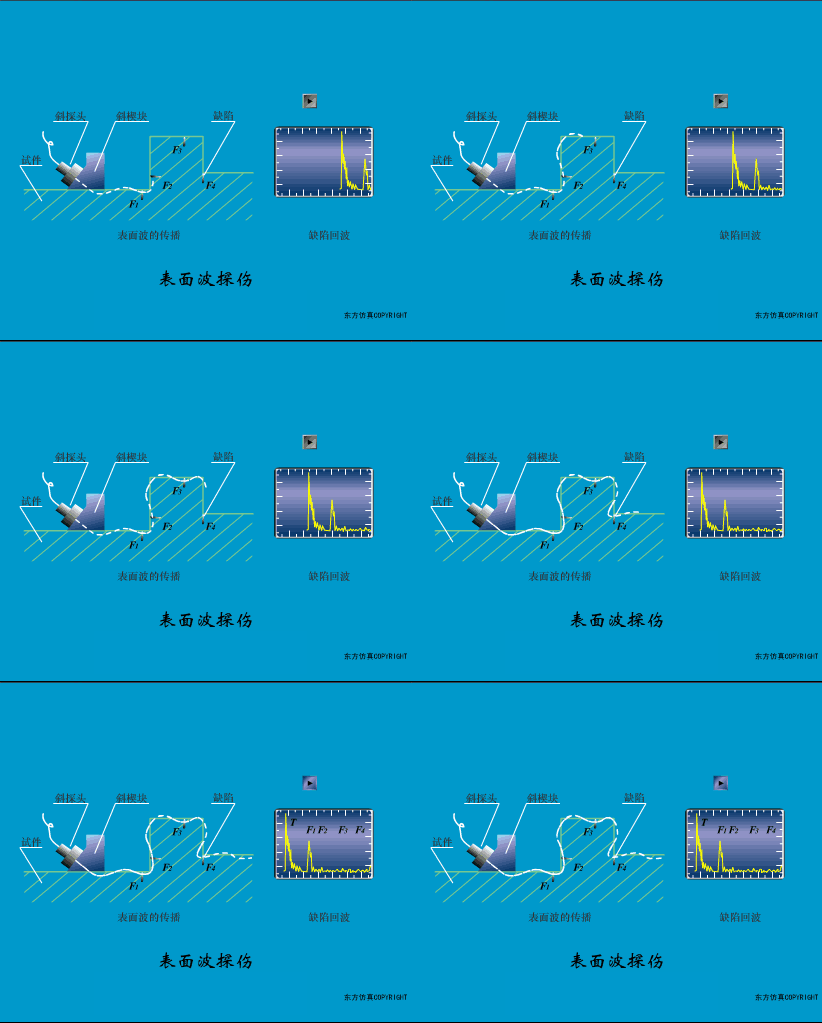
40. Surface Wave Testing
↓↓↓
Source: General Machinery