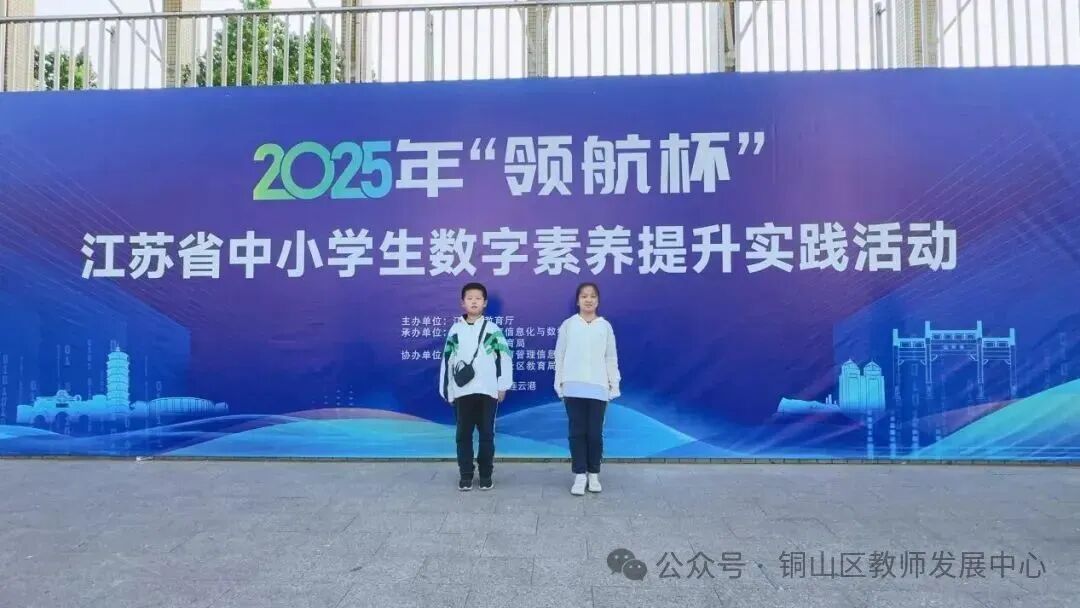
In the 2025 National Teacher and Student Information Literacy Improvement Practice Activity, the representative teams from Mapo Town Central Primary School and Jiangsu Normal University Affiliated School advanced to the national competition. Students Ma Enze and Wang Minghui from Mapo Town Central Primary School were awarded the Innovation Star in the National Teacher and Student Information Literacy Improvement Practice Activity… These achievements are the fruitful results of Tongshan District’s continuous promotion of the “Tongshan Code Plan,” leveraging AI to empower integrated urban-rural development.
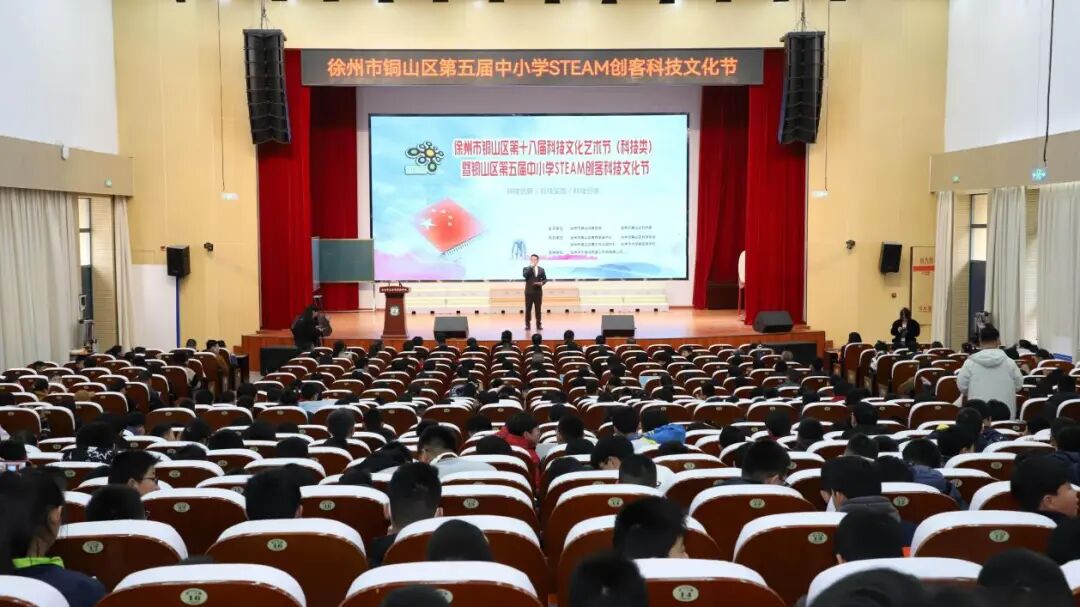
In recent years, Tongshan District has used the “Tongshan Code Plan” and online partnerships between urban and rural schools to popularize artificial intelligence education in primary and secondary schools, actively exploring the construction and application paths of digital resources. Through “Special Delivery Classes” and “Synchronous Classes,” it has supported the development of rural education, developing and constructing “Artificial Intelligence Courses,” “Technology Innovation Courses,” and “Internet Literacy Courses,” effectively improving the information technology and artificial intelligence literacy of primary and secondary school students, mitigating the impact of insufficient teaching resources in rural areas on educational development.
01Online Partnerships Build Bridges for Mutual Assistance in Urban-Rural Education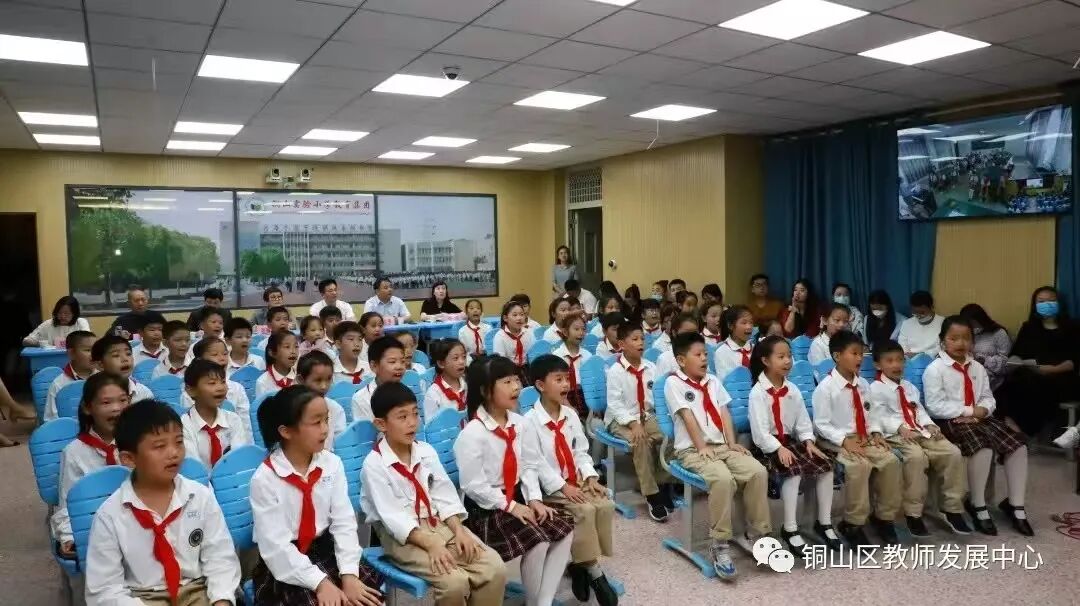
“Online partnerships between urban and rural schools allow our rural students to share high-quality educational resources from the city,” remarked a teacher from Mapo Town Central Primary School. Tongshan District actively implements online partnerships between urban and rural schools, fully leveraging the advantages of high-quality resources from urban schools to assist rural schools in collaborative development. An implementation plan for online partnerships has been developed, establishing 13 main lecture classrooms, 26 listening classrooms, and connecting 126 application terminals to the Jiangsu Province Urban-Rural Partnership Interactive Classroom Platform, building a closely connected bridge of mutual assistance between urban and rural schools.
02Resource Sharing: Constructing a New Digital Teaching Ecosystem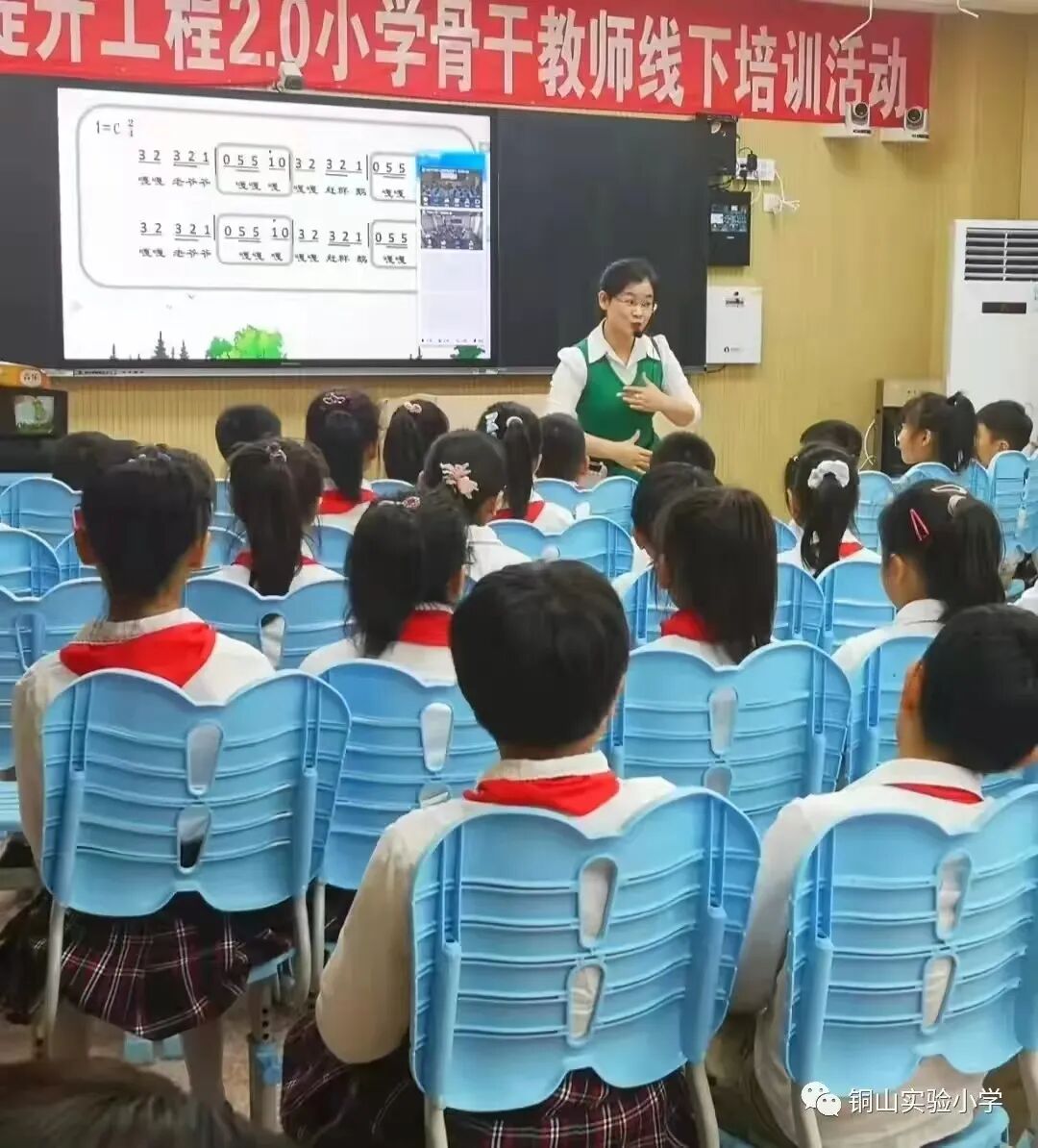
The “Tongshan Education E-Learning Platform” digital ecosystem has become a valuable assistant for education and teaching. The system includes three core platforms: the resource sharing platform integrates high-quality course resources from provincial, municipal, and district levels, establishing a resource library containing 1,200 premium AI courses and 500 teaching cases; the learning management platform records students’ learning trajectories, generating personalized learning reports through big data analysis to support precise learning; the teacher development platform, relying on the Jiangsu Province Zhang Jiasheng Online Famous Teacher Studio, conducts training through “online live broadcasts + offline workshops,” empowering teacher growth. The platform has a special section for “Urban-Rural Partnerships,” supporting urban teachers and rural teachers in forming collaborative lesson preparation groups, achieving real-time sharing and discussion of lesson plans, teaching materials, and teaching videos. Within two years of its launch, the resource access volume reached 600,000, and the online lesson preparation participation rate of rural teachers increased significantly from 21% to 78%, showing remarkable results.
03Interactive Teaching: Innovating the “1+N” Training Model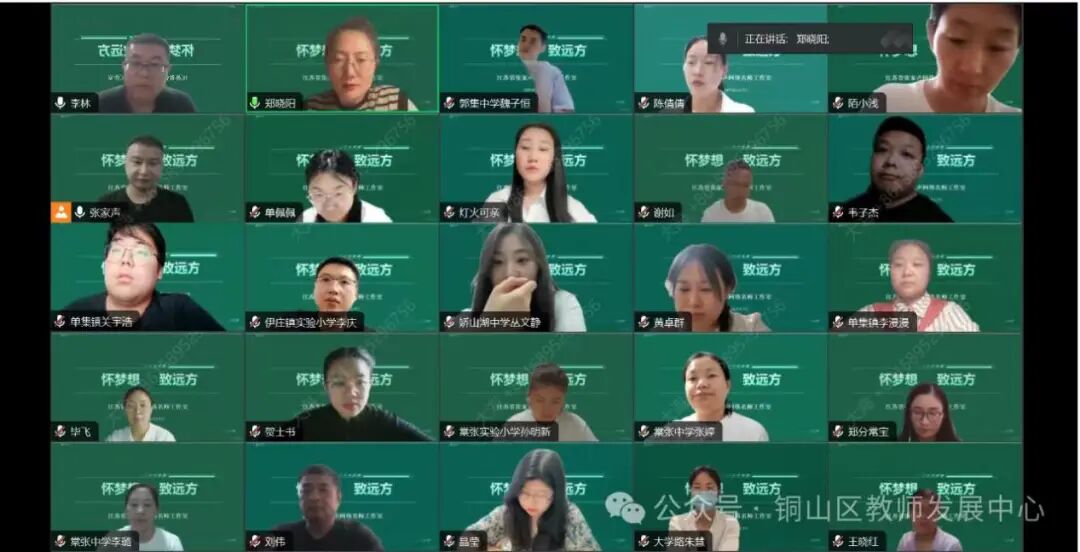
Tongshan District has proposed the “1+N” paired teaching and training model, utilizing special delivery classes, famous teacher classes, and renowned school online classes to achieve integrated online and offline teaching research. “1” refers to the main lecture classroom, where the main classroom teacher is responsible for teaching, while “N” refers to the remote listening classrooms that require assistance, where listening teachers support the main teacher in conducting teaching activities.
In the special delivery classroom, through a 5G+4K real-time interactive system, the main lecture classroom in urban schools is connected to the listening classrooms in rural schools, pushing 2-3 AI courses weekly. The “dual-teacher teaching” model allows urban and rural teachers to jointly handle knowledge explanation and classroom guidance, enabling urban and rural students to participate in classroom teaching simultaneously and share high-quality interactive learning resources.
The famous teacher classroom has formed a core team of 22 key teachers from urban and rural areas, developing six teacher training courses such as “AI + Scientific Modeling” and “Interdisciplinary Project Design,” using a training format of “case study + micro-teaching” to break down AI teaching capabilities into 12 micro-skills, enhancing rural teachers’ AI teaching abilities through a cycle of “theoretical learning – practical exercises – feedback improvement.”
With Tongshan Experimental Primary School, Tsinghua High School, and six other prestigious schools as the core, an “AI Innovation Practice Base” has been established, radiating to 153 schools in the district through online classrooms. The “AI + Subject” series course packages developed by the base (including teaching design, teaching materials, and experimental equipment lists) are freely available to rural schools. In 2024, a total of 15 schools in the district won awards in the provincial “Pilot Cup” information technology competition, with an award rate increasing by 27% year-on-year, and rural schools accounting for 41% of the awards, a 19 percentage point increase.
04Curriculum Development: Building a Three-Tier AI Classroom Structure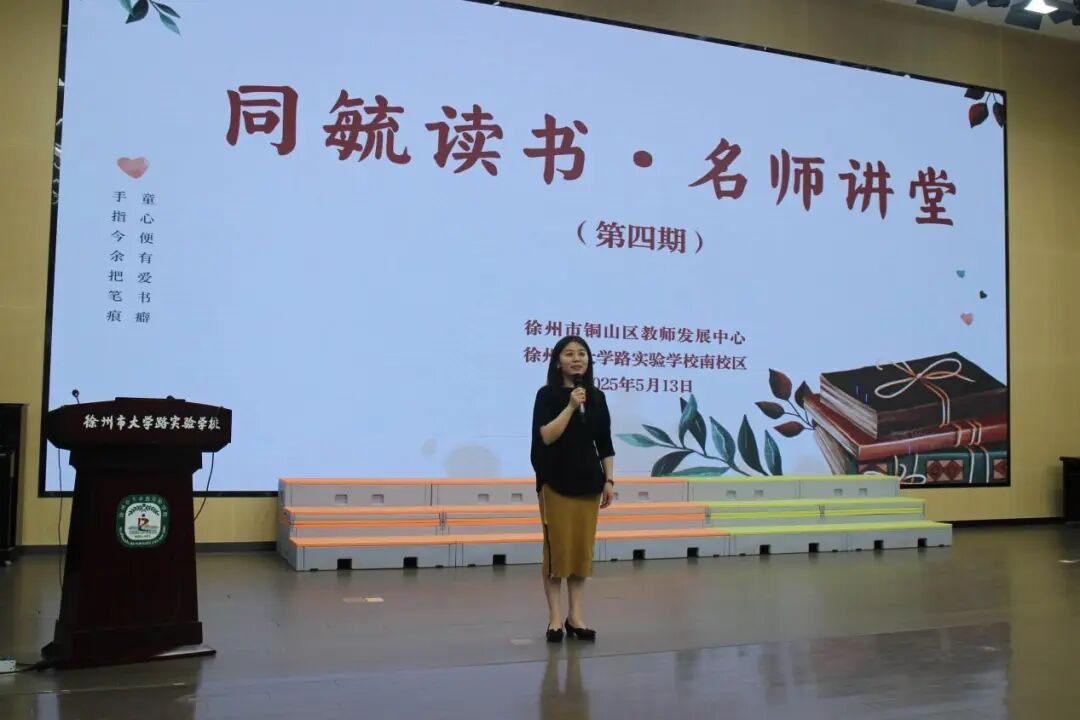
Tongshan District has developed an artificial intelligence integrated curriculum system based on a three-tier structure of “Foundation – Enhancement – Expansion.” The foundation layer offers courses such as “Scratch Fun Programming” and “Introduction to Arduino,” using a teaching model of “graphical programming + hardware assembly” to cultivate students’ foundational computational thinking; the enhancement layer includes courses like “AI Creative Design” and “New Media Technology Applications,” introducing generative AI technologies such as text-to-text, text-to-image, and text-to-video, and conducting interdisciplinary project learning in line with the STEAM concept; the expansion layer develops cutting-edge courses such as “Fundamentals of Machine Learning” and “Intelligent Robot Design” as elective content for clubs.
The “Building Block Robot” course developed by Tongshan Experimental Primary School lowers the learning threshold through modular components, allowing third-grade students to complete simple robot programming tasks; Tsinghua High School’s “AI + Physics” course enables students to analyze motion data through machine learning algorithms, achieving a deep integration of technology and subjects.
05Intellectual and Aesthetic Education: Collaboratively Promoting Comprehensive Development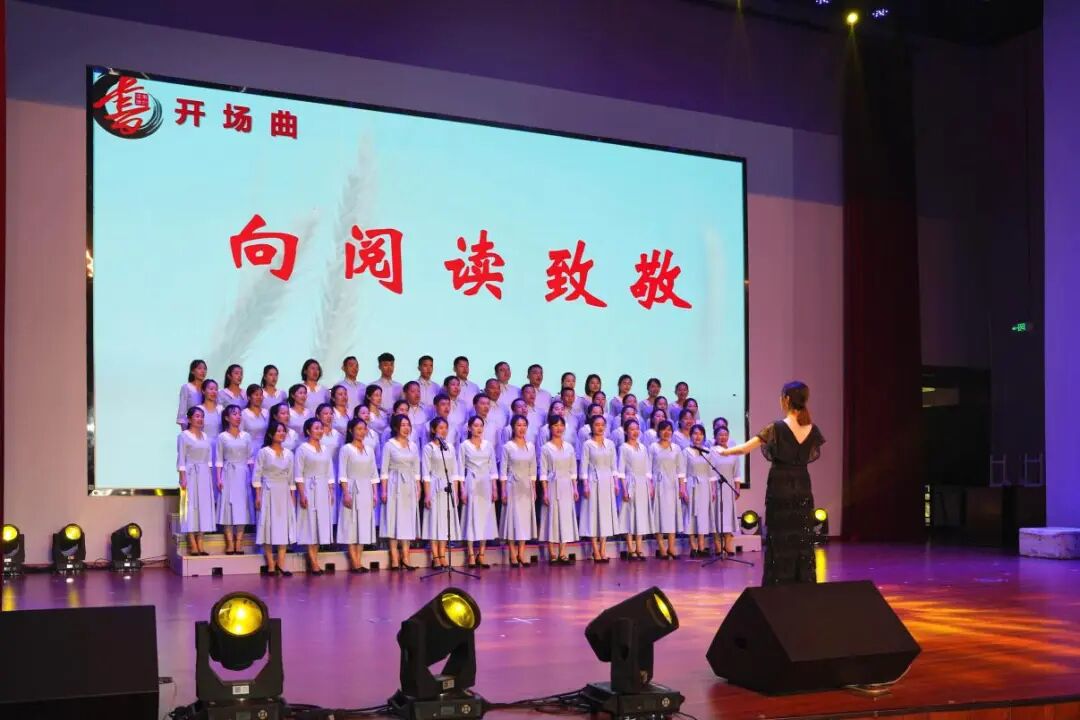
Tongshan District emphasizes the collaborative promotion of intellectual and aesthetic education. Utilizing the internet and artificial intelligence, it has established the “Tongshan Reading New Ecosystem” and other virtual communities for teacher reading, organizing online reading, sharing, and discussion activities to promote the collaborative development of professional qualities among urban and rural teachers. Currently, a district-level reading society has been established, along with 132 school-level reading societies, with 2,875 members, forming a good reading ecosystem of cooperation and interaction.
Through various project platforms such as rural cultivation stations, rural education leader cultivation stations, city-county cooperation projects, and famous teacher studios, aesthetic education “immersion” projects are carried out to cultivate rural backbone teachers and young teachers in a tiered manner. Music education narratives are written, and student-teacher choir competitions are organized to enhance the aesthetic education quality of teachers and students. The district, town, and school levels work together to carry out “famous teachers delivering lessons” activities, bridging the “last mile” in rural areas, allowing more rural children to experience high-level aesthetic education teaching up close.
Looking ahead, Tongshan District will continue to explore effective paths for the deep integration of artificial intelligence and education, relying on the “Tongshan Code Plan,” allowing the seeds of smart education to take root and flourish in urban and rural soil, yielding equitable and high-quality educational outcomes.
First Review: Tongshan District Education BureauSecond Review: Municipal Education Technology CenterThird Review: High Propaganda Office