With the development of sensors towards electronic and digital directions, automotive sensors have expanded from being solely used in engines to now being applied in chassis, body, and lighting electrical systems. The output values of automotive sensors will have more relevant applications (applications of automotive sensors). Therefore, manufacturers are developing and producing better sensors. So, what is the role of automotive sensors? The author has collected and organized information to provide a simple summary of the functions of commonly used automotive sensors.
1. Intake Pressure Sensor
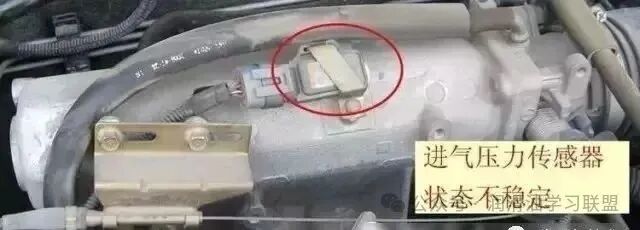
The intake pressure sensor is used to indirectly measure air;
When the throttle is released, the vacuum is high; when the throttle is pressed, the vacuum is low;
When the vacuum is low, more fuel is injected, and at medium to low loads, it is proportional!
To find it is easy, just look for the traces behind the throttle!
2. Crankshaft Position Sensor
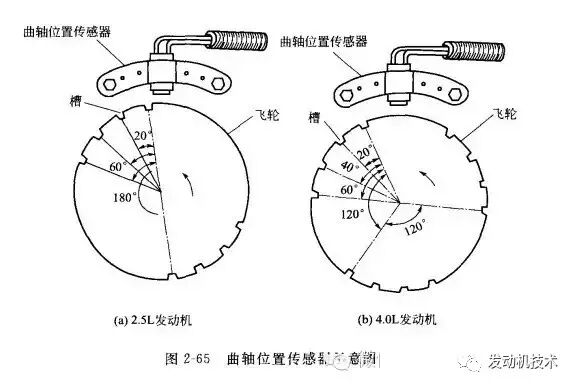
The crankshaft position sensor has an irreplaceable role;
If the signal is lost, how can the engine start?
At this time, the computer is confused, not knowing which cylinder is at the top dead center!!
3. Camshaft Position Sensor
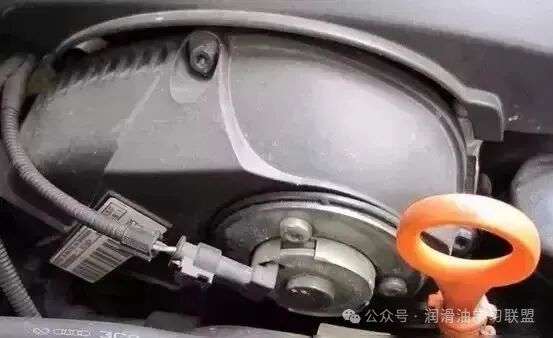
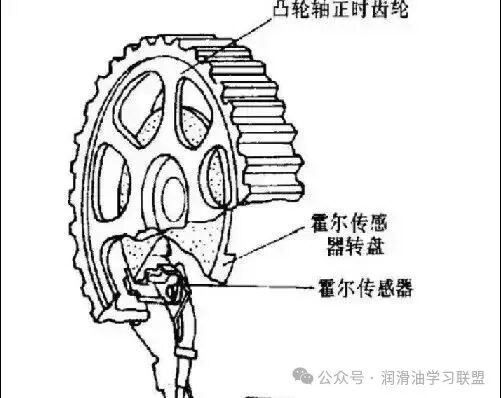
The camshaft position sensor is generally installed in the distributor;
If not installed in the distributor, look for it in front and behind the camshaft!
Its function is simple, specifically measuring the top dead center of one cylinder;
Reporting to the computer is sufficient, firing in sequence, without it the computer cannot operate……
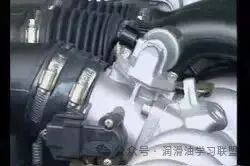
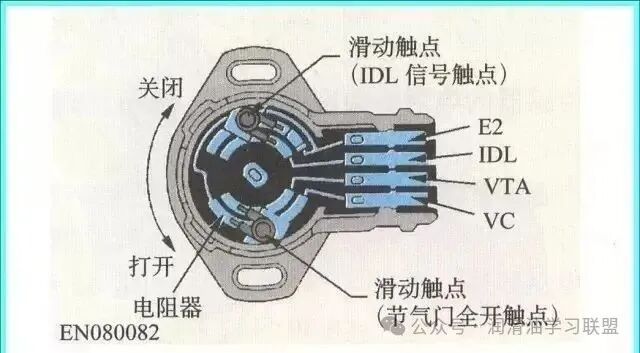
4. Throttle Position Sensor
The throttle position sensor provides the load signal;
Remember the five working conditions, four of which are related to it!
When the flap is closed, it is idle, the signal voltage is a few tenths;
When the flap is wide open, the load is high, the signal voltage is four point eight;
It not only controls the engine but also the automatic transmission!
5. Heated Oxygen Sensor
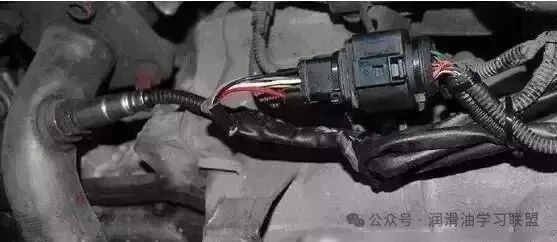
The heated oxygen sensor measures oxygen in the exhaust pipe;
It is used to control the air-fuel ratio, zirconia is the electrolyte, generating electromotive force by itself;
When there is too much oxygen, the fuel is lean, signal voltage 0.1; when there is too little oxygen, the fuel is rich, signal voltage 0.9;
The computer adjusts the fuel amount based on this, changing 8 times every 10 seconds, if it doesn’t change, replace it quickly!
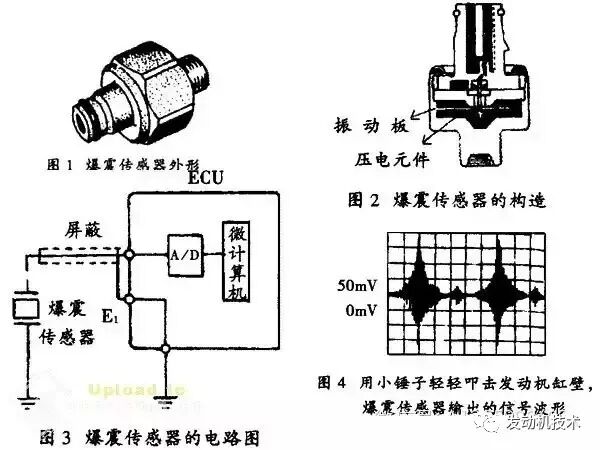
6. Piezoelectric Knock Sensor
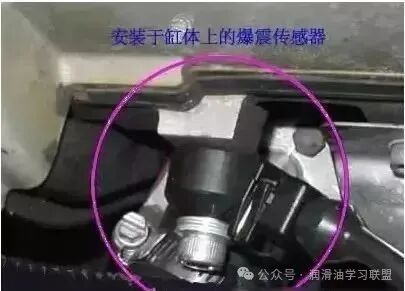
The piezoelectric knock sensor is generally installed on the cylinder block;
Once it detects the knock frequency (6-9KHz), the ignition angle is retarded,
Knocking then disappears, and ignition starts to advance;
It controls the best ignition point, always at the edge of the knock zone!
One of the characteristics of modern automotive technology development is that more and more components are adopting electronic control. The operation of electronic automatic control relies on the feedback information from sensors. According to statistics, there are currently about dozens of sensors in an average car, while high-end cars have more than 100 sensors.
Source: InternetDoes not represent the views of this platform, for reference only. Grateful to the original author, copyright belongs to the original author. If there is any infringement, please leave a message to delete it.