🔍Introduction: The Evolution from Wild Pointers to Type Safety
C++17/23 introduced std::optional, std::variant, std::expected, and Herb Sutter‘s Herbception, which form the three pillars of modern C++ type safety. This article provides a comprehensive analysis of their differences and practical scenarios through illustrations+code, helping you write more robust code!
🛡️ 1. std::optional: An Elegant Expression of a Single Type that “May Exist”
Definition: A template class standardized in C++17, encapsulating a single type T that can either contain a value or be empty, replacing traditional ambiguous solutions like nullptr/-1.Structural Diagram: Core Features:
·Storage: T type value + Boolean flag (has_value() to check status)
·Empty state: Represented by std::nullopt, avoiding wild pointer risks
·Safe access: value() throws an exception when no value is present, while value_or(default) provides a default value
Practical Scenario:
cpp
|
// Safe return for finding even numbers |
|
std::optional<int> findFirstEven(const std::vector<int>& vec) { |
|
for (int num : vec) |
|
if (num % 2 == 0) return num; // Directly return value |
|
return std::nullopt; // No value found, return empty |
|
} |
|
// Caller: Safe unpacking |
|
auto result = findFirstEven({1,3,5,4,7}); |
|
if (result) std::cout << “Found: ” << *result; // Output4 |
|
else std::cout << “Not found”; |
🔮 2. std::variant: A Type-Safe Union for “One of Many Types”
Definition: A type-safe union in C++17 that can store any type from T1, T2, …, TN, identified by the current type using index().Structural Diagram: Core Features:
·Type safety: Compile-time checks on type boundaries, avoiding undefined behavior of union
·Access control: std::get<T>() to retrieve value, std::holds_alternative<T>() to check type
·Performance optimization: Zero additional overhead, directly storing type instances
Practical Scenario:
cpp
|
// Configuration parser: Supports int/string/bool three types |
|
std::variant<int, std::string, bool> parseConfig(const std::string& key) { |
|
if (key == “timeout”) return 30; // int |
|
if (key == “name”) return “Server”; // string |
|
return false; // bool |
|
} |
|
// Type-safe access |
|
auto config = parseConfig(“timeout”); |
|
if (std::holds_alternative<int>(config)) |
|
std::cout << “Timeout: ” << std::get<int>(config); |
🚨 3. std::expected: A “Binary Carrier” of Success Values + Error Information
Definition: Standardized in C++23, std::expected<T, E> enforces a distinction between success values T and error information E, replacing the mixed approach of exceptions and return codes.Structural Diagram: Core Features:
·Dual state: Stores T on success, and E on failure (retrievable via error())
·Chaining operations: and_then(), or_else() support functional composition
·Performance advantage: Zero exception overhead, suitable for high-performance scenarios
Practical Scenario:
cpp
|
// Safe parsing of string to number |
|
std::expected<double, std::string> parseNumber(const std::string& input) { |
|
try { return std::stod(input); } |
|
catch (…) { return std::unexpected(“Invalid input”); } |
|
} |
|
// Chaining error handling |
|
auto result = parseNumber(“123”) |
|
.and_then([](double v) { return v * 2; }) |
|
.or_else([](const std::string& err) { |
|
std::cerr << “Error: ” << err; |
|
return 0; |
|
}); |
🧩 4. Herbception: The Ultimate Balance of Performance and Usability
Concept: A paradigm for error handling proposed by Herb Sutter, integrating the null value semantics of optional, the success/error duality of expected, and the multi-type selection capability of variant, forming a zero-overhead abstraction.Comprehensive Diagram: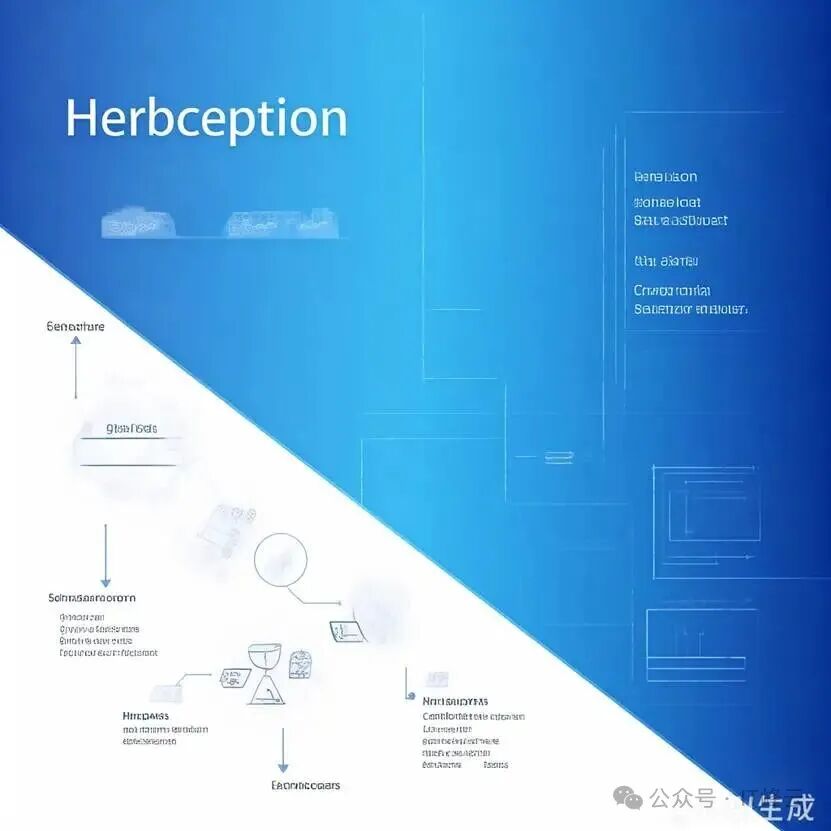 Core Ideas:
·Unified error handling: Explicitly express success and error through expected, avoiding implicit states
·Type-safe extension: Combine variant to handle multi-type returns, and optional to handle optional members
·Performance optimization: No dynamic memory allocation, compile-time type layout determination
🔍Comparison Summary: How to Choose the Best Tool?
|
Tool |
Applicable Scenarios |
Advantages |
Typical Code Example |
|
std::optional |
Single type may be missing (e.g., configuration items) |
Type safety, avoiding ambiguous values |
findFirstEven() |
|
std::variant |
Multi-type one-of (e.g., protocol parsing) |
Type-safe union, zero overhead |
parseConfig() |
|
std::expected |
Success/Error binary results (e.g., IO) |
Enforced state distinction, chaining operations |
parseNumber() |
|
Herbception |
Complex error handling+performance-sensitive scenarios |
Integrates multiple tools, zero overhead abstraction |
Custom error handling pipeline |
💎Conclusion: Type Safety, the Future is Here
From std::optional‘s single type null value, to std::variant‘s multi-type selection, and then to std::expected‘s success/error binary expression, C++ is building a golden triangle of type safety. The introduction of Herbception further indicates that zero-overhead abstraction will become the core paradigm for the next generation of error handling.Action Recommendations:
·Prioritize using std::optional instead of traditional null pointers
·Use std::variant for complex configuration scenarios
·For performance-sensitive IO/parsing scenarios, choose std::expected
·Keep an eye on potential support for Herbception in the C++26 standard
Interactive Time: How do you handle type changes and errors in your projects? Feel free to share your best practices in the comments!
All images in this article are generated by AI, and code examples have been validated against the C++23 standard.