Reflections on “Finch”
Recently, I found myself with some free time and watched “Finch” on my phone again. This is already the third time I’ve seen this movie. The last time I watched a film repeatedly like this was during the craze for “Dangal”. Each time I revisit it, I gain a deeper understanding and insight into “Finch”.
It’s strange, as I have generally little interest in science fiction films, whether domestic or foreign. If I had to name exceptions, they would be “Avatar” and “Finch”. The appeal of “Avatar” is self-evident; it is James Cameron’s triumphant return, a true “pinnacle of science fiction films”. Its stunning audiovisual effects can captivate any audience. However, what moves me about “Finch” is clearly not its audiovisual effects, so what exactly captivates me? Let me elaborate.
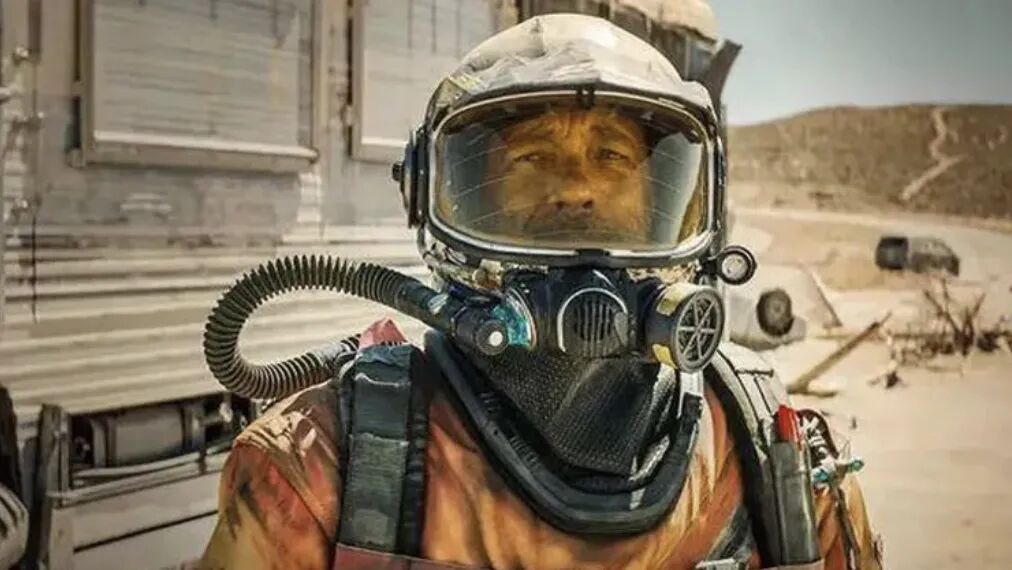
I must admit that my interest in “Avatar” partly stems from my admiration for director James Cameron. Since watching his film “Titanic”, it has been hard not to pay attention to his other works. The same goes for actors—if you love a particular work of an actor, you naturally want to see their other performances. My initial interest in “Finch” was largely due to the lead actor Tom Hanks. My attention to Tom Hanks can be traced back to the film “Forrest Gump”. Since then, I have closely followed his filmography, whether it be “Saving Private Ryan” directed by Steven Spielberg or the upcoming American version of “A Man Called Ove” set to release on Christmas, and I haven’t missed any of the animated films in the “Toy Story” series that he voiced.
Like with other films, I was quite concerned about the genre of “Finch”. When I discovered it was categorized as science fiction and drama, I did hesitate. But then I thought, the worst outcome would be akin to when I watched “Guardians of the Galaxy” in theaters—falling asleep, and this time I was lying comfortably in bed. However, within 15 minutes of the film starting, I realized that not only would I not fall asleep, but I might actually lose sleep over this movie.
Some may wonder what kind of movie “Finch” really is. I would summarize it in one sentence: it is an art film dressed in a science fiction coat.
In terms of story, it does not offer much novelty compared to previous films of the same genre; in fact, I would say its plot is quite simple, revolving around the adventure of a man, a dog, and a robot on a post-apocalyptic road. But upon closer inspection, this is precisely the brilliance of “Finch”. In recent years, most science fiction films have pursued grand narratives, often featuring plots about saving the world or all of humanity. Not to mention earlier works, just take the recently released “Moonfall” as an example; it continues this traditional trope, where the protagonist risks everything to save humanity from disaster. Since “Moonfall” is still in theaters, I won’t elaborate further; everyone can judge for themselves.
Back to the point, the scope of the film “Finch” is relatively small. The entire film primarily features only Tom Hanks as the lead, and the background of the apocalyptic crisis is briefly mentioned in passing. More of the footage focuses on Finch’s adventure with his dog and the robot Jeff. If you think this is all there is to “Finch”, it might only deserve the label of being “superficial”. The film is filled with many heartwarming scenes, and the emotional rendering is natural and just right, providing a sense of spiritual healing. Of course, the so-called “emotional appeal” must be built on the foundation of plot progression and character performance.
The film opens with the protagonist Finch searching for food in a desertified city, humming “American Pie”, yet the folk tune does not sound lighthearted. Unfortunately, a sandstorm is approaching, and he narrowly escapes back to his base. Due to the ozone layer depletion, even with protective gear, Finch is left with numerous wounds. After more than ten minutes of the film, the only living companion by Finch’s side is a dog he rescued. As a viewer, I felt somewhat relieved for Finch, at least he has a dog for company. But the next moment, as Finch’s nostrils bleed, my heart tightened, and the story unfolds a new chapter.
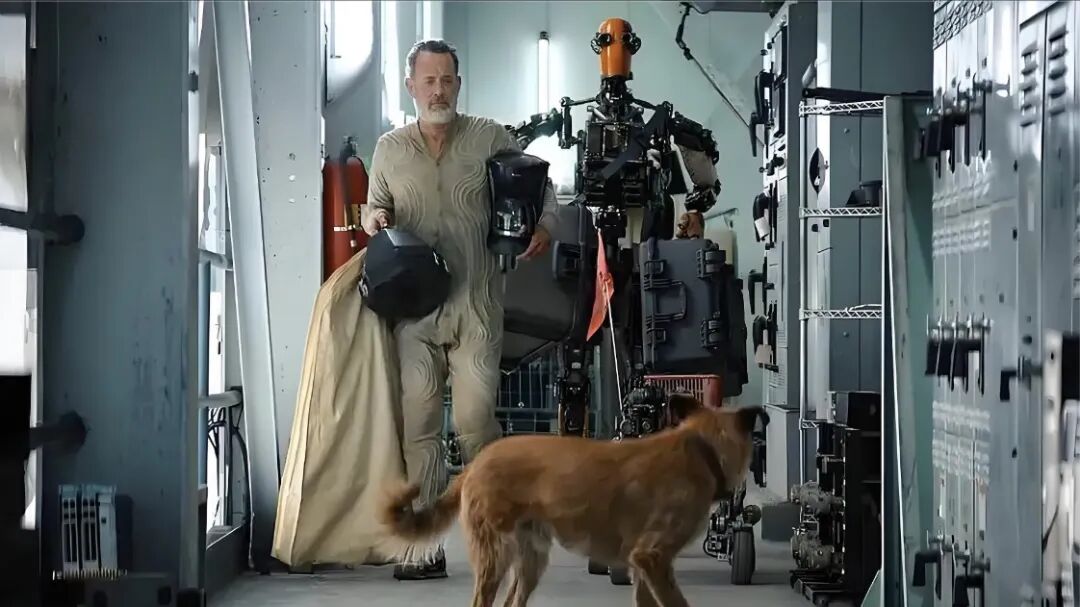
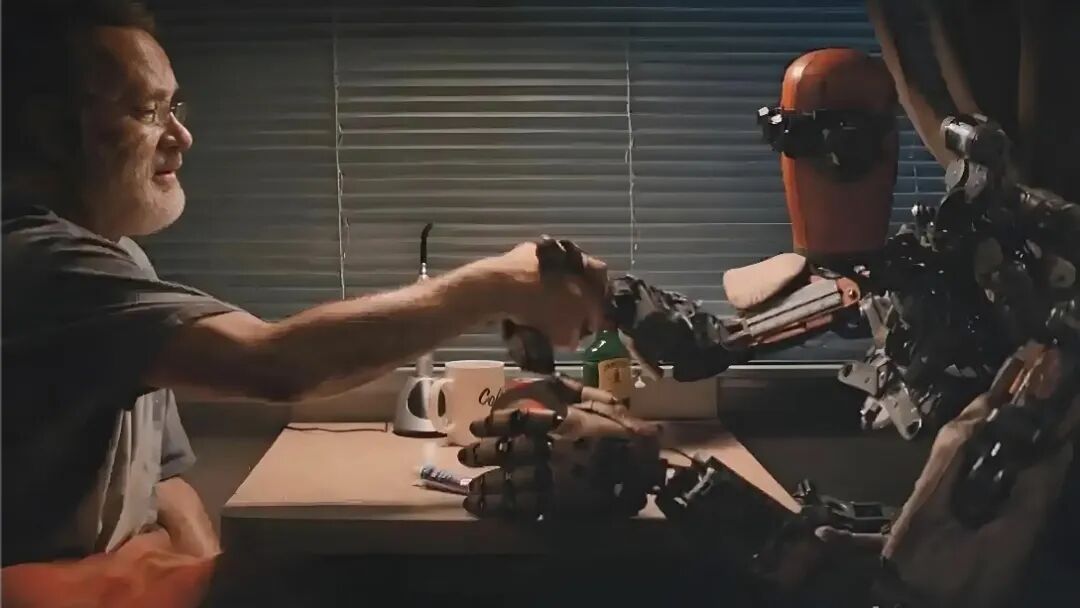
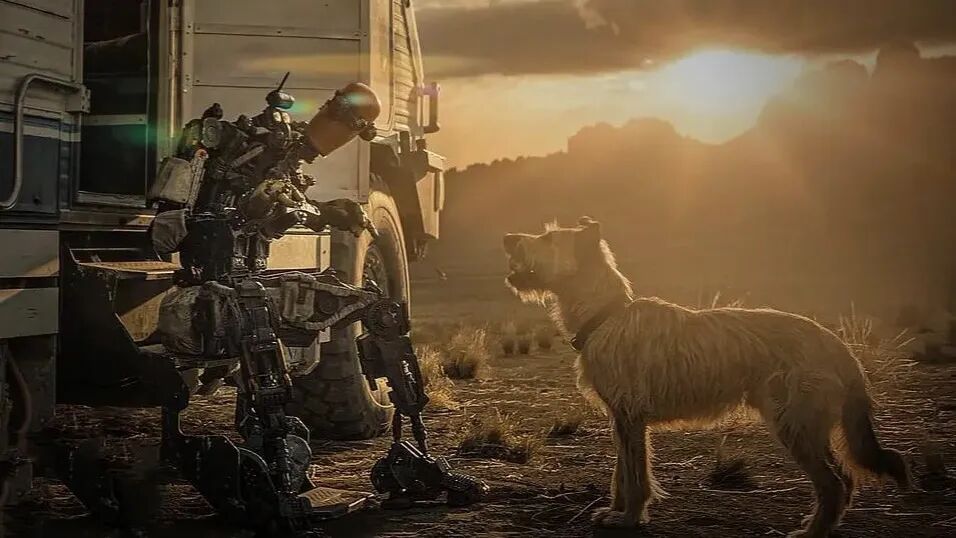
The robot Jeff was purposefully created by Finch, a former engineer at a tech company. Finch’s health is deteriorating, and he knows his time is limited. To ensure that his dog is taken care of after his passing, he built the robot Jeff. Jeff can not only communicate with Finch but also learns to walk with Finch’s help… Just when everything seems to be on track, a massive storm is imminent, and Finch has no choice but to take his dog and robot Jeff to escape to the unfamiliar San Francisco. The journey is fraught with danger, as a group of ill-intentioned people attempts to harm them, but thanks to Jeff’s strength, they narrowly escape.
Finch has coughed up blood again, and he appears weaker than before. After spending days together, Finch and Jeff have become like father and son. When Finch falls into a coma due to his worsening condition, Jeff takes the initiative to go out and find food for Finch, but he falls into a trap set by others, resulting in Finch losing his cargo robot.
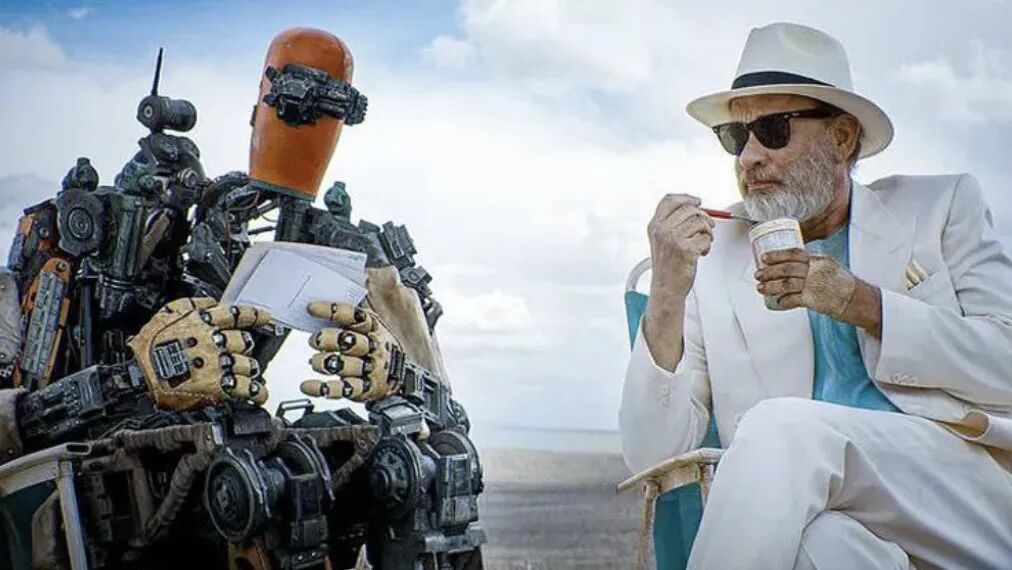
Later, they drive to an area with an ozone layer, and Finch begins to see butterflies fluttering before him. He incredulously chases after them, and everything seems to become beautiful. Yet, it still brings a lump to my throat, as Finch’s time is running out. Finch changes into a white suit and has a picnic under a sunshade. Clearly, Finch is enjoying the moment. To enhance the tragic atmosphere, the director deliberately designed Finch’s “damaged beauty” look, allowing red blood to drip onto his white suit, creating a strong visual contrast in the ample light.
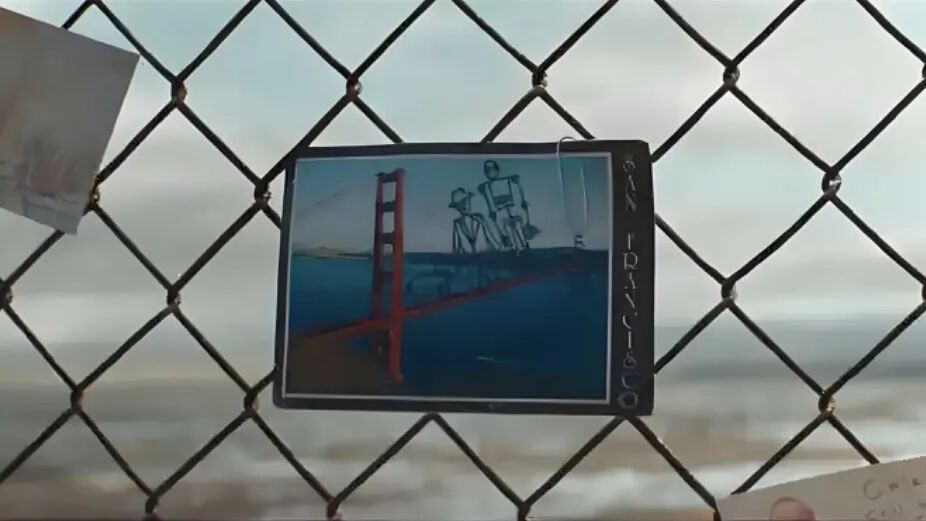
Ultimately, Finch passes away in the car, unable to fulfill his wish. From this perspective, the film breaks away from clichés. Finch’s wish is fulfilled by robot Jeff at the end of the film, as Jeff draws Finch, the dog, and himself on a postcard featuring the Golden Gate Bridge and pins it to the wish栏 on the bridge. This treatment provides the audience with a sense of comfort amidst sadness, while achieving a profound effect of saying much with little.
There are many aspects of “Finch” worth savoring, and the character-driven plot progression is undoubtedly key to its success. If you find my review unsatisfactory, I encourage you to take the time to watch the film yourself. I believe you will be deeply moved, just as I was.
2022.3.28