
Many people, upon hearing the word “robot,” immediately think of terms like “cool design,” “powerful functions,” and “high-end,” associating robots with the high-tech imagery found in sci-fi movies like “The Terminator.” However, this is not the case. In this article, we will explore the basic concepts of robotics and understand how robots accomplish their tasks.
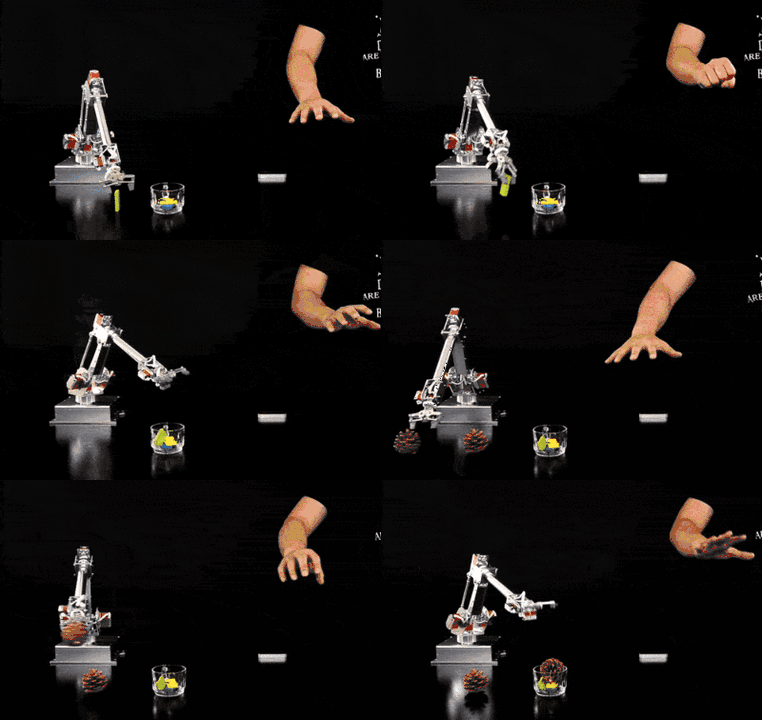
1. Components of Robots
At the most basic level, the human body consists of five main components:
Body structure;
Muscle system, used to move the body structure;
Sensory system, used to receive information about the body and the surrounding environment;
Energy source, used to provide power to the muscles and sensors;
Brain system, used to process sensory information and command muscle movement.
Of course, humans also have some intangible characteristics, such as intelligence and morality, but on a purely physical level, this list is quite complete.
The components of robots are remarkably similar to those of humans. A typical robot has a movable body structure, a motor-like device, a set of sensory systems, a power source, and a computer “brain” that controls all these elements. Essentially, robots are “animals” created by humans, machines that mimic the behaviors of humans and animals.
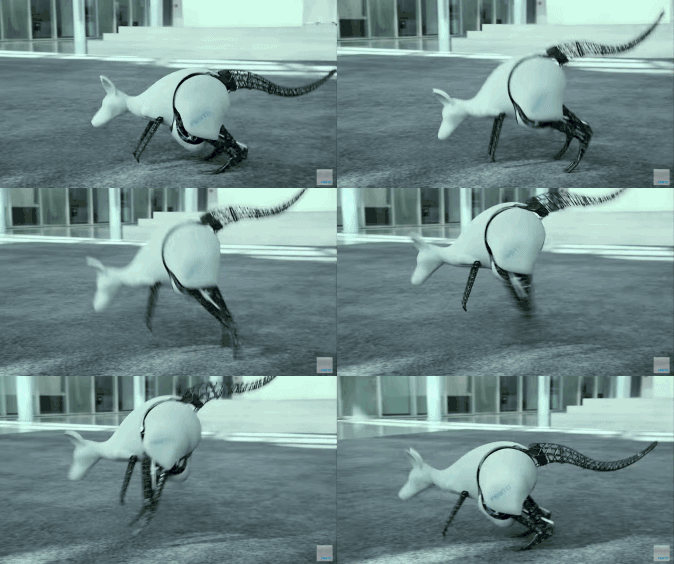
Bionic Kangaroo Robot
The definition of robots is quite broad, ranging from industrial robots serving factories to home cleaning robots. According to the broadest current definition, if something is widely considered a robot, then it is a robot. Many robotics experts (the creators of robots) use a more precise definition. They stipulate that a robot must have a reprogrammable brain (a computer) to move its body.
According to this definition, the difference between robots and other movable machines (like cars) lies in their computer components. Many new cars have onboard computers, but they are only used for minor adjustments. Drivers directly control most parts of the vehicle through various mechanical devices. In contrast, robots differ from ordinary computers in their physical characteristics; they are connected to a body, while ordinary computers are not.
Most robots indeed share some common characteristics.
First, almost all robots have a movable body. Some are equipped only with motorized wheels, while others have numerous movable parts, generally made of metal or plastic. Like human skeletal systems, these independent parts are connected by joints.
The wheels and axles of robots are connected by some form of drive mechanism. Some robots use motors and solenoids as drive mechanisms; others use hydraulic systems; and some use pneumatic systems (systems powered by compressed gas). Robots can use any of the aforementioned types of drive systems.
Second, robots need a power source to drive these mechanisms. Most robots use batteries or wall power outlets for electricity. Additionally, hydraulic robots require a pump to pressurize the liquid, while pneumatic robots need a gas compressor or gas tank.
All drive mechanisms are connected to a circuit by wires. This circuit directly powers electric motors and solenoids and manipulates electronic valves to start hydraulic systems. Valves can control the path of pressurized fluid flowing within the machine. For instance, if a robot needs to move a hydraulically driven leg, its controller will open a valve connected to a hydraulic pump leading to the piston cylinder on the leg. The pressurized fluid will push the piston, causing the leg to rotate forward. Typically, robots use pistons that can provide bidirectional thrust to allow parts to move in both directions.
The robot’s computer can control all components connected to the circuit. To make the robot move, the computer will activate all necessary motors and valves. Most robots are reprogrammable. If you want to change the behavior of a robot, you only need to write a new program into its computer.
Not all robots have sensory systems. Very few robots possess vision, hearing, smell, or taste. The most common sense that robots have is the sense of motion, which is their ability to monitor their own movement. In standard designs, a robot’s joints have wheels with grooves installed. On one side of the wheel, there is a light-emitting diode (LED) that emits a beam of light through the groove to a light sensor located on the other side of the wheel. When the robot moves a specific joint, the grooved wheel rotates. During this process, the groove will block the beam of light.
The optical sensor reads the pattern of the light beam flashing and sends the data to the computer. The computer can accurately calculate the distance the joint has rotated based on this pattern. The basic system used in a computer mouse operates similarly.
These are the basic components of robots. Robotics experts have countless ways to combine these elements to create infinitely complex robots. Robotic arms are one of the most common designs.
2. How Robots Work
The term “robot” in English comes from the Czech word “robota,” which is usually translated as “forced laborer.” This description is quite fitting for most robots. Most robots in the world are used for heavy, repetitive manufacturing work. They are responsible for tasks that are very difficult, dangerous, or tedious for humans.
The most common type of manufacturing robot is the robotic arm.
A typical robotic arm consists of seven metal parts, connected by six joints. The computer controls stepper motors connected to each joint to manage the robot (some large robotic arms use hydraulic or pneumatic systems).
Unlike ordinary motors, stepper motors move precisely in increments. This allows the computer to move the robotic arm accurately, enabling it to repeat the exact same motion continuously. The robot uses motion sensors to ensure it moves the correct amount.
This industrial robot with six joints is very similar to a human arm, having parts equivalent to the shoulder, elbow, and wrist. Its “shoulder” is typically mounted on a fixed base structure (rather than a moving body). This type of robot has six degrees of freedom, meaning it can rotate in six different directions. In comparison, a human arm has seven degrees of freedom.
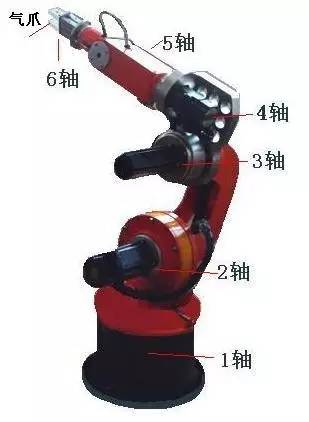
Joint of a Six-Axis Industrial Robot
The function of a human arm is to move the hand to different positions. Similarly, the function of a robotic arm is to move the end effector. Various end effectors can be installed on the robotic arm for specific applications. One common type of end effector can grasp and move different objects; it is a simplified version of a human hand.
Robotic hands often have built-in pressure sensors to inform the computer of the force being applied when the robot grasps a specific object. This prevents objects from dropping or being crushed in the robot’s hand. Other end effectors include spray guns, drills, and paint sprayers.
Industrial robots are specifically designed to repeatedly perform the same tasks in controlled environments. For example, a robot may be responsible for screwing caps onto jars of peanut butter being conveyed on an assembly line. To teach the robot how to perform this task, a programmer will guide the robotic arm through the entire sequence of motions using a handheld controller. The robot will accurately store the sequence of actions in its memory, and whenever a new jar comes down the assembly line, it will repeat that sequence of actions.
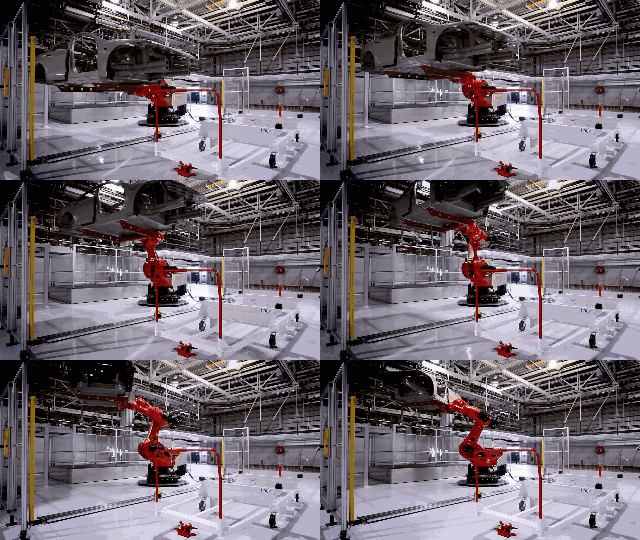
Most industrial robots work on automobile assembly lines, responsible for assembling cars. During large-scale production, robots are significantly more efficient than humans because they are extremely precise. Regardless of how many hours they have worked, they can still drill in the same position and screw in bolts with the same force. Manufacturing robots also play a crucial role in the computer industry, where their incredibly precise skills can assemble tiny microchips.
The manufacturing and programming of robotic arms are relatively simple because they only operate within a limited area. However, sending robots into the vast external world complicates matters.
The primary challenge is providing a viable motion system for robots. If a robot only needs to move on flat ground, wheels or tracks are often the best choice. If the wheels and tracks are wide enough, they can also be suitable for rough terrain. However, robot designers often prefer using leg-like structures for their flexibility. Creating legged robots also helps researchers understand natural biomechanics, which is beneficial for biological research.
The legs of robots are usually driven by hydraulic or pneumatic pistons moving back and forth. Various pistons are connected to different leg components, similar to muscles attached to different bones. Coordinating all these pistons to work together correctly is undoubtedly a challenge. In the early stages, a human brain must figure out which muscles need to contract simultaneously to avoid falling while walking upright. Similarly, robot designers must determine the correct combinations of piston movements related to walking and program this information into the robot’s computer. Many mobile robots have a built-in balancing system (such as a set of gyroscopes) that informs the computer when to correct the robot’s movements.
The bipedal walking motion itself is inherently unstable, making it very challenging to implement in robot manufacturing. To design robots that walk more stably, designers often look to the animal kingdom, especially insects. Insects have six legs and often possess extraordinary balance, adapting well to various terrains.
Some mobile robots are remotely controlled, allowing humans to direct them to perform specific tasks at specific times. Remote control devices can communicate with robots via wires, radio, or infrared signals. Remote-controlled robots are often referred to as puppet robots and are very useful for exploring dangerous environments or areas inaccessible to humans (such as the deep sea or inside volcanoes). Some robots are only partially remote-controlled. For example, operators may instruct a robot to reach a specific location but not guide its path, allowing it to find its own way.
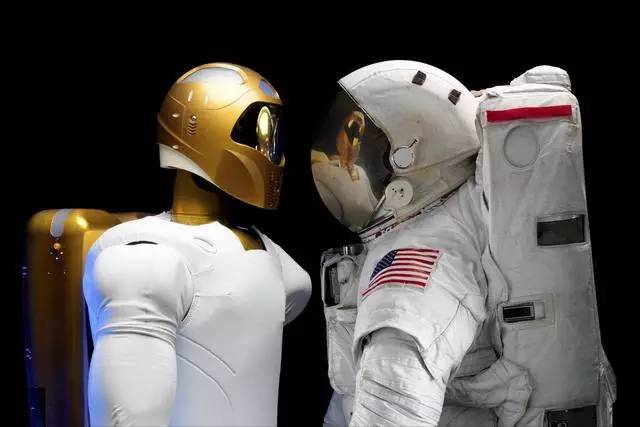
NASA’s R2 Remote-Controlled Space Robot
Autonomous robots can act independently without relying on any controllers. The basic principle is to program the robot to respond to external stimuli in a specific way. Extremely simple collision-response robots can illustrate this principle well.
This type of robot has a collision sensor to check for obstacles. When you start the robot, it generally moves in a zigzag along a straight line. When it encounters an obstacle, the impact will activate its collision sensor. Each time a collision occurs, the robot’s program instructs it to back up, turn right, and then continue moving forward. In this way, whenever the robot encounters an obstacle, it will change its direction.
Advanced robots apply this principle in more sophisticated ways. Robotics experts develop new programs and sensor systems to create smarter robots with enhanced perception capabilities. Today’s robots can perform well in various environments.
Relatively simple mobile robots use infrared or ultrasonic sensors to detect obstacles. The operation of these sensors is similar to the echo-location system of animals: the robot emits a sound signal (or a beam of infrared light) and detects the reflection of the signal. The robot calculates the distance to the obstacle based on the time taken for the signal to return.
More advanced robots utilize stereoscopic vision to observe the surrounding world. Two cameras can provide depth perception for the robot, while image recognition software enables the robot to determine the location of objects and recognize various items. Robots can also use microphones and smell sensors to analyze their environment.
Some autonomous robots can only operate in familiar, limited environments. For example, lawn-mowing robots rely on buried markers to define the boundaries of the grass area. Office-cleaning robots require a map of the building to move between different locations.
More advanced robots can analyze and adapt to unfamiliar environments, even navigating rugged terrains. These robots can associate specific terrain patterns with specific actions. For example, a rover robot will use its visual sensors to generate a map of the ground ahead. If the map displays a rugged terrain pattern, the robot will know to take a different path. This system is very useful for exploratory robots working on other planets.
A set of alternative robot designs employs a more loose structure, introducing randomization factors. When this type of robot gets stuck, it will move its appendages in various directions until its actions yield results. It collaborates closely with force sensors and drive mechanisms to complete tasks, rather than being entirely guided by computer programs. This is similar to how ants attempt to bypass obstacles: ants seem to experiment with various approaches until they successfully navigate around an obstacle.
3. Home-Made Robots
In the final sections of this article, we will explore one of the most fascinating fields in the world of robotics: artificial intelligence and research robots. For many years, experts in these fields have made significant advancements in robotics, but they are not the only creators of robots. Over the decades, although few in number, passionate hobbyists have been building robots in garages and basements around the world.
Home-made robots represent a rapidly growing subculture with considerable influence on the internet. Amateur robotics enthusiasts assemble their creations using various commercial robotic tools, mail-ordered parts, toys, and even old video recorders.
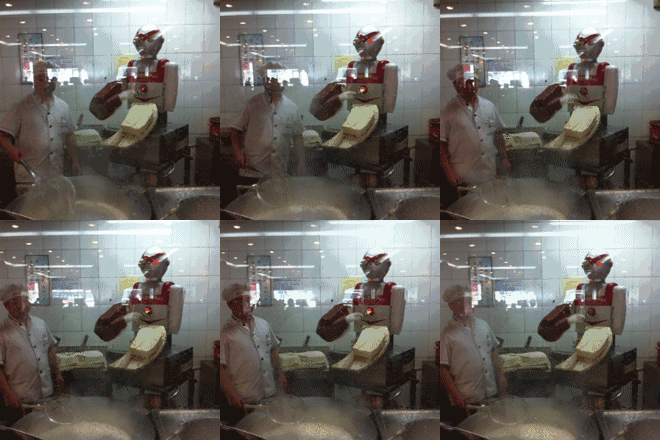
Like professional robots, the types of home-made robots are diverse. Some hobbyists who can only work on weekends have created very sophisticated walking machines, while others have designed domestic robots for themselves, and some enthusiasts focus on building competitive robots. Among competitive robots, the most familiar are remote-controlled robot warriors, like those seen in the show “BattleBots.” These machines do not qualify as “true robots” because they lack reprogrammable computer brains. They are merely enhanced remote-controlled cars.
More advanced competitive robots are controlled by computers. For example, soccer robots can engage in small soccer matches without any human input. A standard robot soccer team consists of several individual robots that communicate with a central computer. This computer “observes” the entire field through a camera and distinguishes between the soccer ball, goals, and players from both sides based on color. The computer constantly processes this information and decides how to direct its team.
Adaptability and Versatility
The personal computer revolution is marked by its exceptional adaptability. Standardized hardware and programming languages allow computer engineers and amateur programmers to create computers for specific purposes. Computer parts resemble craft supplies, with countless applications.
So far, most robots resemble kitchen appliances. Robotics experts have designed them for specific purposes. However, their adaptability to entirely different applications is not very good.
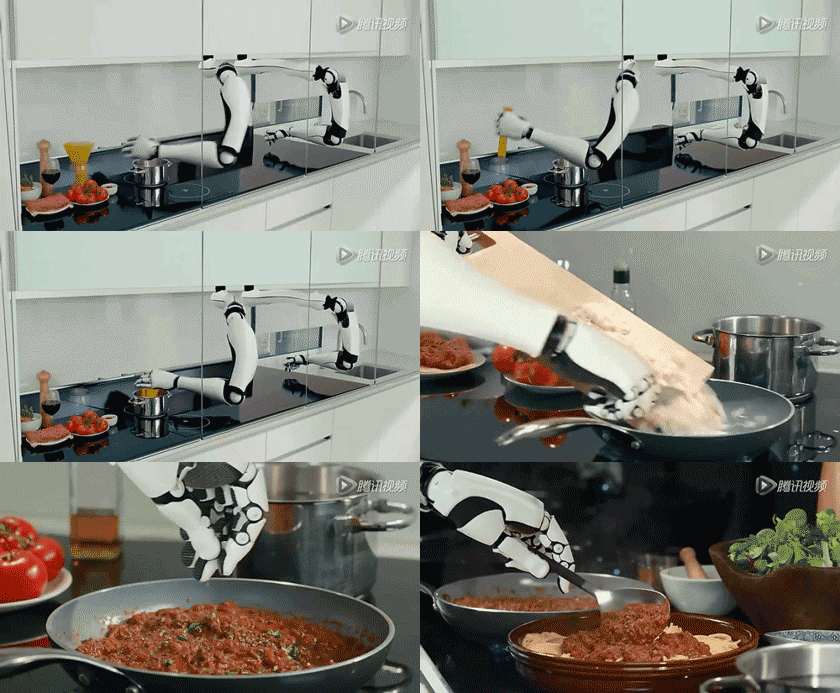
This situation is changing. A company called EvolutionRobotics has pioneered the field of adaptive robot software and hardware. The company aims to carve out its niche market with an easy-to-use “robot developer toolkit.”
This toolkit features an open-source software platform that offers various common robotic functionalities. For instance, robotics experts can easily integrate capabilities like target tracking, responding to voice commands, and avoiding obstacles into their creations. From a technical perspective, these functionalities are not revolutionary, but it is unusual for them to be integrated into a single, simple software package.
The toolkit also comes with common robotic hardware that can be easily combined with the software. The standard toolkit includes infrared sensors, motors, a microphone, and a camera. Robotics experts can use a set of enhanced mounting components to assemble all these parts, including aluminum body parts and sturdy wheels.
Of course, this toolkit is not intended for creating mediocre works. It costs over $700 and is certainly not a cheap toy. However, it represents a significant step toward new robotics science. In the near future, if you want to create a new type of robot that can clean a room or care for pets while you are away, you may only need to write a BASIC program, saving you a considerable amount of money.
4. Artificial Intelligence
Artificial intelligence (AI) is undoubtedly the most exciting and controversial field in robotics: Everyone agrees that robots can work on assembly lines, but there is disagreement about whether they can possess intelligence.
Just like the term “robot,” it is also challenging to define “artificial intelligence.” The ultimate artificial intelligence is the reproduction of human thought processes, that is, a man-made machine possessing human-like intelligence. Artificial intelligence includes the ability to learn any knowledge, reasoning ability, language capability, and the ability to form its own opinions. Currently, robotics experts are far from achieving this level of artificial intelligence, but they have made significant progress in limited areas of AI. Today, machines with artificial intelligence can mimic certain specific elements of intelligence.
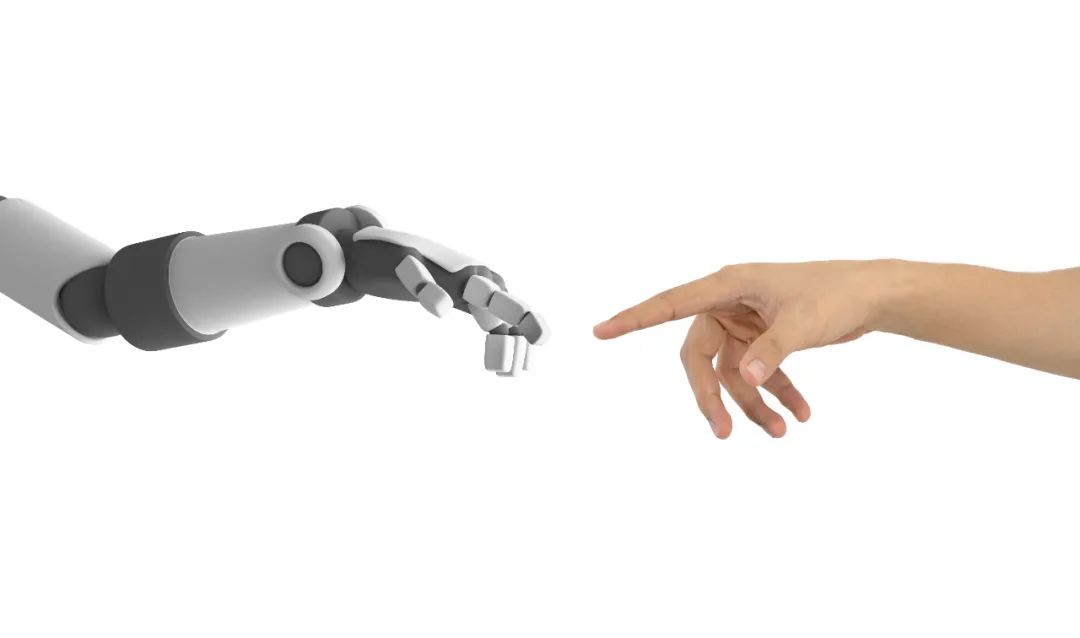
Computers now possess the ability to solve problems within limited domains. The execution process of solving problems using artificial intelligence is complex, but the basic principle is very simple. First, an AI robot or computer collects facts about a scenario through sensors (or manual input). The computer compares this information with stored data to determine its meaning. The computer calculates various possible actions based on the collected information and predicts which action will yield the best results. Of course, the computer can only solve problems that its program allows it to, lacking the ability for general analytical reasoning. Chess computers are an example of such machines.
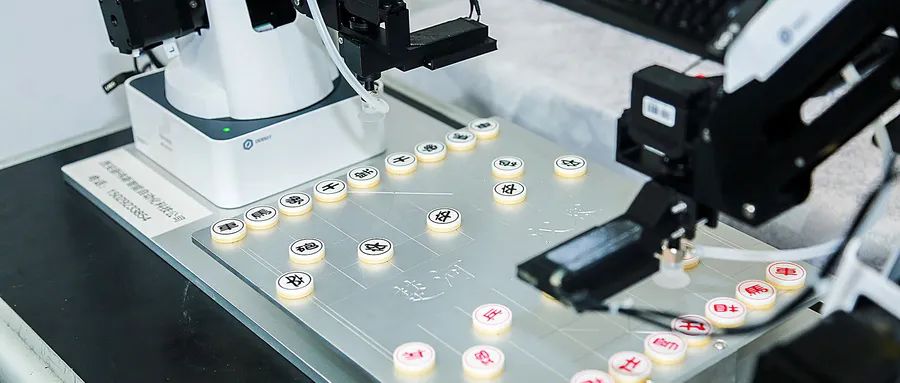
Some modern robots also possess limited learning capabilities. Learning robots can recognize whether a specific action (like moving a leg in a certain way) achieved the desired result (like avoiding an obstacle). The robot stores this type of information and, when it encounters the same scenario again, attempts to perform an action that can successfully respond. Similarly, modern computers can only do this in very limited scenarios. They cannot gather all types of information like humans. Some robots can learn by mimicking human actions. In Japan, robotics experts demonstrated dance moves to a robot, teaching it to dance.
Some robots possess interpersonal communication abilities.Kismet, a robot created by the MIT Artificial Intelligence Lab, can recognize human body language and tone of voice, responding accordingly. The creators of Kismet are interested in the interactions between adults and infants, which can be completed solely through tone and visual information. This low-level mode of interaction can serve as the foundation for humanoid learning systems.
Kismet and other robots created by the MIT Artificial Intelligence Lab employ an unconventional control structure. These robots are not controlled by a single central computer overseeing all actions; their low-level movements are controlled by lower-level computers. Project supervisor Rodney Brooks believes this is a more accurate model of human intelligence. Most of human actions are performed automatically rather than being decided by higher-level consciousness.
The real challenge of artificial intelligence lies in understanding how natural intelligence works. Developing AI is different from creating artificial hearts; scientists do not have a simple and concrete model to reference. We know that the brain contains billions of neurons, and our thinking and learning occur through establishing electronic connections between different neurons. However, we do not understand how these connections enable advanced reasoning abilities, nor do we know the principles behind even low-level operations. The neural networks of the brain seem too complex to comprehend.
Therefore, artificial intelligence remains largely theoretical. Scientists propose hypotheses regarding the principles of human learning and thinking and then use robots to experiment with their ideas.
Just as the physical design of robots is a convenient tool for understanding animal and human anatomy, research in artificial intelligence also aids in understanding how natural intelligence works. For some robotics experts, this insight is the ultimate goal of robot design. Others fantasize about a world where humans coexist with intelligent machines, using various small robots for manual labor, healthcare, and communication. Many robotics experts predict that the evolution of robots will ultimately lead us to become cyborgs, humans fused with machines. It is reasonable to believe that future humans will implant their minds into robust robotic bodies, living for thousands of years!
Regardless, robots will play an important role in our daily lives in the future. In the coming decades, robots will gradually expand beyond industrial and scientific domains into everyday life, similar to the process of computers becoming gradually popular in households in the 1980s.
Source: Robotics Frontier

Editor: Wang Yan
Reviewed by: Yu Yongchu
Advertising Cooperation: (WeChat same number)18240442679 Mr. Fu
Popular Book Rankings
☞ Favorite Book Rankings
☞ Mechanical Book Rankings
☞ Production Management Rankings
☞ Design Software Rankings

- To publish an article in the 2023 annual journal of “Automotive Craftsman,” you need to do this
- In July 2023, the new energy vehicles and automotive exports continue to show good momentum
- Domestic solid-state battery and process patents
- Behind the large automotive supply chain of several domestic car companies, it is recommended to collect!
- Discussion on the application technology of automotive parts processing tools
- BYD will supply batteries to Tesla; the eight major processes for blade battery production are not simple!
- What are “4680” and “full-tab” batteries? No company dares to disclose this technology at this stage!
- 3D printing tools assist in the efficient processing of motor housings and transmissions
- It is a “smart-level” process tool that ensures automotive quality and plays an indispensable role in industrial production
- The necessity and goals of building a digital factory for new energy batteries
- The 5G empowerment recommended by Ren Zhengfei has already been published! This PPT lets you know all the content.
- Great Wall Xu Shui Intelligent Factory: 286 robots create the luxury and safety of VV5s

For submissions, please click the image above