Understanding Semaphore Mechanisms in FreeRTOS

Understanding Semaphore Mechanisms in FreeRTOS

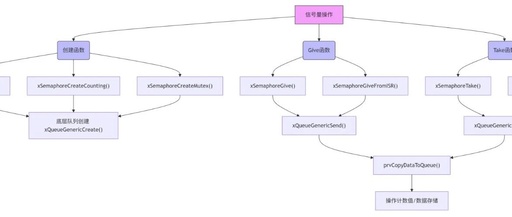
1. Basic Concepts A semaphore is a classic synchronization mechanism for processes/tasks, used to coordinate multiple execution units (such as tasks and threads) in accessing shared resources, preventing race conditions. Thus, it can be generally understood as: A semaphore is an integer counter used to control access to shared resources. Operation Control P (Proberen) Operation: … Read more

Using Events in Embedded Development with MCU

Using Events in Embedded Development with MCU

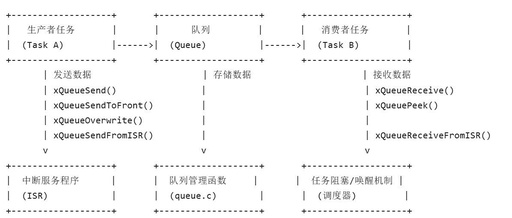
It is assumed that everyone has learned about inter-task communication. If you haven’t, don’t worry; you can check out the previous content. In the context of inter-task communication, we are generally waiting for an event to occur. But what if we need to wait for multiple events? Surely, none of you here are without a … Read more

Detailed Explanation of Semaphores in Embedded Systems: Comparison and Selection of Common Semaphores

Detailed Explanation of Semaphores in Embedded Systems: Comparison and Selection of Common Semaphores

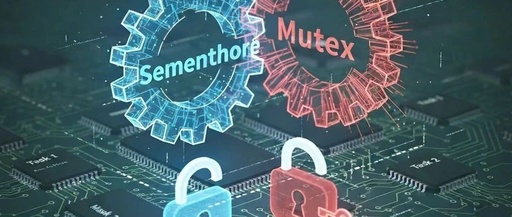
In embedded system development, semaphores are an important synchronization mechanism used to coordinate resource access among multiple tasks or threads. Through semaphores, developers can ensure the safe use of shared resources, avoiding issues such as race conditions and deadlocks. Today, we will discuss in detail the common types of semaphores in embedded operating systems and … Read more

Introduction to Semaphores in VxWorks 7

Introduction to Semaphores in VxWorks 7

Overview of Semaphores in VxWorks 7 In real-time operating systems (RTOS), semaphores are an important synchronization mechanism used to manage resource access and task synchronization in a multitasking environment.VxWorks 7 provides various types of semaphores to meet different application scenario requirements, mainly including: • Mutex Semaphores: Ensure mutual access to shared resources. • Binary Semaphores: … Read more