First Domestic Company to Collaborate with openGauss for Deep Embedded Applications
When the powerful Intel® Core™ Ultra processor meets the enterprise-level openGauss database, and integrates the innovative RAGFlow intelligent application, what kind of revolutionary development efficiency can a true AI PC development kit bring us? Yunyang will take you through the entire process from environment setup to application deployment, exploring the practical boundaries of AI PCs.
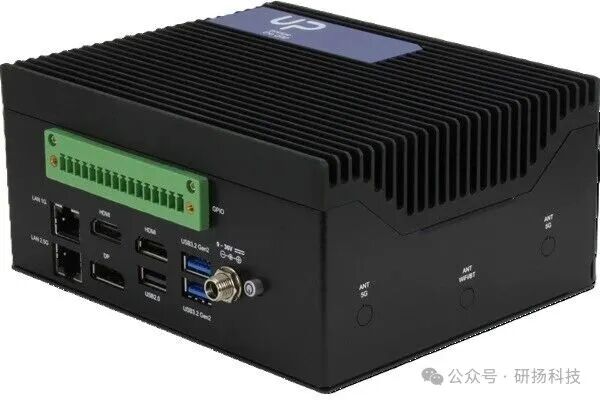
The AI PC device used this time is the UP Edge Computing Development Kit jointly developed by Intel and Yunyang Technology (Suzhou) Co., Ltd. This device belongs to the UP series industrial turnkey solutions certified by Ubuntu and comes pre-installed with the Intel® OpenVINO™ toolkit, designed to simplify the development and deployment process of AI edge applications, significantly shortening the time from development to market.
1
AI PC Era: A New “Workstation” for Developers
Yunyang Technology Collaborates with openGauss for Deep Embedded Applications
Currently, AI applications such as Retrieval-Augmented Generation (RAG) are rapidly changing the way we process information. This has led to an urgent demand for local high-performance, high-privacy development and testing environments. While cloud resources are vast, they have inherent limitations in terms of data sensitivity, network latency, and real-time iterative development.
In this context, a hardware platform designed specifically for AI developers—the AI PC Dev Kit—has emerged. It is not just a high-performance PC, but also a development platform integrated with dedicated AI acceleration capabilities. This article will demonstrate how to successfully build a complete RAG application based on the openGauss database and RAGFlow as the intelligent front end on this kit, validating its practical value as an AI application development “workstation”.
2
AI PC Dev Kit—A Powerful Engine Born for AI Computing
Yunyang Technology Collaborates with openGauss for Deep Embedded Applications
This deployment is based on the AI PC Dev Kit (UP series edge computing development kit) developed in collaboration with Intel and Yunyang Technology, specifically the UP XTREME I14 EDGE model, equipped with the Intel® Core™ Ultra 7 155H processor. This processor uses Intel® 4 process technology and a modular architecture, integrating an NPU (Intel® AI Boost) designed for AI workloads, providing continuous AI inference power of 3.38 TOPS, suitable for persistent AI tasks such as text embedding, effectively freeing up CPU and GPU resources.
Additionally, the device is equipped with an Intel® Arc™ GPU, featuring 8 Xe cores and supporting the XMX AI acceleration engine, which can further enhance AI computing throughput. Through a CPU + GPU + NPU heterogeneous computing architecture, this platform provides efficient and reliable hardware support for local AI applications.
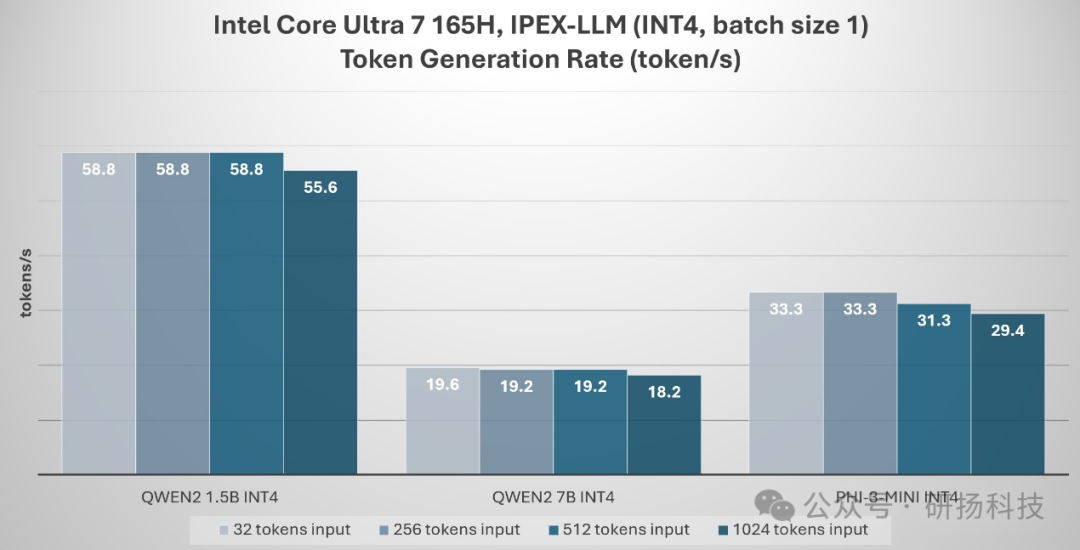
It is worth mentioning that during the inference phase of generative models, the system can integrate Intel’s open-source IPEX-LLM acceleration framework. This framework uses INT4 quantization technology to compress model parameters from FP32 to 4 bits, combined with dynamic memory allocation and operator fusion techniques, significantly reducing memory usage and inference latency for large models. For example, the native PyTorch inference time on CPU for the THUDM/chatglm2-6b model is 6 minutes and 8 seconds, while after IPEX-LLM optimization, it can be reduced to 5 seconds, achieving a speedup of over 70 times. Developers only need to install the library via pip install ipex-llm[xpu_lnl] and add the load_in_4bit=True parameter when loading the model to achieve lightweight deployment with a single line of code, greatly simplifying the setup process for local large model services.
Collaborative Advantages with openGauss:
In today’s data-driven era, efficient and reliable databases and Retrieval-Augmented Generation (RAG) technology are crucial for enterprises to enhance their data processing and knowledge management capabilities. Combining openGauss with RAGFlow not only leverages openGauss’s strengths in data storage and retrieval but also utilizes RAG for intelligent Q&A, analysis, and content generation, building a more powerful enterprise-level data intelligence solution.
This hardware design concept naturally aligns with the characteristics of the openGauss database. As an enterprise-level open-source database, openGauss’s excellent multi-core parallel processing capabilities can fully exploit the potential of the Intel Core Ultra processor’s 16 cores and 22 threads, ensuring efficient data processing and complex SQL queries at the database level.
Moreover, the native support of Intel hardware platforms for mainstream AI frameworks and optimization libraries (such as the OpenVINO™ Toolkit) aligns perfectly with the AI-Native concept advocated by openGauss. openGauss supports AI operators, vector retrieval, and other features, meaning that from data storage and retrieval to final AI inference, an efficient and seamless closed loop can be formed in the same local environment, providing developers with a full-stack localized AI development and deployment environment. All sensitive data and core algorithm processing are completed locally, providing the highest level of privacy and compliance assurance for development.
3
Intel AI PC Dev Kit—Designed for AI Computing
Yunyang Technology Collaborates with openGauss for Deep Embedded Applications
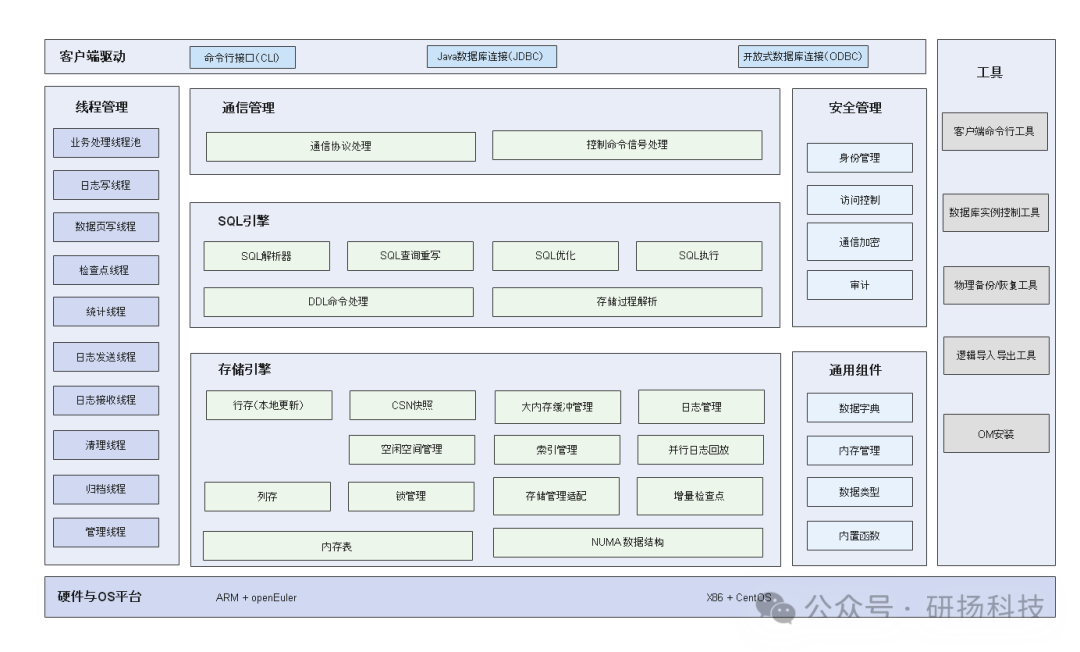
Databases are the cornerstone of any application. We chose the open-source relational database openGauss, which is derived from PostgreSQL and has been deeply optimized for enterprise-level scenarios.
According to its official technical white paper, openGauss has several key features:
High Performance: Especially performs excellently in Online Transaction Processing (OLTP) scenarios, supporting advanced technologies such as parallel queries, effectively managing the large number of documents, chunk segments, and vector data generated by RAGFlow.
High Availability and Reliability: Provides comprehensive master-slave synchronization, asynchronous replication, and other data redundancy solutions, ensuring solid reliability for project data even in a single-machine development environment.
Ecological Compatibility: Maintains good SQL standard compatibility and a rich set of application programming interfaces, allowing modern applications like RAGFlow to easily interface with it through the PostgreSQL protocol.
Deploying openGauss on the Intel AI PC Dev Kit brings several significant benefits:
Extreme Data Access Speed: The database and application are co-located, eliminating network transmission delays. Every query and every insertion during the development process is almost “zero latency”, greatly accelerating the iteration cycle of development, debugging, and testing.
Resource Isolation and Determinism: The local environment ensures that all computing resources (CPU, memory, NPU, storage) can be predicted and exclusively used, avoiding performance fluctuations caused by resource contention in a cloud multi-tenant environment, making performance test results more valuable.
Simplified Deployment Process: With the help of containerization technology, on the pre-installed AIPC, developers can complete the setup of a fully functional enterprise-level database environment from bare metal in just a few minutes, far exceeding traditional methods in efficiency.
4
Practical Exercise: Building OpenGauss + RAGFlow Application
Yunyang Technology Collaborates with openGauss for Deep Embedded Applications
This deployment is based on Linux (Ubuntu 22.04), integrating the adaptations related to RAGFlow from the Huawei KunpengRAG project on Gitee and the official RAGFlow source code. The following will focus on the key changes made to complete the deployment, while routine configurations are omitted. The complete adapted source code can be obtained through the Baidu Cloud link at the end of the article for further research and practice.
Key Change Description:
To enable RAGFlow to default support and connect to the OpenGauss database, necessary adaptations to the source code are required. The main changes focus on the configuration files and database initialization scripts.
Changes Related to RAGFlow:1. Database Connection Configuration File (.env):
Modify the .env file to point the default document storage engine to OpenGauss
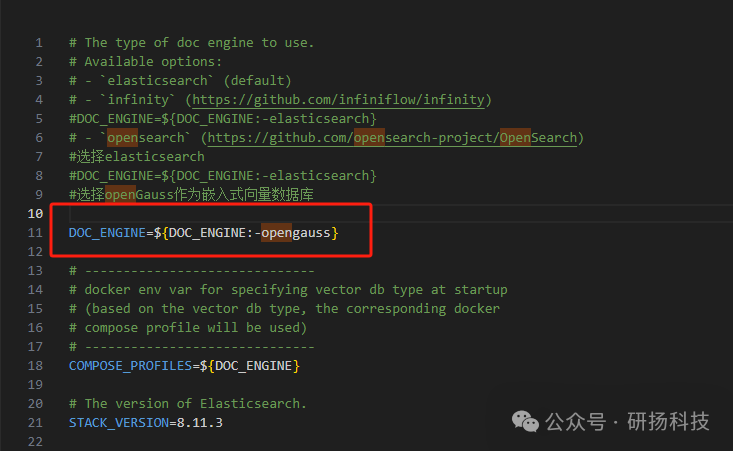
Configure the corresponding parameters:

2. Docker-Compose Service Definition File (docker-compose-base.yml): Add OpenGauss database container service in the service definition.
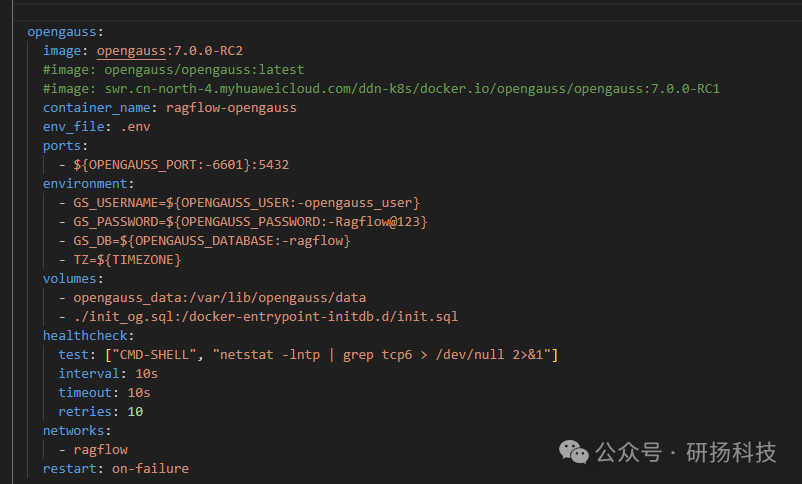
Note: Initial attempts to use the latest tag or other candidate version images may encounter issues with the database not starting properly.
Ultimately, confirming the use of the opengauss/opengauss:7.0.0-RC2.B003 version image was one of the keys to the success of this deployment.
Preparation Related to OpenGauss:
Obtain the specific version image:
docker pull opengauss/opengauss:7.0.0-RC2.B003
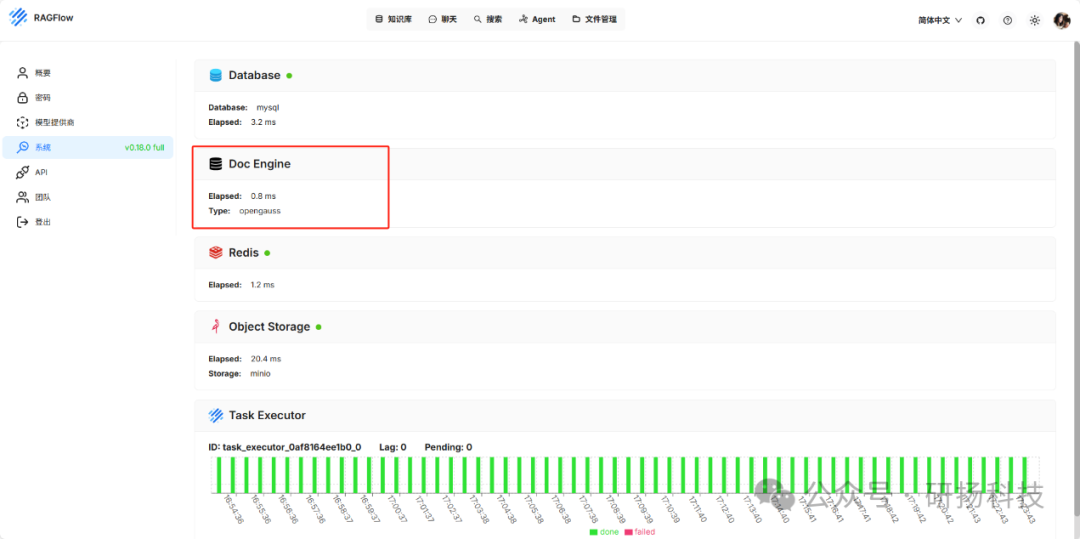
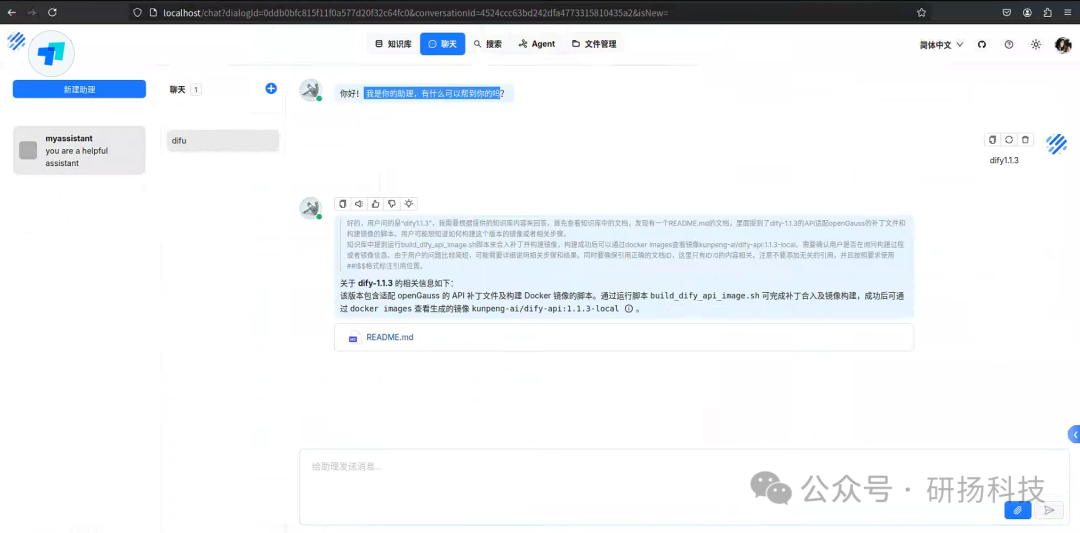
Results Display:
Baidu Cloud Link:
https://pan.baidu.com/s/16A36OxXB0yT_MA9G3XOqMw?pwd=z4i4
Extraction Code: z4i4
This practice successfully verified the feasibility of building and running a complete system containing an enterprise-level database and complex AI applications on a single Intel AI PC Dev Kit. The entire process does not rely on any cloud resources, and all data processing and model inference are completed locally.
Furthermore, with the continuous evolution of edge model optimization technologies like IPEX-LLM, the capability boundaries of local devices to handle complex AI tasks are constantly expanding. Through low-bit quantization, XMX instruction acceleration, and dynamic memory management technologies, it achieves up to 70 TPS token generation efficiency on the sharp GPU, providing a more efficient edge inference solution for generative applications like RAG.
For developers, students, and startup teams, this combination offers an ideal AI development and prototyping platform that is low-cost, high-performance, and high-privacy. It greatly shortens the path from idea to prototype, allowing developers to focus on algorithms and logic itself, rather than environment configuration and resource application.