Smartwatches have become familiar gadgets for most users today, and the entry price for such products is low enough that one can often buy mainstream models from leading brands for just a few hundred yuan.
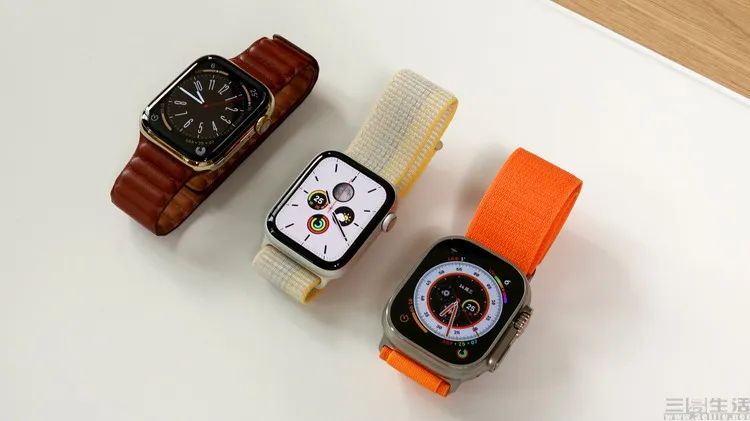
From the perspective of user habits, using smartwatches to check notifications, make calls, or track health metrics (especially heart rate, blood oxygen, and exercise data) has become part of daily life for many consumers.
However, are most smartwatches really that useful?
On this issue, everyone likely has their own opinions. But from an objective standpoint, one undeniable fact is that the chip solutions used in all smartwatches are relatively outdated compared to mainstream smartphones from the same period.
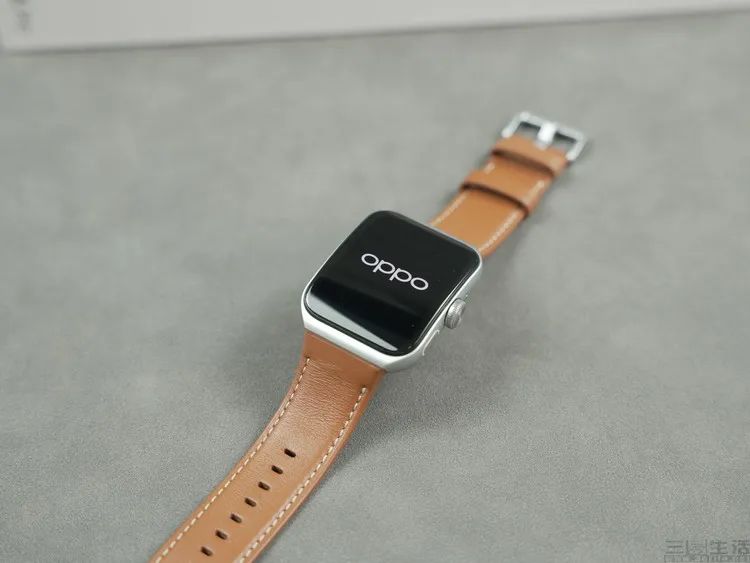
Notably, we are referring to “all” of them. This includes various low-power, low-performance single-core smart bands that cannot support “smart systems” and third-party app expansions due to poor performance, as well as various high-end fully intelligent smartwatch SoCs represented by Qualcomm Snapdragon Wear 4100, Qualcomm Snapdragon W5, Samsung Exynos W920, and Apple S8 SiP.
It can even be said without hesitation that compared to the mainstream smartphone SoCs from 2022 or even 2021, the chips in today’s smartwatches show significant gaps in terms of process technology, architecture, and other aspects.
-
How Poor is the Performance of Smartwatch SoCs? This Special “Phone” Provides the Answer
So why is this the case? To find the answer, we at San Yi Life acquired a very special “phone” through unique channels.
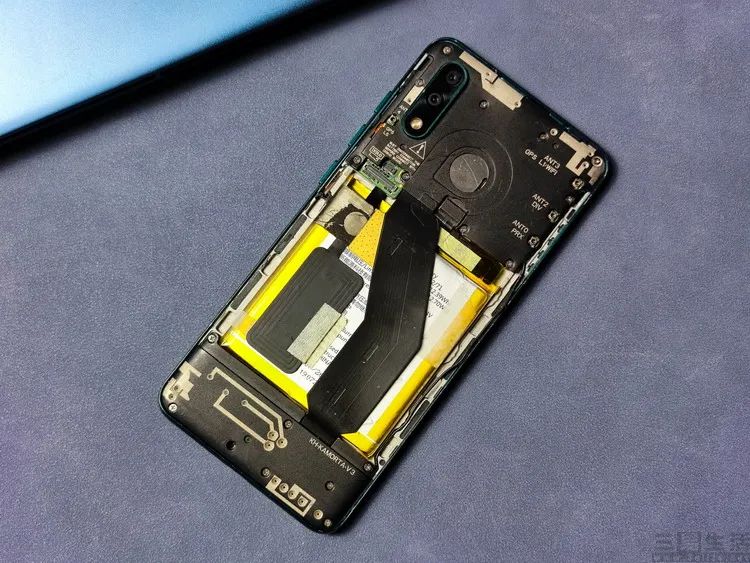
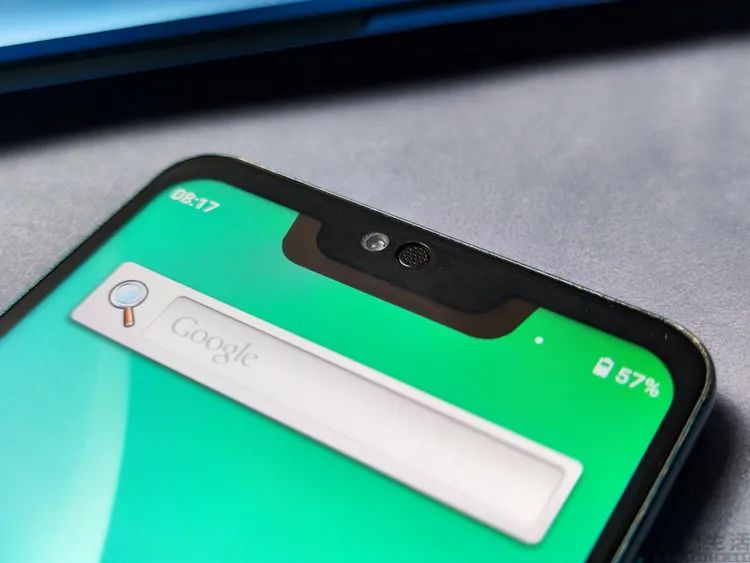
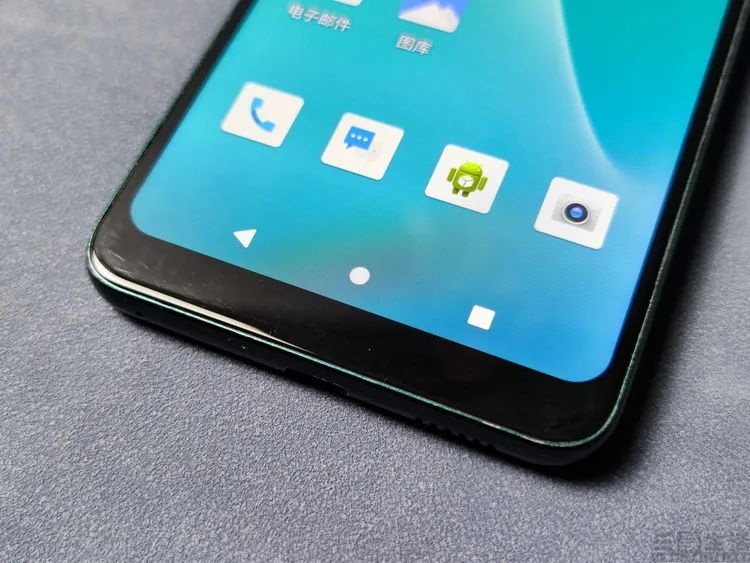
At first glance, this seems like a low-end model with an outdated design. Its front still uses a notch display, and the system adaptation is clearly not well done, with the “black border” at the top of the screen even larger than the actual “notch”.
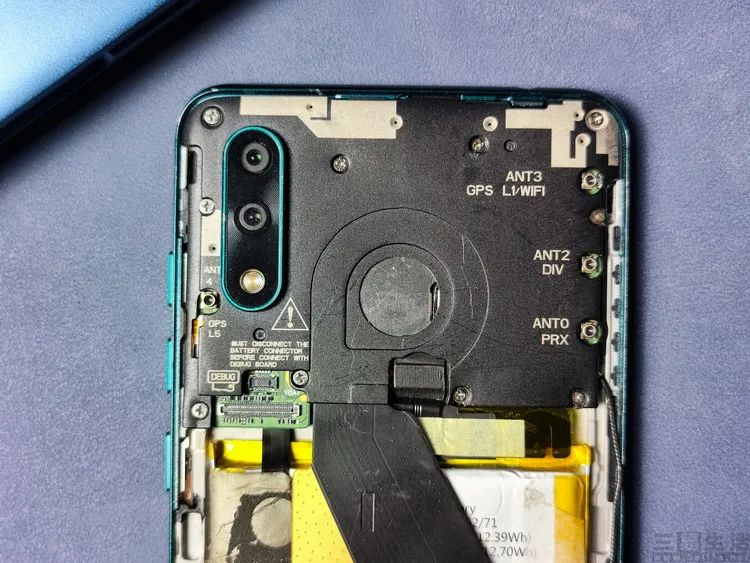
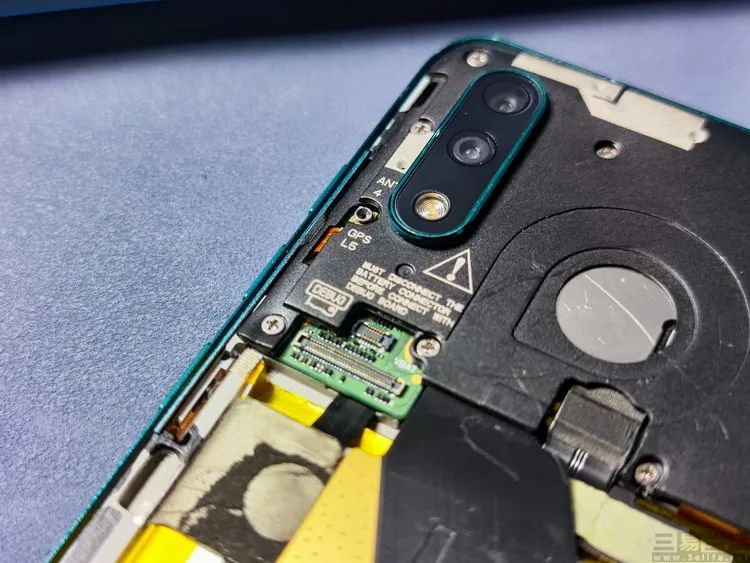
The back of this model is even more astonishing in terms of its “appearance”. Not only does it lack a back cover, but its NFC antenna is even taped directly to the battery. The various exposed external antenna interfaces on the upper and lower plastic covers clearly indicate that this is not a “proper phone”.
Indeed, this is not a mass-produced model; it is not produced by any known phone manufacturer. Instead, it comes from Qualcomm and is a development prototype used for internal testing and engineering validation (commonly referred to as QRD).
However, even as a development prototype, the chip solution inside is indeed somewhat special. According to our understanding, the SoC used in this model is not designed for smartphones but is actually a Qualcomm Snapdragon Wear series chip that was originally intended for smartwatches.
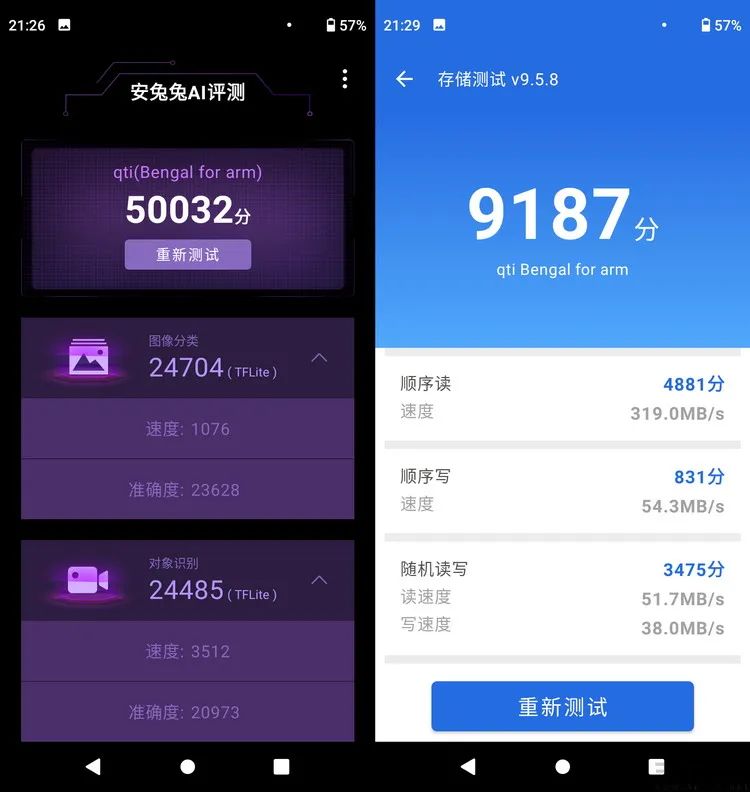
In other words, this is a “phone” that has a smartwatch main control packed into it, or it can also be considered a smart watch with a large screen. But in any case, it gives us a convenient opportunity to assess the overall strength of the smartwatch SoC using traditional benchmarking and testing software.
Now, let’s go directly to the results.
As everyone might guess, the performance of this “watch SoC” is quite weak, even lower than the current lowest-end and entry-level smartphone main control.
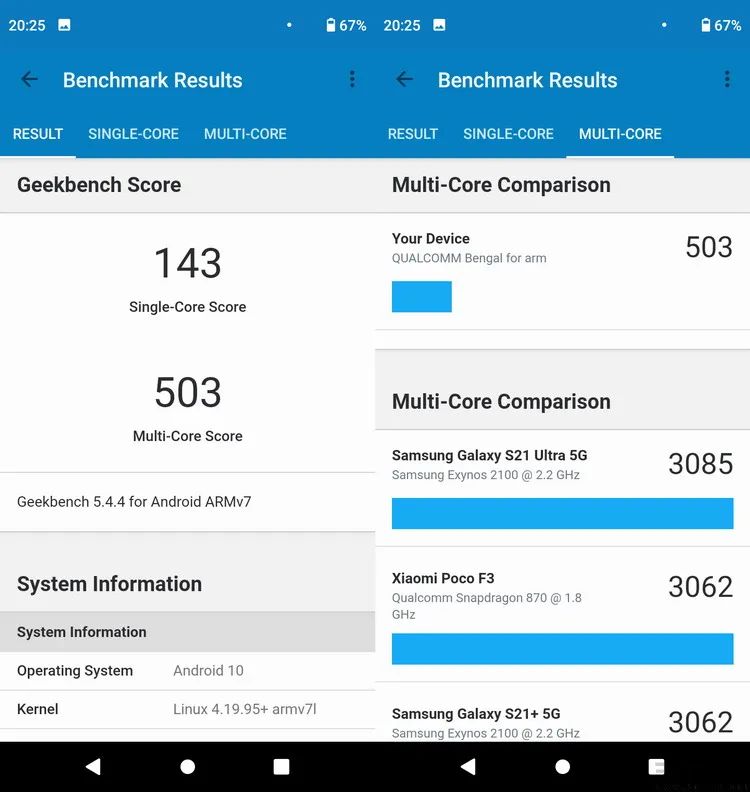
In Geekbench 5.4.4, it scored a single-core score of 143 and a multi-core score of 503. The single-core score of 143 is less than one-sixth of the “old flagship” Snapdragon 870, while the multi-core score of 503 is roughly one-sixth of the multi-core performance of the Snapdragon 870.
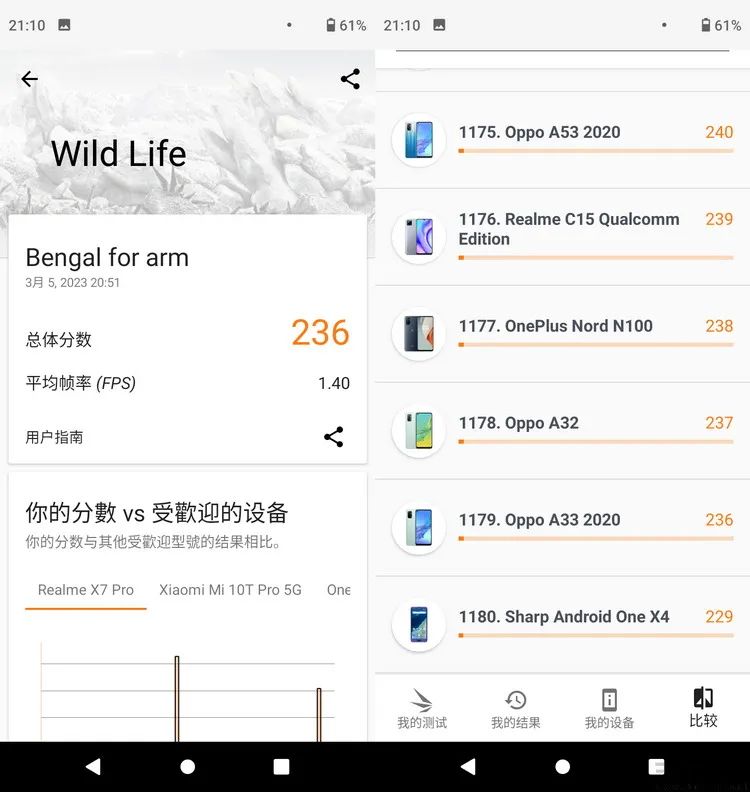
In 3DMARK Wildlife, it scored 236 points, which is basically comparable to the 3D performance of Snapdragon 460 (Adreno 610). Compared to the latest Snapdragon 8 Gen2, it is about one-fortieth of that level.
Of course, the AI and storage performance of this “smartwatch SoC” is also quite poor, generally lower than the current entry-level smartphone main control.
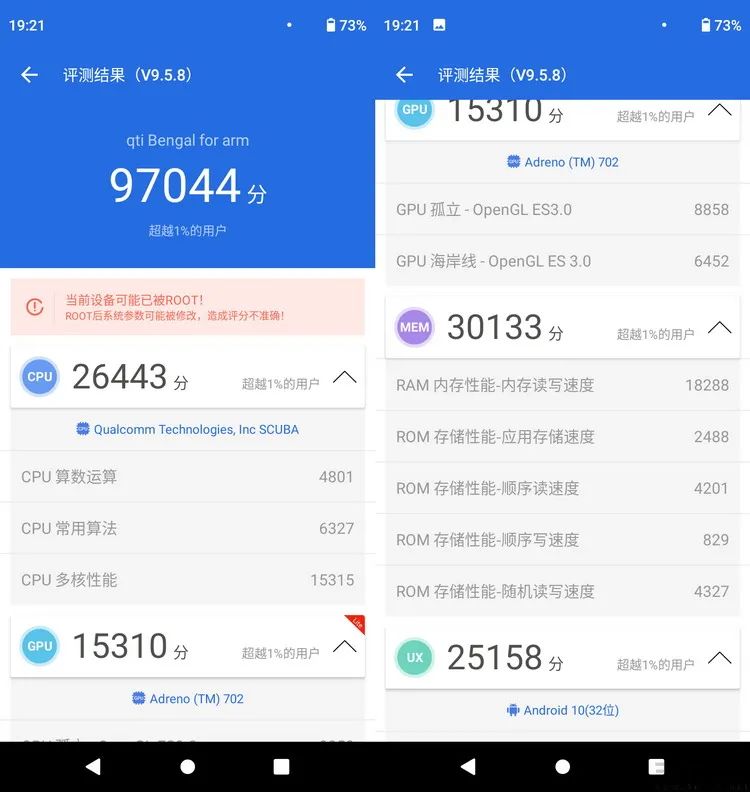
In contrast, the AnTuTu benchmark score of less than 100,000 seems less surprising.
-
The Mysterious SM4125, Its Story May Not Be Simple
After seeing the benchmark scores of this “phone”, do you have a rough understanding of the current hardware performance level of smartwatches?
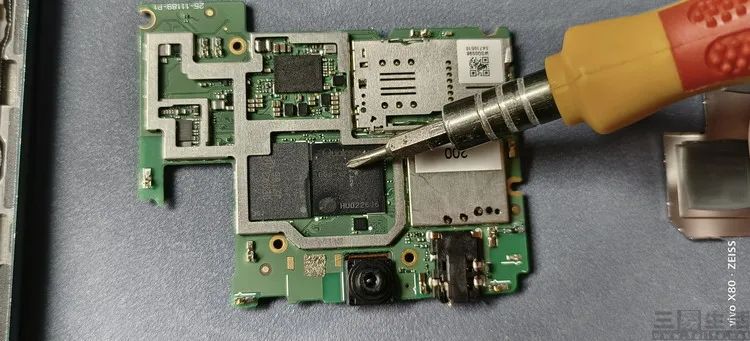
However, even more “impressive” things are yet to come. In fact, the SoC in our development prototype does not come from any already released smartwatch main control. Of course, it is also not one of the existing smartphone SoC solutions.
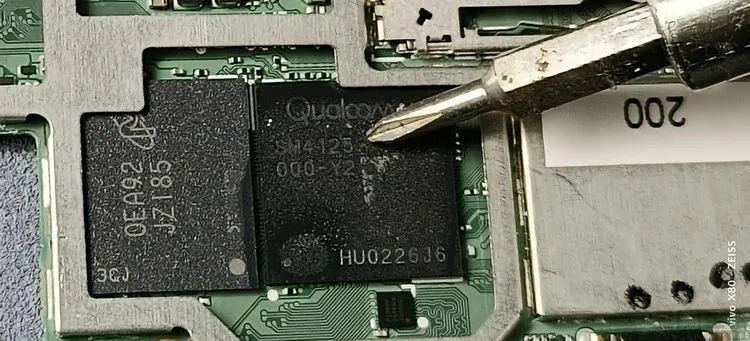
When opening the phone and lifting the shielding cover, we can see that the surface printing on this chip reads “SM4125”. As we all know, the codename for Snapdragon 460 is “SM4250”, so this chip should theoretically be a simplified derivative version of the previous generation of Snapdragon 460.
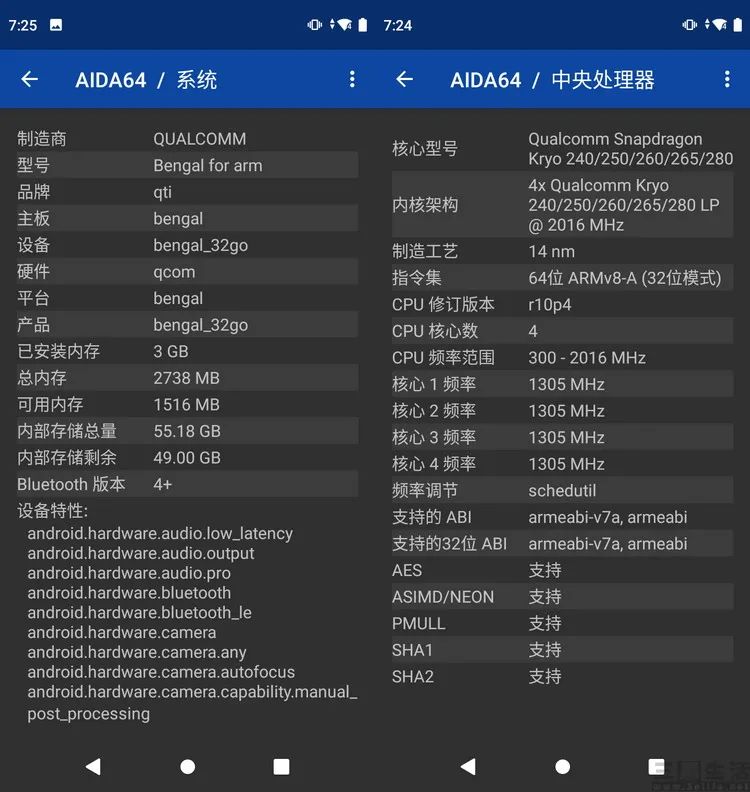
However, when using system information software to check its process technology and architecture, it becomes clear that this “SM4125” is far from simple.
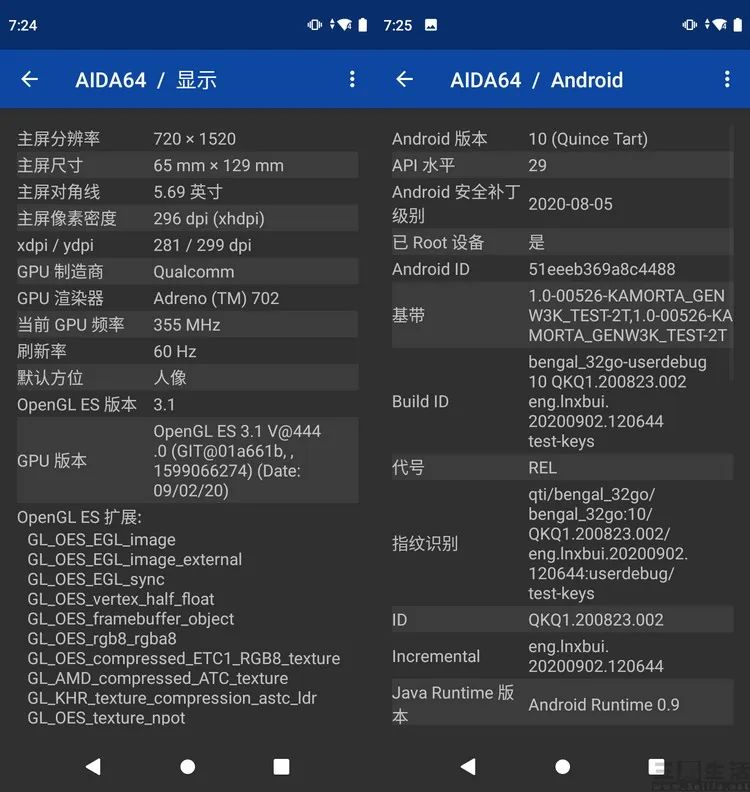
First, the process technology of “SM4125” is 14nm. This means that in terms of process technology, it is indeed one generation earlier than Snapdragon 460 (SM4250, 11nm) and even Snapdragon Wear 4100 (12nm).
However, the CPU of “SM4125” uses four full-core Cortex-A73, which is far more advanced than Snapdragon Wear 4100 and even has better specifications than the current latest Snapdragon W5 Gen1 (four-core Cortex-A53). Moreover, its four CPU big cores have a peak frequency of up to 2GHz, which is also higher than that of Snapdragon W5 Gen1.
More astonishingly, the GPU solution integrated into “SM4125” is Adreno 702. Yes, you read that right; it directly uses the Adreno 700 series GPU that Qualcomm started to implement from the Snapdragon 8 Gen1 era. By the way, the GPU built into Snapdragon W5 Gen1 also happens to be Adreno 702.
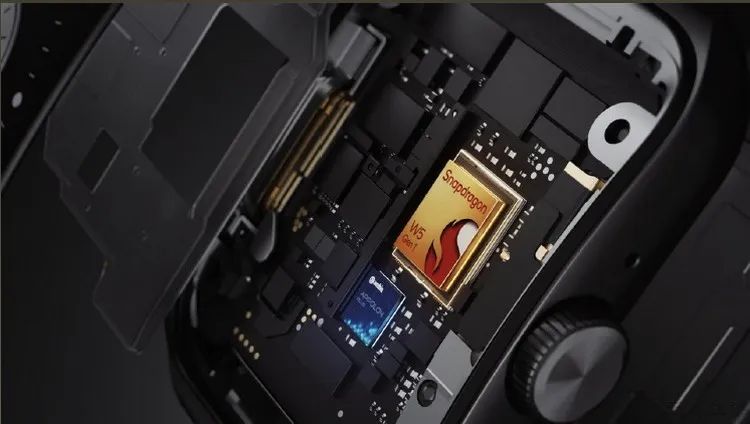
Because of this, the “SM4125” SoC seems to be a forced “stitching” of the process of Snapdragon 450 (the predecessor of SM4250, theoretically also called SM4150), the CPU big core part of Snapdragon 665 (SM6125), and the GPU part of Snapdragon W5 Gen1 (SW5100). Considering the information revealed by the GPU part, we have reason to suspect that it might be an experimental “product” during the development of Snapdragon W5 Gen1.
-
Smartwatches Ultimately Choose Battery Life Over Performance
Understanding this, the significance of SM4125 and the reason why it was never truly pushed to market become very clear. It is likely a testing platform designed by Qualcomm to test how much performance gain can be achieved by using “big core, high frequency” CPU designs on smartwatch SoCs.
But clearly, even without professional testing, it is enough to indicate that a four-core 2GHz Cortex-A73 architecture does not bring about impressive performance. Moreover, smartwatch SoCs are products with severely limited power consumption and cost, and under such a premise, instead of spending costs on a slight improvement in CPU architecture and performance, it is better to use much more advanced semiconductor processes to “remake” mature, low-power old architectures, which may yield more significant improvements in battery life.
This likely explains why the latest Snapdragon W5 Gen1 chooses a seemingly “huge gap” of a 4nm process and Cortex-A53 quad-core CPU. The same reasoning can naturally be extended to the main controls of Samsung and Apple smartwatches. After all, compared to stronger computing power and more complex algorithms, battery life remains the most prominent experience shortcoming of “fully smartwatches” in front of consumers.
How to Solve the SIM Card Dilemma? iSIM May Become the Key
The commercialization of iSIM may become the key to breaking the deadlock.