Introduction
Which one do you choose, industrial robots or PLC?
The annual salary ceiling for PLC programming is around300,000, while the annual salary for industrial robot system integration is around 400,000 to 500,000. Both are responsible for automation production lines, with PLC responsible for program development and debugging, and industrial robots responsible for motion control and production line coordination.
Currently, there is an unspoken rule in the automation industry: technicians who are proficient in both PLC and robotics earn 30% more than those with a single skill.
We are now in a window period for manufacturing upgrades, with a shortage of over120,000 automation technicians in the Yangtze River Delta. Seizing this wave of benefits is actually more important than choosing the right industry.
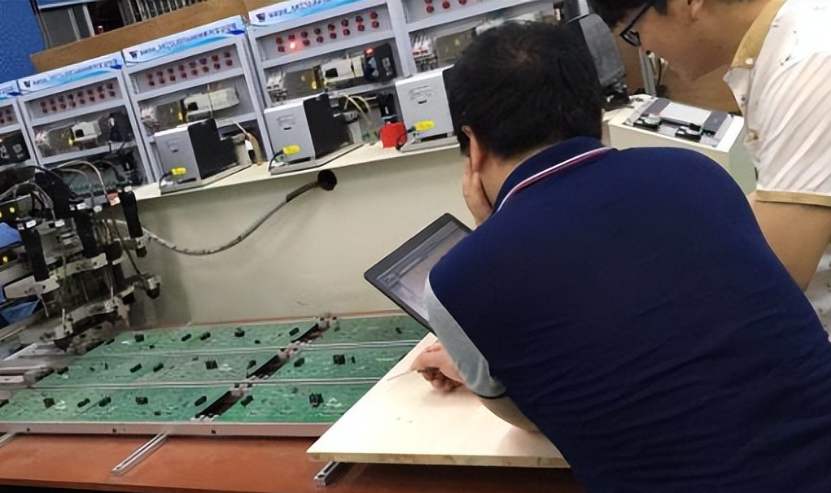
The difference in educational requirements is also worth noting.
Leading manufacturing companies generally require a bachelor’s degree or higher for industrial robot positions. This is not discrimination based on education, but because robot motion control involves advanced mathematical knowledge such as matrix operations and rigid body dynamics.
Recruitment data from a certain new energy vehicle factory indicates that candidates with MATLAB simulation skills have a starting salary that is 25% higher than ordinary applicants. In contrast, in the PLC field, those with a college diploma can fully qualify for 80% of routine production line debugging work with a solid electrical foundation and practical assessments on Mitsubishi FX series or Siemens S7-1200.
A follow-up survey from a vocational college in Jiangsu shows that PLC graduates can earn an average salary of 150,000 within three years, confirming the characteristic of this field being “practical skills over academic qualifications.”
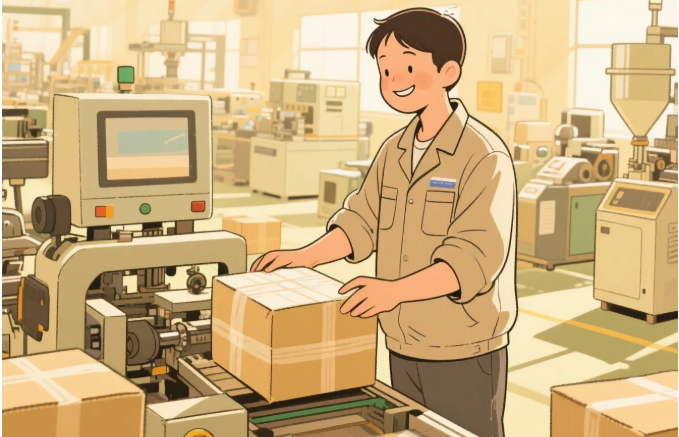
The comparison of learning costs is even more dramatic.
The entry period for PLC programming is usually 3-6 months, and students can participate in actual projects after mastering the basic instruction system and hardware configuration. In contrast, the learning curve for industrial robots is significantly steeper, with over 200 hours of simulation training required just for trajectory planning modules.
Data from a training institution in Shenzhen reveals that students need an average of 1500 hours to complete the transition from basic operations to system integration, which is three times the learning duration of PLC. This difference has led to a severe shortage of “dual-skilled engineers” who master both PLC and robotics, with companies in the Suzhou Industrial Park offering a salary premium of 30%-40% for such talents.
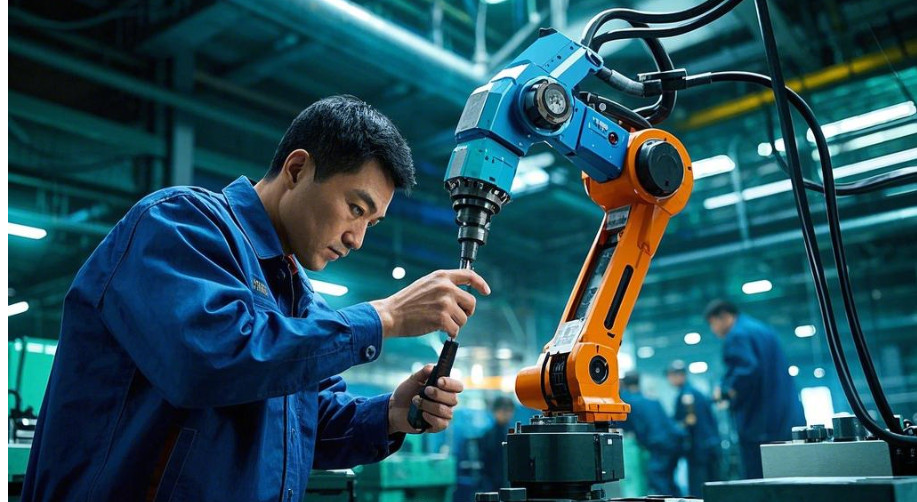
The opportunities brought by the current manufacturing transformation window cannot be ignored.
The explosive growth of smart factories in the Yangtze River Delta has created a shortage of 120,000 automation technicians, and this supply-demand imbalance is reshaping career development paths.
According to the compensation system of a listed automation company, the salary growth curve for composite engineers is steeper: a single-skilled PLC engineer with 5 years of experience can earn 250,000, while a “PLC + Robot” dual-skilled engineer can earn 400,000 in the same period.
It is worth noting that the popularity of the industrial internet is blurring the boundaries of traditional technologies. For example, the application of the OPC UA protocol requires PLC engineers to understand robot communication protocols, and this trend of technological integration further amplifies the value of composite skills.
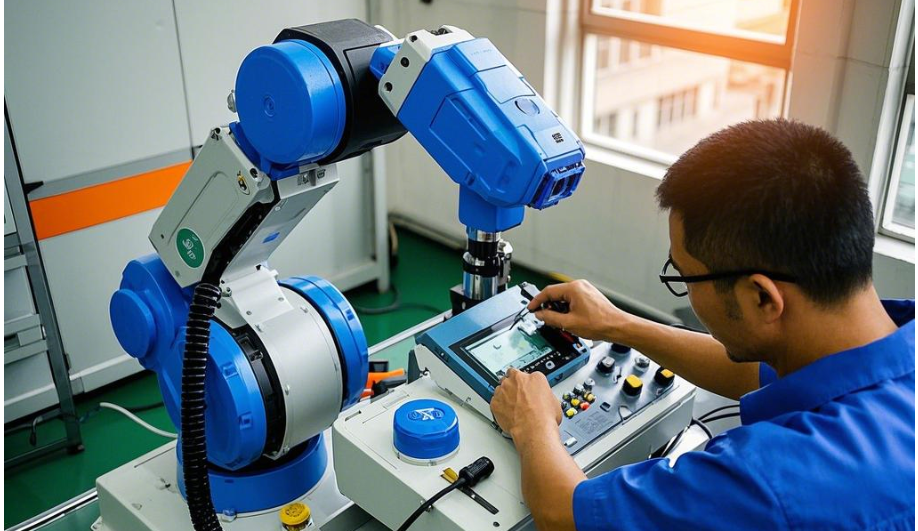
For practitioners, the choice should not be a binary question.
A wise strategy is to start with PLC, accumulate 2-3 years of practical experience on the production line, and then expand into the robotics field. This stepwise growth path can avoid initial learning risks while capturing the benefits of industrial upgrades.
The technical director of a leading integrator admitted: “What we need most are not engineers specialized in a single technology, but system architects who can build control frameworks with PLC and achieve flexible production with robots.” This perhaps reveals the ultimate form of talent development in automation—the co-evolution of technical composite capabilities and system thinking.
Welcome everyone to leave comments and engage in discussions!