Latest Updates: Three Landmark Events in the Technology Explosion Period
-
The Wuhan Industrial Expo is about to unveil the “Smart Control Ecosystem” (2025.10.11-13)
Core Highlights:
PLC Control System Upgrade: The new generation of programmable controllers supports multi-protocol communication and edge computing, achieving full-scenario coverage from assembly line control to unmanned workshop scheduling;
Commercialization of Humanoid Robots: The “Photon” robot produced in Hubei (priced at 550,000 yuan/unit) has been applied in exhibition hall guidance and supermarket services, and is extending into industrial scenarios;
Intelligent Energy Storage Breakthrough: Edge control technology empowers battery management systems (BMS), improving energy collaboration efficiency by over 30%.
-
July’s Intensive Technology Release Wave
Estun E-care Platform: The first remote operation and maintenance system supporting seamless integration of PLC and MES, achieving fault OTA repair and reducing downtime losses by 50%;
Humanoid Robot “Monkey King” Debuts Soon: Deep Thought Technology’s full-size bionic robot has won international design awards, aiming to replace high-risk industrial scenarios;
3D Sensing Technology Leap: Hikvision’s new generation of profile sensors achieves micron-level accuracy, providing a “dynamic visual brain” for high-speed production lines.
-
Efficiency Revolution Case Studies
An electronics company achieved a 400% increase in production efficiency and reduced the defect rate from 2.5% to 0.2% through PLC + industrial robot cluster collaboration (Siemens S7-1500 + ABB robots). The core lies in:
Real-time bus communication (Profinet protocol, millisecond-level response);
Dynamic path optimization (grasping accuracy of 0.01mm);
Multi-task scheduling engine (4 robots working seamlessly together).
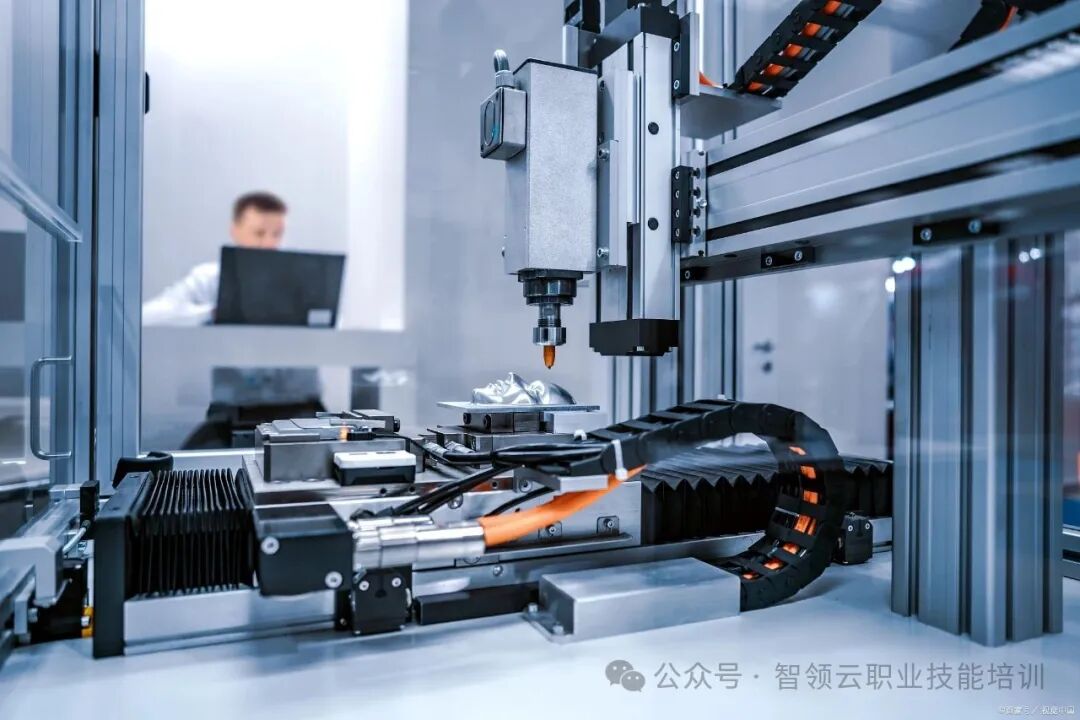
The “Brain-Body Integration” Trend in Industrial Automation
1. Evolution of PLC: From “Control Center” to “Intelligent Decision Maker”
Traditional PLCs are undergoing three major transformations:
AI Empowerment: Edge computing enables PLCs to have predictive maintenance capabilities (e.g., predicting equipment failures);
Domestic Breakthrough: The mid-to-large PLC market has long been dominated by Siemens and Mitsubishi, but domestic manufacturers have increased their market share to 20% in the new energy and textile sectors;
Security Upgrade: In the era of industrial internet, PLCs integrate data encryption and access control to resist cyber attacks.
2. The Industrial Ambitions of Humanoid Robots
Products like “Photon” and “Monkey King” reveal industry directions:
Breaking Scene Barriers: Entering the industrial field from service scenarios (e.g., high-risk equipment maintenance, working in confined spaces);
Cost Reduction: The price of 550,000 yuan is only one-third of similar products from last year, indicating potential for large-scale application;
Key Technical Challenges: Precision of bionic joints and environmental adaptive algorithms still need breakthroughs.
3. The Mismatch Dilemma of Talent and Industry
One Million Shortage: By 2025, the talent gap in the PLC and robotics fields will exceed one million, with companies struggling to find “highly skilled composite engineers”;
Skill Iteration: The market urgently needs talents proficient in “PLC programming + robot debugging + data algorithms”, but universities are lagging behind technological advancements.
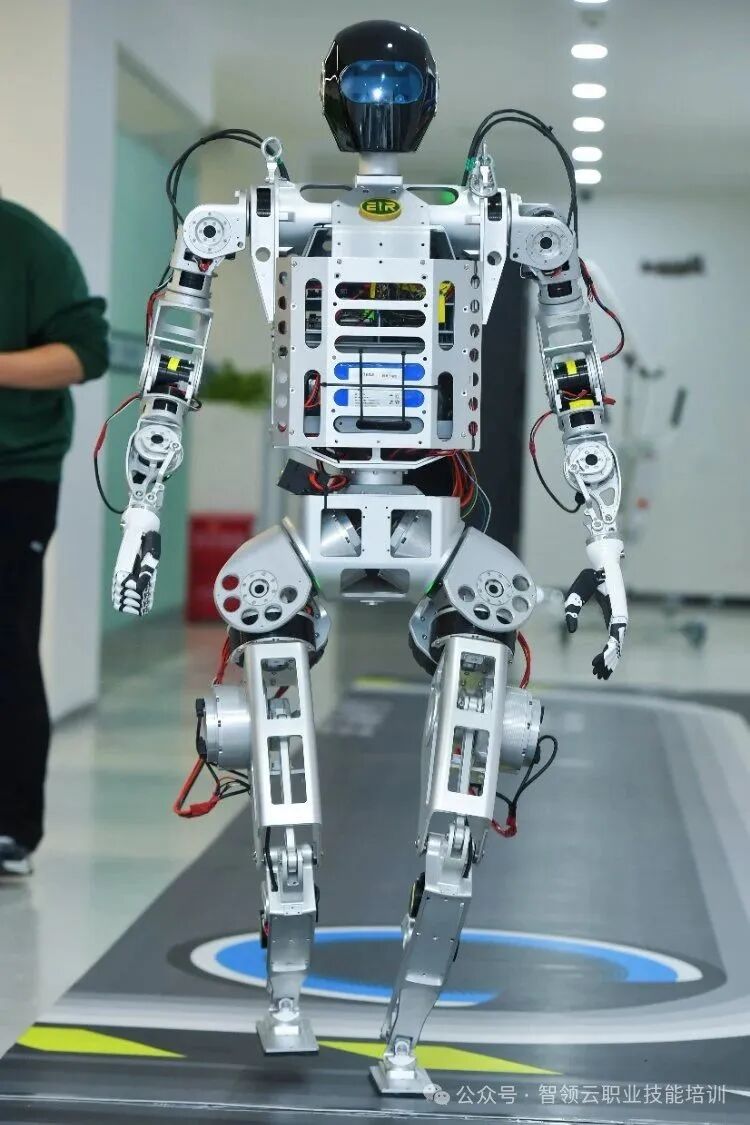
Nantong University and Zhiling Cloud Collaborate to Cultivate “New Forces in Intelligent Manufacturing”
In the current heated competition for intelligent manufacturing talent, Nantong University and the Zhiling Cloud Vocational Skills Training Center have jointly established the “Intelligent Manufacturing Training and Employment Innovation Camp”, using a three-dimensional empowerment model of “theory + practical training + internship” to open up new paths for regional industry-education integration. This project relies on the industrial-grade equipment of the Zhiling Cloud Intelligent Manufacturing Training Base (including PLC control, machine vision, and industrial robot integration systems) to provide students with immersive training on “real equipment, real projects, real needs”, directly addressing the pain points of enterprise production.
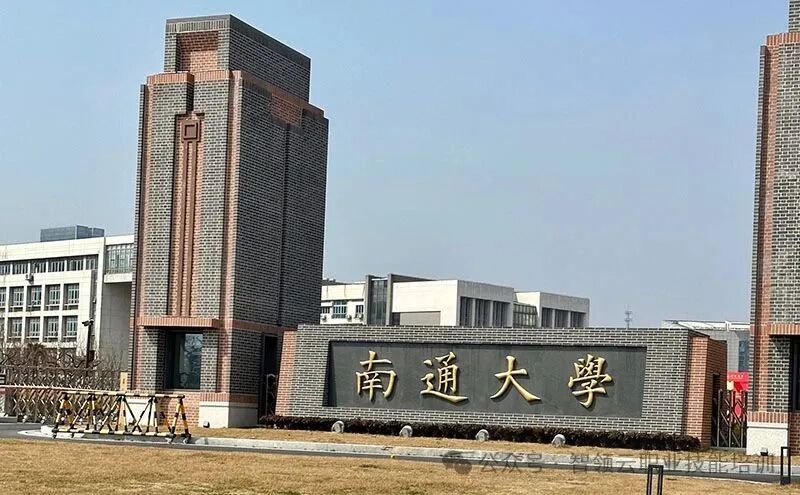
Core Advantages of the Project:
Government-Enterprise-University Collaborative Mechanism: Under the guidance of the Shanghai Employment Promotion Center, it connects the entire chain of “skill certification – internship recommendation – high-quality employment”, allowing students to receive both government subsidies and enterprise job guarantees;
Direct Access to Major Enterprises: Partner companies cover fields such as automotive manufacturing and new energy, allowing students to participate in practical projects like “intelligent inspection of wind turbine blades” and “dynamic optimization of production lines”, with priority hiring upon graduation;
Synchronization of Technical Iteration: The curriculum incorporates cutting-edge technologies such as PLC multi-protocol communication, edge control, and 3D vision development, aligning with the “brain-body collaboration” trend revealed at the Wuhan Industrial Expo, and cultivating cross-system integration capabilities.