The design of China’s Chang’e 8 is truly a “ceiling”; it surprisingly incorporates multiple robots inside the lunar rover, which will deploy on the lunar surface to perform related power generation tasks.
Of course, this entire structure serves as a “mobile power source” under the Chang’e 8 mission, enabling task execution on the lunar surface.
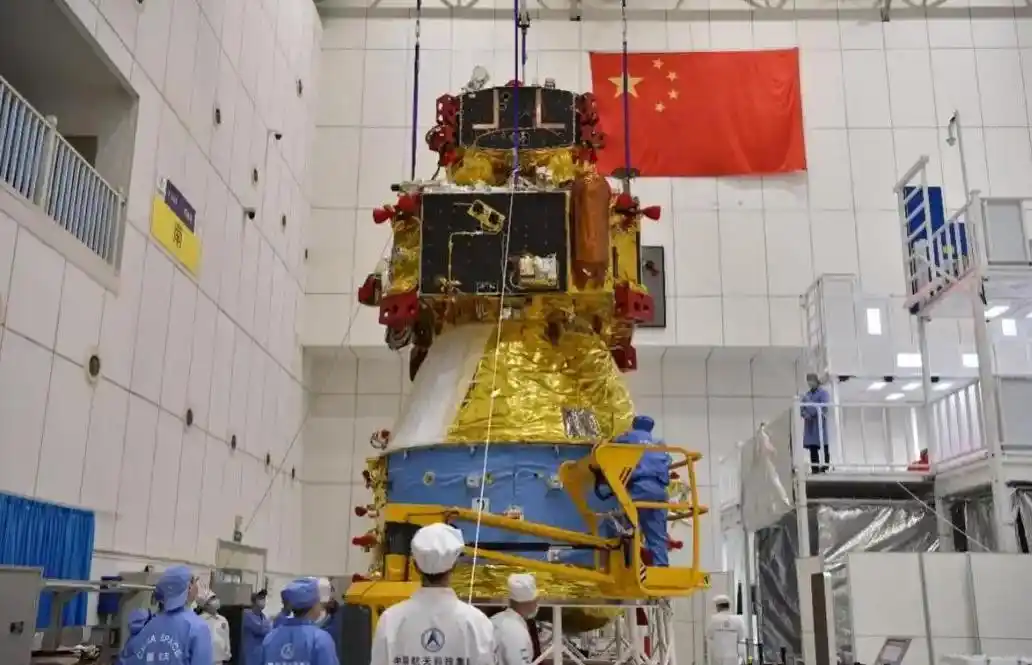
What exactly is going on? What is China planning to achieve with the Chang’e 8 mission? Let’s take a step-by-step look at the situation.
The multifunctional lunar operation robot of Chang’e 8 has been revealed, and it is truly amazing.
For the Chang’e 8 mission, this is a task scheduled around 2029, with the launch date confirmed. Before it, there is the Chang’e 7 mission, expected to take place in 2026, heading to the lunar south pole to conduct crucial surveys for lunar water sources. Importantly, both the Chang’e 7 and Chang’e 8 missions are key to China’s lunar exploration, as these two lunar probes will establish a foundational lunar research station for our country, which is extremely significant.
Therefore, seeing the execution of these missions is indeed quite exciting.
This time, a video released by “InnoHK/SegerYU” shows us an animation of the Chang’e 8 mission’s multifunctional lunar operation robot (mobile charging station), clearly illustrating the configuration of the mobile power source during the Chang’e 8 mission.
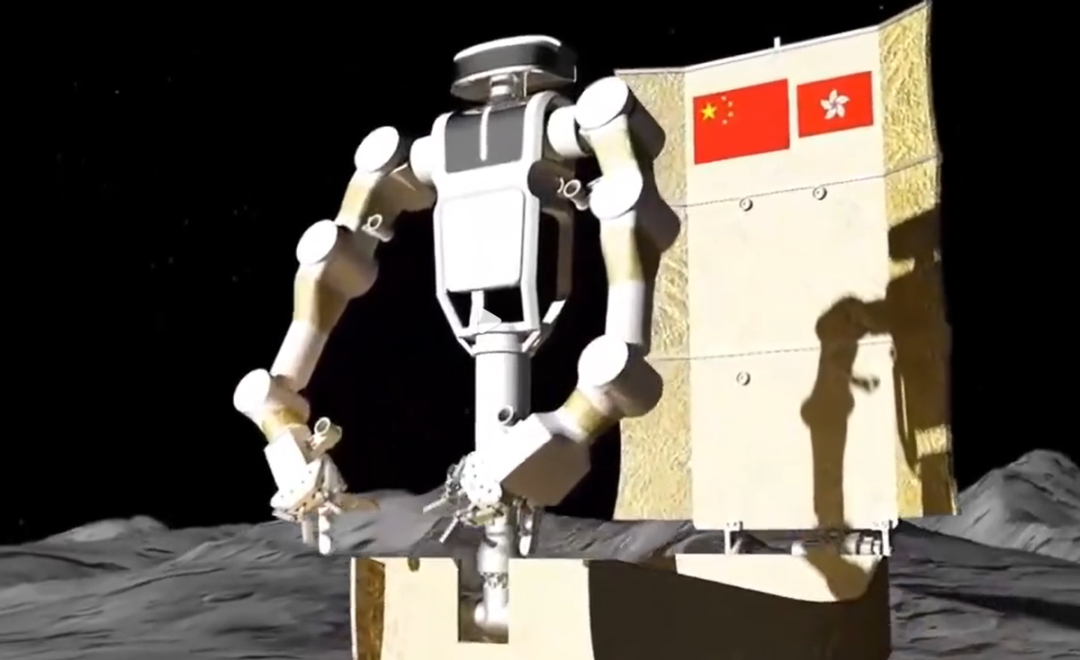
When the lunar rover is on the lunar surface, it opens its top cover, allowing the lunar robot to stand up. It can rotate freely on the lunar surface while capturing energy from lunar light sources, thus completing its lunar power generation function. This relates to the distribution of power, which can be considered a form of “solar” power generation, as it appears that there are solar panels on the outer shell in the illustration.
Thus, the exposure of the Chang’e 8 multifunctional lunar operation robot marks a significant milestone in China’s transition to lunar energy. Although many people have noted that there are plans for lunar nuclear reactors, not all energy needs require nuclear reactors for support; otherwise, the consumption demand would be substantial.
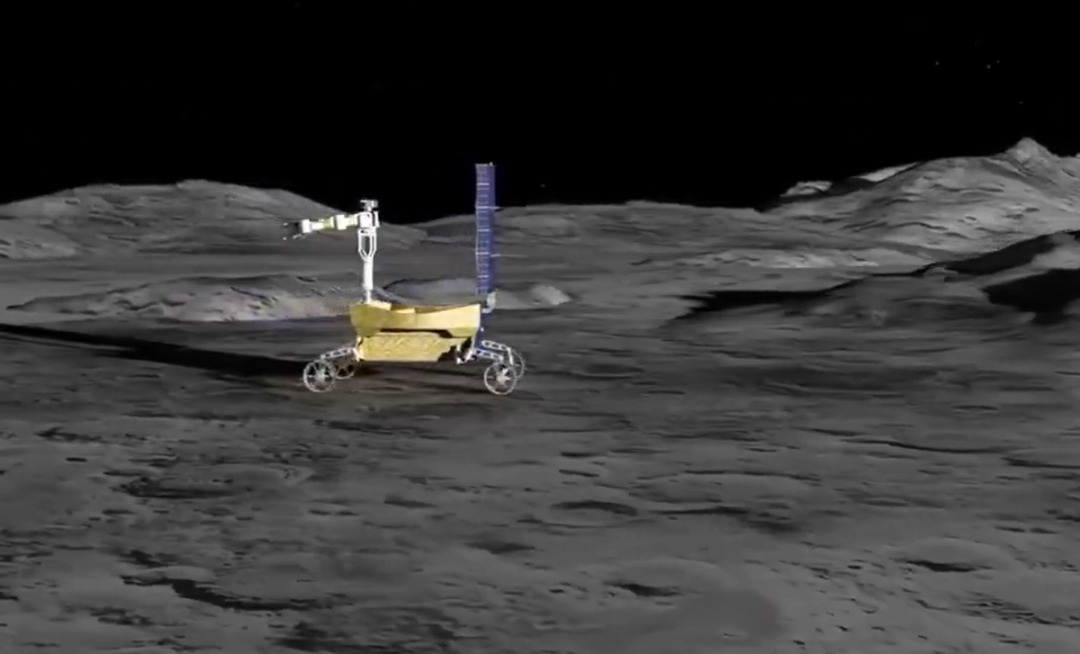
China’s approach is to utilize solar power generation, which expands the development of energy needs. Therefore, the layout of the Chang’e 8 in this regard has significantly increased, providing great value for the future energy output of our country. However, this is just one part of the Chang’e 8 mission; there is another important task that has already been announced.
What does it mean that Chang’e 8 will conduct house construction testing?
Indeed, the Chang’e 8 mission encompasses many tasks, and transporting lunar robots is just part of the support. The most important aspect is the lunar house construction testing, primarily because after China completes its manned lunar landing, astronauts will need to reside on the moon. This timeline is quite urgent, especially since China is making significant progress in its manned lunar landing mission. This year, tests for the Dream Boat spacecraft and the lunar lander have already been completed, indicating that China’s manned lunar landing is accelerating, which are critical points in the lunar landing process.
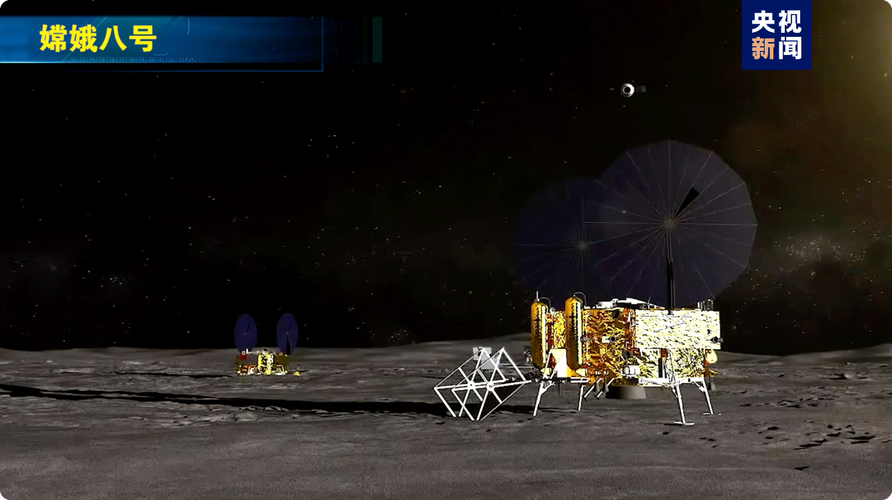
Thus, this also indicates that although China has stated it will complete the manned lunar landing before 2030, the timeline may be significantly advanced, depending on the progress of the Long March 10 rocket. At least from the current situation, the spacecraft and lander are basically in a ready state. According to the plan, China expects to conduct the first flight of the Long March 10 in 2027, but it may also be advanced, as many projects have already made breakthroughs. So, does this mean that the construction of houses must also accelerate, as our astronauts will need to enter a normalized mode of operation for their missions?
Moreover, for the Chang’e 8 mission, this task node should be around the time of the manned lunar landing. Of course, what has China already done regarding lunar house construction?
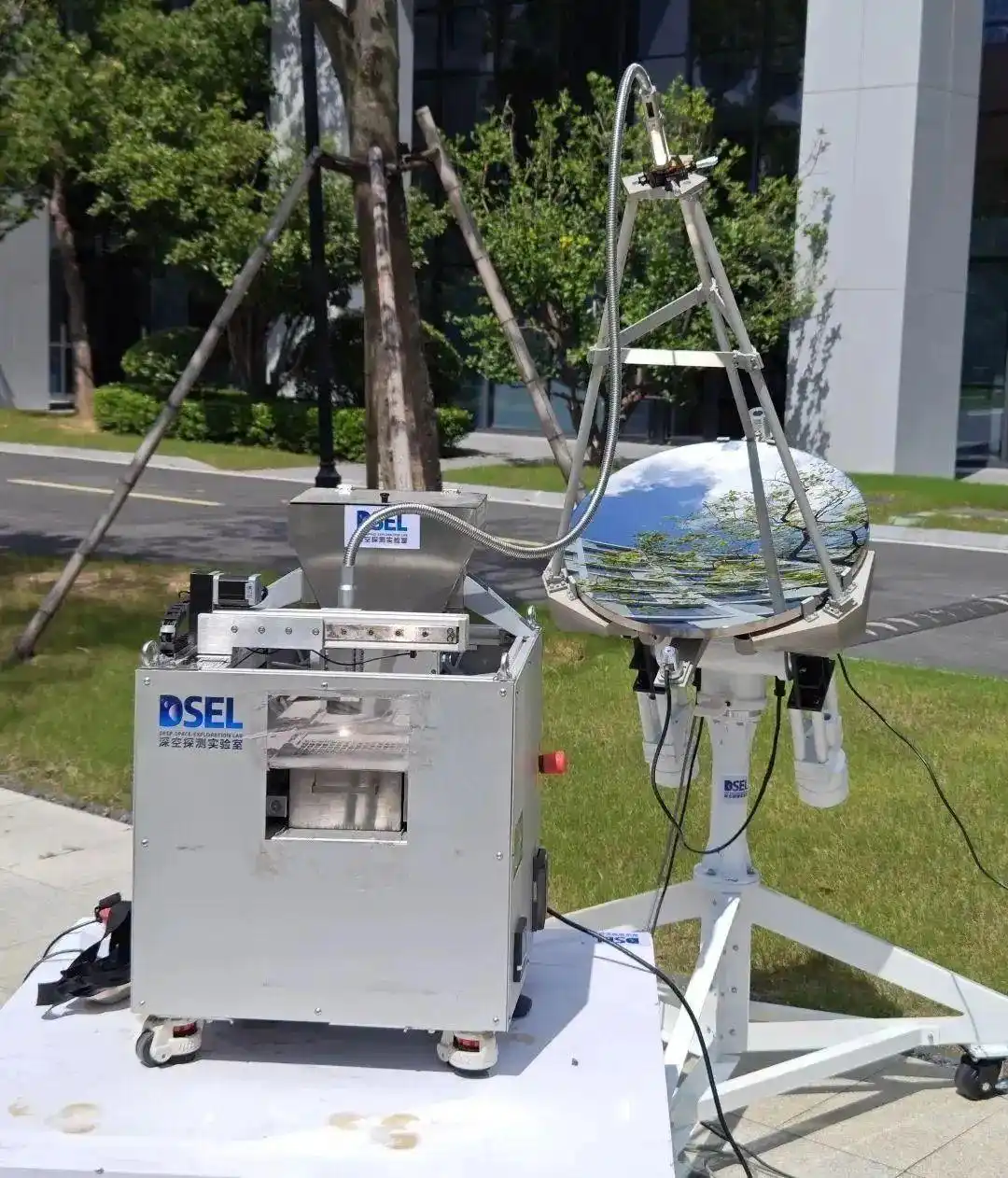
For lunar house construction, the most critical aspect is the machinery. China has completed its research and has already announced a prototype machine for creating lunar soil bricks, known as the “In-Situ Lunar Regolith 3D Printing System,” developed by the Deep Space Exploration Laboratory.
The method for creating lunar soil bricks is quite simple and not as complex as one might imagine. It involves using a parabolic reflector to achieve high concentration of solar energy, and energy is transmitted through a bundle of optical fibers. At the end of the optical fiber bundle, a solar concentration ratio of over 3000 is generated. Through a precise optical system, sunlight is focused onto a small point, rapidly raising its temperature to over 1300°C, thus melting the lunar soil.
In simple terms, it is about using light focusing to create lunar soil bricks. Once melted, the model and state can be tailored to the mission’s requirements, as after melting, it can be “shaped” like we do on Earth to create bricks. The future lunar houses can be constructed in any desired shape, making it self-sufficient.
Therefore, this lunar soil brick machine will be transported via Chang’e 8, marking an important step in China’s lunar strategy.
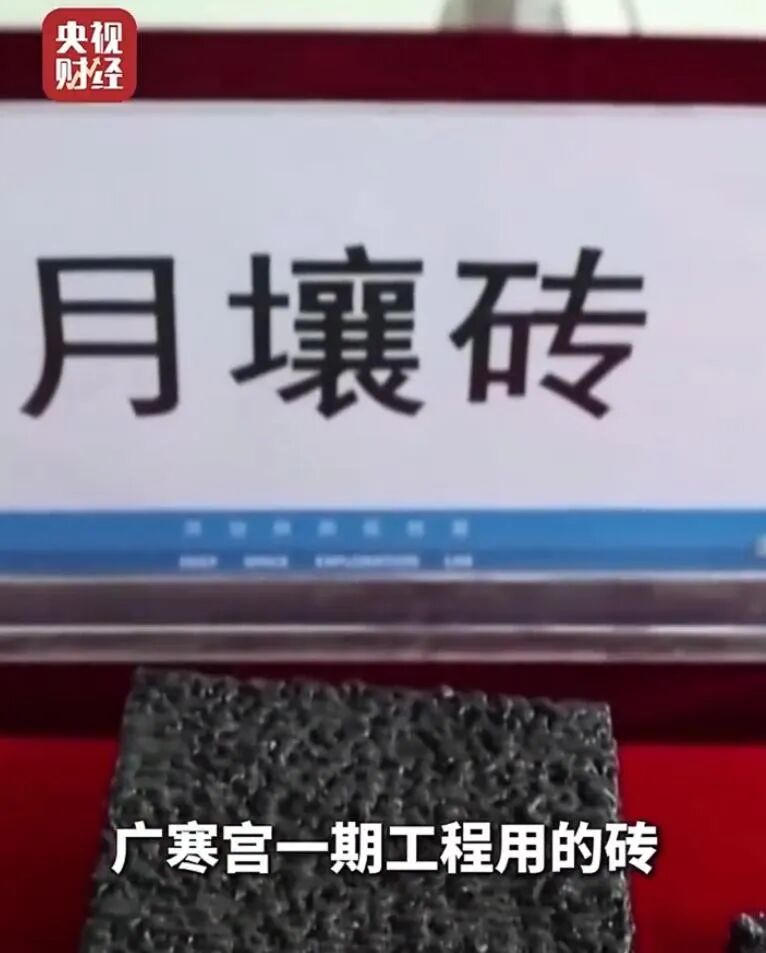
This is one of the reasons why there is anticipation for an early lunar landing; the sooner it happens, the faster China can execute its missions and the quicker the construction of houses can proceed. This is the task of Chang’e 8. Furthermore, regarding the Chang’e 8 mission, China has also initiated international cooperation.
Chang’e 8 Global Open: 11 Countries Join
Since China began international cooperation with the Chang’e 6 mission, the Chang’e 7 mission also involved collaboration with seven countries, and the list has been confirmed. For the Chang’e 8 mission, the number has increased, with China announcing that 10 projects from 11 countries and regions, along with one international organization, have been selected, including countries like Pakistan and South Africa. What does this indicate? It shows that the speed of project collaboration is increasing, and more countries are joining in.
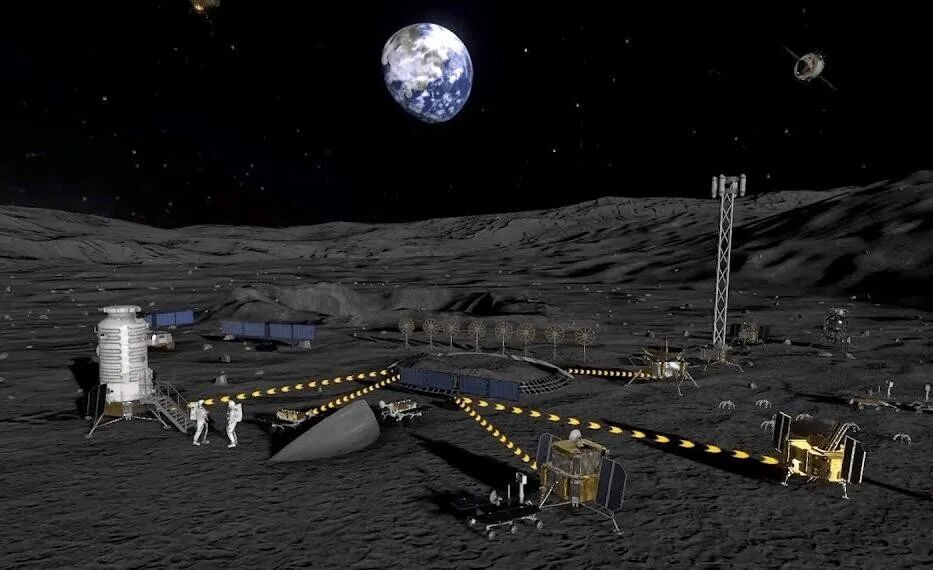
As part of China’s international lunar research station, the 11 selected projects may also contribute to data sharing for the construction of the lunar research station. For many countries that have not yet been to the moon, collaborating with China should yield some unexpected results. Thus, China aims to lead everyone towards the moon, embarking on a new route for lunar plans, which differentiates it from other countries.
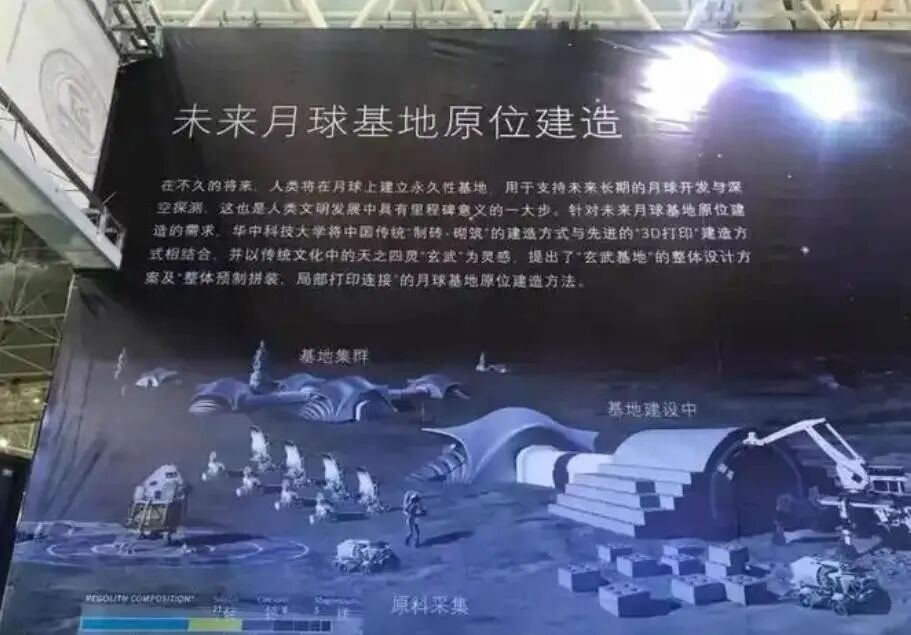
This is also an important strategic direction for China’s space development. China has always adhered to openness; besides the Chang’e program, projects like the space station and the Tianwen series are also following this principle. Therefore, we look forward to more countries collaborating with China on lunar missions, achieving further advancements in future space technology.