In the process of learning embedded systems, serial communication is undoubtedly a very important and fundamental method for communication and debugging. During this learning process, many different concepts related to serial communication have been encountered. This article will distinguish and analyze the concepts of serial ports, UART, USART, RS485, and RS232.
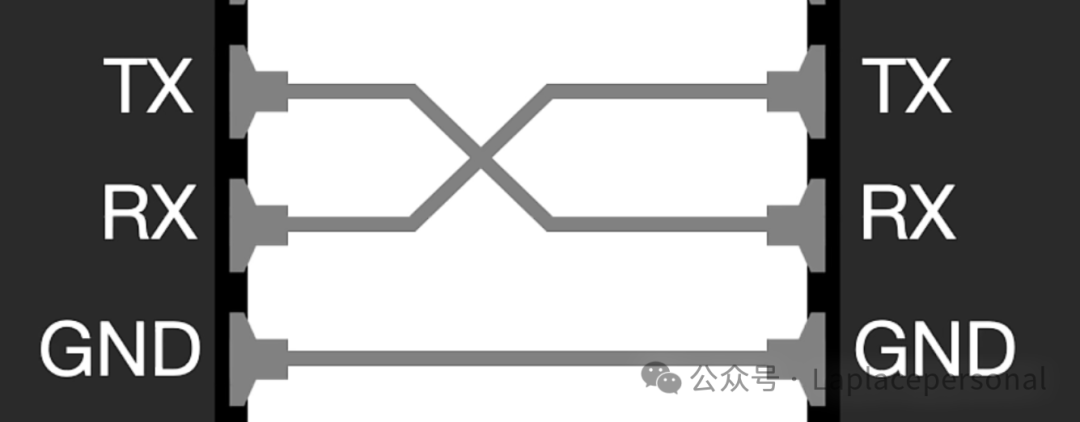
1. Basic Concepts of Serial Communication
1.1 UART (Universal Asynchronous Receiver/Transmitter)
UART stands for Universal Asynchronous Receiver/Transmitter. As indicated by the term “asynchronous,” it only supports asynchronous communication. During communication, there is no need for a clock signal to synchronize data transmission; both parties ensure data synchronization through a pre-agreed baud rate (data transmission rate). Its hardware circuit is relatively simple and does not require clock signal-related circuit design.
1.2 USART (Universal Synchronous/Asynchronous Receiver/Transmitter)
USART stands for Universal Synchronous/Asynchronous Receiver/Transmitter, which is an enhanced version of UART. Compared to UART, USART has more comprehensive functions, supporting both asynchronous communication (compatible with UART) and synchronous communication. In general, USART includes all the functions of UART and adds synchronous communication capabilities. In practical applications, if only asynchronous communication is needed, both can be used interchangeably; if synchronous communication is required, USART must be used (actually, most of the time I use USART, but generally only the RX and TX lines, perhaps I haven’t noticed that I have been using asynchronous mode all along).
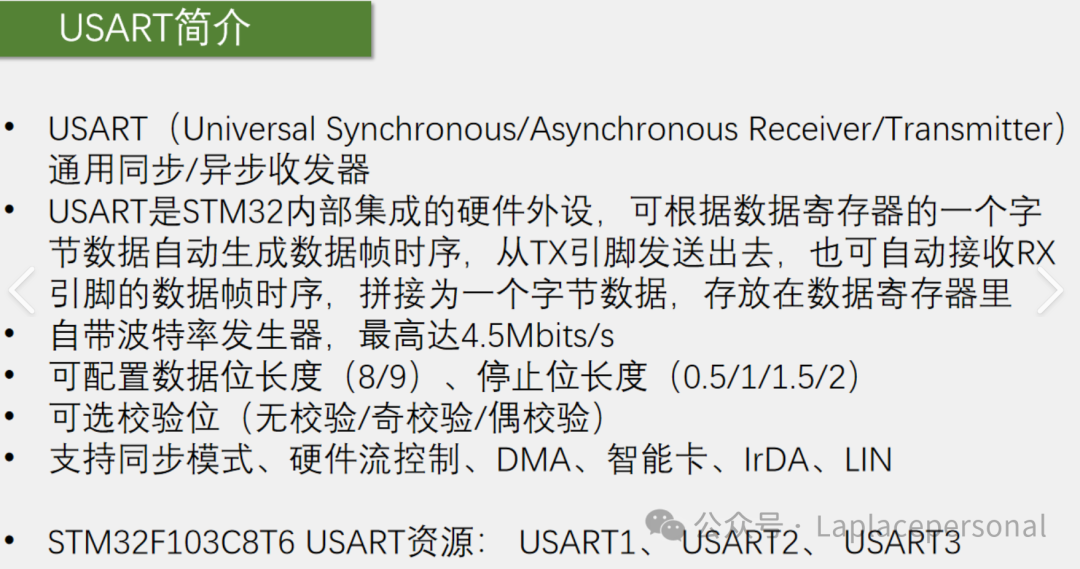
1.3Serial Communication
Serial communication is a general term that describes a communication method of “bit-by-bit transmission of data.” It is typically used for short-distance communication, with the advantages of lower hardware requirements and lower costs. Serial communication can be implemented through different protocols (such as UART, USART, RS232, RS485).
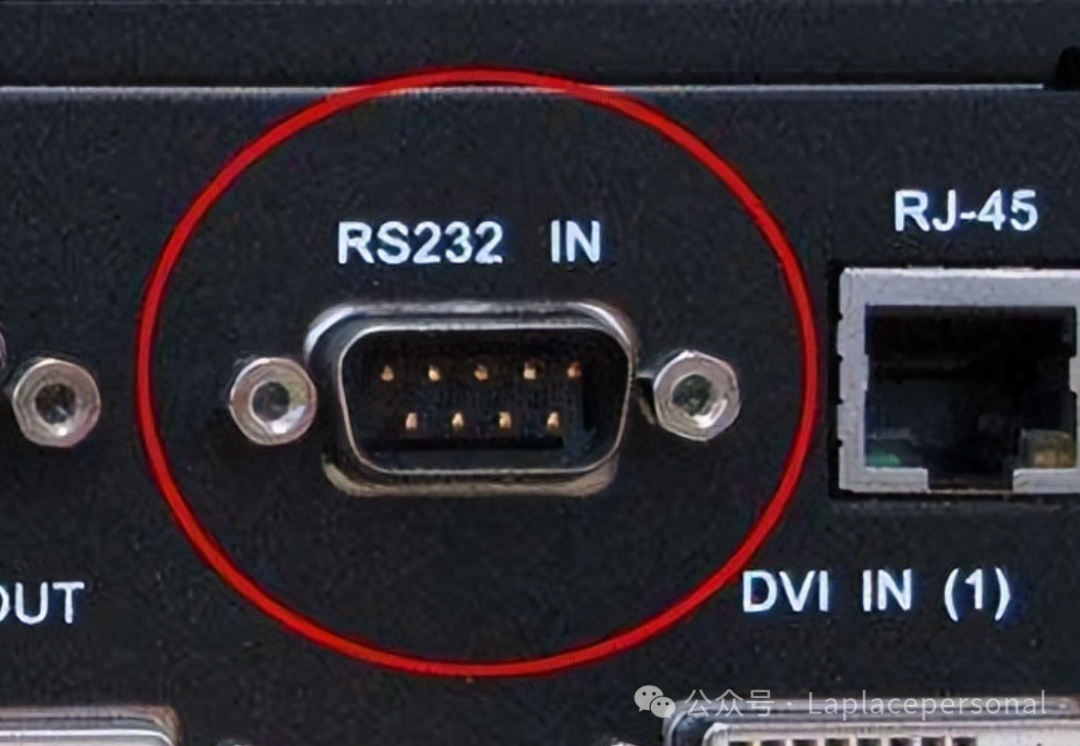
1.4 RS232 (Recommended Standard 232) RS232 is an asynchronous serial communication standard established by the Electronic Industries Alliance (EIA), formally known as EIA-RS-232. RS232 is a standard serial communication protocol that defines signal levels, connectors, and basic communication rules. It is typically used for short-distance, point-to-point communication, commonly used for communication between early computers and peripherals (such as modems, mice, printers), debugging communication between microcontrollers and PCs, and simple data transmission between short-distance devices.
1.5 RS485 (Recommended Standard 485)
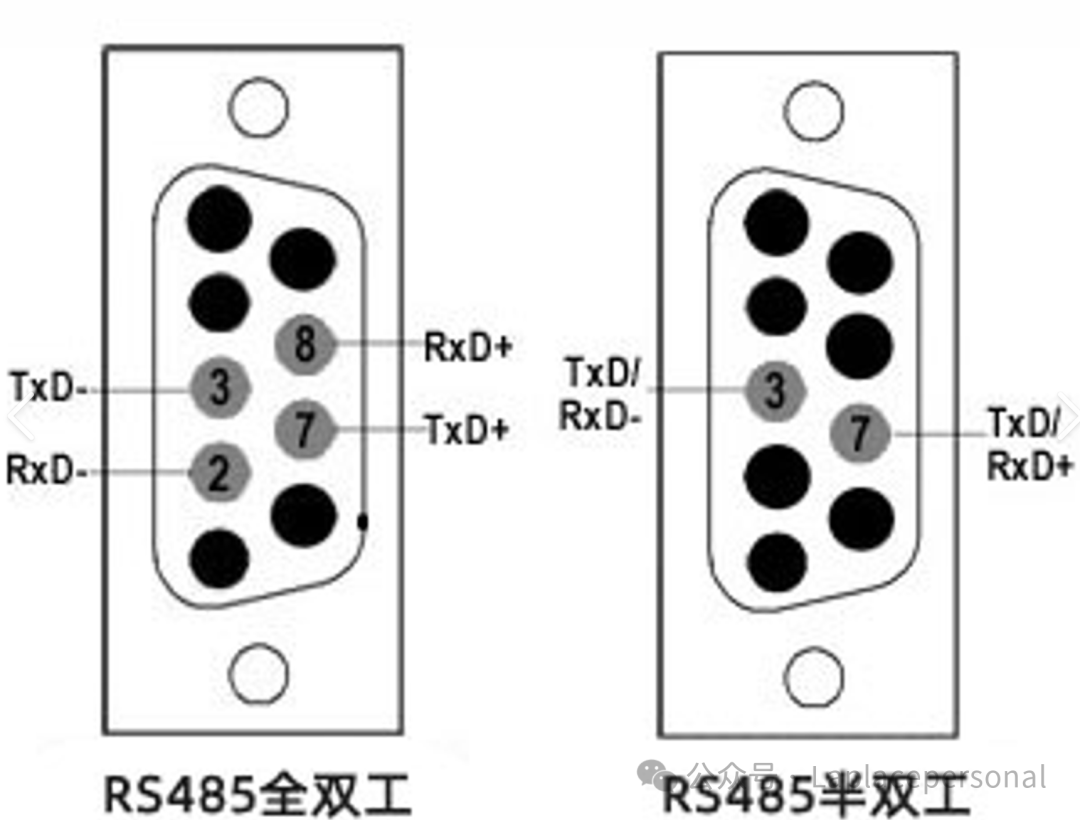
RS485 is a differential serial communication standard that supports multipoint communication. Unlike RS232, RS485 can support up to 32 devices connected on the same bus, suitable for longer transmission distances (up to 1200 meters, which is indeed quite impressive). RS485 is widely used in industrial automation, building control, and other fields.
2. Comparison of Various Serial Protocols
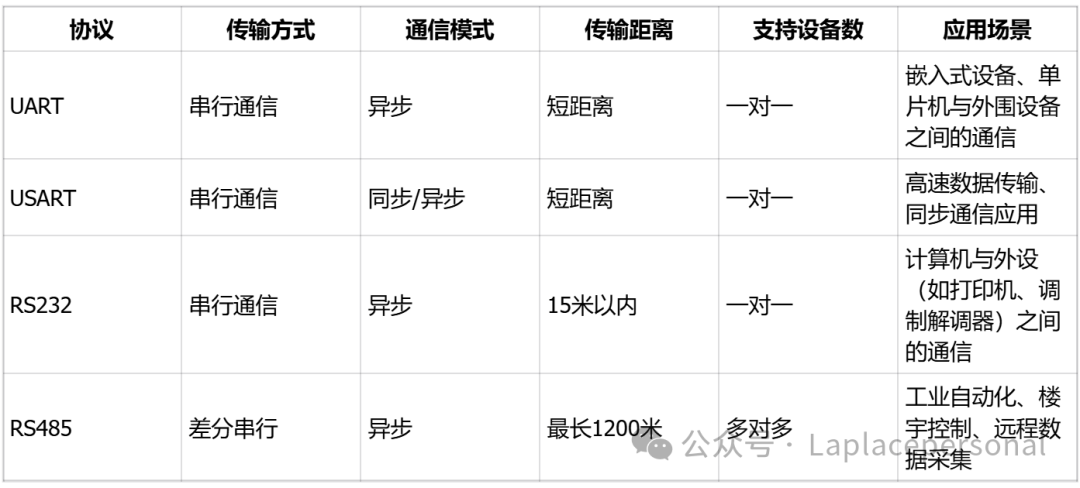
Note: Transmission distance is generally affected by various environmental factors.
3. Applicable Scenarios and Analysis of Various Protocols
3.1 UART
Applicable Scenarios:
-
Embedded Systems: Communication between microcontrollers and external sensors or devices.
-
Low-Speed Data Transmission: Devices with low data transmission rates (such as 9600 or 115200 baud rate).
Practical Cases:
-
Home Appliance Control: In smart home devices, the UART protocol is commonly used for simple communication between embedded devices and central control systems. For example, a temperature sensor transmits data to the central processing unit via UART.
Reasons:
UART is suitable for short-distance, one-to-one communication. Since it does not require a clock signal, it is suitable for cost-sensitive, low-rate applications.
3.2 USART
Applicable Scenarios:
-
High-Speed Data Transmission: Applications requiring high data transmission rates.
-
Synchronous Communication: Data synchronization in multi-device or complex systems.
Practical Cases:
-
Wireless Communication Modules: In IoT devices, USART is used for high-speed data transmission, such as synchronizing sensor data to a remote server.
Reasons:
The synchronous mode of USART is suitable for applications requiring high transmission rates and data synchronization, such as low-latency communication scenarios. It is more stable than UART and supports higher communication speeds. This communication method is also frequently used in embedded systems (currently, most 32-bit microcontrollers I have encountered generally have both USART and UART).
3.3 RS232
Applicable Scenarios:
-
Connection Between Computers and External Devices: Communication between computers, terminals, printers, and other devices.
-
Short Communication Distances: Typically used within a range of 3 to 15 meters.
Practical Cases:
-
POS Systems: In commercial cash register systems, the RS232 protocol is widely used to connect cash registers, printers, barcode scanners, and other peripherals.
-
Modems: Old modems communicate with computers via the RS232 protocol.
Reasons:
RS232 is very suitable for point-to-point communication, with stable electrical characteristics, easy implementation, and is widely used in old devices and some low-speed data transmission scenarios.
3.4 RS485
Applicable Scenarios:
-
Industrial Automation: In industrial environments, multiple devices require long-distance communication.
-
Building Automation: Multiple sensors or devices need to be integrated into the same network for data exchange.
Reasons:
RS485 improves anti-interference capability through differential signals, allowing reliable operation over long distances and in complex environments. Additionally, it supports multipoint communication, making it suitable for multiple devices sharing the same data bus (currently, I have only encountered differential signal communication with RS485, and I am not very familiar with its multipoint communication capabilities).
Conclusion
Whether it is UART, USART, RS232, or RS485, they are all types of “serial ports” that follow similar timing logic for communication between devices. They can also be likened to the various dialects in our country, all speaking Chinese, but each region has different pronunciations for each character, sometimes even significantly different.