Hi~ for those preparing for the postgraduate entrance exams on the 25th and 26th.
As we all know, there are many directions in automation postgraduate studies.
What are the differences between these directions?
How should one choose?
Next, I will introduce today’s research direction.
Control Theory and Control Engineering

Control Theory and Control Engineering is a discipline that focuses on engineering systems as the main object, using mathematical methods and computer technology as the main tools to study various control strategies and the theory, methods, and technologies of control systems.
The main disciplines involved in the research of scholars in control theory and control engineering are Engineering Science and Computer Science, and to a lesser extent, Mathematics and Physics.
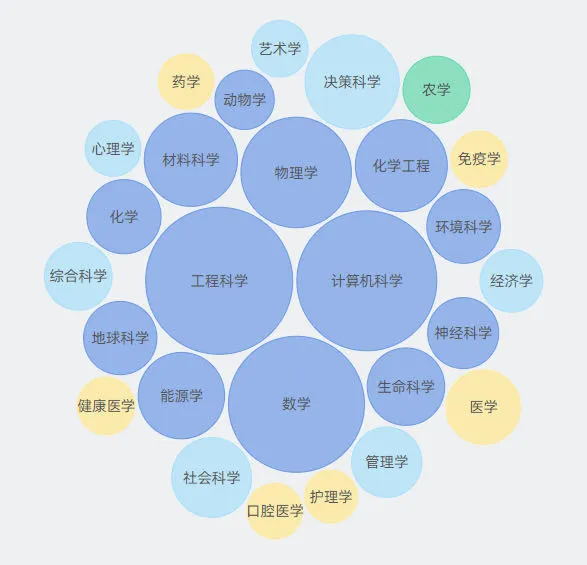
Source: Boguan Big Data
The field of control is closely related to mathematics. More precisely, research in engineering disciplines cannot avoid mathematics, but this is particularly evident in the “Control Theory and Control Engineering” direction. Most graduate students in the dual control direction at various universities are engaged in pure theoretical research, dealing with mathematical formulas daily, deriving formulas has become a routine, after all, the foundation of engineering is mathematics. To do research in control theory, one must first master mathematics; having a good mathematical mindset is definitely a great advantage on the road to theoretical research!
However, the advantage of “Control Theory and Control Engineering” is that the mentors generally focus on longitudinal research, which does not require practical experiments; simulating experiments on the computer will become a daily routine. It must be said that publishing theoretical research papers is easier than in engineering directions, which is a significant advantage for students who wish to continue their studies.
To better understand the concept of feedback and systems, I will share a report I read before; you can skim it if you have time.
Principles and Charms of System Feedback
Academician of the Chinese Academy of Sciences, Fellow of the Chinese Association of Automation, Guo Lei
Today’s report involves some basic content in the fields of control theory and systems science. I will first discuss two renowned scientists from China and abroad, namely Wiener, known as the “father of cybernetics”, and Qian Xuesen, honored as the “father of Chinese aerospace”. Then, I will briefly introduce several basic concepts such as systems, control, and feedback, and finally illustrate the importance and inherent charm of feedback principles through several practical examples, concluding with a brief overview of feedback system design methods.
1. Wiener and Qian Xuesen
Wiener, known as the “father of cybernetics”, is a famous American mathematician who wrote a book titled “I Am a Mathematician”. At the age of 12, he entered the Tufts Mathematics Department; at 18, he obtained a Ph.D. from Harvard University; and at 30, he became a full professor at MIT. Like his contemporary, the famous mathematician von Neumann, Wiener is regarded as a “hero of the information age”, exemplifying the brilliant intersection of mathematics and other disciplines. Wiener’s early contributions were mainly in the field of mathematics. In 1933, for his work on the Tauber theorem, he shared the Bôcher Memorial Prize with Morse. Almost simultaneously, he was elected a member of the American Academy of Arts and Sciences. In the 1930s, he was invited to Tsinghua University to collaborate with Li Yurong and others, teaching mathematics courses. Wiener regarded that year in China as a milestone in his academic career. In 1964, he received the National Medal of Science from the President of the United States for his “various astonishing contributions in both pure and applied mathematics and his pioneering work with far-reaching significance in engineering and biological sciences”. This award citation aptly expresses Wiener’s contributions to mathematics and its interdisciplinary studies.
However, what truly made Wiener famous in society was his book “Cybernetics” (or Communication and Control in Animals and Machines). “Cybernetics” is a scientific classic with 10 chapters, seemingly diverse in content, but each chapter is self-contained. Overall, the book discusses various important aspects comparing “animal intelligence” and “machine intelligence”, closely revolving around the mainline of “control and communication” and the basic principle of “feedback”, discussing issues such as time, ergodicity and statistical mechanics, time series and information, feedback and oscillation, computation and memory, visual recognition, brain reliability, communication and internal stability of social systems, learning and self-replicating machines, brain waves, and self-organizing systems. This is a groundbreaking work! Wiener had profound achievements in mathematics, biology, and electronic engineering, allowing him to reach the essence of problems in an understandable way and innovate significantly. This comprehensive integration ability is also related to his philosophical literacy. The depth and breadth Wiener achieved in mathematical and interdisciplinary research are exemplary!
When discussing cybernetics and Wiener, we naturally think of the renowned Chinese scientist Qian Xuesen. As we know, Mr. Qian had a scientific career spanning 70 years, crossing three extraordinary eras. The first was from the 1930s to the mid-1950s in the United States, where Qian became a renowned expert in aerodynamics and other fields due to his outstanding talents; the second was from 1955 when he returned to his homeland until 1978, where he contributed significantly to China’s “two bombs and one satellite” project, earning the title of “father of Chinese aerospace”; the third historical period is the rapidly developing 30 years since China’s reform and opening up, where he devoted considerable energy to the study of systems science and gradually developed his systems science thoughts in combination with practical issues of China’s modernization.
Mr. Qian Xuesen is considered the founder of engineering cybernetics, marked by his English work “Engineering Cybernetics” published in the United States in 1954, which has been translated into Russian, German, and Chinese. For this book, Mr. Qian was awarded the first Natural Science Prize from the Chinese Academy of Sciences, along with Hu Luogeng and Wu Wenjun from the Institute of Mathematics of the Chinese Academy of Sciences. In the preface of “Engineering Cybernetics”, Mr. Qian pointed out that “engineering cybernetics is a technical science, while servo system engineering is a form of engineering practice… The benefit of establishing engineering cybernetics as a technical science is that it allows us to observe relevant problems with a broader perspective and more systematic methods, thus often leading to more effective new methods for solving old problems, and it may also reveal new prospects that were not previously seen.” The book was later published in a revised version, adding some important content from modern control theory, authored by Qian Xuesen and Song Jian. In the preface to the revised edition, the authors used the following example to illustrate the role of cybernetics: “Although the V-2 rocket, which was the precursor to modern rocket technology and aerospace technology, appeared several years before the birth of cybernetics, when compared to the high precision and reliability achieved through the use of engineering cybernetics, the electromechanical guidance system of the V-2 was indeed very primitive. Fascist Germany launched 2000 of these rockets with a range of 300 kilometers at London, of which only 1230 fell within the city, and only half of those landed within 13 kilometers of the target center. In contrast, modern guidance technology can achieve such results: intercontinental missile warheads can land within 30 meters of the target center over a range of 10,000 kilometers.”
Mr. Qian Xuesen believed that in the modern scientific and technological system, systems science is an important department of science and technology, just like natural science, social science, mathematical science, and cognitive science. In terms of system structure, he proposed that systems science has three levels: applied technology (system engineering, principles of automatic control, etc.), technical science (operations research, cybernetics, information theory, etc.), and basic theory (systematics, Systematology). Mr. Qian believed that systems science is a foundational science that needs to be established. Through years of exploration, he and his collaborators successively proposed basic concepts and methodologies such as open complex giant systems, qualitative to quantitative integrated methods, integrated discussion hall systems, great wisdom studies, and great wisdom engineering, and published the book “Creating Systems Science”. Mr. Qian has made significant contributions at all three levels of systems science.
2. Systems, Control, and Feedback
To illustrate the role and charm of feedback, it is first necessary to understand several basic concepts.
1. What is a system?
We are almost always inextricably linked to the concept of a system. In summary, a system is a whole composed of several parts that are interrelated, interact, and depend on each other to perform specific functions; this “system” itself is also a component of a larger system (subsystem) to which it belongs. The overall functionality of a system is often not equal to the simple sum of its components’ functionalities, which is called emergence. Systems can be divided into natural systems and artificial systems (e.g., the solar system and factories), open systems and closed systems (open refers to exchanging matter, energy, and information with the outside), dynamic systems and static systems (dynamic refers to systems whose states change over time), and complex systems and simple systems (complex refers to a wide variety of subsystems and complex interaction relationships, such as biological systems, brain systems, human body systems, geographical systems, social systems, etc.).
2. What is control?
The behavior of a system can be described by its state. The purpose of controlling a system is to influence the system to change its state to achieve our desired goals. Like the concept of a system, control is also a universal concept closely related to other concepts such as regulation, adjustment, correction; manipulation, steering; management, decision-making, scheduling, etc. In our daily lives, we often use the term control, for example: missile control, rocket control, temperature control, pressure control, speed control, position control, combustion control, economic control, macro-control, ecological control, pollution control, noise control, etc. Control and systems are two concepts closely connected; control systems are an important type of typical systems studied in systems science. Wiener once said, “A control system is not an isolated system but one closely linked to its surrounding environment, particularly as control systems can reduce the ‘disorganization’ of the system through their feedback mechanisms, hence entropy reduction often occurs in control systems.” Qian Xuesen also stated, “The main issues discussed in cybernetics are the qualitative nature of the interactions between different parts of a system and the overall motion state of the entire system.”
3. What is feedback?
Intuitively, feedback is the process of returning the output signal of a system to the input in some way and appropriately altering the input, thereby affecting the system’s state or function, generally corresponding to closed-loop systems (which can be termed cyclic causality, such as walking, riding a bicycle, driving a car, etc.). Feedback can further be divided into positive feedback and negative feedback. Positive feedback causes the output to have a similar effect to the input, continuously amplifying the system’s deviation, leading to oscillation, thereby magnifying the control effect (like dominoes, nuclear explosion chain reactions, microphone screeches, vicious cycles, reward incentives, etc.); negative feedback causes the output to have an opposite effect to the input, reducing the error between the system output and the system goal, leading to system stability (like driving a car or riding a bicycle, thermostatic devices, corrective punishments). Corresponding to the feedback concept is the feedforward concept. Feedforward refers to control measures set or taken in advance for the system, generally corresponding to open-loop control, requiring prior information about the system (corresponding to typical causal laws, like avoiding obstacles while driving a car, operating an elevator, etc.). Although the feedforward concept is also important, and a control system often has both feedforward and feedback mechanisms, feedback is studied as the core issue of cybernetics because it can deal with various uncertainties within and outside the system. Mr. Qian Xuesen believed that the most fundamental concept in engineering cybernetics is feedback, while Wiener believed that feedback appears in almost all purposeful behaviors. A core concept that distinguishes cybernetics from other disciplines is feedback. Effectively designing feedback laws to deal with various uncertainties within and outside the system to achieve the desired control objectives is a fundamental research issue in control theory. In automated systems, feedback control algorithms are the “brain” of the system. I believe that information feedback is a key characteristic of a system’s intelligent behavior, and the principle of feedback is as fundamentally important as physical laws, deserving widespread attention. Historically, the effective use of feedback has often had revolutionary impacts in the field of engineering technology.
3. The Role and Charm of Feedback
We will illustrate the principle of feedback and its inherent charm, as well as its important role in the development of modern science and technology through several famous historical examples.
The first example is the famous Watt steam engine. The steam engine has a long history of invention. In fact, the world’s first steam engine can be traced back to the first century AD, invented by the ancient Greek mathematician Hero of Alexandria. In 1698, the British Thomas Savery invented the water pump “The Friend of Mines” using steam pressure. In 1712, the British Thomas Newcomen invented the atmospheric pressure steam engine. Watt discovered the reasons that led to the inefficiency of this steam engine, which could not be applied on a large scale: excessive heat dissipation from the cylinder’s outer wall, unreasonable cooling systems, and steam waste; the speed of the steam engine could not be controlled well: when burning more coal, more steam was produced, and the machine turned faster, while burning less coal made it slower, etc. In 1782, Watt invented his “core technology”: using a centrifugal governor to feedback control the steam engine’s speed, allowing the steam engine to be applied on a large scale, becoming a major symbol of the British Industrial Revolution. The basic working principle of the “centrifugal governor” can be simply described as follows: when the steam engine rotates too quickly, the vertical axis of the governor also turns faster, and the two metal balls rise due to centrifugal force; through the connecting rod linked to the balls, the steam valve is closed, thus reducing the steam engine’s speed. Conversely, if the steam engine’s speed is too slow, the vertical axis turns slower, and the ball’s position also drops, at which point the connecting rod opens the valve, thus increasing the steam engine’s speed. At this point, we naturally think of the great British physicist James Clerk Maxwell (1831-1879), who not only established the famous Maxwell equations but could also be called the first “control theory expert”. After the governor was used, the initial operation was very normal, but as the speed of the steam engine increased, the governor could not operate stably, leading to an oscillation process. Maxwell was one of the first to study the stability issues of governors; in 1868, he published “On Regulators”, which was the first to describe the motion state of governors using differential equations, deriving the differential equations of the governor and linearizing it near the equilibrium point, indicating that stability depends on whether the roots of the characteristic equation have negative real parts.
The second famous example is long-distance communication. As we know, electrical signals gradually attenuate as the transmission distance increases, requiring amplifiers to boost the signal for continued transmission, and the nonlinearity of amplifiers often leads to signal distortion; amplifiers amplify the signal while also amplifying noise and distortion. In 1921, the maximum communication distance did not exceed 1000 miles, until the 1930s, H.S. Black’s invention of the feedback amplifier made a critical contribution to long-distance communication. Speaking of which, there is a twist in the story. In 1921, Black began researching amplifier issues, but it wasn’t until early August 1927, while on a boat to work, that he suddenly thought of solving the impedance matching problem that emerged in the principle and practical applications, and wrote down his invention on the back of the “New York Times” that day. On August 8, 1928, Black submitted the invention of the negative feedback amplifier to the patent office. However, it wasn’t until December 21, 1937, that the patent was approved, taking more than nine years. The feedback idea is not complex, but by appropriately selecting the amplification factor of the signal channel and the proportional coefficient of the feedback loop, one can indeed achieve signal amplification while reducing the effects of noise and distortion, which is truly astonishing. Numerous facts indicate that what seems like a simple idea today likely did not have such an easy acceptance process back then! In 1957, Black was awarded the Lamb Medal for the invention of the negative feedback amplifier and the successful development and application of the negative feedback amplifier principle. M.B. Kelley, the research director at Bell Labs, commented in 1957: “It is no exaggeration to say that without the feedback amplifier invented by Black, the nationwide long-distance telephone and television networks and transoceanic telephone cables would not exist.”
The third famous example is the scanning tunneling microscope (STM). This was invented by two scientists from IBM, G. Binning and H. Rohrer, in 1981 based on the tunneling effect in quantum mechanics, using tunneling current to control the fine scanning of the tip on the surface of the sample, where the feedback principle played a key role. The two received the Nobel Prize in Physics in 1986 for this invention. The birth of STM is considered one of the top ten scientific and technological achievements of the 1980s, having significant implications for the research and development of material science, life science, and microelectronics technology. STM allows humans to observe in real-time the arrangement of atoms on the surface of materials, study the physicochemical properties related to surface electronic behavior, and also achieve the movement and manipulation of atoms and molecules.
The fourth example is the body’s regulation and Parkinson’s disease. As we know, various tissues, organs, and systems in the body can maintain normal physiological functions through various forms of feedback regulation, including neural regulation, fluid regulation, and local self-regulation. The regulation of physiological activities in the body exists at molecular, cellular, and systemic levels, and each feedback regulation must be precisely controlled; otherwise, it can lead to various diseases. For example, human body temperature, blood pressure, and blood sugar must be stabilized at normal levels through feedback regulation. Parkinson’s disease is a typical example of understanding the feedback regulation mechanisms in life activities; its occurrence is caused by the imbalance of feedback regulation concerning excitation and inhibition in certain brain regions.
The fifth example is the famous Apollo moon landing program. The Apollo program, also known as the Apollo project, was a manned lunar landing project organized and implemented by the United States in the 1960s and 70s, regarded as one of the greatest engineering feats of the 20th century. Modern control theory played an important role in it; for example, optimal control theory was used during the rocket ascent phase, and the Kalman filtering method was used in the orbital correction process. However, most people are unaware of the significant role of mathematical algorithms in this; mathematical methods and control algorithms are often referred to as “Hidden Technology”. In fact, in the 1988 SIAM report “Future Directions of Control Theory”, it pointed out that “very commonly, a computer chip is seen as a scientific breakthrough, without recognizing that the ‘brain’ of this chip is actually mathematical algorithms. For instance, in the Apollo lunar landing mission, many people proposed that the key science was the onboard digital flight computer, while ignoring that the innovative mathematical algorithms stored in memory were equally important to the success of this mission.”
The sixth example is the balance of ecosystems. Ecosystems maintain their balance through negative feedback self-regulation mechanisms. When a component of the ecosystem changes, it inevitably triggers a series of responsive changes in other components, which ultimately feedback to affect the initially changed component. The famous Lotka-Volterra equations describe the basic principles of how two interdependent populations maintain population balance through feedback mechanisms.
In summary, the feedback principle is widely present in intelligent behaviors of both natural organisms and artificial machines; without feedback mechanisms, it would be impossible to eliminate the impacts of various uncertainties, thereby ensuring the stability and control accuracy required for normal system operation.
4. Design and Analysis of Feedback Systems
How can we effectively utilize feedback principles to design feedback laws, ensuring that systems achieve the required performance and desired objectives? For example, to maintain the stability of a system’s temperature with minimal energy, or to track a moving target in the shortest time? This leads to the specific design of feedback laws. If a feedback control system cannot achieve the desired objectives, from a design perspective, there may be two reasons: the first is that there are defects in the feedback algorithm or feedback loop design, preventing effective operation. The second is due to the inherent uncertainties of the system and the excessive complexity of the system structure, making it impossible to achieve the desired objectives regardless of how the feedback algorithm is designed; this involves fundamental issues regarding the maximum capabilities and limitations of feedback mechanisms.
Next, let’s briefly discuss the basic design methods for feedback.
The first method can be termed the “traditional method”. Here, it is assumed that we can obtain an accurate mathematical model using first principles and system identification methods; then, based on the type of model, we can design feedback laws using known structures and information to achieve stability, optimality, and transient response requirements.
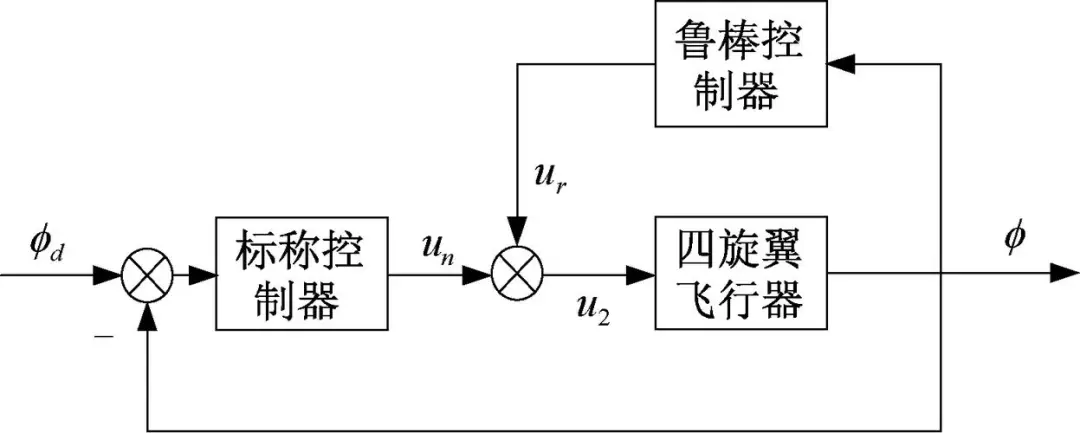
The second design method is the “robust method”, which differs from the traditional concepts of “small perturbations” or “continuous dependence”; its aim is to design feedback control laws to cope with systems with “larger” uncertainties in the mathematical model. In robust methods, it is typically assumed that there is a nominal model and a “ball” centered on it to describe the size of uncertainty. A natural question is whether feedback control laws designed based on the idealized nominal model can be effectively applied to all possible (infinitely many) systems described by this “ball”; this is the robustness issue. In the past nearly 30 years, a wealth of valuable results has been achieved in the field of robust control and robust analysis. However, the biggest problem with robust control is that it does not attempt to utilize the information obtained during the system’s operation to reduce or even eliminate the initial uncertainty, which limits the applicability of robust control and results in relatively “coarse” control precision.
The third design method can be called the “adaptive method”. This is a method that simultaneously conducts control and identification within the same feedback loop. Due to the embedded online learning mechanism, adaptive control can cope with uncertainties that are much larger than those handled by robust control, especially uncertainties that change over time. Additionally, there is a method related to traditional adaptive methods but fundamentally different, called the “active disturbance rejection control” method, which can estimate both internal and external uncertainties of the system through constructing high-gain filters, thus having significant advantages.
The fourth design method can be termed the “intelligent method”. This is a developing approach. People hope that through research on intelligent methods, feedback can deal with more complex systems, reflected in systems having greater uncertainty, mixed and incomplete information, and more complex structures, such as multi-agent, multi-level, multi-objective, multi-constraint, and game behavior. In particular, broadening the research framework of traditional control theory to include the game behavior of controlled objects is an important development direction.
So, how can we scientifically design and quantitatively analyze feedback systems? This is a question that control theory must answer. Control theory has a natural connection with mathematics, which is evident not only in its main founders, Wiener (Wiener filtering, Wiener processes, etc.), Kalman (Kalman filters, state equations, etc.), Bellman (dynamic programming principles, HJB equations), and Pontryagin (Pontryagin’s maximum principle) being mathematicians, but also because the control precision and speed of the system must achieve optimality, which requires quantifiable standards and optimization methods. Modern control theory involves almost all branches of mathematics and is widely applied in many fields, including social economy, natural sciences, and engineering technology.
5. Conclusion
Students, “systems” are fundamental concepts for humanity’s understanding of the world, while “feedback” is a fundamental principle for regulating the world and ensuring the normal operation of dynamic systems. The feedback principle is both “charming” and “powerful”. As modern science and technology develop deeply at extreme scales and in complex systems, the complexity of controlled systems and high demands for control performance will continue to make the feedback principle irreplaceable, and it should be given widespread attention and application, just like “physical laws”. Additionally, “systems science” remains a foundational discipline that urgently needs to be created and further developed, and the rich thoughts provided by Wiener’s “Cybernetics” remain an important source for the development of many disciplines today. Undoubtedly, in-depth research and widespread application of cybernetics and systems science will continue to promote the development of science and technology and benefit human society.
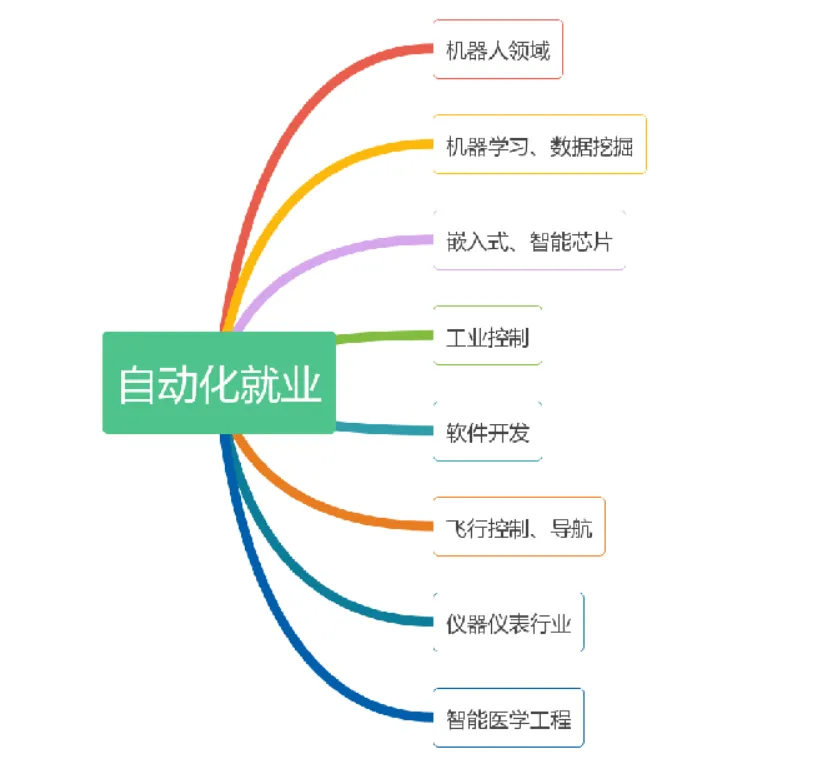
This research direction belongs to pure theoretical research, and the subdivided small directions are quite broad, thus, employment directions are also relatively broad. The specific employment direction still depends on the research area after securing a position. You can click the link below to see specific employment directions~
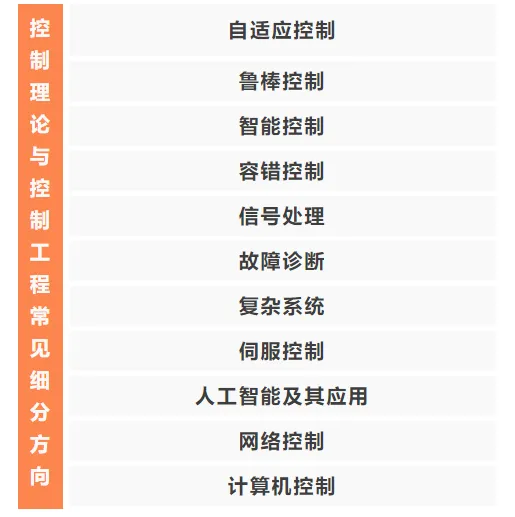
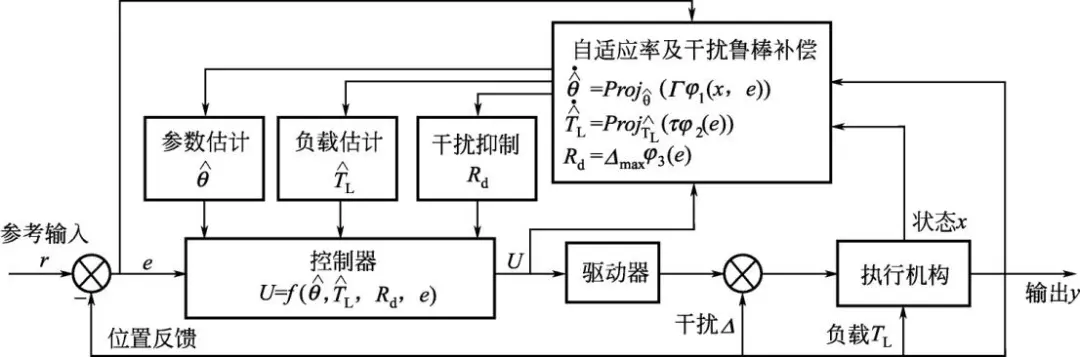
Adaptive Control
Adaptive control can be seen as a feedback control system that can intelligently adjust its characteristics according to environmental changes to ensure that the system operates optimally according to certain set standards.
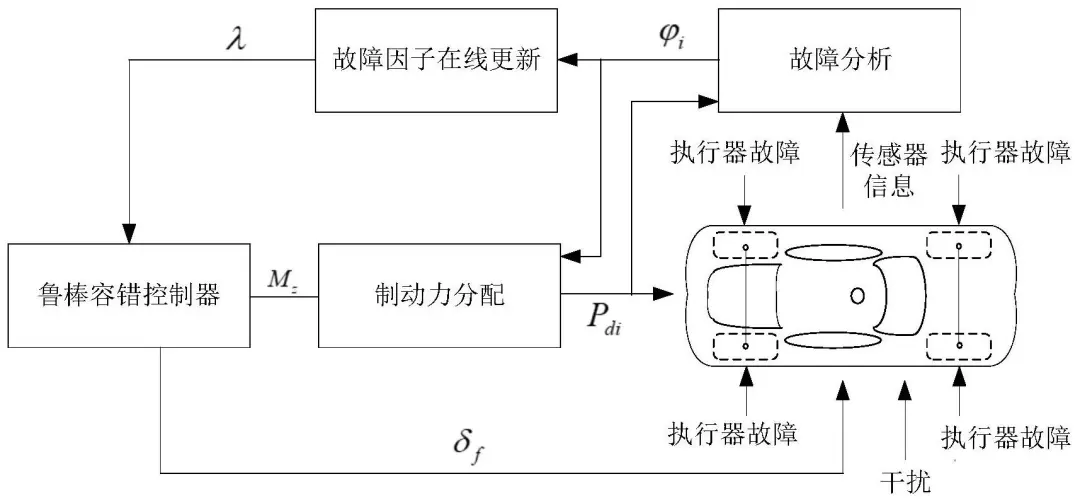
Tolerant Control
Tolerant control refers to a control system that can maintain stability and meet certain performance indicators even when sensors, actuators, or components fail.
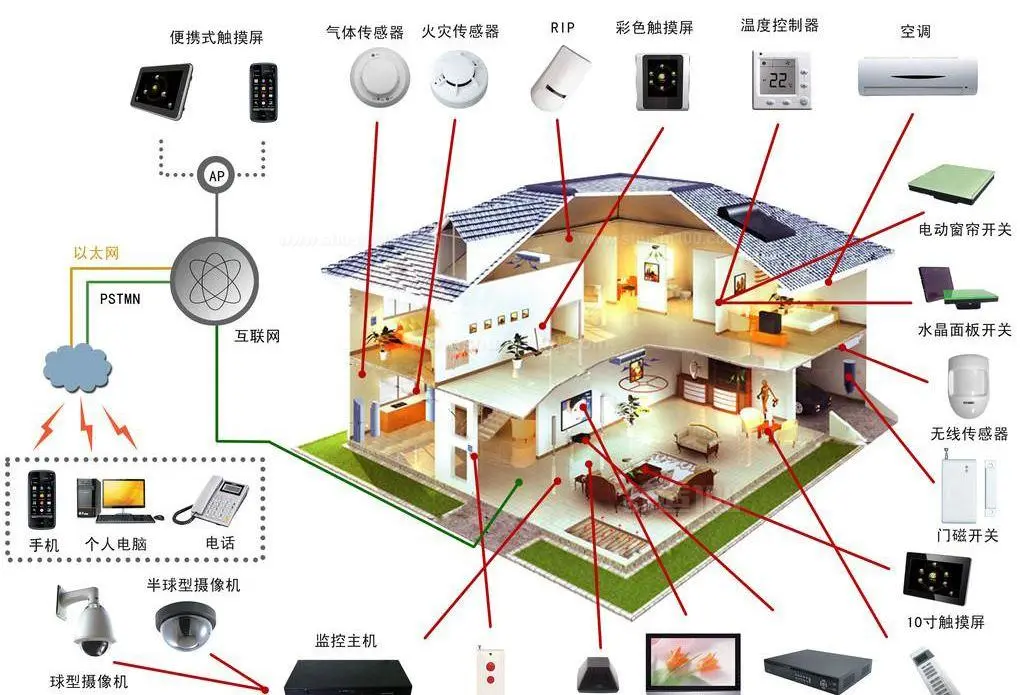
Intelligent Control
The direction of intelligent control in this discipline mainly includes research on fuzzy control, expert systems, neural networks, genetic algorithms, etc., particularly emphasizing the intersection of these methods and their applications in industrial process control.
Artificial Intelligence and Its Applications
Artificial intelligence is dedicated to developing intelligent systems capable of perceiving, understanding, learning, reasoning, making decisions, and interacting with humans.

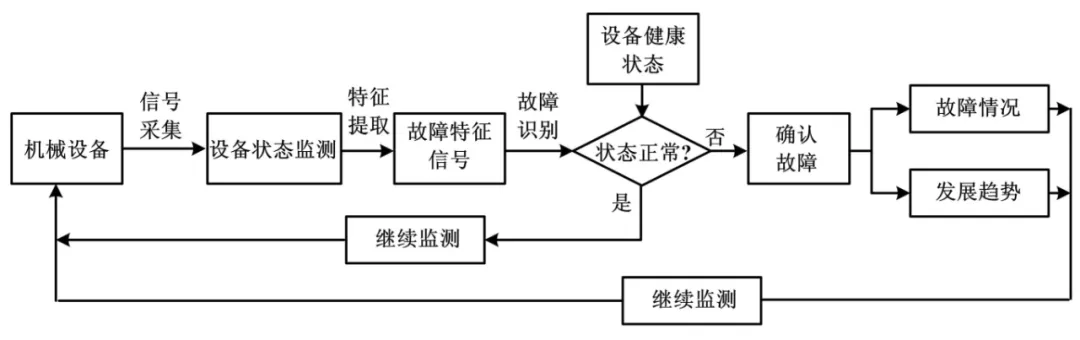
Fault Diagnosis
The fault diagnosis direction mainly studies how to ensure that the closed-loop system remains stable and meets specified performance indicators in the event of a fault in the control system. Utilizing real-time data for online monitoring and fault diagnosis of the production process, corresponding control strategies can be formulated based on the system’s operating status to ensure the system operates in an optimal state.
Robust Control
The robust control direction mainly studies how the control system can still work stably and reliably after changes in the controlled object’s parameters while ensuring the system’s optimality in some sense.
Signal Processing
The signal processing direction mainly studies signal processing issues within control systems, including the design of robust filters for nonlinear systems, adaptive filters, noise cancelers, wavelet analysis, and more.

Complex System Control
Complex system control mainly involves researching modeling and control issues of complex systems using structural decentralization methods, based on decentralized structural models, and developing new system identification theories and control methods.

Computer Control
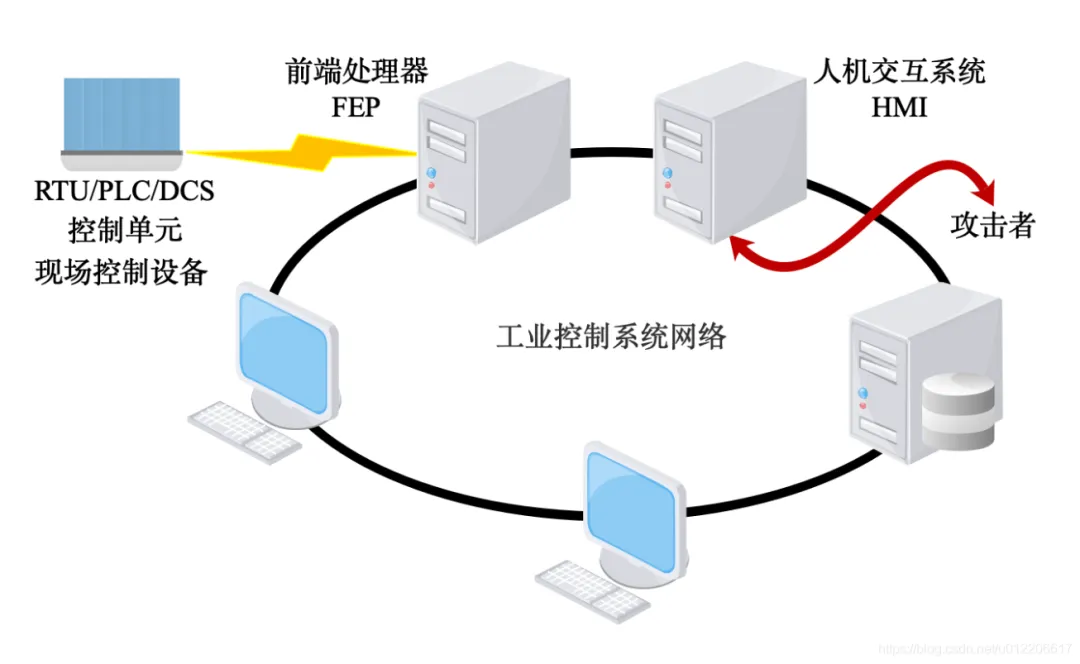
Computer control generally studies the use of DCS, PLC, industrial control computers, and other control devices tailored to different production processes and control objects, forming low-cost, high-performance, multifunctional computer control systems.

Network Control
Network control generally researches advanced control theories and methods under the network topology and network environment, fully utilizing network resources to achieve optimization from decision-making to control.
Main Universities Offering This Program
|
Harbin Institute of Technology |
|
Zhejiang University |
|
Beijing University of Aeronautics and Astronautics |
|
Beijing Institute of Technology |
|
Shanghai Jiao Tong University |
|
Shandong University |
|
Central South University |
|
Xi’an Jiaotong University |
|
Dalian University of Technology |
|
South China University of Technology |
|
Nankai University |
|
Sichuan University |
|
Tongji University |
|
Northwestern Polytechnical University |
|
Ocean University of China |
|
Beijing Jiaotong University |
|
Beijing University of Posts and Telecommunications |
|
North China Electric Power University |
|
Anhui University |
|
Fuzhou University |
|
Jiangnan University |
|
Nanjing University of Aeronautics and Astronautics |
|
Nanjing University of Science and Technology |
|
Shanghai University |
|
Taiyuan University of Technology |
|
Wuhan University of Technology |
|
Xi’an University of Electronic Science and Technology |
|
Chang’an University |
|
China University of Petroleum |
|
Hangzhou Dianzi University |
|
Nanjing University of Posts and Telecommunications |
|
Anhui Engineering University |
|
Beijing Technology and Business University |
|
Beijing University of Civil Engineering and Architecture |
|
Bohai University |
|
Harbin University of Science and Technology |
|
Jinan University |
|
Kunming University of Science and Technology |
|
Liaoning University of Petroleum and Chemical Technology |
|
Nanjing University of Technology |
|
Nantong University |
|
Qingdao University |
|
Shanxi University |
|
Shanxi University of Science and Technology |
|
Tianjin University of Technology |
|
Xi’an University of Technology |
|
Changchun University of Technology |
|
Changsha University of Science and Technology |
|
Zhejiang University of Technology |
|
Zhejiang Sci-Tech University |
|
China Jiliang University |
|
Shanghai University of Engineering Science |
|
North China University of Technology |
|
Guilin University of Electronic Technology |
University Recommendations
The “Control Theory and Control Engineering” direction requires not only the “fame” of prestigious schools but also emphasizes the “fame” of renowned teachers.
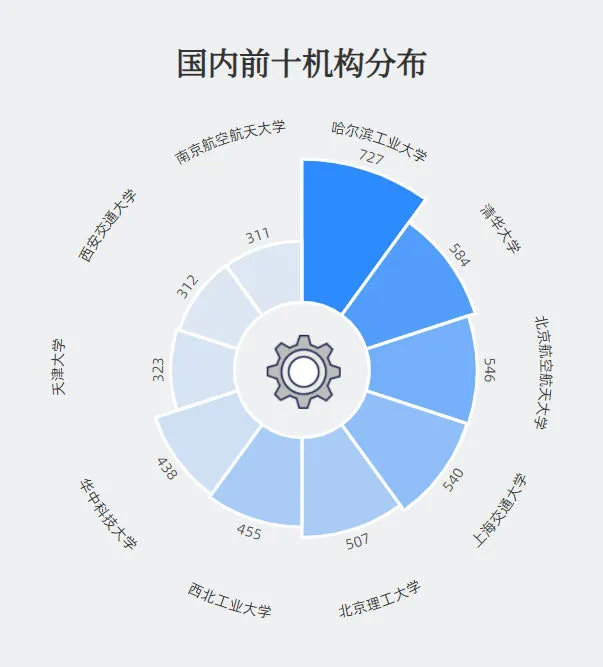
Based on the number of scholars in control theory and control engineering, Harbin Institute of Technology ranks first with 727 scholars, surpassing Tsinghua University (584 scholars) in second place. Scholars from Tsinghua University, Beijing University of Aeronautics and Astronautics, Shanghai Jiao Tong University, and Beijing Institute of Technology all number between 500-590, ranking second to fifth.
Source: Boguan Big Data
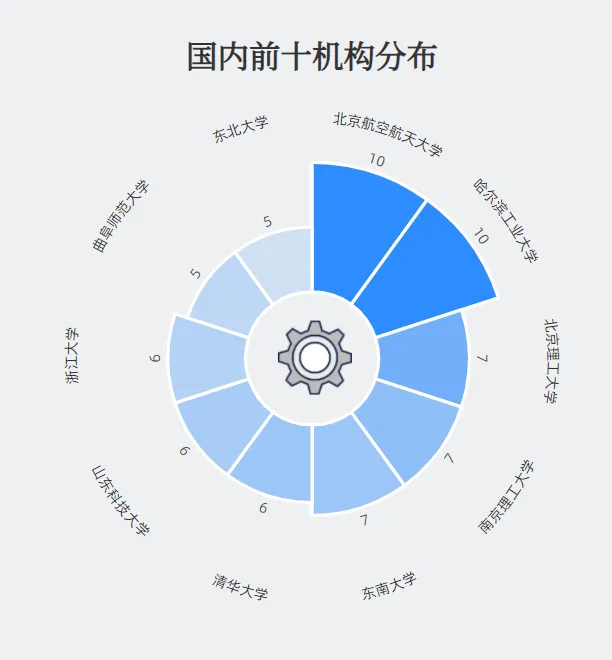
In the distribution of top scholars in control theory and control engineering in China, both scholars from Beijing University of Aeronautics and Astronautics and Harbin Institute of Technology number 10, ranking first; Beijing Institute of Technology, Nanjing University of Science and Technology, and Southeast University each have 7 top scholars, ranking third; Tsinghua University, Shandong University of Science and Technology, and Zhejiang University each have 6 scholars, ranking sixth; Qufu Normal University and Northeast University rank lower.
Source: Boguan Big Data
Northeast University
The control theory and control engineering discipline at Northeast University is a national and provincial key discipline, a key construction discipline of the national “211 Project” and “985 Project”; it has the National Metallurgical Automation Engineering Technology Center and the National Comprehensive Automation Laboratory for Process Industries, as well as the “985” comprehensive automation technology innovation platform.
Zhejiang University
Zhejiang University’s control theory and control engineering was approved in 1988 as the only national key discipline in industrial automation and was approved as a secondary national key discipline in 2002!
Beijing Institute of Technology
The control theory and control engineering direction has many national-level leading talents and national-level young talents!
Shandong University
Shandong University’s “Control Science and Engineering” first-level discipline has entered the top 5% nationwide, with academician Zhang Minggao, an expert in radio wave propagation, leading the research. The secondary discipline “Control Theory and Control Engineering” is a national key discipline, mainly focused on traditional control theory and control algorithms research.
I hope all of you will have a deeper understanding of “Control Theory and Control Engineering” after reading today’s introduction.
As the selection of schools for the 25th control postgraduate entrance exam approaches its end, I have compiled a collection for everyone.Click on the corresponding hyperlink to see which school you want to check out~ (The names of schools in black font are still being updated)
“985 University Collection”
|
Region |
University |
| Beijing | Beijing University of Aeronautics and Astronautics、Beijing Institute of Technology |
| Shanghai | Shanghai Jiao Tong University、Tongji University |
| Shanxi | Xi’an Jiaotong University、Northwestern Polytechnical University |
| Shandong | Shandong University、Ocean University of China |
| Zhejiang | Zhejiang University |
| Northeast | Harbin Institute of Technology、Northeast University、Dalian University of Technology、Jilin University |
| Tianjin | Nankai University、Tianjin University |
| Hubei | Huazhong University of Science and Technology |
| Jiangsu | Nanjing University |
| Guangdong | South China University of Technology、Sun Yat-sen University |
| Chongqing | Chongqing University |
| Anhui | University of Science and Technology of China |
| Hunan | National University of Defense Technology、Central South University、Hunan University |
| Sichuan | University of Electronic Science and Technology、Sichuan University |
| Fujian | Xiamen University |
“211 University Collection”
| Region | University |
| Beijing | Beijing Jiaotong University、Beijing University of Technology、Beijing University of Posts and Telecommunications、Beijing University of Science and Technology、North China Electric Power University、span>Beijing University of Chemical Technology |
| Shanghai | Shanghai University、East China University of Science and Technology、Donghua University |
| Shanxi | Xi’an University of Electronic Science and Technology、Chang’an University |
| Guizhou | Guizhou University |
| Northeast | Northeast Forestry University、Dalian Maritime University、Harbin Engineering University |
| Hebei | Hebei University of Technology |
| Hubei | Wuhan University of Technology |
| Jiangsu | Nanjing University of Science and Technology、Nanjing University of Aeronautics and Astronautics、Hohai University、Jiangnan University、Su University、China University of Mining and Technology |
| Jiangxi | Nanchang University |
| Shanxi | Taiyuan University of Technology |
| Anhui | Anhui University、Hefei University of Technology |
| Henan | Zhengzhou University |
| Fujian | Fuzhou University |
“Double Non-University Collection”
| Region | University |
| Beijing | Beijing University of Civil Engineering and Architecture、Beijing Information Technology University、North China University of Technology |
| Guangdong | Shenzhen University、Guangdong University of Technology |
| Henan | Henan University of Science and Technology |
| Zhejiang | Hangzhou Dianzi University、China Jiliang University、Zhejiang University of Technology、Zhejiang Sci-Tech University |
| Chongqing | Chongqing University of Posts and Telecommunications |
| Hebei | Yanshan University |
| Hubei | Wuhan University of Science and Technology |
| Jiangsu | Nanjing University of Information Engineering、Nanjing Forestry University、Nanjing University of Technology、Nantong University、Nanjing University of Posts and Telecommunications |
| Northeast | Northeast Electric Power University、Bohai University、Liaoning University of Technology、Liaoning University of Petroleum and Chemical Technology、Shenyang University of Technology、Shenyang Aerospace University、Harbin University of Science and Technology、Heilongjiang University、Changchun University of Technology |
| Hunan | Hunan University of Science and Technology、Changsha University of Science and Technology、Xiangtan University |
| Anhui | Anhui Engineering University |
| Jiangxi | East China Jiaotong University |
| Shandong | Jinan University、Qufu Normal University |
| Shanxi | Air Force Engineering University、Shanxi University of Science and Technology、Xi’an University of Technology、Xi’an University of Technology and Science |
| Yunnan | Kunming University of Science and Technology |
| Shanxi | Shanxi University、Taiyuan University of Technology、span>Taiyuan University of Science and Technology |
| Shanghai | Shanghai University of Science and Technology、Shanghai University of Electric Power |
| Tianjin | Tianjin University of Technology、China Civil Aviation University |
| Guangxi | Guilin University of Electronic Technology |