Follow 👆 the public account and reply 'python' to get the zero-based tutorial! Source from the internet, delete if infringed.Without a doubt, Python is one of the most popular programming languages today. For many ‘novices’ who have never ventured into computer programming, mastering Python deeply seems like a very difficult task. In fact, as long as you master scientific learning methods and develop a reasonable study plan, it only takes a month to go from beginner to mastery in Python!
[The method to obtain is at the end of the article!!]
Today, I am sharing a document titled 《Python Learning Notes》, which contains 35 knowledge points, such as: types, strings, lists, tuples, statement syntax, loops, modules, etc. The notes consolidate the content of each knowledge point into a chapter, greatly enhancing their extractability.
The goal of this document is to provide a relatively concise yet easy-to-understand Python tutorial. For Python beginners, this document is not too difficult. But if you have a certain level of proficiency in Python, you will find that this document flows smoothly, making for an uninterrupted reading experience.
The complete version can be obtained at the end of the article.
The complete version can be obtained at the end of the article.
Document Directory
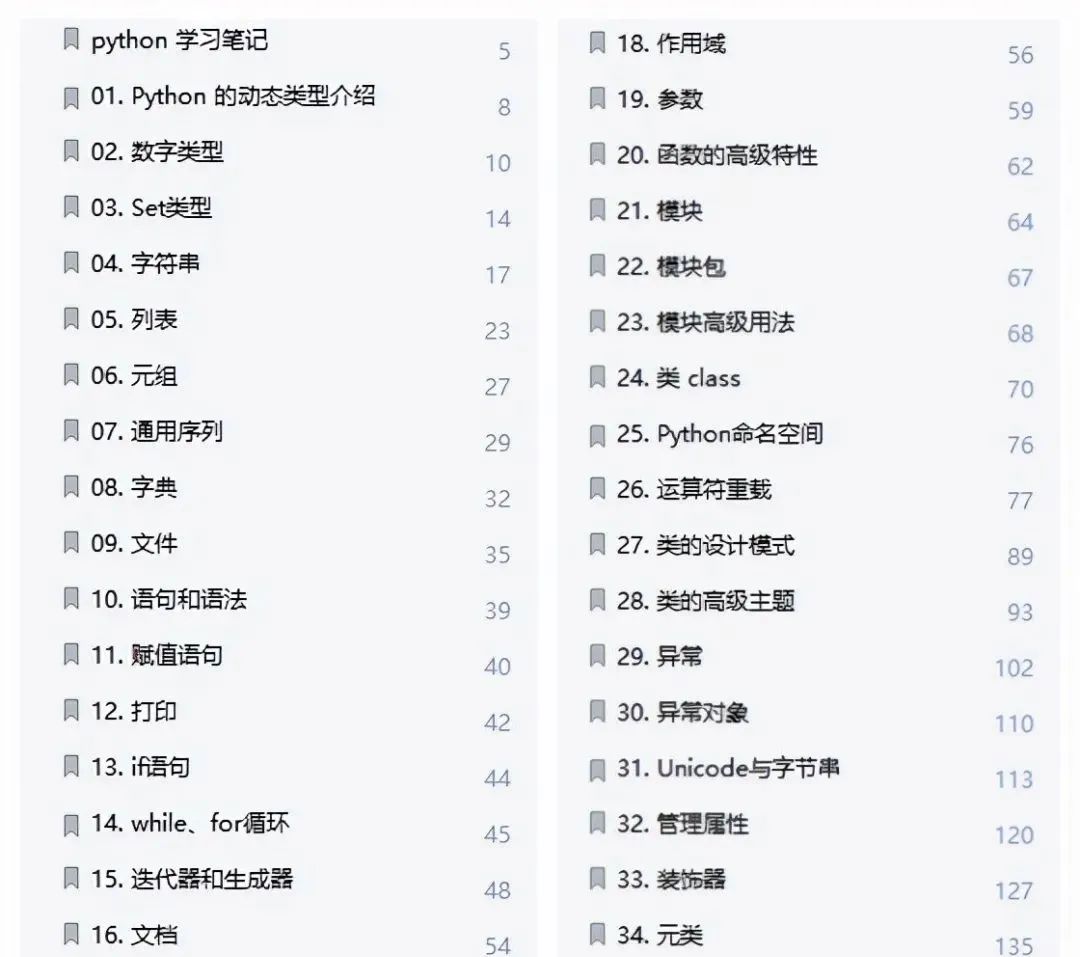
Department Content Display
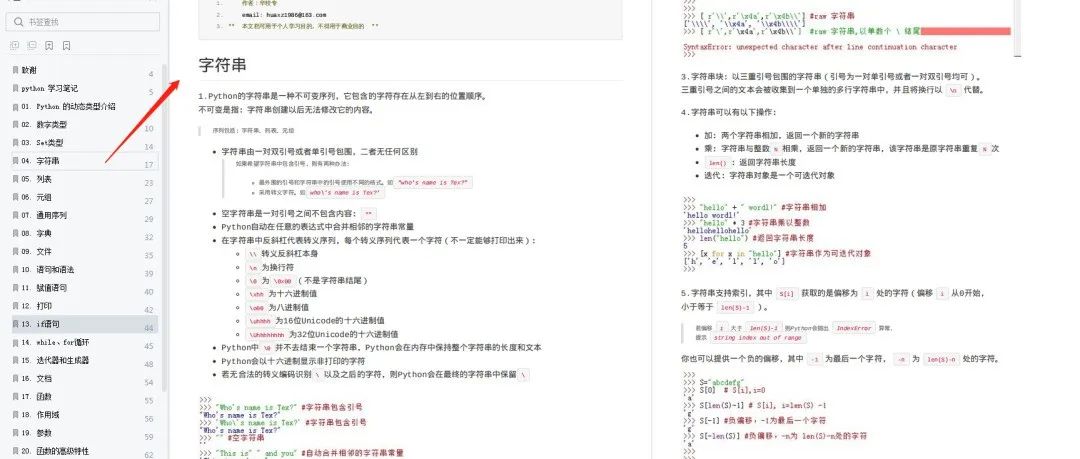
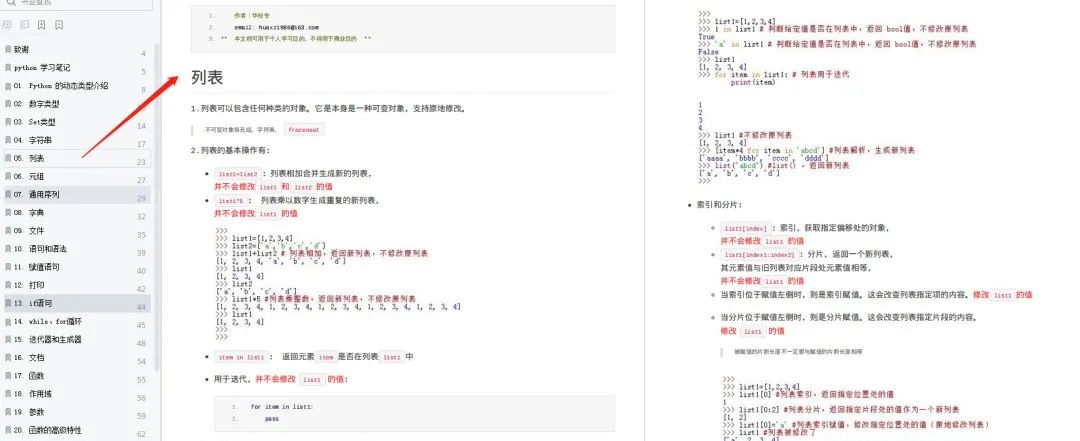
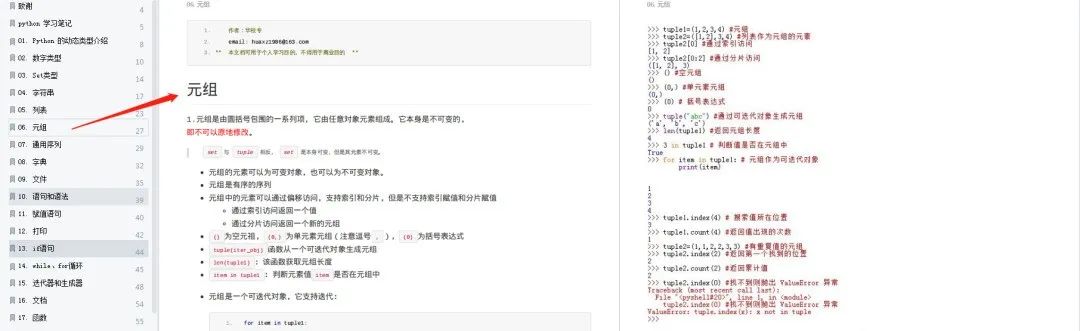
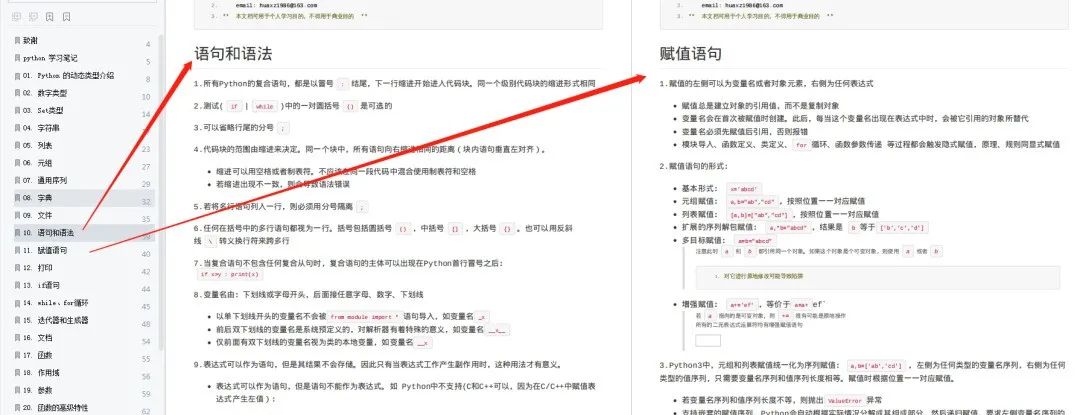
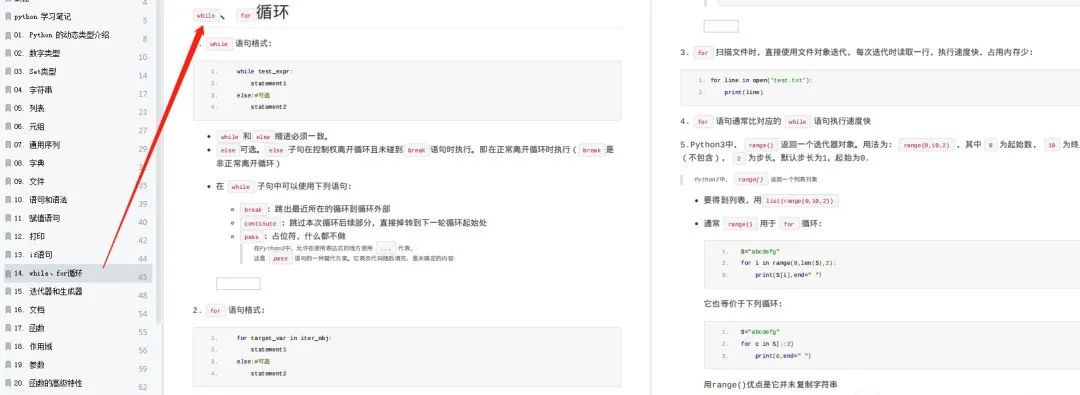
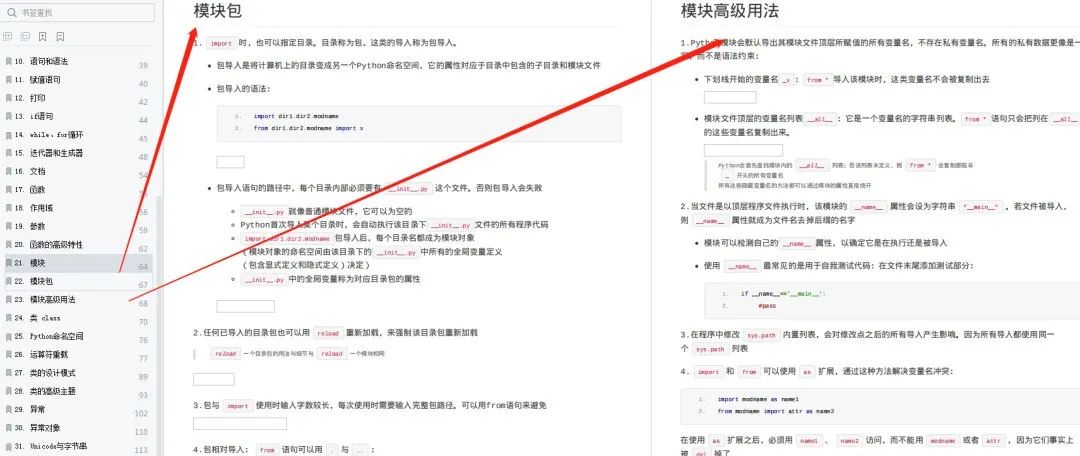
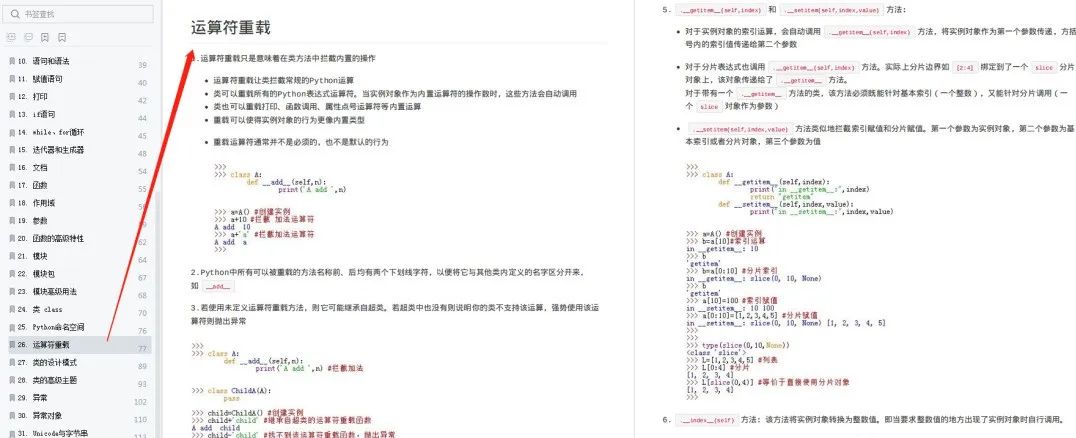
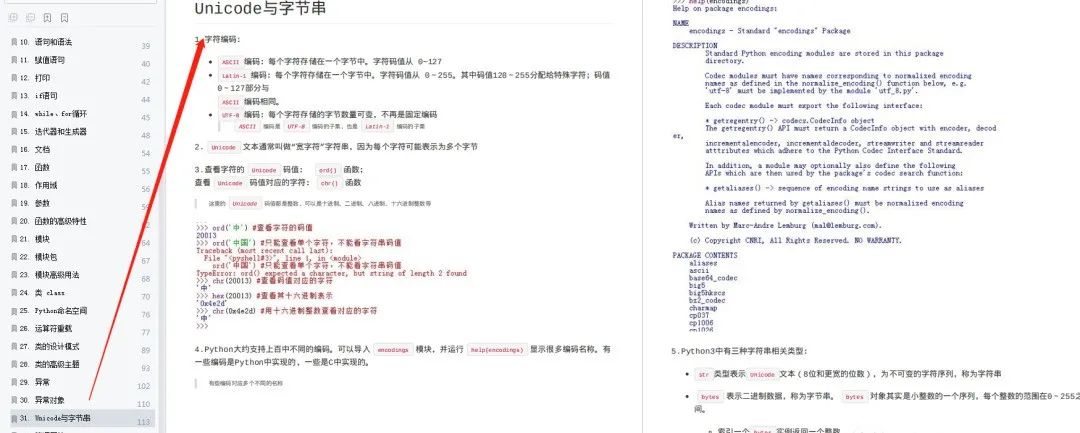
The full document has 138 pages, and due to article limitations, not all can be displayed. The complete version can be obtained at the end of the article.
Python Beginner Basic Tutorial [Surprise Benefits at the End]
Chapter 1: Quick Start: Basic Knowledge
1.1 Interactive Interpreter
1.2 What is an Algorithm
1.3 Numbers and Expressions
1.4 Variables
1.5 Statements
1.6 Getting User Input
1.7 Functions
1.8 Modules
1.9 Saving and Executing Programs
1.10 Strings
Chapter 2: Lists and Tuples
2.1 Overview of Sequences
2.2 General Sequence Operations
2.3 Lists: The Powerhouse of Python
2.4 Tuples: Immutable Sequences
Chapter 3: Working with Strings
3.1 Basic String Operations
3.2 Setting String Format: Simplified Version
3.3 Setting String Format: Complete Version
3.4 String Methods
3.5 Summary
Chapter 4: When Indexing Fails
4.1 Uses of Dictionaries
4.2 Creating and Using Dictionaries
Chapter 5: Conditions, Loops, and Other Statements
5.1 Revisiting print and import
5.2 Assignment Magic
5.3 Code Blocks: The Fun of Indentation
5.4 Conditions and Conditional Statements
5.5 Loops
…
Chapter 6: Abstraction
6.2 Abstraction and Structure
6.3 Custom Functions
6.4 Parameter Magic
6.5 Scope…
Chapter 7: More on Abstraction
7.1 Object Magic
7.2 Classes
7.3 Thoughts on Object-Oriented Design
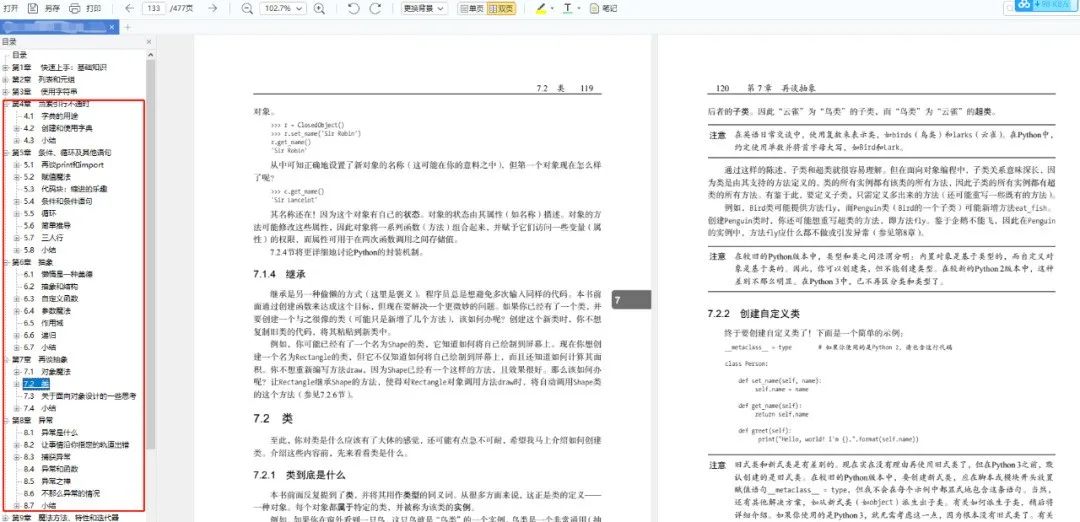
Chapter 8: Exceptions
8.1 What are Exceptions
8.2 Making Things Fail Along Your Designated Path
8.3 Catching Exceptions
8.4 Exceptions and Functions
…
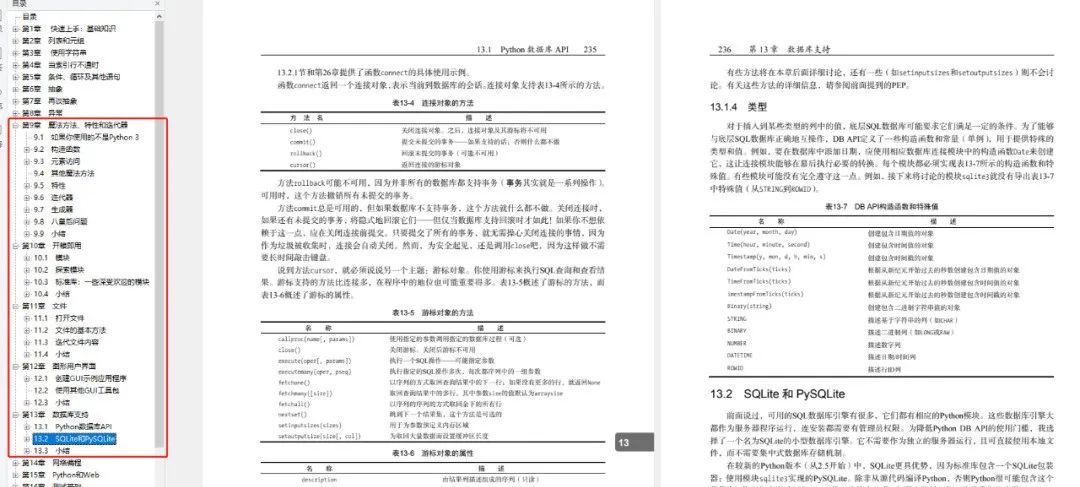
Chapter 9: Magic Methods, Properties, and Iterators
9.1 If You’re Not Using Python 3
9.2 Constructors
9.3 Element Access
…
Chapter 10: Out of the Box
10.1 Modules
10.2 Exploring Modules
10.3 Standard Library: Some Popular Modules
…
Chapter 11: Files
11.1 Opening Files
11.2 Basic Methods for Files
11.3 Iterating File Contents
Chapter 12: Graphical User Interface
12.1 Creating a GUI Example Application
12.2 Using Other GUI Toolkits
…
Chapter 13: Database Support
13.1 Python Database API
13.2 SQLite and PySQLite
…
Chapter 14: Network Programming
14.2 SocketServer and Related Classes
14.3 Multiple Connections
…
Chapter 15: Python and Web
15.1 Screen Scraping
15.2 Creating Dynamic Web Pages Using CGI
15.3 Using Web Frameworks
…Chapter 16: Testing Basics
16.1 Test Before You Code
16.2 Testing Tools
16.3 Beyond Unit Testing
…
Chapter 17: Extending Python
17.1 Having Your Cake and Eating It Too
17.2 Simple and Easy Ways: Jython and IronPython
…
Chapter 18: Program Packaging
Chapter 19: Fun Programming
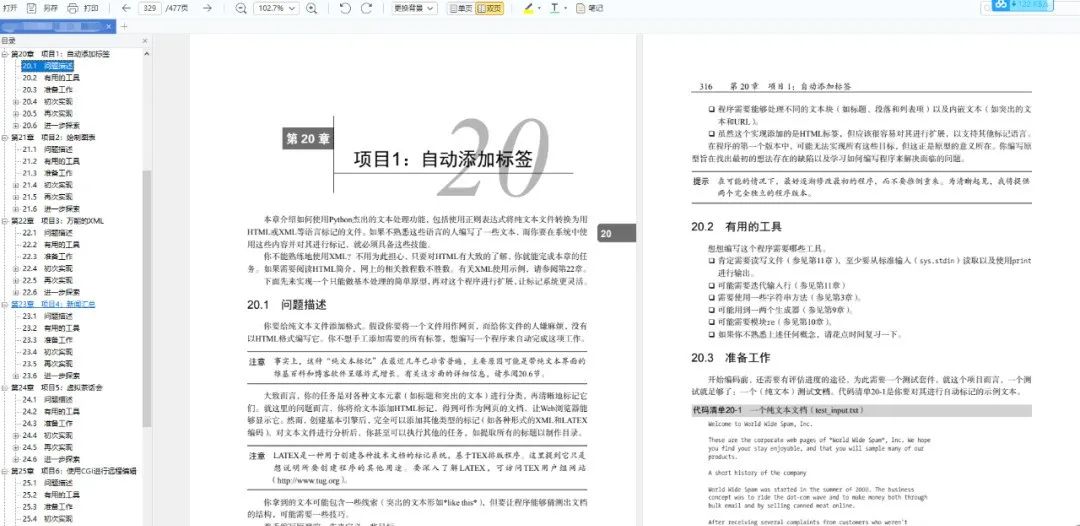
Chapter 20: Project 1: Automatic Tagging
Chapter 21: Project 2: Drawing Charts
Chapter 22: Project 3: Universal XML
Chapter 23: Project 4: News Summary
Chapter 24: Project 5: Virtual Tea Party
Chapter 25: Project 6: Remote Editing with CGI
Chapter 26: Project 7: Custom Bulletin Board
Chapter 27: Project 8: Sharing Files Using XML-RPC
Chapter 28: Project 9: Sharing Files Using GUI
Chapter 29: Project 10: Homemade Arcade Game
[Method to obtain is at the end]
01
Hello, Getting to Know Python (500 pages)
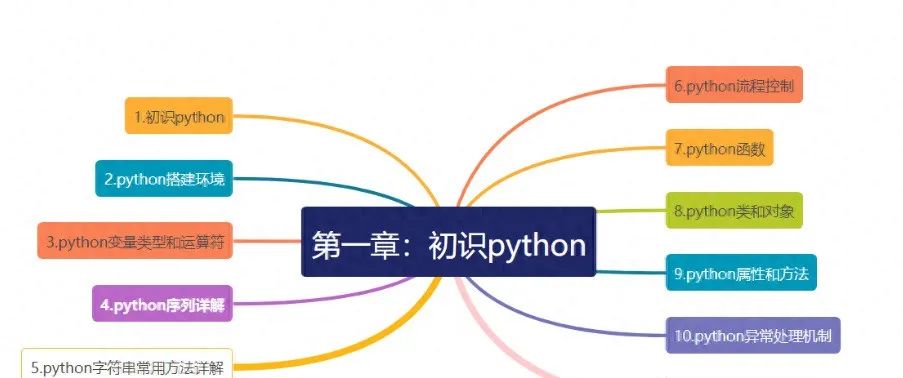
02
Python Big Data System (180 pages)
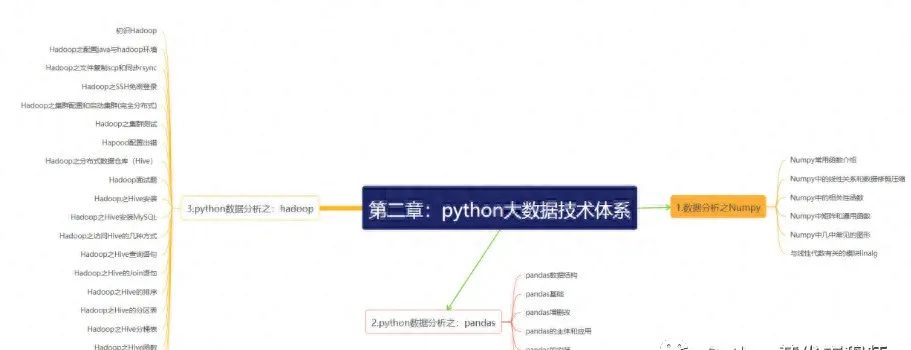
03
AI Development (100 pages)
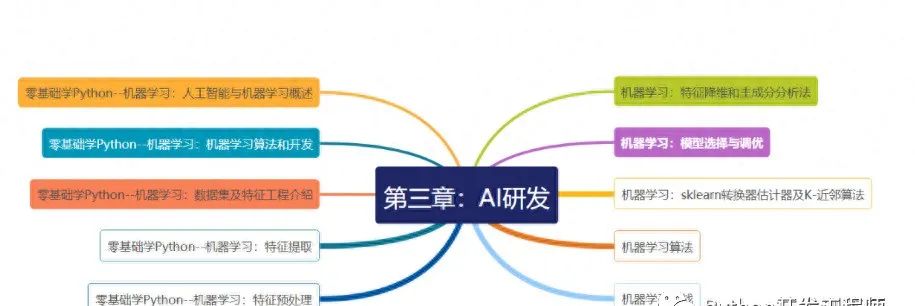
04
Full Stack Development System (80 pages)
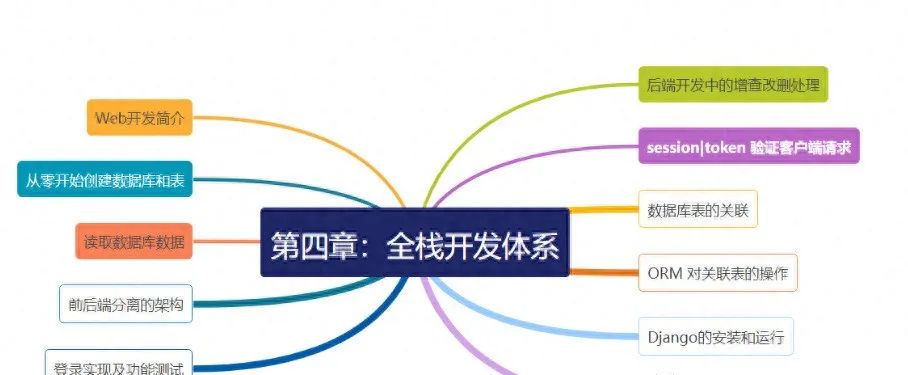
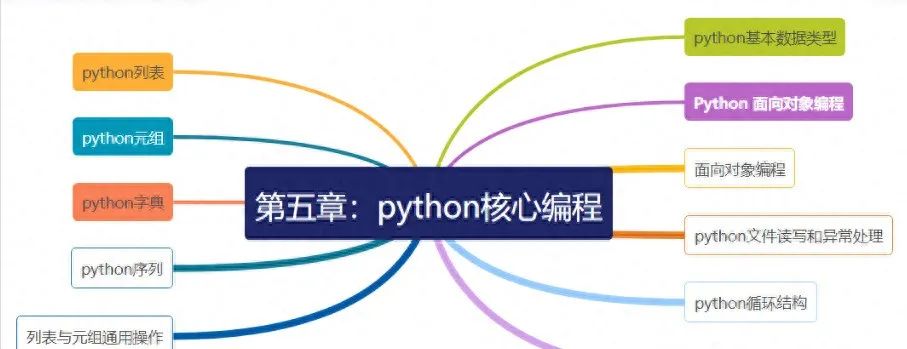
05
Core Python Programming (90 pages)
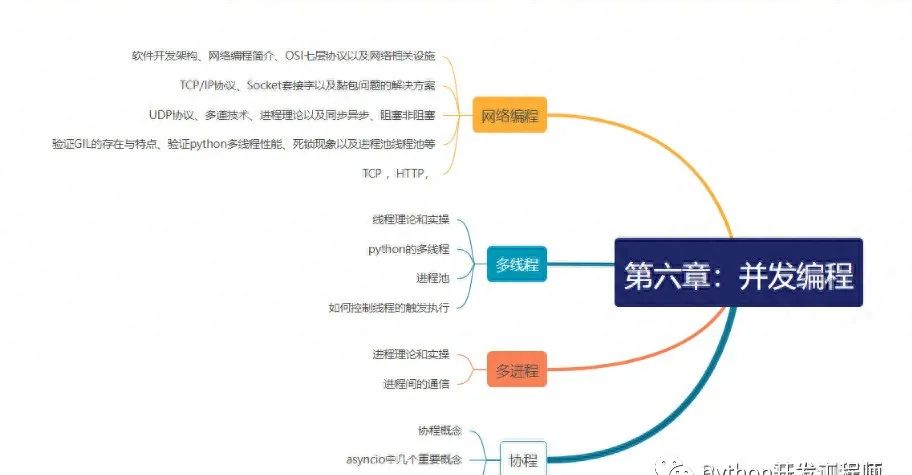
06
Python Concurrent Programming (100 pages)
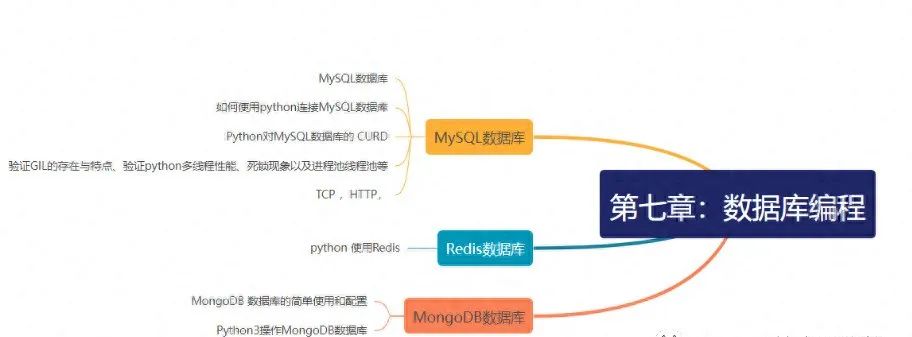
07
Database Programming (30 pages)
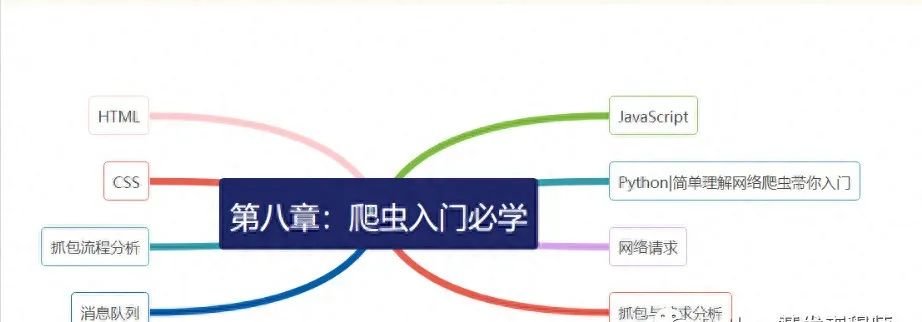
08
Introduction to Python Crawlers (90 pages)
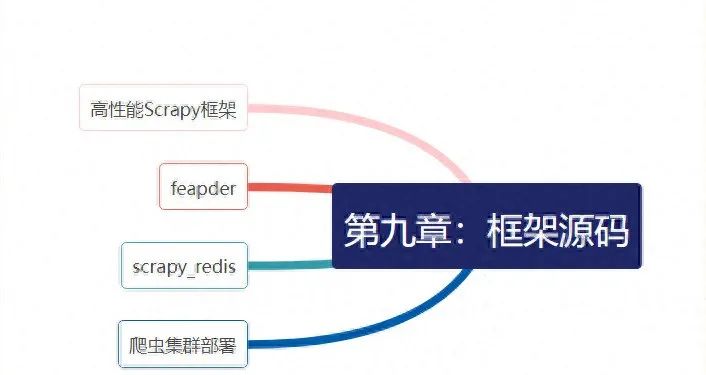
09
Framework Source Code (85 pages)
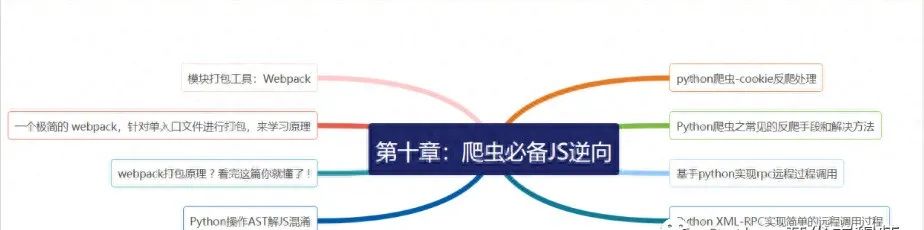
10
Essential JS Reversal for Crawlers (40 pages)
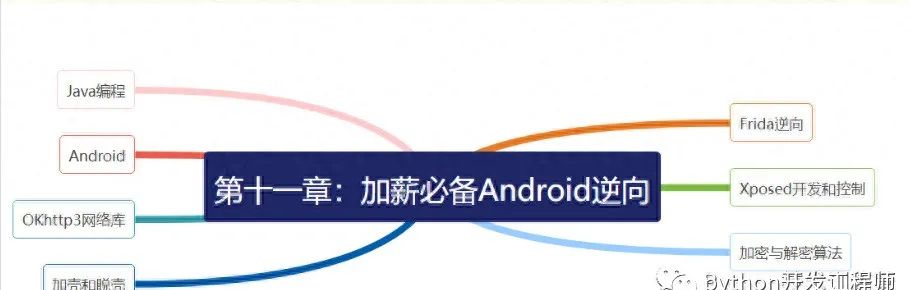
11
Android Reversal (90 pages)
How to obtain:
-
Like + See Again
-
Reply ‘python’ in the public account
Get the latest 2024 Python zero-based learning materials,Reply in the background:Python