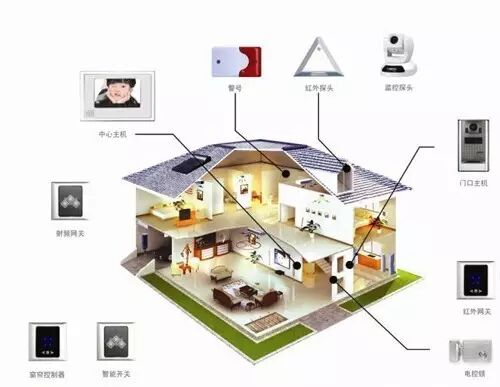
With the advancement of technology, IoT (Internet of Things) technology is gradually permeating our lives. Undoubtedly, the applications of IoT bring us a smarter and more convenient lifestyle. So, what are the applications of IoT technology in smart homes?
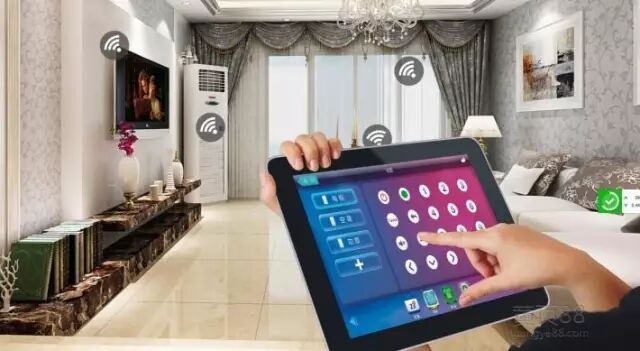
By 2025, IoT technology will be ubiquitous, and it will be hard to find a device that is not connected to the internet, even the most ordinary kettle. Even today, we can control lights, air conditioners, and even cars through our smartphones. IoT is invading our lives in diverse forms. Still feel it’s not specific enough? No worries, let’s take the home environment as an example and show you 10 applications of IoT technology that will make you marvel at how we can live this way.
1. Cooking and Brewing Coffee
What are the benefits of adding Wi-Fi functionality to a traditional oven? You can control the temperature using a mobile app, including preheating and heating. Even cooler, you can download recipes for more targeted cooking methods. Not just ovens, some high-end coffee machines and cocktail makers are also equipped with Wi-Fi, allowing manufacturers to periodically update coffee or cocktail menus, enabling you to create café or bar flavors at home.

2. Air Conditioning and Temperature Control
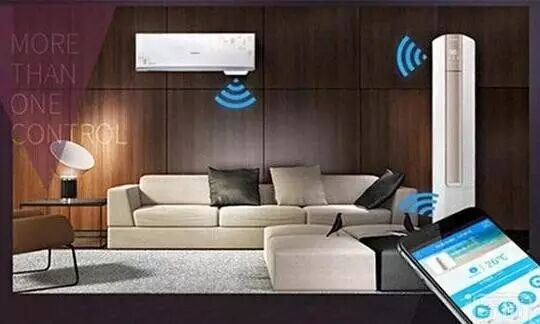
There’s nothing more pleasant than entering a cool indoor space during a hot summer, but how can we achieve automatic temperature control when no one is home? The answer is smart temperature control, which not only allows remote temperature control via smartphone but also enables you to control the temperature in each room, customize personalized modes, and even automatically adjust to a comfortable temperature based on indoor conditions.
3. Smart Toilets
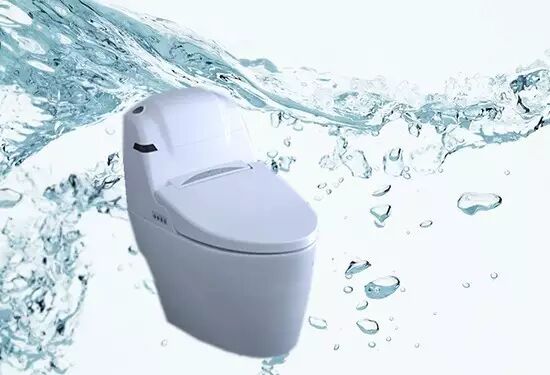
Can toilets be smart? Yes, in addition to automatic lid opening and closing through built-in proximity sensors, some toilets also have smart analyzers that can transmit analysis results of waste to a mobile app, allowing users to monitor their health status at any time.
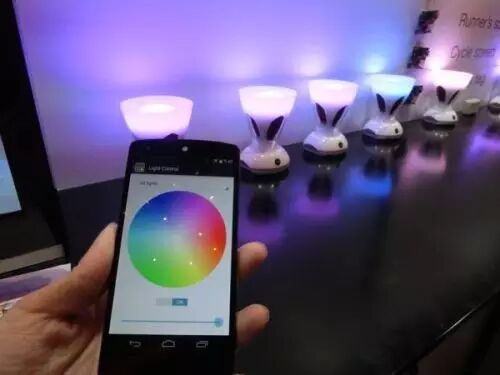
4. Smart Lighting
Smart lighting is also a very intuitive and accessible IoT home experience that any user can easily try. We can use a mobile app to turn lights on and off, adjust colors and brightness, and even create effects where lights flash to the music, transforming the room into a cool dance floor.
5. Smart Outlets
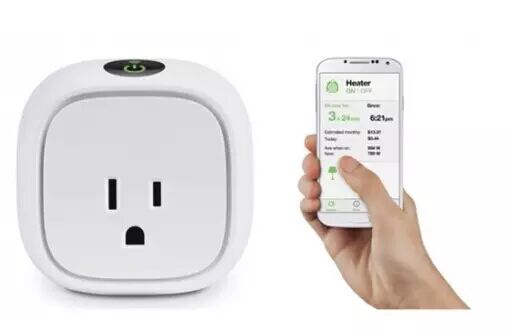
Outlets can be considered the basic interface for all household appliances to obtain power. If they have internet connectivity, other appliances can also be connected. They can not only allow remote control of lights, fans, air conditioners, and other appliances via smartphone but also monitor energy consumption, generating charts to help you save energy and costs.
6. Audio Systems
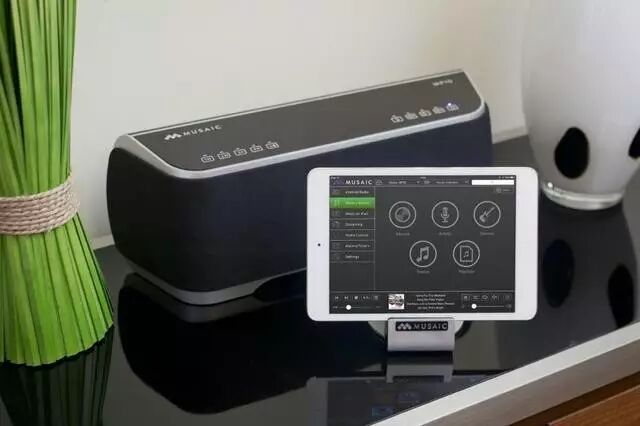
Professional-grade Hi-Fi audio systems are the top choice for high-end home theaters. With smart system control, they can achieve one-click volume adjustment and can also interact with smart lighting, curtains, and other devices.
7. Fitness Monitoring
Technology has brought us new ways to exercise and stay fit. You may already be using fitness bands or smartwatches to monitor your daily activity. Moreover, placing a new type of smart scale at home can provide a more comprehensive fitness monitoring experience. Some products are already equipped with advanced sensors that can monitor blood pressure, fat levels, and even air quality, providing health advice through applications. Additionally, they can connect with fitness bands from other brands for more precise and seamless personal health monitoring.

8. Personal Care
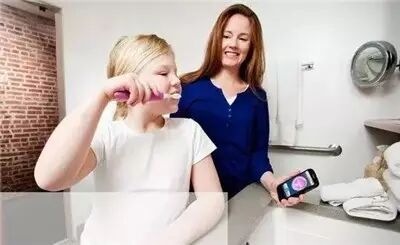
Not only fitness monitoring, but IoT technology has also expanded into personal health care. This includes the latest smart toothbrushes that connect to smartphones via Bluetooth 4.0, providing reminders for brushing time and position, and generating analysis charts based on user brushing data to estimate oral health conditions.
Additionally, home self-testing devices like blood glucose analyzers have also made substantial progress recently, and are expected to form a large market in the future, allowing the elderly and patients to achieve basic self-care and health applications without leaving home.
9. Gardening
If you have a large yard, you might consider smart control for your home sprinkler system. By setting a program, it will automatically start at the scheduled time and calculate the optimal watering amount, intelligently irrigating every plant in the garden.

10. Home Security
Another significant advantage of IoT is bringing originally “high-end” enterprise applications into homes, such as security monitoring systems. Now, you can choose several home surveillance cameras controlled smartly, allowing you to check your home situation anytime and anywhere via your smartphone or iPad. In addition to smart monitoring, window sensors, smart doorbells (with built-in cameras), and smoke detectors are all available home security devices that, when combined with surveillance cameras, can arm your home to the teeth, making it difficult for any intruder to pose a threat.