Source: High-Quality Lifestyle, ID: gzlshzs

If you ask what foods are rich in vitamin C, everyone will first think of fruits, such as lemons and oranges. In fact, many vegetables are also rich in vitamin C, sometimes even more than these fruits.

Image source: Internet
Today, I specifically consulted the “Food Composition Table of China, 6th Edition” to help everyone organize the top 10 vegetables with the highest vitamin C content, providing more delicious options for daily vitamin C supplementation. They are all much higher than the lemons and oranges you know.
Top 10 Vegetables Rich in Vitamin C
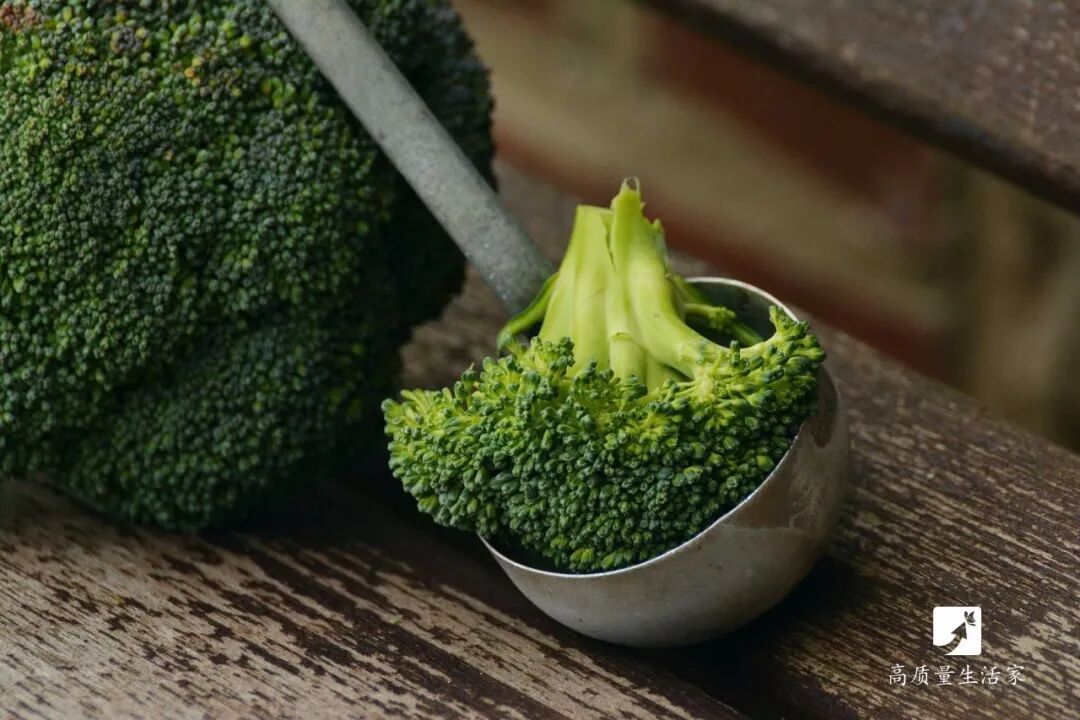
10Broccoli
In every 100 grams of broccoli, the vitamin C content is about 55 milligrams. However, broccoli is not only rich in vitamin C but also has many other comprehensive nutrients.
Mainly including protein, carbohydrates, fats, minerals, and carotenoids. In addition, the mineral content in broccoli is more comprehensive than in other vegetables, with rich amounts of calcium, phosphorus, iron, potassium, zinc, and manganese, much higher than that of cauliflower, which also belongs to the cruciferous family.
09
Bitter Melon
In every 100 grams of bitter melon, the vitamin C content is about 56 milligrams.Bitter melon is a vegetable that many people grimace at because it is really bitter.However, bitter melon still has a large number of enthusiasts who can accept it raw, cooked, and in various forms, mainly due to its nutritional value.
Bitter melon is not only rich in vitamin C but also contains protein, calcium, phosphorus, iron, carotenoids, and various minerals and vitamins.
Bitter melon contains rich bitter glycosides and bitter substances, which can clear heat and relieve fire, strengthen the spleen and stimulate appetite. Bitter glycosides can regulate blood pressure, blood lipids, cholesterol, etc., to protect cardiovascular health. However, those with poor digestion should eat less or avoid it, as it may cause bloating.
To eat bitter melon, you can blanch it in boiling water first, then stir-fry or mix it cold. If you are not used to the bitter taste, you can use ice water with a little rock sugar to adjust the flavor.

08Red Mustard Greens
Red mustard greens belong to the cruciferous vegetable family and are also a type of dark vegetable with extremely high nutritional value, rich in protein, carbohydrates, calcium, phosphorus, iron, and various vitamins.
Especially the vitamin C essential for the human body is higher than that of other common leafy vegetables, with a vitamin C content of about 57 milligrams per 100 grams, and the potassium content is also not low, close to that of bananas, making it a top-quality vegetable.
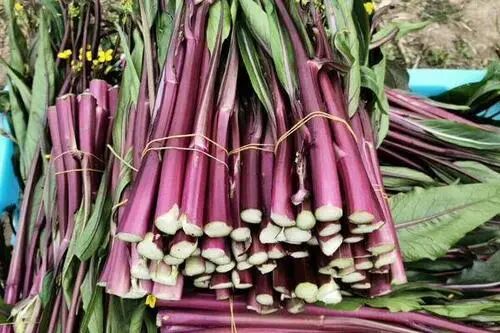
Image source: Internet
07Cauliflower
Cauliflower, also known as flower cabbage, is a very popular vegetable with a delicious taste and high nutritional value, containing rich dietary fiber, protein, vitamins, carbohydrates and minerals.
Cauliflower is one of the foods richest in flavonoids, especially vitamin C, with a content of about 60 milligrams per 100 grams, thus having very high edible value and health benefits.
Moreover, cauliflower is relatively easy to store, so those who do not like to go out to buy vegetables can stock some at home.
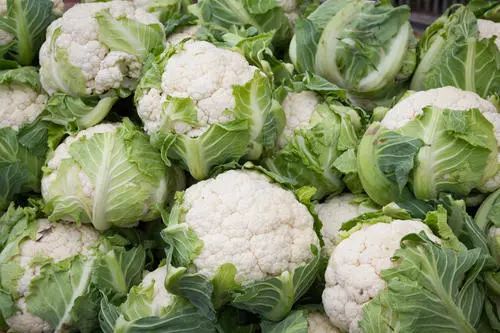
Image source: Internet
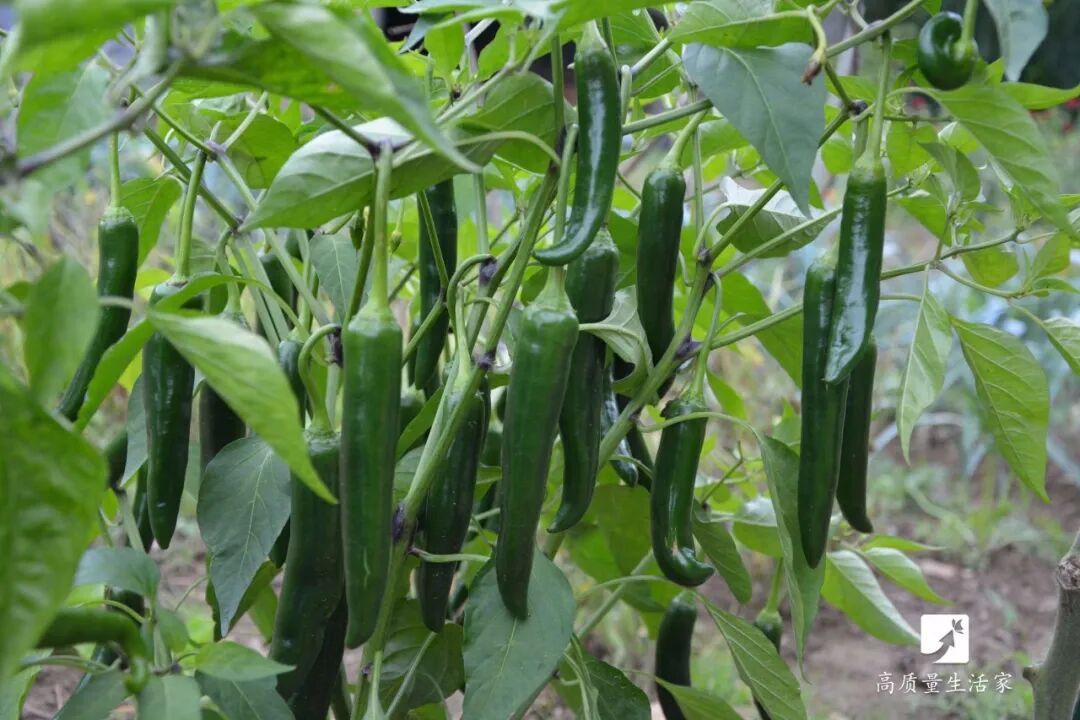
06Green Pepper
Green peppers have thick and crisp flesh and are widely used as side dishes. They are low in calories and do not easily lead to weight gain, and they are rich in vitamin C, with a content of about 62 milligrams per 100 grams, and also contain folic acid, magnesium, potassium, and other nutrients.
Their unique flavor and the presence of capsaicin stimulate the secretion of saliva and gastric juice, enhancing appetite, aiding digestion, and promoting intestinal peristalsis, preventing constipation. They can also help prevent scurvy and have auxiliary therapeutic effects on gum bleeding, anemia, and fragile blood vessels.
Generally, people will feel that after eating spicy green peppers, their heart rate accelerates, and their skin blood vessels dilate, making them feel warm. Therefore, traditional Chinese medicine views them similarly to chili peppers, believing they warm the middle, lower qi, and dispel cold and dampness.
05Kale
Kale is a vegetable that we are quite familiar with in our daily lives. It resembles cabbage, especially in summer when it is crispy and tender, and it is highly nutritious, making it very popular.
It contains rich vitamins, lutein, and zeaxanthin, which are beneficial for healthy eye cells and can prevent cataracts.
The vitamin C content in kale is very rich, with about 63 milligrams per 100 grams, and the selenium content is the highest among cabbage vegetables, while the potassium content is 1.5 times that of bananas, earning it the title of “anti-cancer vegetable” and also having certain effects on stomach health, digestion, and bowel movement.
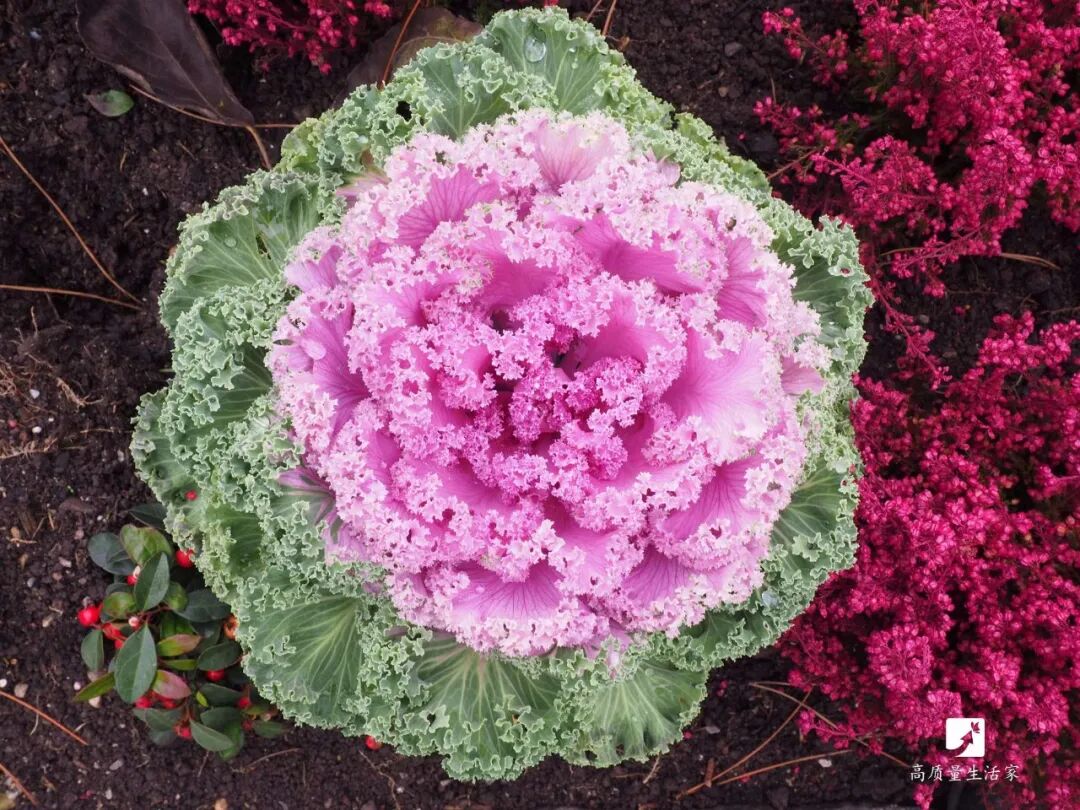
Image source: Internet
04Baby Bok Choy
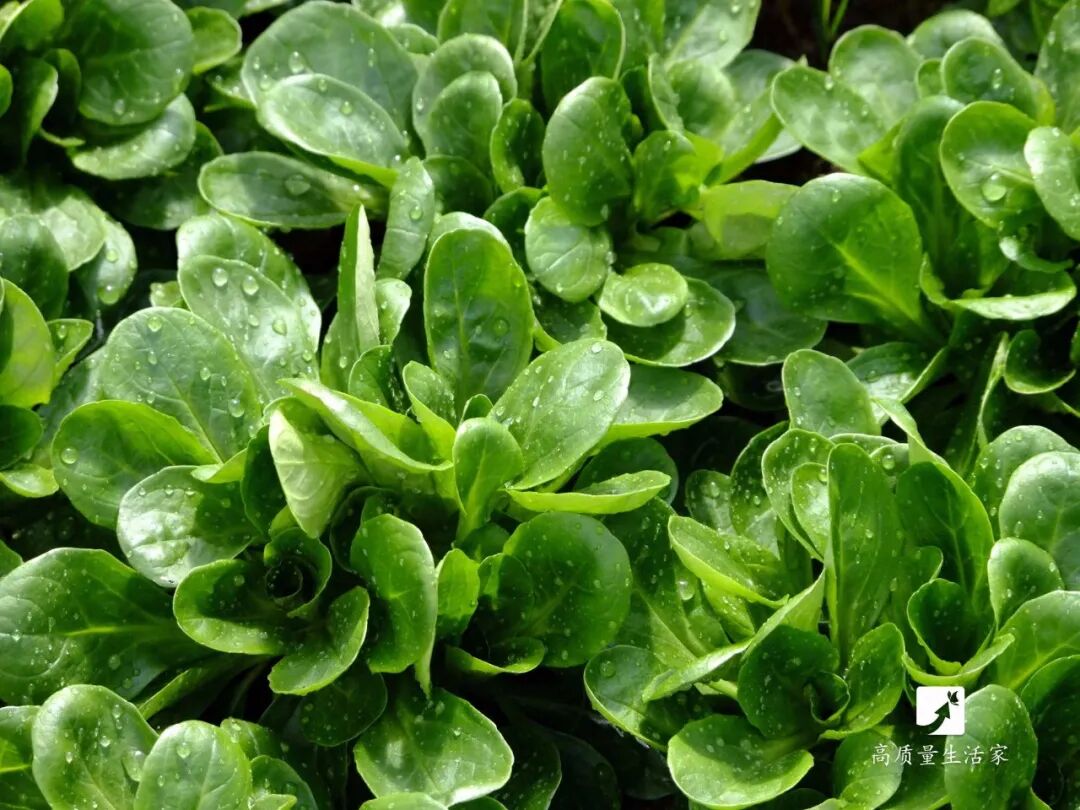
Baby bok choy is rich in protein, fat, crude fiber, carbohydrates, acidic pectin, calcium, phosphorus, iron, and various vitamins. It is a well-known high-calcium, low-oxalic acid leafy vegetable, and it is also low in calories, making it one of the vegetables richest in minerals and vitamins.
Calcium and phosphorus in baby bok choy promote bone development, accelerate human metabolism, and enhance blood production. It is also rich in vitamin B1, vitamin B6, and pantothenic acid, which can relieve mental tension. Eating baby bok choy before exams helps maintain a calm mindset.
The vitamin C content is about 64 milligrams per 100 grams, which can promote skin cell metabolism, prevent rough skin and pigmentation, keep skin bright, and delay aging.
03
Rapeseed Sprouts
Rapeseed sprouts are the tender stems and leaves of rapeseed, which are bright green and crisp, loved by many.
Rapeseed sprouts also have very high nutritional value, rich in carotenoids, vitamin C, vitamin E, as well as calcium, potassium, phosphorus, selenium, magnesium, and other mineral elements.
Every 100 grams contains about 65 milligrams of vitamin C, which can improve skin and eye health, anti-aging, enhance human immunity, and maintain gastrointestinal health.
Image source: Internet
02Chinese Broccoli
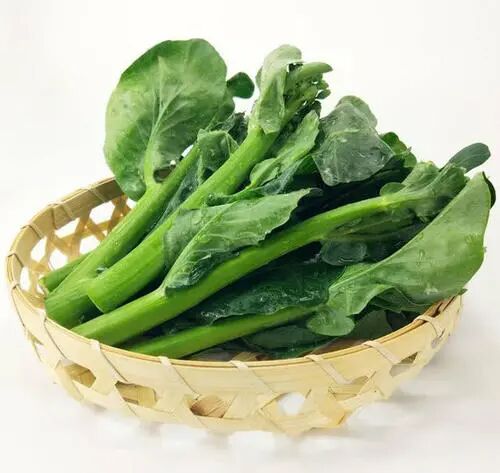
Chinese broccoli, also known as Chinese kale, has a long cultivation history and is one of China’s specialty vegetables.
The tender stems and leaves of Chinese broccoli are soft, crisp, sweet, and delicious, with a vitamin C content of about 70 milligrams per 100 grams, along with a considerable amount of minerals. It is one of the more nutritious vegetables among cabbage varieties, suitable for stir-frying, soups, or as a side dish.
Chinese broccoli contains organic alkaloids, which give it a certain bitterness that can stimulate the taste nerves, enhance appetite, and accelerate gastrointestinal peristalsis, aiding digestion. It is suitable for the general population, especially for those with poor appetite, constipation, or high cholesterol.
01Bell Peppers
Bell peppers, also known as sweet peppers, are a special series of sweet peppers, commonly found in yellow, red, green, and orange colors. Bell peppers are rich in vitamin A, vitamin B, vitamin C, carotenoids, sugars, fiber, calcium, phosphorus, iron, and other elements.
The vitamin content is higher than that of cucumbers, tomatoes, and eggplants, with a vitamin C content exceeding 100 milligrams per 100 grams, making it the vegetable with the highest vitamin C content.
Additionally, bell peppers can be eaten raw, which is a great way to retain their nutrients, and this is also the preferred method of consumption in the West.
After washing, bell peppers can be cut into thin strips and mixed into salads with toast, eggs, beef, quinoa, and fruits, drizzled with yogurt or cheese, creating a balanced nutritional light meal. Eggs and beef provide good protein, while toast and quinoa are sources of other vitamins and dietary fiber.

After reading, many people will be surprised that the vegetable with the highest vitamin C content is actually bell peppers, and consuming 100 grams can meet the daily vitamin needs.
Vegetable intake is generally high, and it is recommended to eat 300-500 grams of vegetables daily. To avoid the loss of vitamin C during steaming or stir-frying, it is advisable to wash and cut them first, and add a little salt when blanching, using quick stir-frying methods.
Well, that concludes today’s sharing. Have you decided what vegetables to eat tonight to supplement your vitamin C?