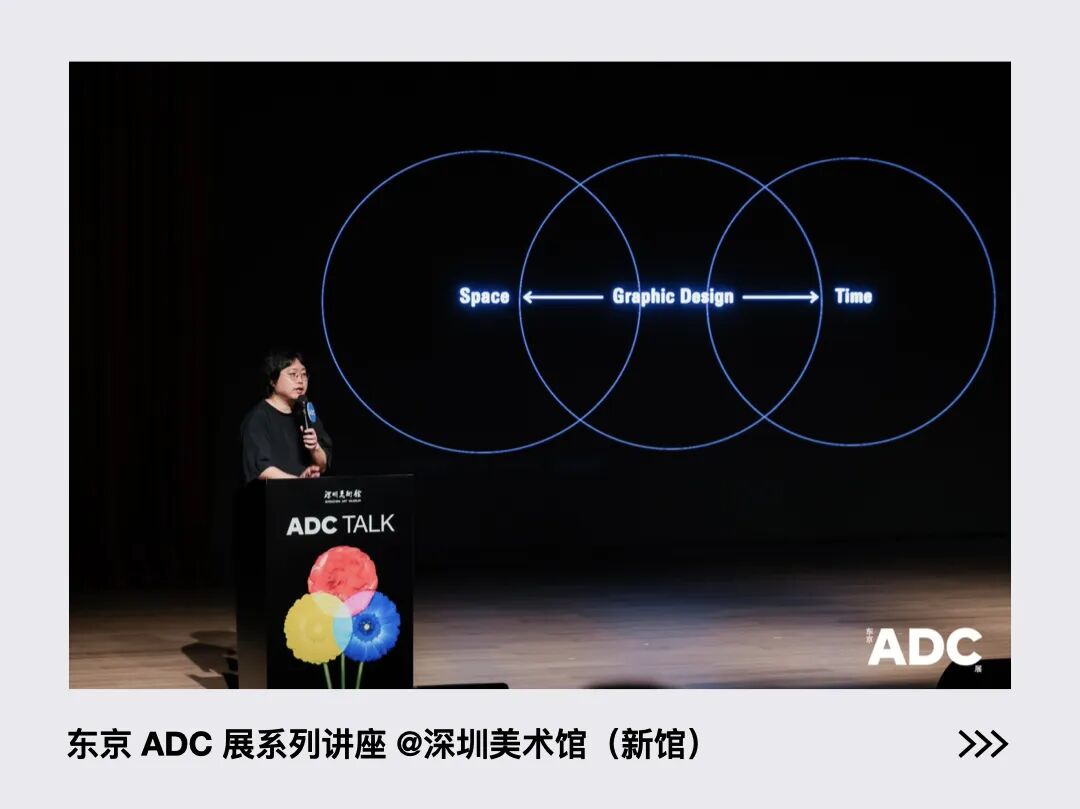
Does design need to have a purpose and an endpoint?
In the eyes of many, design often means “solving problems” and is a path “towards results.” However, for graphic designer Tomohiro Okazaki, design can also be aimless.

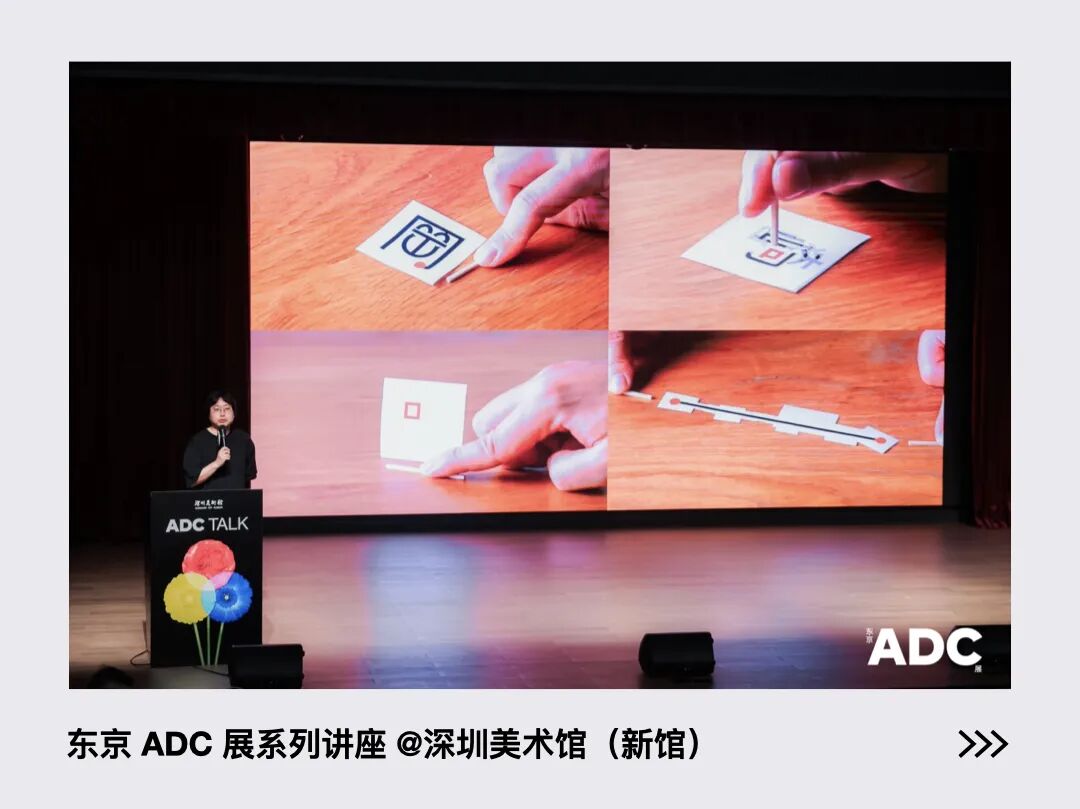
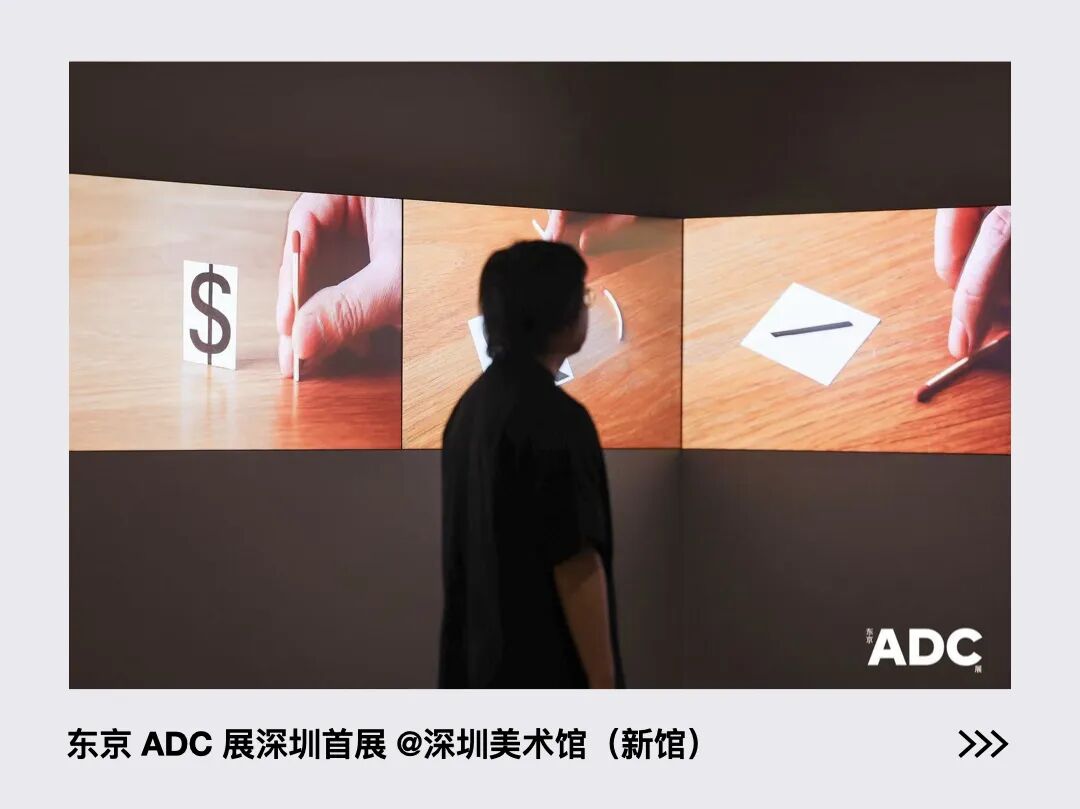
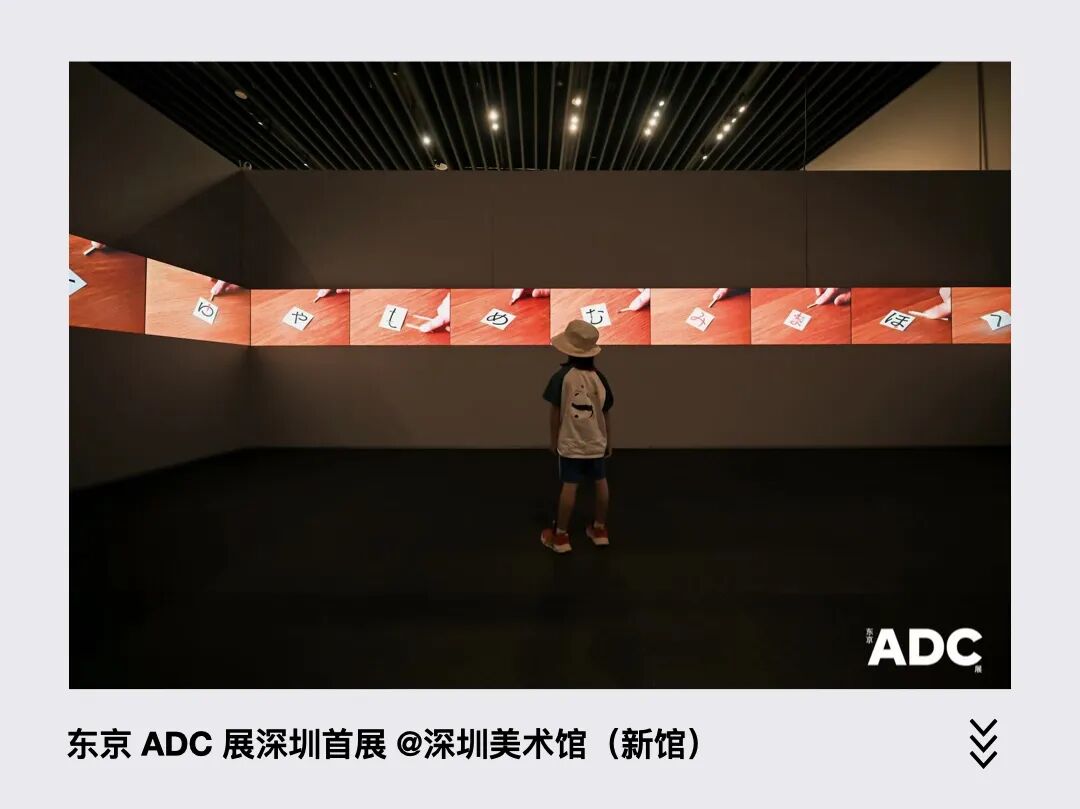
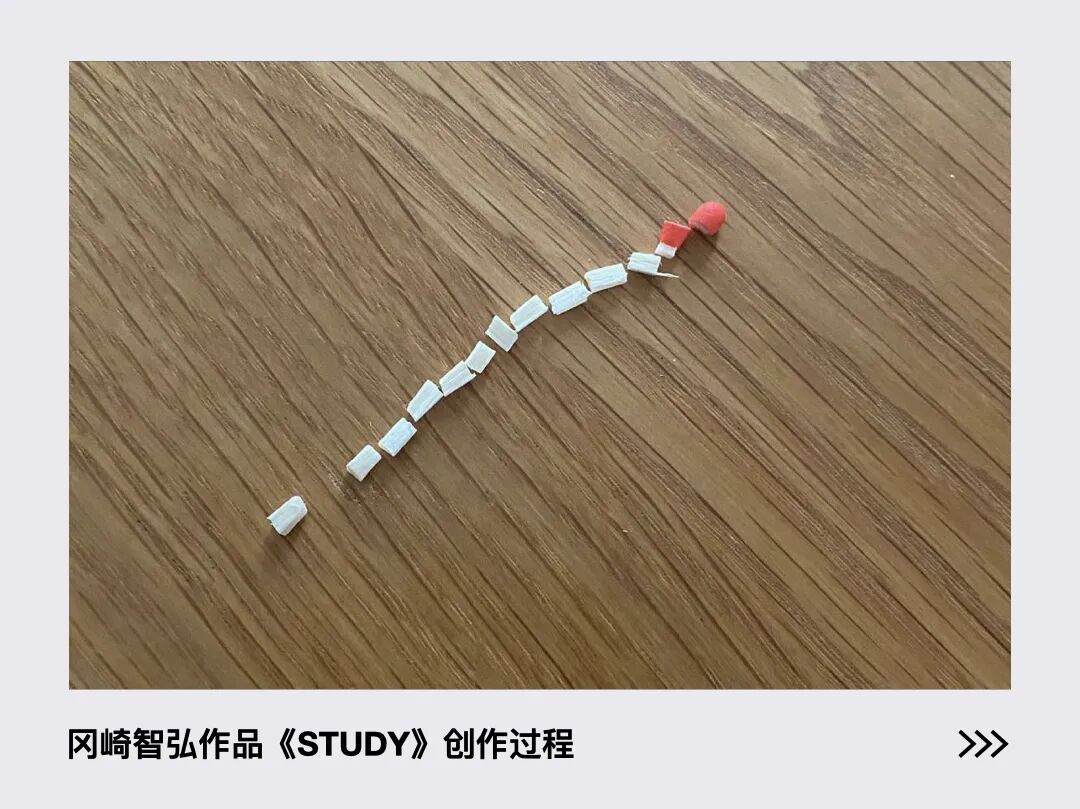
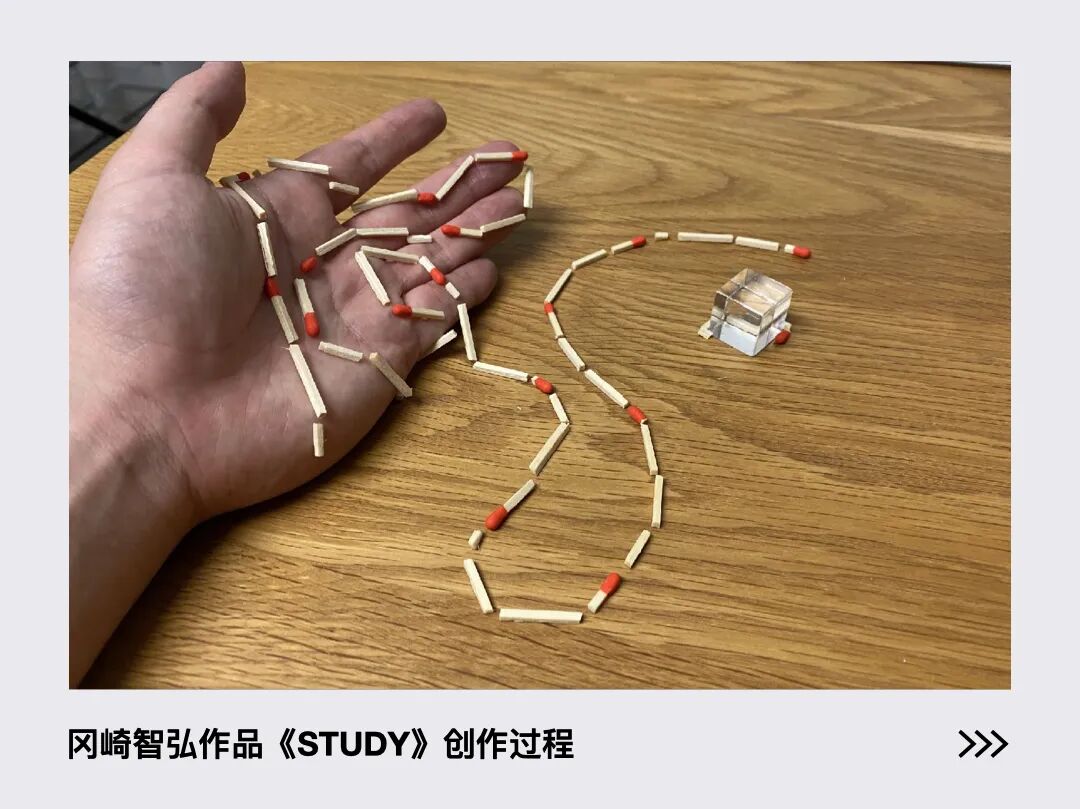
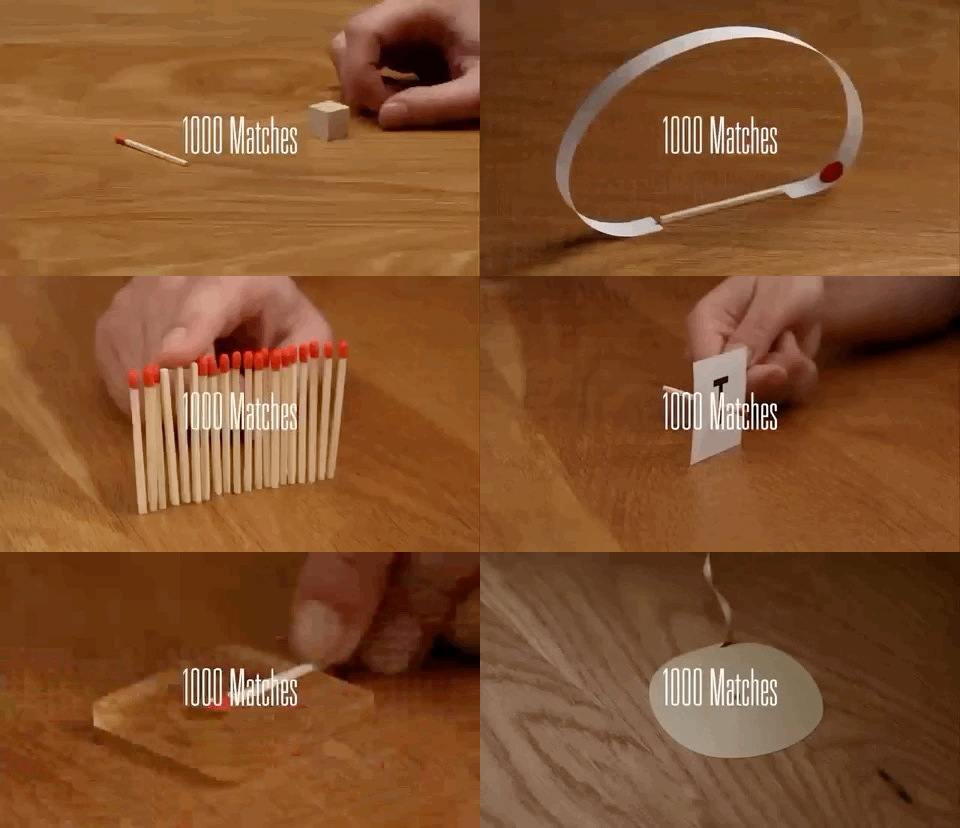
Starting in 2020, Tomohiro Okazaki began creating his work “STUDY” with an aimless mindset, a series of stop-motion animations featuring matches as the “protagonists.” This series of works earned him the 2024 Tokyo ADC Award and revealed that design can embody “the usefulness of uselessness.”
At this year’s Tokyo ADC exhibition, which is being held for the first time in Shenzhen, we also invited Tomohiro Okazaki to share his media experimental creations and his exploration of time and dynamic design. He will discuss how to create complex experiences that captivate audiences using simple yet engaging methods.

Tomohiro Okazaki was born in Kanagawa Prefecture in 1981. He graduated from the Visual Communication Design Department of Tokyo University of the Arts in 2003. After graduation, he joined an advertising agency and later founded the visual studio SWIMMING in Tokyo in 2011, specializing in graphic design, video, and exhibition planning.
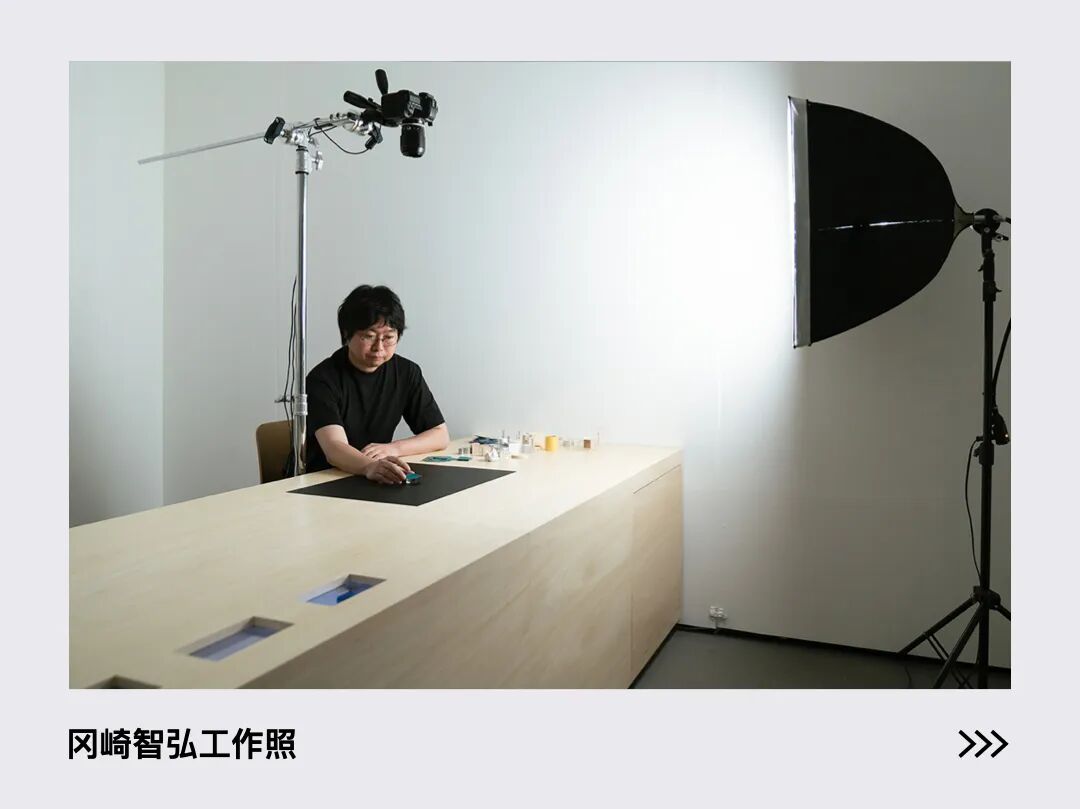
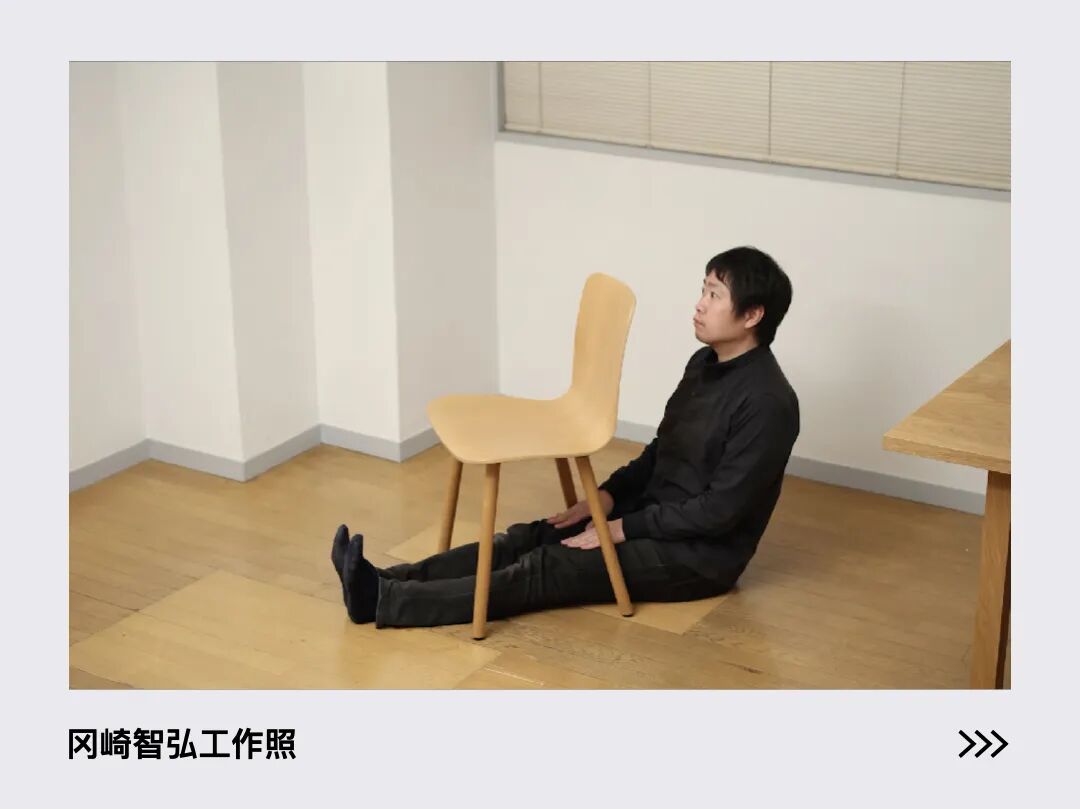
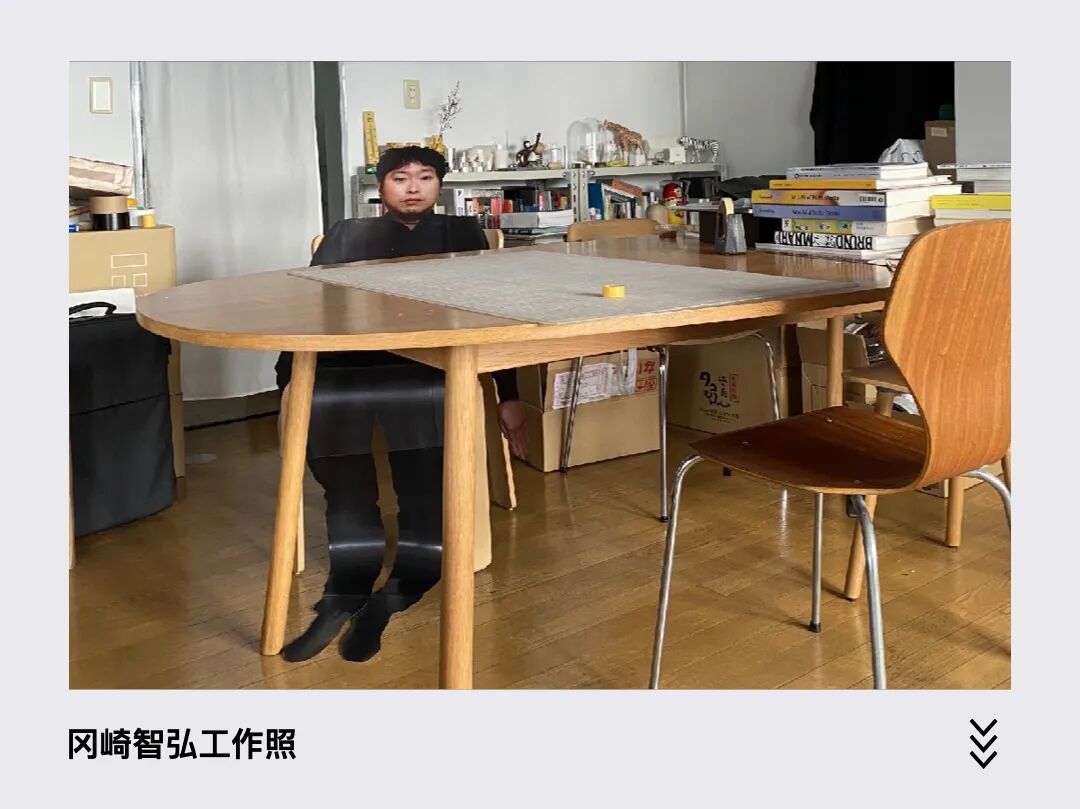
As a child, Okazaki was fascinated by studying the lives and movements of insects. The series of actions of “searching and observing” gradually became his daily routine and instinct, and it is now his way of capturing inspiration.“I am not very interested in the ‘appearance’ of insects, but their ‘movements’ fascinate me. The movements of living beings have a certain ‘systematic’ quality, that rhythmic quality akin to robots, which inspires my thoughts on ‘movement structure.'”
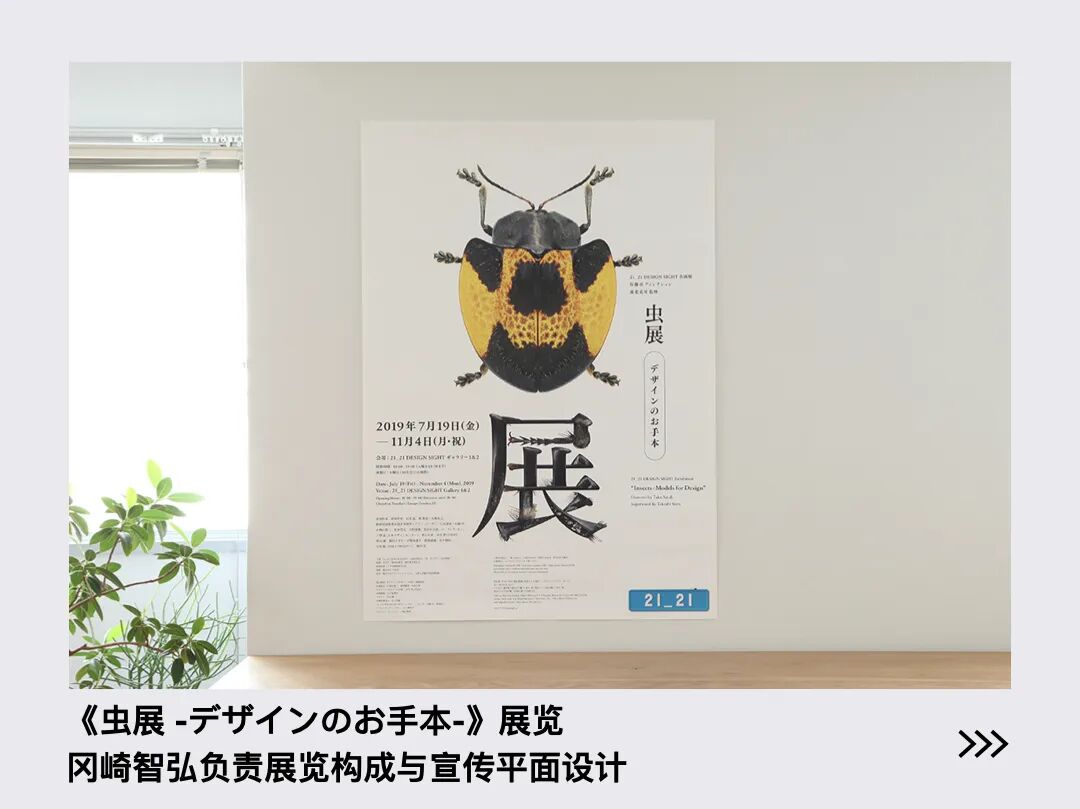
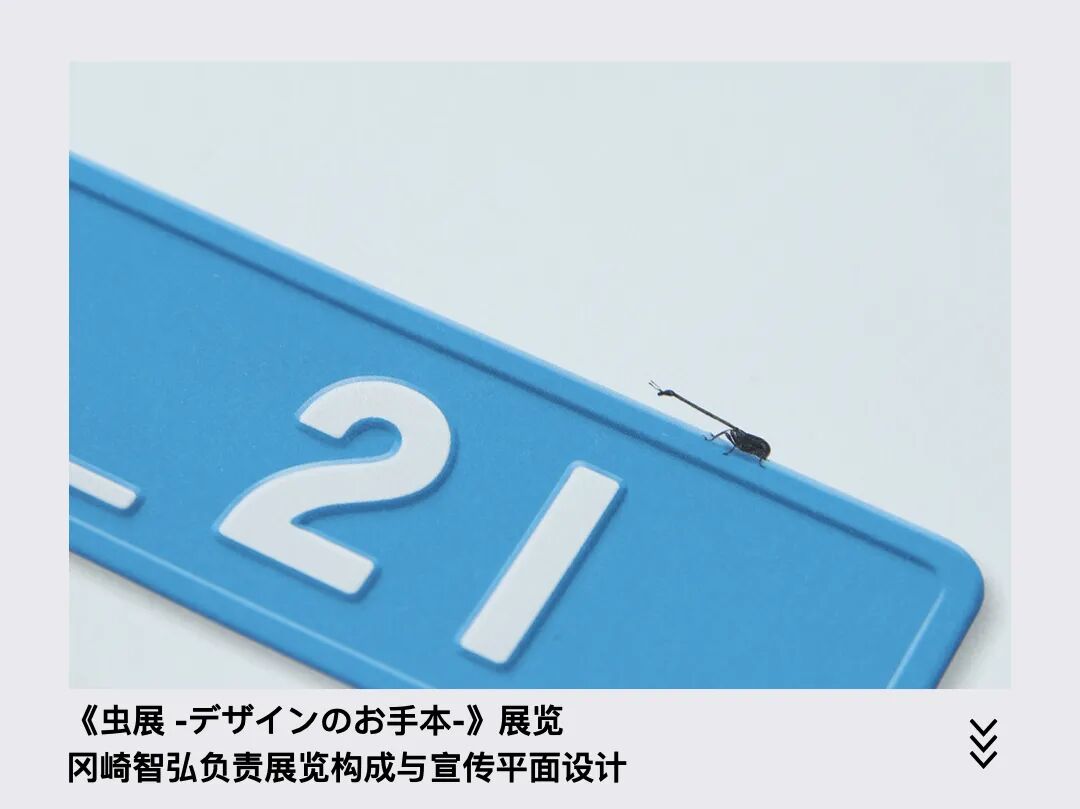
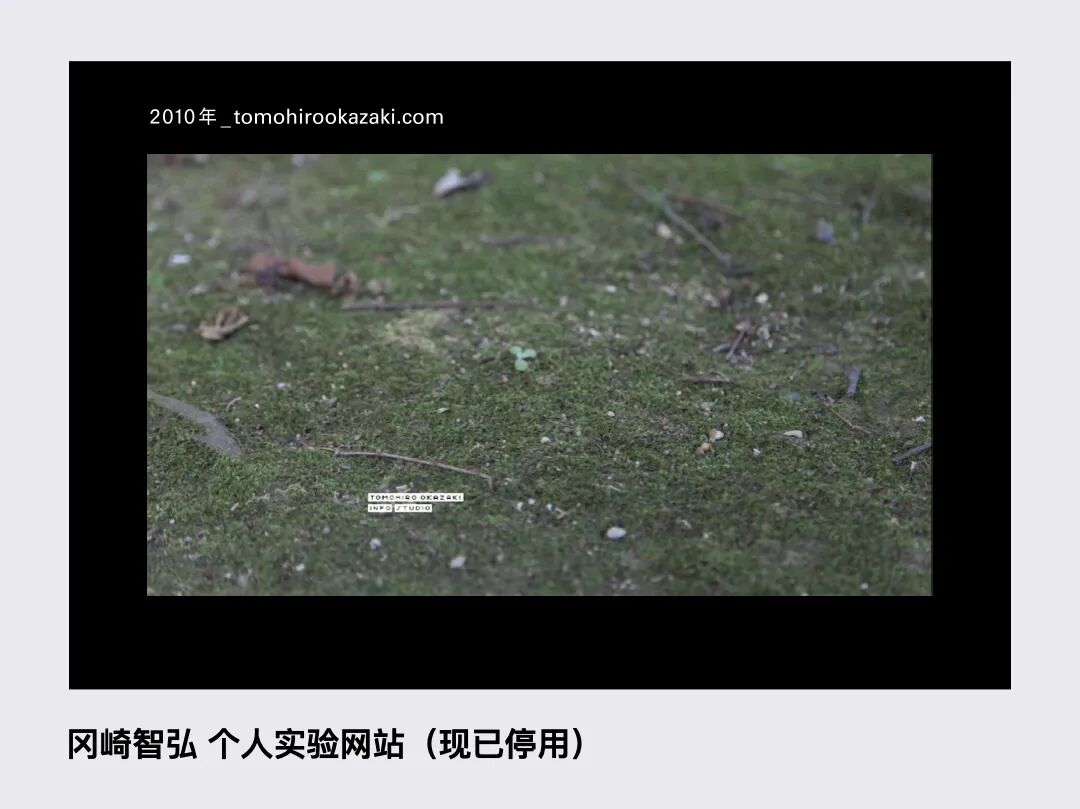
“STUDY” is not Okazaki’s first work created using stop-motion photography. As early as 2010, he connected various photos with different rules and shapes to create a visual dynamic illusion. It was from this point that he began to ponder,“What if this technique were applied to graphic design?”

After starting his stop-motion image creation, Okazaki received a design job for the “Dissolve!” segment of the NHK E-TV educational program “Design Ah!” The theme of “Dissolve” means to deconstruct and disperse our everyday objects or children’s items, and then explain the structure and relationships of these objects through stop-motion animation.
In this series of creations, Okazaki insists on using manual shooting, emphasizing a design attitude of “using both hands and eyes” to cultivate sensory experiences related to materials, forms, and weights.“By deconstructing to see the structure,” he aims to understand the essence of things, experiencing and uncovering hidden attributes, and conveying the core idea that “everything in this world has a structure” in a simple and clear manner, allowing the creation itself to become a pleasurable cognitive experience.
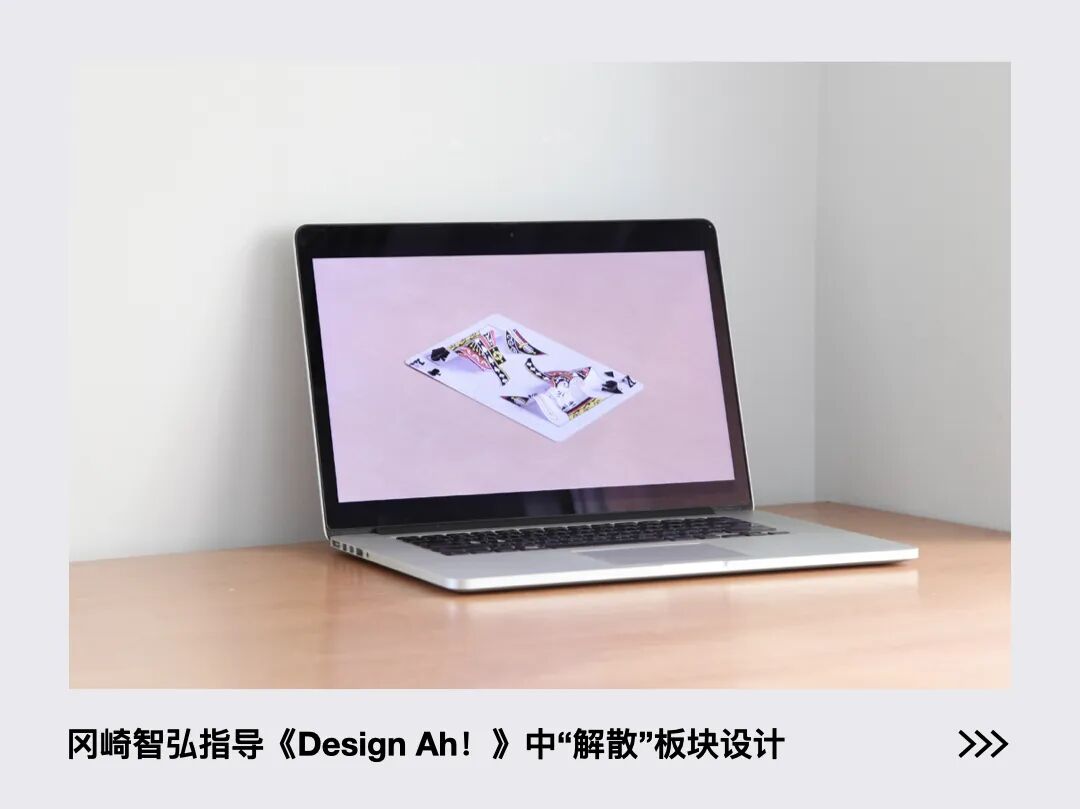
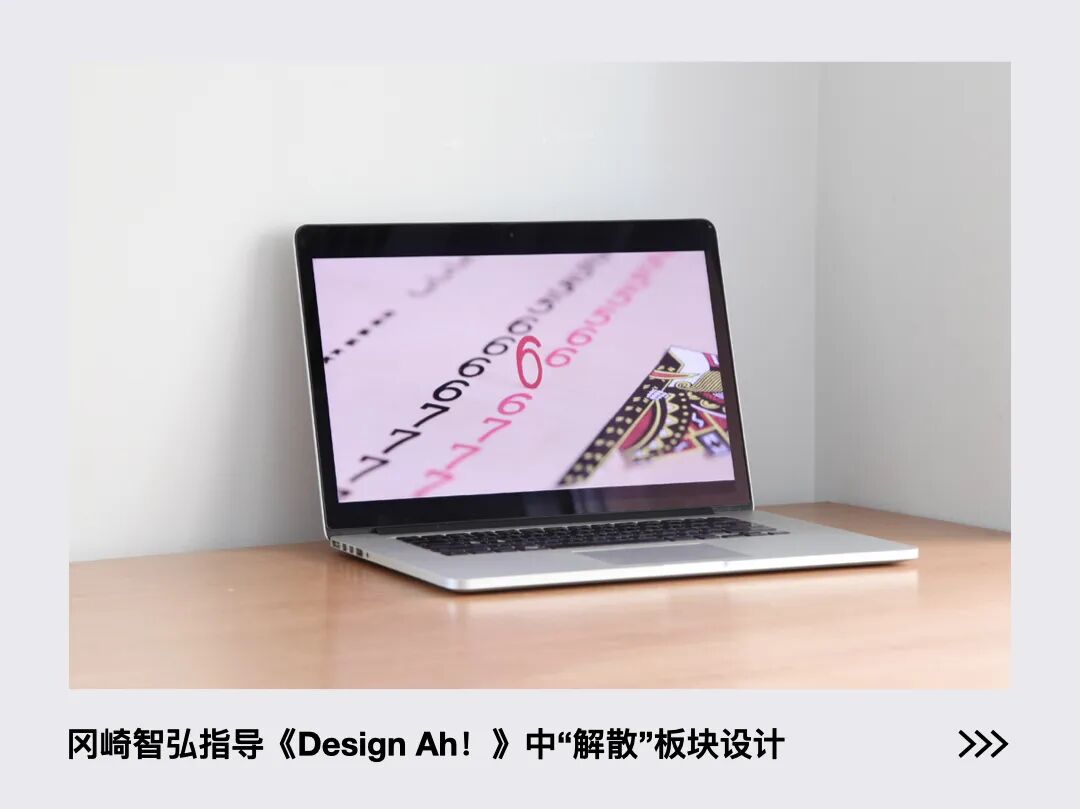
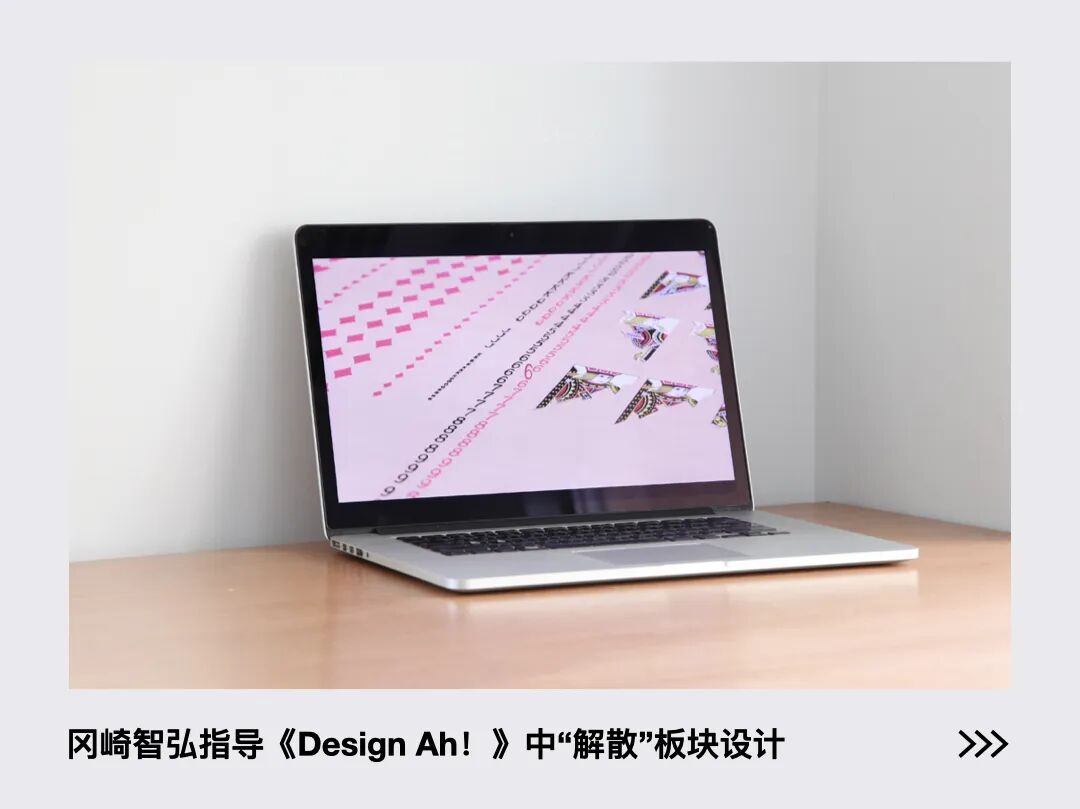
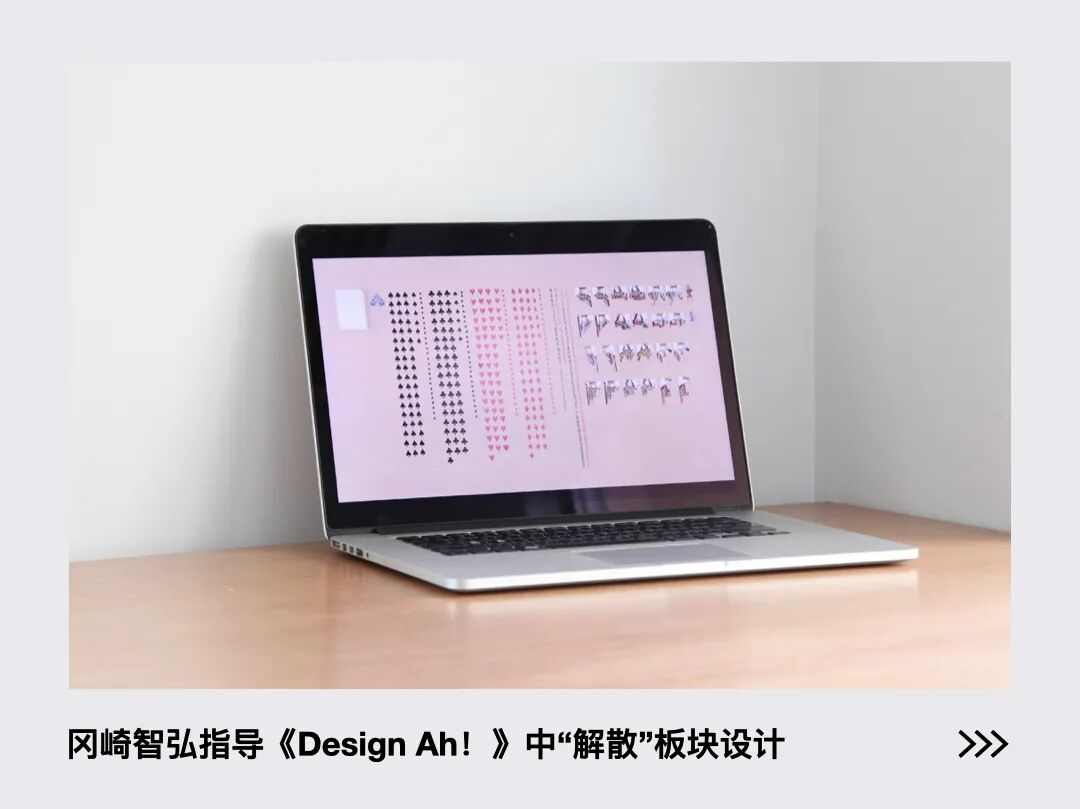
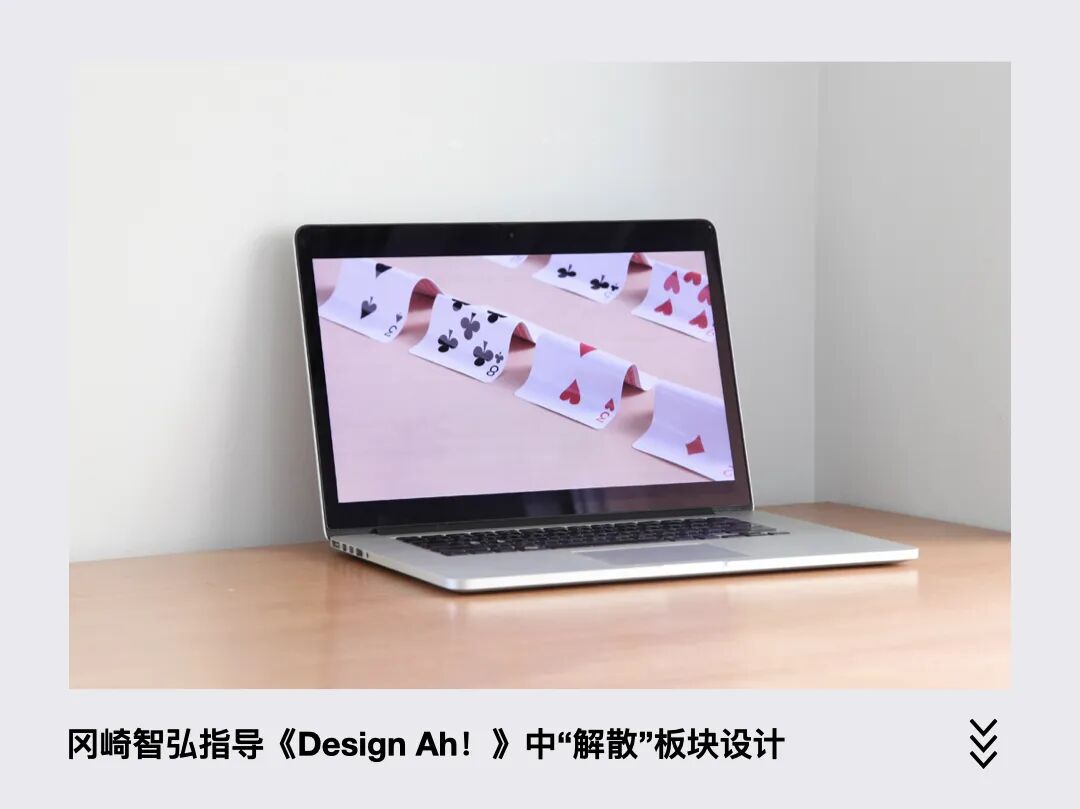
Using the “Dissolve!” series of short films as a starting point, Okazaki began to integrate graphic design into his image and stop-motion photography creations,and he started to think about “how to achieve the continuity of images by injecting a dimension of time?” This would breathe new life into dynamic graphic design.
In 2022, Okazaki designed an invitation for Issey Miyake’s menswear collection at Paris Fashion Week, showcasing the process of unfolding, folding, and structural changes of paper through stop-motion animation, allowing invitees to understand the brand’s philosophy, thoughts, and applications regarding material “texture” through this design.
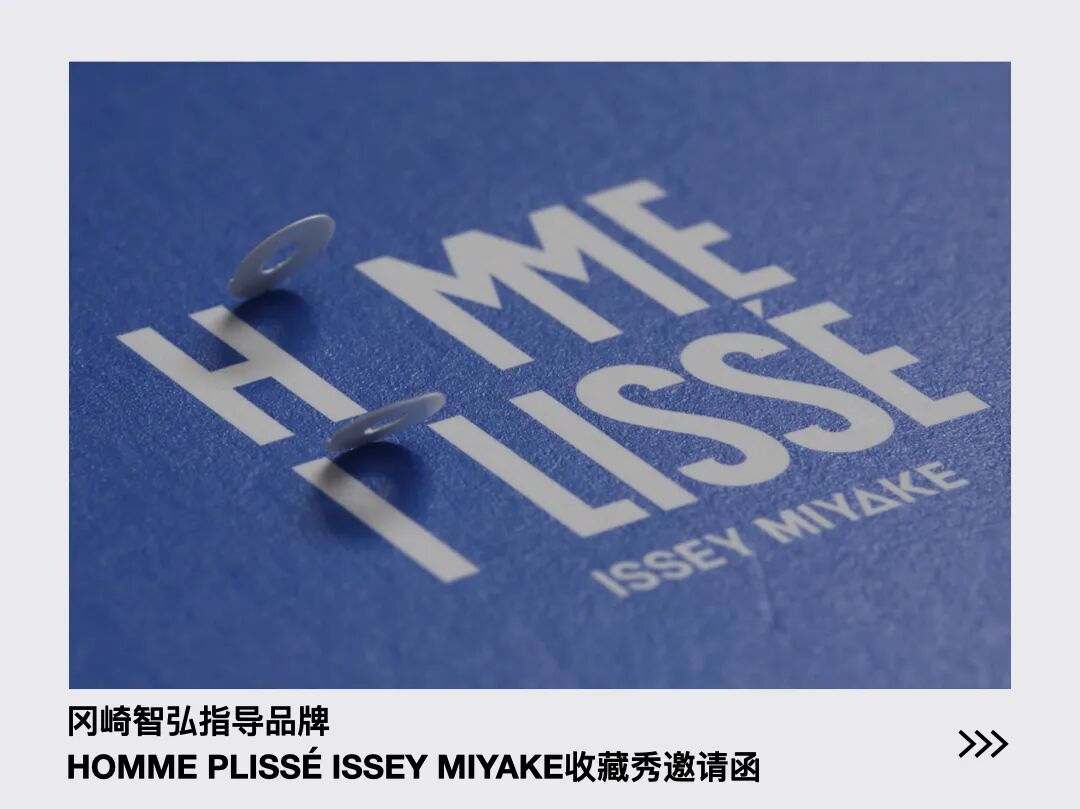
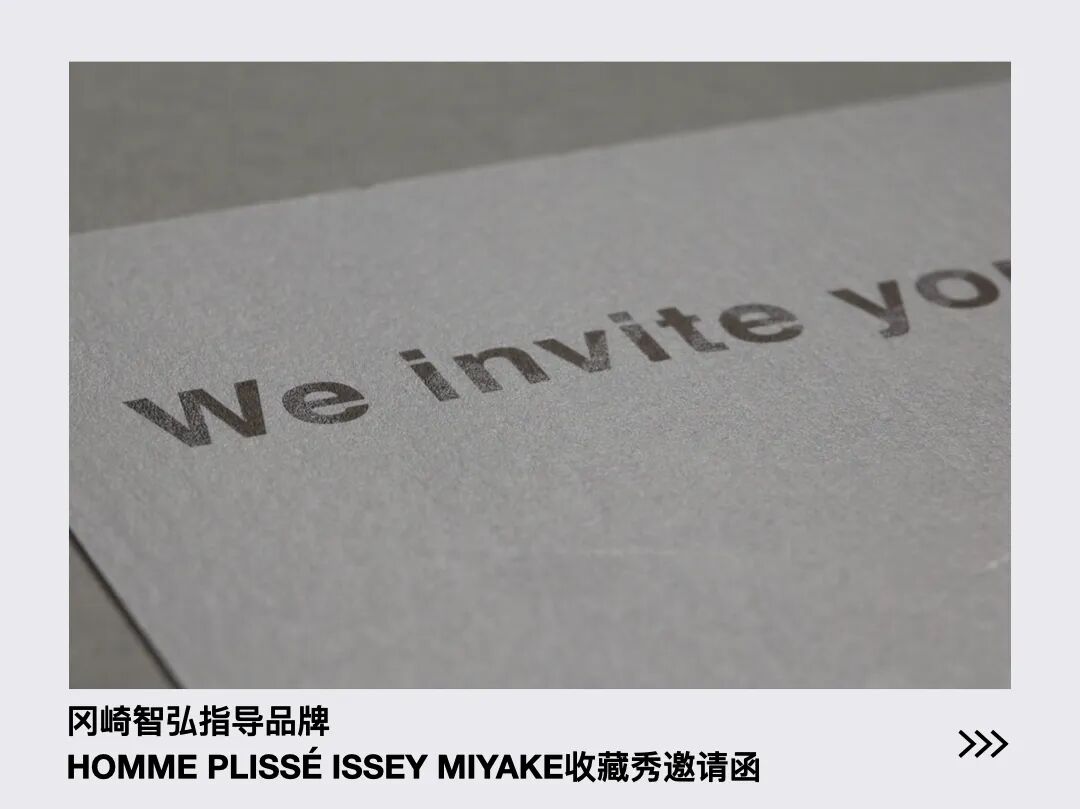
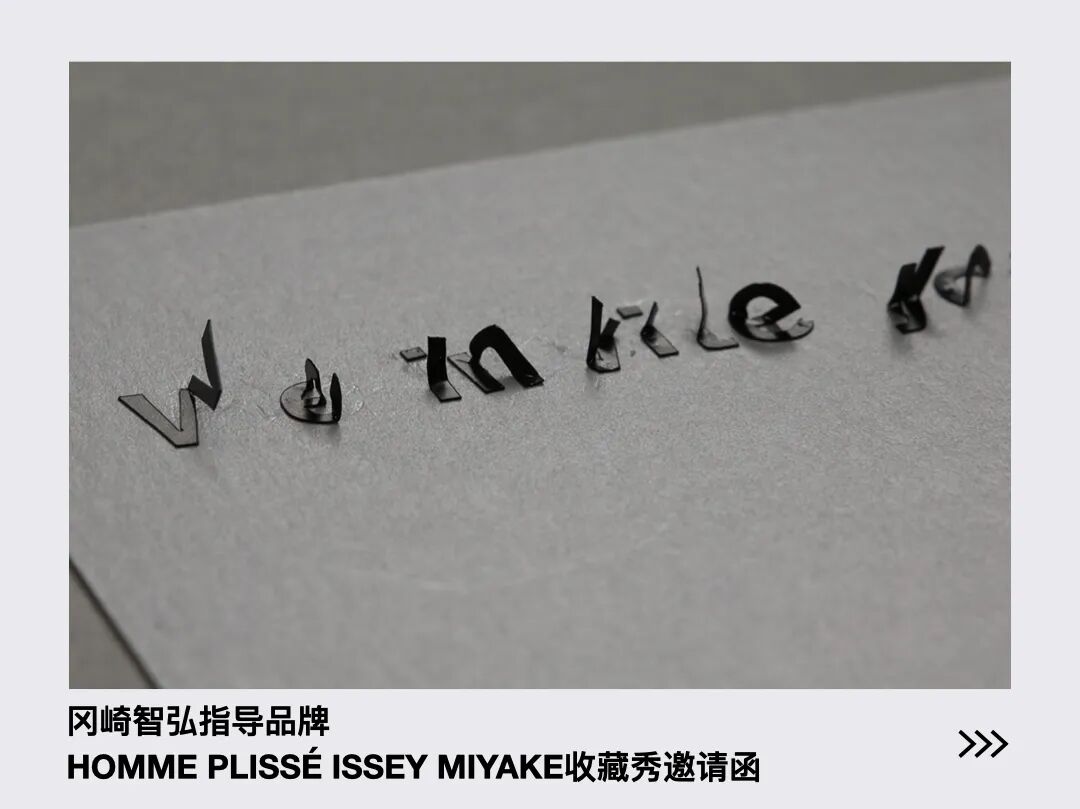
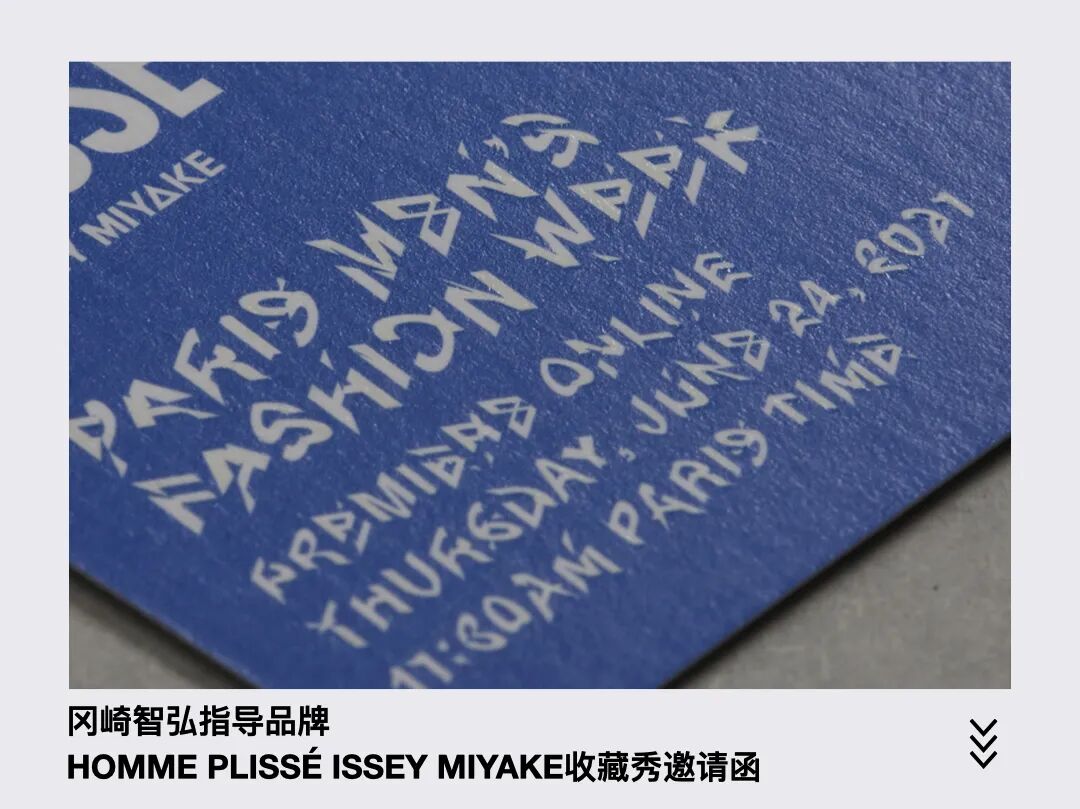
Between 2022 and 2023, Okazaki collaborated with a printing company in Fukagawa, Japan, to develop innovative paper products. He fully utilized the folds, elasticity, and structure of paper as the basis for composition, shooting promotional animations in stop-motion format, transforming this series of processes into video information that reveals the hidden creative potential of paper to the audience.
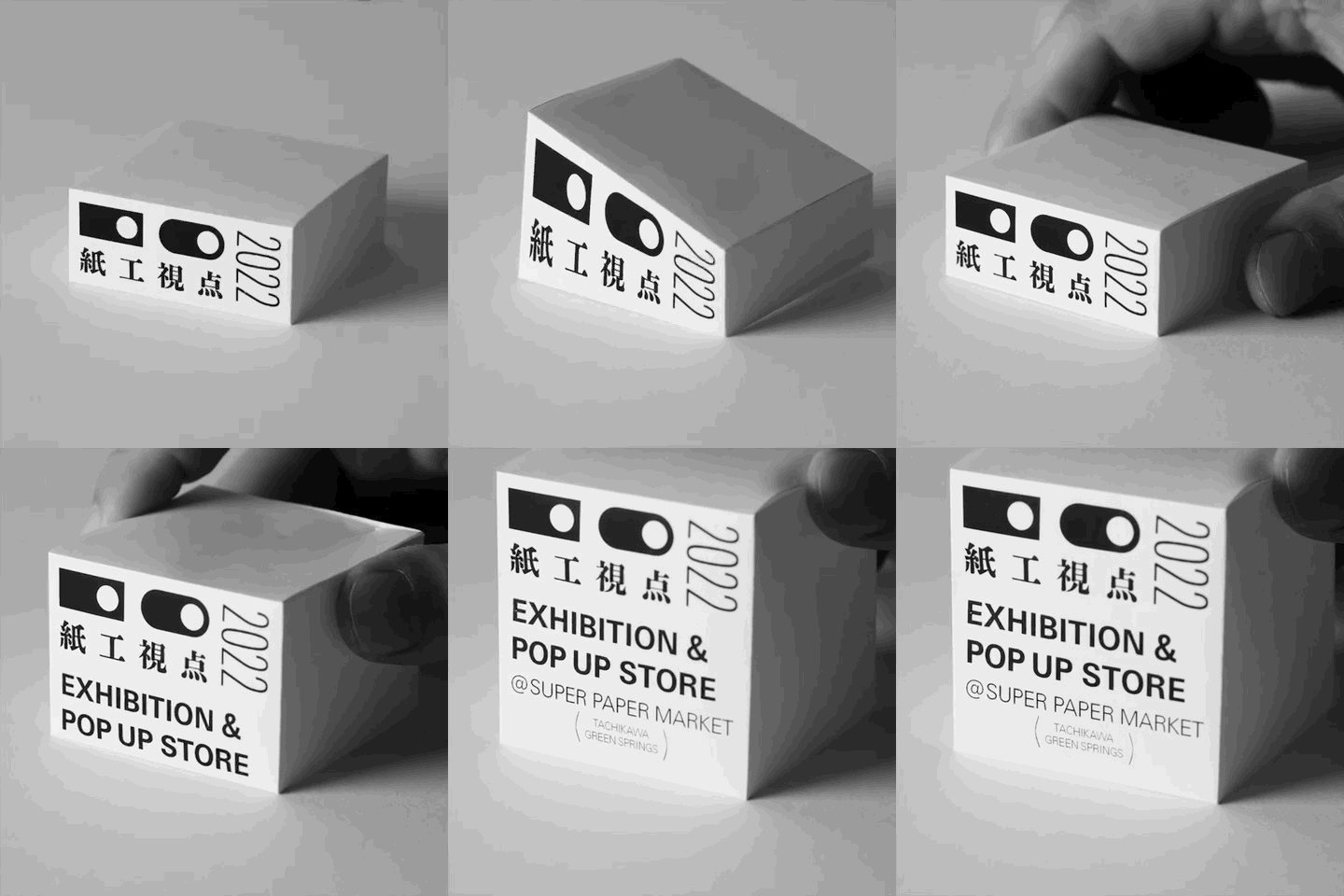

What began as a fun and interesting stop-motion project has ultimately been applied to practical work. Throughout the continuous process of creation and practice, Okazaki has been reflecting on the purpose of his creations,“Is the pursuit of completion to achieve a final result really all there is to design?”

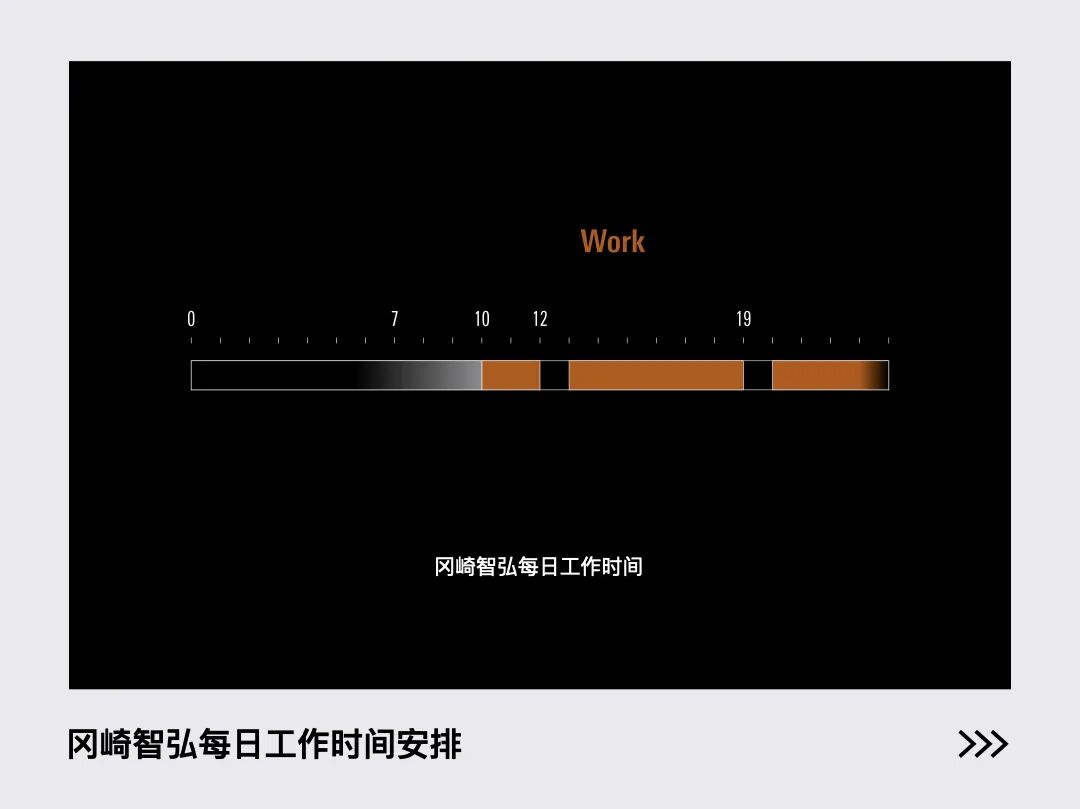
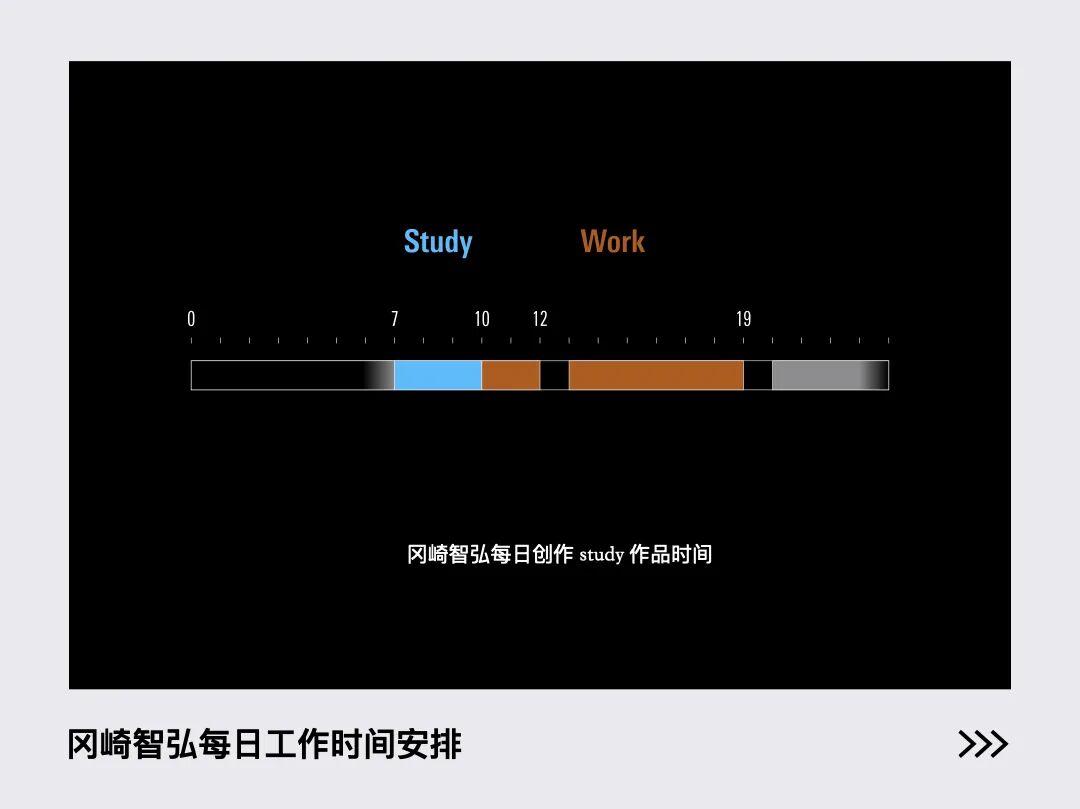
Since 2020, Okazaki has had ample time to think and experiment.“Without asking for a purpose, just see what happens after doing it.” With this aimless mindset, Okazaki began a new creation, and it was at this time that he discovered matches as a creative element.
As a purely exploratory project, the series of works titled “Matches” is unrelated to others’ evaluations; what matters is the depth of understanding and reflection achieved through continuous hands-on creation.

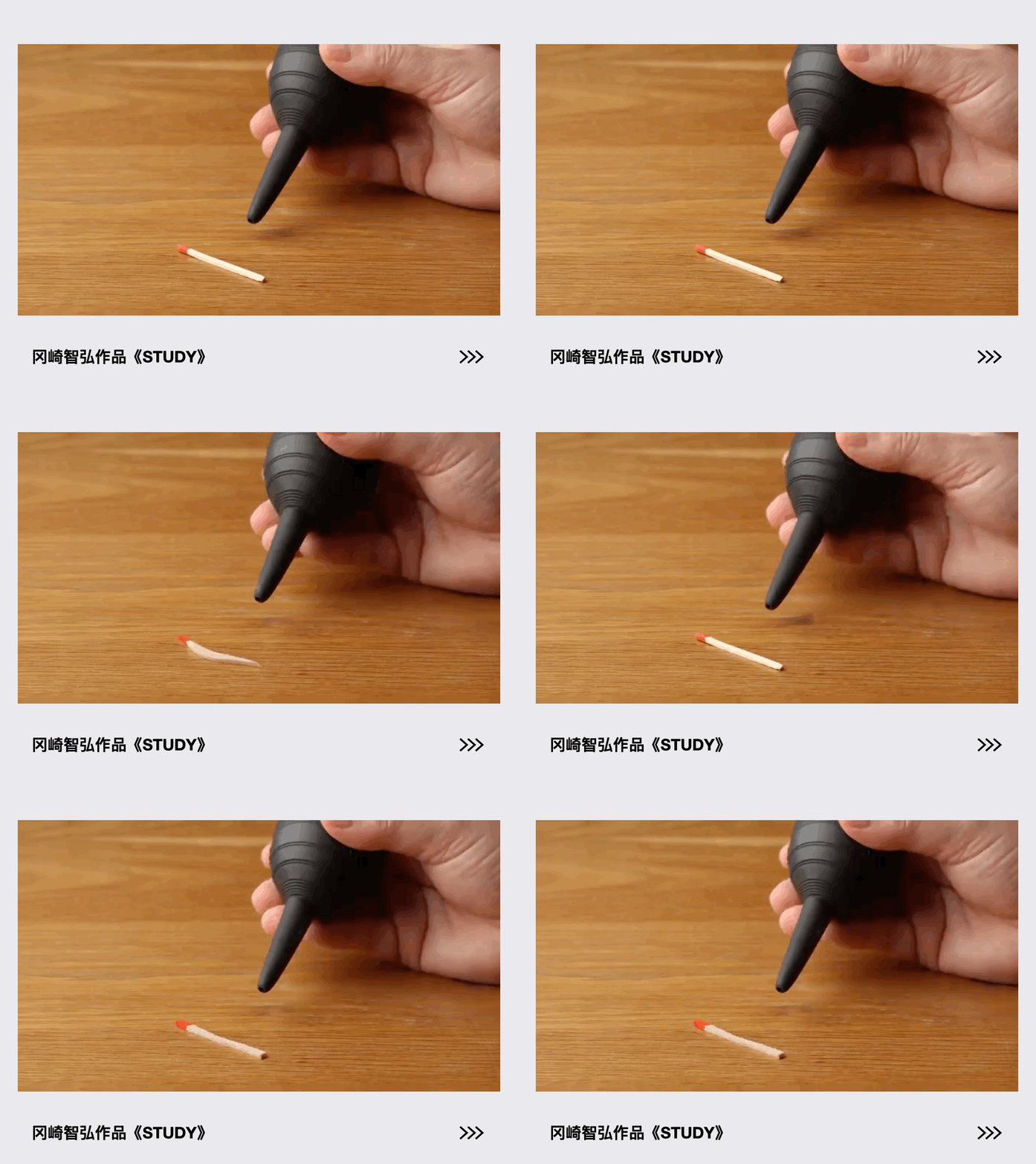
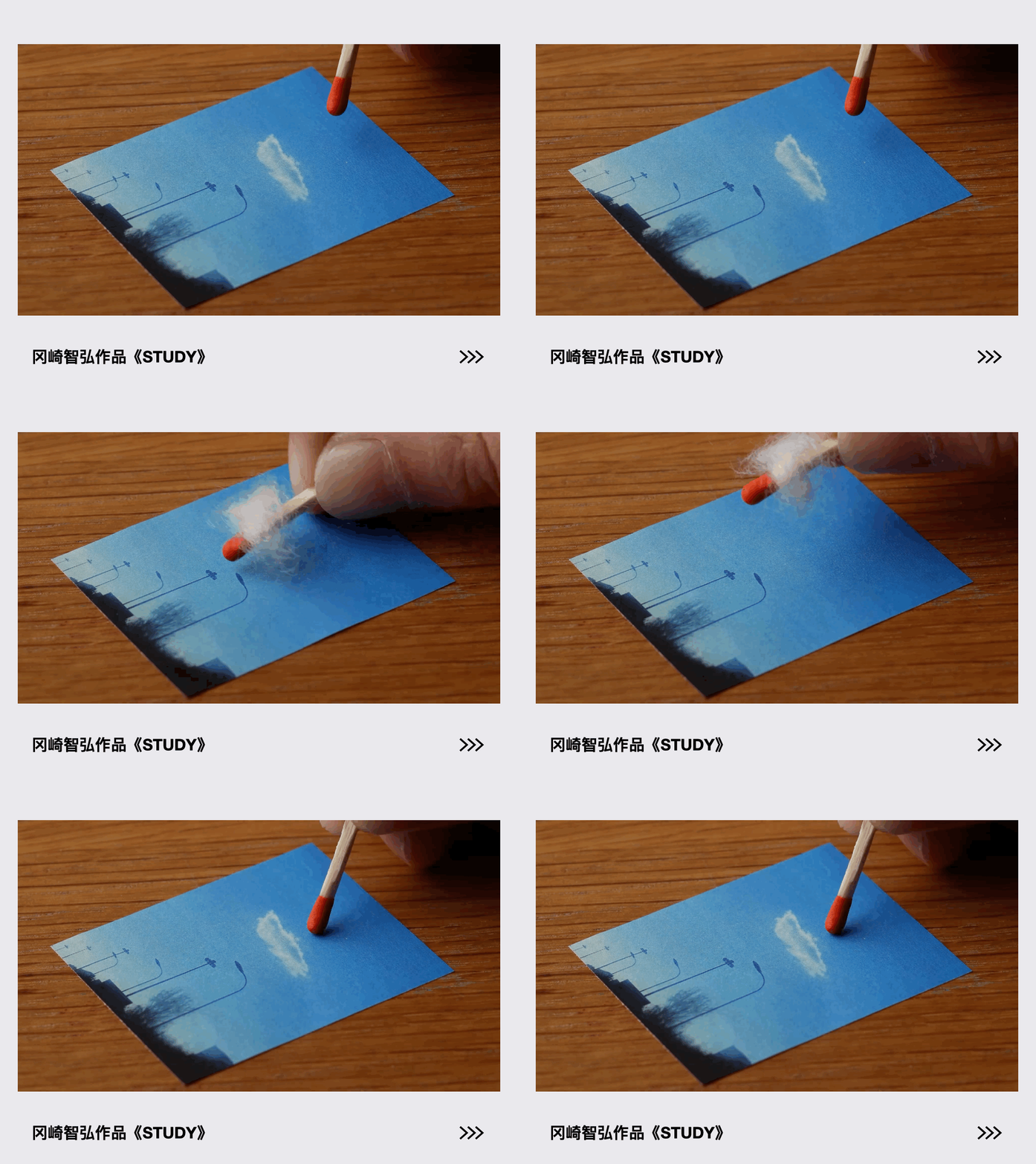
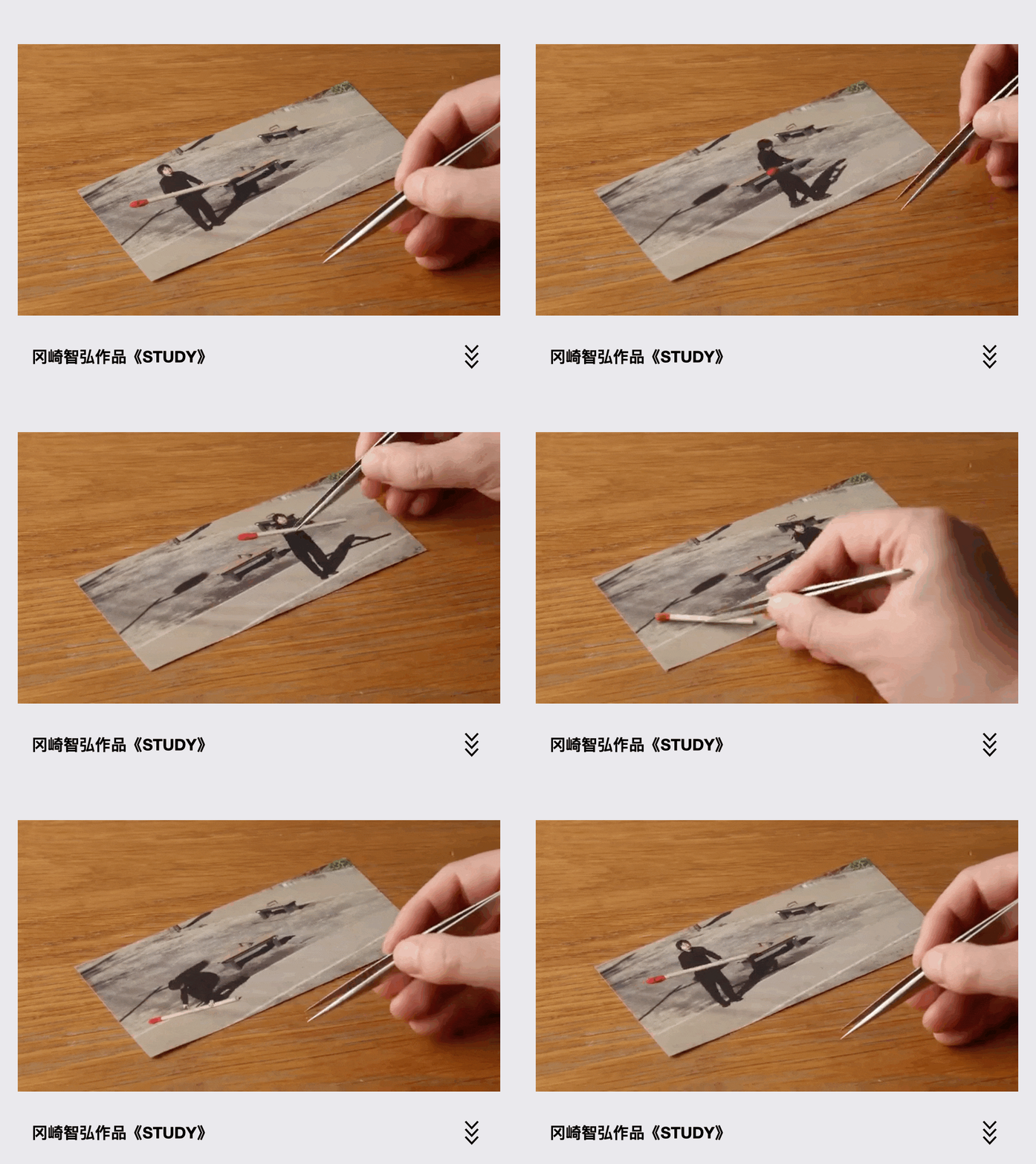
Although this series of works centers around matches, one can also find matches being deconstructed into different shapes or combined with other elements. Matches can be protagonists or different perspectives derived from them; these new ideas born from continuous creation seem to bring matches to life. However, Okazaki is not fixated on the matches themselves; in his view, any element can serve as a subject for creation.What matters is how you perceive it, whether you can discover its structure, and how you can change and reconstruct it. For this reason, he does not specifically seek new objects or themes for creation; what is truly important to him is the content itself.
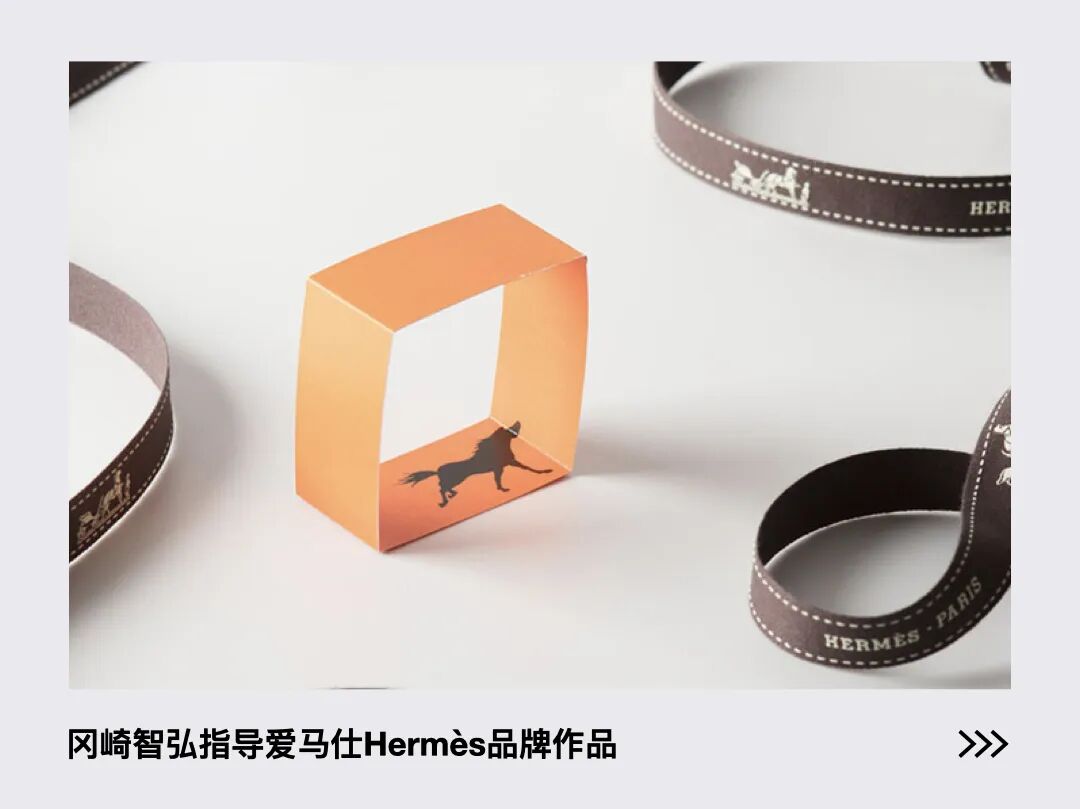
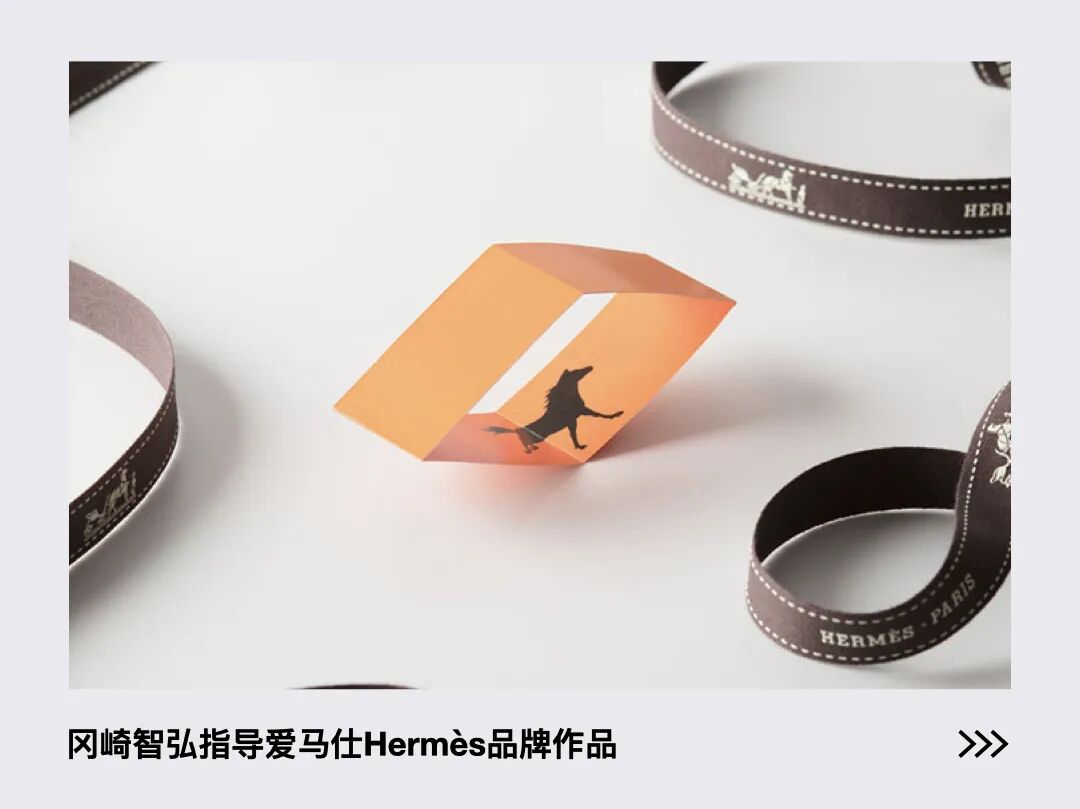
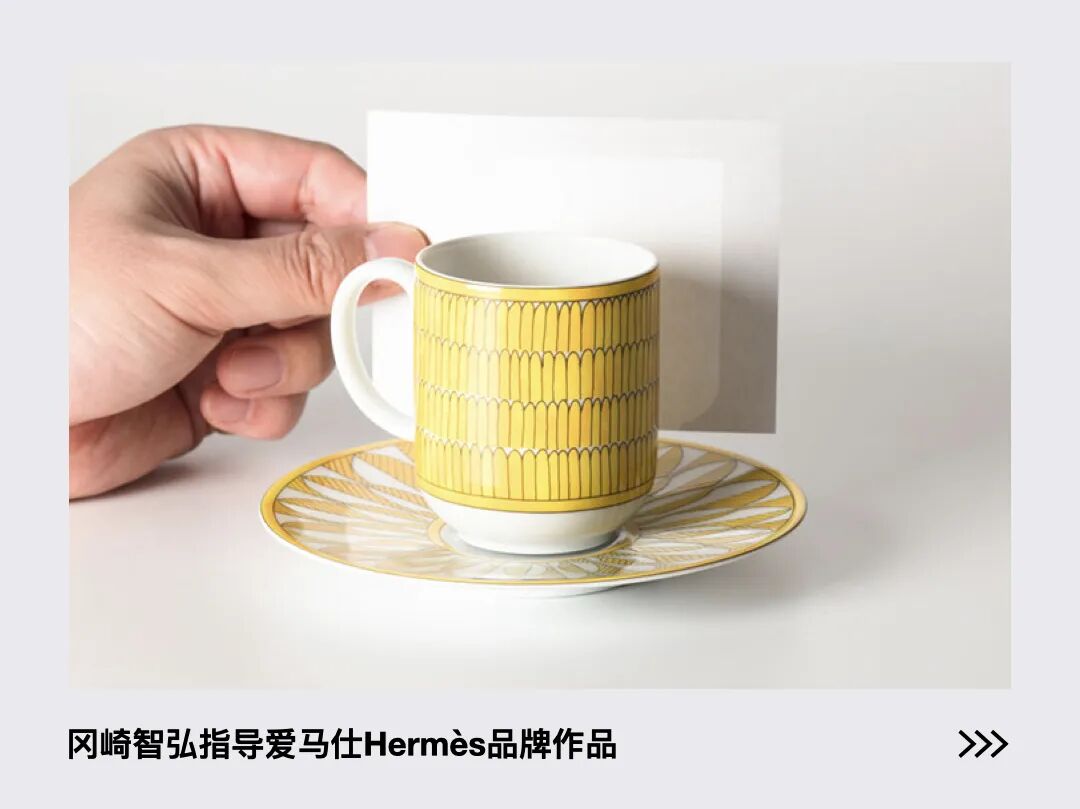
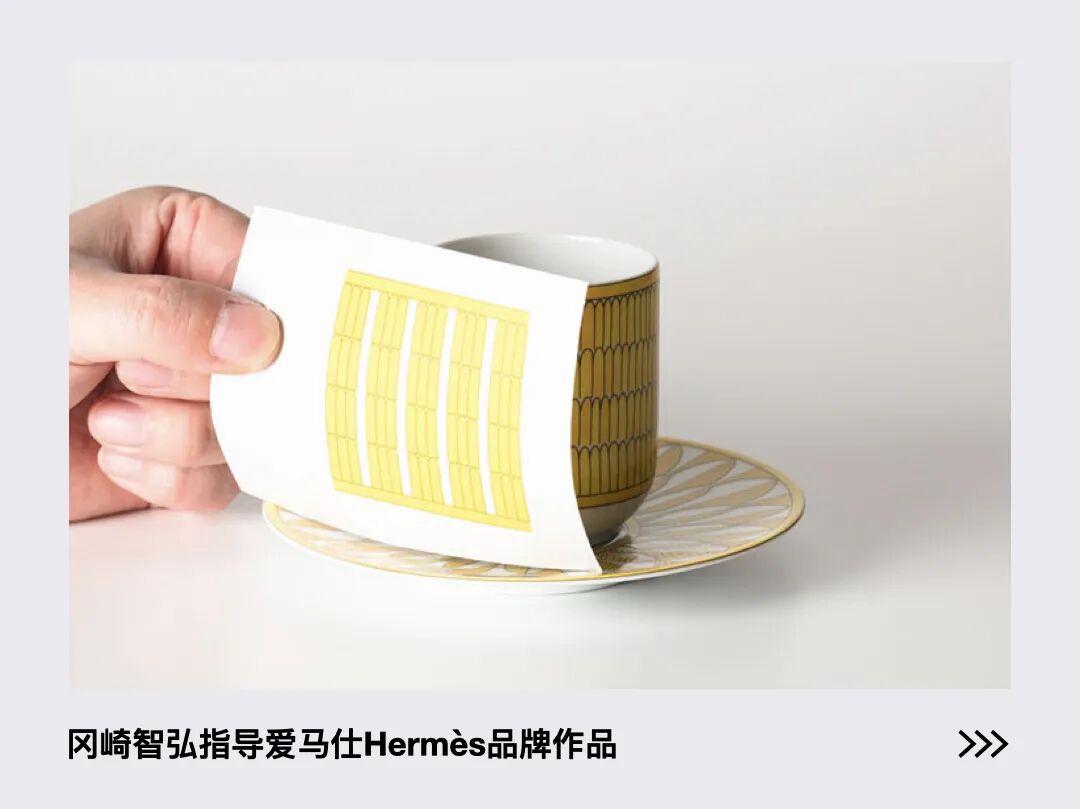
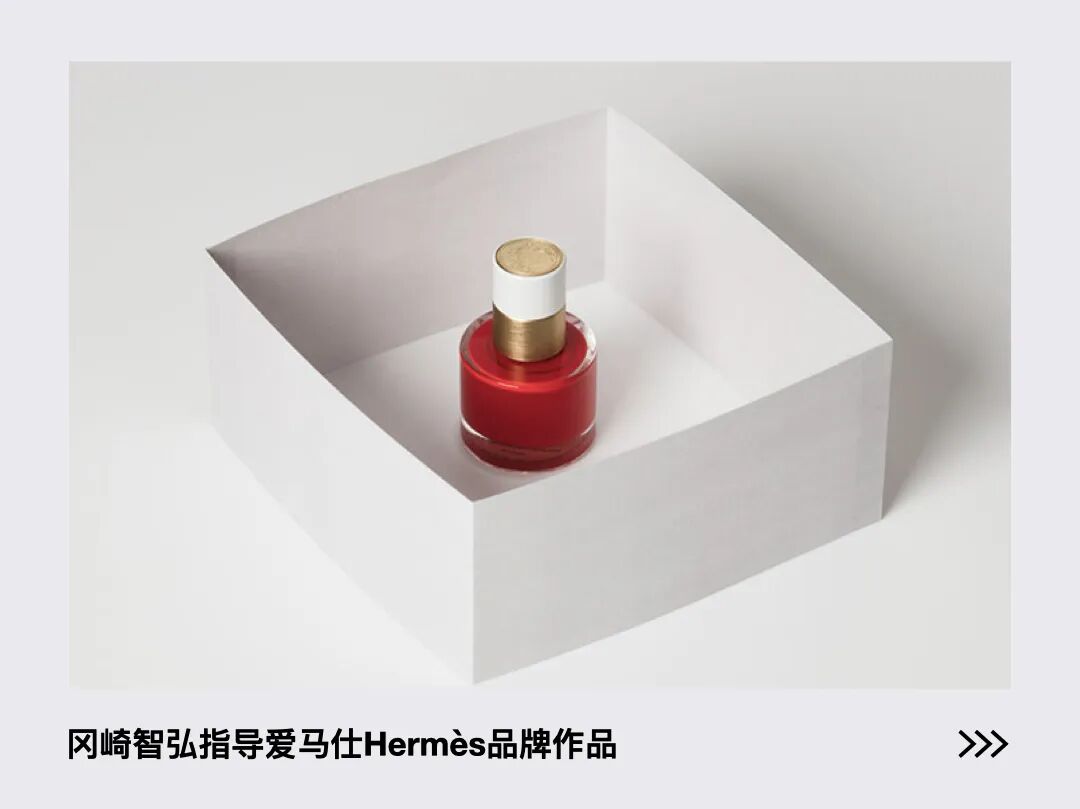
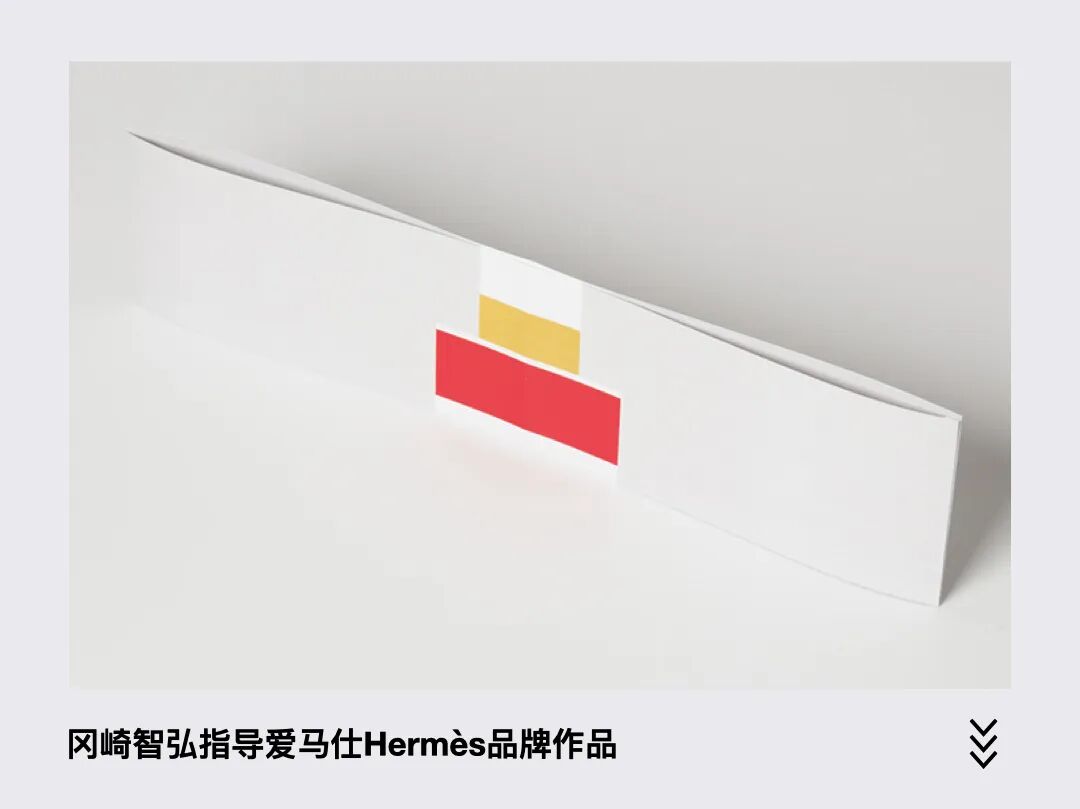
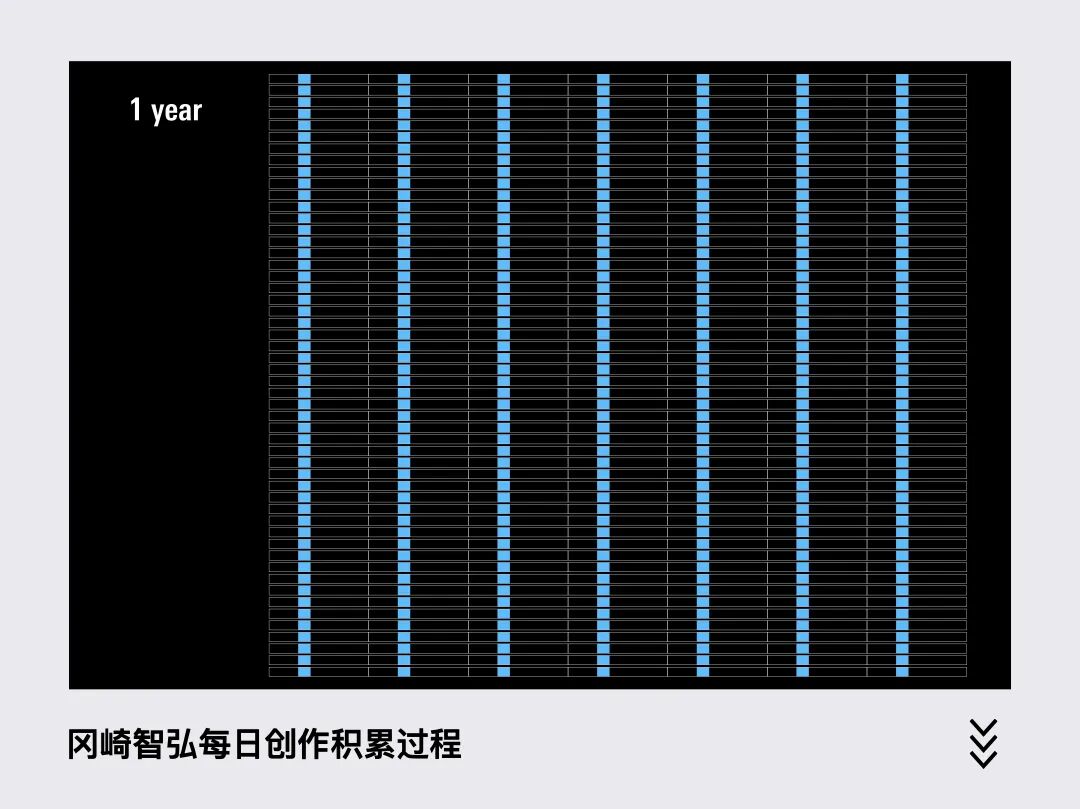
Since 2020, this series of works has accumulated over 1500 pieces and has led to collaborations with the French luxury brand Hermès. In this collaboration, Okazaki chose to distill the core structure of “movement design” to integrate into the brand project, rather than directly commercializing the “matches” element itself.He hopes to maintain the free experimental nature of his work, not limiting it to specific commercial purposes, while also applying the creative essence cultivated within to new contexts.

When asked how he manages to maintain an endless source of inspiration, Okazaki said:“I am not ‘expressing myself,’ but rather observing and experiencing ‘the world beyond myself’… The external world itself is a constant source of inspiration for me.“ Just like his childhood observations of the insect world, he applies his observational approach to his own creations, continuously discovering new possibilities day by day.




|Image Material Source|
Tomohiro Okazaki’s Studio Official Website:
https://www.swimmingdesign.com/

Click and hold to scan the QR code in the image
Participate in the Shenzhen Art Museum survey