 From J. Am. Chem. Soc.
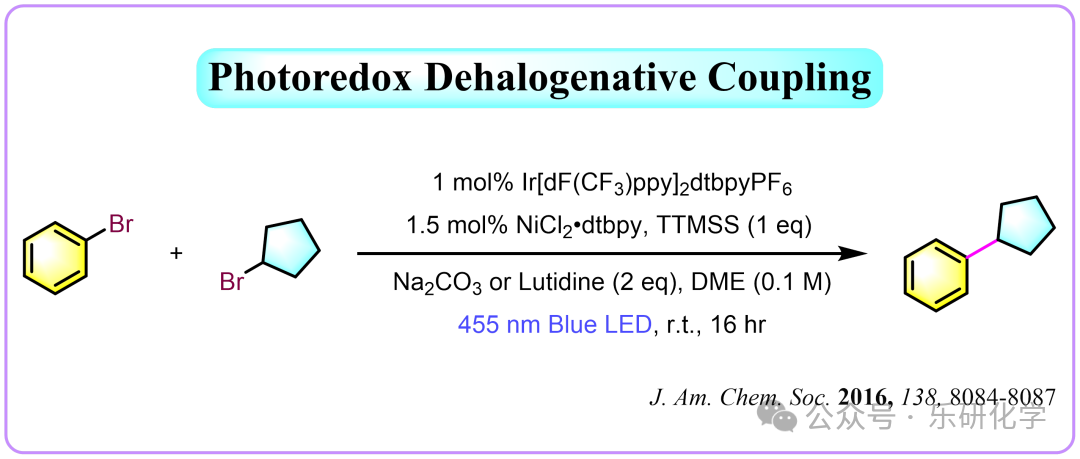
Hi, everyone! Since 2014, the field of radical chemistry has developed rapidly, establishing various methods for constructing Csp²-Csp³ bonds, achieving remarkable results in practical applications. Among these methods, photocatalytic dehalogenative coupling has remained timeless over the years, becoming a classic method for constructing Csp²-Csp³ bonds in photochemistry:
“Timeless” — Photocatalytic Dehalogenative CouplingMechanism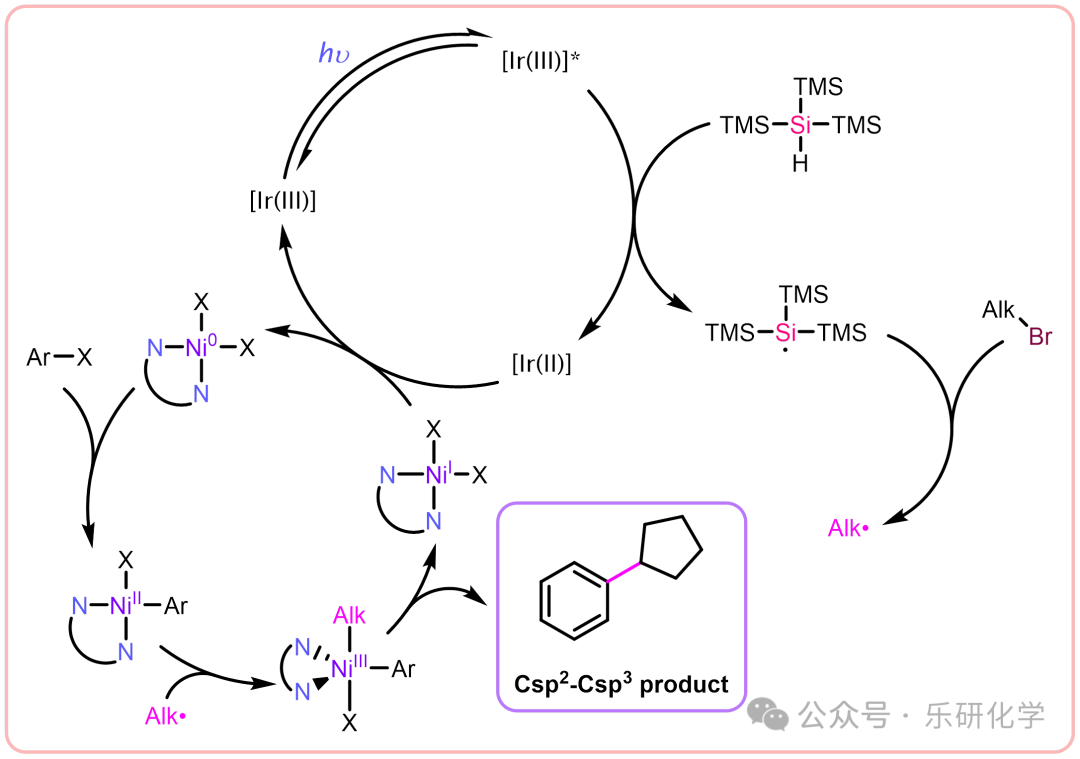 Based on multiple articles and practical illustrationsSubstrate Expansion
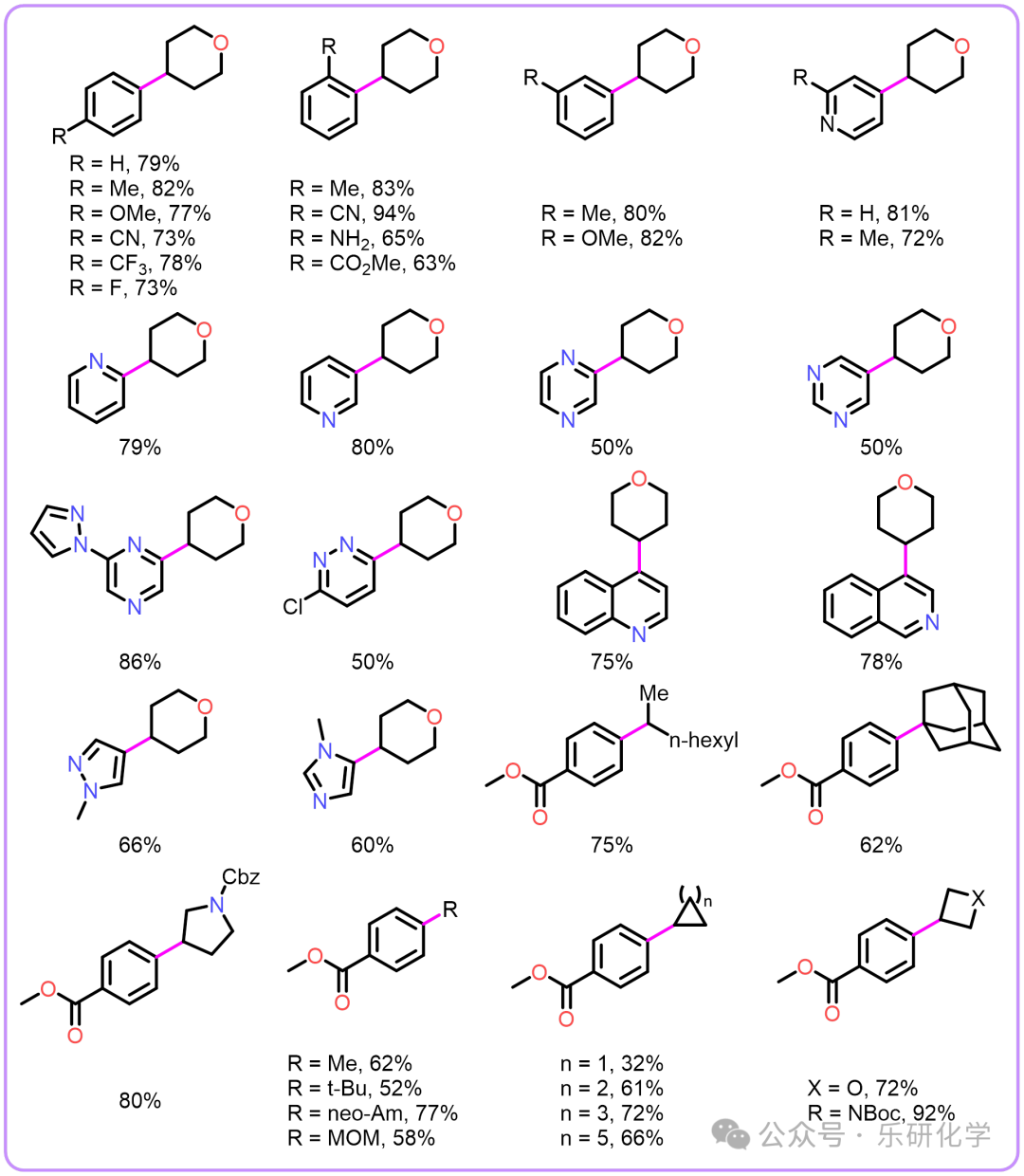 Highlights【1】This method uses readily available and stable aryl bromides and alkyl bromides as starting materials, successfully achieving Csp²-Csp³ coupling under photocatalysis;【2】The method exhibits good functional group tolerance, accommodating esters, nitriles, alkoxides, ethers, etc., but is intolerant to acyl, isoxazole, aliphatic amines, especially benzyl amines;【3】The method has a wide substrate scope, including but not limited to aromatic rings such as benzene, pyridine, pyrimidine, pyrazine, dazine, quinoline, isoquinoline, etc.;【4】The method uses TTMSS in the reaction, which produces some special MS that need attention;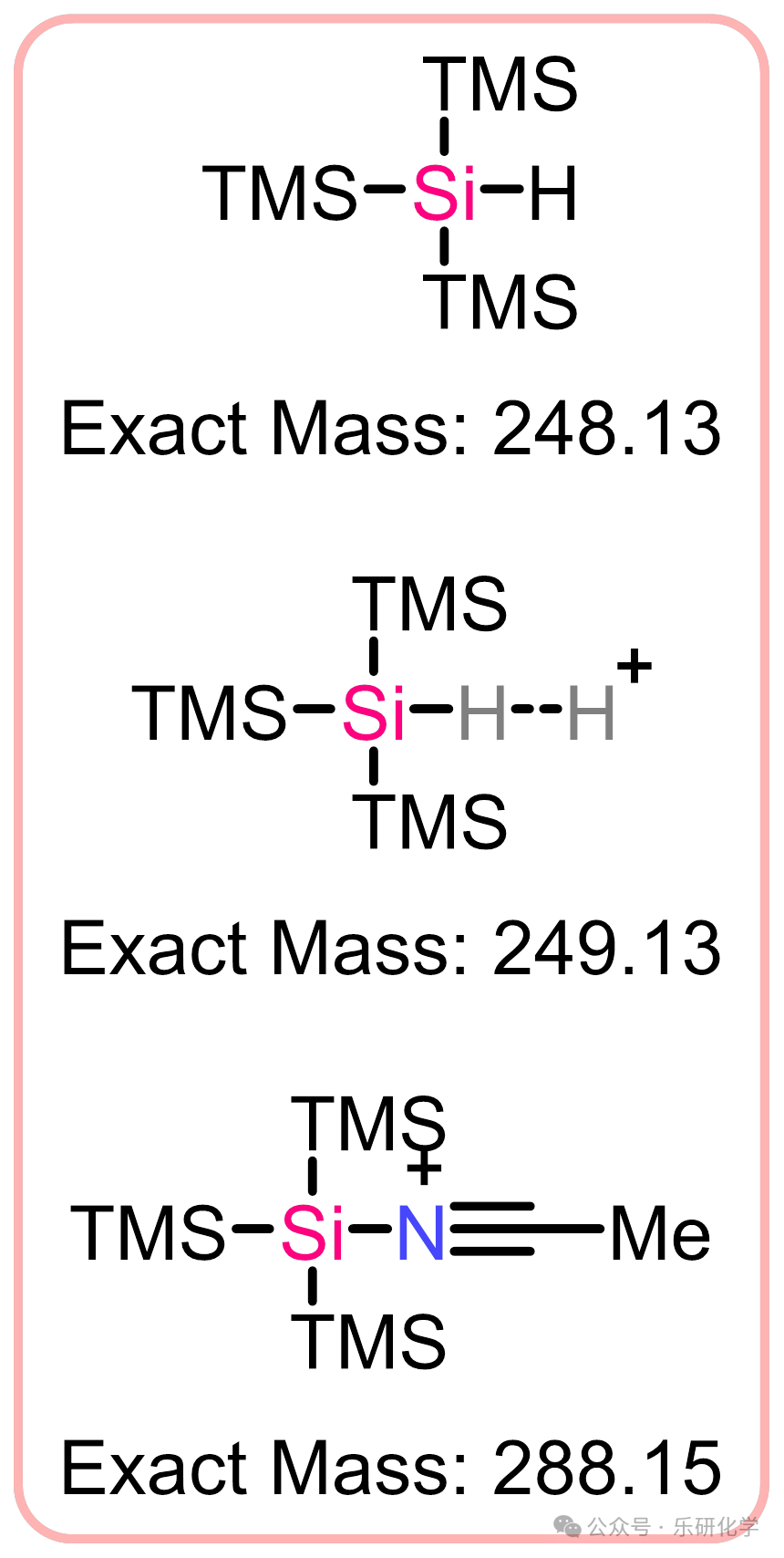
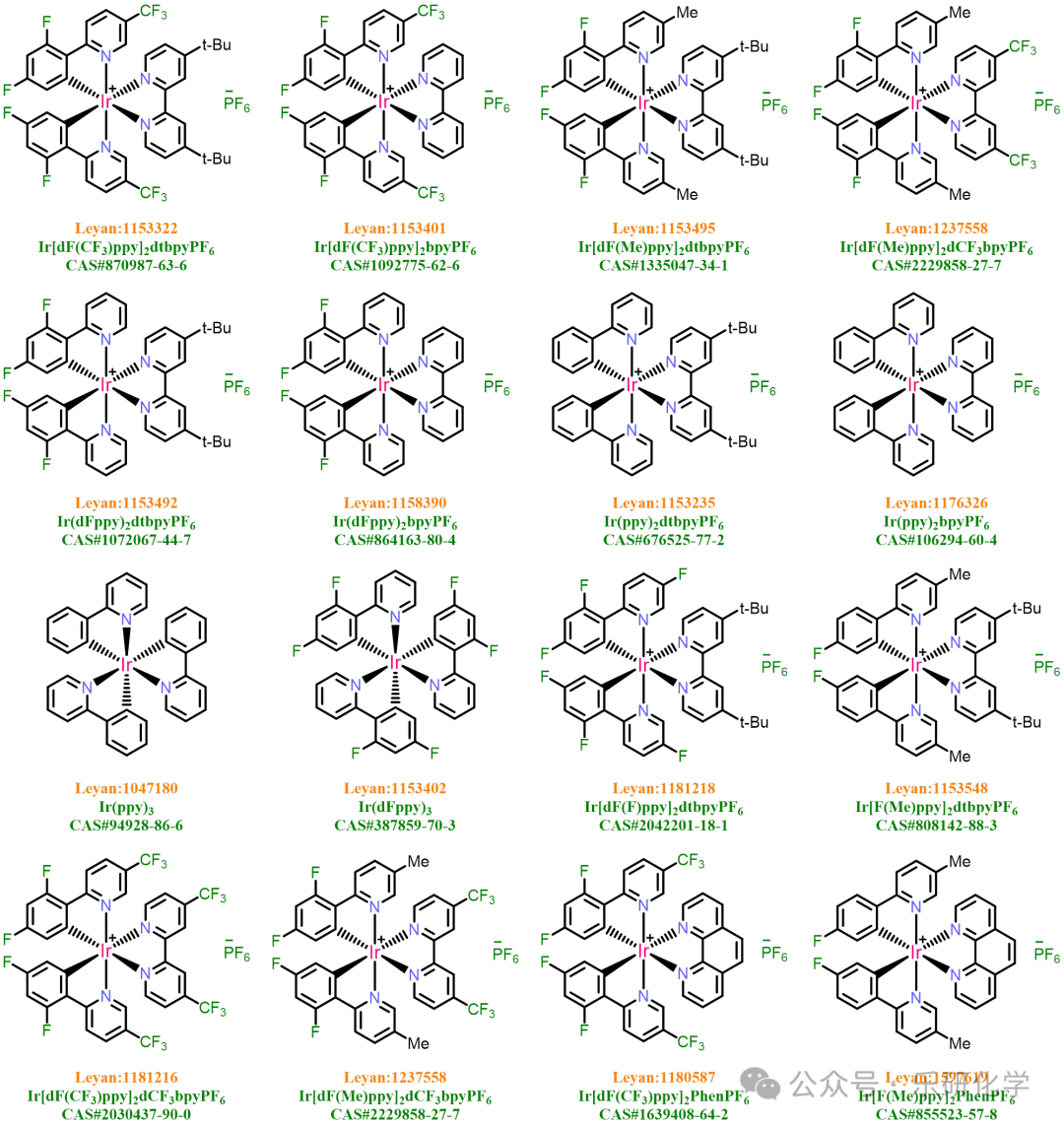
【5】The photocatalyst Ir[dF(CF₃)ppy]₂dtbpyPF₆【CAS#870987-63-6】 is a commercial reagent, readily available from Leyan, and similar iridium photocatalysts are in stock for easy selection..
 ReferencesSilyl Radical Activation of Alkyl Halides in Metallaphotoredox Catalysis: A Unique Pathway for Cross-Electrophile CouplingPatricia Zhang, Chi “Chip” Le, David W. C. MacMillanJ. Am. Chem. Soc. 2016, 138, 26, 8084–8087.DOI : 10.1021/jacs.6b04818