1. Reference Articles
The advisor says this is the correct plan for the three years of graduate school!
A programmer with three years of experience has carefully summarized the embedded learning roadmap!
Sharing a learning roadmap for beginners in embedded systems (hardware section)
Super detailed three-year study plan for graduate students! Precise to each semester
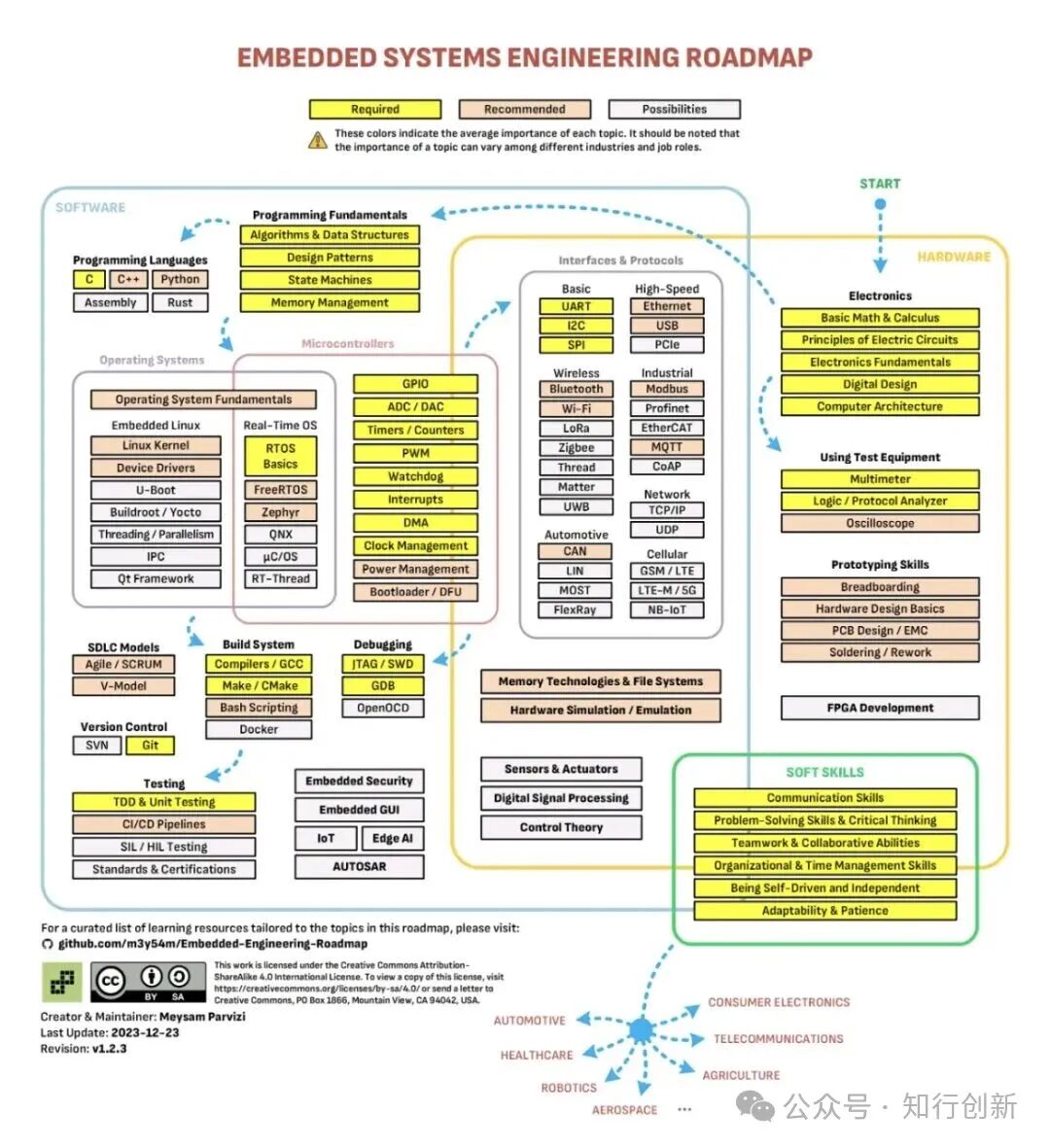
Github Address
https://github.com/m3y54m/Embedded-Engineering-Roadmap
2. Video Explanation References
1. 【Embedded Learning 【Full Route】 Explaining Electronic Major/Employment Content Back2School Lecture 1 – Bilibili】 https://b23.tv/VqPWiLg
2. 【How to Become an IT Tycoon – Basic Skills and Methodology Required for Electronic System Design – Bilibili】 https://b23.tv/klQ10Wv
3. 【“Advanced Technology Seems Like Magic to Ordinary People, I Think It’s Cool” – Bilibili】 https://b23.tv/8RhvcOa
4. Super Practical Three-Year Graduate Plan! https://www.bilibili.com/video/BV1cFzcY3E8o/?spm_id_from=333.337.search-card.all.click&vd_source=9f0c1ded1d123fb4b822bdc746b7953c
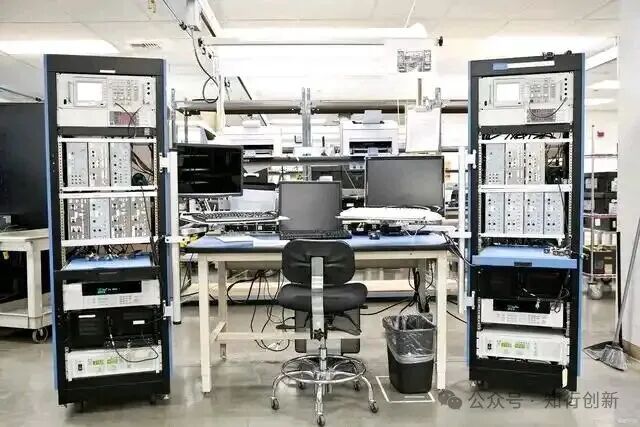
3. Learning Route Organization
Combining the research group during graduate school, research competitions, embedded chip design and application competitions (ARM, embedded FPGA innovation design competition), mathematical modeling, Blue Bridge Cup electronics, drawing competitions, Challenge Cup technology, and graduation projects to drive learning, driven by the research group, promoting learning through competitions, practice through competitions, and innovation through competitions in a project-driven and team collaboration learning approach.
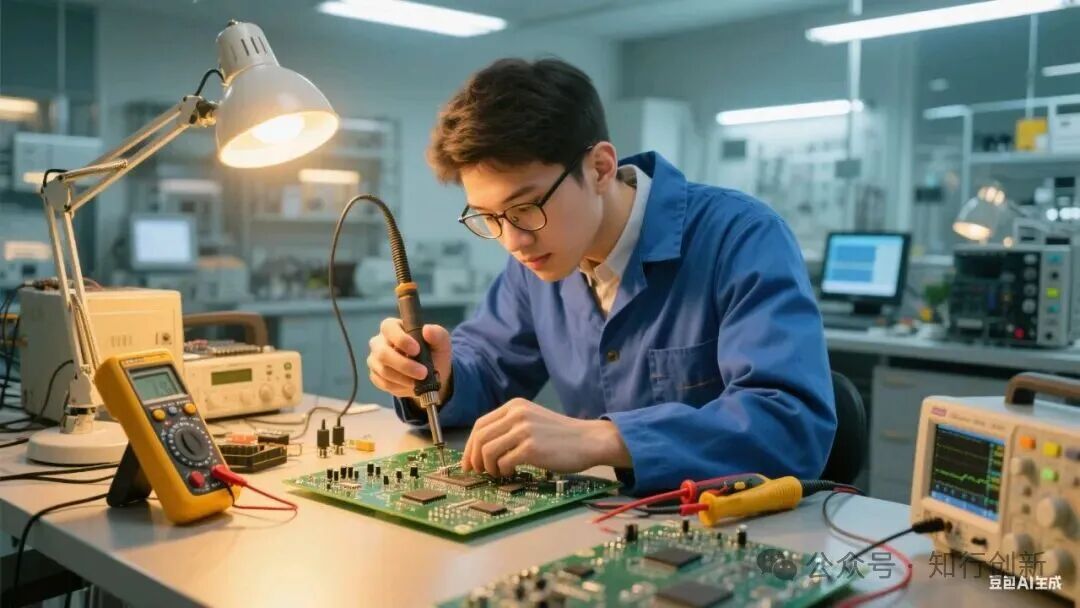
4. Graduate Stage Embedded Engineer Advancement Planning
During the graduate stage, learning focuses more ondepth rather than breadth, requiring the selection of a niche field for in-depth study. Starting from the balance of academic research and engineering practice, focusing on the embedded engineer graduate three-year plan in the field of precision measurement and signal processing. Dynamic signal acquisition, noise suppression, filtering algorithms, instrument optimization modeling, sensor applications, dynamic calibration, hardware acceleration, and algorithm integration are the core applications of embedded systems in scientific research and advanced engineering.
🎯 Year One: Foundation Solidification and Direction Establishment
Goal: Fill in the core skills of embedded systems, master the research toolchain, determine the research direction, and complete the literature review.
-
Core Learning:
- Embedded Core Strengthening:
- If your foundation is weak, you need to quickly master STM32 (focus on learning HAL library, ADC/DAC, DMA, timers) and FreeRTOS (task scheduling, IPC). This is the foundation of all projects.
- Basics of Precision Measurement:
- Sensor Interface: Deeply understand IEPE (constant current source power supply),thermocouples (cold junction compensation, signal conditioning),accelerometers (frequency response, calibration modes),ultrasonic (piezoelectric and electromagnetic),transient electromagnetic sensors (frequency response, noise, impedance matching) working principles and front-end circuit design.
- High-Speed High-Precision ADC: Learn Sigma-Delta ADC principles, anti-aliasing filter design, and PCB layout effects on noise.
- Research Toolchain:
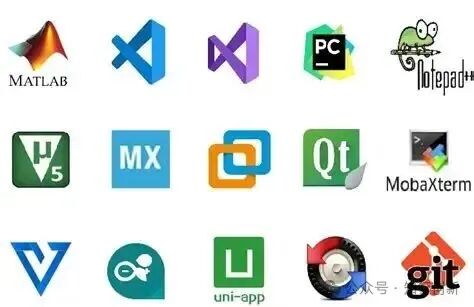
- MATLAB/Simulink: Used for algorithm simulation, signal analysis, filter design (FIR/IIR), and control system modeling. This is an essential tool for academic research.
- Python: Learn to use
<span><span>NumPy</span></span>,<span><span>SciPy</span></span>,<span><span>Matplotlib</span></span>for data processing and visualization; use<span><span>PyCharm</span></span>as the IDE. - Version Control: Master
<span><span>Git</span></span>to manage code and papers. -
Practice and Exploration:
- Reproduce 1-2 experimental setups from top conference papers in related fields (such as building a simple ultrasonic distance measuring or vibration acquisition platform, publishing software copyrights (QT or LABVIEW, C#)).
- Use STM32+MATLAB to implement a simple data acquisition system, completing the entire process from sensor signal acquisition to uploading to PC MATLAB for time-frequency analysis (FFT).
- Read extensively related field review papers (Survey) to determine your research direction and innovation points.
🚀 Year Two: In-Depth R&D and Mid-Term Results
Goal: Conduct core research, implement algorithms, produce patents, draft papers, or achieve high-level competition awards.
-
Core Learning:
- Hardware AccelerationFPGA: Learn Verilog/VHDL, implement compute-intensive algorithms (such as digital filters (FIR/IIR), FFT, correlation operations, encoding/decoding) on FPGA for hardware acceleration, greatly enhancing system real-time performance. This is key to processing dynamic signals.Heterogeneous Computing: Explore A7 extbackslash K7, RK35 series extbackslash Zynq-7000 (ARM+FPGA) or Jetson Nano (GPU) and other platforms, reasonably allocate tasks.
- Advanced Algorithms and System IntegrationDynamic Calibration and Compensation: Research software compensation algorithms for non-linear and hysteresis characteristics of sensors like thermocouples (such as lookup table methods, polynomial fitting, neural networks).Instrument Optimization: Research methods to improve signal-to-noise ratio (SNR) and effective number of bits (ENOB) through oversampling, averaging, digital filtering, etc.Embedded AI: Learn TensorFlow Lite Micro or CMSIS-NN, and try to deploy lightweight deep learning models (such as 1D-CNN for vibration fault classification, ANN for sensor calibration) to the MCU side.
Practice and Research:
- Focus on graduation thesis topics such as: “Design and Implementation of a Wideband IEPE Sensor Data Acquisition System Based on FPGA Hardware Acceleration” “Research on Dynamic Calibration System for Multi-Channel Thermocouples Based on Deep Learning” “Development of Low-Noise, 24-Bit High-Speed Data Acquisition Card for Electromagnetic Exploration” “Ultrasonic Imaging and Recognition System for XXX Target Based on RK3588 Deep Learning”
- Write research results as patents or short papers.
- Participate in the “China Graduate Innovation Practice Series Competition” (such as electronics, AI-related competitions), use project results for competition, and strive for awards.
🧠 Year Three: Academic Breakthrough and Results Transformation
Goal: Complete the major thesis, publish high-quality papers, meet graduation requirements, and prepare for job hunting or doctoral studies.
-
Core Learning:
- System Optimization and ReliabilityLow Power Design: Optimize system power consumption for scenarios like field exploration.EMC/EMI Design: Learn how to design interference-resistant precision measurement circuits.Functional Safety: Understand safety standards like IEC 61508, consciously implement redundancy and diagnostics in design.
- Frontier Exploration: Explore more cutting-edge directions based on interest, such as deep learning applications, non-destructive testing, positioning technology, deep space exploration, modulation and demodulation hardware implementation for molecular communication, embedded image recognition (OpenMV), etc.
-
Practice and Output:
- Complete all experiments and writing for the major thesis to meet graduation requirements.
- Submit second-year results to higher-level journals or conferences.
- Organize project code and documentation (optionally open source), publish on GitHub extbackslash Gitee extbackslash CSDN, becoming a strong proof of personal capability.
- Seek corporate internships (such as aerospace institutes, instrumentation, automotive electronics, industrial automation companies), apply academic results to actual product development, accumulate experience, and prepare for job hunting.
🔧 Recommended Professional Tools and Algorithms for Your Research Direction
| Research Direction | Recommended Academic/Algorithm Learning Content | Recommended Tools and Platforms |
|---|---|---|
| Dynamic Signal Acquisition and Processing | Digital filter design (FIR/IIR), time-frequency analysis (FFT, wavelet transform), adaptive filtering, oversampling techniques | MATLAB (Signal Processing Toolbox), STM32H7 (high-speed ADC, DSP instruction set), FPGA (implement FFT/IP core) |
| Ultrasonic/Acoustic Applications | Time-of-Flight (ToF) measurement, beamforming, synthetic aperture, attenuation compensation algorithms, super-resolution imaging | High-voltage pulse generator, high-sensitivity amplifier, FPGA (for real-time correlation operations and imaging algorithms), wavelet transform, correlation method |
| Electromagnetic Exploration | Phase-locked amplifier technology, correlation detection, weak signal extraction, inversion algorithms | High-precision ADC (24-bit+), low-noise analog front end, FPGA (implement digital phase-locked loop), wavelet transform, correlation method |
| IEPE/Thermocouples/Accelerometers | Sensor modeling, non-linear compensation algorithms (polynomial, neural networks), temperature drift compensation, dynamic calibration theory | High-precision reference voltage source, constant current source circuit, MATLAB (Curve Fitting Toolbox), STM32 (internal CALIBRATION) |
| Hardware Acceleration | Parallel computing architecture, pipeline design, high-level synthesis based on HLS, algorithm hardware implementation | Xilinx Vitis HLS, Intel Quartus, Verilog/VHDL, Zynq, PYNQ |
| Image Recognition | Traditional computer vision (OpenCV), lightweight deep learning (MobileNet, SqueezeNet, YOLO-Tiny), transfer learning | OpenMV, STM32Cube.AI, TensorFlow Lite, Jetson Nano, OV5640 camera |
| Deep Learning Applications | 1D-CNN (for vibration/waveform classification), 2D-CNN (for images), RNN/LSTM (for time series prediction), autoencoders (for data compression/denoising) | PyTorch/TensorFlow (training), TensorFlow Lite Micro (deployment), CMSIS-NN (deployment) |
| Molecular Communication | Modulation/demodulation techniques (concentration, type), channel modeling, noise suppression, sequence detection algorithms | Microfluidic control chips, optical sensors (photodiodes), high-precision timers, digital twins, brain-computer interfaces |
💎 Summary and Recommendations
- Thesis and Patent Driven: All activities of graduate students should revolve around graduation requirements and academic output. Every learning step and project practice should be measured by whether it can form a paper, patent, or competition award.
- Toolchain Proficiency: MATLAB and Python are your most important research tools, STM32 and FPGA are your most important engineering tools, and you must be extremely proficient. Git is the core of knowledge management.
- Hardware Acceleration is the Ace: In the field of precision measurement, whoever can better solve real-time, high throughput, and low latency issues with solutions like FPGA will have core competitiveness. This will be the key to distinguishing you from ordinary embedded engineers.
- From “Using” to “Understanding Principles”: Not only should you be able to call the ADC functions of the HAL library, but you should also understand how sampling hold, quantization noise, and PCB layout affect SNR. Deeply understand every link of the sensor and signal chain.
This planning is intense, but following the research closed loop of “theory → simulation → implementation → verification” can ensure that you possess solid academic research capabilities and top-notch embedded engineering practical skills after three years, becoming a scarce talent in the field of precision measurement and intelligent instruments.
5. Embedded Engineer Advancement Planning
1. Foundation Stage – Master Core Basics
-
Goal: Solidify theoretical foundation, cultivate hands-on interest, and get started with microcontrollers. (Selection learning, skip if you have a foundation or are not interested)
-
Focus: C language + basic analog and digital electronics + 51/Arduino/ESP32 microcontrollers.
Core Learning:
-
C Language: Not just syntax, but deeply understand pointers, memory management, data structures (arrays, linked lists, queues). This is the foundation for all subsequent development. Resources: “C Primer Plus”, MOOC by Professor Weng Kai from Zhejiang University (also available on Bilibili).
-
Circuit, Analog and Digital Electronics: Master Ohm’s law, basics of transistors, MOSFETs, and understand basic circuit diagrams (power supply, buttons, LED drivers). Resources: “Electronics” Second Edition, Professor Hua Chengying’s analog/digital electronics videos from Tsinghua University (Yang Jianguo’s new concept analog electronics series, “Hello, Amplifier”, TI training network’s annual courses).
-
Microcontrollers: Start with STC-51 microcontroller (Blue Bridge Cup IAP15F series microcontroller track) or Arduino, aiming to eliminate fear of hardware. Goal: Light up LEDs, drive seven-segment displays, scan buttons, and communicate via serial.
Competitions and Practice:
-
Blue Bridge Cup Electronics (Individual Competition): Focuses on assessing C language and microcontroller basics, making it a perfect entry-level competition.
-
Research Group Projects: Create an open-source small project or replicate a research group project (Chinese open-source community, Bilibili open-source projects, Lichuang hardware open-source community, etc.).
-
Online Part-Time Work: Try to take on some simple circuit or microcontroller projects or C language programming tasks.
Time Arrangement:
-
First Semester: Focus on C language and circuit basics, participate in the Blue Bridge Cup campus competition (Lichuang EDA track, 51 microcontroller track, embedded) (September-December).
-
Winter Break: Complete a small project with 51/Arduino/ESP32.
-
Second Semester: Prepare for the provincial and national competitions of the Blue Bridge Cup in March-April, continue to deepen C language learning.
2. Advancement Stage – Shift to 32-bit MCU and Competition Challenges
-
Goal: Master mainstream STM32 development, ADC/DAC, RTOS, and fully prepare for high-level competitions.
-
Focus: STM32/GD32/Boliu/Qinheng CH32 + RTOS + common sensors + signal processing or control competition algorithms.
Core Learning:
-
STM32: Learn library development (HAL/standard library is fine), master GPIO, interrupts, timers, UART, I2C, SPI, ADC, etc. Resources: Wildfire, ZD Atom’s development tutorials (domestic classics).
-
Sensor Modules: Learn to drive common modules such as OLED screens, gyroscopes, cameras, temperature and humidity sensors.
-
RTOS: Learn FreeRTOS or RT-Thread, understand concepts like multitasking, message queues, semaphores, etc. This is a key step from bare-metal programming to system programming.
-
Hardware Design: Learn to use Altium Designer or Lichuang EDA or Huaqiu KiCad to draw simple schematics and PCBs, and be able to solder them yourself.
Competitions and Practice:
-
Graduate Electronics Competition: Set up topics from companies like Zhaoyi Innovation, Huawei, Xiaomi, Feiteng, Uni-Trend, Jingjia Micro, Loongson, Guanghetong, TI, ARM, MathWorks special awards, Synopsys special awards, Xilinx special awards, etc. This greatly exercises system design, debugging, and teamwork skills.
-
National Embedded Chip and System Design Competition: Focus on application innovation based on specific domestic or embedded chips, closely combined with industry trends, emphasizing project integrity, application value, innovation, and chip resource utilization (North China region, provincial competition in Baoding, national competition in Nanjing).
-
Challenge Cup: Usually requires more emphasis on innovation and commercial value, and can combine embedded technology to create innovative product prototypes in fields like smart home, medical assistance, etc.
-
Online Part-Time Work: Can take on some STM32 development board debugging, driver programming tasks, etc.
Time Arrangement:
-
First Semester: Systematically learn STM32 and common peripherals.
-
Winter Break: Learn RTOS and complete a comprehensive project.
-
Second Semester: Form a team to prepare for the electronics competition and embedded chip competition, simulate competition topics..
3. System Stage – Move Towards Linux and FPGA
-
Goal: Open the door to Linux embedded development, get in touch with FPGA, broaden the technical stack, and clarify future directions.
-
Focus: ARM+Linux application development / FPGA basics / technical deepening.
Core Learning:
-
Linux Basics: Install Linux on a virtual machine or development board, become proficient in common commands, Vim, GCC, Makefile. Resources: “Bird Brother’s Linux Cookbook”.
-
Linux Application Programming: Learn file IO, processes, threads, network programming (Socket).
-
FPGA: Understand the basics of digital system design, learn Verilog/VHDL syntax, use FPGA innovation design competition recommended platforms (such as Xilinx Artix-7, ZYNQ7020, Anlu Technology, Unisoc Tongchuang) to light up LEDs, implement seven-segment scanning, UART, etc. Resources: Public courses from Hangzhou Dianzi University, Fudan University, Xiaomeige, Zhixin Technology, etc.
-
Popular Technologies: Learn about some AIoT frameworks, wireless communication (Wi-Fi/Bluetooth), cloud docking (MQTT protocol) based on interest.
Competitions and Practice:
-
FPGA Innovation Design Competition: Test FPGA learning outcomes, suitable for students interested in hardware acceleration and high-speed interfaces. (Feishu course group)
-
Electronics Competition (Second Participation): As a key team member or captain, aim for higher awards.
-
Corporate Internships: Summer is a key period for finding technical internships. Strive to enter an embedded-related company, participate in actual product development, and experience the development process and teamwork.
-
Graduation Project Topic: At this time, you can conceive the direction of your graduation project and choose a challenging topic (such as combining FPGA, Linux, and AI).
Time Arrangement:
-
First Semester: Focus on Linux application programming and FPGA basics. (Embedded FPGA innovation design competition, Challenge Cup, etc.)
-
Second Semester: Prepare for competitions while submitting summer internship resumes, and those preparing for graduate school should start planning.
4. Specialization and Transition Stage – Deepening and Job Hunting, Graduate School
-
Goal: Complete a high-quality graduation project, delve into a specific field, and successfully obtain an ideal job offer.
-
Focus: Linux driver/system porting / signal processing/graduation project/job hunting.
Core Learning:
-
Linux Driver Development: Learn character device driver framework, device tree, interrupt handling, platform device drivers, etc. This is a core skill for mid-to-senior engineers.
-
System Porting: Learn Uboot porting, Linux kernel trimming and porting, root filesystem construction.
-
Specialization Direction: Choose one or two directions to delve into, such as:
-
Audio and Video Processing: FFmpeg, camera drivers.
-
Network Protocol: TCP/IP stack optimization.
-
Low Power Design: Design considerations for battery-powered devices.
-
Precision Instruments: Weak signal processing and embedded implementation.
-
Intelligent Agents: Tracking and recognition vehicles, drone tracking systems, etc.
-
RF Communication: FPGA communication, SDR, etc.
-
Power New Energy: DCDC, wireless charging, etc.
* Practice and Planning:
-
Graduation Project: Integrate all learned knowledge to complete a system-level embedded work (such as: gesture recognition system based on Linux and CNN, multifunctional IoT gateway), this will be the most eye-catching part of your resume. (Post technical articles on CSDN, public accounts, or Bilibili UP, establishing links and connections)
-
Corporate Internship/Job: If the internship performance is good, you may directly obtain a conversion opportunity. Otherwise, autumn and spring are peak recruitment seasons, actively submit resumes.
-
Online Part-Time Work: Can try to undertake some more complex Linux or FPGA projects to supplement project experience.
Time Arrangement:
-
First Semester: Autumn recruitment, complete preliminary work for graduation project, focus on graduate school.
-
Second Semester: Spring recruitment, finalize graduation project.

5. Resource Summary and Recommendations
-
Communities and Forums:
-
Domestic: Electronic Engineering World, CSDN, Blog Garden, various chip manufacturer forums (such as ST community), GitHub.
-
Video Resources:
-
Bilibili: There are many excellent embedded, FPGA, and Linux UP masters (such as “Hardware Tea Talk”, “Engineering Man Teacher Sun”, Zhi Hui Jun, etc.), as well as official training videos.
-
Technical Trends to Follow:
-
RISC-V Architecture: Pay attention to domestic chips like Pingtouge, Qinheng, etc.
-
AIoT: Learn how to deploy AI models to embedded ends (TensorFlow Lite Micro, NCNN).
-
Automation and Tools: Mastering Git version control and some scripting languages (Python/Shell) will greatly enhance efficiency.
https://blog.csdn.net/black_sneak/article/details/131803087
Summary: This planning path is clear and full of challenges. The key is to keep hands-on, continuously consolidate and apply learned knowledge through competitions and projects. Stay passionate, keep learning, and you will surely become an outstanding embedded engineer.
Disclaimer: The copyright of this article and the images within belongs to the original author and source. The content reflects the author’s views. The purpose of reprinting is to share; if there are any copyright issues, please contact us in a timely manner, and we will immediately correct or delete the relevant content.The above content is for students’ learning reference, compiled and organized, and is not original.This public account has the final interpretation right of this statement. Thank you for reading!
<<< END >>>
Text, Editor: Li Wanjun
Review: Wei Xuejie, Li Wanjun