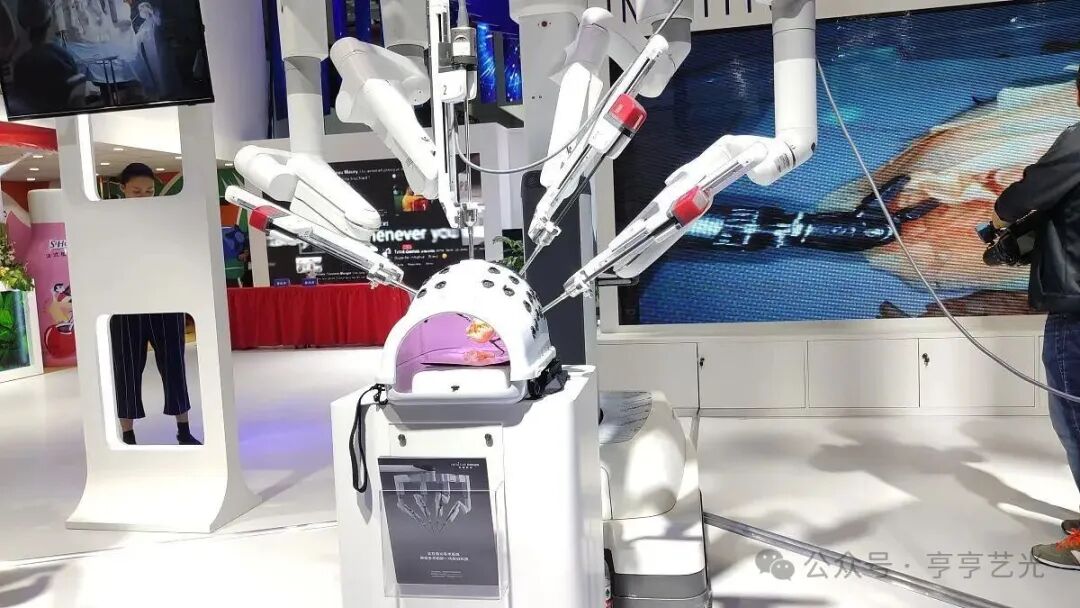
As orthopedic surgeries are compressed from three hours to twenty minutes, as nurses’ puncture needles precisely locate blood vessels under infrared projection for the first time, and as visually impaired individuals receive guidance and emotional support at a fraction of the cost—these seemingly science fiction scenarios are accelerating into reality through medical robot technology. According to the World Robot Conference, China’s medical robot market is growing at an annual rate of over 30%. From surgery to nursing to rehabilitation, a medical revolution driven by precision, accessibility, and humanity has quietly arrived.
 image
image
The “Time Magician” of Orthopedic Surgery
 image
image
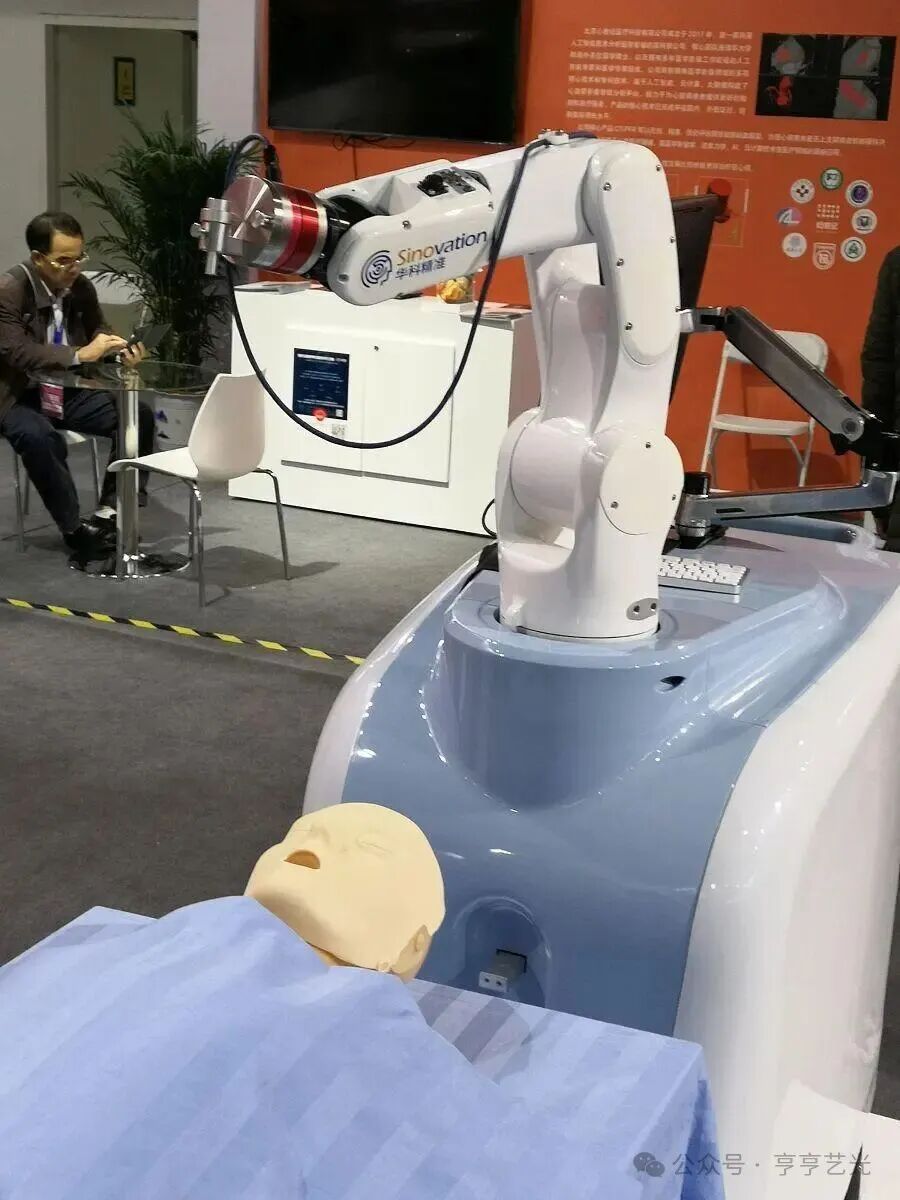
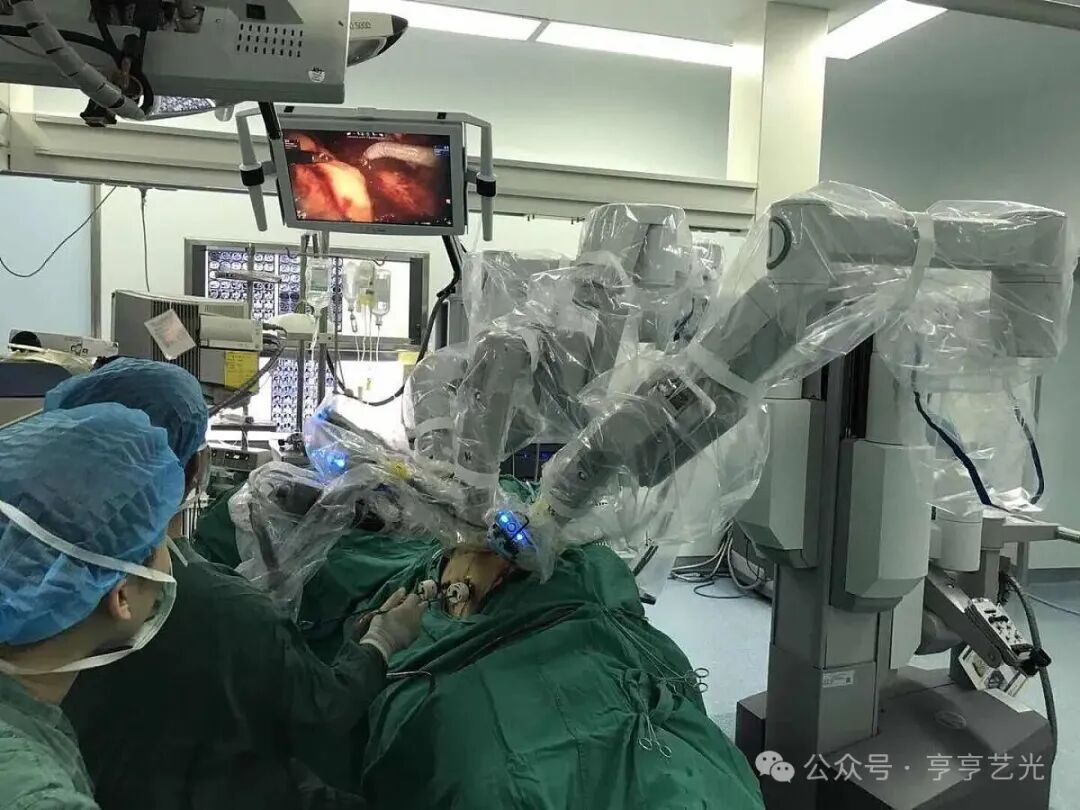
In the operating room of a top-tier hospital in Beijing, an AI orthopedic robot is assisting doctors in correcting scoliosis. Traditional surgery requires a 15-centimeter incision, while the robot completes the entire pedicle screw implantation through three keyhole-sized ports in just 20 minutes. Clinical data shows that this technology reduces patient blood loss by 70% and shortens the time to get out of bed post-surgery by five days.
 image
image
This disruptive efficiency stems from two major breakthroughs: a high-precision optical tracking system that achieves operational accuracy of 0.1 millimeters, and an AI preoperative planning system that automatically generates the optimal implantation path. Currently, 23 hospitals nationwide have introduced this equipment, with a single unit capable of performing up to 400 surgeries per year, equivalent to releasing the workload of 1.5 orthopedic surgeons for a year.
 image
image
The “Light and Shadow Navigator” for Puncture Infusion
For neonatal nurses, finding the hair-thin blood vessels of premature infants has been a significant challenge. The newly developed puncture robot uses multispectral imaging technology to project subcutaneous blood vessels in three dimensions onto the skin surface and intelligently marks the best puncture target. Human trials indicate that this technology increases the first-puncture success rate for special populations to 92%, far exceeding the 65% success rate of manual operations.
Moreover, its sociological value is noteworthy. A survey from a children’s hospital showed that the duration of crying and distress in patients decreased by 40% after using the robot, and parent complaint rates dropped by 58%. This “technological compensation” is reshaping the trust between doctors and patients—when machines take on high-pressure repetitive tasks, healthcare professionals can devote more energy to humanistic care.
The “Inclusive Breakthrough” for Visually Impaired Services
The cost of using guide dogs, at 2 million yuan, keeps 99% of visually impaired individuals from access. The emergence of quadruped guide robots has completely changed this situation. By integrating laser radar and depth vision for navigation, they can recognize traffic lights, avoid obstacles, and even remember the coordinates of 500 frequently visited locations.
Its emotional module is even more innovative: when it detects fluctuations in the user’s emotions, the robot actively plays customized music or initiates conversation. Testing cases from a blind school in Beijing showed that visually impaired students equipped with this device increased their independent travel frequency threefold, and their depression scale scores improved by 27%. This “function + emotion” dual empowerment gives true warmth to technological inclusivity.
The “Future Ecological Map” of Precision Medicine
From AI diagnostics in preoperative planning to robotic arm operations during surgery, and to rehabilitation robots for postoperative monitoring, intelligent devices are constructing a closed-loop chain of diagnosis and treatment. The heat stroke warning robot is a typical example: by monitoring core body temperature and environmental data in real-time, it can predict the risk of heat stroke 30 minutes in advance, saving hundreds of potential patients in scenarios like construction sites and marathons.
This cross-domain collaboration demonstrates astonishing potential. When the force feedback technology of surgical robots is transplanted into the rehabilitation field, it gives birth to intelligent prosthetics that can sense muscle tension; when the navigation module of guide robots is integrated into emergency systems, they instantly transform into “intelligent stretcher bearers.” The ultimate form of medical robots may be this freely combinable “technological Lego.”
The “Boundaries and Warmth” of Human-Robot Collaboration
Although robots can perform 90% of standardized operations, the value of a physician lies precisely in that 10% of exceptional judgment. A case from the chief of thoracic surgery at a top-tier hospital is quite persuasive: when the robot suggested removing a lobe of the lung according to standard protocol, the doctor, drawing on 30 years of experience, discovered an abnormal vascular variation and ultimately opted for a conservative treatment to preserve the patient’s lung function.
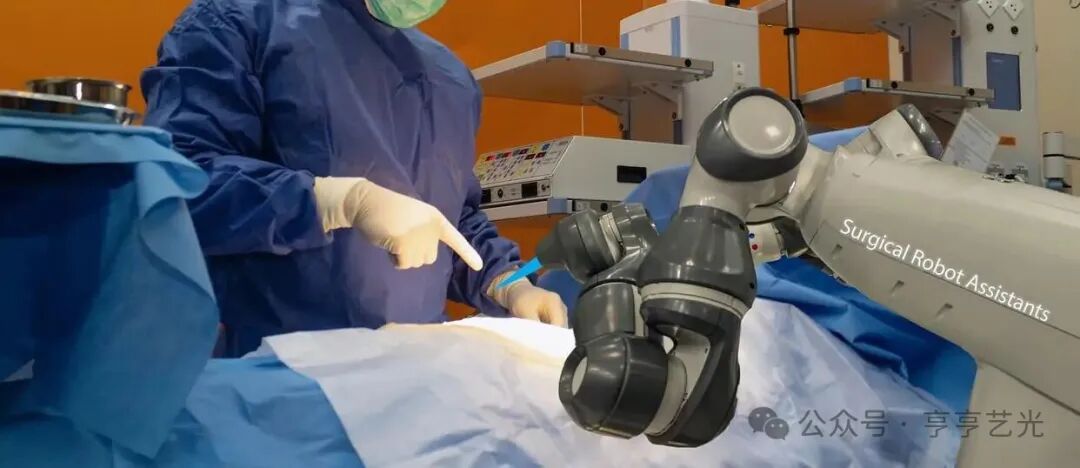
Policymakers have recognized this complementary relationship. The “Clinical Application Guidelines for Medical Robots” particularly emphasize the “three principles of human-robot responsibility division”: robots are responsible for repetitive operations, doctors retain decision-making authority, and nurses undertake final verification. This scientific division of labor may be the optimal solution for future healthcare—extending human capabilities with machines rather than replacing human wisdom.
When the robotic arm of a surgical robot hovers above the patient’s chest alongside the doctor’s hand, what we see is not a confrontation but a dance of two forms of intelligence. The ultimate goal of medicine has never changed: to make technology more precise and care more compassionate.
Disclaimer: This article aims to convey and share industry information and professional knowledge, intended for personal learning, reference, and academic exchange only, and not for commercial use. All images appearing in this article are reprinted, and due to limited capabilities, there may be inaccuracies in interpretation, representing only the author’s personal views. If there are any infringements on the original author’s or co-authors’ interests, please contact the public account for deletion.