
The Chip Within a Chip

Discussions about the “chip shortage” have never ceased in the industry. Twenty years ago, then Minister of Science and Technology Xu Guanhua made a vivid analogy:“China’s information industry lacks ‘chips’ and ‘soul’.”“Chips” refer to semiconductors, while “soul” refers to operating systems.
Twenty years later, from following, to running alongside, and now leading, Zhangjiang’s “chip” is continuously consolidating its own “soul” through persistent technological innovation, ready to embrace greater waves. What once seemed like the fluttering of a “butterfly’s wings” is now making the world take notice.

“The Rise of Chips:
Everyone is racing, Zhangjiang is ready!

When it comes to CMOS image sensors used in smartphones, many people immediately think of Sony. However, there is a local company that has consistently ranked first in the domestic market share of CMOS image sensor chips and second globally. This company is Geke Microelectronics.
In 2003, Zhao Lixin returned to China and founded Geke Microelectronics. Prior to this, he worked for three years in semiconductor manufacturing (etching process) at National Semiconductor in Singapore and three years in CIS design at ESS in the United States. Zhao Lixin has always emphasized: “A company without its own core technology cannot go far; patents should be evaluated by quality, not quantity.”
It is worth noting that Geke Microelectronics holds at least 10 patents, all of which are foundational and breakthrough innovations in the field, with over 200 additional patents currently under review. Furthermore, in the design and algorithms of CMOS image sensors and multimedia processors, Geke Microelectronics also possesses complete independent intellectual property rights and world-leading, highly competitive manufacturing process technologies.
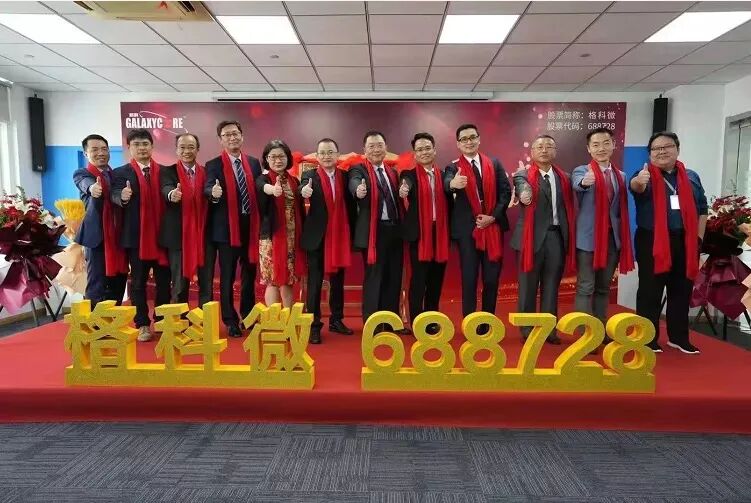
On August 18 of this year, Geke Microelectronics successfully listed on the STAR Market. Throughout the company’s development, targeting the promising field of sensors, from R&D of mid-to-low-end products to focusing on innovation, Zhao Lixin’s “burning the boats” strategy has undoubtedly validated the correctness of his initial decision.
In the chip design landscape of Zhangjiang, Unisoc is undoubtedly a shining star enterprise. Chu Qing was “appointed in a crisis” as CEO of Unisoc, and under his leadership, Unisoc has undergone “earth-shattering” changes in recent years. A key aspect of this transformation is technology.
-
For example, in the AI field, addressing the characteristic that “image models are relatively fixed while other AI scenarios have many uncertainties,” Unisoc has explored “heterogeneous dual-core” solutions, using different cores to tackle these two distinct problems.
In the previous AI Benchmark performance rankings by ETH Zurich, Unisoc’s Tiger T710 ranked first with a significant lead, followed by top mobile chip players like Huawei and Qualcomm.
-
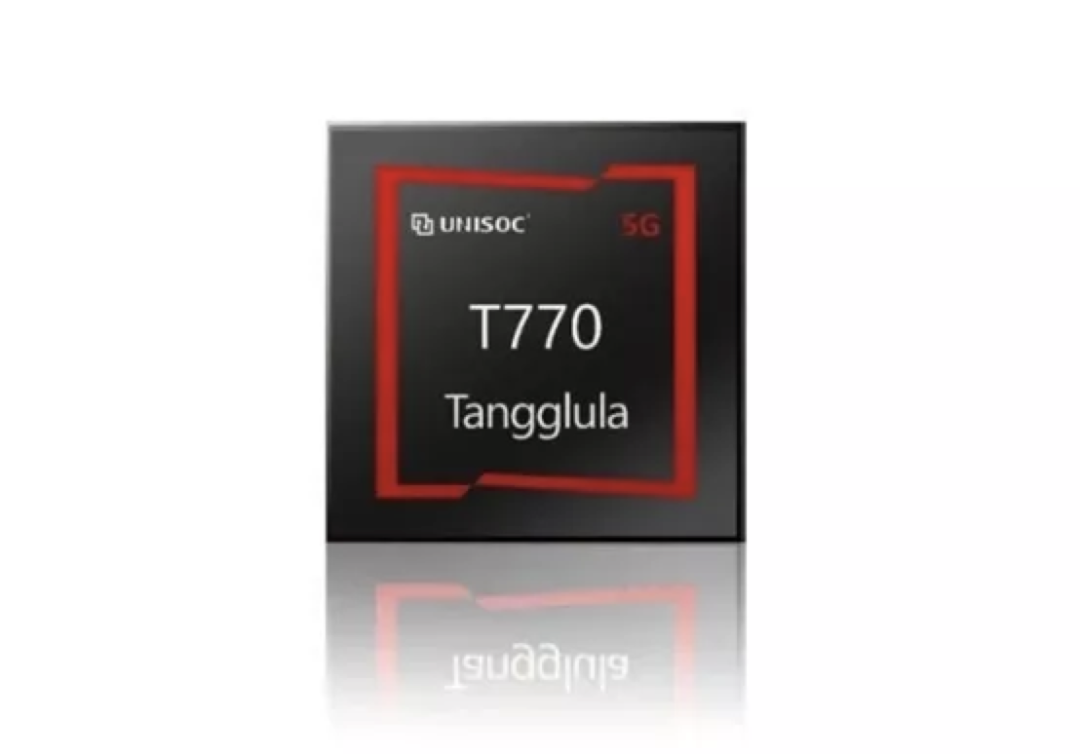
In terms of chip processes, Unisoc released the world’s first 5G SoC based on TSMC’s 6nm process—Tangula T770 in 2020, which was officially launched this year.
-
6nm is one of the most advanced chip manufacturing processes, and the Tangula T770 has been adopted by many flagship 5G models on the market, demonstrating that Unisoc has reached a first-class level in chip design processes.
In April 2021, CEO Chu Qing firmly stated at the “Vision for the Future” online launch conference: “We hope Unisoc becomes the bearer of the digital world ecosystem.” Determined to shed its identity as a supplier, Unisoc has repositioned itself as an “ecosystem bearer.”
This means that the ecosystem will become Unisoc’s strategic core. “Unisoc is not imitating anyone; it is built according to the standards of industry leaders. Since I joined Unisoc, I am determined to turn this leading sheep into a leading lion.”This is Chu Qing’s determination and also the attitude of China’s “chip.”
Reviewing Zhangjiang’s layout in the chip design field, there are pioneering enterprises like Unisoc,Geke Micro,Fudan Microelectronics as well as newcomers like Alibaba Pingtouge, Aojie Technology, Suiruan Technology, Hengxuan Technology emerging continuously.
Looking at the entire integrated circuit industry chain, chip manufacturing is a crucial link. In this field, SMIC, Huahong Group, and Hua Li Microelectronics shine brightly.

SMIC Shanghai
In 2000, Zhang Rujing, along with over 300 engineers from Taiwan, moved north to establish SMIC in Zhangjiang, marking the beginning of a new era in semiconductor foundry in mainland China. At that time, the mainland chip industry was just developing and not very vigorous, even experiencing a cooling phase, which was indeed unfavorable for startups, but Zhang Rujing did not think so.
In a time when the industry was generally pessimistic and many were exiting, Zhang Rujing went against the trend, quickly establishing three 8-inch wafer production lines for SMIC, preparing full capacity before the industry’s recovery, and creating the fastest record for building a chip factory in the world. Subsequently, SMIC quickly captured “half the market” in the mainland semiconductor foundry market—
establishing six factories in just over three years, with initial integrated circuit processes advancing from 0.25 microns, 0.18 microns to 90nm… such achievements could only be accomplished by someone like Zhang Rujing, the “factory-building maniac.”
Zhang Rujing once said in a media interview: “SMIC cannot only make logic circuits; it must also produce DRAM (Dynamic Random Access Memory).” To this end, SMIC began seeking foundry cooperation with large international IDM companies (IDM, or Integrated Design and Manufacture, refers to vertically integrated companies that handle everything from design, manufacturing, packaging, testing to sales of their own brand ICs), which is precisely how SMIC accumulated rich professional foundry experience, laying the foundation to become the world’s third-largest wafer foundry by 2005.
With its market share reaching fourth globally and first in mainland China, SMIC has firmly established its leading position in chip manufacturing. In 2020, SMIC delivered a satisfactory performance report: listing on the STAR Market, a 26% increase in annual revenue, and strong growth in mature process capacity.
In addition to SMIC, the top-ranked chip manufacturing enterprise in China, there is also Huahong Group, which ranks second. Tracing its development, it was born out of the “909” project, five years earlier than SMIC—
In the late 1990s, China was severely lagging in the integrated circuit field, which was concerning. The largest national project in the history of China’s electronics industry—the “909” project—was launched at the end of 1995, leading to the establishment of Shanghai Huahong Microelectronics Co., Ltd.
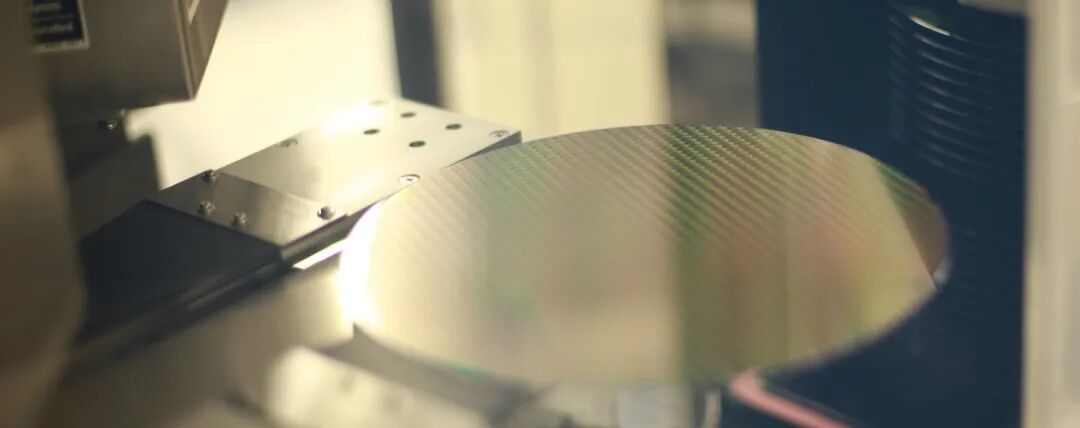
Wafer Production
At that time, Huahong Microelectronics reached a technical cooperation agreement with Japan’s NEC, and the joint venture company—Shanghai Huahong NEC took on the important task of the “909” project. Amidst numerous changes, Huahong Microelectronics has evolved into today’s Huahong Group, with Huahong NEC and others incorporated under Huahong Group, including Huahong Hongli, Huahong Microelectronics, Shanghai Integrated Circuit Research and Development Center, Shanghai Huahong Zhixin Electronics as subsidiaries.
Among them, Huahong Hongli has shown remarkable performance. The second quarter of this year was its best quarter ever for its 8-inch wafer factory, with three 8-inch production lines achieving record revenue. It does not pursue advanced processes but focuses on specialized processes, providing customized services for mature processes. With differentiated competition and a strategy targeting small and medium-sized customers, Huahong Hongli has successfully carved out its own niche.
Integrated circuits are a system engineering project, involving not only the upstream design phase and downstream manufacturing phase but also the participation of third-party service agencies in between.
The founder of Chipone, Dai Weimin, once likened chip design to building a building, where individual “modules” construct the entire “building,” and these modules are called IP—small IPs are like bricks, while large IPs are like kitchens, bathrooms, and living rooms.
In the complex and changing international situation, facing the reality that most of China’s chips heavily rely on overseas IP licensing, Dai Weimin has continued his efforts to solve the issue of chip localization. In his view, independent and controllable IP is a crucial part of changing China’s “chip shortage” situation.
In 2001, Dai Weimin resolutely gave up his tenured professor position at the University of California and returned to China to start a business, focusing on the development of chip design standard cell libraries in Zhangjiang, “Twenty years of sharpening a sword” has led to the creation of the first stock of semiconductor IP on the STAR Market.
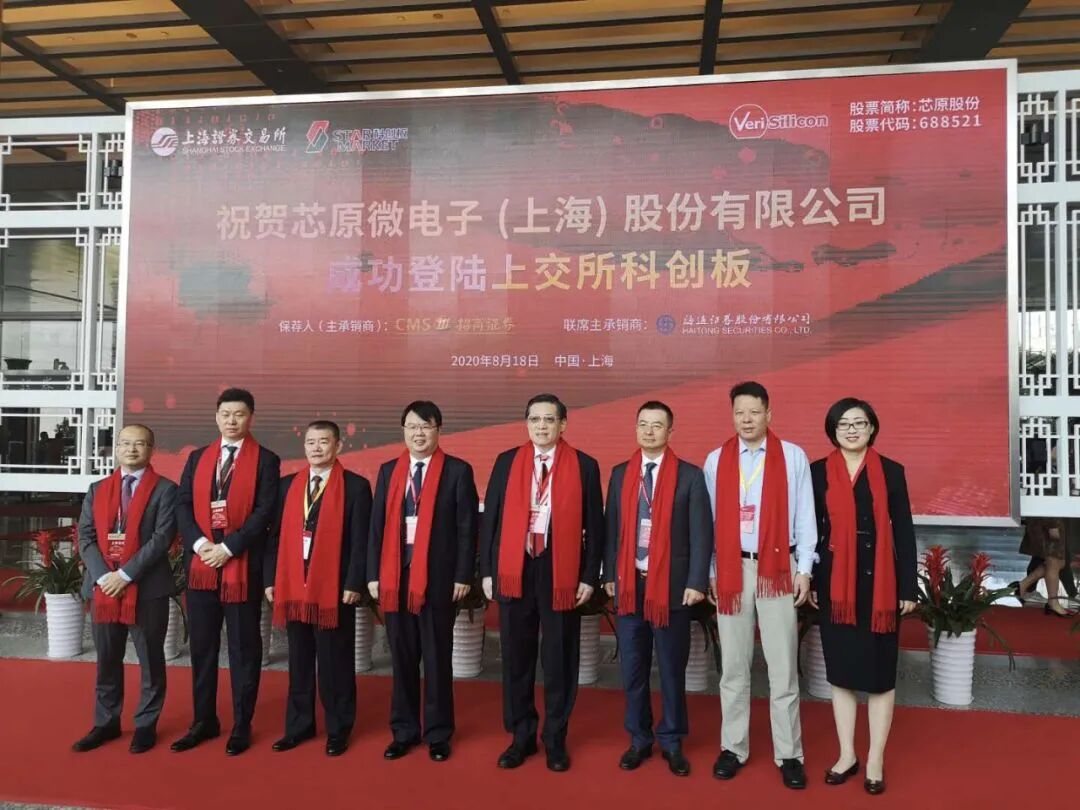
Chipone listed on the STAR Market
The Chinese semiconductor IP market started relatively late but is quite comprehensive, with Chipone’s IP covering graphics, video, digital signal, neural network processing and has been widely applied in IoT platforms, automotive electronics, artificial intelligence and other fields.
Chipone currently has two main businesses: one is semiconductor IP licensing, and the other is outsourced chip customization services. As a neutral design service company, Chipone has become a company that collaborates comprehensively with almost all foundries globally, including SMIC, Huahong Hongli, TSMC.
As “Chinese chips” become a key battleground for technological self-reliance and breaking free from “neck-holding” constraints,the “chip” enterprises in Zhangjiang are dedicated and fully engaged. With the rise of technologies like 5G, AI, and IoT, the vast Chinese market will support the growth of more chip giants,and more Zhangjiang “chip” enterprises will leave their mark on the path to becoming the backbone of this industry.

“Soul” Note:
Innovation Intensified, Creating an Ecological System

On the journey of creating “chips,” there are always unknown challenges. How to break through in the competition is inseparable from the infusion of “soul.”
DeepSmart Intelligence co-founder Wu Gengyuan expressed his understanding of “soulful” chips: “The chips from DeepSmart Intelligence are not just chips; they are solutions that integrate ‘chips + algorithms.’ We can say that what we develop is ‘soulful’ chips, where hardware and software integration means organically merging the capabilities of algorithms and chips.”
DeepSmart Intelligence’s strategic director Lu You further elaborated: “Algorithms are the ‘soul,’ and chips are the ‘framework.’ By infusing the ‘soul’ into this framework, we can create a product with warmth.”
Making chips is not a short-term trend; DeepSmart Intelligence has always had its long-term plan, leveraging its strengths in voice algorithms to create products that transcend traditional chips, developing truly soulful dedicated chips capable of executing voice commands and interacting with humans.
“Soul” is also innovation. It is not only the operating system (hardware system) mentioned by Xu Guanhua years ago but also the innovation and upgrades of the ARM architecture (within the chip). Zhangjiang’s “chip” enterprises are bringing more model innovations and technological advancements, continuously enhancing the “localization” and “mass production” of chips—
Taixi Micro is a chip design company in the MCU field, whose independently developed ultra-high integration signal chain series SoC chip—TCAS has officially entered mass production, and its technical solutions have filled certain domestic gaps. In May of this year, Taixi Micro released a series of chips that integrate a 32-bit ARM® Cortex®-M0 high-performance core, with a maximum operating frequency of 48MHz, and built-in up to 64KB FLASH and 8KB SRAM.
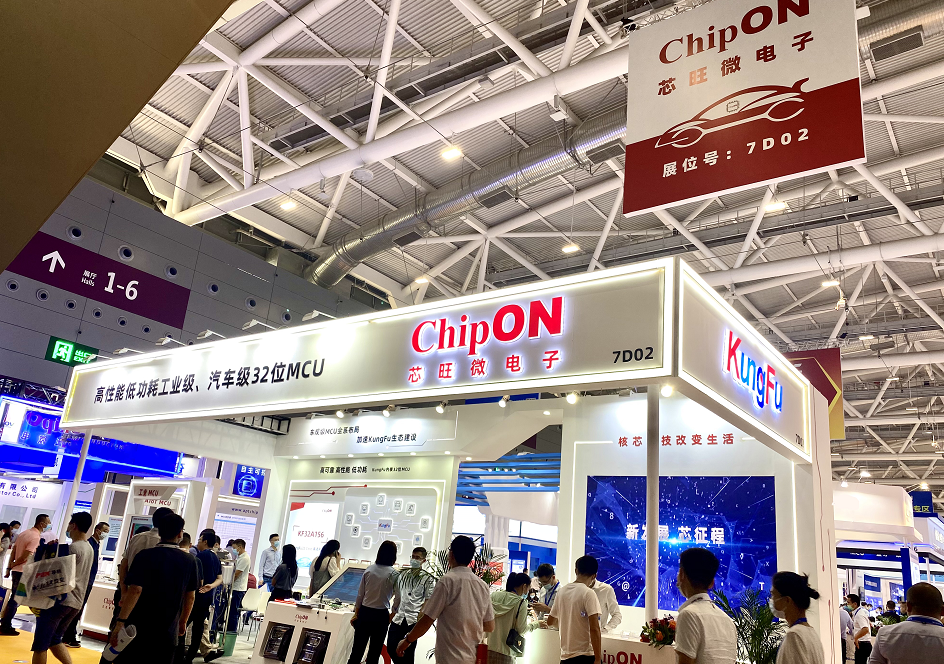
Also in the MCU field is XW Microelectronics. It has obtained dozens of core independent intellectual property achievements in CPU system architecture, compilers, IDE software, mixed-signal design, high-voltage circuit BCD design, and electromagnetic compatibility.
Among them, the KungFu MCU developed by XW Microelectronics has been applied in many Fortune 500 companies and well-known domestic enterprises, with cumulative shipments exceeding hundreds of millions of units.
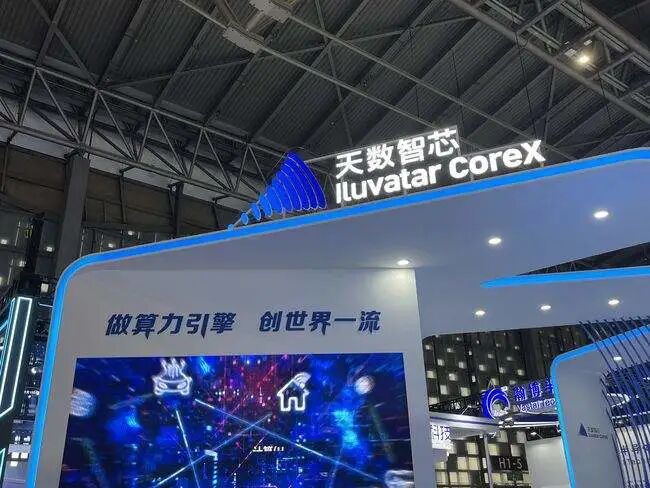
Tianshu Zhixin has successfully “lit up” its self-developed 7nm general-purpose parallel (GPGPU) cloud computing chip BI, completing nearly a hundred software and hardware functional tests. This is the first fully self-developed, truly GPU-architecture-based 7nm process GPGPU training chip in China.
After mass production, it will be widely used in AI training, high-performance computing (HPC), and other scenarios, serving related industries such as education, internet, finance, autonomous driving, medical, and security. The 7nm manufacturing process also represents the current world-leading technology level of GPGPU chips.
As the saying goes, “The pear blossoms bloom everywhere along the post road,” at this year’s fourth China International Import Expo, KPMG released the list of the “KPMG China First ‘Chip Technology’ Rising Enterprises 50” for the first time.
Among the 50 listed companies, 10 are from Zhangjiang, including CuiZhan Microelectronics, Guangzi Technology, Juyou Intelligent, Qiguan Technology, Rongpai Semiconductor, Shendi Semiconductor, Hanbo Semiconductor, Taixi Micro, Xinpotech, and Xinyi Information Technology. The number of Zhangjiang “chip” enterprises accounts for 20%, which again reflects Zhangjiang’s significant “new force” in this industry.
In 2020, among the 58 projects signed in Zhangjiang Science City, we can see:
Changdian Technology will establish its headquarters in Zhangjiang;
Hengxuan Technology, Jiutongfang Microelectronics, Sunny Optical, and Xirenma Technology will set up R&D centers in Zhangjiang;
The LCD materials manufacturer Bayi Shikong will establish the Shanghai Advanced Materials Research Institute in Zhangjiang;
Chipone EDA Engineering Center will provide the most advanced semiconductor device and process simulation tools in Zhangjiang;
Jijiwang will build a professional service agency for innovative industrial ecology in Zhangjiang;
Additionally, Unisoc will build an integrated headquarters in Zhangjiang to boost industrial scale.
A large number of chip enterprises will settle in Zhangjiang, and a “hundred billion-level” industrial park will rise!
Gradually bridging the gaps in the chip ecological system, the “chip” enterprises in Zhangjiang will ultimately lead the Yangtze River Delta, go beyond China, and reach the world,achieving a true “chip” fire that spreads across the land.This may be the distant destination that the once fluttering “butterfly wings” most eagerly await.