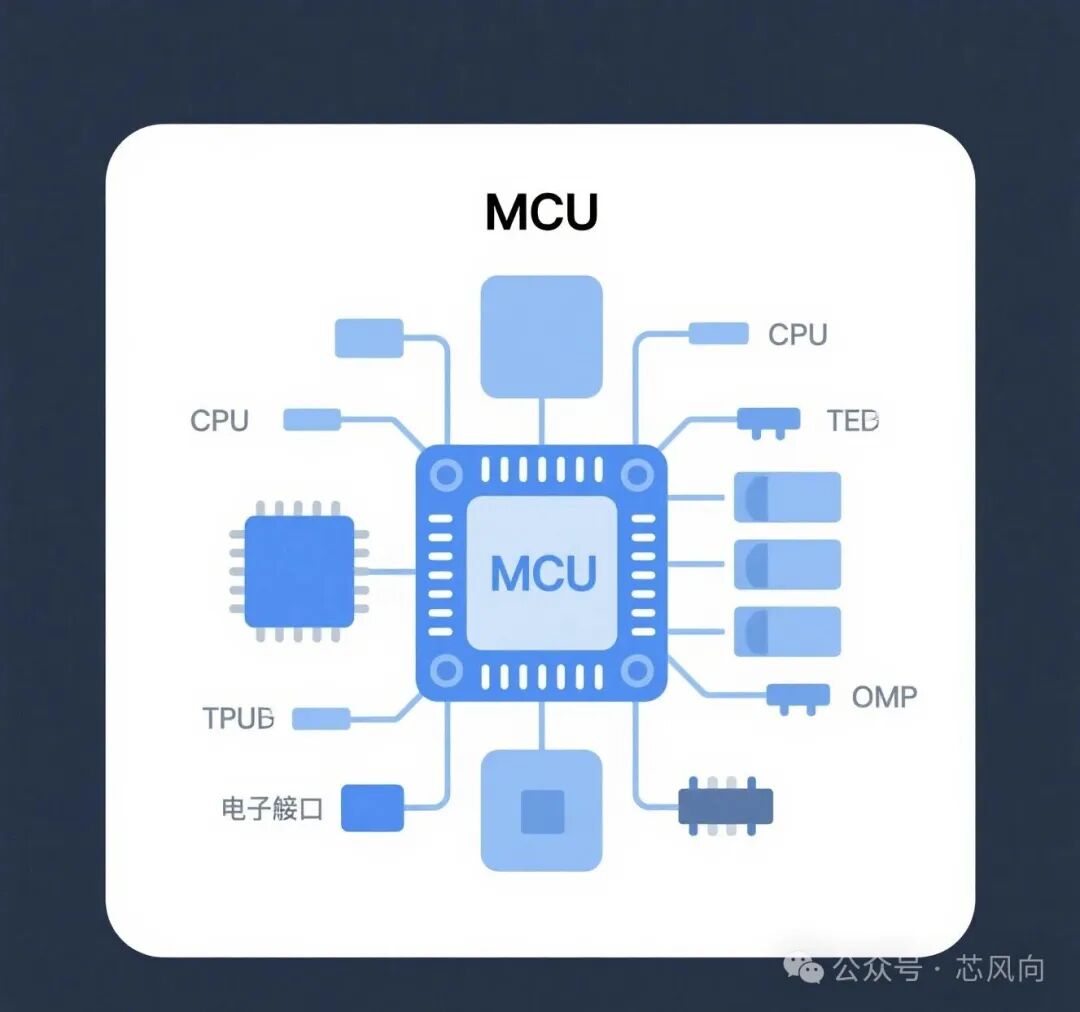
A chip the size of a fingernail is becoming the focal point of major power technological competition and global industrial transformation. Microcontrollers (MCUs) are no longer just simple control units; they have evolved into the digital infrastructure of the intelligent era.
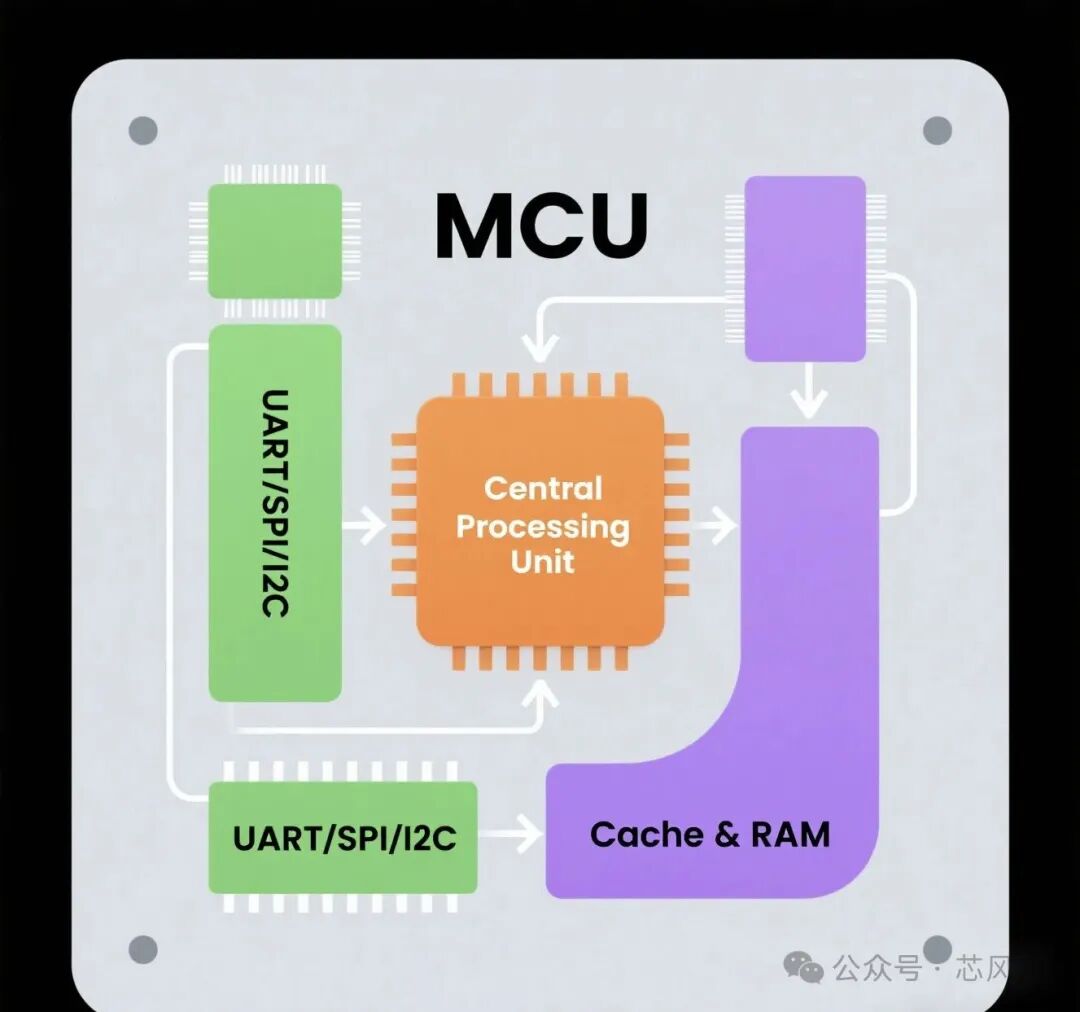
Currently, the global MCU market is undergoing a profound transformation. On one side, international giants are accelerating the construction of AI ecological barriers, while on the other side, Chinese companies are achieving technological breakthroughs through the wave of domestic substitution. Behind this competition is the struggle for dominance over the core infrastructure of the digital age. As the interface between the physical and digital worlds, the strategic value of MCUs far exceeds commercial interests, relating to national industrial security and technological autonomy.
Strategic Value: The Great Power Game Behind Small Chips
Although small, MCUs carry significant strategic importance. As the “nerve center” embedded within devices, MCUs are the control core of industrial systems, transportation, energy networks, and defense equipment. Statistics show that a modern smart car requires over 100 MCUs, while a smart factory may need tens of thousands of MCUs to work in coordination. This pervasive penetration makes MCUs a critical link in national industrial security. The six major international MCU giants (ST, NXP, Infineon, Renesas, TI, Microchip) have long recognized this, forming moats through the construction of technological ecosystems and industrial alliances. Their AI tactics are not just business strategies but also strategic layouts to consolidate their dominance in the global supply chain.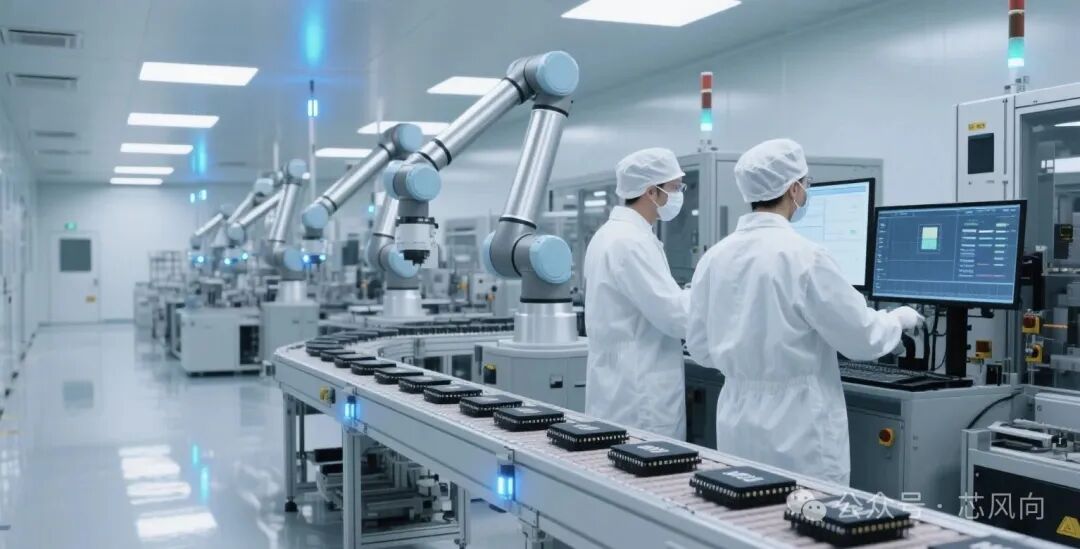
The rise of China’s MCU industry thus holds special significance. In 2023, the localization rate reached 31%, with automotive-grade MCUs breaking from nearly zero to an 18% market share, which is not only a commercial success but also an enhancement of national industrial security capabilities.
Technological Evolution: A Paradigm Shift from Control to Intelligence
MCUs are undergoing a fundamental paradigm shift from “control” to “intelligence.” Traditional MCUs only need to execute predetermined programs, while MCUs in the intelligent era must possess perception, decision-making, and learning capabilities. International giants are actively laying out “MCU + AI” integrated architectures. STMicroelectronics’ STM32Cube.AI, NXP’s eIQ environment, and Infineon’s hardware inference engine are all key steps towards evolving into intelligent computing platforms.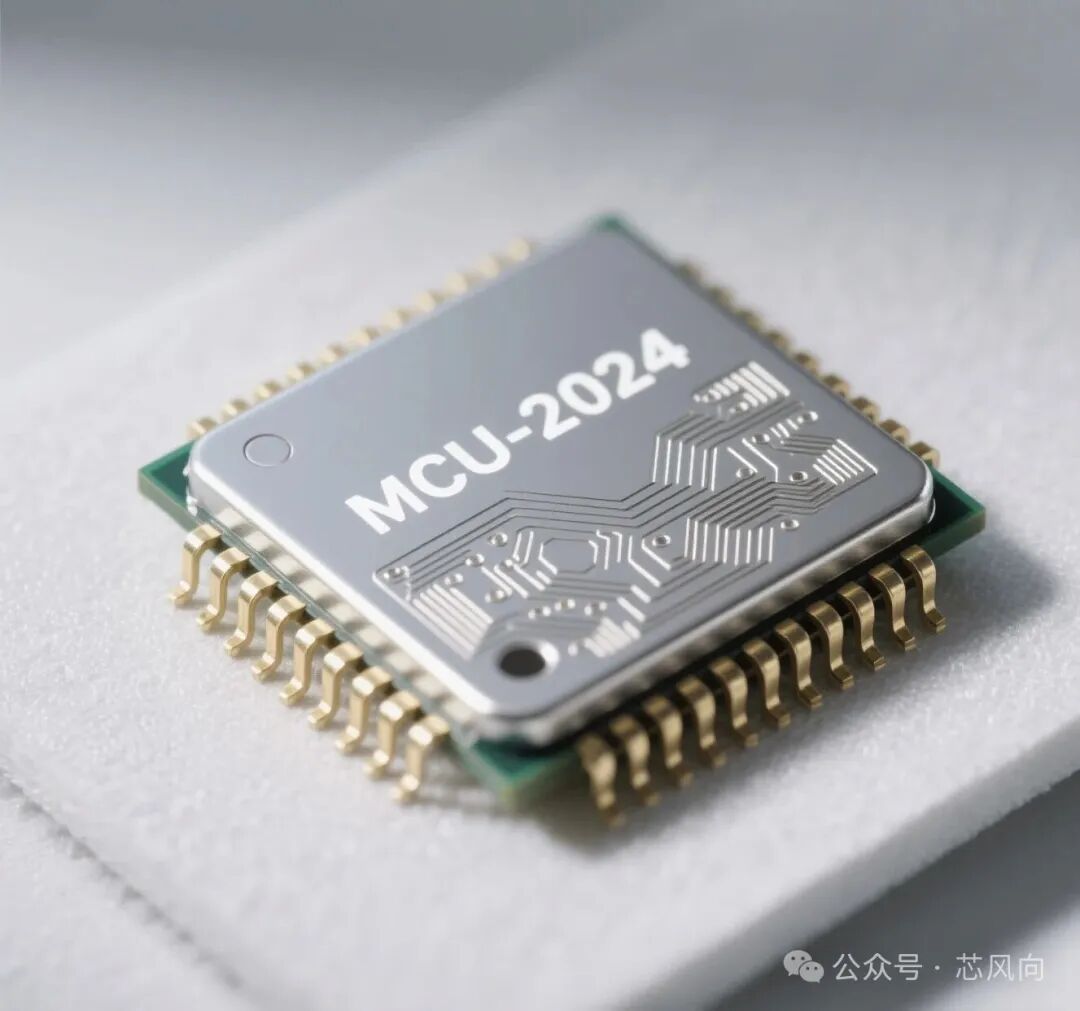
This transformation redefines the dimensions of competition: computing power, energy efficiency, development convenience, and ecological integrity have become new metrics. Chinese companies must achieve leapfrog development in this paradigm shift rather than simply following. The RISC-V open-source architecture provides a historic opportunity for China. Its openness and customizability help break the ARM ecological monopoly and represent an important technological path for the Chinese MCU industry to achieve autonomy and control.
Industrial Ecology: From Point Breakthroughs to System Competition
MCU competition has evolved from chip design capabilities to competition within the industrial ecosystem. International giants enhance user switching costs by building a full-chain ecosystem from development tools, software libraries, reference designs to technical support. Renesas Electronics’ “successful combination” strategy is quite representative—packaging MCUs with sensors, power management, and other chips to provide complete solutions. This vertical integration model greatly enhances customer stickiness and market barriers. Chinese MCU companies need to shift from “point breakthroughs” to “system layouts”. They must not only improve chip performance but also build a complete ecosystem that includes development tools, algorithm libraries, and application solutions. The industrial alliance model is on the rise. By fostering collaborative innovation among upstream and downstream enterprises, a self-controllable industrial chain from materials, equipment, design to application can be formed, which is an effective strategy to cope with international competition.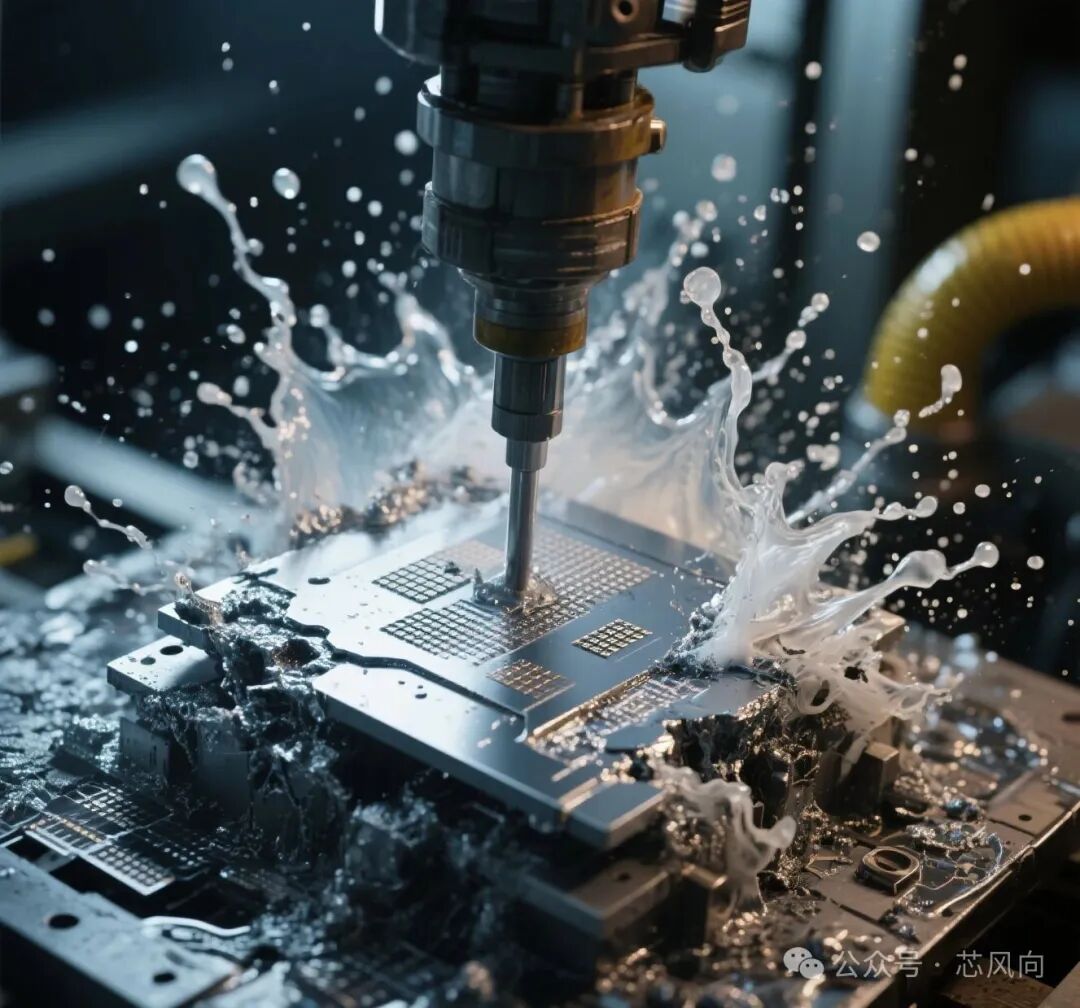
Future Landscape: Multidimensional Reconstruction and Strategic Choices
The next five years will determine the global MCU market landscape. Several key trends are emerging: accelerated technological integration: the deep integration of MCUs with AI, sensing, and communication technologies will give rise to a new generation of smart chips. China has the opportunity to achieve a leapfrog development through architectural innovation. Application scenario differentiation: emerging fields such as automotive electronics, industrial internet, and AIoT present differentiated demands for MCUs. Deepening scenario engagement will become an effective competitive strategy for domestic enterprises. Supply chain restructuring: geopolitical factors are driving the global MCU supply chain reconstruction. Chinese MCU companies need to establish a diversified supply chain system to enhance industrial resilience. Innovation model transformation: traditional iterative innovation is no longer sufficient to meet current challenges. There is a need to strengthen basic research and original innovation, achieving breakthroughs in new materials, new architectures, and new processes.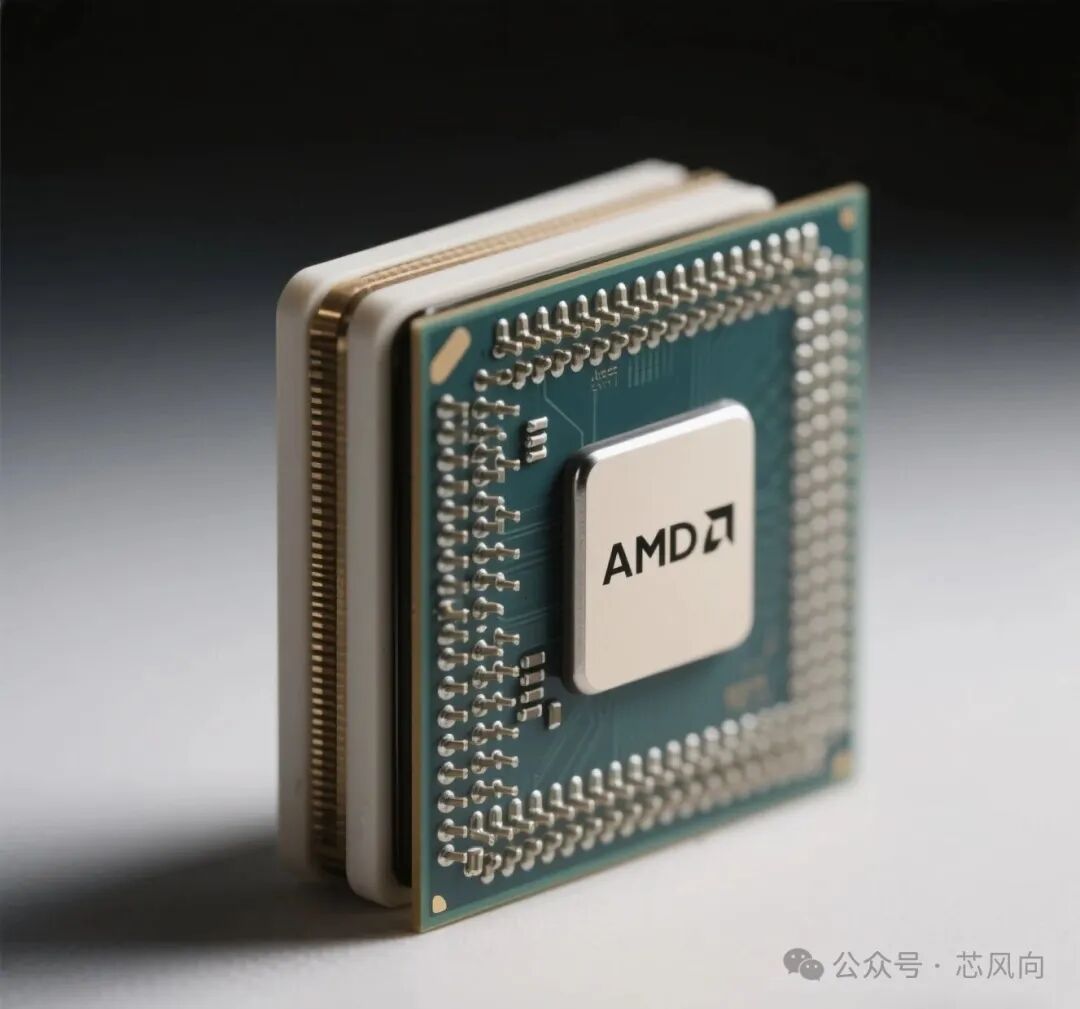
The global MCU competition is a struggle for dominance in the future digital world. International giants are taking the lead with technological accumulation and ecological advantages, while Chinese companies are rapidly catching up with market advantages and policy support. The essence of this competition is the competition for the infrastructure of the digital economy, and the winner will hold more power in the intelligent era. For China, MCUs are not just an industrial issue; they relate to national industrial security and technological sovereignty in the digital age. The future is here. Although small, MCUs carry the weight of great power competition, heralding the landscape of the intelligent era. In this war without gunpowder, innovation, ecology, and strategic vision will determine the final victor.