Currently, as global climate change issues become increasingly severe, including glacier melting and species extinction caused by global warming, the primary reason for these problems is carbon emissions. The resolution of these environmental issues is urgent, thus many countries around the world have proposed their respective carbon peak and carbon neutrality goals, known as the dual carbon goals. China’s dual carbon goals are: peak carbon by 2030 and carbon neutrality by 2060.
The most important aspect of achieving the dual carbon goals is the conversion of energy, from traditional fossil fuels such as oil and coal to new energy sources like solar and wind energy. This transformation brings many opportunities but also presents numerous challenges.
At the 2024 Fourth International Green Energy Ecological Development Summit, ADI’s Director of Industrial Market for China, Cai Zhenyu, stated: “According to a survey conducted by the International Energy Agency, the investment in new energy transformation in 2023 is approximately $1.7 trillion, and by 2030, this figure will approach $5 trillion. In 2023, China’s investment in new energy reached $760 billion, accounting for 38% of the global total, making it a clear leader in this field.”
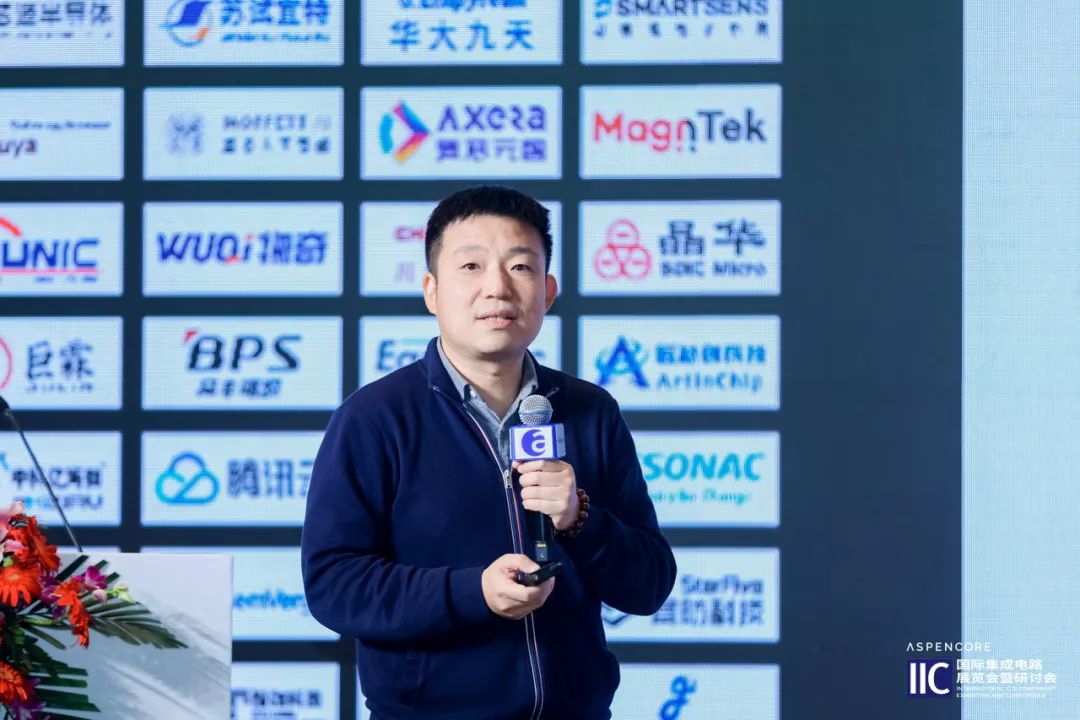
Cai Zhenyu, Director of Industrial Market for ADI China
During the new energy transformation process, semiconductor technology plays a crucial role, especially power devices made from third-generation semiconductor materials such as SiC and GaN. Francesco Muggeri, Vice President of Marketing and Applications for Power Discrete and Analog Products at STMicroelectronics Asia Pacific, stated: “SiC devices are being adopted in more and more fields due to their numerous advantages, such as high voltage and faster switching speeds, making them essential for achieving energy efficiency.”
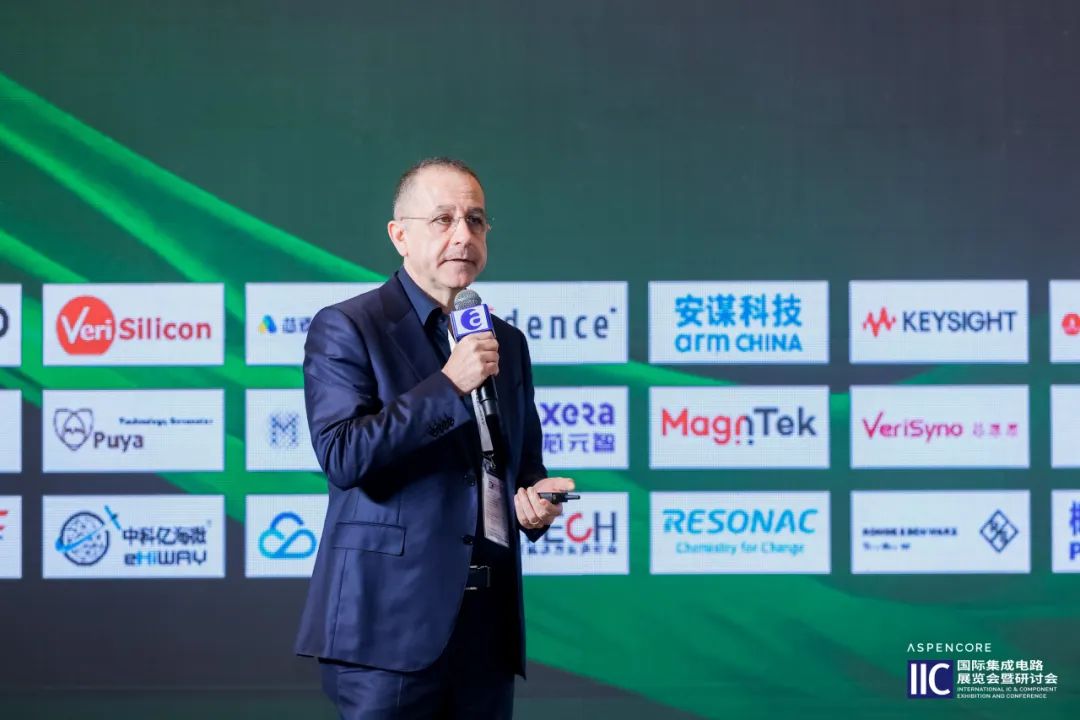
Francesco Muggeri, Vice President of Marketing and Applications for STMicroelectronics Asia Pacific
ST has been laying out its strategy in the SiC MOSFET field for many years and possesses many unique technologies, such as MDSiC and SmartSiC, currently holding a leading market position. ST’s SiC MOSFET devices now account for over 50% of the market share in the automotive and industrial sectors.
As a domestic startup power semiconductor design company, Gao Wei, Vice President and General Manager of the R&D Center at Rongxi Semiconductor, also shared their recent product research results at the conference. Gao Wei stated, “Currently, the key areas for China’s green energy development are power, industry, and transportation. To address carbon emissions in these three areas, we need to tackle the issues through wind and solar green energy, efficient power equipment, and new energy vehicles, with power semiconductor devices being the core support for the development of these three aspects.”
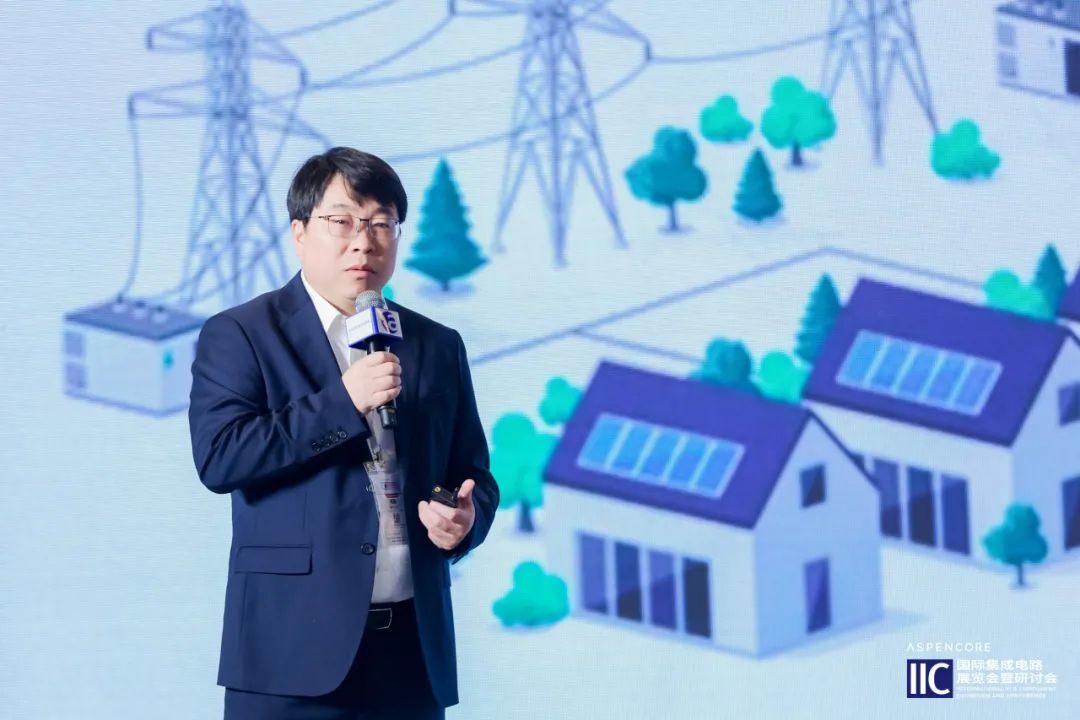
Gao Wei, Vice President and General Manager of the R&D Center at Rongxi Semiconductor
Currently, the voltage range required for semiconductor power devices in wind and solar energy storage systems is 1200V-3000V. In recent years, the new type of 1500V storage systems has become mainstream, which demands a voltage rating of 2000V for silicon carbide power devices. Rongxi Semiconductor has launched a series of 2000V SiC power devices, primarily targeting applications in 1500V storage systems.
Additionally, regarding green transportation energy, the electrification of vehicles will be a major trend in the future, and the transition from the 400V to 800V platform will further raise performance requirements for silicon carbide power devices. In response to this demand, Rongxi Semiconductor’s innovative M-MOS technology can help EVs and EV charging stations achieve higher efficiency and reliability.
Chen Lifeng, Senior Technical Director of Infineon’s Industrial Power Control Division for Greater China, stated: “Future development requires more energy, and it also needs cleaner and more efficient energy, all of which silicon carbide can provide. Infineon, as a leading manufacturer in the SiC power device field, has been engaged in SiC technology research and development for over twenty years, mastering key technologies in design, production, and materials of SiC power devices. SiC is also Infineon’s strategic core.”
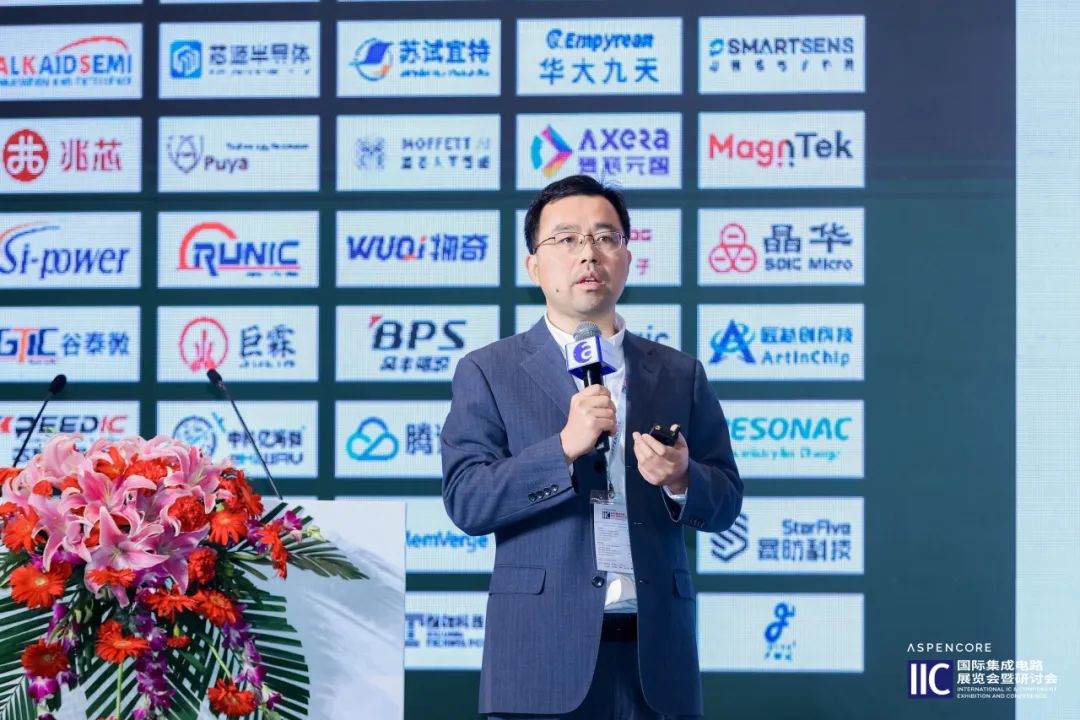
Chen Lifeng, Senior Technical Director of Infineon’s Industrial Power Control Division for Greater China
Technically speaking, Infineon’s trench gate technology is a unique technology, and the .XT technology is a packaging technology for SiC, which can improve heat dissipation and enhance reliability. In terms of production capacity, the global SiC capacity is still insufficient, and as its applications continue to expand, the SiC capacity issue may become increasingly prominent in the future. According to Chen Lifeng, Infineon has made many investments to expand SiC capacity over the past three years.
Dr. Wu Tong, Chief Expert in Silicon Carbide and Automotive Applications Technology at On Semiconductor China, believes that a current pain point in SiC technology development is the capability for vertical integration, meaning the integration capability of the entire process from SiC substrates and epitaxy to SiC chip design and manufacturing is very important, with each link requiring its own know-how and iterative process.
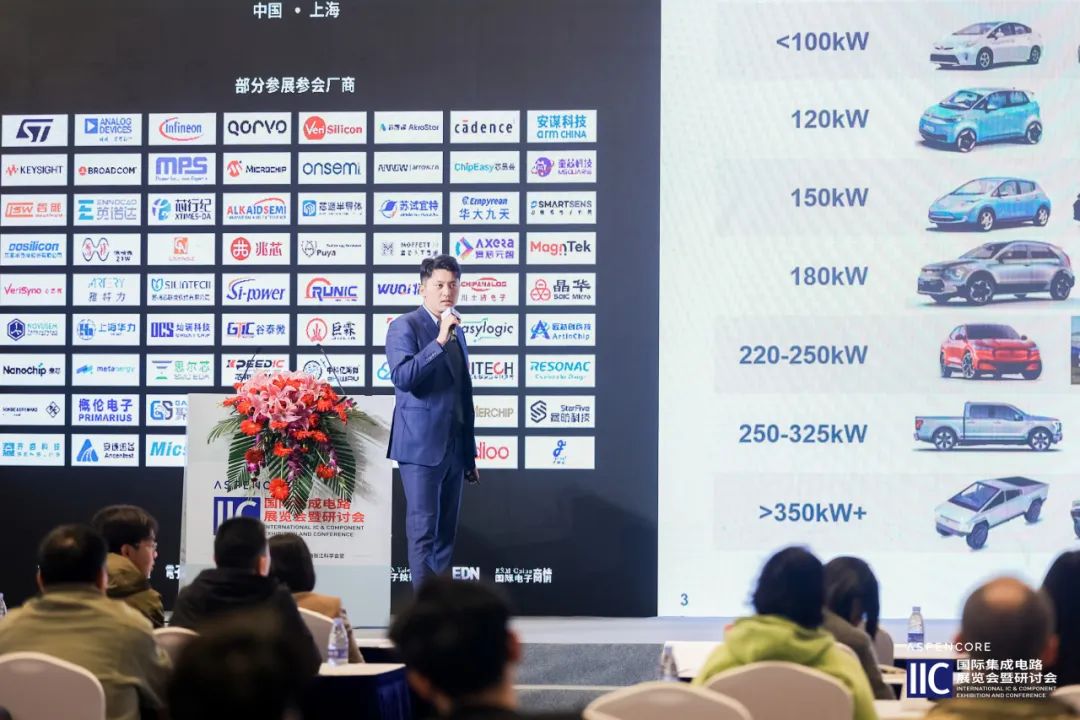
Dr. Wu Tong, Chief Expert in Silicon Carbide and Automotive Applications Technology at On Semiconductor China
According to Wu Tong, to achieve better development in the SiC field, On Semiconductor has made many investments in every area, such as substrates and epitaxy. In 2021, On Semiconductor acquired silicon carbide substrate material company GTAT for $415 million; in the chip design and manufacturing phase, On Semiconductor’s performance is also commendable, including the final packaging, which On Semiconductor also handles itself. Wu Tong stated, “We are from front end to back end, which greatly ensures the quality and capacity of the products.”
Currently, On Semiconductor is also the only company in the industry that can achieve two vertically integrated product lines for SiC and IGBT.
In addition to SiC, GaN is also a third-generation semiconductor material that many manufacturers are focusing on. GaN and SiC are two complementary third-generation semiconductor materials. Chen Lifeng stated: “In the relatively low voltage range, such as 40V-650V, GaN has a higher frequency, while above 600V, SiC is more suitable. For Infineon, GaN technology can enrich our power device product line.”
In recent years, Infineon has also made many investments in GaN technology, such as acquiring GaN Systems for $830 million last October. Thanks to GaN technology, Infineon has extended its third-generation semiconductor product lines from 100V to 2kV.
Another manufacturer, ST, is ambitious in the GaN field. Francesco Muggeri stated: “GaN devices have many advantages in various applications, such as high frequency and high power density. They can also significantly reduce the size of devices.”
Of course, to achieve the final efficiency improvements, not only do we need more advanced SiC and GaN devices, but we also need many other devices and technologies to assist, such as the gate drivers that drive them. Chen Honglei, Product Manager of Broadcom’s Isolation Products Division, introduced Broadcom’s isolation optocoupler devices suitable for SiC and GaN power devices at the conference.
Chen Honglei stated: “Optocoupler products are a relatively emerging market application, but they can also contribute to the future new energy transformation process, applicable in power generation, consumption, and electricity energy production aspects.”
He emphasized: “Isolation products applied to SiC and GaN need to have short transmission delay times, high CMDI, and operational temperature requirements. Broadcom’s new generation products ACFJ-3161 and ACFJ-3262 are well-suited for these needs, and their driving current is also very large, reaching 10A.”
Another important aspect of the new energy transformation process is energy storage, in which battery management solutions (BMS) are a critical application. ADI has very good technology accumulation and product portfolio in this area. According to Cai Zhenyu, ADI previously acquired Linear Technology and Maxim Integrated, two companies that started developing and iterating BMS products early. Additionally, ADI established an R&D and technology team in China around 2020, independently developing a new BMS chip based on Chinese energy storage applications. Currently, over 65GW of energy storage worldwide uses ADI’s BMS chips.
In addition to battery management, ADI’s technology platform for new energy applications includes conversion and storage, making ADI’s development platform in the new energy field quite comprehensive.
Qorvo BMS expert Liu Ming believes: “Currently, there are two important trends in the entire BMS or battery-related field: one is safety; the other is longer operating time.” Qorvo’s battery management IC provides a fully integrated configurable single-chip solution for ultra-compact battery-powered devices using lithium-ion or lithium-polymer batteries. These unique system-on-chip (SoC) solutions have numerous advantages, including excellent device performance, low cost, compact design size, advanced battery protection, and fast time to market.
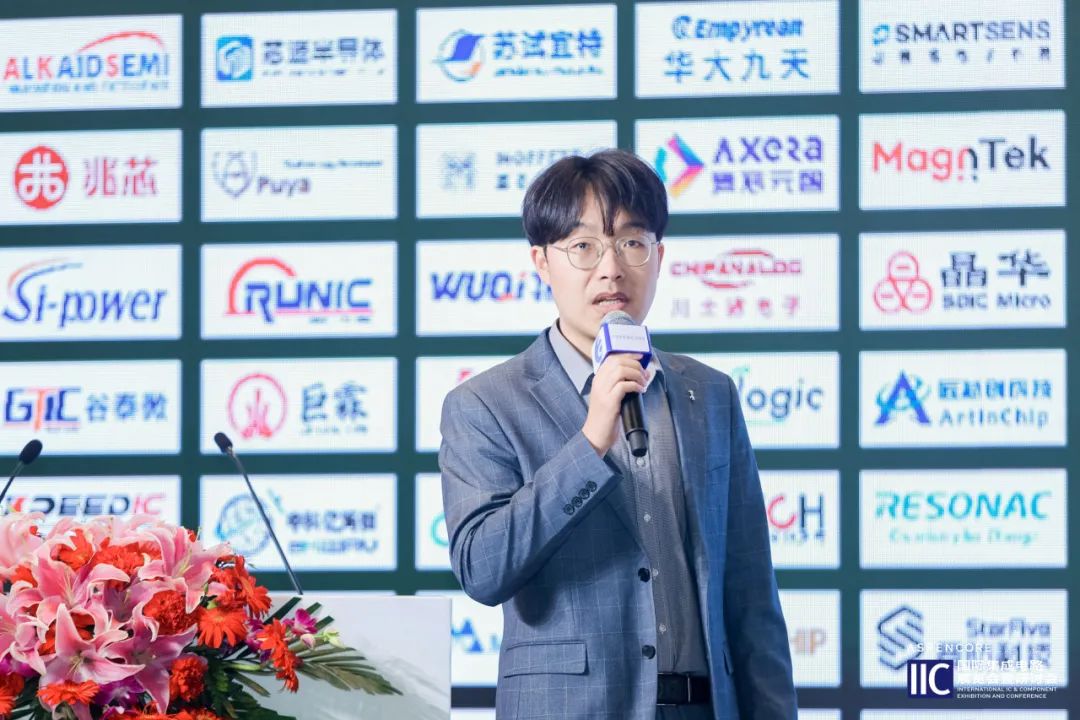
Liu Ming, BMS Expert at Qorvo
Wang Zheng, Deputy General Manager of the Analog Chip Design Center at Beijing Zhixin Microelectronics Technology Co., Ltd., believes: “BMIC is an emerging market but is developing rapidly. According to data from QYResearch from the previous year, benefiting from the rapid growth of the energy storage and electric vehicle markets, the BMS market will maintain a growth rate of over 20% from 2023 to 2028.”
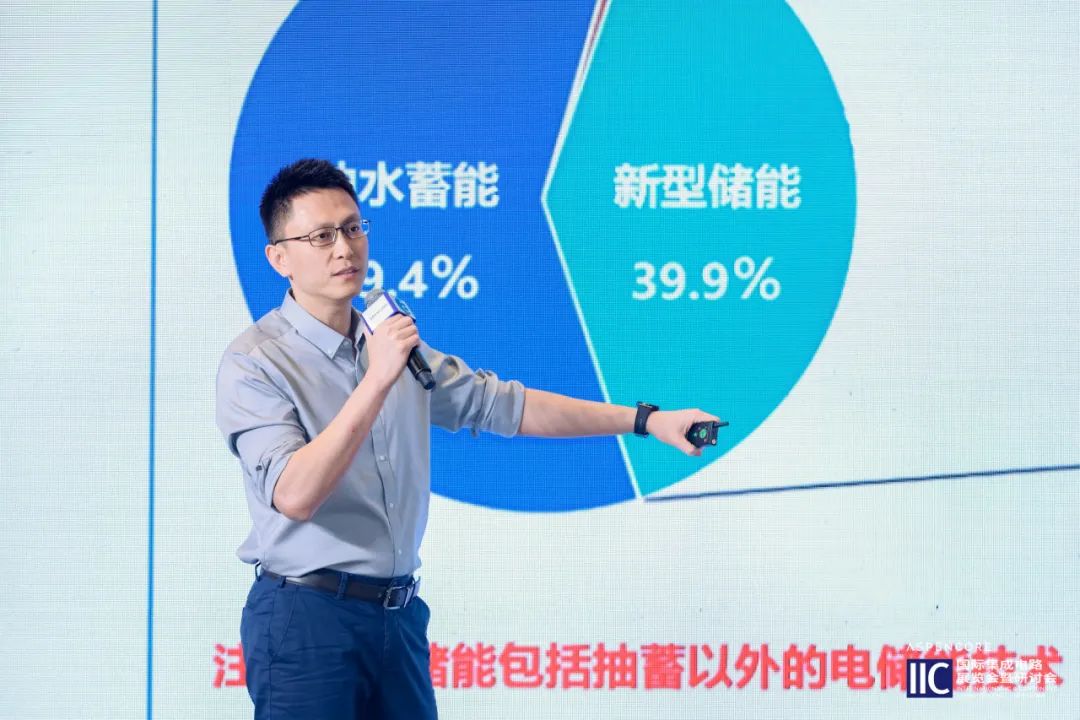
Wang Zheng, Deputy General Manager of the Analog Chip Design Center at Beijing Zhixin Microelectronics Technology Co., Ltd.
He stated: “Currently, the BMIC market is mainly dominated by foreign manufacturers. In recent years, some excellent domestic companies have emerged, but there is still a certain gap in parameter indicators compared to foreign manufacturers’ products. Currently, Zhixin’s BMS solutions can provide various underlying hardware, chip designs, and driver software algorithms, applicable to various applications.”
The establishment of dual carbon goals has driven the transformation of energy applications across society, thus bringing tremendous market opportunities to semiconductor devices, especially third-generation semiconductor power devices. How to seize this wave of market opportunities is a question that both domestic and foreign companies must consider. Unique technologies, complete solutions, and good services are all indispensable, especially for domestic companies; this is both an opportunity and a test.
END