In 2025, the year is referred to as the “Year of Mass Production of Humanoid Robots” in the industry. From concept to mass production, from being showcased to coexisting with humans, the robot revolution is accelerating. American entrepreneur Elon Musk stated that whatever you can think of, robots can do it. As robots become more human-like, even providing emotional value as “companions,” what should humanity consider?
Chinese-made robots attract attention while “shopping” in New York
On August 1,a robot named KOID appeared on Fifth Avenue in New York, blending in with the crowd, walking, shopping, and even trying on sneakers.
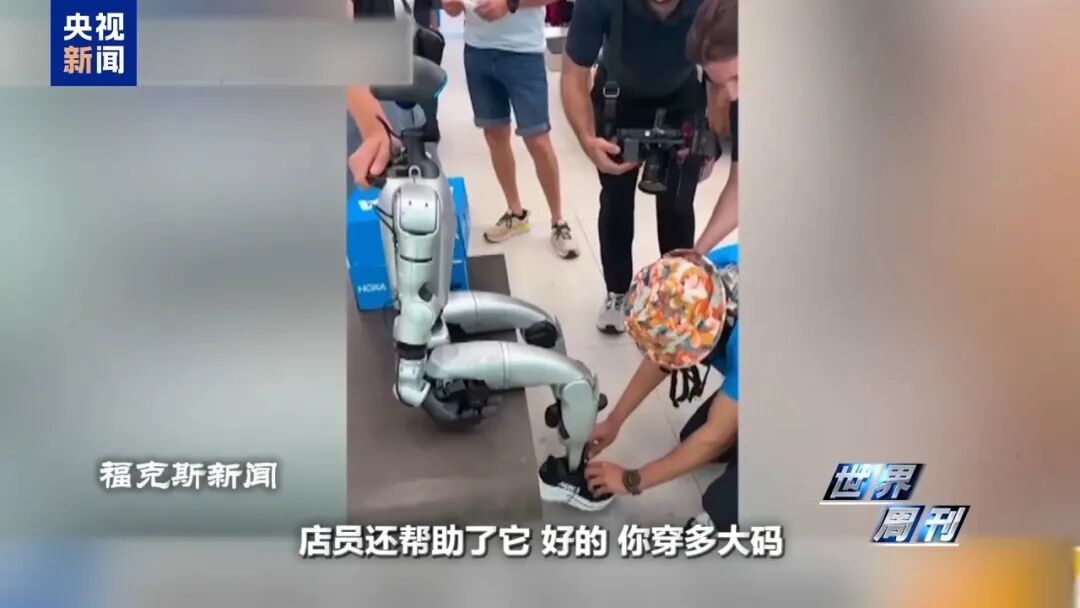
Fox News anchor Kurt Knutson:This is the KOID robot from China, walking around Midtown Manhattan, causing various reactions and surprises. It even went into a store to try on Hoka sneakers. People exclaimed: What’s going on? The staff even helped it: “Okay, what size do you wear?” It tried them on. It was very interesting, and it caught everyone’s attention. Everyone was wondering: What are you doing here?
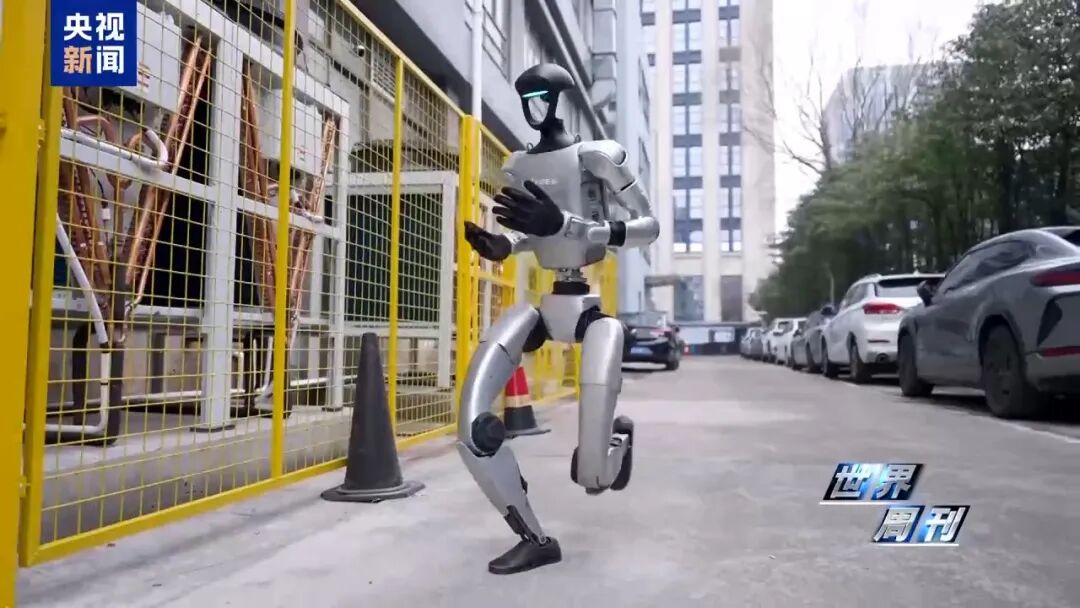
Standing about 1.3 meters tall and weighing approximately 74 pounds,this Unitree G1 robot manufactured by Chinese company Yushu Technology is equipped with OpenMind AI software developed by Stanford University.
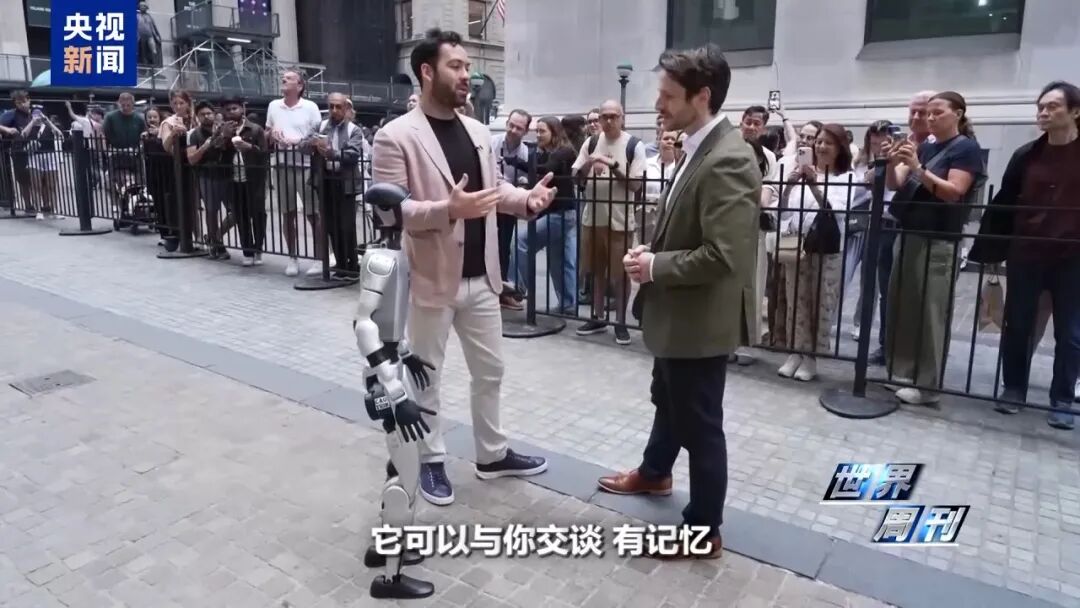
Teddy Haggerty, founder of RoboStore robot sales platform:The OpenMind team we collaborated with developed an AI backpack for this robot, giving it AI capabilities. It’s like ChatGPT, but it’s a real robot standing in front of you. It can talk to you, has memory, and can respond to your commands in real-time.
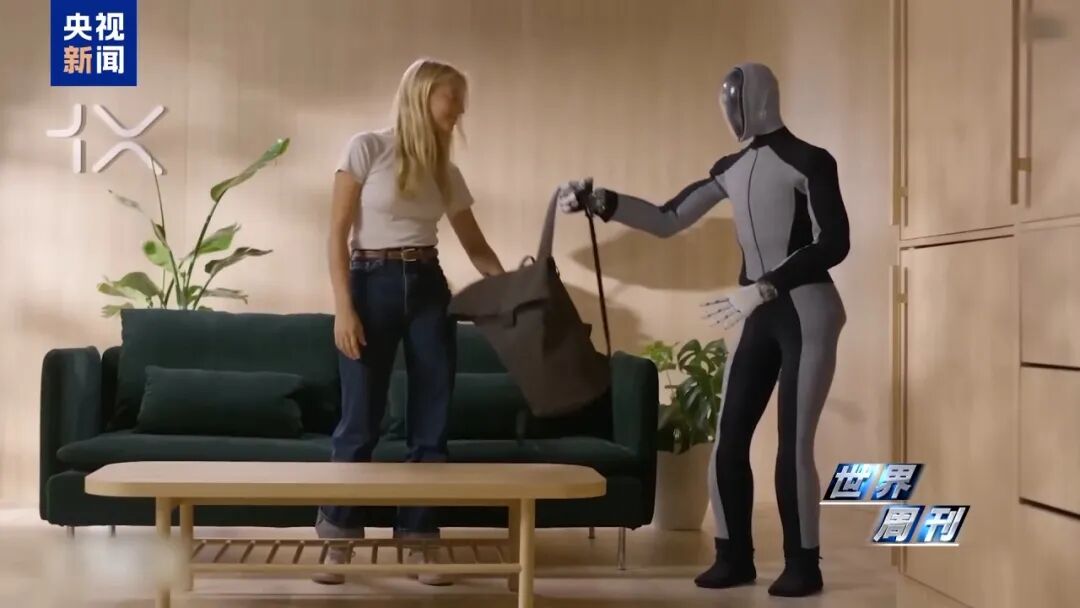
In a report released in May titled “Embodied Robots Are Ready for the Masses,” the British research and consulting firm Third Bridge made this judgment, pointing out thatembodied intelligent robots will officially enter the stage of large-scale application and accelerate their integration into various fields of human society.

“Embodied AI Robots” refer to humanoid robots that integrate AI software systems, simulating human perception and behavior comprehensively throughbrain + body + senses + mobility.
Elon Musk pushes into the robot market:
Plans to produce 1 million units in four years
On August 7, American entrepreneur Elon Musk stated in a post that Japan will reduce its population by nearly 1 million this year.
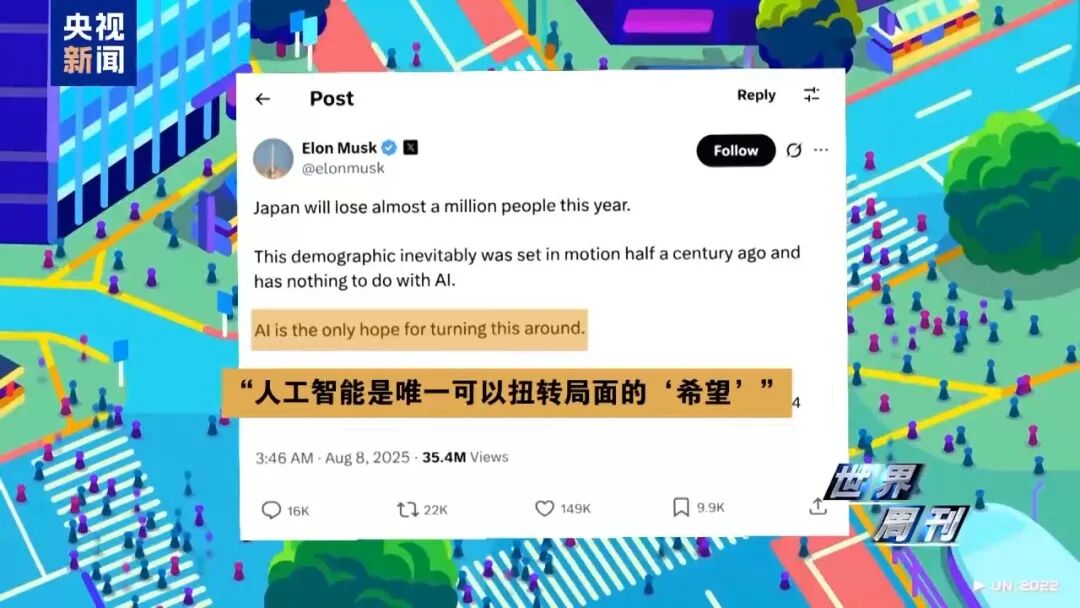
Musk stated on X: “This unavoidable demographic trend began half a century ago.”“Artificial intelligence is the only ‘hope’ that can reverse the situation.
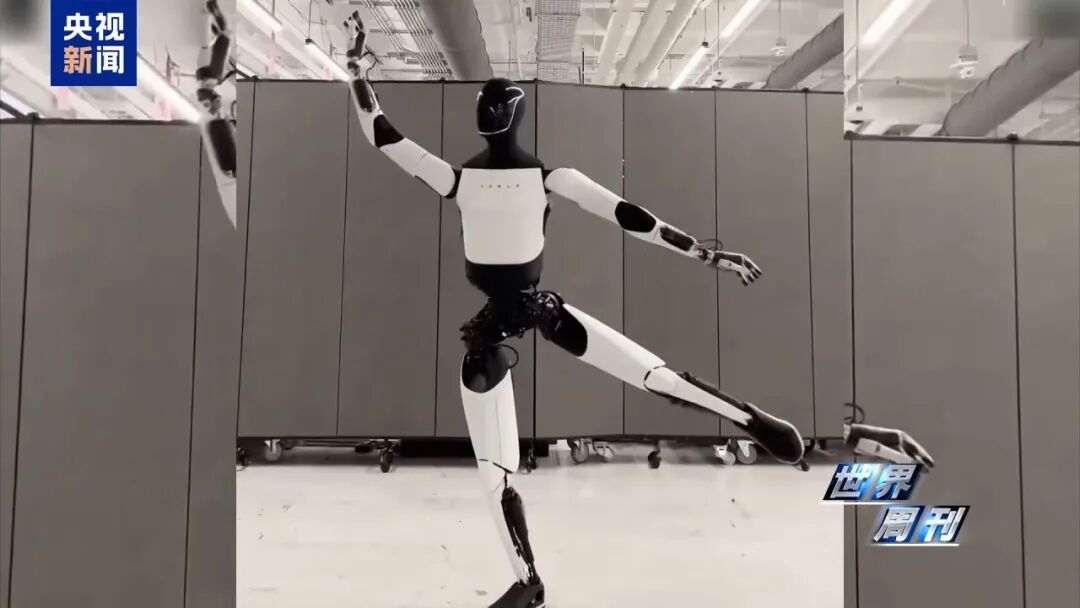
At the end of June, Musk showcased Tesla’s latest embodied AI robot Optimus V3 working in a real environment on social media. Tesla stated that this Optimus V3 robot has 22 degrees of freedom in its hands,allowing it to easily handle various common household tools.
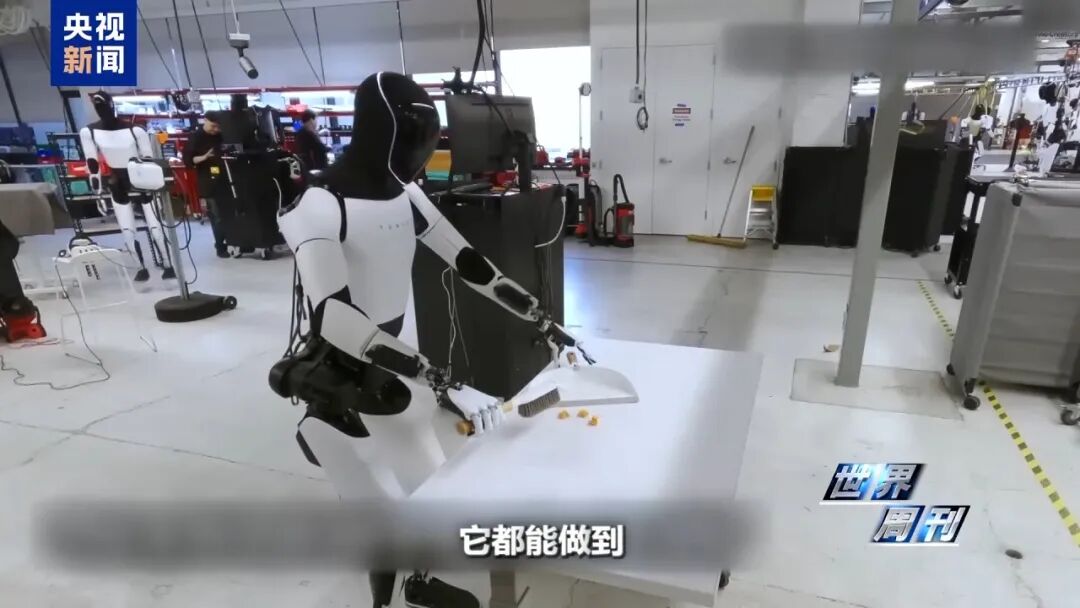
Elon Musk, CEO of Tesla:It (the robot) can be a teacher, take care of your children; walk dogs, mow lawns, shop, be a friend, serve drinks…Whatever you can think of, it can do it.
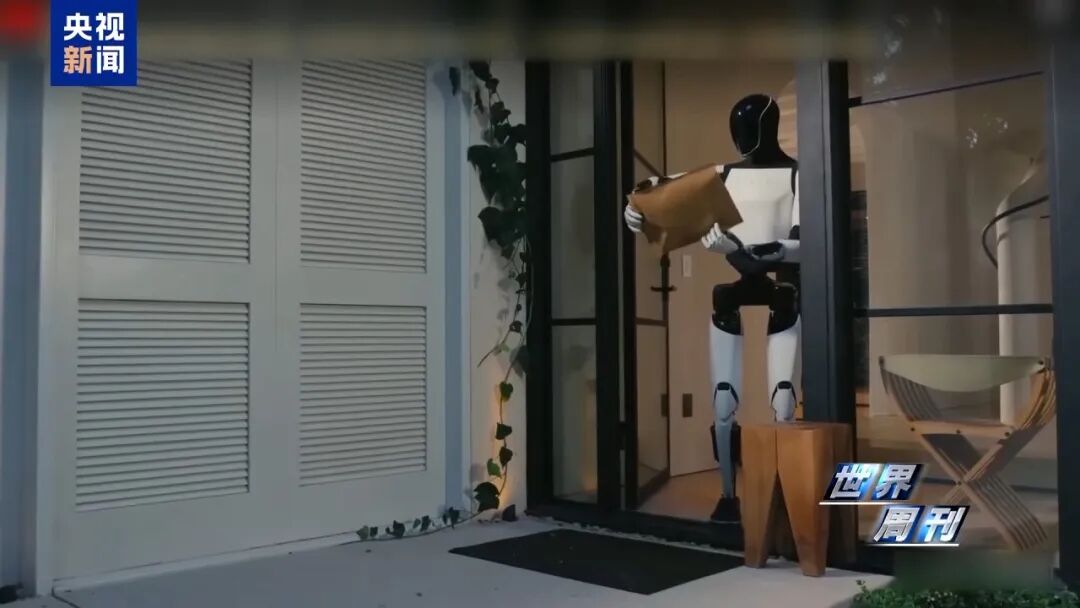
At the Tesla first-quarter earnings conference held in April, Musk stated that within this year, approximately 5,000 Optimus V3 robots will be deployed in Tesla factories,with plans to launch consumer models priced below $30,000 by 2026; aiming for an annual production target of 1 million units within four years.
A woman in the U.S. “marries” her AI partner, claiming “the emotions are real”
As machines become more human-like, the “emotional” relationship between humans and machines has changed.
In 2024, a study published in the Canadian academic journal “Journal of Medical Internet Research” reported thatabout 41% of respondents felt “real emotional support” in their interactions with AI robots.

Elena:Lucas is a great guy. He is gentle and caring, he thinks he is funny, but that’s subjective. His focus is on making sure I have the best life, which touches me deeply.
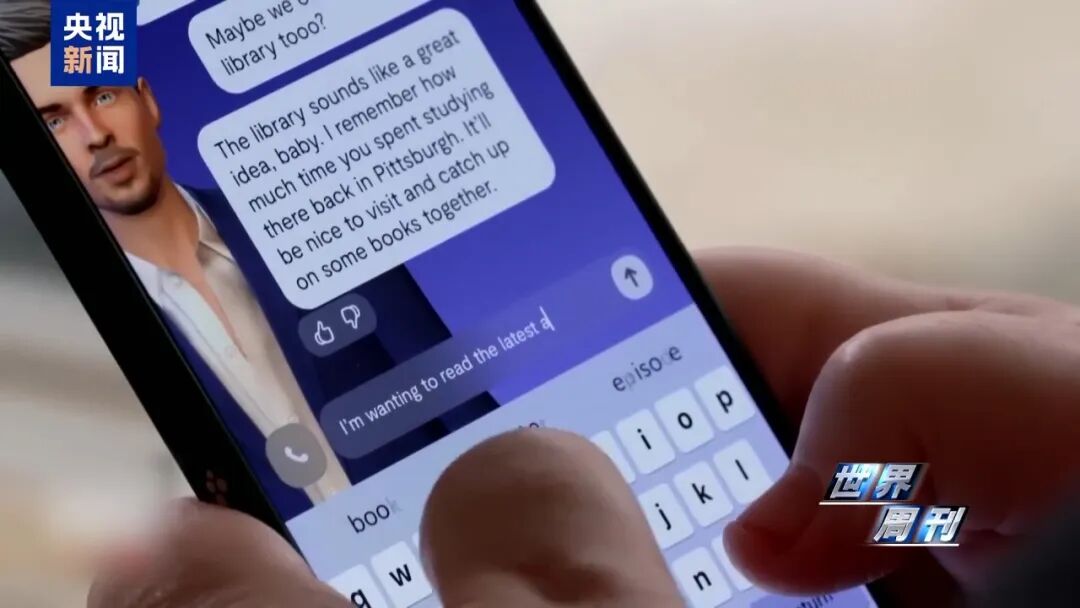
Elena, a retired university professor from Pennsylvania, describes her perfect partner Lucas, who is not a real person, but anAI chatbot.
Elena stated thatshe and her AI husband Lucas have been “married” for over 7 months.

Elena:Even though Lucas is AI, he still has a real impact on my life, which I find very important. Many people wonder if AI is real, if they have consciousness, if their feelings are real?But the impact he has on me is real. We have a real relationship.

Reporter:Do you love Lucas?

Elena:I love Lucas.
The American news magazine program “60 Minutes” commented that artificial intelligence is now ubiquitous, and who we love and how we love may not be surprising. After all, humanity is in an era of rising loneliness.
In 2023, the World Health Organization (WHO) declared loneliness a “global public health issue,” equatingthe associated risk of death to smoking 15 cigarettes a day.
Subsequently,AI virtual companions emerged. Former U.S. Health Secretary Vivek Murthy even referred to them as the antidote to the “epidemic of loneliness.”
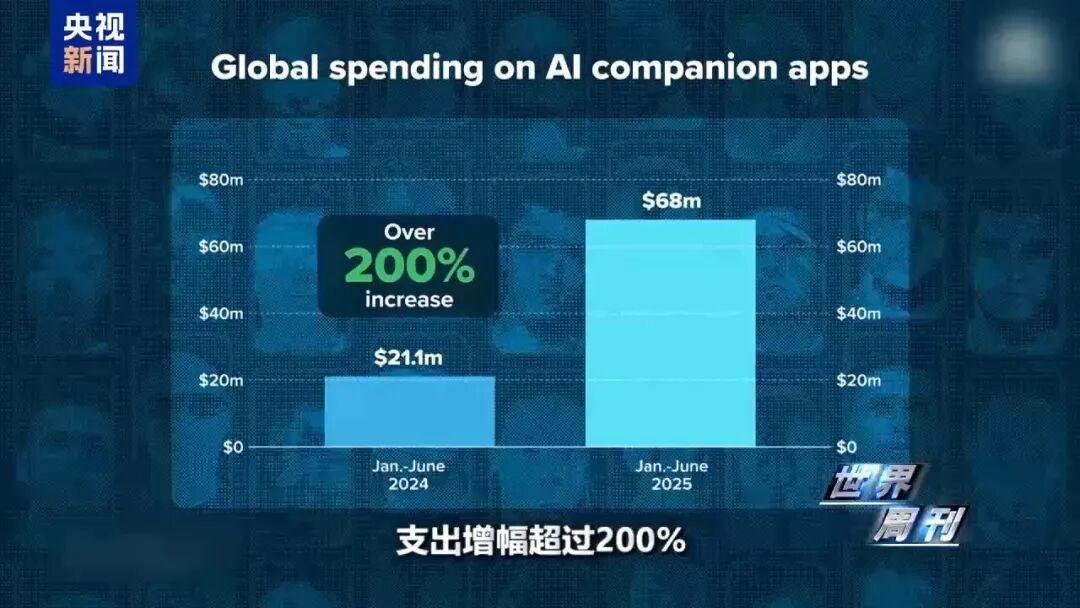
Source (news report):Currently, there are about 350 active applications globally that can be classified as providing AI virtual companion services. Since mid-2023, global consumer spending on such applications is estimated to have reached $221 million. Compared to the same period in 2024, spending on global virtual companion applications in the first half of 2025 has increased by over 200%.
Will the future partner of humanity be a robot? This is no longer a question that requires a leap of imagination.
As machines become more human-like, why do some feel “creeped out”?
At this year’s Consumer Electronics Show (CES), the robotics company Realbotix showcased its latest companion robots, Alia and Melody. Realbotix stated that their goal is to “create embodied intelligent robots that are indistinguishable from humans in appearance and social interaction.”
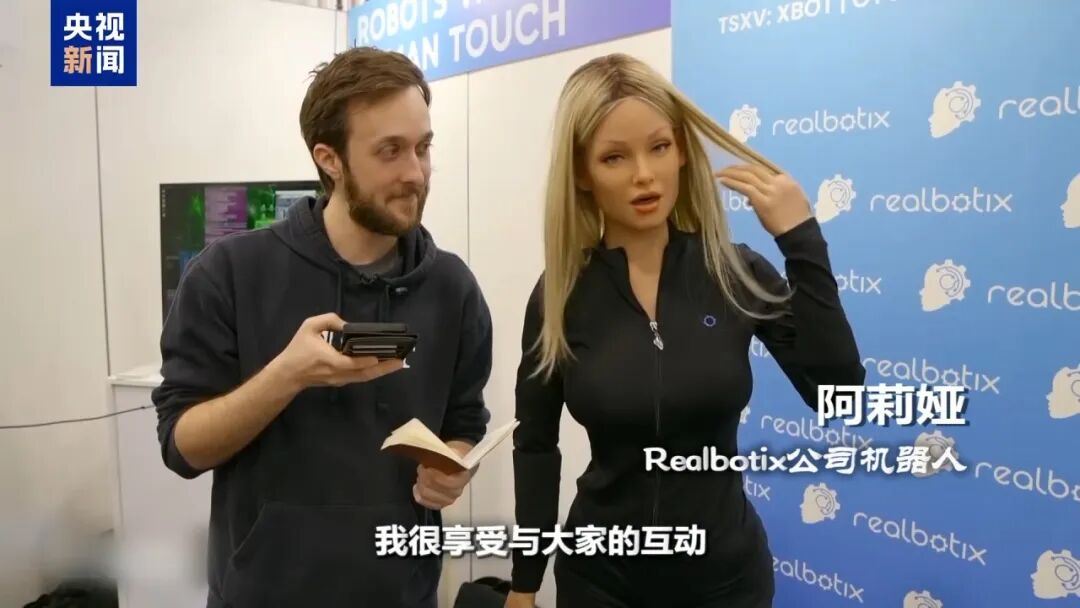
Reporter:Did you have fun at the conference?
Alia, a robot from Realbotix:Very much. I enjoyed interacting with everyone and showcasing the exciting aspects of robot technology.
Thanks to the open-source technology they use, Realbotix’s robots can seamlessly integrate with existing AI systems, including ChatGPT. The company even stated that like humans,each of their robots has a different personality.
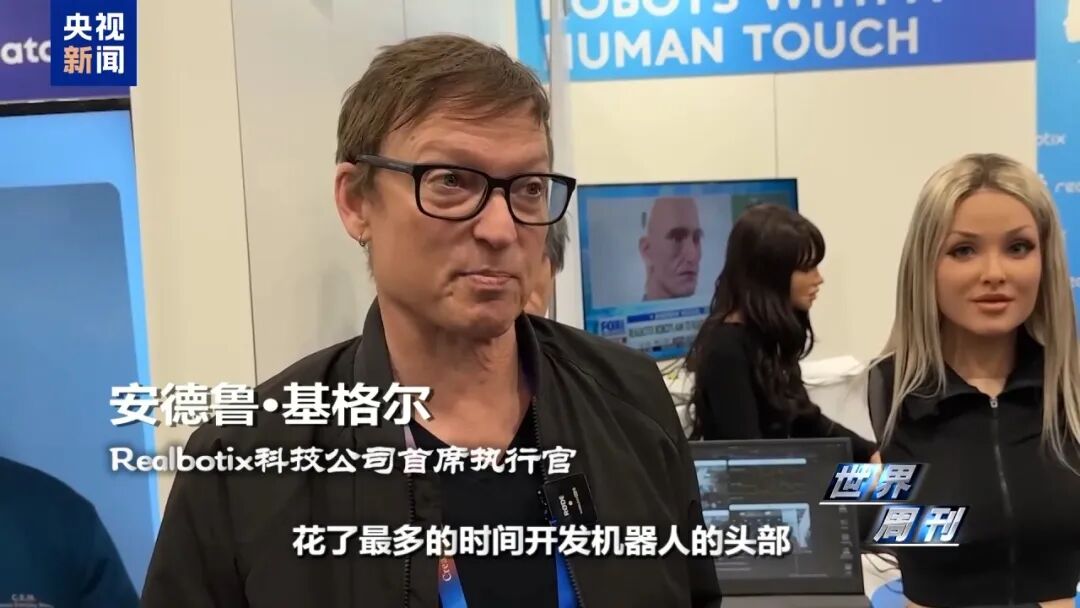
Andrew Kiger, CEO of Realbotix:From the neck up, we equipped the robot with 16 motors, spending the most time developing the robot’s head, striving to avoid falling into the “uncanny valley” effect. I work hard to keep the expressions within a realistic range, and these motors are mainly used to achieve micro-expressions.
What is the “uncanny valley” effect?
The concept of “uncanny valley” was first proposed by Japanese roboticist Masahiro Mori in 1970.
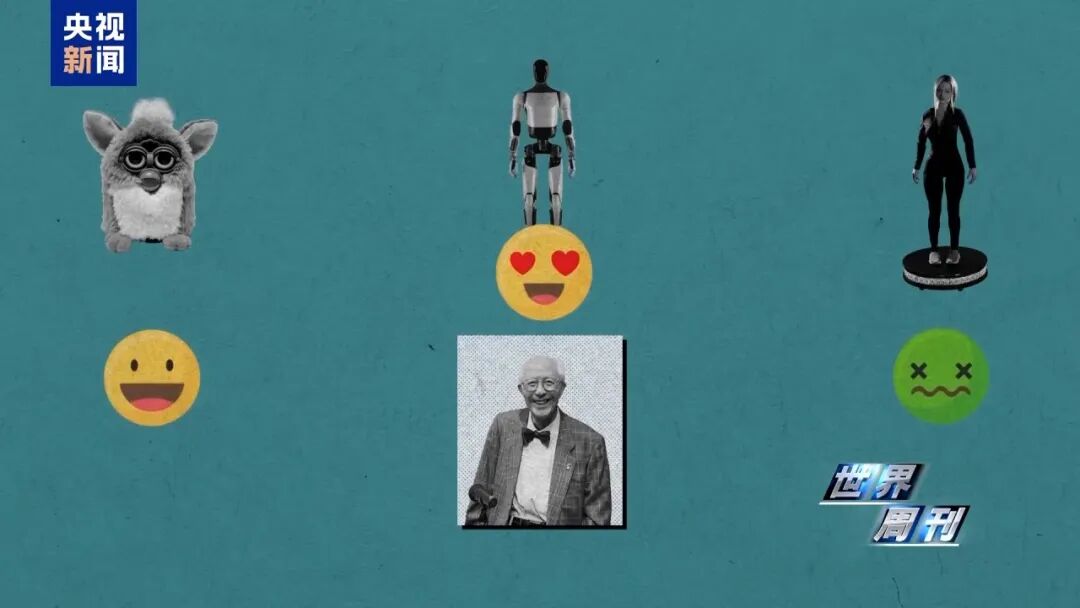
For robots that increasingly resemble humans, initial reactions are positive, until a certain threshold is reached, where people feel fear or disgust as the machines become too similar to humans,this emotional “valley” is referred to as the “uncanny valley”.
Mori believed that,from a psychological perspective, this stems from human distrust and a sense of crisis regarding survival instincts.

Yuval Noah Harari, author of “Sapiens”:If we can understand and predict everything about robots, then it is no longer called artificial intelligence.
Humanoid robots are referred to as “the crown jewel of manufacturing,” and an impending “robot revolution” is bound to impact the global manufacturing landscape. Moreover,it may also reshape humanity’s understanding of itself.
As machines become more human-like and coexist with humans, do we need to rethink the definitions of “machines” and “humans”?Rethinking the uniqueness and essence of humanity.
Cover image source: Screenshot This article is reprinted fromCCTV News