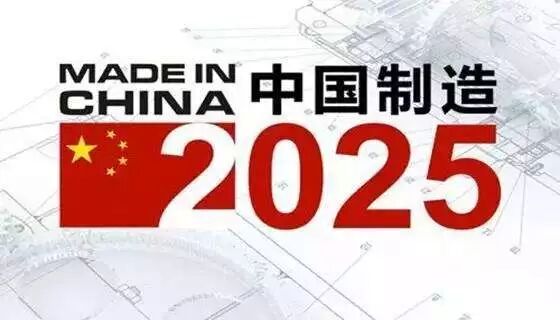
Since the global economic crisis, developed countries such as the United States, Germany, and Japan have regarded industrial revitalization as a major measure to restore their economies. The concepts of Industrial Internet and Industry 4.0 have become representatives of the new industrial strategies of the U.S. and Germany. In this context, China must also forge ahead, and Made in China 2025 is the strategic plan to transform our country from a “manufacturing giant” to a “manufacturing power,” elevating this pattern to a historical height!
After experiencing two waves of the “Industrial Revolution” and the “Internet Revolution,” we are now welcoming the third wave of the Industrial Internet in the 21st century. This wave promotes the integration of global industrial systems, and combined with the achievements of computing and communication technologies from the Internet revolution, it is destined to greatly accelerate productivity, reduce inefficiencies and waste, and significantly improve the work experience of “people”!
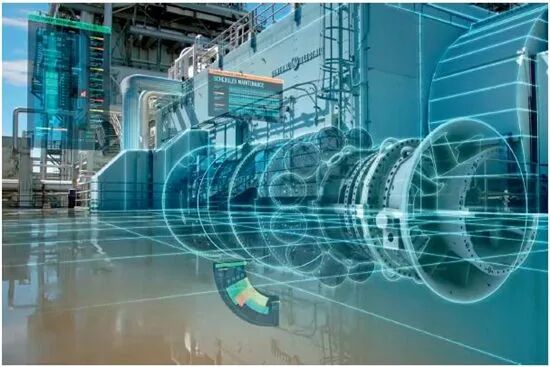
Timeline of Made in China 2025:
-
In December 2014, the concept of “Made in China 2025” was first proposed;
-
On March 5, 2015, Li Keqiang first proposed the grand plan of “Made in China 2025” in the Government Work Report;
-
On March 25, 2015, Li Keqiang convened a State Council executive meeting to deploy the acceleration of the implementation of “Made in China 2025” and reviewed and approved the Made in China 2025 document;
-
On May 19, 2015, the State Council officially issued the Made in China 2025 document.
The technologies and innovations brought by the Industrial Internet will be widely applied in economic activities exceeding $32 trillion. Moreover, with global economic growth, its application will continue to expand. By 2025, the application field of the Industrial Internet will reach $82 trillion in output scale, or account for half of the global economy!

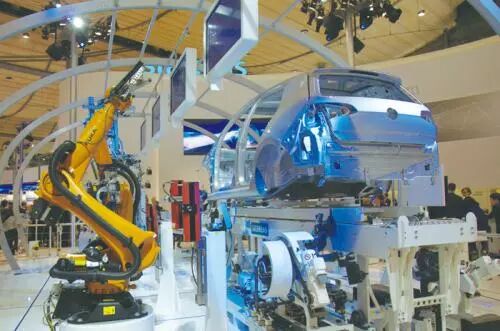
For China to transform from a “big country” to a “strong country,” the Industrial Internet is an indispensable part. According to Baidu Baike’s analysis, the so-called “Industrial Internet” is the result of the integration of global industrial systems with advanced computing, analytics, sensing technologies, and internet connectivity. It connects intelligent machines and ultimately connects humans and machines, combining software and big data analytics to reconstruct global industry, stimulate productivity, and make the world better, faster, safer, cleaner, and more economical.
If investors who have been immersed in the A-share market for a long time are not unfamiliar with the concepts of “Made in China 2025” and “Internet + Industry,” then why has the “Industrial Internet” sector suddenly exploded in recent days? 
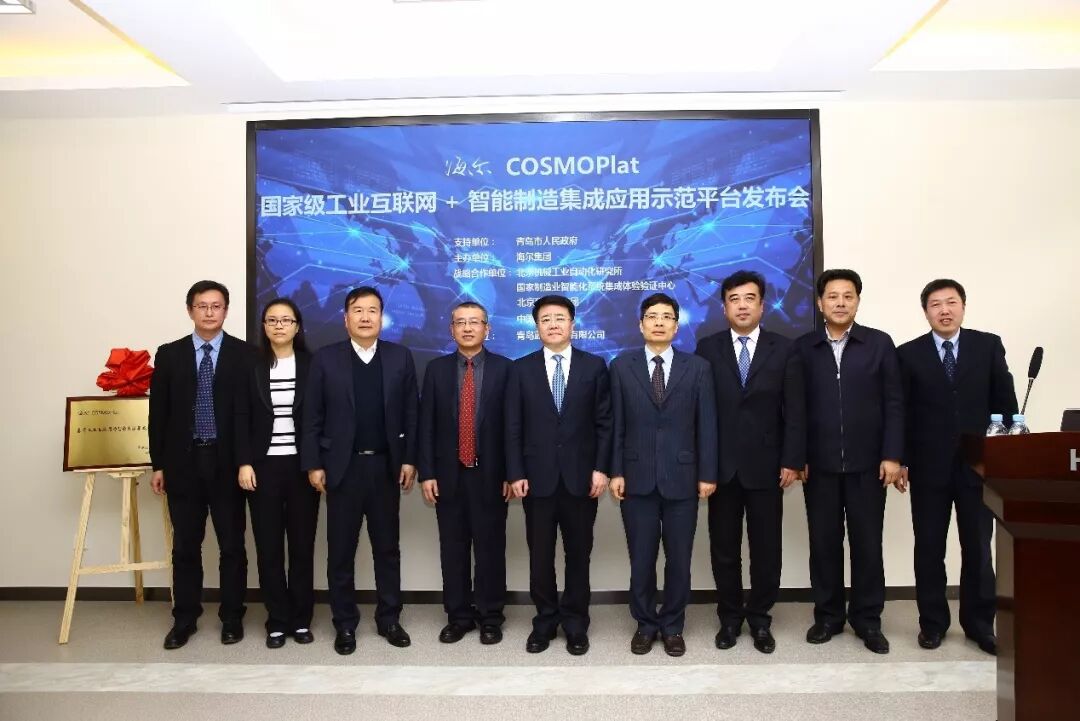
First, the level is high enough! In terms of information, the Ministry of Industry and Information Technology issued a relevant notice stating that this is to implement the “Guiding Opinions of the State Council on Deepening the Development of the Industrial Internet with the Internet + Advanced Manufacturing” (hereinafter referred to as the “Guiding Opinions”), and decided to establish a special working group for the Industrial Internet under the National Manufacturing Power Construction Leadership Group (hereinafter referred to as the special working group). On February 27, 2018, the “Haier COSMOPlat National Industrial Internet + Intelligent Manufacturing Integrated Application Demonstration Platform Launch Conference” was held in Qingdao, attended by leaders from the National Development and Reform Commission, the Ministry of Industry and Information Technology, and the National Certification and Accreditation Administration. At the conference, it was officially announced that Haier COSMOPlat was approved as the “National Industrial Internet Demonstration Platform based on Industrial Internet and Intelligent Manufacturing Integrated Applications,” becoming the first national-level industrial internet demonstration platform in the country. In 2017, the COSMOPlat platform achieved a transaction volume of 313.3 billion yuan, with a custom order volume reaching 41.16 million units, making it the largest mass customization solution platform in the world.
Secondly, the topic is new enough. Although the Industrial Internet is essentially similar to “Made in China 2025” and “Internet + Industry,” the names are different, and it coincides with a critical moment, naturally good winds will help me rise to the sky.
Thirdly, big names are coming! Recall that before 360 went public in the A-share market, the 360 concept stocks were heatedly discussed, but this time it is the industry giant Foxconn that is planning to IPO in the A-share market, and it is a “special approval”:
On February 1, Foxconn submitted its prospectus;
On February 9, both the prospectus and feedback were submitted;
On February 11, the prospectus was submitted again;
On February 22, the prospectus entered the “pre-disclosure update” status, which was only two weeks after its pre-disclosure.
The speed is extraordinary. This IPO is officially named Foxconn Industrial Internet Co., Ltd. (hereinafter referred to as “Foxconn”), and it is natural that it can trigger topic speculation.

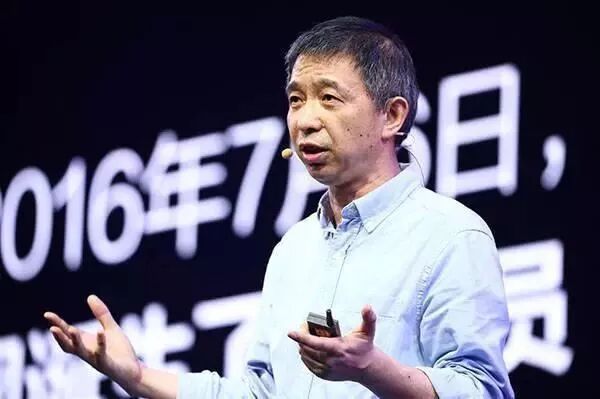
Moreover, the industry’s big names are reacting. Tencent Cloud and Root Interconnect jointly launched “Root Cloud,” while Alibaba Cloud and XCMG jointly built “XCMG Industrial Cloud.” Dr. Wang Jian, Chief Technology Officer of Alibaba Group, even called out at the Titanium Media Annual Conference, “Manufacturing without the Internet has no future, and the Internet without manufacturing has no future either.” At this moment of revolution, traditional telecom operators, Baidu Cloud, Huawei, Kingsoft Cloud, and others will not want to miss this opportunity.
Finally, regarding topic speculation, what kind of topics can be speculated and which cannot? To think from the perspective of guiding the trend of value investment, should some garbage topics purely for speculation be curbed? But for topics that lead the direction of future development, should they be encouraged? Once this layer is understood, it is not difficult to understand why the speculation of blockchain electronic currencies has been suppressed and why the speculation of the Belt and Road Initiative has been continuously supported by policies. Individual stocks may be possible, but if a topic wants to go far, relying solely on speculative funds is not enough. If the upper levels do not provide support, large funds are unlikely to take risks.
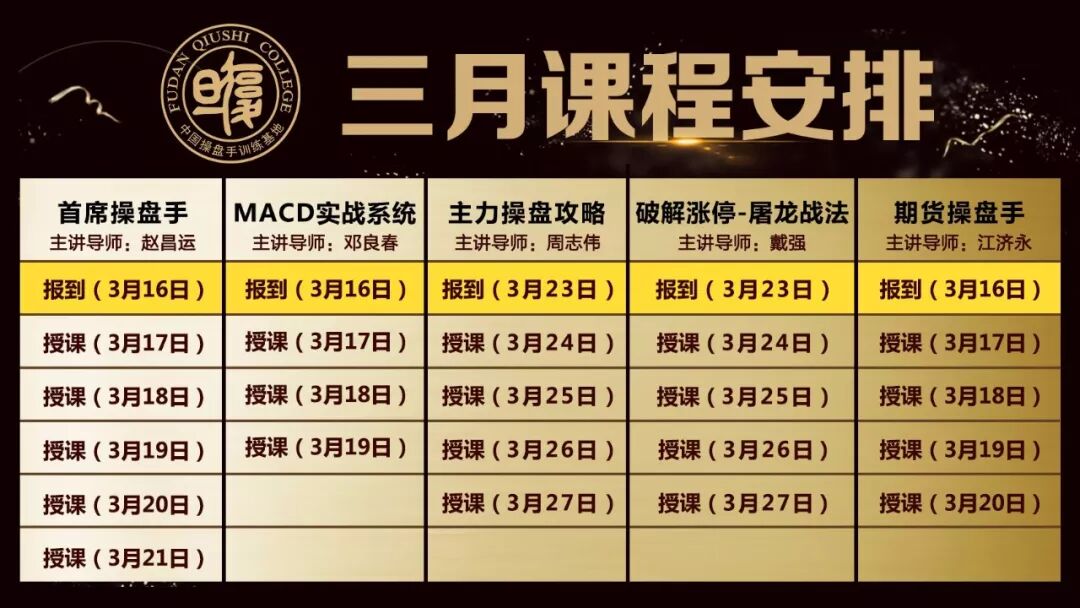
Below are some representative companies in the “Industrial Internet” concept. We have shared the remaining 20+ companies in the sector in the “Inventory” study group. Friends who need it can add WeChat ID fudanqiushi888 to join the group for sharing. The analysis of the topic is to help everyone better grasp investment opportunities. Let’s work hard together!
(Appendix: Some listed companies in the Industrial Internet sector)
Eastcom Technology:Undoubtedly the leader, it is the leader in China’s industrial internet technology. The company has completed the project review and specification determination for industrial servers, which are key products in the industrial internet strategy. It has entered the industrial big data sector through a private placement acquisition of Taiming Technology, improving the industrial internet industry chain.
Cambridge Technology:Offers industrial IoT products and solutions, with a new stock concept overlay.
Jiaxun Feihong:Series of products and solutions based on industrial IoT, with a cloud platform at its core.
Qiming Information:Officially launched the “Qiming Star Cloud” automotive industrial internet platform at the 2018 Industrial Internet Summit, the first automotive industrial internet platform in the country.
Baoxin Software:A leading provider of industrial software industry application solutions and services in China.
Yonyou Network:A leading provider of enterprise management software, enterprise mobile applications, and enterprise cloud services in the Asia-Pacific region.



Let’s aim for more limit-up stocks this year
GOOD LUCKY 2018