In the previous article《Targeted Protein Degradation (TPD) Technology Leaders’ Target Layout》, we briefly introducedthe four major players in PROTAC (Arvinas,Kymera,C4, andNurix) and the molecular glue fieldMonte Rosa’s research pipeline.Among these five companies,Nurix is the only one with a clear pipeline listing Degrader Antibody Conjugate (DAC).If you are interested in ADCs,you might want to learn more.
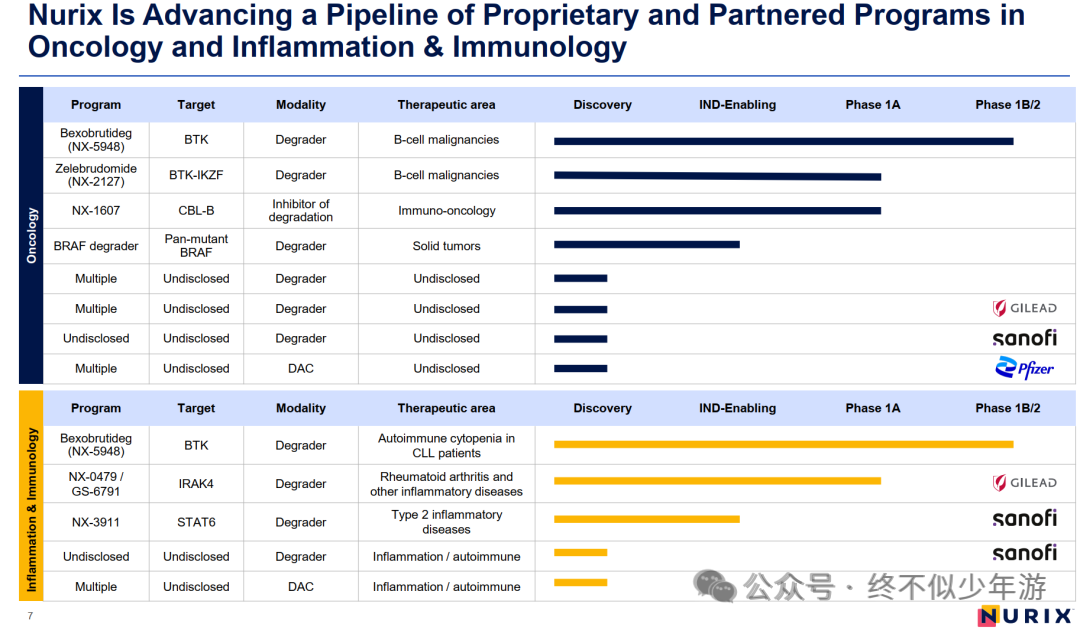 DAC combines the catalytic activity of TPD with the tissue specificity of antibodies, representing a new direction in the development of next-generation ADC technology; at the same time, this newmodality unlocks new targets, increases selectivity, and provides possibilities for a broader range of therapeutic indications.
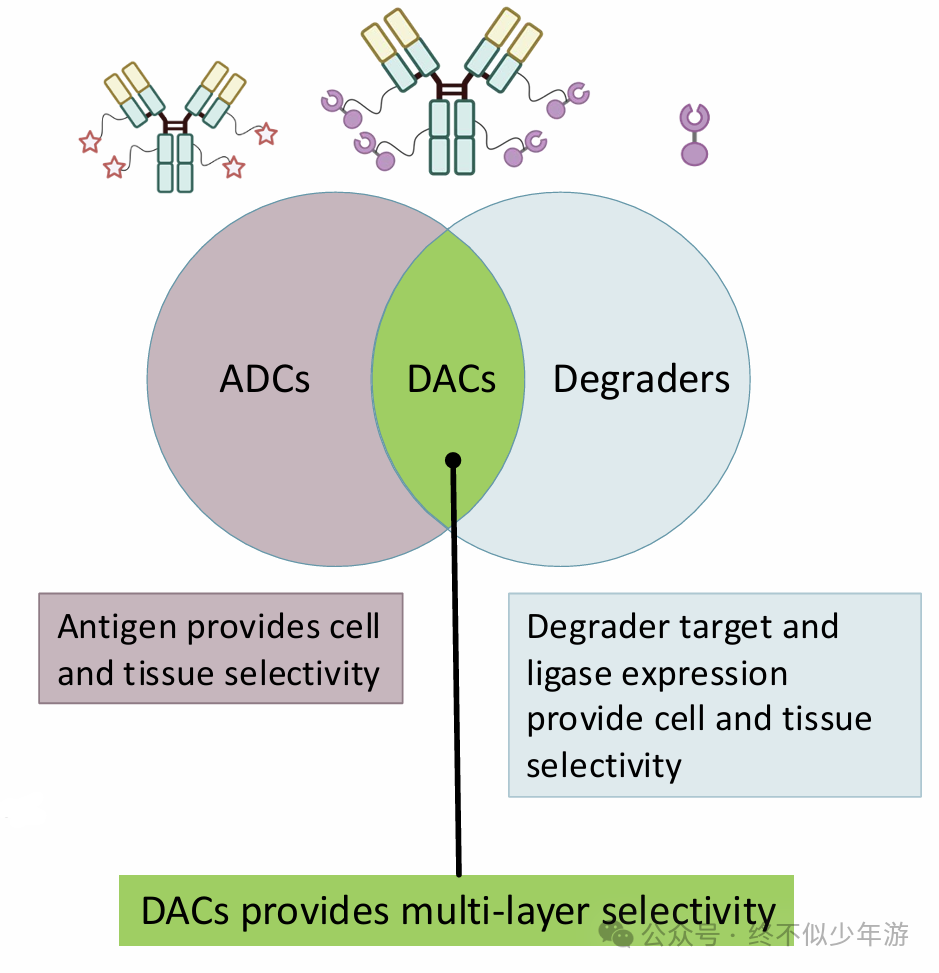
As for degraders, they have some advantages over ADC toxins, such as: 1)the catalytic, event-driven pharmacological characteristics of a degrader, where one degrader can degrade multiple protein molecules, resulting in higher activity. 2)Optimizing the formation of ternary complexes and efficient ubiquitination of target proteins can enable degraders to achieve higher selectivity.Lower drug exposure is required, avoiding off-target pharmacological effects driven by occupancy; 3)To restore the function of the target protein, protein resynthesis is needed (rather than drug clearance). 4)Unlike inhibitors, degraders can simultaneously act on both the enzymatic and non-enzymatic functions of proteins, including those previously considered undruggable targets; 5)The differential expression and activity levels of E3 ligases are expected to provide another layer of cellular and tissue selectivity.
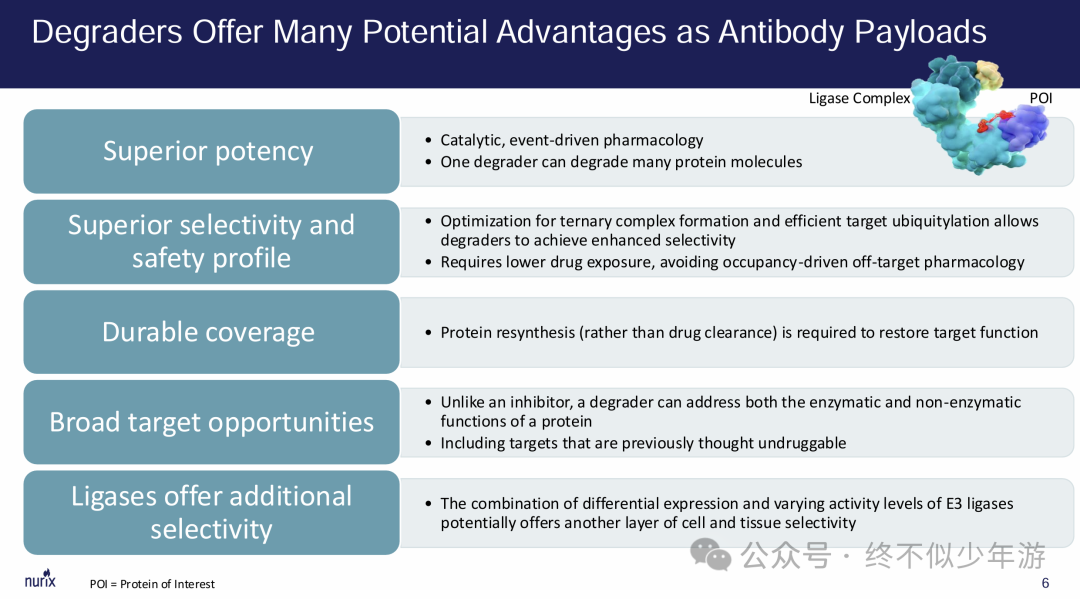
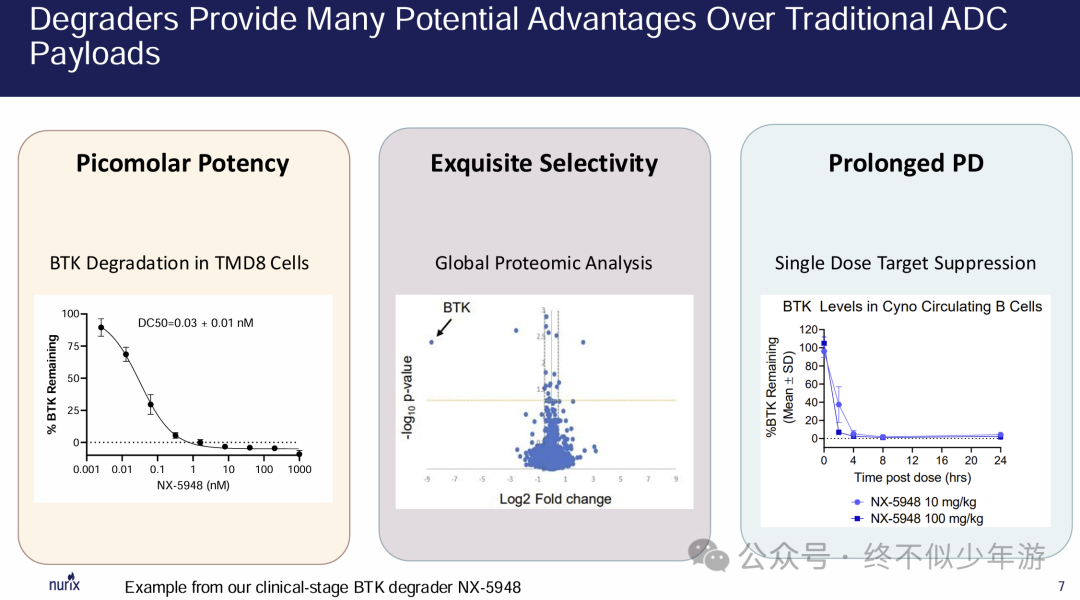
On July 22,Nurix updated multipleBay Area Biotech Day presentation materials; one of which is titled《Leveraging DACs and Novel Ligases to Achieve Superior Delivery Efficacy and Selectivity》.
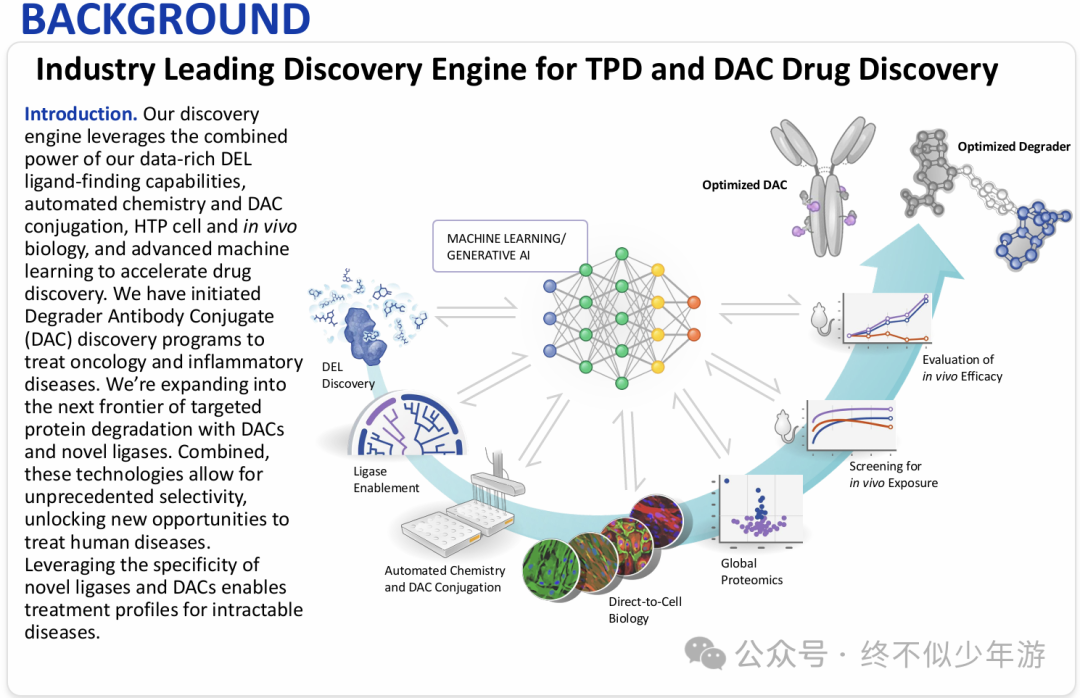
 Nurix’s technology platform integrates data-rich DEL (DNA-encoded libraries) ligand discovery capabilities, automated chemistry and DAC coupling technology, HTP cellular and in vivo biological research, as well as advanced machine learning techniques to accelerate drug development processes. This presentation focuses on DAC design and the development of novel ligases.
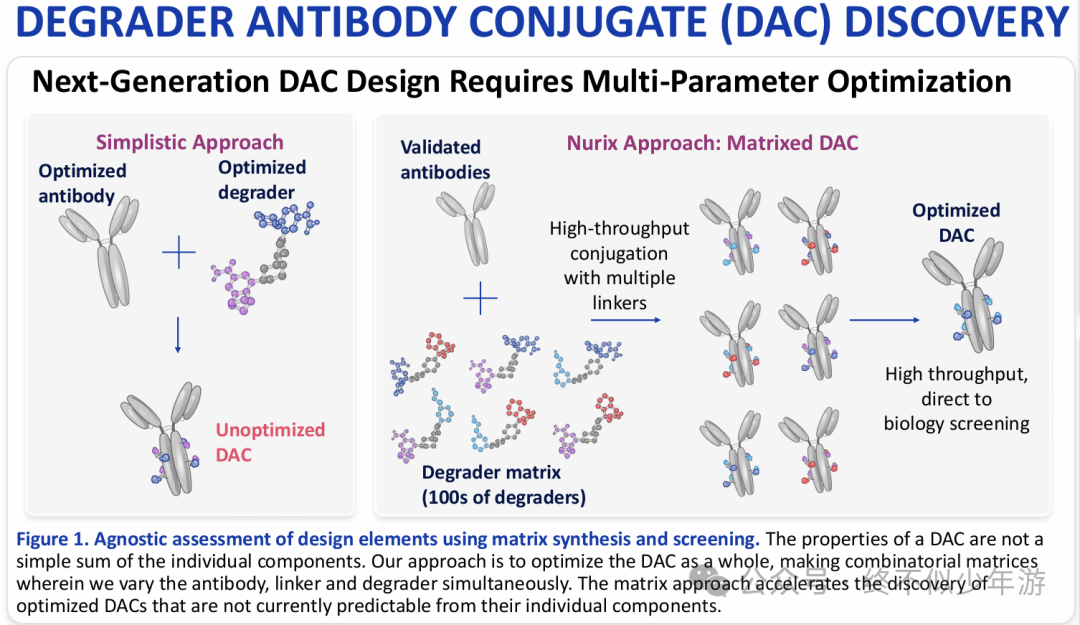
 Nurix believesthat DAC is not a simple combination of components, and the next generation of DAC should undergo overall optimization by constructing a combination matrix while altering the antibody, linker, and degrader. This matrix approach accelerates the discovery of optimized DACs, and the characteristics of such DACs cannot be predicted by their individual components.
 Here are two examples of degraders (Degrader 1 and Degrader 2) with similar cellular activity and in vitro properties.The aggregation tendency of DAC cannot be predicted solely from the properties of the degrader, even though Degrader 2 DAC and Degrader 1 DAC are nearly identical in property characteristics, the former has significantly lower aggregation tendency, thus to achieve DAC optimization, empirical screening must be conducted; for example,the combination of Degrader 1x linker 4 (isn’tDegrader 2x linker 1 better?)
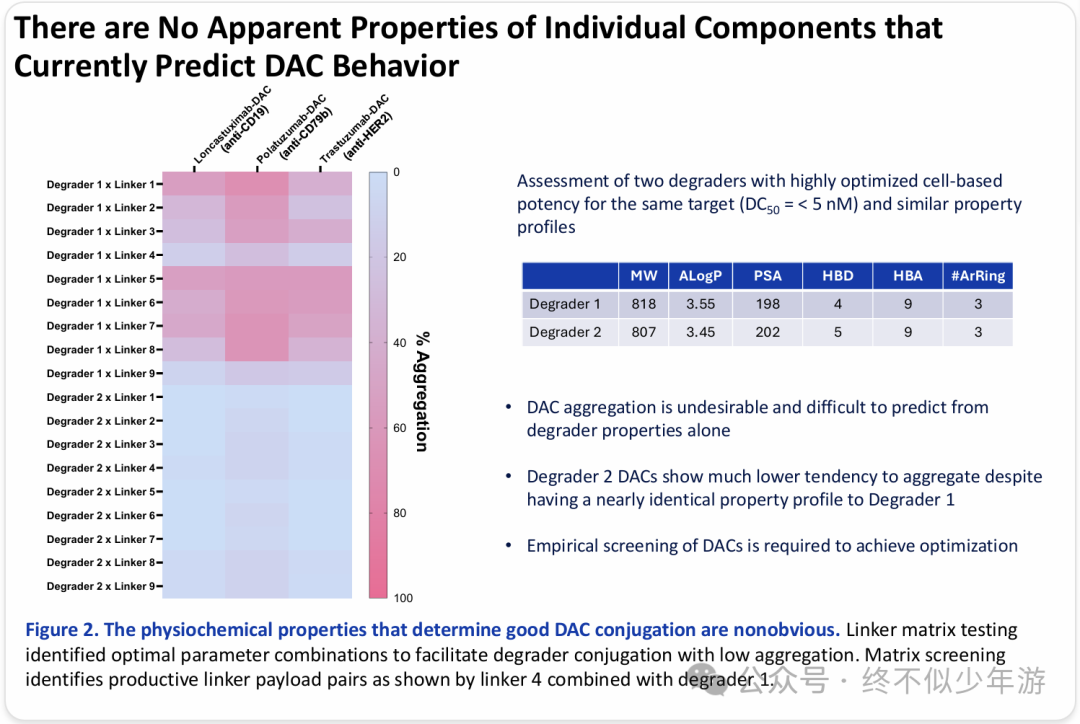 Figure 3. a) Non-conjugated degraders (blue line), two targeted antibodies (loncastuximab and polatuzumab), and one non-targeted antibody (trastuzumab) degradation curves. b) A significant cell growth inhibition was observed with the DAC based onpolatuzumab. c) Cell surface binding experiments showed that CD79b had weak affinity but high expression. d) Endocytosis experiments indicated that the DAC based onpolatuzumabinternalized slowly, butefficacy was higher (what cells were used? Not mentioned). The non-conjugated degrader had the highest activity (blue line).
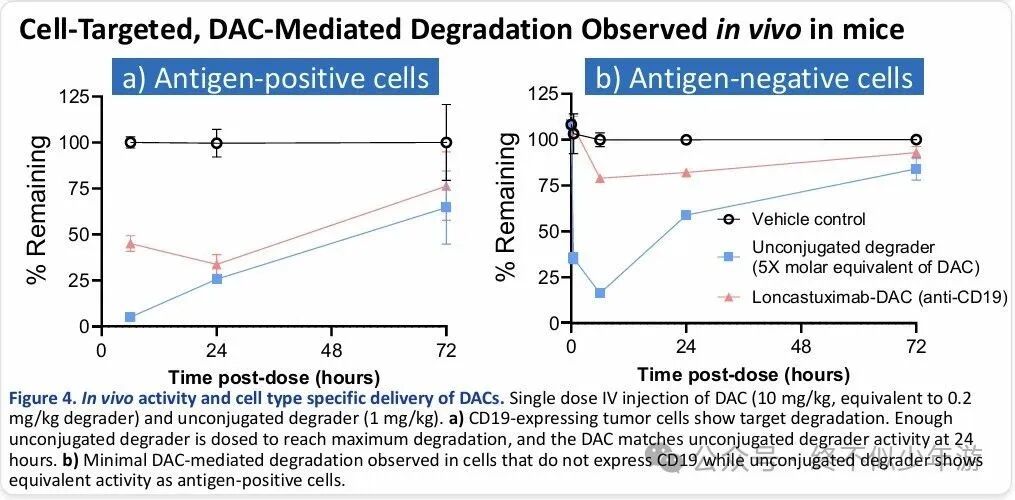
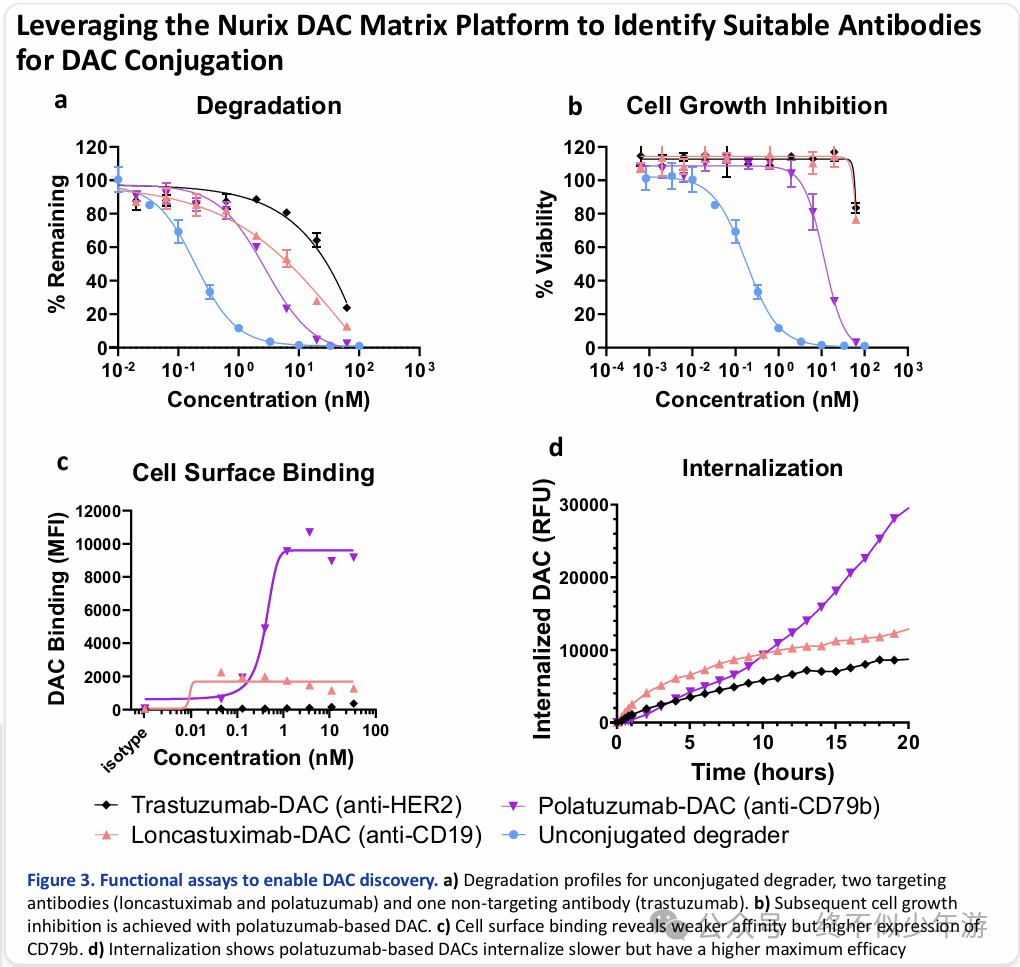 Figure 4. The results of a single intravenous injection of DAC (10 mg/kg, equivalent to 0.2 mg/kg degrader) and non-conjugated degrader (1 mg/kg) are as follows:a) Tumor cells expressing CD19 showed target protein degradation. The non-conjugated degrader dose was sufficient to achieve maximum degradation effect, while the DAC’s activity at 24 hours was comparable to that of the non-conjugated degrader.b) In CD19 negative cells, minimal degradation was observed mediated by DAC, while the activity of the non-conjugated degrader was comparable to that in antigen-positive cells.
 The efficacy and safety advantages of DAC can be utilized for treating diseases beyond tumors. b) In primary human immune tissues, the selective binding assessment of antibodies targeting immune cell subtypes was conducted. Cell Type 2 could bind solely through antibodies targeting Antigen 1, or in combination withother cell types, using antibodies targeting Antigens 2-3.
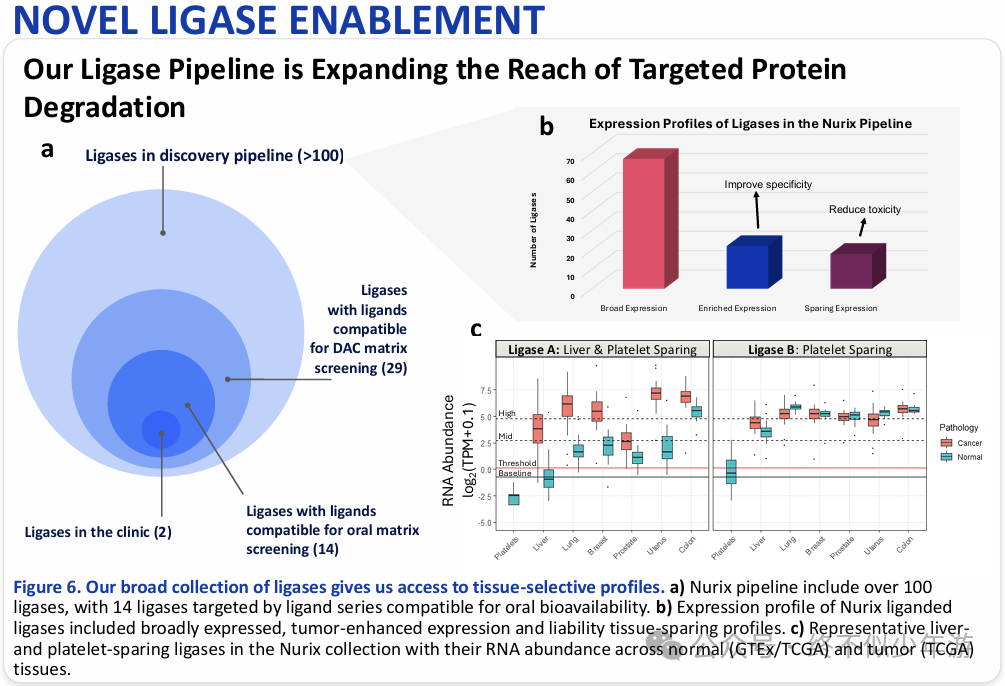
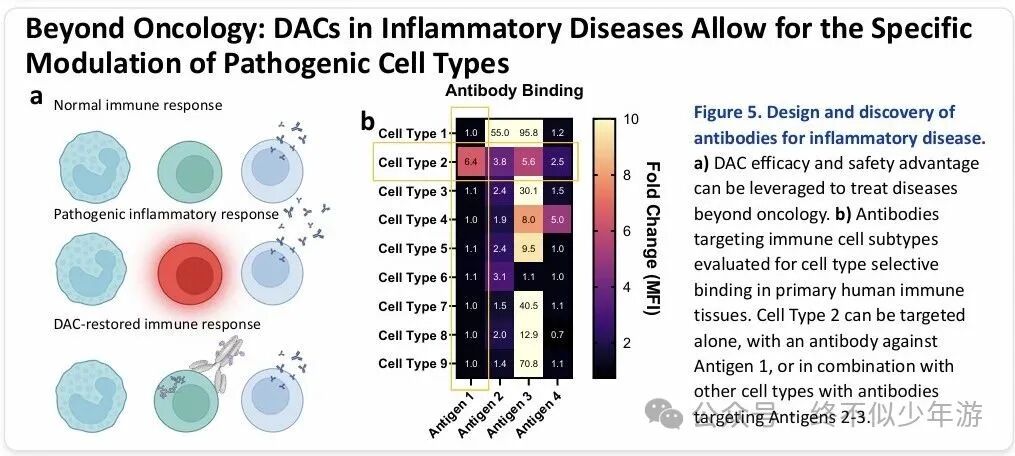 Figure 6. a) Nurix’s R&D pipeline includes over 100 ligases, of which 14 ligases can be targeted by orally bioavailable ligand series. b) Nurix’s ligand-binding ligase characteristics: widely expressed, tumor-enhanced expression (increased specificity), and normal tissueswith no or very low expression (Sparing Expression, reducing toxicity). c) Representative ligases with no or very low expression in liver and platelets from Nurix’s library (Ligase A and B).
 Finally, Figure 7 shows the validation and characterization of Nurix’s novel ligase ligand library. The scatter plot represents the ligand binding affinity determined by TR-FRET (●) and SPR (●), grouped by ligase family. The box below shows representative dose-response curves of high-affinity binders in TR-FRET displacement experiments. That’s all.