
Mingke Activation: Witness the extraordinary, as China’s tenecteplase opens a new era in reperfusion therapy, leading Chinese research to the world stage.
Over the past two decades, clinical research on ischemic cerebrovascular diseases in China has achieved a leap from non-existence to leadership.OnJune14, the research results of Professor Wang Yongjun’s team from Beijing Tiantan Hospital, “Innovative Drugs and Methods for Reperfusion Therapy of Ischemic Cerebrovascular Disease,” were selected as one of theTop Ten Advances in Life Sciences in China for 2024. This research has achieved a breakthrough in thrombolytic therapy in China, taking a solid step towards addressing the challenges of thrombolytic treatment in response to the health needs of the people.
Among them, the “TRACE Series Research” led by Professor Wang Yongjun has shone in international top journals, bringing significant breakthroughs in reperfusion therapy for acute ischemic stroke. The independent research and successful application of the core drug tenecteplase further demonstrate China’s self-reliance and strength in achieving key core technologies in biopharmaceuticals. The “Chinese solution” has gained widespread international recognition, reflecting China’s increasingly prominent leadership in the global stroke research field, especially in influencing evidence-based practices and guideline development (BMJ evaluation).
On this occasion, Yiliao Tong is launching the “Mingke: China’s First Tenecteplase Reperfusion Therapy Innovation Path” series column, marking this journey that rewrites the landscape of stroke treatment. This issue is the3rd installment, with the theme—Overview of the TRACE Series Research, China’s tenecteplase opens a new era in reperfusion therapy.
New Starting Point: From TRACE Research, Initiating the Era of Tenecteplase Thrombolysis in China
In the past two decades, the field of stroke treatment in China has achieved a qualitative leap, evolving from initially participating in international research to conducting independent innovative studies. Clinical research led by Chinese scholars has continuously achieved innovative breakthroughs, with numerous research results widely recognized by international scholars, making the world aware of China’s leading role in stroke clinical research.
In the journey from “catching up” to “leading,” the TRACE series research initiated by Professor Wang Yongjun from Beijing Tiantan Hospital is highly representative. The TRACE series research began in 2018 in China, primarily aimed at exploring the safety and efficacy of China’s independently developed third-generation thrombolytic drug—tenecteplase (rhTNK-tPA) in Chinese patients with ischemic stroke. The TRACE series research has evolved from initial dose-exploratory studies, continuously addressing unmet clinical treatment needs, enriching the research landscape. As of July 2025, six studies have been conducted, among which TRACE, TRACE-2, and TRACE-3 have been successfully completed with remarkable results, while TRACE-4, TRACE-5, and TRACE-BEYOND are ongoing, with results expected in the coming years (Figure 1). The development of the TRACE series research not only places related studies in the Chinese population ahead of the world but also brings a Chinese solution to stroke reperfusion therapy. This marks the beginning of the golden era of reperfusion therapy with China’s first tenecteplase.
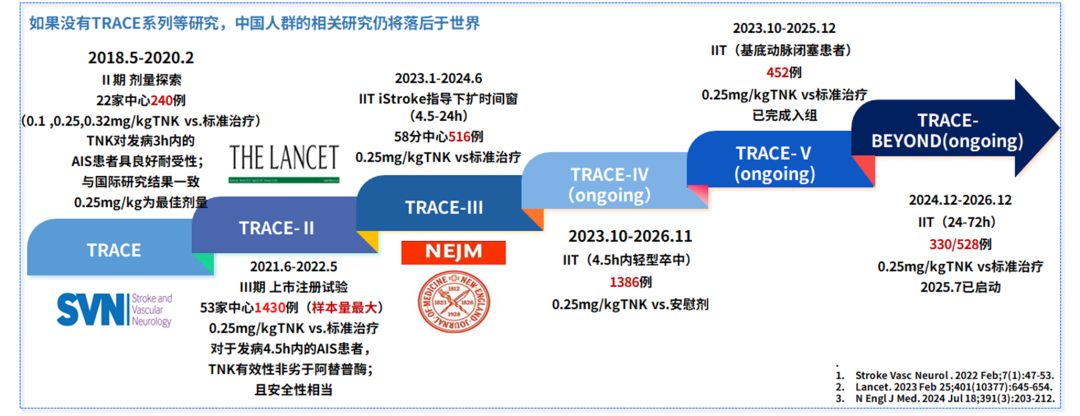 Figure 1. Overview of the TRACE Series Research
Throughout the TRACE series research, the TRACE study1 serves as the starting point for exploring the clinical application of tenecteplase in China. This study commenced in May 2018 and was completed in February 2020. It is a phase II, multicenter, randomized, open-label, blinded-endpoint (PROBE) study aimed at exploring the safe and effective dosage of tenecteplase for treating acute ischemic stroke (AIS) in the ultra-acute phase. The results were published in Stroke & Vascular Neurology in 2022. The study results indicated that 0.25 mg/kg of tenecteplase is well tolerated in AIS patients, consistent with international research findings, and that 0.25 mg/kg is the optimal dosage for tenecteplase thrombolysis. The TRACE study laid a solid foundation for exploring the thrombolytic treatment pathway of tenecteplase in China, establishing the dosage standard for tenecteplase thrombolysis (0.25 mg/kg) and providing a basis for drug dosage selection in subsequent TRACE-2 studies.2.
Reaching New Heights: From TRACE-2 to TRACE-3, Chinese Data Resonates on the World Stage
➤ TRACE-2 Study Makes a Significant Impact, Driving Updates to Domestic and International Stroke Guidelines
Following the TRACE study, the TRACE-2 study was launched in 2021. This study3 is a multicenter, prospective, open-label, blinded, non-inferiority designed phase III randomized controlled trial assessing the efficacy and safety of tenecteplase (0.25 mg/kg) versus alteplase (0.9 mg/kg) in 1430 AIS patients who met intravenous thrombolysis criteria but were not suitable for endovascular treatment within 4.5 hours of onset. The results indicated that tenecteplase thrombolysis treatment in China is non-inferior to alteplase.
TRACE-2 study results were published in 2023 in Lancet, marking the first registration clinical trial of a cerebrovascular drug with independent intellectual property rights from China to appear in a top international medical journal2, and the results of the study have milestone significance for the development of global stroke thrombolysis treatment. As the first large-scale phase III clinical trial providing data on the use of tenecteplase for thrombolysis treatment in AIS patients within 4.5 hours, it fills the gap in safety studies of tenecteplase in Asian patients, providing critical timely evidence for the clinical application of tenecteplase in AIS patients within 4.5 hours globally, and driving updates to relevant guidelines in the UK (“UK and Ireland Stroke Clinical Guidelines 2023”). Additionally, the TRACE-2 study also provided the only key evidence for the recommendation of tenecteplase application in the “Chinese Guidelines for the Diagnosis and Treatment of Acute Ischemic Stroke 2023”. Furthermore, the study design of TRACE-2 is noteworthy, as its non-inferiority margin achieved a historic leap from 10% to 3.7%, establishing statistical standards for phase III registration clinical research in global AIS. Overall, in the context of a global shortage of intravenous thrombolytic drugs and cost challenges, the TRACE-2 study provides high-quality evidence supporting tenecteplase as an alternative for intravenous thrombolysis, and the convenient operability and lower cost of tenecteplase will help improve the execution rate of intravenous thrombolysis.
Moreover, the exploration of TRACE-2 study data is far from over. Recently, two subgroup analysis results published in Stroke & Vascular Neurology provide more evidence for the clinical application of tenecteplase in China. Among them, a subgroup analysis exploring the relationship between the time of intravenous tenecteplase administration and clinical outcomes in AIS patients5 further confirms that there is no significant difference in efficacy and safety between tenecteplase and alteplase under different onset-to-treatment time (OTT) stratifications for AIS patients within 4.5 hours. Another subgroup analysis of elderly patients6 further supports the use of 0.25 mg/kg tenecteplase as an alternative to alteplase for elderly patients (≥80 years), expanding the beneficiary population of tenecteplase.
➤ TRACE-3 Study Tops the Journal Again, First to Extend the Intravenous Thrombolysis Time Window to 24 Hours
TRACE-3 study7 is another influential study in the TRACE series. This multicenter, prospective, open-label, blinded-endpoint, randomized controlled phase III clinical trial was conducted in 2023 across 58 centers in China, aiming to evaluate the efficacy and safety of tenecteplase (0.25 mg/kg, maximum 25 mg) in patients with anterior circulation large vessel occlusion ischemic stroke within 4.5 to 24 hours of onset. The study results indicate that intravenous thrombolysis with tenecteplase within 24 hours is safe and effective for patients with anterior circulation large vessel occlusion ischemic stroke who cannot undergo endovascular treatment, and does not significantly increase the rate of symptomatic intracranial hemorrhage at 36 hours or the mortality rate at 90 days.
TRACE-3 study results will be officially published in 2024 in N Engl J Med, and international scholars have highly praised the study: The results of the TRACE-3 study represent an exciting advancement in acute stroke treatment, with profound implications for global medical practice. TRACE-3 is the first study worldwide to extend the intravenous thrombolysis time window to 24 hours, and the results not only provide a new reperfusion treatment option for grassroots hospitals in China under conditions without endovascular treatment but also directly promote the extension of the thrombolysis time window to 24 hours in the “Chinese Guidelines for Clinical Management of Cerebrovascular Diseases (2nd Edition),” marking China’s international leadership in precise intravenous thrombolysis for stroke.8. Professor Wang Yongjun also mentioned the significance of the TRACE-3 study in his speech at the International Stroke Conference (ISC 2025): The TRACE-3 study allows us to leverage AI and advanced imaging technology to extend the thrombolysis treatment window from the “traditional 4.5 hours” to as long as 24 hours, ushering us into an era of “personalized time windows.”
Exploration Continues: From TRACE-4 to TRACE-BEYOND, Addressing More Unmet Needs
TRACE-2 and TRACE-3 studies have provided important evidence for the clinical application of tenecteplase in China, rewriting the landscape of stroke thrombolysis treatment, but many clinical unmet needs remain to be addressed. One of the ongoing explorations of the TRACE series research is how to enable more stroke patients to benefit from thrombolytic therapy.
➤ TRACE-4 Study, Exploring Thrombolytic Benefits in Mild Stroke
Mild strokes account for 50% of ischemic strokes, and patients with disabling conditions face the global challenge of “uncertain thrombolytic benefits.” The TRACE-4 study is a randomized, double-blind, double-dummy controlled trial designed to evaluate whether tenecteplase (0.25 mg/kg) thrombolysis can provide additional benefits for patients with mild but disabling ischemic strokes. This study was initiated in October 2023 at the leading unit and is expected to officially start enrollment in July 2025, concluding in November 2026. The publication of its results may provide high-quality evidence and new treatment options for thrombolytic therapy in patients with mild disabling ischemic strokes.
➤ TRACE-5 and TRACE-BEYOND Studies, Further Exploration of Late Time Window Intravenous Thrombolysis
Late time window intravenous thrombolysis treatment is also a widely focused research direction in the international stroke field. In the TRACE series, TRACE-5 and TRACE-BEYOND studies have conducted broader explorations of late time window intravenous thrombolysis. Among them, the TRACE-5 study aims to explore the neurological functional improvement of patients with basilar artery occlusion using tenecteplase thrombolysis within 24 hours of onset. This study may provide new evidence for the thrombolytic diagnosis and treatment of basilar artery occlusion globally. The TRACE-BEYOND study is the world’s first multicenter, prospective, randomized, open-label, parallel-controlled, blinded-endpoint clinical trial exploring the extension of the thrombolysis treatment window for tenecteplase to 72 hours, which aims to explore the feasibility of ultra-long thrombolysis treatment windows, potentially breaking through the thrombolysis treatment time window and allowing more stroke patients to benefit.
Conclusion
Today, China’s stroke clinical research has transitioned from “catching up” to “leading,” with Chinese scholars bringing more and more research to the international stage, allowing the world to witness China’s scientific research strength. The TRACE series research is a representative study of China’s leadership in advancing stroke treatment globally, employing China’s independently developed third-generation thrombolytic drug and providing critical clinical evidence for thrombolytic treatment in the Chinese population. Without studies like the TRACE series, research related to the Chinese population would still lag behind the world. The achievements of the TRACE series have repeatedly appeared in top international medical journals, receiving high attention and recognition from international scholars, and directly promoting updates to authoritative stroke guidelines both domestically and internationally, rewriting the landscape of stroke thrombolysis treatment and providing a Chinese thrombolytic treatment solution for stroke patients worldwide.
The success of the TRACE series research marks a new height in China’s independent innovation capability and drug evaluation level in the field of stroke thrombolysis, but the exploration by Chinese scholars has never stopped. The research landscape of tenecteplase in China continues to develop, and currently, the registration of phase III clinical research for tenecteplase intravenous thrombolysis in the extended time window (4.5-24 hours) has been approved by the National Medical Products Administration (NMPA). We look forward to the early results of these ongoing studies, which will address unmet clinical needs in thrombolytic therapy and allow more patients to benefit from thrombolytic treatment.
Previous Recommendations

Self-reliance and perseverance, challenging the “bottleneck” of key technologies: The independent research and development path of China’s tenecteplase

Mingqi Dongfang: From Catching Up to Leading, The National Innovation Path of China’s Tenecteplase
References
-
Li S, Pan Y, Wang Z, et al. Safety and efficacy of tenecteplase versus alteplase in patients with acute ischaemic stroke (TRACE): a multicentre, randomised, open label, blinded-endpoint (PROBE) controlled phase II study. Stroke Vasc Neurol. 2022 Feb;7(1):47-53.
-
Wang Y, Li S, Pan Y, et al. Tenecteplase versus alteplase in acute ischaemic cerebrovascular events (TRACE-2): a phase 3, multicentre, open-label, randomised controlled, non-inferiority trial. Lancet 2023;401:645-654.
-
Wang Y, Li S, Pan Y, et al. Tenecteplase versus alteplase for acute ischaemic stroke in the elderly patients: a post hoc analysis of the TRACE-2 trial. Stroke Vasc Neurol. 2025 Feb 25;10(1):112-119.
-
Xiong Y, Campbell BCV, Schwamm LH, et al. Tenecteplase for Ischemic Stroke at 4.5 to 24 Hours without Thrombectomy. N Engl J Med. 2024 Jul 18;391(3):203-212.
-
Tan Z, Xu A. The Power of Changing Guidelines—Major Clinical Research on Ischemic Cerebrovascular Disease in China over the Past 20 Years. Stroke Vasc Neurol. 2025, 20(05):529-548.
Disclaimer: This platform aims to deliver more medical information to healthcare professionals. The content published on this platform should not be construed as a substitute for professional medical guidance and should not be considered as diagnostic or treatment advice. If such information is used for purposes beyond understanding medical information, this platform assumes no related responsibility. The platform does not endorse the descriptions and viewpoints of the published content. If there are copyright issues, please contact us, and we will address them promptly.