
In the current era of rapid development in medical technology, surgical robots, as the vanguard of precision medicine, are profoundly reshaping the landscape of modern surgery. China’s Pharmaceutical Valley, as an important hub for innovation in the biopharmaceutical industry, has gathered numerous cutting-edge medical technology companies, particularly achieving remarkable results in the field of surgical robotics. Recently, three representative surgical robot companies in the park—HuaKe Precision, ShuRui, and ZhuZheng—have made new breakthroughs in the fields of neurosurgery, urology, and orthopedics, providing patients with more precise, safe, and minimally invasive treatment options.
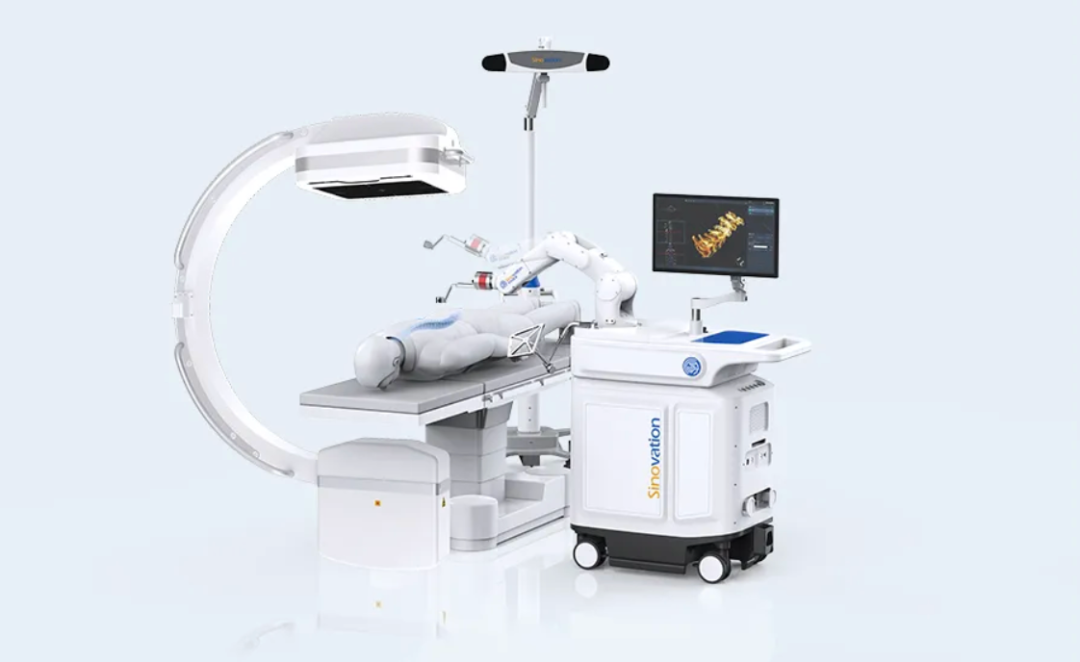
Expanding New Frontiers in Neurosurgery
HuaKe Precision has been deeply engaged in the field of neurosurgery for over twenty years. With a solid technical foundation and innovative spirit, it has successfully launched the X1000 integrated surgical robot for cranial and spinal procedures. This device integrates three core functions: “neurosurgery robot positioning,” “neurosurgery navigation,” and “spinal surgery robot navigation and positioning,” making it a “super assistant” for neurosurgery.
Recently, at Tsinghua Changgung Hospital in Beijing, the X1000 successfully assisted in performing a spinal pedicle screw fixation surgery. During the procedure, the robot demonstrated astonishing precision, with postoperative imaging clearly showing that the screw placement matched the preoperative planned path perfectly, and clinical feedback indicated good implantation accuracy. This achievement not only marks a new stage in the functional complexity and intelligence of domestic neurosurgery robots but also opens new pathways for neurosurgeons in spinal surgery.
In traditional neurosurgery, the patient’s head is fixed, making the operation relatively stable; however, during spinal surgery, changes in the patient’s breathing and position can lead to slight displacements, posing challenges to surgical precision. The X1000, equipped with an automatic positioning robotic arm and fine tactile feedback technology, tracks real-time changes in the patient’s position through visual positioning, allowing the robotic arm to adjust its positioning dynamically, enabling spinal surgeries to achieve the same level of precision and minimally invasive nature as neurosurgeries, greatly enhancing the safety and effectiveness of the procedures. The successful application of the spinal module not only signifies a shift from “single function” to “composite intelligence” in domestic medical devices but also injects new momentum into the innovation of neurosurgery in China, providing safer and more efficient treatment options. With the continuous iteration of software planning algorithms and robotic arm collaboration technology, the comprehensive entry of spinal surgery into the “precision intelligent era” is within reach!
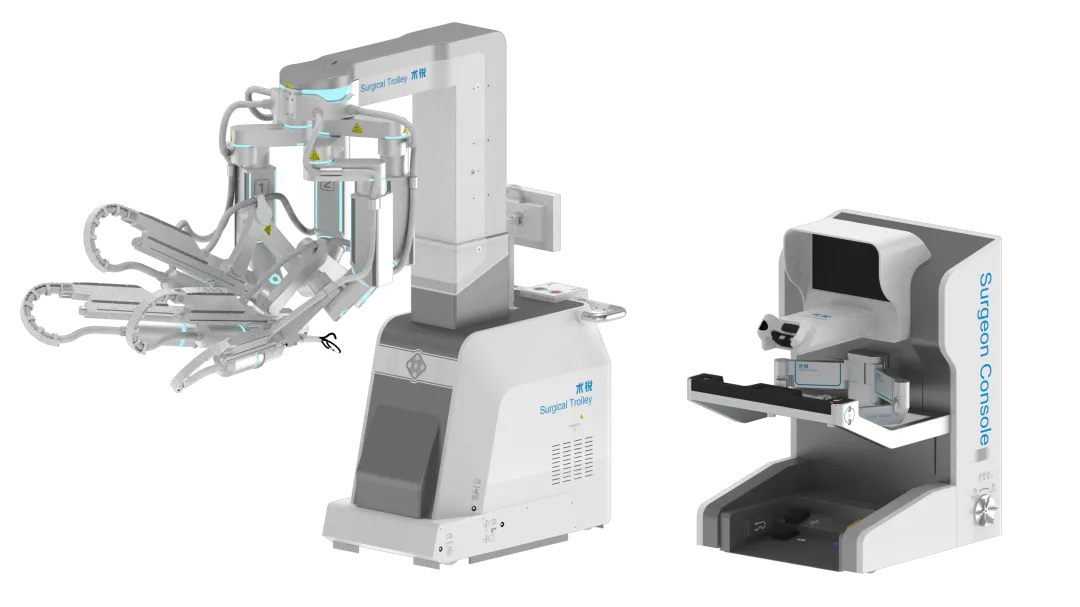
Supporting New Breakthroughs in Minimally Invasive Surgery at Shougang Hospital
On June 11, the Urology Department of Peking University Shougang Hospital, led by Dr. Wang Gang, successfully applied the domestic ShuRui single-port laparoscopic surgical robot to perform radical cystectomy and totally laparoscopic ileal bladder substitution for a 62-year-old bladder cancer patient. This surgery not only marks the hospital’s first breakthrough in this field but also fully demonstrates the unique advantages of single-port surgical robots in handling complex, deep pelvic surgeries, marking a new level in the hospital’s minimally invasive surgical technology.
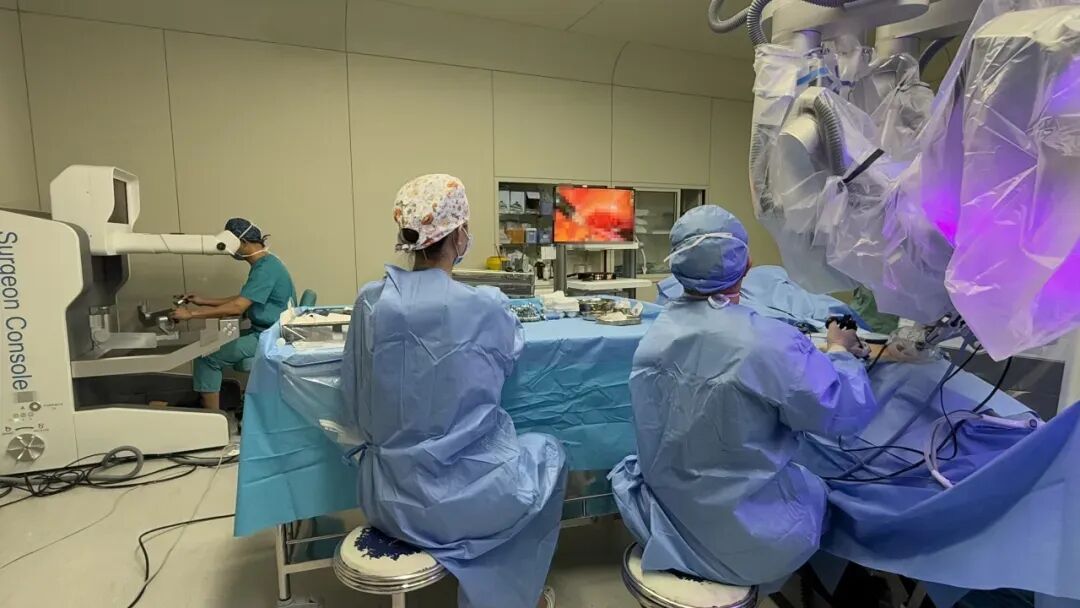
This milestone surgery not only represents a solid and critical step for Peking University Shougang Hospital in embracing cutting-edge technology and promoting the development of precision surgery but also serves as a vivid practice and fruitful result of Beijing’s forward-looking layout of the “Artificial Intelligence + Pharmaceutical Health” innovation development strategy and the regional effort to cultivate a high-end medical device industry ecosystem.
Thanks to this advantageous innovative environment and strong policy support, Peking University Shougang Hospital efficiently completed the introduction, installation, and systematic training of the hospital’s first domestic single-port laparoscopic surgical robot at the beginning of this year. This also marks a breakthrough for the ShuRui robot in the path of “Artificial Intelligence + Precision Surgery” integration and innovation, and it will continue to lead new changes in future surgical diagnosis and treatment models.
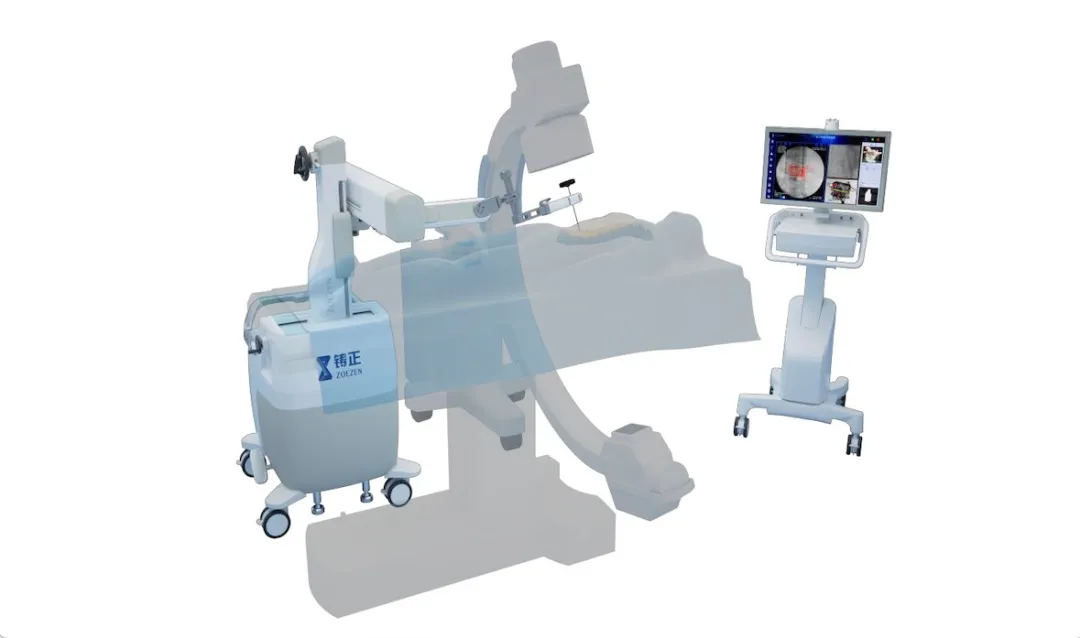
Promoting Intelligent Leap in Orthopedic Surgery
As a representative enterprise of orthopedic surgical robots in China’s Pharmaceutical Valley, ZhuZheng’s orthopedic surgical navigation and positioning system is also shining brightly in the field of precision medicine. At Huainan Xinhua Medical Group’s Joint Department, with the assistance of this system, doctors successfully completed a minimally invasive surgery for femoral neck fracture, achieving “sub-millimeter” precision positioning, accelerating the transition of orthopedic surgery from “experience-dependent” to “precision intelligent”.
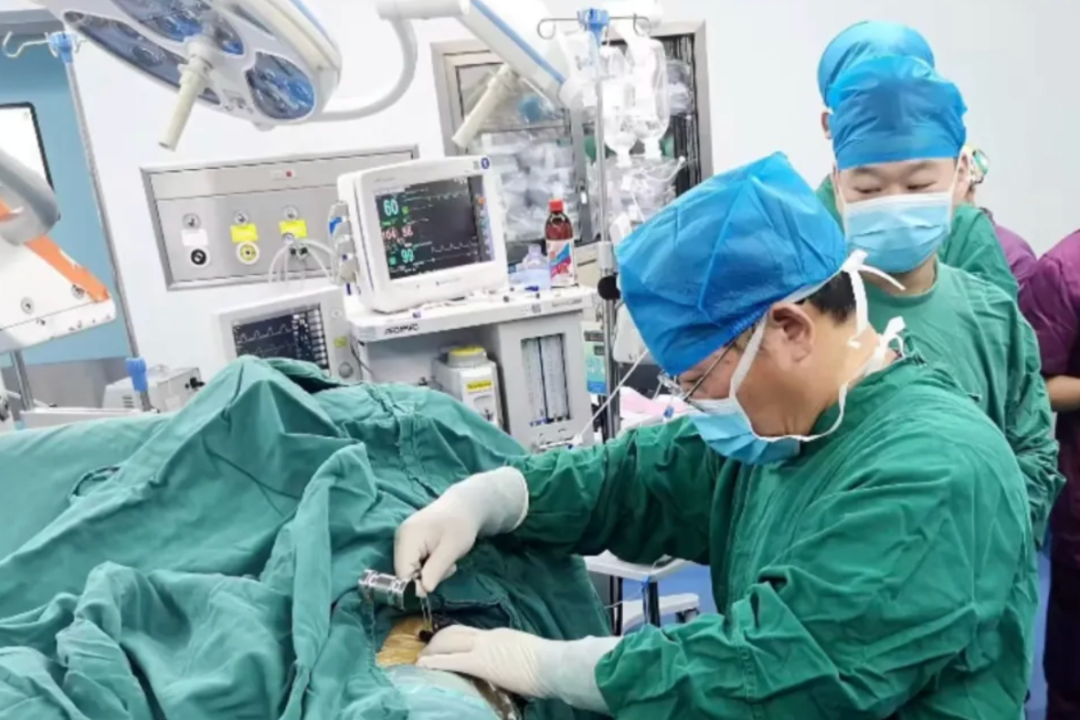
Before the surgery, ZhuZheng’s orthopedic surgical robot assisted in positioning by constructing a three-dimensional model from CT scans, accurately planning the position, angle, and spacing of the screws, with Dr. Huang Wukai precisely formulating the surgical plan. During the surgery, the robotic arm strictly executed the preset plan, acting like a “navigation system” for the surgery, ensuring that the screws were placed like a “three-dimensional support frame,” stabilizing the fractured area from different directions, greatly enhancing operational precision and treatment stability. Compared to traditional methods that rely on tactile feedback and fluoroscopic adjustments, precise modeling and mechanical positioning not only provide a more secure fixation but also reduce secondary damage, while minimizing unnecessary tissue damage and radiation exposure.
Once limited to large hospitals in first-tier cities, orthopedic surgical robots are now being implemented at Xinhua Hospital, marking a substantial step in the downward flow of quality medical resources. This promotion of surgical techniques further enhances ZhuZheng’s clinical service capabilities, injecting new momentum into the intelligent development of orthopedic surgery.
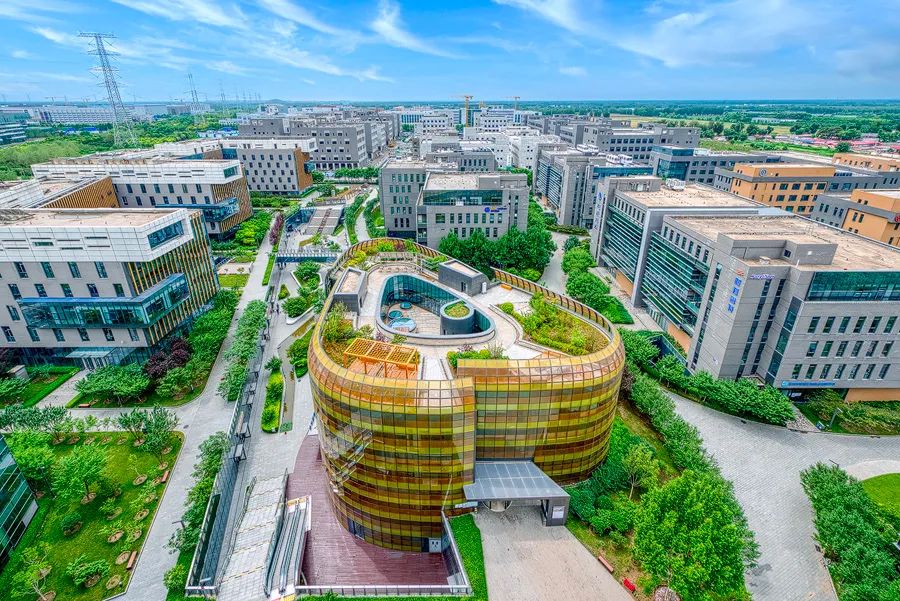
The three surgical robot companies in China’s Pharmaceutical Valley are injecting powerful momentum into precision medicine with their respective innovative breakthroughs. In recent years, China’s Pharmaceutical Valley has been actively exploring new models of interdisciplinary knowledge innovation and knowledge production based on big data and artificial intelligence applications, and the rapid development of the high-end surgical robot industry in the park is not only due to the R&D strength and innovative spirit of the companies themselves but also relies on the complete industrial ecosystem, policy support, and rich clinical resources that connect enterprises. Looking ahead, with the emergence and application of more innovative technologies, China’s Pharmaceutical Valley is expected to continue leading in the field of surgical robotics, contributing more “Chinese wisdom” and “Pharmaceutical Valley solutions” to the development of global healthcare, allowing precision medical surgical robots to benefit more patients.
 (Some information sourced from: HuaKe Precision, ShuRui, ZhuZheng)