
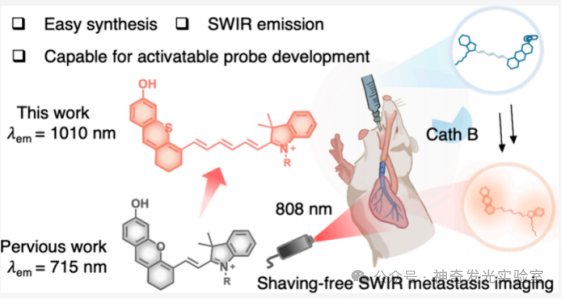
Optical imaging plays an indispensable role in biomedical research due to its excellent spatiotemporal resolution and non-invasive nature in molecular detection and imaging. In particular, fluorescence imaging in the shortwave infrared (NIR, 650–900 nm) window has recently gained increasing attention compared to traditional near-infrared imaging, owing to its deeper tissue penetration and improved signal-to-background ratio (SBR). More efforts have been directed towards constructing small molecule organic fluorophores (molecular weight < 2 kDa) compared to shortwave infrared fluorescent nanomaterials, including carbon nanotubes, semiconductor polymer assemblies, quantum dots, and rare earth nanoparticles, due to their high biocompatibility and efficient biomolecular labeling and targeting capabilities. However, preclinical shortwave infrared fluorescence imaging studies have primarily relied on “always-on” type fluorophores, which generate high non-specific signals.
To enhance imaging specificity, several biomarker-activated shortwave infrared probes have been developed for in vivo detection of endogenous redox-active species (including ·OH, NO, ONOO–, H₂O₂, HClO–, and H₂S as well as enzymes (nitroreductase (NTR), aminopeptidase N (APN), alkaline phosphatase (ALP), β-galactosidase (β-Gal), and N-acetylglucosaminidase (NAG). Thus, they have achieved specific imaging of redox dysfunction-related diseases, drug-induced organ damage, and tumors in preclinical models. However, only a few fluorophore scaffolds (including polycyclic aromatic hydrocarbons, indoles, and BODIPY) can be modified into enzyme-activated shortwave infrared probes. Due to synthetic difficulties in introducing water-soluble or targeting groups, most molecular shortwave infrared fluorophores currently have to be encapsulated in nanoparticles, significantly increasing their size, reducing biomarker response rates, and enhancing non-specific uptake. Meanwhile, existing activated shortwave infrared probes exhibit poor tolerance under harsh chemical reaction conditions (such as trifluoroacetic acid (TFA) or piperidine deprotection), limiting their further chemical modifications and sensing applications. Therefore, there is an urgent need to develop shortwave infrared fluorophore scaffolds with good water solubility, stability, biocompatibility, ease of operation, and compact structure.
In this study, the authors reported the synthesis of a hemicyanine library (HCO2–6, HCS2–6, named according to the length of the polycyclic chain) that emits wavelengths covering the near-infrared to shortwave infrared window (715–1010 nm), for cancer activation and shaving-free in vivo imaging of lung metastasis. In the synthesis, an efficient one-pot Wittig reaction was applied to the aldehyde precursor to extend the central polycyclic chain, resulting in a red shift of both absorption and emission maxima with the increase in the number of C=C bonds. Furthermore, replacing the heteroatom oxygen in the indole center with sulfur further red-shifted the absorption and emission wavelengths into the shortwave infrared window while retaining the fluorescent properties. Among all the fluorophores, HCS6 exhibited the longest fluorescence wavelength and excellent photostability, thus being constructed into a cancer biomarker-activated shortwave infrared probe (SWIMP) for in vivo imaging of lung metastasis. Due to its rapid activation response and high brightness, SWIMP can achieve precise in vivo imaging of metastatic lung tumors in BALB/C mice even without shaving, which not only simplifies the imaging process but also improves data reproducibility and supports animal welfare, as shaving procedures may lead to optical artifacts and stress-induced physiological changes.
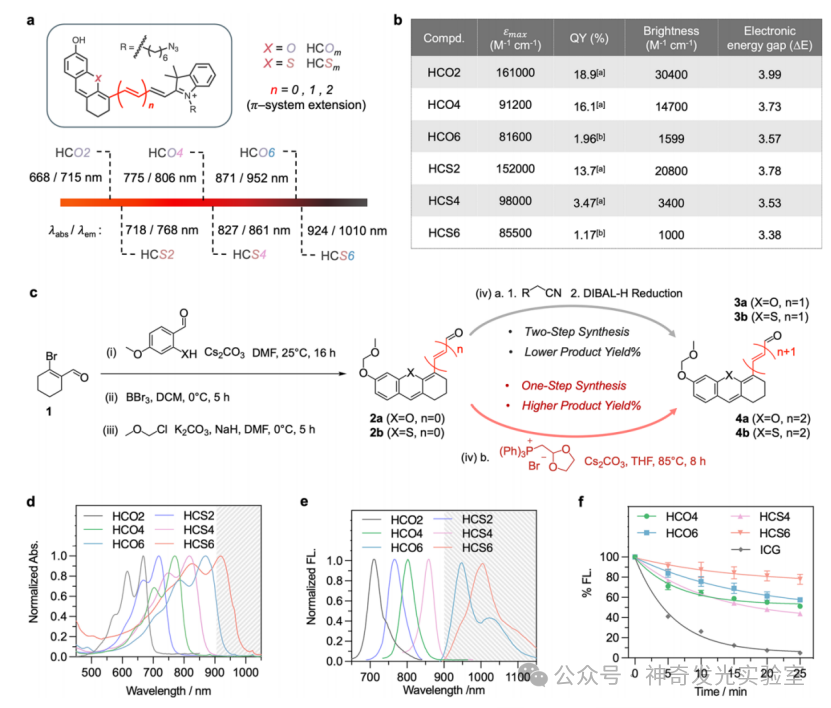
Figure 1: Shortwave Infrared Hemicyanine Fluorophores
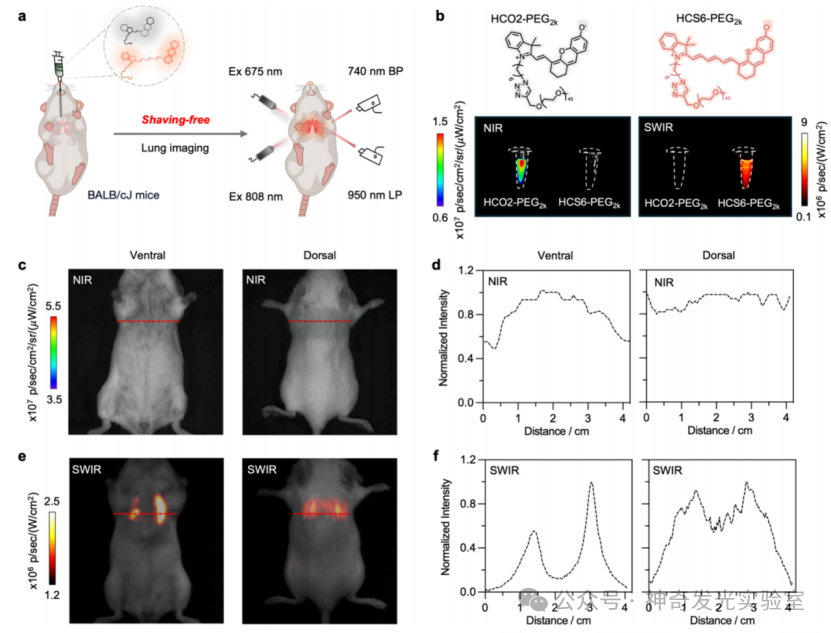
Figure 2: Non-shaving Lung Imaging Tissue Penetration Analysis
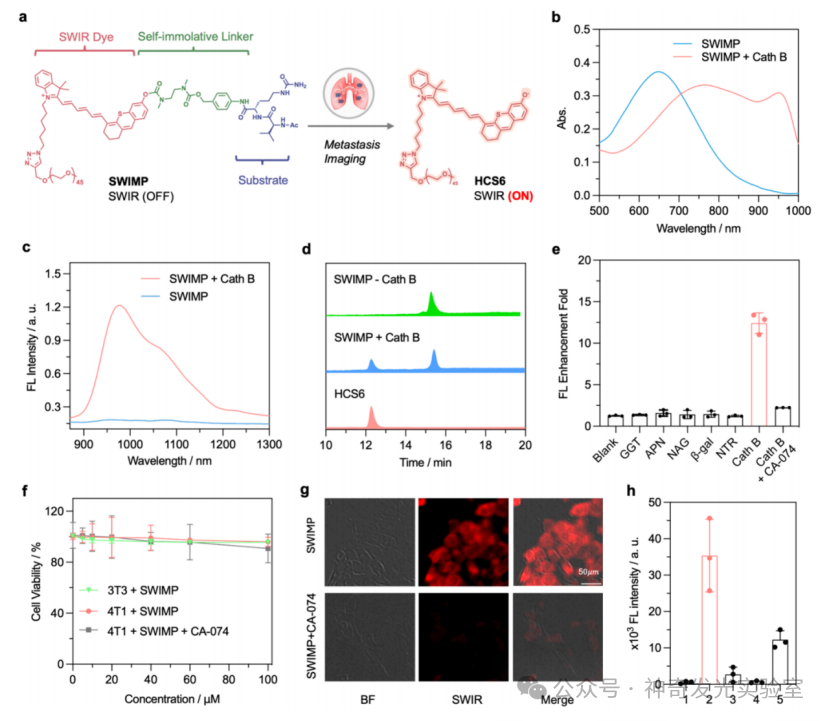
Figure 3: Design and In Vitro Characterization of SWIMP
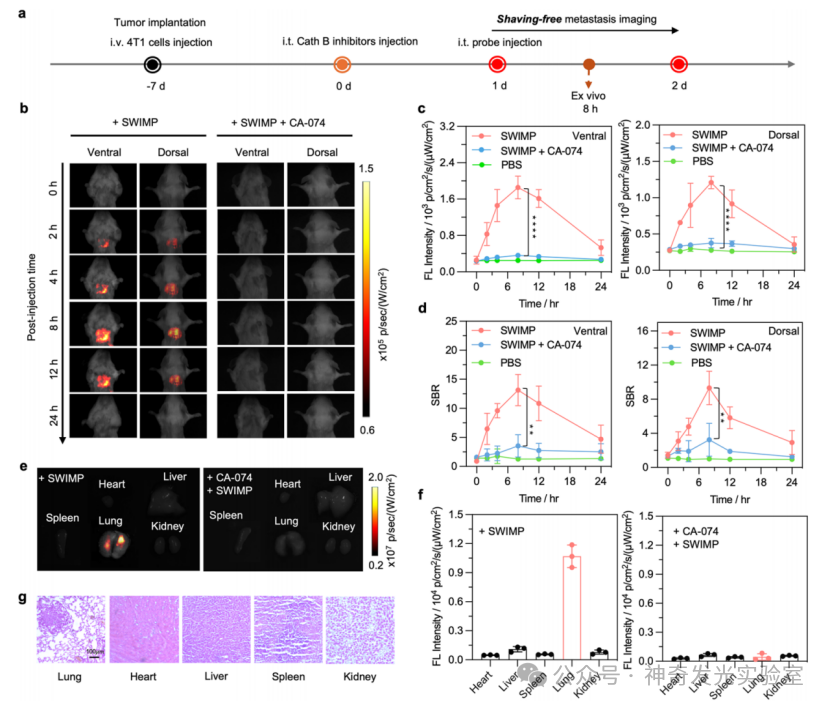
Figure 4: SWIMP-Mediated Metastatic Lung In Vivo SWIR Fluorescence Imaging
[Reference Details] Hanyu Yang, Donghao Li, Jiayan Wu, and Kanyi Pu. Shortwave Infrared Hemicyanine-6 for Cancer-Activated and Shaving-Free Preclinical Imaging of Lung Metastasis. J. Am. Chem. Soc., 2025, https://doi.org/10.1021/jacs.5c06682