1. Core Demand Drivers: AI Computing Power and Automotive Intelligence
1. The AI computing power revolution is restructuring PCB demand.
The value of a single AI server PCB has surged to 5000-10000 yuan, an increase of 6-8 times compared to traditional servers, driven primarily by the increased use of high-layer boards (20-30 layers) and high-frequency, high-speed materials (such as PTFE copper-clad laminates). AI servers need to support 224G SerDes high-speed interfaces, and the wiring density and heat dissipation requirements drive the increase in layers, with the value of a single unit accounting for the hardware cost second only to GPUs. The global AI server PCB market is expected to exceed 25 billion yuan by 2025, with a compound annual growth rate (CAGR) of 32.5% from 2023 to 2028.
2. Automotive electronics intelligence creates structural gaps.
The value of PCBs in new energy vehicles has jumped from 500 yuan in traditional fuel vehicles to over 3000 yuan, with modules such as battery management systems (BMS) and ADAS domain controllers relying on highly reliable multilayer boards that must withstand temperatures of 150°C and resist vibration. The global automotive PCB market is expected to reach 14.5 billion USD by 2026, with a supply-demand gap potentially reaching 17%, and the penetration rate of 800V high-voltage platforms and intelligent driving increasing to 45%, further amplifying demand.
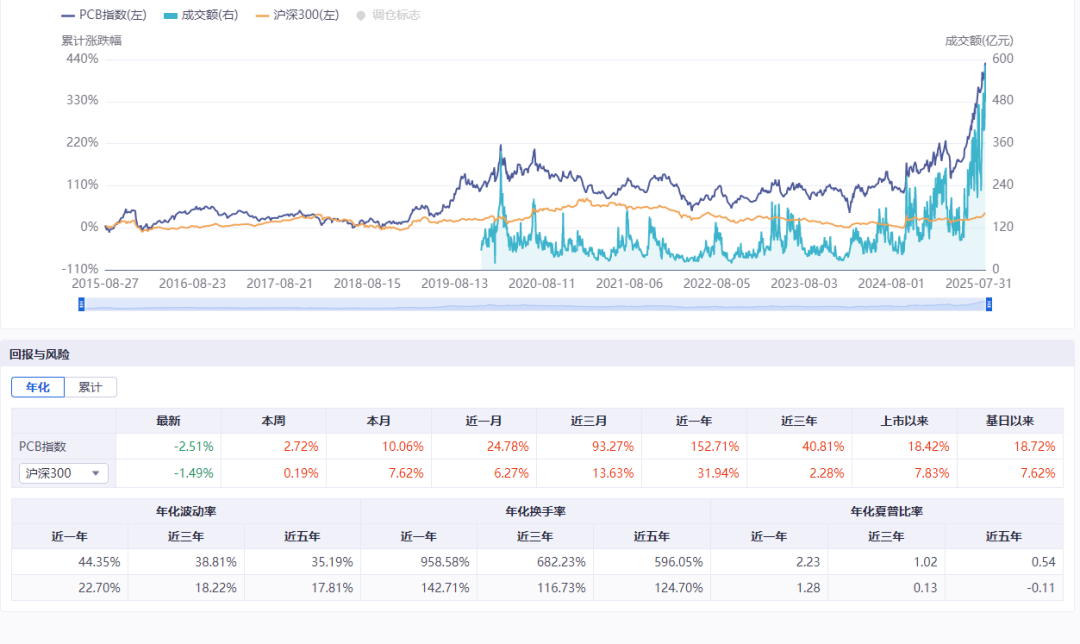
Data Source: iFinD
2. High-end Technology Breakthroughs: Layer Upgrades and Material Innovations
1. High-layer boards and HDI become technological high points.
AI servers and supercomputing centers are driving PCB layers from the traditional 14-24 layers to 20-30 layers, with demand for high-layer boards (≥18 layers) growing at a rate of 18.5%, and gross margins of 35%-40%, significantly higher than ordinary products. HDI boards, due to their high-density wiring capabilities (line width ≤50μm), are seeing accelerated penetration under the trends of foldable screen smartphones and miniaturization of AI terminals, with demand in the Android camp growing at a CAGR of over 14%.
2. Domestic substitution of high-frequency materials breaks overseas monopolies.
High-frequency, high-speed copper-clad laminates (CCL) account for 40% of PCB costs, with the domestic rate rising from 15% to 30%. Companies like Shennan Circuits have made breakthroughs in low-dielectric-loss materials (Df ≤0.003), with prices 2-2.5 times higher than traditional products, and the gross margin for materials in AI servers reaching 40%. Packaging substrates (such as ABF substrates) fill domestic gaps, with a global market size of 12 billion USD expected by 2025 and a CAGR of 10%, suitable for advanced packaging and storage chip demands.
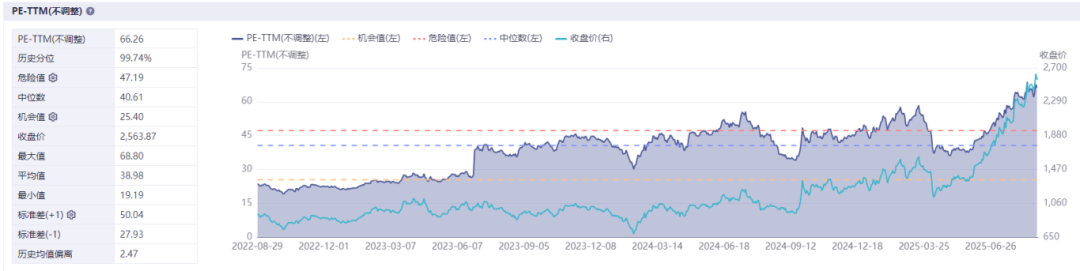
Data Source: iFinD
3. Industry Chain Opportunities: Equipment Upgrades and Upstream Material Dividends
1. PCB equipment is iterating towards high precision and intelligence.
AI servers and automotive electronics are driving explosive demand for drilling, exposure, and inspection equipment, which together account for about 45.6% of total equipment investment (with drilling at 20.2%, exposure at 13.5%, and inspection at 11.9%). Laser drilling (precision ±2μm) and LDI photolithography equipment are seeing demand double due to their compatibility with HDI blind hole processes, with the global PCB equipment market expected to reach 77.5 billion yuan by 2025, with a CAGR of 8.7%.
2. Upstream material cost optimization and domestic substitution.
Ultra-thin lithium battery copper foil (4-6μm) benefits from new energy demand, and the penetration of low-dielectric resins (such as PTFE) reduces signal loss. The domestic rate of copper-clad laminates exceeds 80%, and high-frequency, high-speed CCL breaks the monopoly of Japanese companies, with prices 30% higher than traditional products, becoming a core profit contributor.
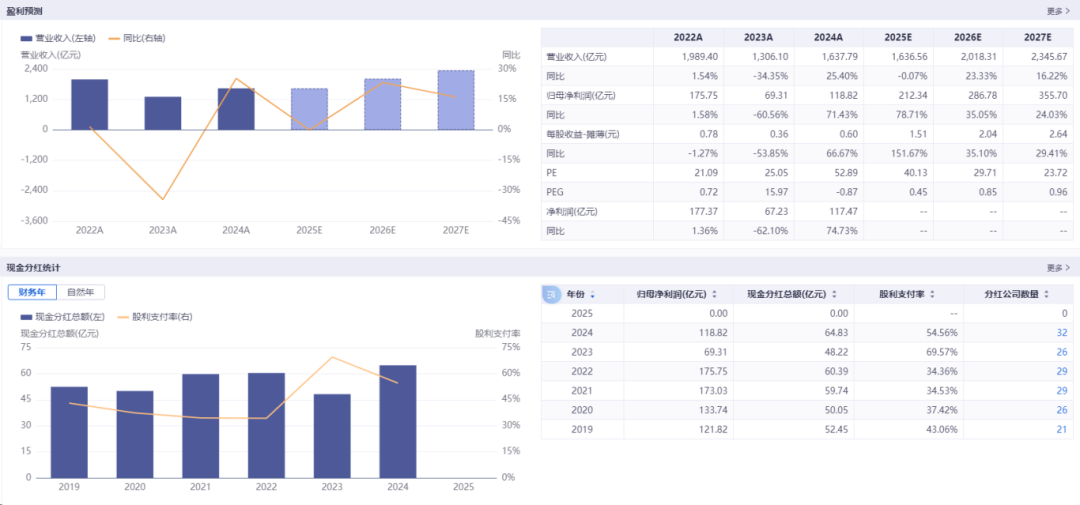
Data Source: iFinD
4. Emerging Scenarios: Humanoid Robots, Low-altitude Economy, and Green Energy
1. Humanoid robots open up the precision PCB incremental market.
Main control boards require HDI support for complex calculations with over 20 layers, joint drives use high-vibration-resistant FPCs, and power management uses thick copper boards (copper thickness ≥4oz) to carry large currents. The estimated value of a single robot PCB exceeds 2000 yuan, with demand expected to be released during the mass production phase in 2025.
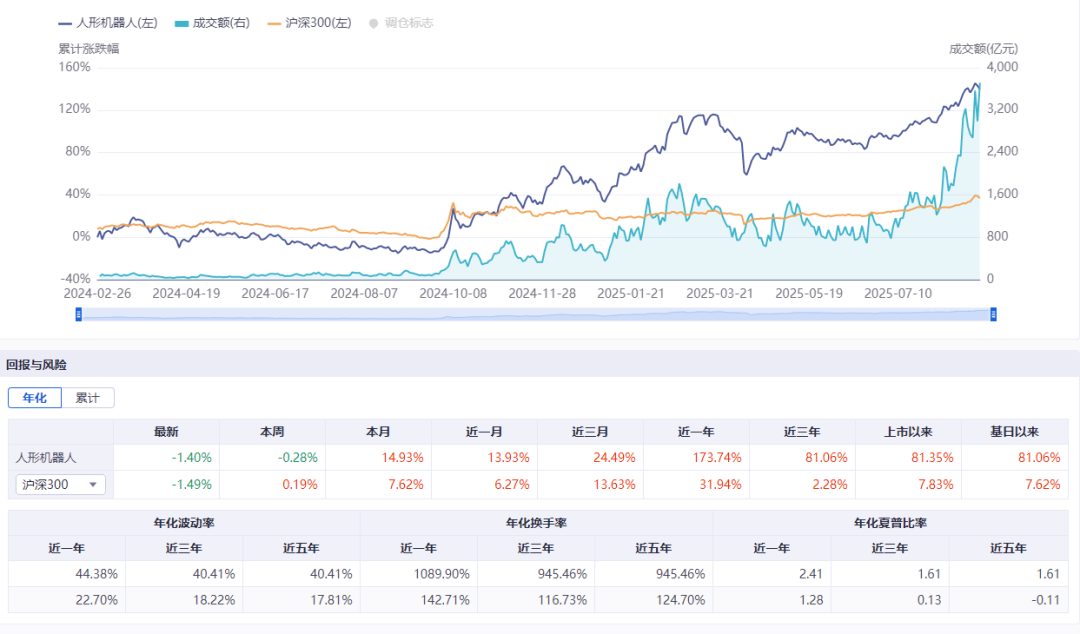
Data Source: iFinD
2. The low-altitude economy and satellite communication give rise to special PCBs.
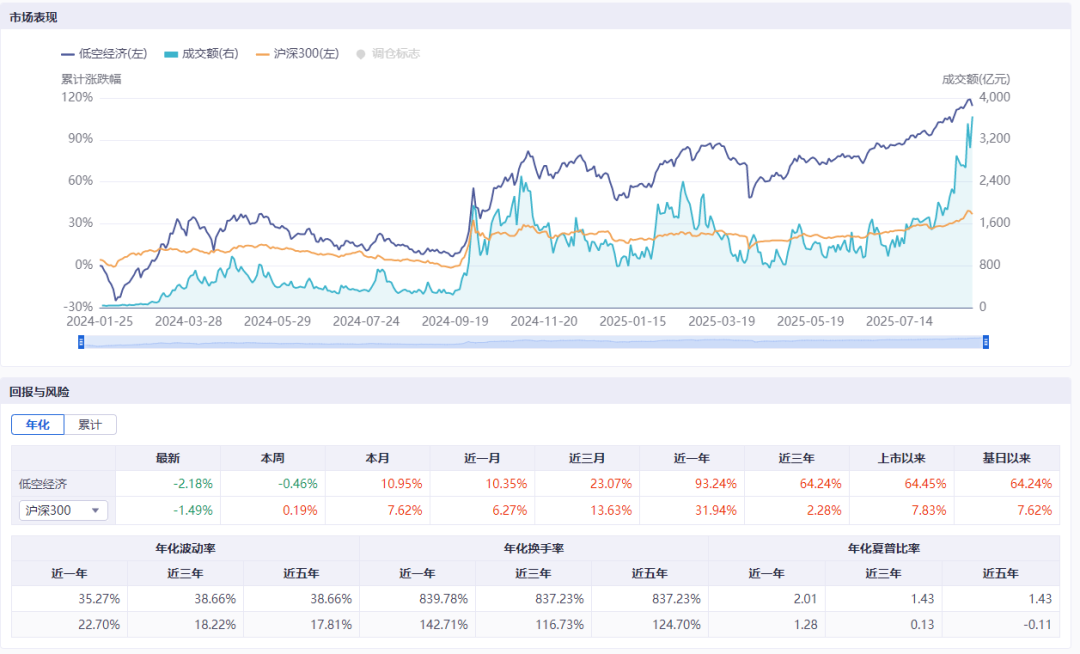
Low-orbit satellite constellation construction requires high-frequency PCB dielectric constant stability of ±0.02, and eVTOL (electric vertical takeoff and landing aircraft) drives rigid-flex boards with temperature resistance >600°C. Liquid cooling energy storage system PCB heat dissipation upgrades, with copper substrates accounting for over 60%, and photovoltaic inverter aluminum nitride substrates with thermal conductivity >200W/m·K, with the energy electronics PCB market expected to reach 8 billion USD by 2025.
Data Source: iFinD
5. Conclusion: Investment Main Lines and Rhythm
The PCB industry is moving towards high-end development, specifically reflected in the continuous increase in layers, reduction in line width, and increasingly diversified application scenarios covering AI, robotics, satellites, etc. The process of green manufacturing is also accelerating, with energy consumption continuously decreasing compared to before. These factors collectively shift the industry development logic from past scale expansion to a leap in high added value.
Short-term breakout points: AI computing infrastructure (high-layer board capacity shortage) and automotive electronics (HDI board price increase dividends).
Mid-term growth: Equipment intelligence (domestic production of drilling/LDI equipment) and material innovation (high-frequency CCL, packaging substrates).
Long-term new tracks: Humanoid robot control boards, low-altitude economy high-frequency boards, special PCBs for satellite communication.
For more articles on the AI computing power industry chain, please click the links:Analysis of the AI Computing Power Industry ChainInvestment Opportunities in the Copper Connection Track of the AI Computing Power Industry ChainInvestment Opportunities in the Advanced Packaging TrackInvestment Opportunities in the Optical Module Track
Investment Opportunities in Liquid Cooling Servers of the AI Computing Power Industry Chain
Disclaimer
The analysis and recommendations in this report are based on publicly available information, and our company makes no guarantees regarding the accuracy and completeness of this information, nor does it guarantee that the information and recommendations will not change. We strive for objectivity and fairness in the report’s content, but the opinions, individual stocks, conclusions, and recommendations in the text are for reference only and do not constitute any investment advice. This report is for internal use only, and our company is not responsible for any consequences arising from external investors making securities investments based on the information provided in this report.
The copyright of this report belongs solely to our company, and without written permission, no organization or individual may reproduce, copy, or publish it in any form. No alterations, deletions, or modifications that contradict the original intent of this report are allowed.