Internet of Things (IoT) refers to the real-time collection of any objects or processes that need monitoring, connection, and interaction through various information sensors, radio frequency identification (RFID) technology, global positioning systems (GPS), infrared sensors, laser scanners, and other devices and technologies. It collects various necessary information such as sound, light, heat, electricity, mechanics, chemistry, biology, and location, and achieves ubiquitous connections between objects and between people and objects through various possible network accesses, enabling intelligent perception, recognition, and management of items and processes. The Internet of Things is an information carrier based on the Internet and traditional telecommunications networks, allowing all independently addressable physical objects to form an interconnected network.
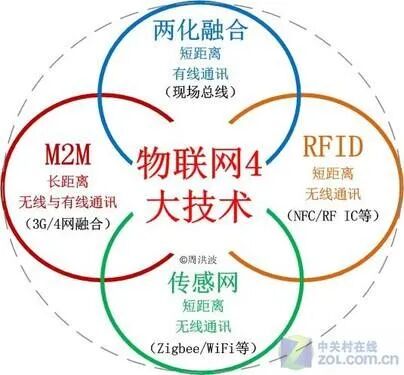
Defining the Internet of Things (IoT) as the “Internet of Everything” is an extension and expansion of the Internet, forming a vast network by combining various information sensing devices with the network, achieving interconnectivity between people, machines, and objects at any time and any place. The Internet of Things is an important component of the new generation of information technology, also known in the IT industry as: ubiquitous connectivity, meaning that everything is connected. Thus, “the Internet of Things is the Internet of everything connected.” This has two meanings: first, the core and foundation of the Internet of Things is still the Internet, which is an extension and expansion of the network based on the Internet; second, its user end extends and expands to any items, facilitating information exchange and communication between items. Therefore, the definition of the Internet of Things is a network that connects any item to the Internet through RFID, infrared sensors, GPS, laser scanners, etc., according to agreed protocols, for information exchange and communication, enabling intelligent identification, positioning, tracking, monitoring, and management of items.
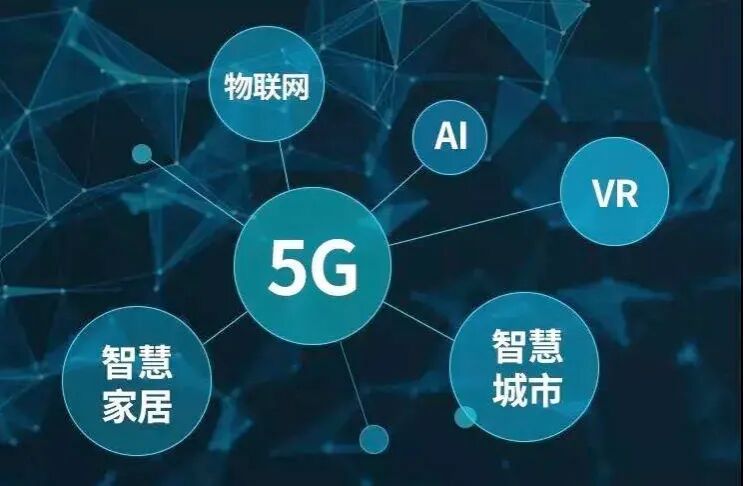
Development HistoryThe concept of the Internet of Things first appeared in Bill Gates’ 1995 book “The Road Ahead,” where he mentioned the concept of the Internet of Things, but at that time, it did not attract much attention due to the limitations of wireless networks, hardware, and sensing devices. In 1998, the Massachusetts Institute of Technology creatively proposed the concept of the “Internet of Things” then known as the EPC system. In 1999, Auto-ID in the United States first proposed the concept of the “Internet of Things,” primarily based on item coding, RFID technology, and the Internet. In the past, the Internet of Things was referred to as a sensor network in China. The Chinese Academy of Sciences initiated research on sensor networks as early as 1999 and has achieved some scientific research results, establishing some applicable sensor networks. In the same year, at an international conference on mobile computing and networking held in the United States, it was proposed that “sensor networks are another development opportunity facing humanity in the next century.” In 2003, the U.S. magazine Technology Review stated that sensor network technology would be among the top ten technologies that would change people’s lives in the future. On November 17, 2005, at the World Summit on the Information Society (WSIS) held in Tunisia, the International Telecommunication Union (ITU) released the “ITU Internet Report 2005: Internet of Things,” officially proposing the concept of the “Internet of Things.” The report pointed out that the ubiquitous communication era of the “Internet of Things” is approaching, where all objects in the world, from tires to toothbrushes, from houses to tissues, can actively exchange information through the Internet. RFID technology, sensor technology, nanotechnology, and intelligent embedding technology will receive more widespread application and attention. In July 2021, the China Internet Association released the “China Internet Development Report (2021),” stating that the market size of the Internet of Things reached 1.7 trillion yuan, and the market size of artificial intelligence reached 303.1 billion yuan. In September 2021, the Ministry of Industry and Information Technology and eight other departments issued the “Three-Year Action Plan for the Construction of New Infrastructure for the Internet of Things (2021-2023),” clearly stating that by the end of 2023, a new type of Internet of Things infrastructure will be initially established in major cities across the country, further solidifying the foundation for social modernization governance, industrial digital transformation, and upgrading of consumer livelihoods.
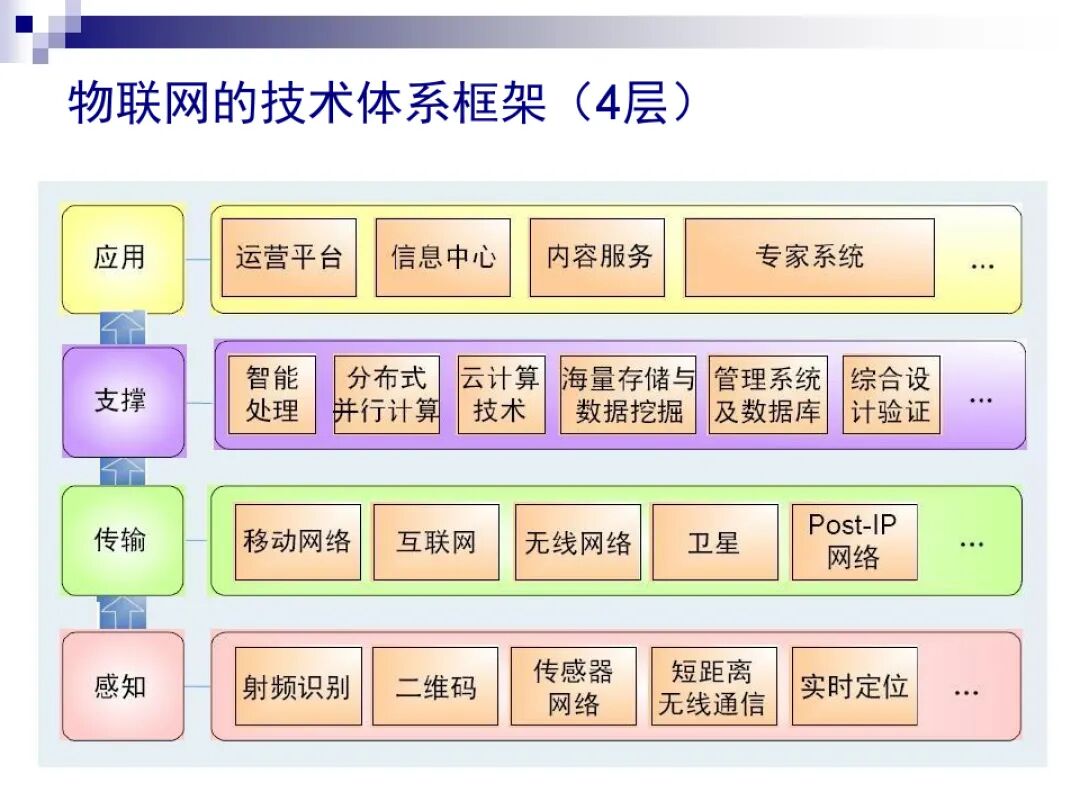
CharacteristicsThe basic characteristics of the Internet of Things can be summarized as overall perception, reliable transmission, and intelligent processing. Overall perception—various sensing devices such as RFID, QR codes, and smart sensors can be used to perceive and obtain various information about objects. Reliable transmission—by integrating the Internet and wireless networks, the information of objects can be transmitted in real-time and accurately for information exchange and sharing. Intelligent processing—using various intelligent technologies to analyze and process the data and information perceived and transmitted, achieving intelligent monitoring and control. Based on the above characteristics of the Internet of Things, combined with the perspective of information science, the functions of information processing in the Internet of Things can be summarized as follows: (1) Function of obtaining information. This mainly refers to the perception and recognition of information; perception refers to the awareness and sensitivity to the attributes and states of things and their changes; recognition refers to the ability to represent the perceived state of things in a certain way. (2) Function of transmitting information. This mainly involves the sending, transmission, and reception of information, ultimately transmitting the obtained state information and its changes from one point in time (or space) to another, which is commonly referred to as the communication process. (3) Function of processing information. This refers to the information processing process, using existing information or perceived information to generate new information, which is essentially the decision-making process. (4) Function of applying information. This refers to the process in which information ultimately exerts its utility, which can take many forms, the most important of which is to adjust the state of the object and its changes, keeping the object in a pre-designed state.
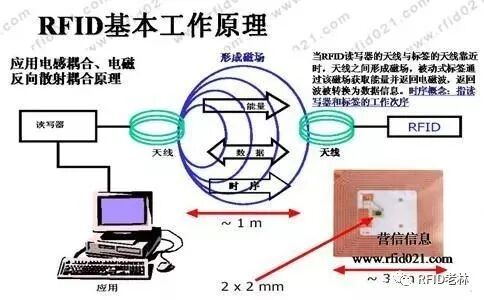
Key TechnologiesRadio Frequency Identification TechnologyWhen discussing the Internet of Things, one cannot overlook the highly regarded Radio Frequency Identification (RFID) technology. RFID is a simple wireless system consisting of an interrogator (or reader) and many responders (or tags). The tags consist of coupling elements and chips, each with a unique electronic code attached to the object to identify the target object. It transmits radio frequency information to the reader through an antenna, which is the device that reads the information. RFID technology allows items to “speak”. This gives the Internet of Things a traceability feature, meaning that people can always know the exact location of items and their surrounding environment. According to estimates by retail industry analysts at Sanford C. Bernstein, this feature brought by IoT RFID can save Walmart $8.35 billion annually, most of which is due to labor cost savings from not needing to manually check incoming barcodes. RFID helps the retail industry solve two major problems: stockouts and losses (due to theft and disruptions in the supply chain), with Walmart alone losing nearly $2 billion a year due to theft.
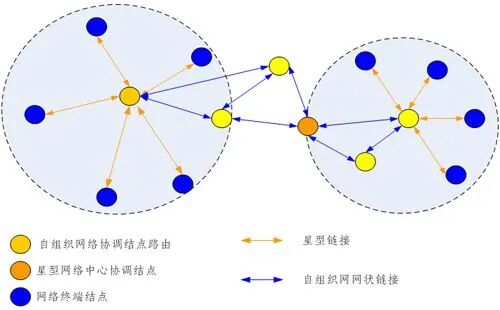
Sensor NetworksMEMS stands for Micro-Electro-Mechanical Systems. It is an integrated micro-device system composed of micro-sensors, micro-actuators, signal processing and control circuits, communication interfaces, and power supplies. Its goal is to integrate information acquisition, processing, and execution into a multifunctional micro-system, integrated into larger systems, thereby significantly improving the automation, intelligence, and reliability of the system. It is a relatively general sensor. Because MEMS gives ordinary objects new life, they have their own data transmission pathways, storage functions, operating systems, and dedicated applications, forming a vast sensor network. This allows the Internet of Things to achieve monitoring and protection of people through objects. In the case of drunk driving, if micro-sensors are embedded in both the car and the car key, when a drunk driver takes out the car key, the key can detect the smell of alcohol through a scent sensor and immediately notify the car to “pause ignition” via a wireless signal, putting the car in a resting state. At the same time, it can “command” the driver’s phone to send a text message to friends and family, informing them of the driver’s location and reminding them to come and assist. Moreover, in the future, clothes could “tell” the washing machine how much water and detergent to use most economically; folders could “check” what important documents we forgot to bring; labels on food and vegetables could inform customers’ phones whether they are truly “green and safe.” This is the result of the “materialized” world of the Internet of Things.
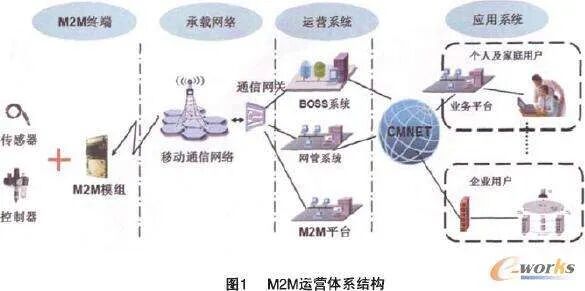
M2M System FrameworkM2M stands for Machine-to-Machine/Man, which is a networked application and service centered on intelligent interaction between machine terminals. It will enable intelligent control of objects. M2M technology involves five important technical components: machines, M2M hardware, communication networks, middleware, and applications. Based on cloud computing platforms and intelligent networks, decisions can be made based on data obtained from sensor networks to change the behavior of objects for control and feedback. Take smart parking lots as an example: when a vehicle enters or leaves the antenna communication area, the antenna exchanges data bidirectionally with the electronic identification card via microwave communication, reading relevant information about the vehicle from the electronic card and relevant information about the driver from the driver card, automatically identifying the electronic vehicle card and driver card, and determining the validity of the vehicle card and the legality of the driver card. The lane control computer automatically stores the time of passage, vehicle, and driver information in the database, and based on the data read, determines whether it is a normal card, unauthorized card, no card, or illegal card, and responds accordingly. Additionally, an elderly person at home wearing a watch embedded with intelligent sensors can be monitored by their children through their phones to check if their blood pressure and heart rate are stable; smart homes can automatically turn off water, electricity, gas, and windows when the owner is at work, sending messages to the owner’s phone to report safety conditions.
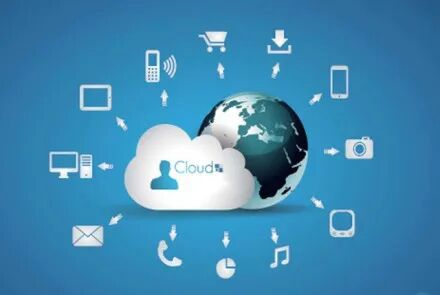
Cloud ComputingCloud computing aims to integrate multiple relatively low-cost computing entities into a powerful system through the network, allowing end-users to access these powerful computing capabilities through advanced business models. If computing power is likened to power generation capacity, then transitioning from the old standalone power generation model to the modern centralized power plant model is akin to the shift from the traditional standalone computing model to the cloud computing model, where the “cloud” is like a power plant, possessing computing capabilities that standalone systems cannot match. This means that computing power can also be circulated as a commodity, just like gas, water, and electricity, being convenient to use and inexpensive, to the extent that users do not need to equip themselves. Unlike electricity transmitted through power grids, computing power is transmitted through various wired and wireless networks. Therefore, a core concept of cloud computing is to continuously enhance the processing capabilities of the “cloud” while reducing the processing burden on user terminals, ultimately simplifying them to mere input-output devices, and enabling users to enjoy the powerful computing capabilities of the “cloud” on demand. The perception layer of the Internet of Things collects a large amount of data information, which, after being transmitted through the network layer, is placed on a standard platform, and then processed using high-performance cloud computing to endow this data with intelligence, ultimately transforming it into useful information for end-users.
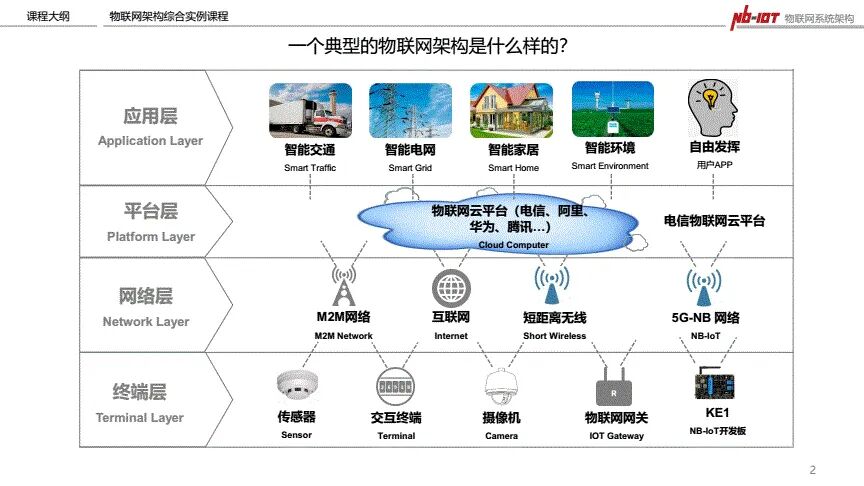
ApplicationsThe application fields of the Internet of Things cover various aspects, effectively promoting the intelligent development of industries such as manufacturing, agriculture, environment, transportation, logistics, and security, making the allocation of limited resources more reasonable, thereby improving industry efficiency and benefits. In areas closely related to daily life, such as home, healthcare, education, finance and services, and tourism, there have been significant improvements in service scope, methods, and quality, greatly enhancing people’s quality of life. In the field of national defense and military, although still in the research and exploration stage, the impact of IoT applications should not be underestimated, from large systems like satellites, missiles, aircraft, and submarines to small individual combat equipment, the embedding of IoT technology effectively enhances military intelligence, informatization, and precision, greatly improving military combat capabilities and being a key factor in future military transformation.
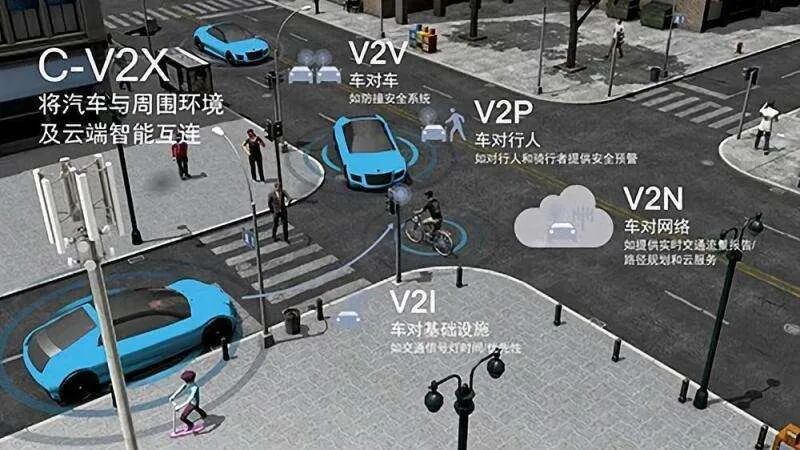
Smart TransportationThe application of IoT technology in road traffic is relatively mature. As the number of vehicles in society increases, traffic congestion and even paralysis have become major issues in cities. Real-time monitoring of road traffic conditions and timely transmission of information to drivers allow them to adjust their travel plans, effectively alleviating traffic pressure; automatic toll collection systems (ETC) set up at highway entrances eliminate the time spent taking and returning cards, improving vehicle passage efficiency; buses equipped with positioning systems can provide timely information on bus routes and arrival times, allowing passengers to plan their trips accordingly, avoiding unnecessary time waste. With the increase in social vehicles, parking difficulties have also become a prominent issue. Many cities have launched smart roadside parking management systems based on cloud computing platforms, combining IoT technology and mobile payment technology to share parking resources, improving parking utilization and user convenience. This system can be compatible with mobile modes and RFID modes, allowing users to check parking information, locations, and make reservations and payments through mobile apps, greatly alleviating the problem of “difficult parking and parking difficulties.”
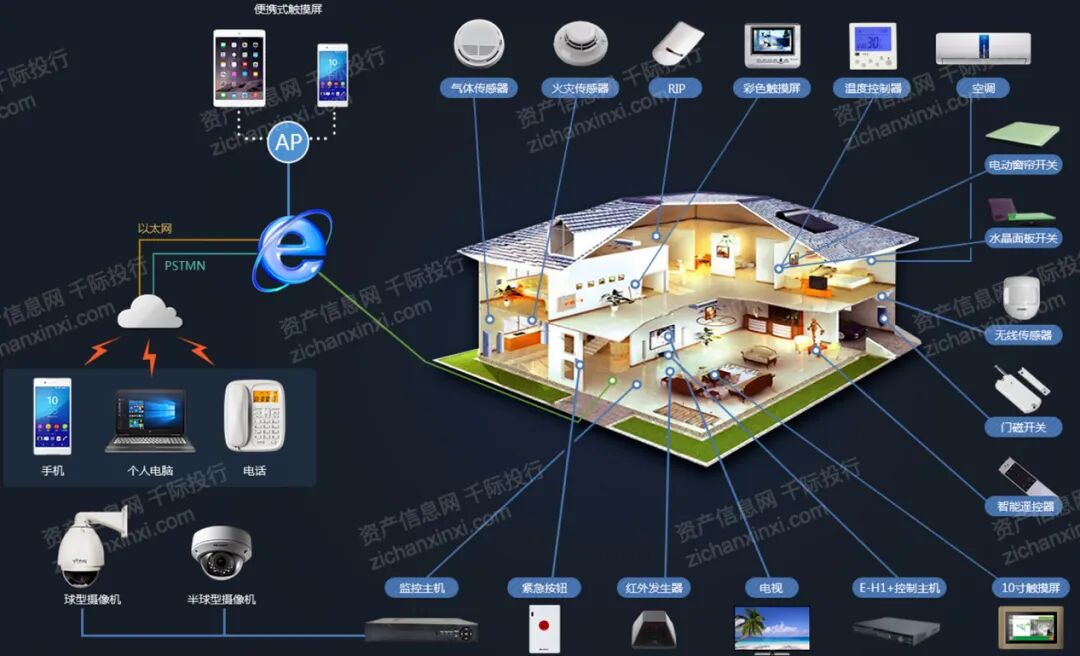
Smart HomeSmart home is the basic application of the Internet of Things in households. With the popularization of broadband services, smart home products cover various aspects. When no one is at home, users can remotely operate smart air conditioning through mobile phones or other client products to adjust room temperature, and even learn user habits to achieve fully automatic temperature control, allowing users to enjoy the comfort of coolness upon returning home in the hot summer; smart bulbs can be controlled for switching, brightness, and color adjustments through client applications; sockets with built-in Wi-Fi can enable remote control of power on and off, and even monitor device power consumption, generating power usage charts for clear visibility of usage and budgeting; smart scales can monitor exercise effects. Advanced sensors that can monitor blood pressure and fat levels are built-in, providing health suggestions based on body status; smart toothbrushes connected to clients can remind users of brushing time and position, generating charts based on brushing data for oral health status; smart cameras, window sensors, smart doorbells, smoke detectors, and smart alarms are essential safety monitoring devices for homes, allowing users to check the real-time status of any corner of their home at any time and place, identifying any safety hazards. The seemingly complicated aspects of home life become easier and better due to the Internet of Things.
Public SafetyIn recent years, the frequent occurrence of abnormal global climate conditions has increased the suddenness and harm of disasters. The Internet can monitor environmental safety conditions in real-time, allowing for early prevention, real-time warnings, and timely response measures to reduce the threat of disasters to human life and property. The University at Buffalo in the United States proposed the Deep Sea Internet Project as early as 2013, which involves placing specially treated sensing devices in deep sea areas to analyze underwater conditions, prevent marine pollution, explore underwater resources, and even provide more reliable tsunami warnings. This project has been successfully tested in local lake waters, providing a foundation for further expansion of its application. Utilizing IoT technology can intelligently sense various indicators of the atmosphere, soil, forests, and water resources, playing a significant role in improving the human living environment.
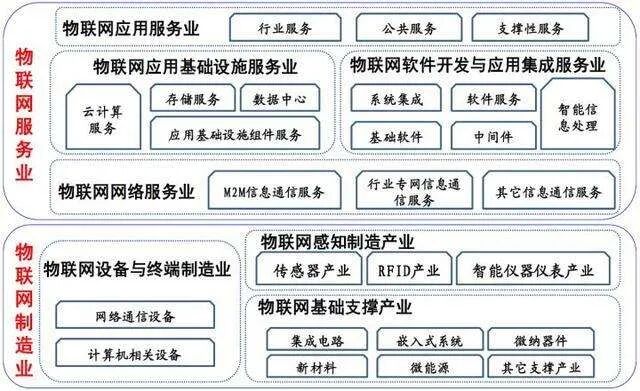
ChallengesAlthough the development of the Internet of Things has grown significantly in recent years, with countries investing substantial human, material, and financial resources into research and development, there are still many challenges to overcome in terms of technology, management, cost, policy, and security. Specific analyses are as follows:Unification and Coordination of Technical StandardsThe standards of traditional Internet are not suitable for the Internet of Things. The data at the perception layer of the Internet of Things is multi-source and heterogeneous, with different devices having different interfaces and technical standards; the network layer and application layer also have different network protocols and architectures due to the different types of networks used and the application directions of various industries. Establishing a unified Internet of Things architecture and unified technical standards is a challenge facing the Internet of Things.
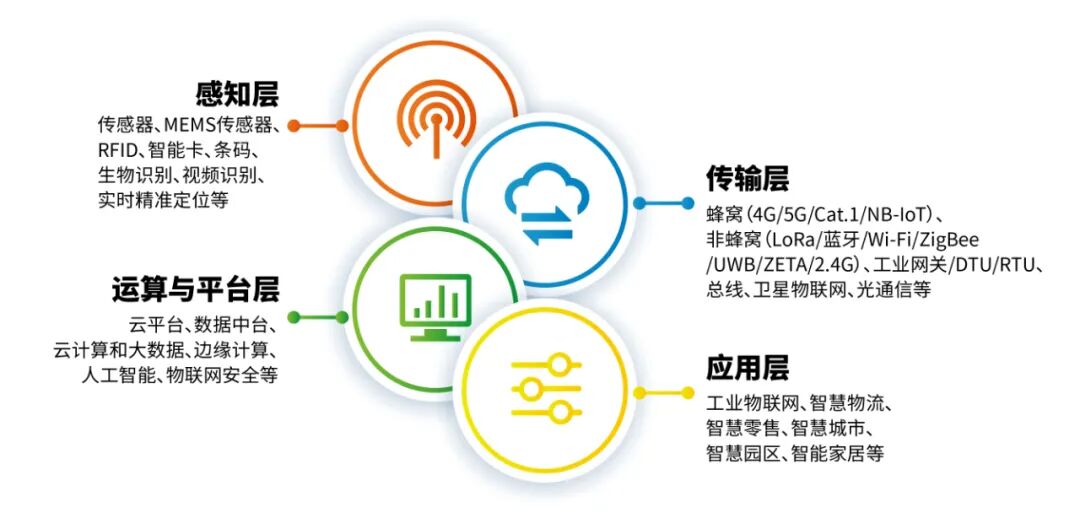
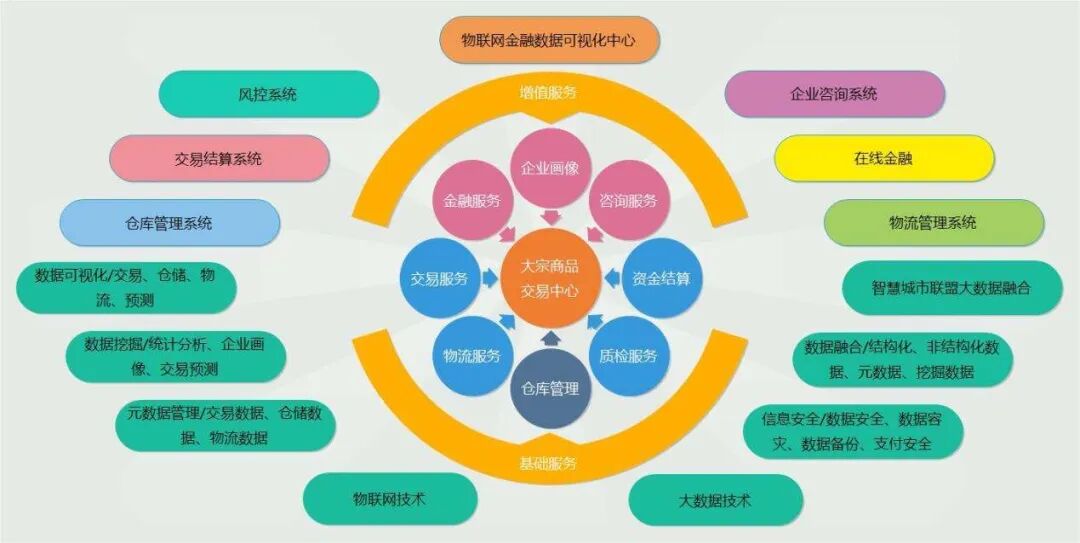
Management Platform IssuesThe Internet of Things itself is a complex network system, and its applications span various industries, inevitably leading to significant overlap. If this network system does not have a dedicated comprehensive platform for classifying and managing information, it will result in a large amount of redundant information, repeated work, and resource waste due to duplicated construction. Each industry’s applications are independent, leading to high costs and low efficiency, failing to demonstrate the advantages of the Internet of Things, which will inevitably affect its promotion. The Internet of Things urgently needs a unified management platform that can integrate resources from various industries to form a complete industrial chain model.Cost IssuesCountries actively support the Internet of Things, but behind the seemingly flourishing scene, there are very few IoT projects that can be truly invested in and used on a large scale. For example, the cost of the most basic electronic tags and readers for implementing RFID technology has not met the expectations of enterprises, and the cost-effectiveness is low; sensor networks are multi-hop self-organizing networks that are easily disrupted by environmental or human factors. To ensure smooth network operation and the real-time secure transmission of reliable information, the maintenance costs of the network are high. Without costs falling within an acceptable range, the development of the Internet of Things can only remain a discussion.
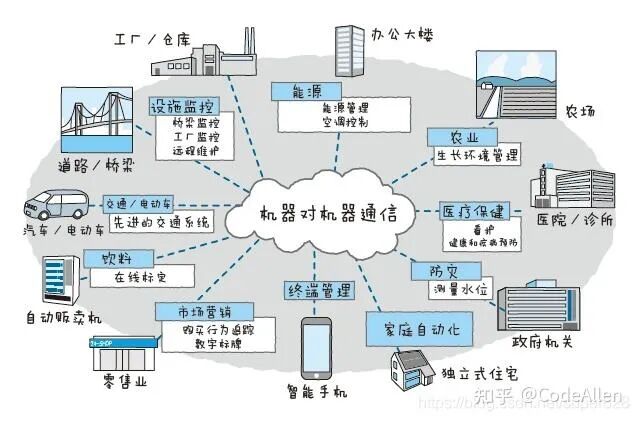
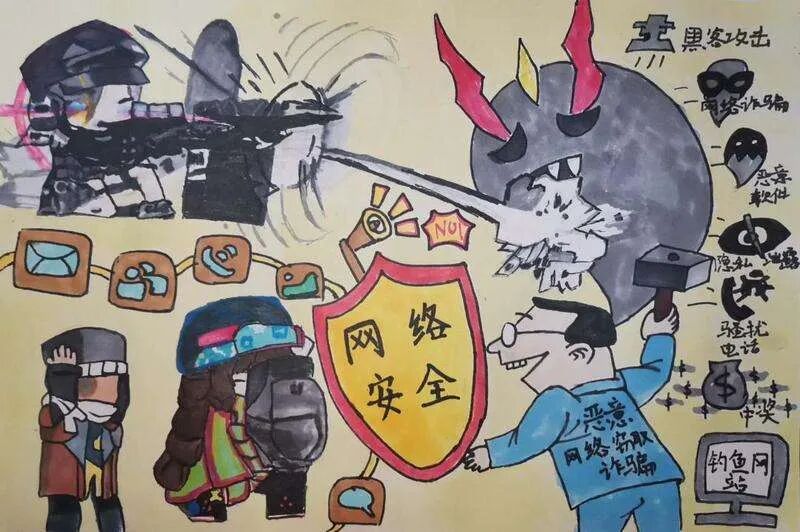
Security IssuesThe traditional Internet has matured and is widely used, yet still has security vulnerabilities. The Internet of Things, as a new product, has a more complex architecture and lacks unified standards, making security issues more prominent. The key enabling technology is the sensor network, with sensors exposed to natural environments, especially those placed in harsh conditions, which poses new requirements for maintaining the integrity of the network over time, the sensor network must have self-healing capabilities. This is not only affected by environmental factors but also severely impacted by human factors. RFID is another key enabling technology, where electronic tags are pre-embedded in items to achieve real-time monitoring, which inevitably exposes some personal privacy for the owners of certain tagged items, raising concerns about personal information security. Not only personal information security but also the cooperation between enterprises and countries is quite common today; once the network is attacked, the consequences could be unimaginable. How to achieve a balance between informatization and security in the process of using the Internet of Things is crucial.
Internet of Things and Perception in China
Rumors about 5G and the Internet of Things
Outlook for the Internet of Things Era
Architecture and Key Technologies of the Internet of Things
How the “Internet of Things” Changes Life
Disclaimer:This article’s information is sourced from the internet for communication and learning purposes, edited and formatted by the cultural exchange creative team. If there is any infringement, please contact the administrator for deletion.
Editor: yz