Recently, I came across a dual-core ARM+RISC-V development board using the Allwinner T113-i chip, and it costs only 99 yuan. I was amazed by the prowess of Chinese manufacturing and quickly ordered one. As an experienced hardware engineer, I must always keep an eye on various new solutions to seize opportunities and avoid reinventing the wheel. To put it bluntly, I want to save time for myself to relax by using some new solutions.
01
Development Board Specifications
The Chuanglong Technology TLT113-MiniEVM is a development board based on the Allwinner T113-i dual-core ARM Cortex-A7 + Xuantie C906 RISC-V + HiFi4 DSP heterogeneous multi-core processor design. The ARM Cortex-A7 processor unit has a maximum frequency of 1.2GHz. The evaluation board consists of a core board and an evaluation baseboard, with all components including the CPU, ROM, RAM, power supply, and crystal oscillator using domestic industrial-grade solutions, achieving a localization rate of 100%. The core board has undergone professional PCB Layout and high/low temperature testing validation, ensuring stable and reliable quality that meets various industrial application environment requirements.
The evaluation board features a Gigabit Ethernet port, dual USB ports, Micro SD, HDMI OUT, MIC IN, H/P OUT, UART, and other commonly used interfaces. It also supports a single SPI interface, dual CAN, four I2C (TWI), and five UART communication interfaces through expansion ports, supporting 1080P@60fps JPEG/MJPEG video hardware encoding, and 4K@30fps H.265 and 4K@24fps H.264 video hardware decoding.
The evaluation board is compact, measuring 57x87mm, making it suitable for use as a card computer and facilitating product integration, allowing users to quickly conduct product solution evaluations and technical research.
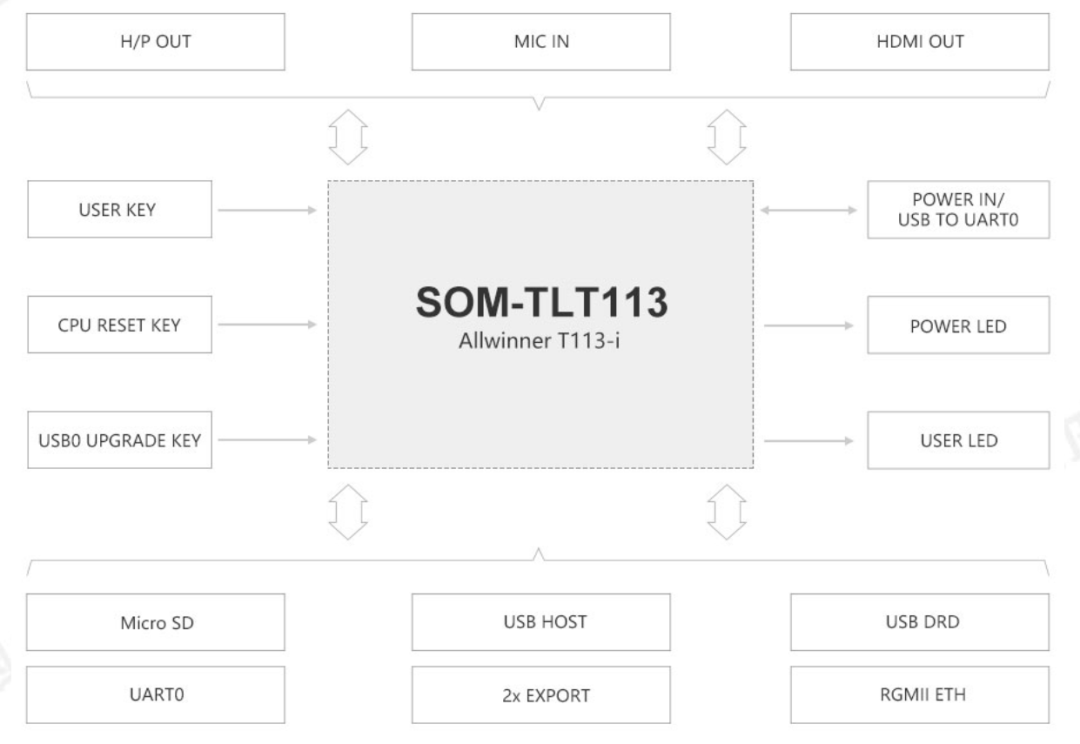
Hardware block diagram of the evaluation board.
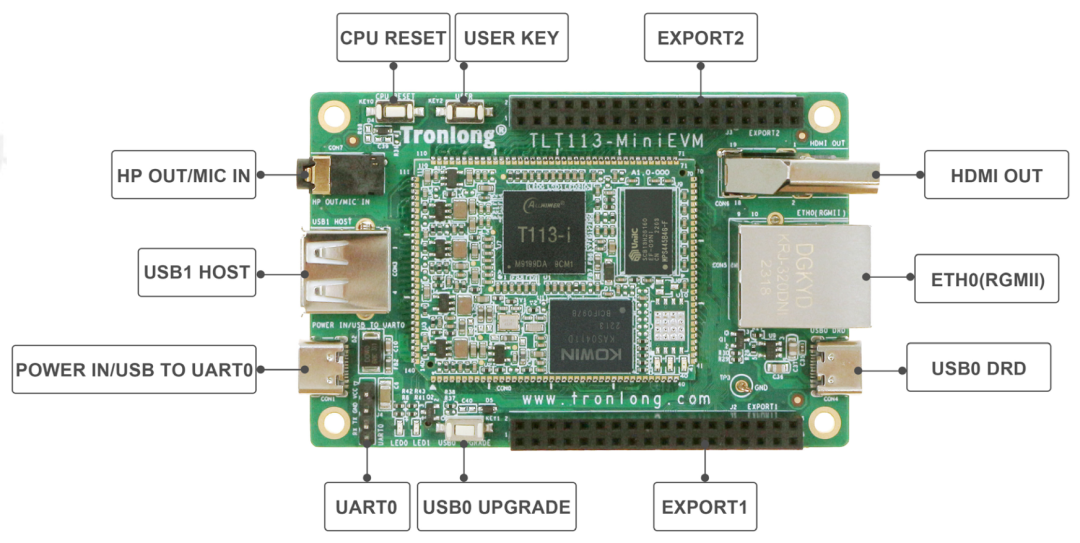
Resource diagram of the evaluation board (front view).
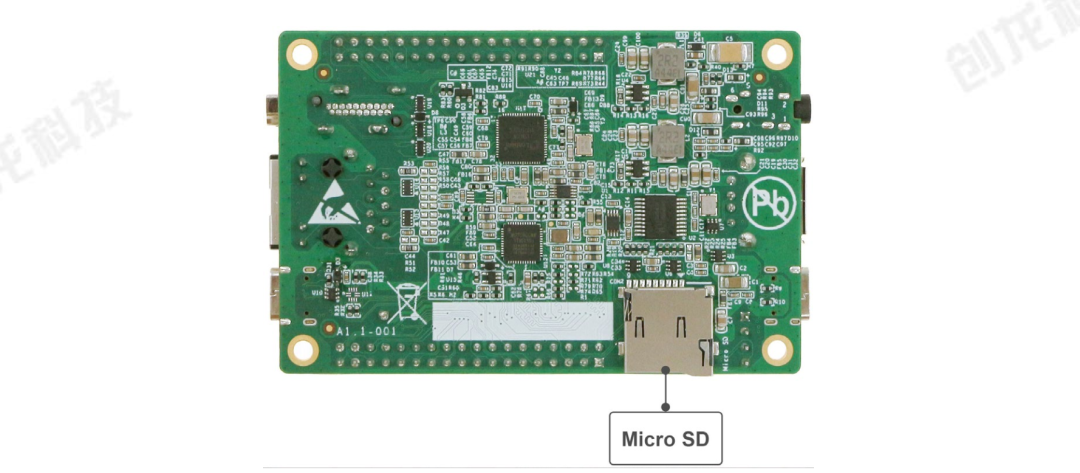
Resource diagram of the evaluation board (back view).
I purchased this board from the Chuanglong Technology Tmall store. Here is the link; interested friends can copy the link to the Taobao client for detailed descriptions or to place an order:
https://detail.tmall.com/item.htm?abbucket=10&id=726108272124
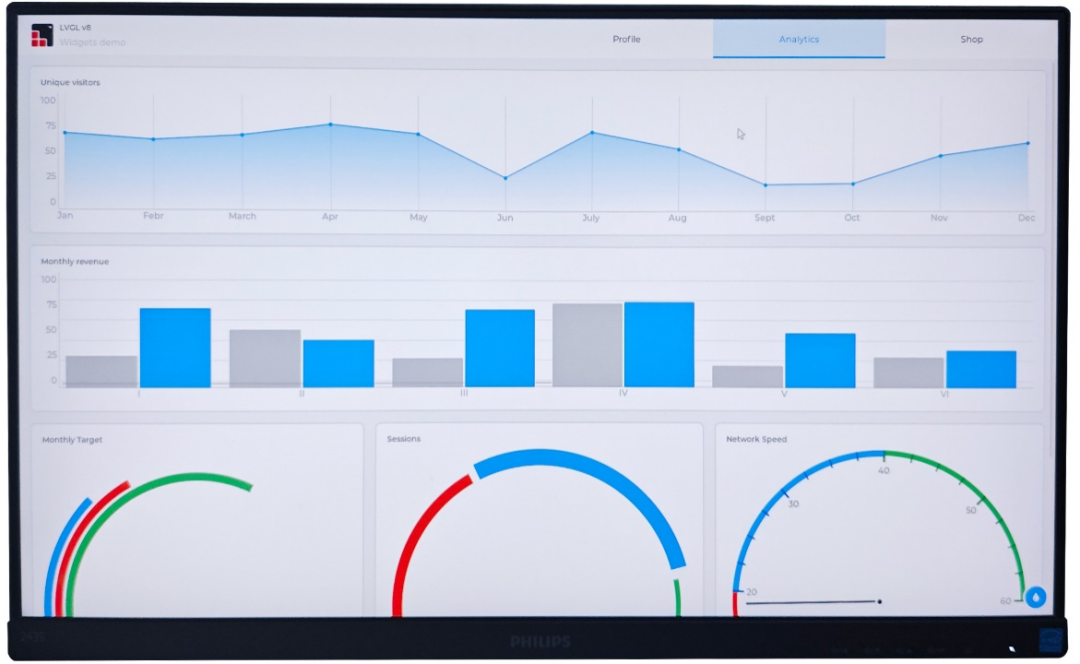
Before purchasing this board, I also looked at the applications running LVGL on this board published in the Chuanglong public account. Recently, I wanted to do a fun project, and seeing that this board provides many application cases, plus the price of only 99, I quickly placed the order. Everyone is welcome to follow the official Chuanglong Technology public account, which has many good articles on embedded development.
▲Follow the Chuanglong Technology public account
Additionally, there is a technical exchange group for the Allwinner T113-i: 535860770
Join now for in-depth discussions with technical experts!
02
Development Board Appreciation
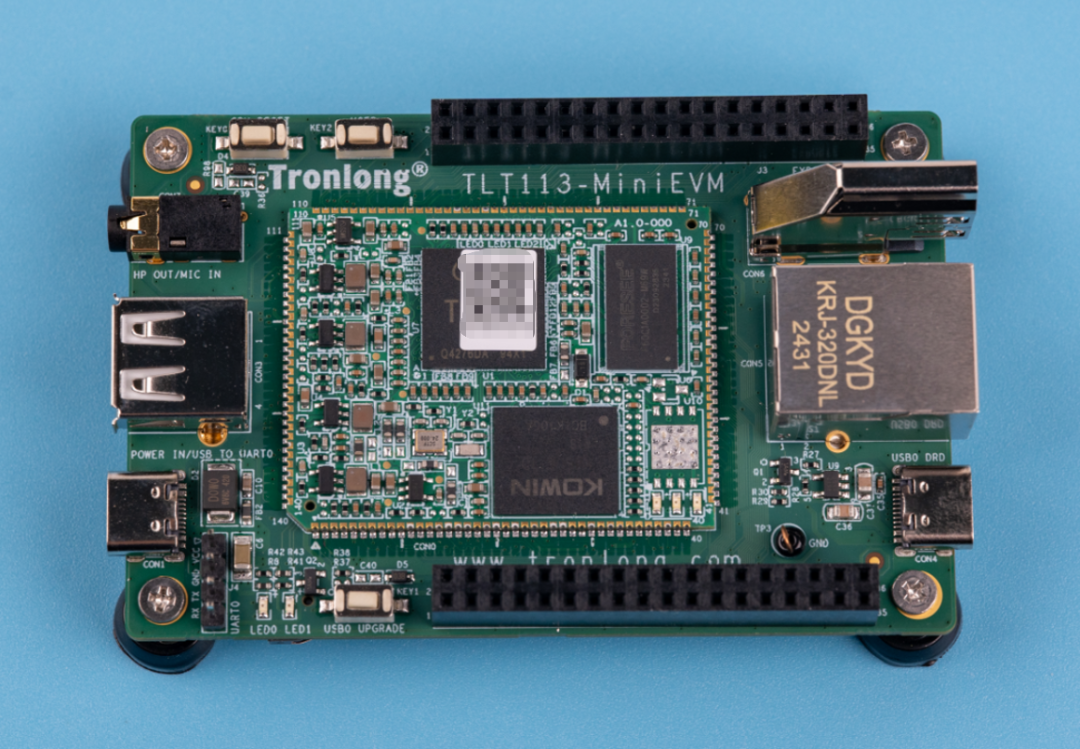
When I received the physical board, it was surprisingly larger than I expected, much more than a Mini.
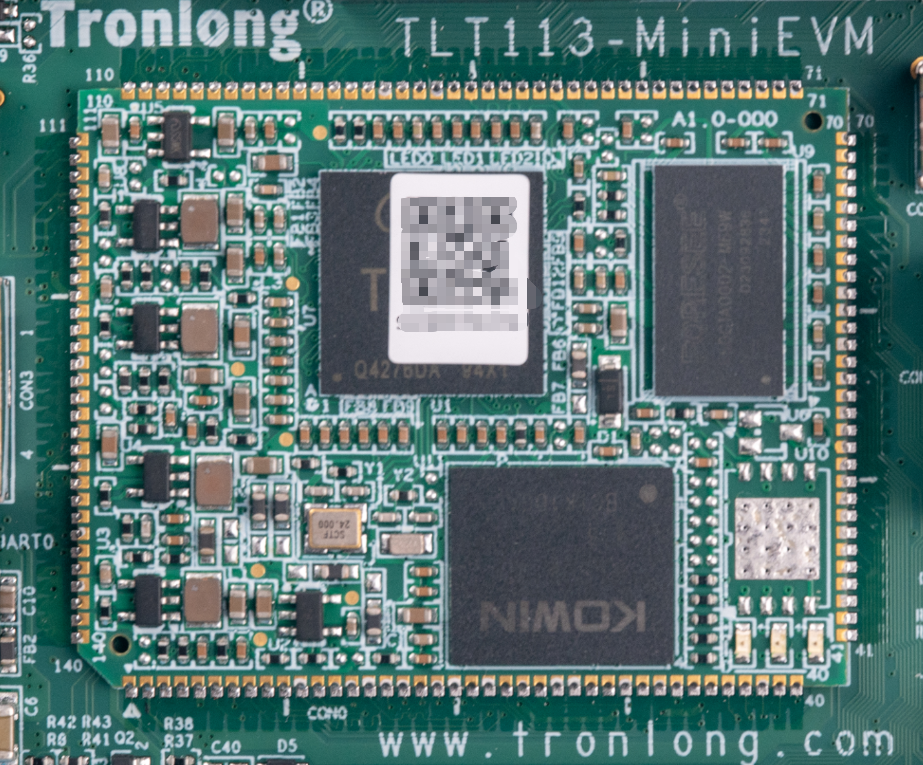
In comparison, it is visually intuitive and is only a few millimeters larger than an ID card.
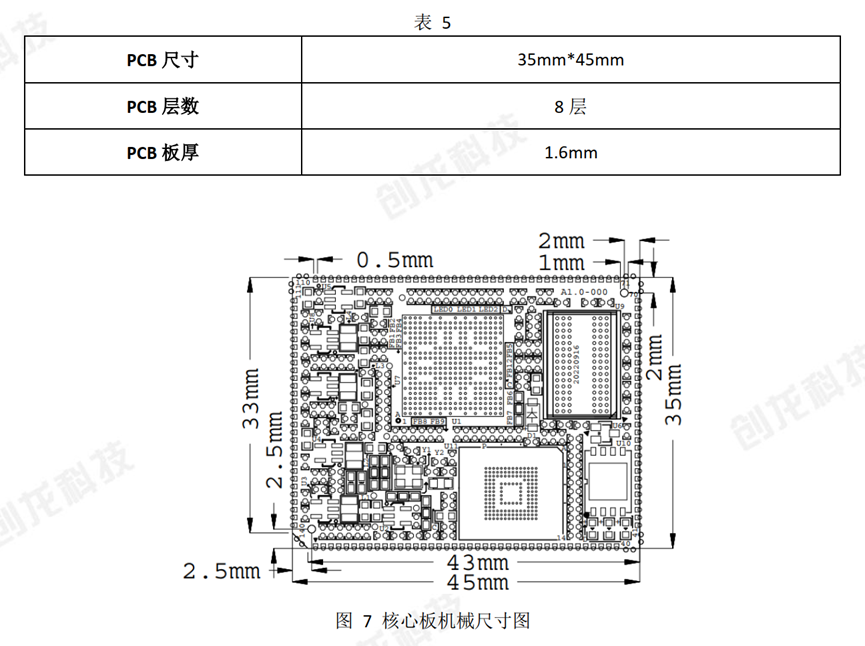
The development board is soldered with a postage stamp-sized core board, the SOM-TLT113 core board from Chuanglong Technology, which focuses on domestic industrial-grade solutions. All components on the core board, including the CPU, ROM, RAM, power supply, and crystal oscillator, are all 100% domestically produced. The version I bought is the 256MB DDR+4GB eMMC version, so the WSON package Flash in the lower right corner of the core board is not soldered; instead, the 4GB eMMC is soldered.
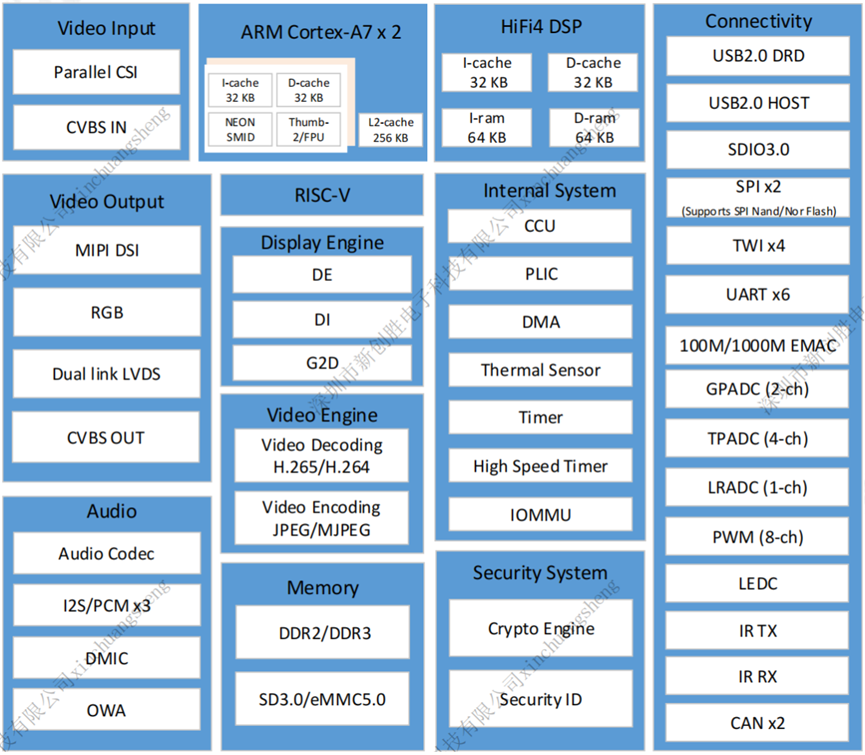
The main control chip used on the core board is T113i, which is a heterogeneous multi-core processor integrating dual-core ARM Cortex-A7+ Xuantie C906 RISC-V + HiFi4 DSP.
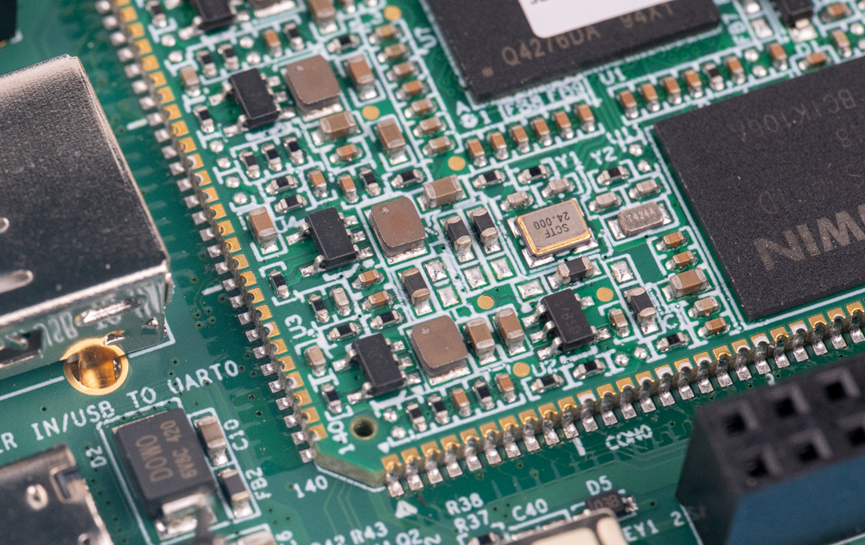
At the lower left corner of the core board is the first pin, with a cut corner on the PCB, and the first pin is also marked with a small triangle. Four SOT23-5 discrete DC-DC.
I checked the specification sheet of the core board in the documentation package and found that this core board is actually an 8 layer board. It makes sense, given the pin density of the T113, along with the DDR and the layout density of surrounding components. Without 8 layers, it might not be feasible. So if I wanted to use the T113 for a project, the costs for PCB fabrication and debugging would be very high. At this point, seeing that this core board is priced at just 79 yuan, it feels like a great deal!
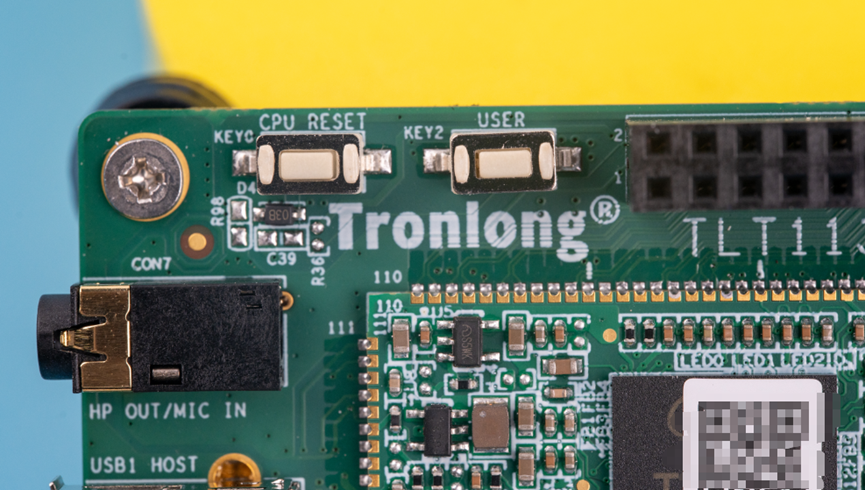
Continuing to examine the baseboard, the upper left corner of the board includes the CPU reset button and user button, as well as the headphone and microphone connectors. Of course, the most eye-catching feature is the Tronlong silkscreen.
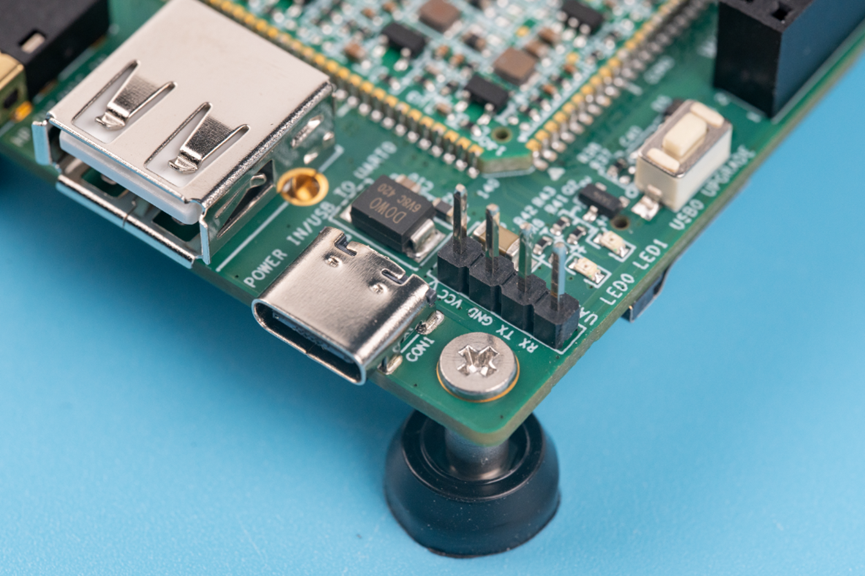
There is a USB 2.0 female connector on the left side of the board. In the lower left corner, there is a Type-C connector that serves both power and UART0 debugging port, and there is also a 2.54 pin header for UART, making it convenient to check with DuPont wires during debugging. There are two LED lights, one for power indication and the other for user indication. There is also a button in the lower left corner for USB upgrades.
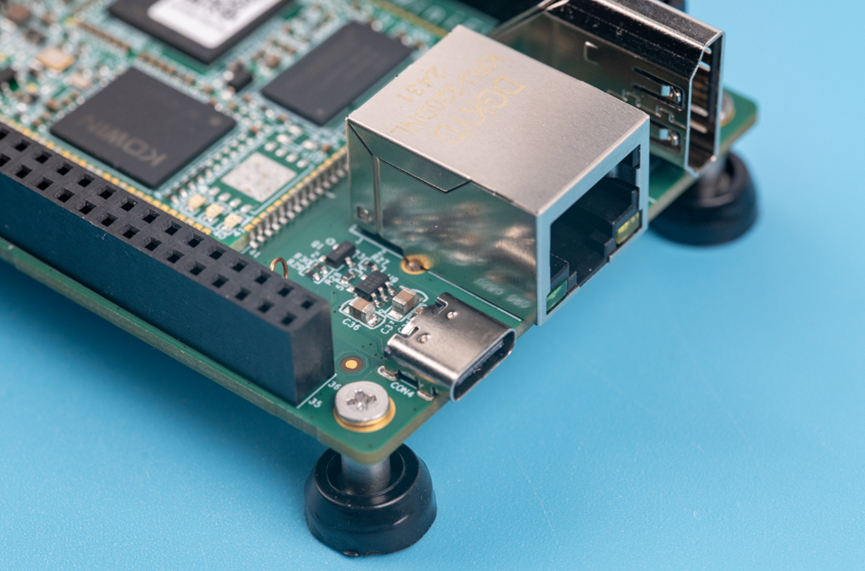
On the right side of the board, there are an Ethernet connector, an HDMI connector, and another Type-C connector for USB0 DRD communication.
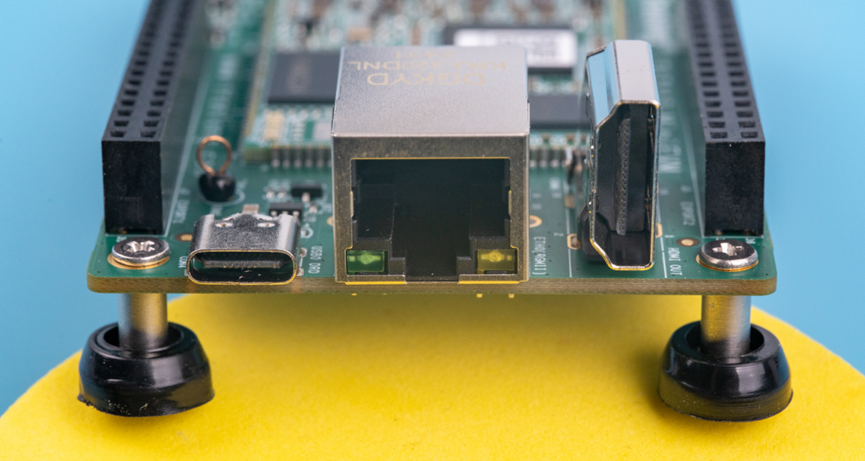
From this angle, we can see the details of these connectors.
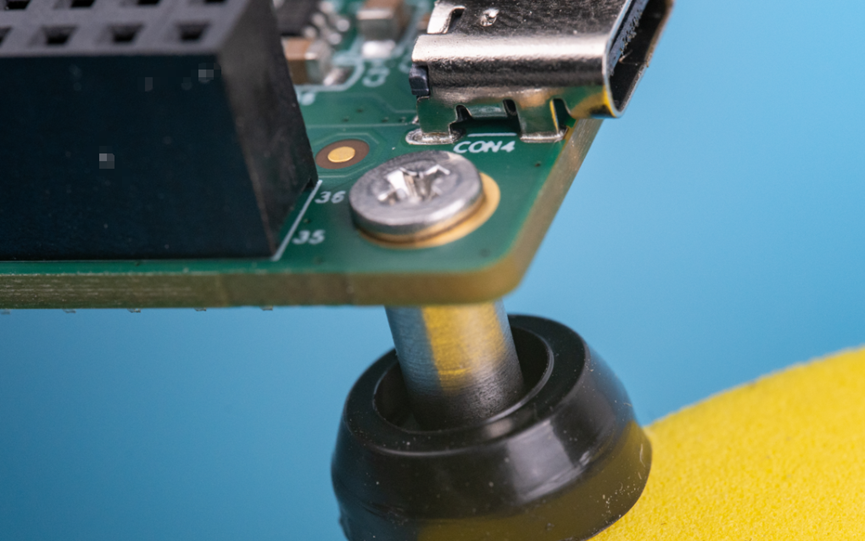
These four support legs look very sturdy, with stainless steel screw columns and rubber feet, making them both strong and insulated.
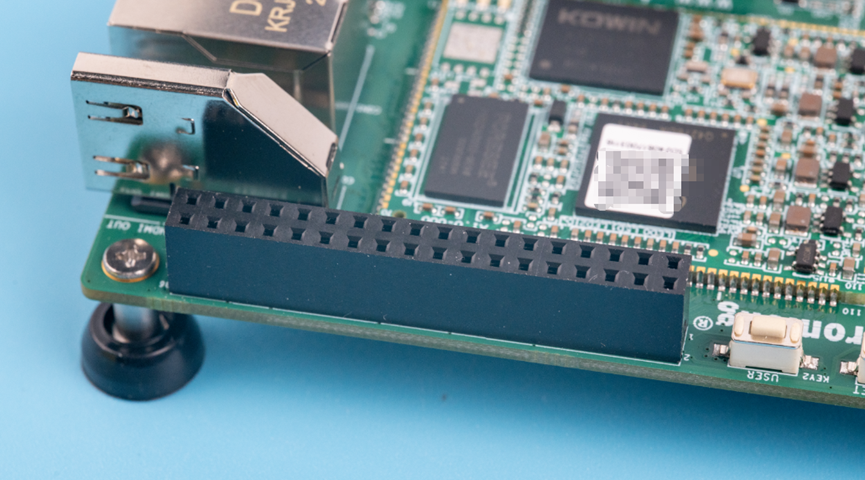
Each side of the board has a 18×2 2.54mm pitch female header for expansion interfaces. These EXPORT interfaces provide 1 SPI, 2 CAN, 4 I2C, 5 UART, 1 LINE IN, 1 FM IN, 2 MIC IN, 2 LINE OUT, 1 TVOUT, 2 TVIN, 2 GPADC, etc., which are quite rich.
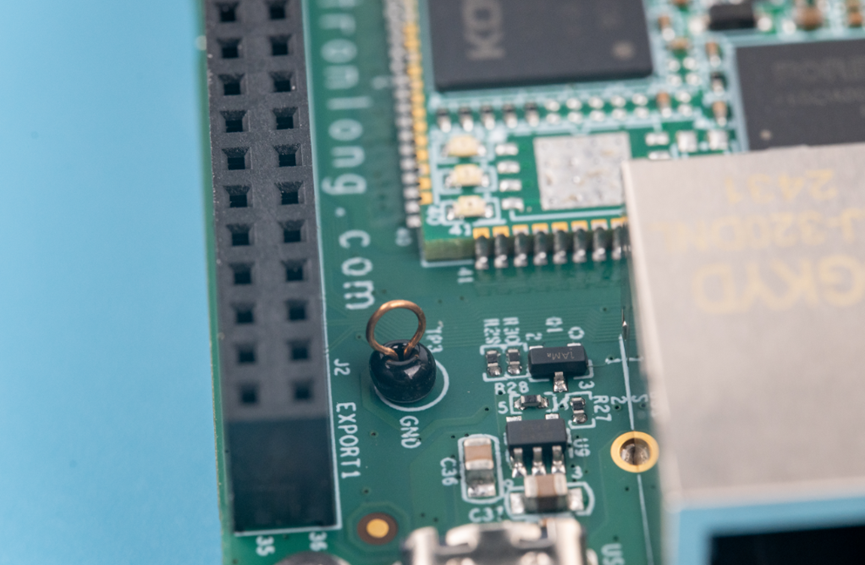
Additionally, I noticed that the board has a grounded test loop soldered, which is convenient for debugging, allowing the grounding clip of the oscilloscope probe to be attached easily, showing thoughtful design.
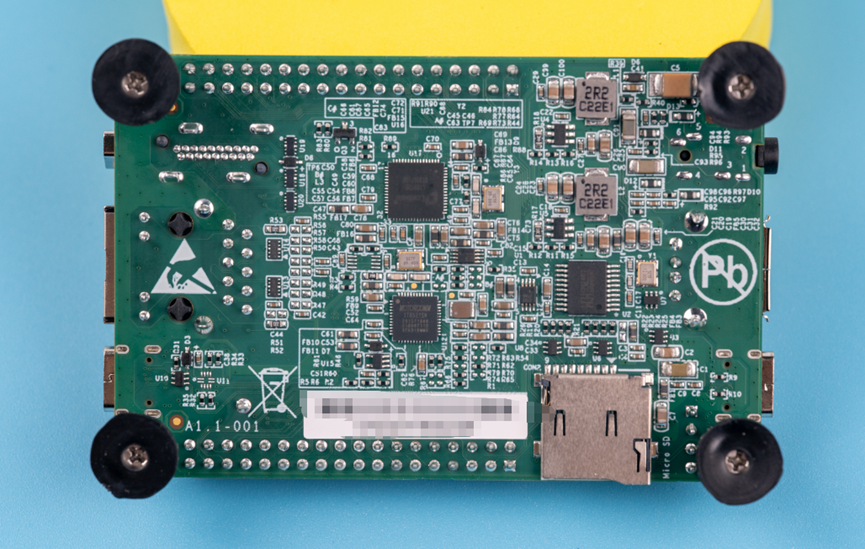
The back of the evaluation board also has many components, densely packed.
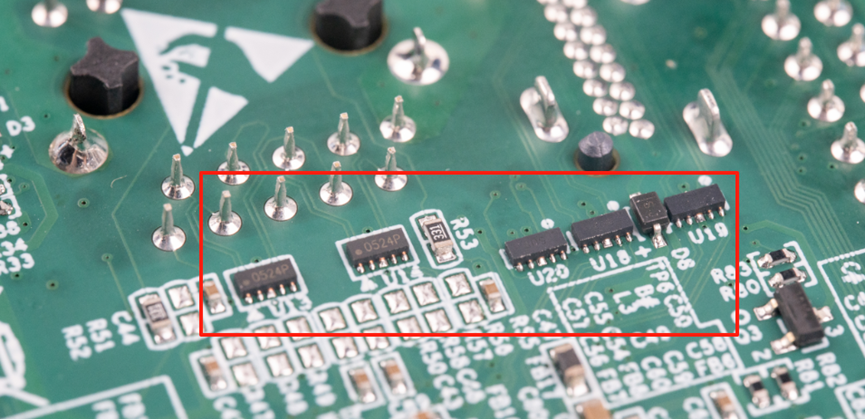
On the signal lines coming from the Ethernet connector and the HDMI connector, there are ESD devices for protection.
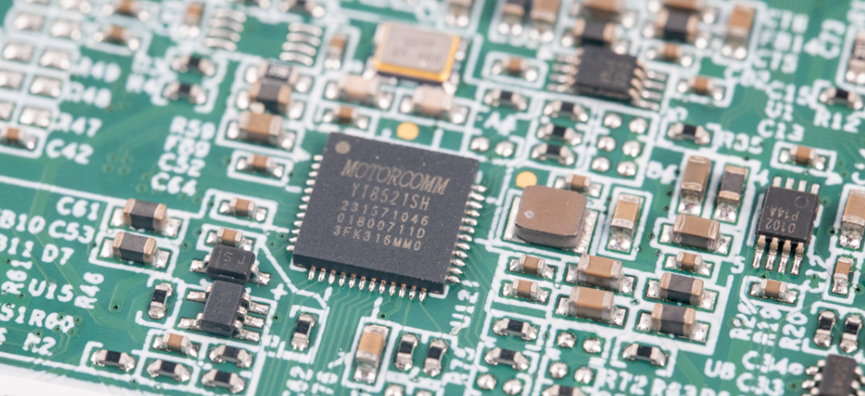
The Ethernet transceiver used is the Yutai YT8521S, which complies with the 10BASE-Te, 100BASE-TX, and 1000BASE-T IEEE 802.3 standards. Therefore, the Ethernet interface on this board supports Gigabit Ethernet, which is quite impressive for a board at this price!
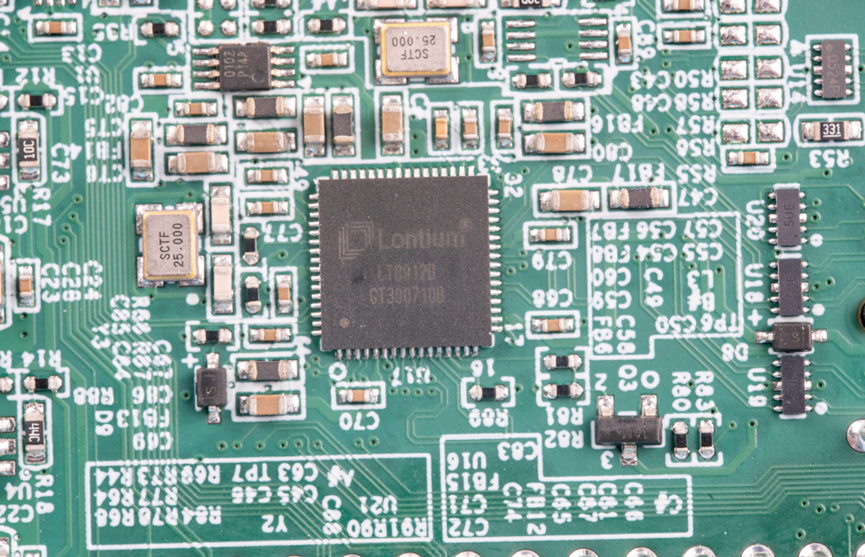
Another chip is the LT8912B, which functions as a MIPI to HDMI/LVDS converter. It is well known that the Allwinner T113 has MIPI DSI video output capabilities, and on this board, it is converted to HDMI output through the LT8912B.
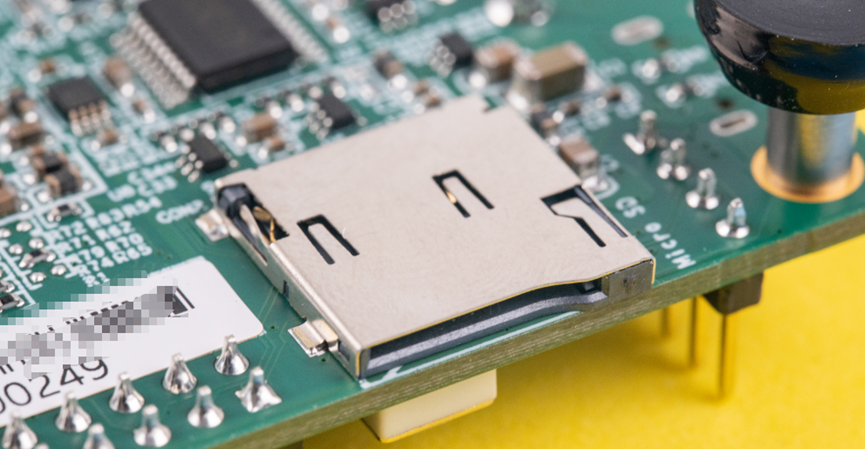
The back of the board also has an SD card connector, making it very versatile; it would be fun to use it to create products like surveillance cameras or cameras.
03
Supporting Learning Materials
As an evaluation board, the completeness and quality of supporting materials are still what we value most. After all, who doesn’t want to quickly complete solution verification and development with ready-made materials?
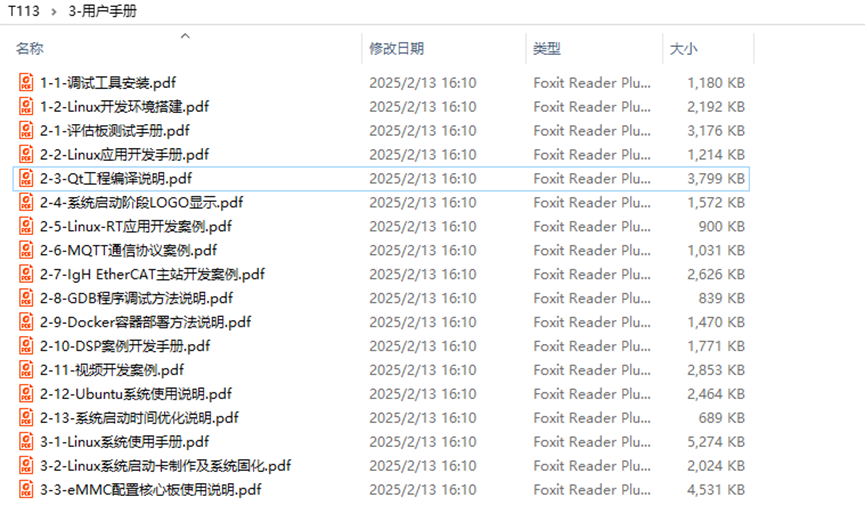
Using TreeSize, I took a quick look at the directory of the documentation package and found my brain starting to tremble at the sheer volume of materials. To learn all this content, I need to supplement my nutrition, so I decided to treat myself to a nice dinner tonight.
This is the content in the user manual folder.
Since I previously worked on a small camera that involved changing the logo, I opened the document titled “2-4- System Startup Stage LOGO Display.pdf” and found it very detailed, explaining two methods for replacing the logo image through commands and via the Linux system image.
The software documentation also includes various demos.
I opened the hardware documentation package and was a bit stunned; it even provided an introduction to using Cadence software. Has the competition for core boards reached this level?
This is the PCB file for the evaluation board. The core board provides packaging files based on AD and Cadence.
Moreover, the development reference materials folder contains a lot of content; the screenshot above is just the tip of the iceberg.
I must say, Chuanglong’s documentation is really well done. It covers a lot of embedded development knowledge and methods, and following this set of materials will basically allow one to understand the conventional process of embedded development.