
Meizu recently launched the PRO 6, which has shown exquisite craftsmanship in terms of appearance. However, it has been controversial due to its use of the MediaTek Helio X25 processor. As a result, there have even been jokes online about the “ten steps forward” of PRO 6 compared to PRO 5. So how does the performance of the Meizu PRO 6’s Helio X25 stack up against the Exynos 7420 found in the previous flagship PRO 5, and how does it compare to the Snapdragon 652 commonly used in other products at the same price point? We will explore this in detail. Theoretical Information of Three ProcessorsMediaTek Helio X25
The specific model of Helio X25 is MT6797T, which indicates its relation to Helio X20 (MT6797), essentially being a full-version of Helio X20.
Its CPU configuration consists of a Tri-Cluster architecture with 2x Cortex-A72 @ 2.5GHz + 4x Cortex-A53 @ 2.0GHz + 4x Cortex-A53 @ 1.4GHz, utilizing a 20nm process technology. The ARM Cortex-A72 cores run at 2.5GHz, handling the highest load tasks to deliver extreme performance; the high-frequency Cortex-A53 cores operate at 2.0GHz for moderate load tasks, while the low-frequency Cortex-A53 cores run at 1.4GHz for light load tasks.
The GPU of Helio X25 is Mali-T880MP4 @ 850MHz, a four-core graphics processing unit. This GPU is also used in Huawei’s Kirin 950 and supports up to 16x MSAA anti-aliasing, OpenGL ES 3.1, OpenCL 1.2, DirectX 11 FL11_2, RenderScript, LDR, HDR, and 3D display.
Additionally, Helio X25 supports memory configurations of 2x LPDDR3 POP 933MHz, with a maximum of 4GB eMMC 5.1. As mentioned earlier, the device equipped with Helio X25 for this test is Meizu PRO 6, which has 4GB of RAM and runs on Flyme 5.2 based on Android 6.0, making it the first smartphone to feature this SoC.Snapdragon 652
The specific model of Snapdragon 652 is MSM8976. Its CPU consists of 4 Cortex A72 cores and 4 Cortex A53 cores, using a big.LITTLE configuration, with A72 cores reaching a maximum frequency of 1.8GHz and a 28nm HKMG process technology, supporting LPDDR3 933MHz dual-channel memory. It also supports eMMC 5.1 storage.
The GPU of Snapdragon 652 is Adreno 510, with a theoretical frequency of 600MHz, supporting up to 2K resolution displays.
For this test, the device equipped with Snapdragon 652 is OPPO R9 Plus, which has 4GB of RAM and runs on ColorOS 3.0 based on Android 5.1.1.Exynos 7420
Exynos 7420 is a classic processor that made waves in the high-end Android market last year.
The CPU configuration of Exynos 7420 features Samsung’s latest 14nm FinFET process with an octa-core 64-bit architecture, using ARM’s big.LITTLE architecture. The big core section consists of four Cortex-A57 cores running at 2.1GHz, while the small core section has four Cortex-A53 cores running at 1.5GHz. Under high load, the big cores activate; under low load, the small cores activate; and at peak performance demands, all eight cores can be activated, supporting dynamic core frequency adjustment.
The GPU section uses Mali-T760MP8, and due to the improved process technology, its frequency has increased to 772MHz. This GPU supports standards such as OpenGL ES 3.1/3.0/2.0, Open CL 1.1, and Direct3D 11.1.
Exynos 7420 is Samsung’s first chip to adopt LPDDR4 memory, featuring a 32-bit dual-channel design with a maximum frequency of 1552MHz, resulting in a memory bandwidth of 24.8GB/s. The Samsung S6, which uses Exynos 7420, was also the first smartphone in the industry to use UFS2.0 storage.
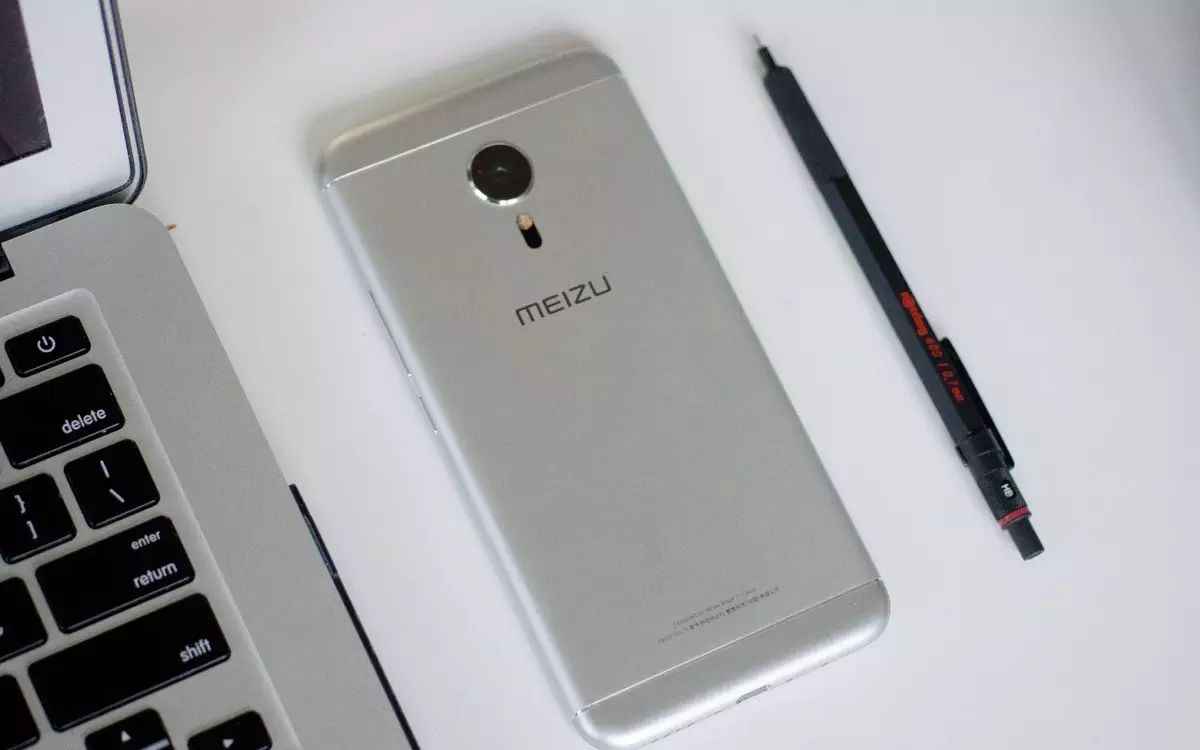
Due to the temporary lack of a PRO 5 in the Beijing office of Ai Fan Er, the device used for testing with this processor is the Samsung Note 5, which has 4GB of RAM and runs Android 6.0 with a 2K screen resolution.
Based on the theoretical information above, in terms of CPU, the Cortex-A72 core architecture of Helio X25 and Snapdragon 652 is the most advanced, while Exynos 7420’s Cortex-A57 is somewhat behind; conversely, Exynos 7420’s 14nm FinFET process is the most advanced, followed by Helio X25’s 20nm, and Snapdragon 652’s 28nm HKMG ranks last.Not convinced? Let’s run some benchmarks. First, we conducted a test using AnTuTu, which is likely the most familiar to Chinese smartphone users. The version of AnTuTu used for this test is 6.1.3.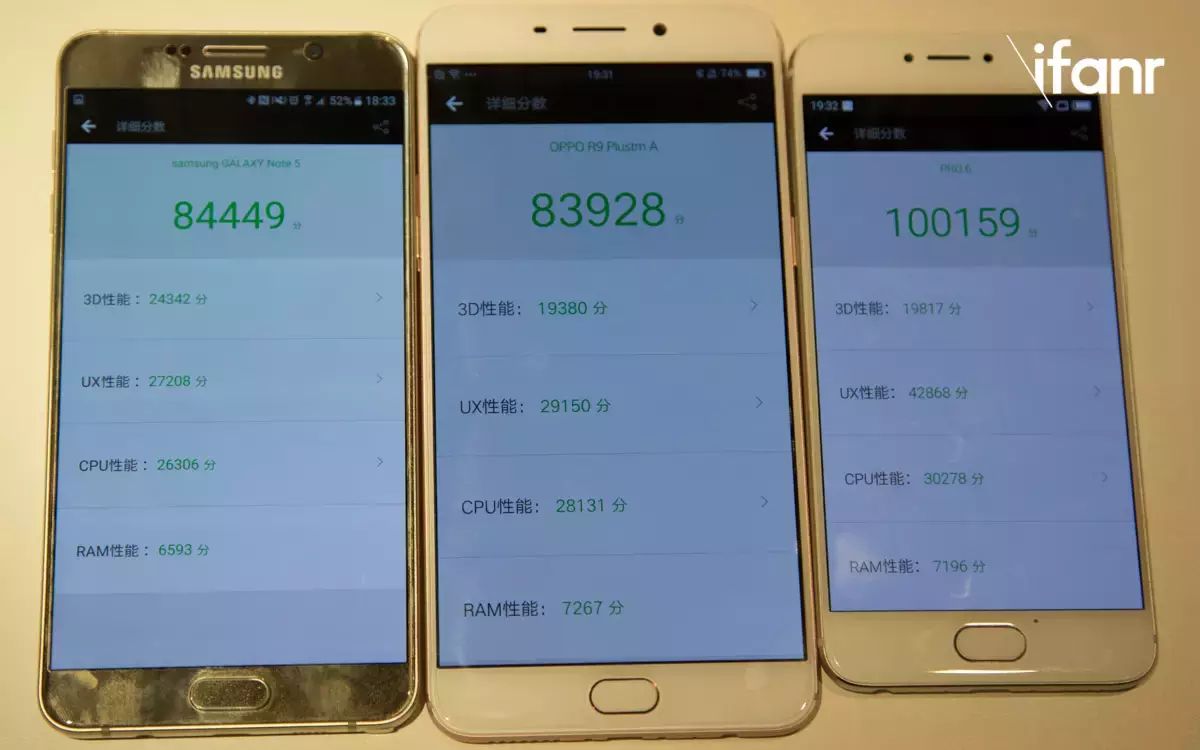 Samsung Note 5, OPPO R9 Plus, and Meizu PRO 6 were tested three times, with their best scores shown in the image above. Helio X25 scored over 100,000, ranking first, while Exynos 7420 and Snapdragon 652 were neck and neck, with Exynos 7420 scoring slightly higher. Looking closely at the sub-scores, Exynos 7420 had the highest 3D performance score, which is impressive given the constraints of the 2K display; Helio X25 excelled in other sub-scores, showcasing the power of its ten cores.
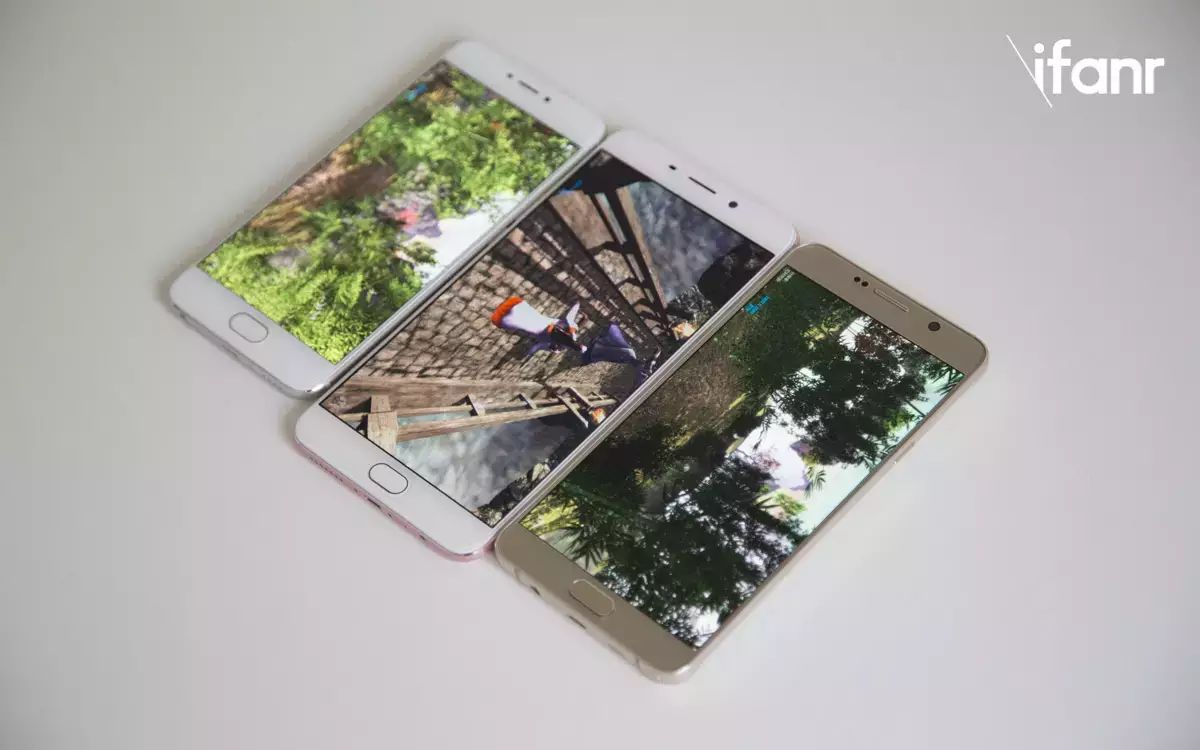 However, it should be noted that the Samsung Note 5 experienced texture and rendering issues during the AnTuTu 3D test, which may have affected its final graphics processing score. Next, we conducted a full CPU performance comparison using Geekbench 3.0.
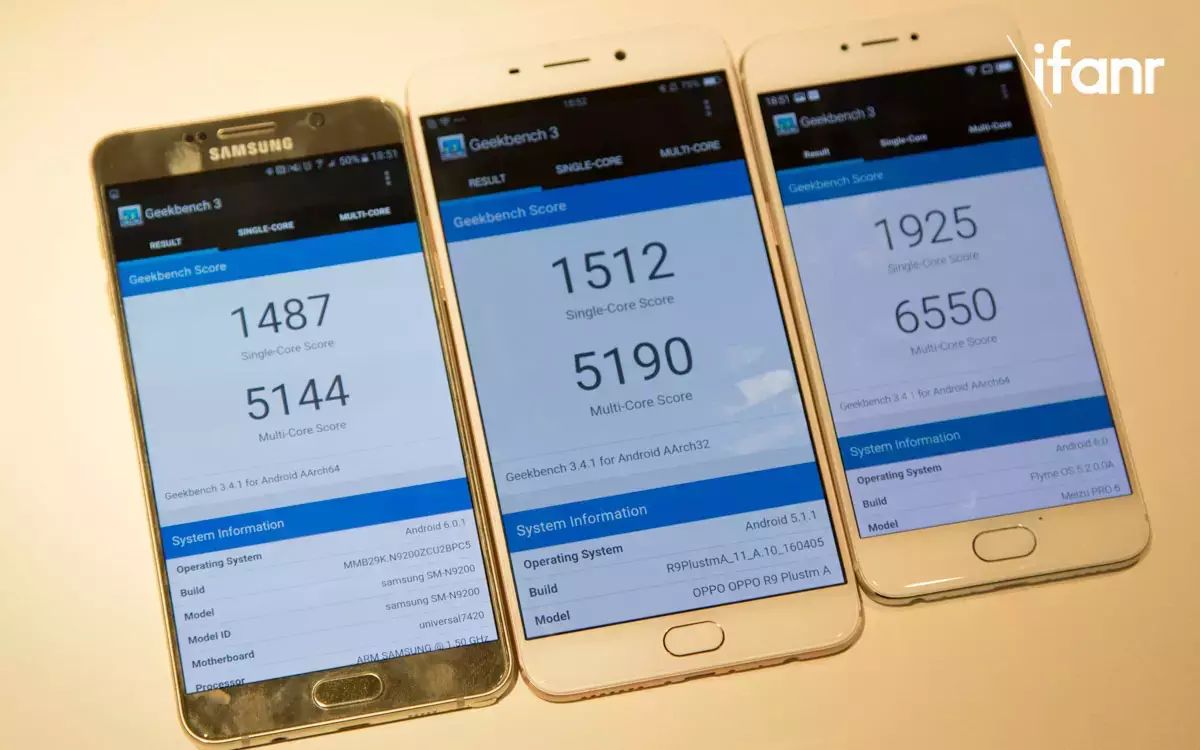 Samsung Note 5, OPPO R9 Plus, and Meizu PRO 6 were also tested three times, with their best scores shown in the image above. Once again, Helio X25 took the lead with a single-core score of 1925 and a multi-core score of 6550, a truly impressive achievement. Exynos 7420 and Snapdragon 652 remained closely contested, with Snapdragon 652 edging out this time. Finally, we tested GPU performance using 3D Mark, which forced all phones to render at 2K resolution, ensuring that the actual screen resolution would not affect the final scores.
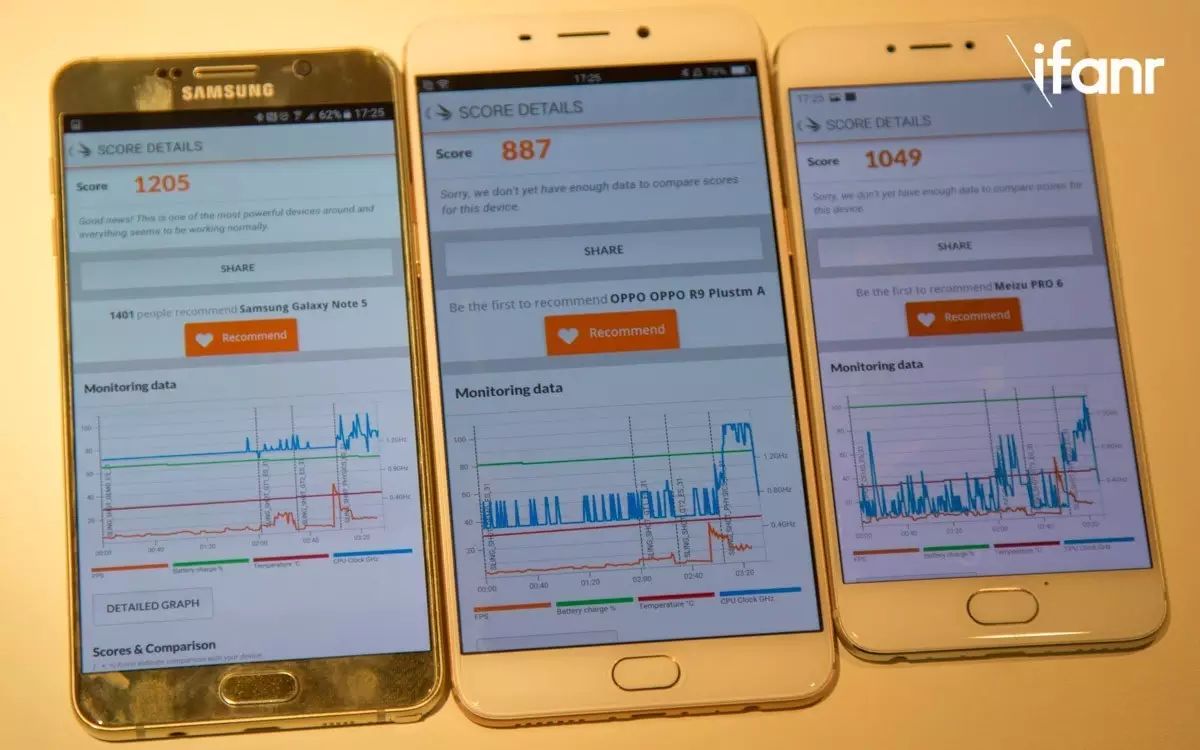 Samsung Note 5, OPPO R9 Plus, and Meizu PRO 6 were tested three times, with their best scores shown in the image above. Exynos 7420’s Mali-T760MP8 @ 772MHz scored 1205, ranking first; Helio X25’s Mali-T880MP4 @ 850MHz scored 1049, coming in second; and Snapdragon 652’s Adreno 510 scored 887, ranking last. However, during the test, Snapdragon 652 exhibited the least battery fluctuation and temperature variation; Helio X25’s temperature increased significantly. Of course, this could also be related to the design of the phones themselves. From the final results presented by these testing software, Helio X25’s CPU performance, bolstered by its ten cores and A72 architecture, is indeed strong, while the T880MP4 appears somewhat lacking; Exynos 7420 continues to maintain a lead in graphics processing capabilities among the three, which is no small feat. Meanwhile, Snapdragon 652 shows a balanced overall performance. Finally, it should be noted that benchmark scores do not fully reflect processor performance, just as exam results do not completely represent a student’s grasp of knowledge; there are still uncontrollable variables, and the above scores are for reference only. Returning to the initial question, Helio X25’s absolute performance, especially in CPU terms, has indeed improved compared to the Exynos 7420 found in PRO 5, but components like eMMC 5.1, LPDDR3, and T880MP4 are indeed inferior to Exynos 7420’s UFS2.0, LPDDR4, and T760MP8.