The core value of automobiles is accelerating its shift from traditional mechanical hardware to embedded software. Only by improving code efficiency, fully utilizing limited computing power, and building a modular system that covers the entire product line can we truly unlock the value of software-defined vehicles.
——QNXDirector of Automotive Business Customer MarketingNiko Boeker

At theIAA MOBILITY 2025,BlackBerry‘sQNXdivision collaborated withVectorto jointly showcase the foundational vehicle software platform developed through their partnership, presenting the latest technological breakthroughs in the field of software-defined vehicles (SDV).
The live demonstration at the exhibition focused on showcasing the practical application effects ofSome/IPcommunication technology, allowing visitors to intuitively experience the significant performance optimizations achieved through the deep integration ofVector HPCmiddleware with theQNXoperating system. This innovative integration solution fully demonstrates the synergy of the two technology leaders—the overall performance far exceeds the simple addition of individual technologies.
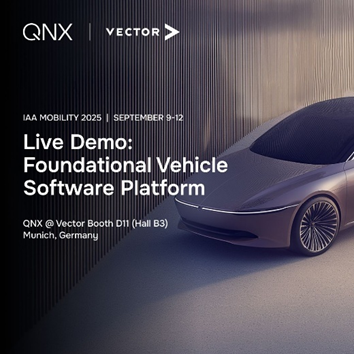
QNXandVectorofficially signed a memorandum of understanding inJune 2025to jointly develop the next-generation foundational vehicle software platform, aimed at accelerating the development process of software-defined vehicles while significantly reducing the complexity of automotive software integration. The platform is expected to release its officially certified version by the end of2026, which will meet the highest levels of functional safety (ISO 26262 ASIL D) and cybersecurity (ISO 21434) standards.
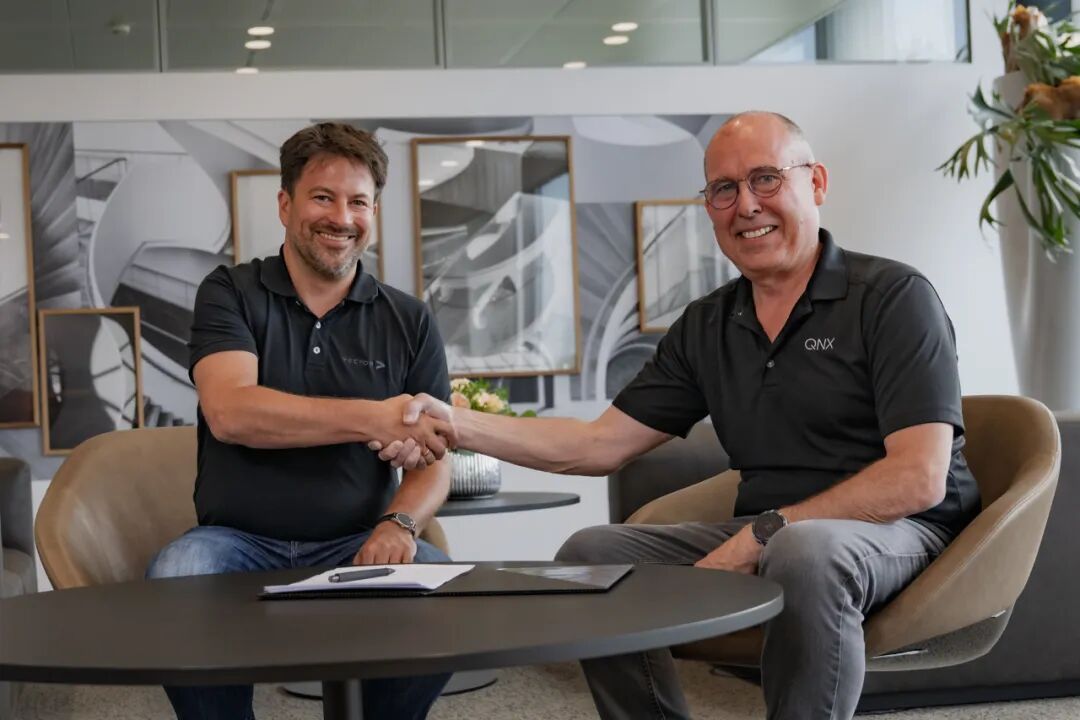
VectorPresidentMatthias TraubandQNXChief Operating OfficerJohn Wallsigned the memorandum of understanding
After visiting the auto show,QNXDirector of Automotive Business Customer MarketingNiko Boekerstated: “At this year’sIAA, German automakers showcased compelling next-generation models, while Chinese brands continue to lead in multiple key dimensions ofSDV with strong capabilities. The core value of automobiles is accelerating its shift from traditional mechanical hardware to embedded software.
When discussing industry trends,Niko Boekerfurther pointed out: “Centralized high-performance computing (HPC) architecture is being actively adopted across the industry. What we see now is no longer dozens of independent control units, but vehicles built around a powerful ‘brain’ that unifies all major functions from advanced driver assistance systems (ADAS) to infotainment systems. This shift towards a regionalized architecture simplifies electrical layouts, reduces costs, and lays the technological foundation for future innovations.”
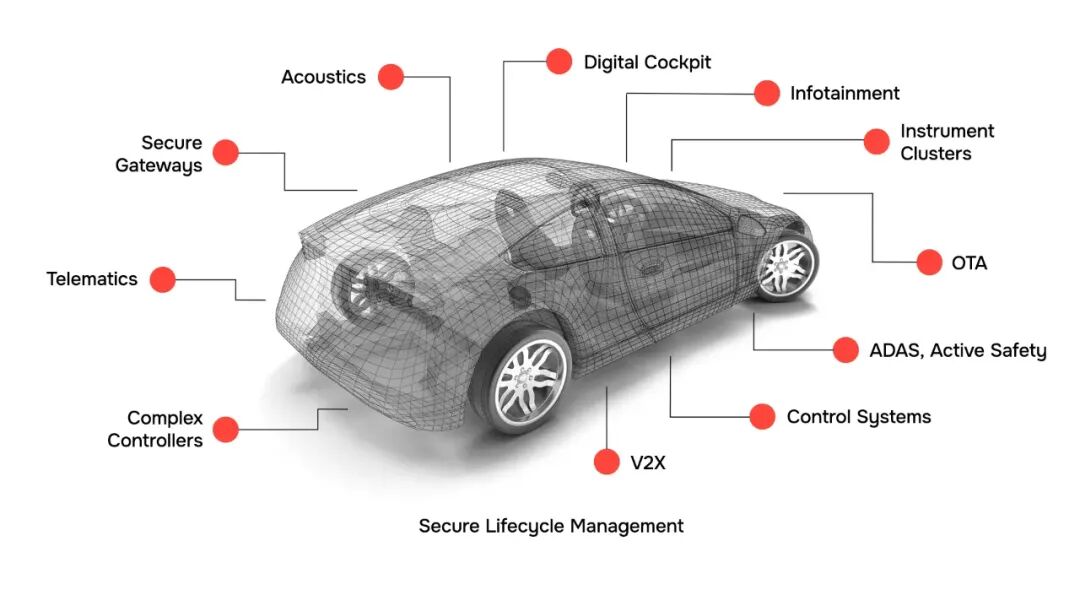
InNiko Boeker‘s view, the current competitive focus is no longer on stacking a complex luxury car software stack, but on how to build a unified platform with scalability. Taking the VolkswagenID. Polo model as an example, the real challenge lies in: how to enable an economical electric vehicle to efficiently run the same platform capabilities? Only by improving code efficiency, fully utilizing limited computing power, and building a modular system that covers the entire product line can we truly unlock the value of software-defined vehicles.
 Conclusion
When discussing the future of the industry,Boekermade the following judgment: “Today, at theIAA 2025exhibition site,SDV is no longer just a concept, but has become a tangible reality.”
From concept to reality, the era of software-defined vehicles has arrived.
Focus on IAA 2025: How Does China's Supply Chain Shine in Europe? (Part 2)
Focus on IAA 2025: How Does China's Supply Chain Shine in Europe? (Part 1)
Focus on IAA 2025: What Major Innovations Have Global Top Supply Chain Players Unveiled?