AI agents are designed for autonomous reasoning, planning, and action. To operate effectively, building an AI agent should adhere to some fundamental principles that make the AI agent more reliable, intelligent, and practical in real-world applications:
- Role Definition
- Focused Tasks
- Custom Tools
- Multi-Agent Collaboration
- Agent Constraints
- Agent Memory
Role DefinitionOne of the most effective ways to enhance the effectiveness of an AI agent is to clearly define the agent’s role.When an agent is assigned a clear identity, expertise, and objectives, its responses become more structured, relevant, and predictable.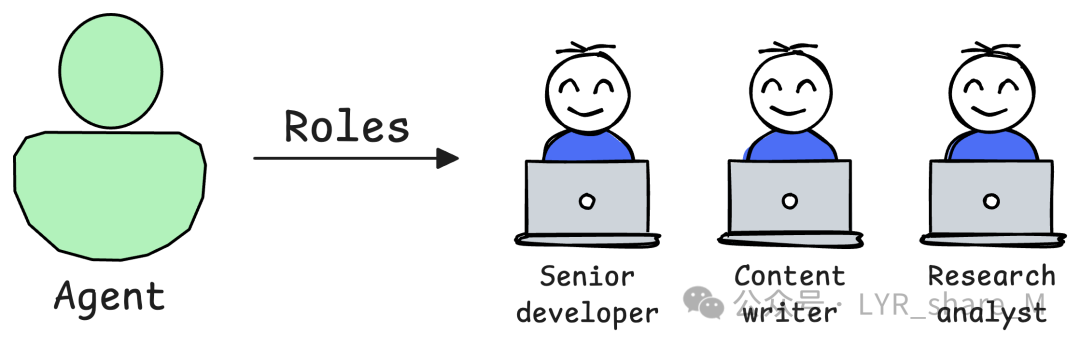 Requesting a general AI assistant to summarize documents in a vertical domain may yield vague and imprecise answers. If the AI agent’s role is set as a domain expert, the responses will be more accurate and context-aware.This approach is effective because role assignment influences the reasoning process, ensuring the agent retrieves and generates information with specific domain knowledge. Therefore, the best practice is to assign the agent a clear role and objectives that align with its tasks. The more specific and realistic the role, the higher the quality of the responses.Focused TasksFocused tasks are crucial for reducing hallucinations, improving accuracy, and ensuring consistency in multi-agent systems. While modern LLMs have large context windows, simply feeding them excessive data does not guarantee better results. If an agent takes on too many tasks, too much information, or conflicting objectives, it may lose focus and degrade performance. Instead of trying to make a single agent do everything, a better approach is to use multiple agents, each with a specific and narrow focus.
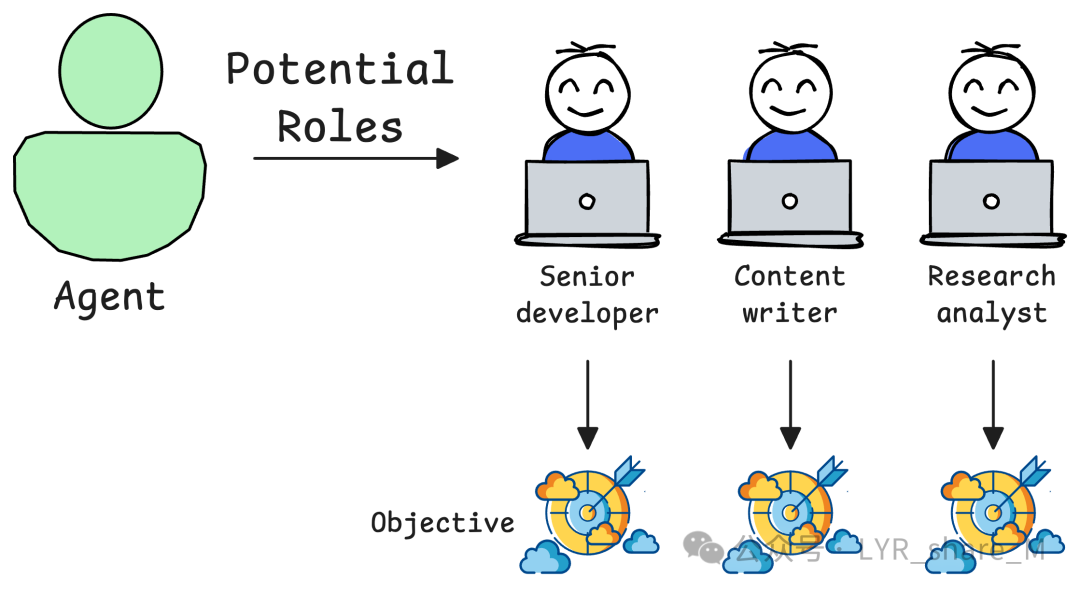 Therefore, the best practice is to specialize agents as much as possible; clear responsibilities ensure better accuracy and reliability.Custom ToolsWhen AI agents can utilize external tools, their capabilities become significantly enhanced. However, the key to success lies in selecting the right tools rather than overwhelming the agent with too many choices.
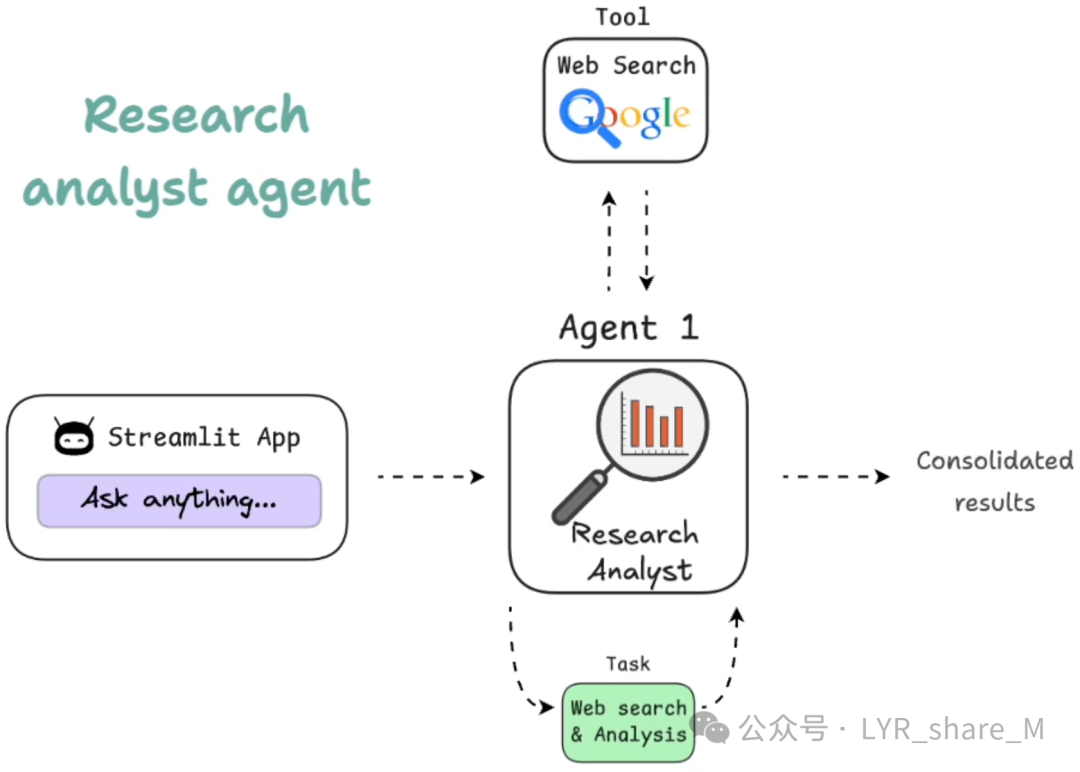 If unnecessary tools are added, it may confuse the agent and reduce efficiency; therefore, the best practice is to equip each specific agent with only the essential tools needed to complete its tasks effectively. More tools do not equal better results.Multi-Agent CollaborationMulti-agent systems perform best when agents collaborate and exchange feedback. There is no need to rely on a single holistic agent; a network of specialized agents can work together to improve decision-making and task execution.
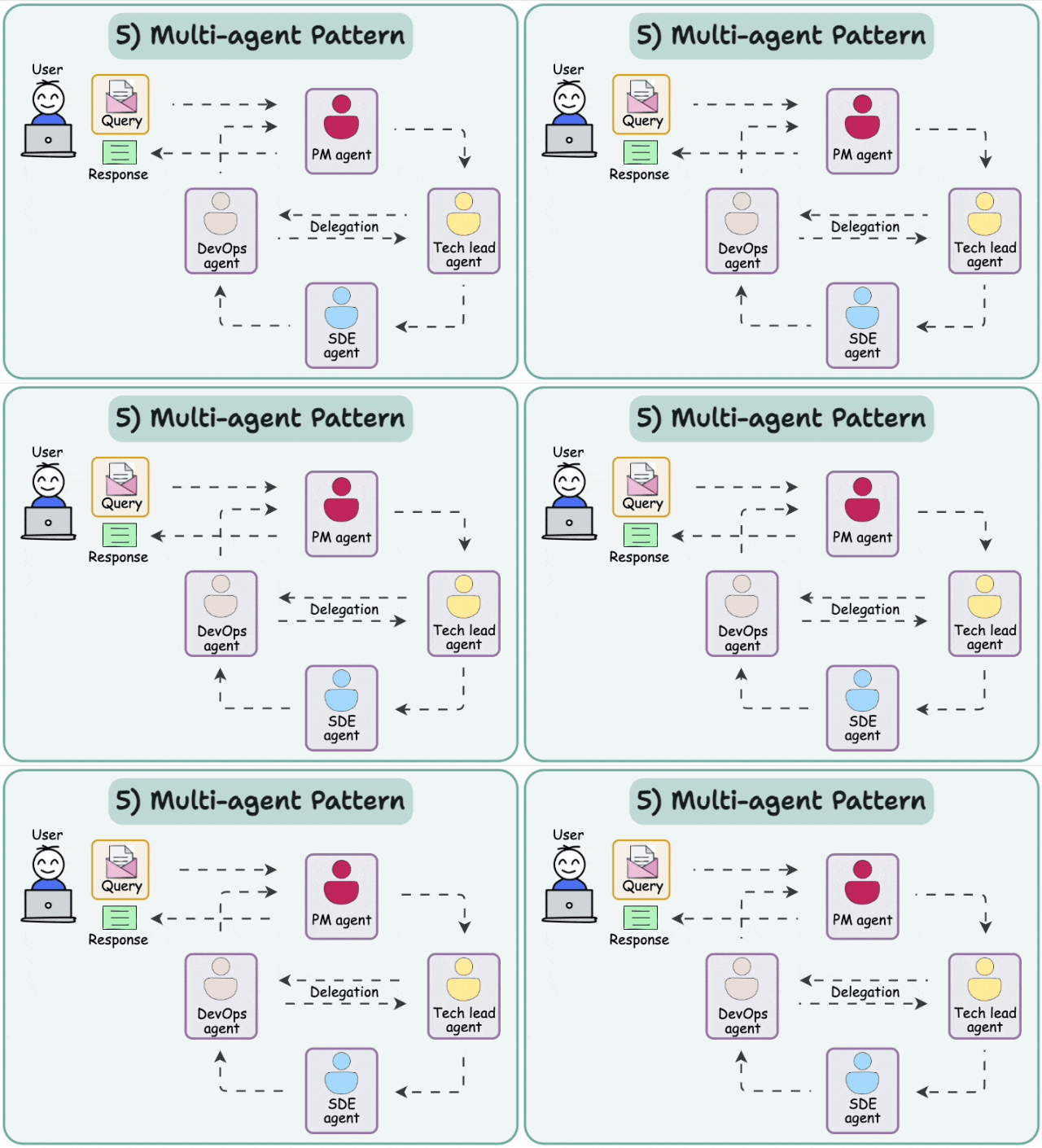 By dividing tasks and sharing scenarios, agents can improve each other’s outputs and produce more accurate and structured results. The best practice is to design workflows that facilitate agent collaboration, where agents can exchange insights and collaboratively refine their responses.Agent ConstraintsAI agents are powerful, but without constraints and safeguards, they may produce hallucinations or make unreliable decisions. Constraints ensure that agents stay on track and maintain quality standards.
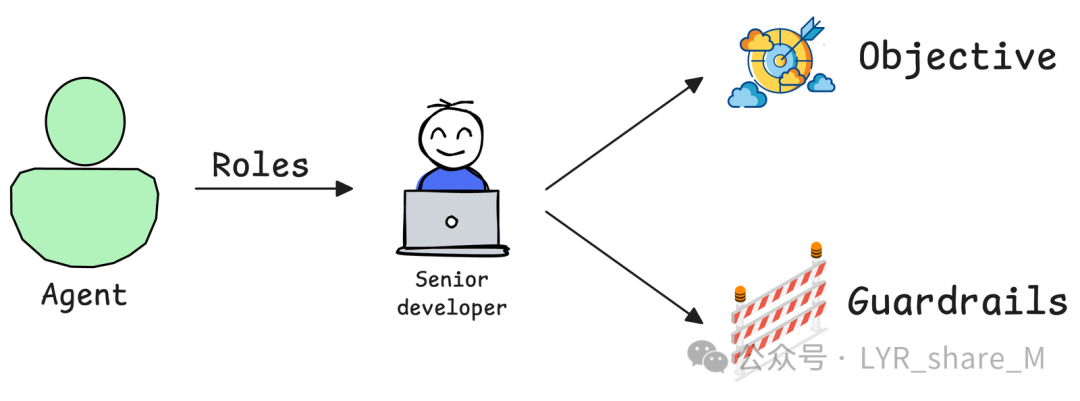 Examples of effective constraints include:
- Limiting tool usage: Preventing agents from overusing APIs or generating irrelevant queries.
- Setting validation checkpoints: Ensuring outputs meet predefined standards before proceeding to the next step.
- Establishing fallback mechanisms: If an agent fails to complete a task, another agent or human review can intervene.
Therefore, safeguards, validation layers, and fallback mechanisms should be implemented to keep agents aligned with expected behaviors.Agent MemoryWithout memory, agents start from scratch each time, losing all context from previous interactions. With memory, agents can continuously improve over time, remembering past behaviors and providing more cohesive responses.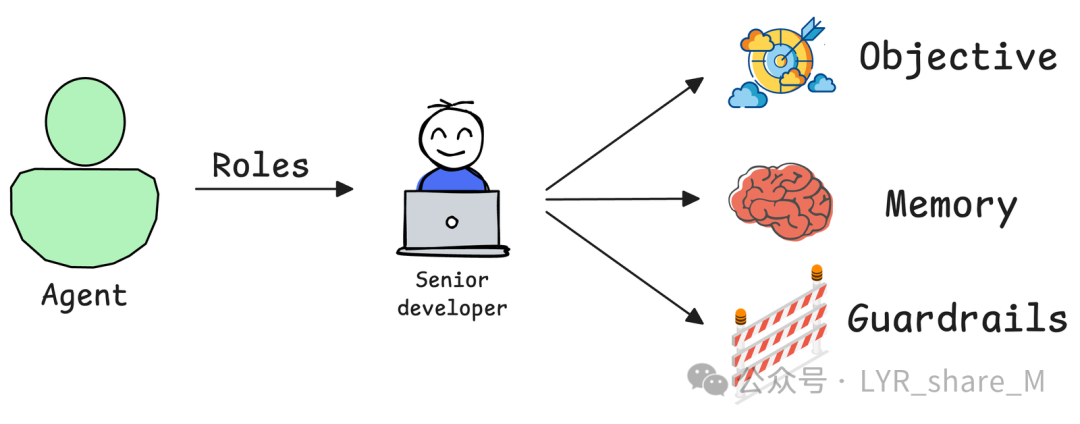 Different types of memory in AI agents include:
- Short-term memory: Exists only during execution, referring to recent conversation history.
- Long-term memory: Persists after execution, such as remembering user preferences during interactions.
- Entity memory: Stores information about key topics discussed.
Without memory, agents treat each session as a new interaction, which makes them less useful. The best practice is to implement both short-term and long-term memory so that agents can learn, adapt, and provide personalized experiences over time.If you find this article helpful in understanding how to build AI agents, feel free to follow our public account for more exciting content; like or appreciate to express your encouragement!